Tag: Arctic Dog Rescue and Adoption

  • The Importance of Arctic Dog Rescue: A Comprehensive Guide

    The Importance of Arctic Dog Rescue: A Comprehensive Guide

    Why Arctic Dog Rescue is Crucial for Northern Breeds

    Have you ever wondered why Arctic dog rescue is essential for these magnificent breeds? The importance of Arctic dog rescue lies in addressing the increasing number of abandoned Arctic breeds, a trend exacerbated by climate change and economic factors. These breeds, known for their high energy levels and specific care needs, often end up in shelters due to misunderstood requirements.

    Many Arctic breeds require extensive exercise and socialization, needs that are often unmet in typical home environments. Organizations like the Arctic Dog Rescue and Training Center (ADRTC) rescue thousands of these dogs annually, highlighting the critical role of rescue efforts in preserving these unique breeds.

    Understanding the adoption process is crucial for potential pet owners.

    Adopting an Arctic Breed: What to Expect

    a white polar bear laying in the snow
    Photo by AHMAD HASAN on Unsplash

    Thinking about bringing an Arctic breed into your home? Here’s what you need to know about the adoption process. The steps to adopt an Arctic dog typically begin with an application, followed by a home visit to ensure a suitable environment, which is a unique requirement of the ADRTC adoption process. Successful adoptions often include a home check and a fee, with the timeline from application to finalization usually taking a few weeks.

    For example, the Smith family adopted a Husky through ADRTC. After submitting their application, they underwent a home visit, ensuring their space was safe and suitable. Within a month, they welcomed their new furry friend. Next, we will delve into the temperament and specific needs of Arctic breeds.

    Understanding the Temperament and Needs of Arctic Breeds

    Are you ready to embrace the spirited nature of Arctic breeds? Understanding their temperament is key to a successful adoption. These dogs, like Siberian Huskies and Alaskan Malamutes, are known for their independence and strong prey drive. They often exhibit a strong pack mentality, necessitating proper socialization with other dogs to prevent behavioral issues.

    Potential owners should be prepared for their high exercise needs and the socialization requirements of these breeds. While Siberian Huskies are more energetic and playful, Alaskan Malamutes tend to be more reserved but equally strong-willed. Now that you know their temperament, let’s explore how to prepare your home for an Arctic dog.

    Preparing Your Home for an Arctic Dog

    Are you ready to welcome an Arctic dog into your life? Preparation is key to ensuring a smooth transition. Start by gathering essential supplies for adopting Arctic breeds, such as high-quality food, durable bedding, and toys that match their energy levels. Many new owners underestimate the need for a secure outdoor area, which is vital for the exercise needs of Arctic breeds.

    Additionally, dog-proofing for high-energy dogs is crucial. Ensure your home is safe by removing hazards and securing fragile items. Understanding the long-term commitment required for Arctic breeds is essential for responsible pet ownership.

    Long-term Commitment and Care Requirements

    Owning an Arctic dog is a long-term commitment—are you prepared for the journey ahead? Long-term care for Arctic breeds involves understanding their unique dietary needs, which often include a higher caloric intake to sustain their energy levels. Regular exercise is crucial to prevent obesity and maintain their physical health.

    Health issues in Arctic dogs, such as hip dysplasia and eye conditions, require vigilant monitoring. Routine veterinary care, including vaccinations and check-ups, is essential to catch and manage these conditions early. Let’s explore how you can get involved with ADRTC through volunteering and fostering opportunities.

    Volunteer and Fostering Opportunities at ADRTC

    Looking for a way to make a difference? Discover the rewarding volunteer opportunities at ADRTC. Whether you’re interested in dog walking, event planning, or providing administrative support, there are numerous ways to get involved. Volunteers at Arctic Dog Rescue often form lasting friendships and networks, creating a strong community of animal lovers dedicated to rescue efforts.

    Volunteering offers personal fulfillment and community engagement. One volunteer shares, “Helping these dogs find homes has been incredibly rewarding.” Another notes, “I’ve met amazing people who share my passion for animal rescue.” Learn more about volunteering benefits.

    If you’re considering fostering, it’s important to know what it entails.

    How to Become a Volunteer at ADRTC

    Could you open your heart and home to an Arctic dog in need? Fostering could be your calling. Fostering Arctic dog breeds can significantly improve their chances of adoption, as they often thrive in home environments compared to shelters.

    1. Meet the Requirements: Ensure you have a safe, loving home and the time to care for an Arctic breed.
    2. Understand the Responsibilities: Provide daily care, training, and socialization to prepare them for adoption.
    3. Embrace the Emotional Journey: Experience the joy of seeing a foster dog find a forever home, despite the challenges.

    Fostering Arctic breeds not only helps the dogs but also strengthens the community. The impact of volunteering and fostering goes beyond just helping dogs; it strengthens the community.

    Fostering Arctic Breeds: What You Need to Know

    Ever wondered how your contribution can change a dog’s life? The impact of fostering is profound and far-reaching. Fostered dogs often exhibit improved behavior and social skills, making them more adoptable than those who remain in shelters. In fact, fostered dogs have a 70% higher chance of finding permanent homes.

    Volunteering benefits Arctic breeds immensely, offering emotional rewards for both the caregiver and the dogs. Success stories abound, showcasing how fostering transforms lives. Now, let’s explore how you can support Arctic Dog Rescue through various means.

    The Impact of Volunteering and Fostering on Rescue Efforts

    Want to make a difference for Arctic dogs? Here are several impactful ways you can support ADRTC. Donations, purchasing merchandise, and participating in events are vital. Community support through small donations can collectively fund significant veterinary care and rehabilitation for rescued dogs. Stories abound of how these contributions have transformed lives.

    Let’s take a look at specific financial contributions you can make to help ADRTC.

    Supporting Arctic Dog Rescue: Donations, Merchandise, and More

    woman standing beside white dog
    Photo by Jaron Mobley on Unsplash

    Are you ready to make a financial impact on Arctic dog rescue? Here are your options for supporting ADRTC. Financial contributions to dog rescue can be made through one-time donations or monthly sponsorships. Monthly sponsorships provide a reliable income stream for ADRTC, allowing for better planning and resource allocation. Additionally, donations to ADRTC, a nonprofit organization, may offer tax benefits.

    Current donation options for ADRTC include funding specific projects such as medical care for rescued dogs and facility improvements. In addition to donations, purchasing merchandise can also support the rescue efforts.

    Ways to Contribute Financially to ADRTC

    Looking for a way to support Arctic Dog Rescue while getting something in return? Check out our merchandise options! You can buy Arctic Dog Rescue merchandise such as apparel, accessories, and dog supplies. These ADRTC branded products not only support dog rescue through shopping but also raise awareness about Arctic dog breeds in the community.

    Proceeds from merchandise sales directly benefit our rescue operations, ensuring that more dogs find loving homes. Many supporters have shared testimonials, praising the quality and impact of their purchases. Organizing community events is another powerful way to support ADRTC.

    Purchasing Merchandise to Support Arctic Dog Rescue

    Ready to rally your community for a good cause? Here’s how to organize a successful fundraiser for Arctic Dog Rescue. Consider hosting dog walks, bake sales, or community fairs. These community-driven fundraisers often yield higher engagement and participation, fostering a sense of ownership among attendees.

    To ensure success, focus on marketing strategies like social media campaigns and local partnerships. Engaging the community through flyers and word-of-mouth can also boost turnout. Past events by ADRTC have shown that personal stories and photos of rescued dogs resonate well with potential supporters.

    Now, let’s compare different Arctic dog rescue organizations to understand their unique contributions.

    Organizing Fundraisers and Community Events

    Curious about the different Arctic dog rescue organizations? Let’s explore how they each contribute to the welfare of these breeds. Organizations like ADRTC focus on adoption processes, training, and community outreach. Many Arctic dog rescues address breed-specific health issues, offering specialized care that general rescues may not provide.

    Next, we will discuss the criteria for evaluating these organizations.

    Comparison of Arctic Dog Rescue Organizations

    Not all rescues are created equal—what should you look for when choosing an organization to support? Evaluating dog rescue organizations involves several key criteria for Arctic dog rescues, including transparency, success rates, and community involvement. Ethical practices in animal rescue are paramount. Transparency in operations and financials is a critical indicator of a rescue’s integrity and effectiveness, often overlooked by potential supporters.

    Criteria Importance
    Transparency Ensures honesty in operations and financials
    Success Rates Indicates the effectiveness of adoption processes
    Community Involvement Shows engagement and support within the local area
    Ethical Practices Guarantees humane treatment of animals

    Now, let’s take a closer look at the leading organizations in Arctic dog rescue.

    Criteria for Evaluating Arctic Dog Rescue Groups

    Want to know how the top Arctic dog rescue organizations stack up? Let’s break it down side by side with this comprehensive comparison of leading Arctic dog rescues.

    Organization Mission Services Success Stories Geographical Areas Partnerships
    Arctic Paws Rescue Rehabilitation of Arctic breeds Adoption, Fostering Over 500 adoptions North America Local shelters
    Snowy Tails Haven Senior Arctic breed care Specialized senior programs Unique senior adoptions Europe Veterinary clinics

    Some organizations may have specialized programs for senior Arctic breeds, which is a rarity in the rescue community.

    Side-by-Side Analysis of Leading Organizations

    With so many options available, how do you choose the right Arctic dog rescue organization for your needs? Consider factors like breed preference, location, and shared values. Visiting local rescues and meeting their teams can also help in finding the right dog rescue.

    Criteria Considerations
    Breed Preference Ensure the organization specializes in the Arctic breed you are interested in.
    Location Choose a rescue that is easily accessible for visits and adoption processes.
    Values and Mission Align with organizations that share your values for a more satisfying experience.

    Let’s wrap up with some key takeaways about Arctic dog rescue.

    Choosing the Right Rescue Organization for You

    As we conclude, let’s reflect on the vital role Arctic dog rescue plays in our communities and how you can be a part of it. Engaging with local rescues not only helps dogs but also strengthens community bonds and awareness about animal welfare.

    Key Points Importance
    Adoption Provides homes for Arctic breeds
    Volunteering Supports rescue operations
    Donations Funds essential resources

    Support Arctic dog rescue initiatives today and make a difference in the lives of these incredible animals.

    FAQs About Arctic Dog Rescue and Adoption

    A dog laying in the snow next to a bench
    Photo by Pau de Valencia on Unsplash
    • What organizations are involved in Arctic dog rescue?

      Many organizations, such as the Humane Society, work tirelessly to rescue and rehome Arctic breeds.

    • How does the adoption process work?

      Adopting an Arctic dog typically involves an application, home visit, and adoption fee to ensure a suitable match.

    • Can I foster an Arctic dog?

      Fostering is a rewarding way to help. Requirements often include a safe home environment and a commitment to care for the dog temporarily.

    What Breeds Are Considered Arctic Dogs?

    Arctic dogs are breeds adapted to cold climates, including the Siberian Husky, Alaskan Malamute, and Samoyed. These breeds are known for their thick fur, endurance, and strong work ethic. They are often the focus of Arctic dog rescue organizations, which facilitate adoption and foster care for these resilient canines.

    How Can I Help If I Can’t Adopt or Foster?

    Support Arctic dog rescue organizations by donating funds or supplies. Volunteer your time for events or administrative tasks. Spread awareness through social media or word-of-mouth. Consider sponsoring a dog to cover its care costs, or assist with transport logistics to connect dogs with their forever homes.

    What Are the Costs Involved in Adopting an Arctic Dog?

    Adopting an Arctic dog typically involves costs such as adoption fees, which range from $150 to $500 depending on the rescue organization. Additional expenses may include vaccinations, spaying or neutering, and microchipping. Some organizations offer fostering opportunities, which may reduce initial costs and provide valuable support during the adoption process.

    Are Arctic Breeds Suitable for Families with Children?

    Arctic breeds can be wonderful companions for families with children, given their friendly and protective nature. However, it’s crucial to ensure proper training and socialization. Many Arctic dog rescue organizations offer guidance on adoption and fostering, helping families understand the specific needs and behaviors of these unique breeds.

    Key Takeaways About Arctic Dog Rescue

    Arctic Dog Rescue organizations play a crucial role in saving and rehoming Arctic breeds. Their adoption process is designed to match each dog with the right family, ensuring a successful transition. Fostering offers a temporary yet impactful way to help, with specific requirements to ensure the dogs’ well-being. Join us in making a difference—consider adopting a dog or volunteering with ADRTC today!

  • How to Adopt a Rescue Dog: A Comprehensive Guide

    How to Adopt a Rescue Dog: A Comprehensive Guide

    What Makes Adopting a Rescue Dog Special

    Have you ever wondered what makes adopting a rescue dog a life-changing experience? The benefits are profound, offering emotional rewards like companionship and unconditional love. These loyal animals can transform your life, providing comfort and joy that enhance your mental well-being.

    Adopting a rescue dog not only saves a life but can also significantly improve your mental health. Studies show that pet ownership can lower stress and anxiety levels, making it a mutually beneficial relationship. With over 3 million dogs entering shelters annually, your decision to adopt makes a substantial impact on reducing this number.

    Success stories abound, with many owners sharing how their rescue dogs, including breeds like Huskies and Malamutes, have enriched their lives. These stories highlight the transformative power of adoption, where both the dog and the owner find new purpose and happiness.

    Understanding the adoption process is crucial for a successful transition into dog ownership.

    Navigating the adoption process can feel overwhelming, but understanding the steps can make it manageable and rewarding. The typical steps to adopt a rescue dog include submitting an application, attending an interview, and undergoing a home visit. Each step varies in duration; applications might take a few days to weeks, while interviews and home visits can extend the timeline, especially with waiting lists.

    Many rescue organizations prioritize matching dogs with the right families over simply placing them, which can lead to a more successful adoption experience. Be prepared for potential rejections and view them positively as opportunities to find the perfect match.

    Next, we will explore the specific requirements and paperwork involved in adopting a rescue dog.

    Understanding the Requirements and Paperwork

    Are you ready to take the plunge into dog adoption? First, let’s tackle the important paperwork and requirements you need to know. Common requirements include being of legal age, income verification, and considerations for home ownership versus renting. The paperwork often involves an adoption application and reference checks.

    Having a vet reference or a plan for veterinary care is crucial. Some rescue organizations may require a home visit before approval, which can be a deciding factor in the adoption process. Finding the right rescue organization is essential to ensure a good match for both you and your future furry friend.

    Finding the Right Rescue Organization

    Choosing the right rescue organization can make all the difference in your adoption experience—here’s how to find the perfect fit. Start by researching local rescues, checking online reviews, and evaluating their success rates. Many potential adopters overlook breed-specific rescue organizations, which offer tailored support, especially for breeds like Huskies.

    Utilize social media and attend community events to discover reputable dog rescues. These platforms often highlight organizations’ missions and showcase successful adoptions. Once you’ve found a rescue, the next step is meeting and choosing your ideal rescue dog.

    Meeting and Choosing Your Rescue Dog

    Meeting your potential rescue dog is an exciting step—here’s how to ensure you make the right choice for your family. During the meet and greet, ask the staff about the dog’s history and health. Observe the dog’s behavior and temperament; this is crucial for a successful match.

    When choosing a rescue dog, consider their energy level and how it fits with your lifestyle. Introduce family members to the dog to see how they interact. This helps ensure compatibility before finalizing the adoption. Preparing your home for a new rescue dog is essential to create a welcoming environment.

    Preparing Your Home and Checklist for a Rescue Dog

    white short coated dog with black collar
    Photo by Jason Lyons on Unsplash

    Are you ready to welcome a rescue dog into your home? Let’s make sure you have everything you need to create a comfortable environment. Essential supplies for rescue dogs include food, bedding, toys, and grooming tools. It’s also crucial to dog-proof your home by eliminating hazards like exposed wires and toxic plants.

    • Quality dog food and water bowls
    • Comfortable bedding
    • Variety of toys
    • Grooming tools
    • Leash and harness
    • Dog ID tag and collar
    • Crate or safe space
    • Cleaning supplies for accidents

    Many first-time adopters forget about the importance of having a dog ID tag and collar ready before bringing the dog home, which can be crucial for safety. Creating a safe and comfortable environment is key to helping your new dog adjust.

    Essential Supplies for Your New Dog

    Before your new furry friend arrives, it’s crucial to gather the right supplies—here’s what you need to get started. Essential new dog supplies include food and water bowls, leashes, and crates. Selecting the right type of food tailored to your dog’s age and health needs is a key dog adoption essential.

    Many new dog owners underestimate the importance of a high-quality dog bed, which can significantly impact a dog’s comfort and sense of security in a new environment. Optional items like blankets and toys can further enhance your rescue dog’s comfort.

    For more tips on what to buy for a rescue dog, consult trusted resources. Safety is paramount; let’s discuss how to create a secure and welcoming environment for your rescue dog.

    Creating a Safe and Comfortable Environment

    Is your home ready for a new furry family member? Let’s ensure it’s a safe haven for your rescue dog. Start by dog-proofing your home: secure loose wires and remove toxic plants. Creating a safe space for dogs is crucial; a quiet corner can ease their transition. Use baby gates to limit initial access, helping them adjust gradually.

    Introducing your rescue dog to family and other pets is a critical step in the adjustment process.

    Introducing Your Rescue Dog to Family and Other Pets

    Bringing a rescue dog into your home is just the beginning—how will you introduce them to your family and other pets? Start by allowing your new dog to sniff items belonging to family members to ease introductions. Gradually introduce them to children and existing pets, monitoring interactions closely. Give your dog time to acclimate before overwhelming it with attention. Understanding the 3-3-3 rule will help you navigate the initial adjustment period for your rescue dog.

    Helping Your New Rescue Dog Settle In: The 3-3-3 Rule and More

    Are you prepared for the emotional journey of welcoming a rescue dog? The 3-3-3 rule can guide you through the adjustment process. This dog adjustment timeline outlines three phases: the first three days, three weeks, and three months.

    1. First 3 Days: Your dog may feel overwhelmed and anxious. Expect behaviors like hiding or reluctance to eat. Provide a quiet space and gentle reassurance.
    2. First 3 Weeks: As your dog starts to settle, you might notice more curiosity and exploration. Establish routines to help them feel secure.
    3. First 3 Months: True personality emerges as they become comfortable. Continue positive reinforcement and socialization.

    The 3-3-3 rule for rescue dogs highlights that many may not show their true personality until after three months. Understanding the initial three days is crucial for setting the tone for your dog’s new life.

    The First Three Days: Initial Adjustment

    The first few days with your new rescue dog are crucial—are you ready to support them through this transition? Here’s what to expect after adopting a dog during this initial adjustment period:

    1. Signs of Stress: Your dog may exhibit anxiety, such as pacing or whining. Keep the environment calm by minimizing visitors.
    2. Establishing Routine: Start a consistent schedule for feeding, walks, and rest to help your dog feel secure.

    As the days progress, the first three weeks are vital for building trust and establishing routines.

    First Three Weeks: Building Trust and Routine

    The first three weeks are a pivotal time for your rescue dog—are you ready to build a strong foundation of trust? Establishing a consistent routine is crucial. Here’s how you can build trust with your rescue dog:

    1. Consistency is Key: Maintain regular feeding, walking, and training times to help your dog feel secure.
    2. Watch for Trust Signals: Look for signs like seeking interaction or exploring the home, indicating your dog is beginning to trust you.
    3. Gradual Socialization: Introduce new experiences slowly, allowing your dog to adjust at their own pace.

    During the first three weeks after adoption, many dogs will begin to show their true personalities, revealing quirks and preferences that can help owners bond with them. As you approach the three-month mark, full integration and bonding become essential.

    First Three Months: Full Integration and Bonding

    After three months, your rescue dog is likely to feel at home—are you ready to deepen that bond? Many owners are surprised to find that the bond with their rescue dog deepens significantly after the three-month mark, as the dog becomes more secure and confident.

    1. Behavioral Changes: Expect increased emotional stability and fewer anxiety-driven behaviors.
    2. Continued Training: Maintain regular training sessions and socialization to reinforce positive habits.
    3. Bonding Tips: Engage in regular playtime and use positive reinforcement to strengthen your connection.

    While the adjustment period is crucial, challenges may arise that require your attention and care.

    Addressing Common Challenges and Special Needs in Rescue Dogs

    A cute dog behind a wire fence in a shelter enclosure, looking towards the camera.
    Photo by Mia X on Pexels

    Are you prepared to face the challenges that may come with adopting a rescue dog? Understanding these issues is the first step to overcoming them. Common challenges with adopted dogs often include anxiety, fear, or aggression, which can stem from past trauma. Recognizing these behavioral issues in rescue dogs is crucial for effective training.

    Training solutions for rescue dogs often involve positive reinforcement techniques. In some cases, seeking professional help can be beneficial. Patience and understanding are key in addressing these challenges, as many adopters do not realize the depth of past experiences that influence behavior.

    Health concerns are also a significant aspect of caring for a rescue dog that new owners should be aware of.

    Behavioral Issues and Training Solutions

    Behavioral issues can be daunting, but with the right approach, you can help your rescue dog thrive—are you ready to learn how? Many rescue dogs exhibit behavioral issues like separation anxiety, resource guarding, and fear-based aggression. Consistent training techniques for rescue dogs, such as desensitization, can effectively manage these challenges.

    For separation anxiety, gradually increasing alone time helps. Resource guarding can be addressed by teaching “leave it” commands. Fear-based aggression often benefits from desensitization and counter-conditioning. Seeking professional training or behavioral consultations can provide tailored solutions and expedite progress.

    Health is another critical area of focus for new rescue dog owners, as many may come with underlying medical issues.

    Health Concerns and Veterinary Care

    Adopting a rescue dog comes with health responsibilities—are you prepared to ensure your new friend stays healthy? Common health concerns for rescue dogs include parasites, dental issues, and breed-specific conditions. Many rescue dogs may not have received proper veterinary care in their previous homes, making a comprehensive health check essential for their well-being.

    Schedule a thorough veterinary check-up shortly after adoption to address any medical issues. Maintain your dog’s health with a balanced diet, regular exercise, and consistent vet visits. Local resources can provide additional support to rescue dog adopters, enhancing the adoption experience.

    Local Resources and Support for Rescue Dog Adopters

    Are you aware of the local resources available to support you and your rescue dog? Connecting with your community can make all the difference. Many local pet stores and veterinary clinics offer special programs or discounts for rescue dog adopters, significantly reducing initial costs. Additionally, dog trainers may provide discounted sessions to help your new pet adjust.

    Community support for dog owners is also abundant. Join local support groups or online forums where adopters share experiences and seek advice. Engaging with the rescue community through local fundraising events or volunteer opportunities can further enrich your journey.

    As we wrap up, let’s address some frequently asked questions about adopting a rescue dog.

    Community Support Groups and Online Forums

    Have questions about adopting a rescue dog? You’re not alone—let’s address some of the most common concerns. FAQs about adopting a rescue dog often include inquiries about the adoption process, health concerns, and integration tips. Many prospective adopters are unaware that some rescue organizations offer post-adoption support, which can be crucial in addressing concerns after bringing a dog home.

    As we conclude, let’s summarize the key takeaways for adopting a rescue dog.

    Training Classes and Workshops

    As we wrap up, let’s reflect on the essential insights for anyone considering adopting a rescue dog. The key takeaways for dog adoption include understanding the adoption process, meeting requirements, and preparing for the first week. Adopting a rescue dog offers emotional and social benefits, often underestimated by potential adopters. Reach out to local rescues for personalized guidance.

    FAQs About Adopting a Rescue Dog

    a white dog with a leash standing in the snow
    Photo by Dylan Shaw on Unsplash

    Have questions about adopting a rescue dog? You’re not alone—let’s address some of the most common concerns.

    • What is the adoption process like?

      It typically involves an application, interview, and home visit. Each organization may vary slightly.

    • Are there health concerns with rescue dogs?

      Most rescues ensure dogs are vaccinated and spayed/neutered. Always inquire about medical history.

    • How do I integrate a rescue dog into my home?

      Gradual introduction to new environments and routines is key. Some organizations offer post-adoption support to assist with this.

    For more personalized questions or concerns, consider reaching out to your local shelter or visiting ASPCA.

    How Long Does the Adoption Process Take?

    The adoption process typically involves several key steps: application submission, interviews, home visits, and meeting potential canine companions. It’s crucial to be patient and prepared for these stages, as each ensures a good match between you and the dog.

    Adopting a rescue dog offers emotional and practical benefits, transforming lives by providing companionship and joy. Many potential adopters underestimate this impact. For personalized guidance, reach out to local rescues. Key takeaways include understanding the process and embracing the rewarding journey of dog adoption.

    What Should I Know About Rescue Dog Health?

    Understanding the health needs of a rescue dog is crucial for a smooth transition. Many rescue dogs may come with a history of neglect or untreated medical issues. It’s essential to schedule a veterinary check-up immediately after adoption. This initial visit will help identify any existing conditions and set up a vaccination schedule.

    • Vaccinations: Ensure your dog is up-to-date on all necessary shots.
    • Nutrition: Discuss dietary needs with your vet to support recovery and health.
    • Behavioral Assessment: Some health issues may manifest as behavioral problems; professional guidance can help.

    Can I Adopt if I Have Other Pets at Home?

    Yes, you can adopt a rescue dog even if you have other pets at home. Most shelters will require a meet-and-greet session to ensure compatibility between the rescue dog and your current pets. This step is crucial to assess behavior and establish a harmonious environment. Additionally, shelters may provide guidelines on how to introduce the new dog to your household. Be prepared for an adjustment period, as it may take a week or more for all pets to acclimate. Patience and supervision are key to a successful integration.

    What Costs Are Involved in Adopting a Rescue Dog?

    Adopting a rescue dog involves several costs beyond the initial adoption fee. These fees typically cover vaccinations, spaying or neutering, and microchipping. However, additional expenses can arise. Consider budgeting for essentials such as food, a leash, a collar, and a comfortable bed. Veterinary visits for health check-ups and potential treatments should also be anticipated.

    • Adoption Fee: Covers basic medical care and processing.
    • Initial Supplies: Food, bed, collar, and leash.
    • Veterinary Costs: Regular check-ups and possible treatments.

    How Can I Help My Rescue Dog Adjust to a New Home?

    Creating a comforting environment is crucial for your rescue dog’s adjustment. Start by establishing a consistent routine that includes regular feeding, walks, and playtime. This helps your dog feel secure and understand what to expect daily. Provide a designated space where they can retreat and relax undisturbed. Gradually introduce new experiences and people to prevent overwhelming them. Patience is key, as each dog adjusts at their own pace. Consider enrolling in a basic obedience class to build trust and improve communication between you and your new furry friend.

    Key Takeaways About Adopting a Rescue Dog

    Adopting a rescue dog is a fulfilling journey that begins with understanding the adoption process. It typically involves completing an application, meeting potential pets, and undergoing a home check to ensure a safe environment. Requirements may include providing references or proof of residence, ensuring you’re prepared for the responsibility.

    Once your new companion arrives, expect an adjustment period during the first week. Dogs may need time to acclimate to their new surroundings, so patience is key. Establishing a routine with feeding, walks, and playtime helps them settle in and feel secure.

    Adopting a rescue dog not only changes the life of the animal but enriches yours with unconditional love and companionship. Join us in making a difference—consider adopting a dog or volunteering with ADRTC today! Your involvement can transform lives, offering hope and a forever home to those in need.

  • Inspiring Rescue Dog Success Stories: Transforming Lives Together

    Inspiring Rescue Dog Success Stories: Transforming Lives Together

    Rescue Dog Success Stories: Key Facts and Impact

    Have you ever wondered how rescue dogs transform lives beyond just their own? Rescue dog success stories highlight the incredible impact these animals have on families and communities. Many organizations report a 90% success rate in rehoming, showcasing their adaptability and resilience.

    Adopting a rescue dog not only provides a loving home but also brings emotional and social benefits to families. Dogs from shelters often excel in training and adaptation compared to those from breeders. Next, we will delve into the specific transformations and challenges that rescue dogs face on their journeys.

    Transformations and Challenges in Rescue Dogs’ Journeys

    Every rescue dog has a story, but what challenges do they face before finding their forever homes? Many rescue dogs exhibit behavioral issues stemming from their past experiences, such as trauma and neglect. Huskies and Malamutes, for example, often struggle with trust and anxiety. However, with consistent training and love, these challenges can be overcome, revealing their true potential.

    Consider the case of Max, a Husky who was initially fearful and aggressive. With patience and care, his adoptive family helped him transform into a loving companion. Similarly, Luna, a Malamute, overcame severe anxiety through dedicated rehabilitation efforts. Testimonials from their families highlight the joy of witnessing such transformations.

    In the next section, we will explore heartwarming before-and-after stories that showcase these remarkable transformations.

    Before and After: Heartwarming Transformations

    Prepare to be inspired by the incredible transformations of rescue dogs that showcase resilience and hope! Before and after rescue dogs photos reveal heartwarming dog transformations, turning despair into joy. These success stories often begin with dire conditions, but through dedicated foster homes, their physical and emotional journeys are nothing short of miraculous.

    Visual documentation of these transformations not only tells a compelling story but also significantly increases adoption rates. Potential adopters connect emotionally with the narratives behind the images, seeing firsthand the power of love and care. Foster homes play a crucial role, providing the environment and support needed for these dogs to thrive.

    Next, we will discuss how rescue organizations help dogs overcome behavioral challenges.

    Overcoming Behavioral Challenges

    What if the key to a rescue dog’s happiness lies in understanding their past behaviors? Many rescue dogs face behavioral challenges such as anxiety, fear, and aggression, often rooted in their early experiences. Training techniques for rescue dogs, like positive reinforcement, have been effective in overcoming anxiety.

    Consider Max, a once-timid Labrador who, through consistent training, transformed into a confident companion. His success story highlights how understanding and addressing these challenges can lead to thriving new homes for rescue dogs. Following this, we will explore the emotional and physical healing processes that rescue dogs undergo.

    Emotional and Physical Healing

    Can a loving home truly transform a rescue dog’s health and spirit? The answer is a resounding yes! Emotional healing in rescue dogs is crucial, as it enables them to bond with new families. Many adopted dogs show remarkable physical health improvements, such as weight gain and enhanced mobility, within weeks.

    Veterinarians and trainers often share heartwarming stories of the healing process for rescue dogs. These transformations highlight the profound impact of a nurturing environment. Next, we will discuss the vital role rescue organizations play in ensuring the success of these transformations.

    How Rescue Organizations Drive Success in Dog Rescues

    Multiple dogs in a shelter cage, highlighting the need for adoption and animal care.
    Photo by Mia X on Pexels

    What makes rescue organizations the backbone of successful dog rescues? These dedicated groups manage everything from intake to adoption, ensuring each rescue dog finds a loving home. They implement innovative programs focused on training and rehabilitation, tailored to meet individual dog needs. By partnering with local communities and businesses, they host fundraising events that boost both resources and community support for rescue dogs.

    Rescue organizations often collaborate with local businesses for fundraising events, which not only raises funds but also increases community awareness about the importance of adopting rescue dogs. This synergy amplifies their efforts, making a significant impact on the success of rescue dogs. In the following section, we will explore innovative training programs that are making a difference in the lives of rescue dogs.

    Innovative Training Programs

    Could innovative training programs be the secret ingredient to a rescue dog’s success? Programs such as agility training and socialization workshops have been developed specifically for rescue dogs. These innovative dog training methods incorporate play-based techniques, reducing anxiety and improving social skills, leading to higher adoption rates.

    Success metrics in dog training show significant behavioral improvements, with many trainers and adopters praising these programs. One adopter noted, “The transformation in our rescue dog was incredible; he became more confident and sociable.” Next, we will examine how community engagement plays a crucial role in supporting rescue organizations.

    Community Engagement and Support

    What happens when a community rallies together for a cause? The answer is a powerful force for change in rescue dog lives! Community support for rescue organizations is vital, with volunteering for dog rescues and donations playing key roles. Successful events have raised awareness and funds, directly impacting rescue dogs and reducing stray populations.

    In the next section, we will discuss how the success of rescue organizations can be measured and its long-term impact.

    Measuring Success and Long-Term Impact

    How do we quantify the success of rescue organizations? The answer lies in a combination of metrics and heartfelt stories. Key metrics include adoption rates and post-adoption follow-ups. Tracking post-adoption success through follow-up surveys can reveal insights into the long-term happiness of both dogs and their families, guiding future rescue efforts.

    Organizations like Happy Tails Rescue have successfully tracked their impact over time, showing mental health benefits and community bonding as significant long-term impacts of rescue initiatives. These efforts not only enhance the lives of dogs but also strengthen family connections.

    Next, we will explore the profound impact rescue dogs have on family life.

    The Positive Impact of Rescue Dogs on Family Life

    Could a rescue dog be the missing piece in your family’s happiness puzzle? Families that adopt rescue dogs often report lower levels of stress and anxiety, illustrating the therapeutic benefits of canine companionship. The emotional benefits of pet ownership include companionship and unconditional love, which significantly enhance family dynamics. Statistics show that pet ownership, particularly of rescue dogs, correlates with improved mental health.

    Consider the Johnsons, who adopted a rescue dog and found their home filled with joy and laughter. Their once quiet evenings are now vibrant with playful interactions, showcasing the profound impact of rescue dogs on families. In the following section, we will explore how rescue dogs specifically strengthen family bonds.

    Building Stronger Family Bonds

    What if the secret to a closer family lies in the wagging tail of a rescue dog? Families often find that engaging in shared activities with their pets, such as walks, training, and playtime, strengthens their bonds. Testimonials reveal that these routines enhance communication and teamwork, fostering deeper connections among family members.

    Rescue dogs also play a crucial role in teaching children responsibility and empathy. Parents report that their kids learn valuable life skills through caring for their canine companions. Next, we will delve into the emotional benefits that rescue dogs provide for both children and adults.

    Emotional Benefits for Children and Adults

    Could the love of a rescue dog be the antidote to family stress? The emotional benefits of rescue dogs are profound, offering comfort and companionship that reduce feelings of loneliness and boost happiness. Studies reveal that pet ownership provides psychological advantages, particularly for children and seniors, enhancing emotional growth and well-being.

    For example, families report significant emotional growth after adopting a rescue dog, with many noting a more relaxed atmosphere. Research indicates that the presence of a dog can significantly lower cortisol levels, a hormone associated with stress. Next, we will explore practical steps to help rescue dogs thrive in their new homes.

    Applying the 7 7 7 and 3:33 Rules to Help Rescue Dogs Thrive

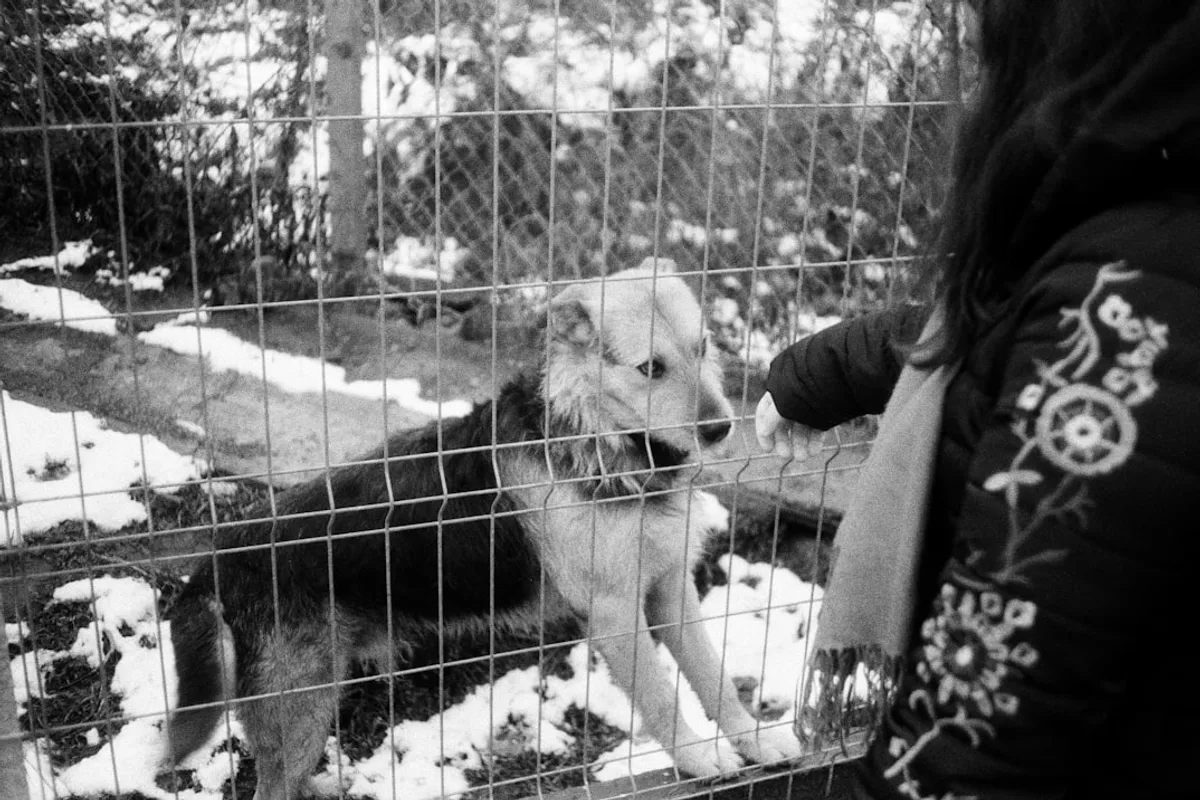
    a woman petting a dog through a fence
    Photo by Dan Lazar on Unsplash

    What if a simple set of rules could help your rescue dog feel at home faster? The 7 7 7 rule for rescue dogs focuses on structured routines during the initial weeks, reducing anxiety and promoting stability. Meanwhile, the 3:33 rule for dog adjustment highlights key phases in acclimating to new homes. Here are practical guidelines for new dog owners:

    1. In the first 7 days, establish a consistent daily routine.
    2. By week 3, introduce new experiences gradually.
    3. At 3 months, focus on reinforcing training and socialization.

    Next, we will break down the 7 7 7 rule into actionable steps for new dog owners.

    Understanding the 7 7 7 Rule

    Could a structured approach be the key to a successful transition for your rescue dog? The detailed 7 7 7 rule for dogs involves three phases: seven days of structure, seven days of training, and seven days of bonding. Here’s how to implement it effectively:

    1. Seven Days of Structure: Establish a routine with consistent feeding and walking times. Avoid overwhelming your new rescue dog with too many new experiences.
    2. Seven Days of Training: Focus on basic commands like sit and stay. Use positive reinforcement to build confidence in both the dog and yourself.
    3. Seven Days of Bonding: Engage in activities for new rescue dogs, such as gentle playtime and quiet companionship. This helps strengthen your connection.

    Common pitfalls include rushing the process or inconsistency in routines. Following this, we will explore the 3:33 rule and its importance in the adjustment process.

    Implementing the 3:33 Rule Effectively

    What if a simple rule could ease the transition for your new rescue dog? The 3:33 rule for rescue dogs is a structured adjustment strategy that helps dogs acclimate by emphasizing gradual exposure to new experiences. This approach significantly reduces stress and anxiety, fostering a smoother adaptation process.

    1. 3 Days: Allow your dog to decompress and explore their new environment at their own pace.
    2. 3 Weeks: Establish a consistent routine with feeding, walks, and quiet time to build trust.
    3. 3 Months: Encourage socialization and training to strengthen your bond and boost confidence.

    Patience and understanding are crucial during this phase. Next, we will provide practical tips to ensure a smooth transition for rescue dogs into their new homes.

    Tips for a Smooth Transition

    Are you ready to welcome a rescue dog into your home? Here are essential tips for a smooth transition!

    1. Create a safe space: Designate a quiet area with a comfortable bed and toys to reduce anxiety and help your dog feel secure.
    2. Establish routines: Consistent feeding, walking, and playtimes provide structure and comfort for new dogs.
    3. Be patient and consistent: Use gentle training techniques to address common issues, ensuring comfort for your dog as they settle in.

    Next, we will decode dog expressions to understand what ‘I love you’ means to dogs.

    Decoding Dog Expressions: What ‘I Love You’ Means to Dogs

    What if your dog has been saying ‘I love you’ all along, but you just didn’t understand? Canine communication is crucial in building a bond with rescue dogs. Dogs have a unique way of expressing love through subtle body language cues like wagging tails, gentle eye contact, and soft vocalizations. Recognizing these expressions can significantly enhance your relationship with your furry friend.

    For example, a wagging tail often signals happiness, while a gentle nuzzle might be their way of saying they care. Understanding dog language helps in fostering trust and affection, making the transition smoother for rescue dogs. In the following section, we will explore specific signs of affection in dogs.

    Understanding Canine Body Language

    Could your dog’s body language be the key to understanding their love for you? Recognizing signs of dog affection, such as tail wagging, leaning, and eye contact, can reveal much about their feelings. Different breeds, like Huskies and Malamutes, may express affection uniquely, often through vocalizations or playful antics.

    To respond positively, offer gentle praise or a comforting touch. Understanding breed-specific dog behavior enhances the bond between owners and their dogs, fostering a harmonious relationship. Next, we will discuss how to strengthen the human-dog bond through understanding and communication.

    Signs of Affection in Dogs

    What if your dog’s love language is different from yours? Let’s decode the signs of their affection! Dogs show love in various ways, such as licking, cuddling, and following their owners around. Many dog owners share anecdotes of their pets mirroring their emotions, leading to heartwarming moments of connection.

    Recognizing these dog affection signs is crucial. For instance, when a dog snuggles up to you or licks your hand, it’s their way of saying, “I love you.” Reciprocating dog affection by maintaining a calm and loving demeanor can enhance this bond, as dogs often mirror their owners’ emotions.

    In the final section, we will explore how to strengthen the bond between humans and dogs.

    Strengthening the Human-Dog Bond

    Are you ready to take your relationship with your rescue dog to the next level? Here’s how! To strengthen the human-dog bond, engage in regular training sessions and dedicate time for play and quality interactions. Understanding and responding to your dog’s needs and emotions is crucial for deepening the pet-owner relationship.

    Activities for dog bonding, such as agility training or hiking, can significantly enhance your connection. These activities challenge both the dog and owner, fostering mutual understanding and trust. As we conclude, let’s summarize the key takeaways about rescue dog success stories.

    FAQs About Rescue Dog Success Stories

    a white dog with a leash standing in the snow
    Photo by Dylan Shaw on Unsplash

    What makes a rescue dog’s story truly successful? Let’s uncover the key components!

    Successful rescue stories often involve a collaborative effort among adopters, trainers, and the community, illustrating the power of teamwork in animal welfare. Key elements include effective training, emotional healing, and ongoing support for both the dog and owner. For more insights, visit ASPCA’s Adoption Tips.

    As we wrap up, we will highlight the key takeaways from our exploration of rescue dog success stories.

    What Makes a Rescue Dog’s Story Successful?

    Ready to change a life? Here’s why adopting a rescue dog could be the best decision you ever make! Rescue dog success stories highlight the emotional and practical benefits of adoption. They show how adopting a rescue dog not only changes the dog’s life but also enriches families and strengthens community bonds.

    • Heartwarming transformations inspire others to adopt.
    • Testimonials emphasize the joy and companionship rescue dogs bring.
    • Supporting local rescue organizations fosters a compassionate community.

    Consider adopting a rescue dog today and support your local rescue organizations to continue these incredible success stories.

    How Long Does It Take for a Rescue Dog to Adjust?

    Adjustment periods for rescue dogs can vary widely. Some dogs may feel at home within a few days, while others might take several months. Factors influencing this include the dog’s past experiences, temperament, and the new environment. Patience and consistent routines are key to helping your rescue dog settle in successfully.

    Can Any Dog Be Successfully Rehabilitated?

    While not every rescue dog can be fully rehabilitated, many experience incredible transformations with patience and proper care. Heartwarming success stories often highlight dogs overcoming challenges like fear and aggression. Each dog’s journey is unique, but with the right support, significant improvements are possible, showcasing the resilience and adaptability of these animals.

    What Are Common Challenges with Rescue Dogs?

    Rescue dogs often face challenges such as anxiety, trust issues, and adapting to new environments. Many have experienced neglect or trauma, making patience and consistent training essential. Behavioral problems like excessive barking or aggression can also arise, requiring dedicated time and effort to address. Understanding these challenges is key to successful rehabilitation.

    How Can I Support Rescue Dog Organizations?

    Supporting rescue dog organizations can be as simple as donating funds or supplies. Volunteering your time to help with dog care or administrative tasks is invaluable. Additionally, sharing heartwarming rescue dog success stories on social media raises awareness. Consider fostering a dog, providing a temporary home and aiding their transformation journey.

    Key Takeaways About Rescue Dog Success Stories

    Ready to change a life? Here’s why adopting a rescue dog could be the best decision you ever make! Rescue dogs bring immense joy and companionship, transforming not only their own lives but also enriching those of their new families. These heartwarming success stories highlight the emotional and practical benefits, from newfound friendships to strengthened community bonds.

    By adopting a rescue dog, you contribute to a ripple effect of positivity. Join us in making a difference—consider adopting a dog or volunteering with ADRTC today! Support your local rescue organizations and be part of these inspiring transformations.
  • Adopt Arctic Dogs: A Guide to Rescue, Care, and Commitment

    Adopt Arctic Dogs: A Guide to Rescue, Care, and Commitment

    Why Adopting Arctic Dogs is Vital for Their Survival

    Did you know that adopting arctic dogs is crucial for their future and cultural heritage? The declining population of arctic dog breeds, such as the Siberian Husky and Alaskan Malamute, is alarming. According to the American Kennel Club (AKC), these breeds are integral to the cultural heritage of indigenous Arctic communities, making their preservation vital.

    Rescue organizations play a pivotal role in preserving these breeds. They save these dogs from extinction and honor their historical significance in Arctic communities. Testimonials from adopters highlight the profound impact of dog adoption, emphasizing the importance of adopting arctic dogs for their survival.

    Understanding the importance of adoption sets the stage for navigating the adoption process effectively.

    Navigating the Arctic Dog Adoption Journey

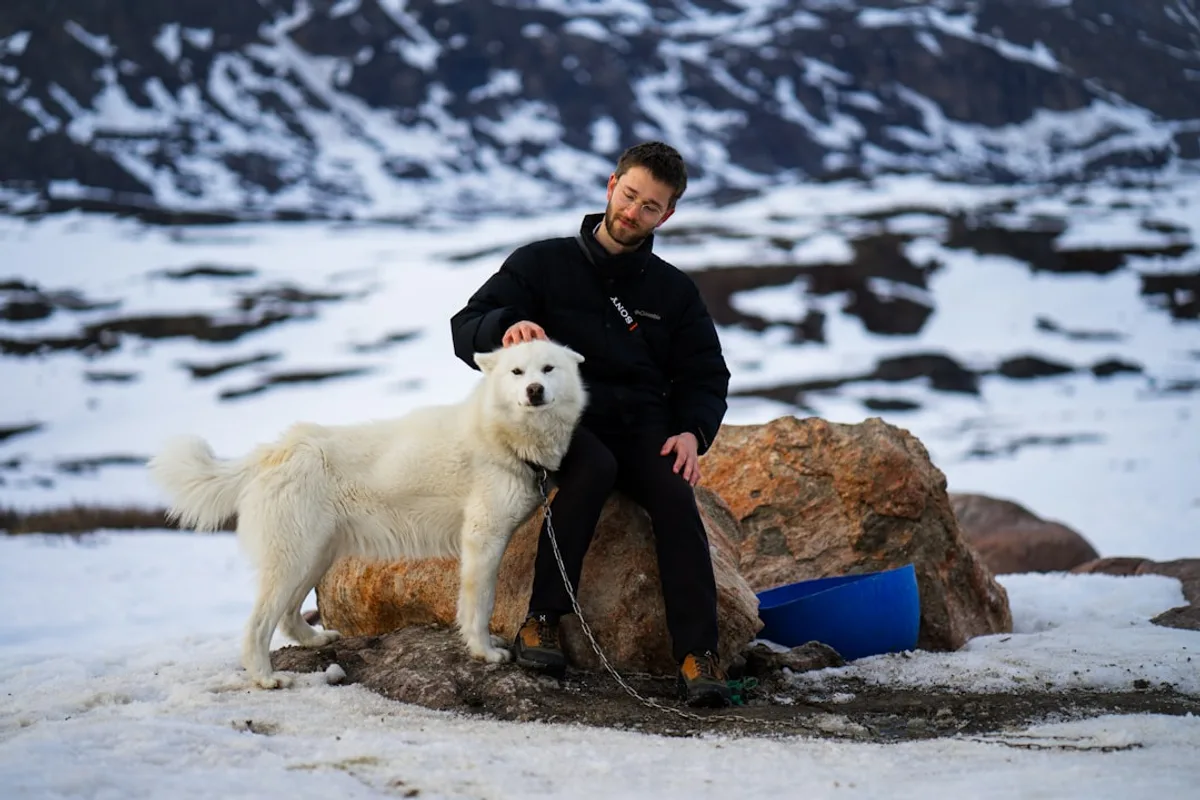
    woman in black jacket sitting on rock beside white dog during daytime
    Photo by Piitannguaq Egede on Unsplash

    Are you ready to embark on the rewarding journey of adopting an arctic dog? The adoption process involves several key steps: completing an application, participating in interviews, and undergoing a home visit. Many potential adopters overlook the importance of a home assessment, which can significantly impact the adoption outcome.

    Typically, the timeline from application to bringing a dog home spans several weeks. During this time, it’s crucial to prepare your home and family for the new addition. Ensure you have the necessary supplies and a safe environment for your arctic dog. With a clear understanding of the adoption process, it’s essential to prepare for the transition into dog ownership.

    Preparing for the Adoption Process

    Preparation is key to a successful adoption. Start by dog-proofing your home to ensure a safe environment. Gather essential supplies such as food, toys, and bedding. It’s crucial that all family members, especially children, are emotionally ready for the new arrival.

    • Secure all hazardous items and wires.
    • Purchase high-quality dog food and treats.
    • Provide comfortable bedding and engaging toys.
    • Discuss responsibilities with family members.

    Many adopters underestimate the time needed for proper acclimatization, which is crucial for a smooth transition for both the dog and the family. Once you’ve prepared, the next step is finding the perfect arctic dog that fits your lifestyle.

    Finding the Right Arctic Dog for Your Lifestyle

    Finding the right arctic dog is essential—do you know which breed fits your lifestyle best? Each arctic breed has unique traits; for instance, Siberian Huskies are known for their high energy and need for companionship, making them less suited for solitary living situations.

    BreedActivity LevelSizeGrooming NeedsBest For
    Siberian HuskyHighMediumModerateActive families
    Alaskan MalamuteHighLargeHighExperienced owners
    SamoyedModerateMediumHighFamilies with children

    Building a Strong Bond with Your New Pet

    Are you ready to create a lifelong bond with your new arctic dog? Start with training exercises and regular playtime to build trust. Establishing routines helps your dog feel secure. Remember, patience is key during the adjustment period. The 3-3-3 rule for dog adoption—3 days to decompress, 3 weeks to adjust, and 3 months to feel at home—can guide you.

    Pay attention to your dog’s body language; responding appropriately can strengthen your connection. Understanding the breeds and their challenges will further prepare you for the journey ahead.

    Breeds and Challenges: What to Expect with Arctic Dogs

    Are you curious about the unique traits and challenges of adopting an arctic dog breed? Common arctic breeds such as the Alaskan Malamute, Siberian Husky, and Greenland Dog are known for their strength and endurance. However, they often face longer wait times for adoption due to misconceptions about their care needs and temperament.

    Adoption challenges for huskies and other sled dogs arise from their high energy levels and specific environmental needs. Statistics show that these arctic dog breeds are frequently overlooked in shelters, highlighting the importance of understanding their characteristics and care requirements.

    Understanding these breeds leads us to explore the behavioral and health challenges they may present.

    Popular Arctic Dog Breeds and Their Traits

    What makes each arctic breed unique? Let’s dive into their distinct traits and personalities. The Siberian Husky is known for its striking appearance and high energy levels, requiring ample exercise. In contrast, the Samoyed, while energetic, can be quite laid-back when properly exercised and trained. Both breeds have thick coats, necessitating regular grooming.

    According to breed experts, understanding the traits of arctic dog breeds is essential for potential adopters. While popular sled dog breeds like the Alaskan Malamute are robust and independent, they also thrive on companionship and mental stimulation.

    With an understanding of breed traits, it’s crucial to address the behavioral and health challenges that may arise.

    Behavioral and Health Challenges

    Are you aware of the potential challenges that come with adopting an arctic dog? Common behavioral issues include separation anxiety, stubbornness, and high energy levels, particularly in breeds like huskies. Health issues in arctic dogs often involve hip dysplasia and skin conditions, with studies indicating a 20% prevalence of hip dysplasia in these breeds.

    Many arctic breeds are prone to specific health issues like hip dysplasia, which can be exacerbated by improper diet and lack of exercise, making responsible ownership crucial. Training and socialization are vital components to overcoming these challenges.

    Training and Socialization Needs

    Are you ready to train your arctic dog? Effective training is key to a happy and well-adjusted pet. Training arctic dogs involves essential techniques like obedience training and early socialization. Many arctic breeds, such as huskies, respond well to positive reinforcement but can resist traditional methods. Understanding their unique temperament is crucial.

    Early socialization for sled dogs prevents behavioral issues later on. Consider enrolling in training classes or online courses tailored for arctic breeds. These resources offer guidance on managing their specific needs.

    As we explore the roles volunteers play, it’s important to recognize their impact on the success of rescues.

    Impactful Roles: Volunteers and Foster Families in Arctic Dog Rescues

    white and black wolf lying on white snow
    Photo by Annie Spratt on Unsplash

    Have you ever wondered how volunteers change the lives of arctic dogs in need? From fostering to organizing events, volunteers play crucial roles in rescues. They provide essential training and socialization, significantly boosting adoption success. Personal stories reveal the profound impact of volunteering for dog rescues, benefiting both the dogs and the community.

    Understanding how to get involved can inspire more people to support these important initiatives.

    Ways to Volunteer with Arctic Dog Rescues

    Are you looking for ways to make a difference in the lives of arctic dogs? Here’s how you can help! Discover various volunteer roles in animal rescue, including fostering, walking dogs, and organizing events. Many volunteers start by fostering dogs, which not only aids the rescue but also offers valuable experience for potential adopters.

    • Fostering: Requires a flexible schedule and a loving home environment. Volunteers often share that fostering provides a rewarding experience, as they witness dogs transform and prepare for adoption.
    • Dog Walking: Perfect for those with limited time but a passion for exercise and companionship. A current volunteer notes, “Walking these dogs is therapeutic for both of us!”
    • Event Organization: Ideal for individuals with strong organizational skills and a knack for bringing people together. Volunteers here play a crucial role in raising awareness and funds.

    The impact of foster families is profound; let’s explore how they contribute to the success of rescues.

    The Impact of Foster Families on Rescue Operations

    Have you ever considered becoming a foster family for an arctic dog? Your home could be a stepping stone to their forever family. Foster families provide temporary homes, offering crucial training and socialization that enhances a dog’s adoptability. This impact of fostering dogs is invaluable to rescue operations.

    While fostering can be emotionally rewarding, it also presents logistical challenges. Yet, many arctic dog foster families share success stories of dogs thriving in their care, ultimately finding loving homes. If you’re inspired to get involved, here’s how you can become a volunteer or foster family.

    How to Become a Volunteer or Foster Family

    Are you ready to make a difference in the lives of arctic dogs? Here’s how to get started!

    1. Complete the volunteer application process on the ADRTC website.
    2. Participate in the arctic dog rescue training program to gain confidence and skills.
    3. Receive ongoing support and guidance from experienced volunteers.

    Many rescues offer training programs for new volunteers, ensuring they feel confident and prepared to help arctic dogs in need. Testimonials from current volunteers highlight the rewarding experience of becoming a dog foster parent. With a clear path to volunteering, let’s explore the steps to successfully adopt a sled dog.

    Steps to Successfully Adopt a Sled Dog

    Are you ready to take the plunge into sled dog adoption? Here’s what you need to know to succeed!

    1. Research breed-specific needs and ensure you can meet sled dog care requirements.
    2. Contact reputable sled dog rescues or adoption agencies.
    3. Prepare your home for the unique lifestyle of a sled dog, including regular exercise and mental stimulation.
    4. Complete necessary paperwork and home checks.
    5. Utilize resources to learn more about sled dog care and training.

    Understanding initial requirements is crucial for a smooth adoption experience.

    Initial Requirements and Home Assessment

    Are you prepared to meet the initial requirements for adopting a sled dog? Let’s ensure you’re ready!

    1. Complete a home assessment for sled dogs to verify a secure yard and appropriate living conditions.
    2. Evaluate family readiness to accommodate the high energy needs of sled dogs.
    3. Prepare an adopting a dog checklist with necessary documents and preparations.

    Many adopters are surprised to learn that sled dogs often require more space and exercise than typical breeds, necessitating a secure outdoor area. Once initial requirements are met, understanding the step-by-step adoption process is essential.

    The Adoption Process: Step-by-Step

    Ready to adopt a sled dog? Here’s your complete guide to navigating the adoption process smoothly.

    1. Submit Application: Complete the adoption application process, which typically takes 1-2 weeks.
    2. Initial Interview: Participate in a phone or in-person interview within 1 week of application review.
    3. Home Visit: A home check is scheduled, usually within 2 weeks, to ensure a suitable environment.
    4. Final Approval: Receive approval, often within another week, confirming the match.

    Transparency is crucial throughout this step-by-step dog adoption process to ensure the best fit for both the dog and adopter. Remember, the sled dog adoption timeline can vary between rescues. After the adoption is finalized, ongoing support is vital for a successful transition.

    Post-Adoption Support and Resources

    Are you aware of the resources available to support you after adopting a sled dog? Let’s explore the options!

    1. Training Resources: Utilize local trainers and online courses to help your sled dog adapt to its new environment.
    2. Community Support: Join community groups for dog adopters, offering invaluable advice and socialization opportunities.
    3. Health Maintenance: Regular vet visits and a balanced diet are crucial for maintaining a healthy relationship with your new pet.

    As we wrap up, let’s address some frequently asked questions about adopting arctic dogs.

    FAQ About Adopting Arctic Dogs

    Two Siberian huskies in a snowy outdoor setting, showcasing their winter coats and vibrant energy.
    Photo by Koen Swiers on Pexels

    Do you have questions about adopting an arctic dog? You’re not alone—let’s tackle some of the most common inquiries!

    • What breeds are commonly available for adoption?
      Breeds like Siberian Huskies, Alaskan Malamutes, and Samoyeds are often found in shelters.
    • What should I know about the adoption process?
      Each dog’s background and temperament can affect the process. Previous sections detail specific steps.
    • Are there unique concerns for adopting sled dogs?
      Yes, they require ample exercise and mental stimulation, as discussed earlier.

    Understanding these FAQs will help clarify the adoption process and expectations.

    What Are the Costs Involved in Adopting an Arctic Dog?

    Are you prepared for the financial commitment of adopting an arctic dog? Let’s break down the costs involved. Adoption fees for sled dogs typically include initial vaccinations and spaying/neutering, saving you upfront costs compared to breeders. However, supplies and ongoing care add to the financial commitment for dog ownership.

    ExpenseAdoption from RescuePurchase from Breeder
    Adoption/Purchase Fee$100 – $300$1,000 – $3,000
    Initial Veterinary CareIncluded$200 – $500
    Supplies (Leash, Bed, etc.)$100 – $200

    Potential hidden costs include emergency vet visits and specialized diet needs. Understanding costs will help you determine if an arctic dog is right for your budget.

    How Do I Know If an Arctic Dog is Right for Me?

    Are you unsure if an arctic dog is the right fit for you? Let’s explore how to make that determination! Assessing suitability for dog adoption involves considering your activity level and home environment. Many adopters overlook their lifestyle, leading to mismatches with high-energy breeds like Siberian Huskies.

    • Evaluate your daily routine and energy levels.
    • Research specific arctic breeds for compatibility.
    • Seek advice from adopters who found their perfect match.

    Clarifying your suitability will help set realistic expectations for the adoption timeline.

    What is the Typical Adoption Timeline?

    Wondering how long it will take to adopt an arctic dog? Let’s break down the typical timeline for you. The adoption timeline for arctic dogs usually spans 2-4 weeks, from application to final approval. Factors like breed popularity and rescue resources can influence how long dog adoption takes.

    Some dogs may require longer evaluations due to behavioral assessments. To expedite the dog adoption process, ensure all documents are ready and respond promptly to inquiries. Understanding the timeline will help you plan for the transition to dog ownership.

    Can I Adopt an Arctic Dog If I Live in a Warm Climate?

    Are you worried about adopting an arctic dog in a warm climate? Let’s explore how it can be done successfully! Many arctic breeds can adapt to warmer climates with proper care, such as ensuring they have plenty of water and shade, and adjusting exercise routines. Addressing climate concerns will help set realistic expectations for potential adopters.

    What Should I Consider Before Adopting a Sled Dog?

    Are you ready to take the leap into dog ownership? Here are key considerations to think about before adopting a sled dog. First, understand the time commitment and high exercise needs, which, if unmet, can lead to behavioral issues. Researching arctic breeds is crucial, as experienced owners emphasize the importance of training and breed-specific traits.

    As we conclude, let’s summarize the key takeaways for adopting arctic dogs.

    Key Takeaways About Adopting Arctic Dogs

    Are you ready to make a difference in the life of an arctic dog? Here are the key takeaways to inspire your journey! Adopting an arctic dog not only saves a life but also enriches yours with unique companionship and joy. The adoption process is straightforward, with support available post-adoption to ensure a smooth transition.

    Join us in making a difference—consider adopting a dog or volunteering with ADRTC today!