Tag: Dog Adoption Process and Resources

  • How Local Dog Rescue Organizations Transform Communities and Lives

    How Local Dog Rescue Organizations Transform Communities and Lives

    The Vital Role of Local Dog Rescue Organizations

    Have you ever wondered how local dog rescue organizations shape our communities? These groups play a crucial role by rescuing and rehoming thousands of dogs annually, often saving lives that might otherwise be lost. Their mission extends beyond rescue; they aim to promote animal welfare and foster community involvement through education and adoption programs.

    Local dog rescues face unique challenges, such as limited funding and volunteer shortages, which can hinder their operations. Despite these obstacles, they make significant impacts by collaborating with schools and community centers to educate children about responsible pet ownership. These partnerships can lead to long-term changes in community attitudes towards animal welfare.

    Moreover, local rescues often engage with businesses to support community dog adoption programs and other animal welfare initiatives. Understanding their vital role sets the stage for exploring how you can actively contribute to these organizations.

    Volunteer and Donation Opportunities at Local Dog Rescue Organizations

    brown and black short coated dog
    Photo by Sayuz Acharya on Unsplash

    Are you looking to make a difference in the lives of dogs and your community? Volunteer at dog rescue organizations to engage in various roles such as fostering, walking dogs, and providing administrative support. Many local dog rescues report that volunteers often find lifelong friendships and a sense of community through their work, enhancing their overall well-being. One volunteer hour can provide care for multiple dogs, significantly impacting their lives. Now, let’s delve into how donations can further support these vital organizations.

    Ways to Volunteer and Make a Difference

    Imagine spending your weekends making a difference in the lives of dogs—here’s how you can do it! Local dog rescue organizations offer various ways to volunteer, from dog walking and event planning to social media management. Volunteers share stories of the joy in helping dogs find homes and the skills they’ve gained in animal care and community outreach.

    Dog rescue volunteer tasks vary in time commitment, from one-time events to ongoing support. Whether you have a few hours or can dedicate regular time, your efforts can make a significant impact. Now that you know how to volunteer, let’s examine the critical role donations play in sustaining rescue operations.

    Impact of Donations on Rescue Operations

    Have you ever wondered where your donations go when you support a local dog rescue? Financial contributions, food, and supplies are crucial for these organizations. For instance, every $100 donated can cover the cost of vaccinations for five dogs. Many rescues report increased adoptions following targeted fundraising campaigns.

    Current donation drives focus on urgent needs like medical treatments and shelter renovations. With a clear understanding of donations, let’s explore how you can specifically get involved with ADRTC.

    How to Get Involved with ADRTC

    Ready to make a difference in the lives of arctic breeds? Here’s how you can join us at ADRTC!

    1. Volunteer: Explore ADRTC volunteer opportunities to provide specialized care and training.
    2. Donate: Support Arctic Dog Rescue by contributing funds or supplies.
    3. Attend Events: Participate in upcoming initiatives by checking our events page.

    Follow us on Facebook and visit our website for more details. Next, we’ll discuss the adoption process and how to prepare for welcoming a new dog into your home.

    Adopting a Dog: Steps and Success Stories

    Thinking about adopting a dog? Here’s everything you need to know about the process! The dog adoption process is designed to ensure a perfect match between the dog and its new family. Here’s how to adopt a dog from a rescue organization:

    1. Submit an application form detailing your home environment and lifestyle.
    2. Participate in a home visit to ensure a good match, a unique step in rescue adoptions.
    3. Pay the adoption fee, which supports the rescue’s ongoing efforts.

    Statistics show that matching dogs with the right families leads to successful adoptions. Families from ADRTC share heartwarming testimonials of their new companions. Before you adopt, it’s essential to prepare adequately for your new furry friend.

    Preparation Before Adoption

    Are you ready to welcome a new furry friend into your home? Preparation is key! Follow these steps to ensure a smooth transition:

    1. Gather essential supplies needed for a new dog, including food, bedding, and toys.
    2. Research the specific needs of arctic breeds, focusing on exercise and grooming requirements.
    3. Create a safe space for your new pet, as many new dog owners overlook this crucial step.

    For more tips on preparing for dog adoption, visit the ASPCA’s guide on dog care.

    With preparation in place, let’s walk through the step-by-step adoption process.

    Step-by-Step Adoption Process

    Navigating the adoption process can feel overwhelming, but it doesn’t have to be! Here’s what to expect during dog adoption:

    1. Application Submission: Fill out an application form online. This usually takes about a week for review.
    2. Initial Interview: A rescue representative will contact you for a brief interview to discuss your lifestyle and preferences.
    3. Home Visit: A home check ensures a safe environment for the dog, typically scheduled within two weeks.
    4. Meet and Greet: Spend time with the dog to assess compatibility. This step is crucial in the adoption process for rescue dogs.
    5. Final Adoption: Once approved, complete the paperwork and welcome your new family member home!

    To inspire potential adopters, let’s share some heartwarming success stories from ADRTC.

    Heartwarming Success Stories from ADRTC

    Every dog has a story—here are some heartwarming tales of transformation from ADRTC!

    1. Max’s Journey: Once a timid stray, Max found a loving family who nurtured his playful spirit. Before-and-after photos reveal his remarkable transformation.
    2. Luna’s New Beginning: Rescued from neglect, Luna now thrives with her adoptive family, bringing joy and emotional well-being to their lives.
    3. Buddy’s Happy Home: Buddy’s adoption success story highlights his journey from a shelter to a cherished family member, with ongoing support from ADRTC.

    Many families report that their adopted dogs have not only transformed their lives but have also contributed positively to their emotional well-being and family dynamics. Now that you’ve seen the impact of adoption, let’s discuss the 3-3-3 rule that helps new dogs adjust.

    The 3-3-3 Rule: Helping Your New Dog Adjust

    white and brown dog on snow covered ground during daytime
    Photo by Viktoriya on Unsplash

    Did you know that your new dog will go through a specific adjustment period? Here’s what to expect with the 3-3-3 rule for dog adjustment:

    • First 3 Days: Your dog may feel overwhelmed and anxious. Provide a quiet space and avoid overwhelming them with too many new experiences.
    • First 3 Weeks: As they start to settle, expect some testing of boundaries. Consistent routines and gentle guidance are key.
    • First 3 Months: Your dog begins to feel truly at home. Reinforce positive behaviors and continue building trust.

    Understanding this dog behavior adjustment period can significantly reduce the likelihood of dogs being returned to rescues. With a grasp of the adjustment process, let’s explore how to create a welcoming environment for your new dog.

    Understanding the 3-3-3 Rule

    What if I told you that your new dog will go through three distinct phases of adjustment? The 3-3-3 rule explained:

    • 3 Days: Dogs need time to decompress. Expect signs of stress as they adjust to new surroundings.
    • 3 Weeks: They start to settle in, showing more of their personality and adjusting to routines.
    • 3 Months: Dogs feel at home, establishing trust and security, which shapes their long-term behavior.

    Recognizing these dog adjustment phases helps in understanding the 3-3-3 rule. Many new dog owners are unaware that the first few days are crucial for establishing trust and security. Now that you understand the 3-3-3 rule, let’s look at how to create a safe and welcoming environment for your new pet.

    Creating a Safe and Welcoming Environment

    Creating a welcoming environment is key to helping your new dog feel at home—here’s how to do it! Start by setting up a safe space for dogs with essentials like a designated sleeping area and toys. Establish a routine for feeding, walks, and playtime. Many new dog owners overlook the importance of gradually introducing their dog to different areas of the home, which can help reduce anxiety. With a safe space established, let’s explore tips for ensuring a smooth transition for your new dog.

    Tips for a Smooth Transition

    Transitioning to a new home can be challenging for dogs—here are some tips to make it easier! Maintain a calm demeanor and use positive reinforcement to help your rescue dog feel secure. Patience and understanding are crucial during this adjustment period. Engage in interactive play and training sessions to enhance your bond.

    Activities like daily walks, gentle grooming, and consistent routines can also help your new dog adjust smoothly. These interactions build trust and comfort, making the transition easier for both of you. Next, let’s explore how hosting community events can further support local dog rescues.

    Hosting Community Events to Support Dog Rescues

    Looking to make a difference in your community? Hosting a dog rescue event could be the perfect way! Community events for dog rescues, such as dog walks, adoption fairs, and fundraising galas, not only raise funds but also foster a sense of belonging and shared purpose among dog lovers. These events help build a support network for local rescues and participants alike.

    For example, ADRTC’s annual adoption fair has successfully connected hundreds of dogs with loving families, significantly impacting the community. Now, let’s explore some popular event ideas that can engage your community and support local rescues.

    Ready to rally your community for a good cause? Here are some fun event ideas to get you started! Organizing dog walks or bake sales can be excellent fundraising events for dog rescues. Consider hosting a pet costume contest or a dog training workshop to combine fun with education, attracting more participants and fostering interest in rescue efforts.

    For inspiration, look at successful events from other local rescues. For example, the annual “Paws in the Park” event raised thousands by partnering with local businesses for sponsorships. To promote your events effectively, leverage social media and build local partnerships to maximize reach and engagement.

    After discussing event ideas, let’s take a look at some success stories from past events.

    Success Stories of Past Events

    Want to see the impact of community events? Here are some heartwarming success stories from ADRTC! At last year’s “Paws for a Cause,” over $10,000 was raised, and 20 dogs found loving homes. Participants praised the event’s organization and the joy of seeing dogs adopted. Many successful events have led to increased volunteer sign-ups and donations, highlighting the ripple effect of community engagement in rescue efforts.

    Testimonials from attendees often mention the lasting impact of these gatherings, fostering greater awareness and support for local rescues. Now that you’ve seen the success of community events, let’s discuss how to organize a successful event with ADRTC.

    How to Organize a Successful Event with ADRTC

    Ready to make a big impact? Here’s how to organize a successful event with ADRTC!

    1. Plan: Define your goals and set a date. Choose a theme that aligns with ADRTC’s mission.
    2. Promote: Use social media and local media outlets. Collaborating with local businesses not only enhances event visibility but can also lead to sponsorship opportunities.
    3. Execute: Engage volunteers for seamless operations. Ensure all logistics are in place for a successful fundraising event.

    Checklist for organizing events for dog rescues:

    • Set a budget
    • Secure a venue
    • Coordinate with ADRTC staff
    • Prepare promotional materials
    • Follow up with sponsors and participants

    Next, we’ll address some frequently asked questions about dog adoption and fostering.

    FAQs About Dog Adoption and Fostering

    black and tan short coat medium dog on snow covered ground during daytime
    Photo by Gena Okami on Unsplash

    Got questions about dog adoption? You’re not alone—here are the answers to the most common queries!

    • What is the dog adoption process like? Learn more about the steps involved in adopting a dog.
    • Can I foster a dog before adopting? Yes, fostering offers a great way to see if a dog is the right fit for your home.
    • Are there fees involved in adoption? Adoption fees vary; they cover vaccinations, spaying/neutering, and other care.

    Many potential adopters have misconceptions about the adoption process, which can be addressed through clear and informative FAQs, leading to increased adoption rates. Let’s dive deeper into the specific requirements for adopting a dog.

    What Are the Requirements for Adopting a Dog?

    Thinking about adopting a dog? Here’s what you need to know about the requirements! Generally, adopters must be at least 18 years old, have a stable living situation, and demonstrate financial stability. Home checks and interviews are crucial in the process to ensure a good fit. Many rescues prioritize finding the right match over strict criteria, offering flexibility. For more details, visit ASPCA’s adoption tips.

    Next, let’s explore how to become a foster parent for dogs in need.

    How Can I Become a Foster Parent for Dogs?

    Have you ever thought about fostering a dog? Here’s how you can make a difference! To become a dog foster parent, you’ll need to meet certain fostering dogs requirements, such as passing home checks and completing training sessions. Many current foster parents share that while the emotional rewards are immense, it can also be challenging. Prepare your home with essentials and be ready for a temporary furry friend. Now, let’s discuss what to expect during the adoption process.

    What Should I Expect During the Adoption Process?

    Adopting a dog is an exciting journey—here’s what you can expect along the way! The adoption process typically involves submitting an application, undergoing a home visit, and completing the final adoption paperwork. Common concerns like time commitment and necessary adjustments are addressed through guidance from the rescue. Many rescues offer post-adoption support, including training resources and behavior consultations, greatly easing the transition for new owners. Finally, let’s explore how you can support local dog rescue organizations.

    How Can I Support Local Dog Rescue Organizations?

    Want to make a difference in your community? Here are some impactful ways to support local dog rescues!

    • Volunteer: Offer your time to help with daily operations or special events.
    • Donate: Financial contributions or supplies can significantly aid rescues.
    • Attend Events: Participate in fundraisers and awareness campaigns.

    Community involvement in dog rescue enhances operational capabilities and fosters compassion. According to ADRTC, 75% of their success relies on local support. Volunteer or donate today to make a lasting impact!

    Are There Any Costs Involved in Fostering?

    As we wrap up, let’s reflect on the powerful impact local dog rescues have on our communities and how you can be a part of it! Key takeaways about supporting local dog rescues include the importance of community involvement through adoption, volunteering, and attending events. Engaging with local dog rescues can lead to lifelong friendships and a stronger sense of community, creating a positive feedback loop of support for animal welfare.

    Key Takeaways About Supporting Local Dog Rescues

    As we wrap up, let’s reflect on the powerful impact local dog rescues have on our communities and how you can be a part of it! Supporting local rescues is crucial for the well-being of countless dogs and the enrichment of our neighborhoods. By adopting a dog or volunteering, you not only save lives but also foster a sense of community and compassion.

    Engaging with local dog rescues can lead to lifelong friendships and a stronger sense of community, creating a positive feedback loop of support for animal welfare. Join us in making a difference—consider adopting a dog or volunteering with ADRTC today!


  • Common Challenges Faced When Adopting a Rescue Dog: A Comprehensive Guide

    Common Challenges Faced When Adopting a Rescue Dog: A Comprehensive Guide

    Common Challenges Faced When Adopting a Rescue Dog

    Adopting a rescue dog can be a rewarding journey, but it often comes with unexpected hurdles. Common challenges include emotional and logistical issues, such as behavioral problems and the underestimation of the time commitment required for training and adjustment. Many adopters face frustration, leading to potential returns.

    Statistics reveal that a significant number of rescue dog adoptions are returned due to these challenges. Behavioral issues and lack of preparation are primary reasons. Anecdotes from adopters highlight initial struggles, emphasizing the need for patience and understanding. Understanding these challenges is crucial as we explore effective strategies like the 3-3-3 and 7-7-7 rules.

    How the 3-3-3 and 7-7-7 Rules Help Overcome Adoption Challenges

    Have you heard of the 3-3-3 and 7-7-7 rules? These guidelines can transform your adoption experience. Understanding these rules is crucial for easing the transition of rescue dogs into their new homes.

    • 3-3-3 Rule: This framework helps owners anticipate the initial adjustment period, focusing on the first 3 days, 3 weeks, and 3 months of a rescue dog’s new life.
    • 7-7-7 Rule: Extending the timeline, it emphasizes ongoing socialization and training, crucial for addressing behavioral issues often overlooked during initial preparations.

    Next, we will delve deeper into what these rules entail and how to apply them effectively.

    What Are the 3-3-3 and 7-7-7 Rules?

    Understanding the 3-3-3 rule can help you navigate your new dog’s adjustment period with confidence. This rule breaks down the first three days, three weeks, and three months of a rescue dog’s settling in process:

    • First 3 Days: Expect stress and confusion; patience is key as your dog acclimates.
    • First 3 Weeks: Your dog begins to learn routines and may test boundaries.
    • First 3 Months: The dog starts feeling at home, showing true personality.

    Now that we understand the 3-3-3 rule, let’s explore the 7-7-7 rule and its implications.

    Applying These Rules to Ease Your Dog’s Transition

    Wondering how to implement the 3-3-3 and 7-7-7 rules? Here are some practical steps to ensure your dog’s smooth transition. Start by creating a safe space with familiar items and establish a consistent routine to reduce anxiety. Many adopters share success stories of calmer dogs when these strategies are applied effectively.

    In addition to these rules, avoiding common missteps is crucial for a successful adoption.

    Common Missteps and How to Avoid Them

    While adopting a rescue dog can be fulfilling, many new owners unknowingly make mistakes that complicate the process. Here are some common mistakes in rescue dog adoption and how to avoid them:

    1. Rushing Introductions: Allow your dog time to acclimate. Avoid overwhelming them with too many new faces at once.
    2. Neglecting Training: Consistent training is crucial. Start with basic commands to build trust and understanding.
    3. Unrealistic Expectations: Understand that a rescue dog may need more time to adjust than a puppy. Patience is key.

    Next, we will address the behavioral challenges that often arise with rescue dogs.

    Addressing Behavioral Challenges in Rescue Dogs

    A cute dog looks up at the camera.
    Photo by Céline Druguet on Unsplash

    Behavioral challenges can be daunting for new adopters; understanding these issues is the first step toward resolution. Rescue dog behavioral issues often include anxiety and aggression, with studies showing that nearly 50% of adopted dogs exhibit such problems. These common problems in rescue dogs can often be traced back to their past experiences. Trainers frequently share stories of successful interventions, highlighting how understanding a dog’s history is crucial for effective training.

    Now that we’ve identified common behavioral issues, let’s explore long-term strategies for managing them.

    Identifying Common Behavioral Issues

    Recognizing the signs of behavioral issues in rescue dogs can be the key to a successful adoption experience. Common behaviors in adopted dogs include separation anxiety, resource guarding, and fear of strangers. Separation anxiety, often stemming from previous abandonment experiences, manifests as excessive barking or destructive behavior when left alone.

    Past trauma significantly impacts behavior, leading to anxiety or aggression. For example, a dog with a history of neglect may exhibit fear aggression towards strangers. Understanding these issues is crucial for identifying behavioral issues in rescue dogs. For more insights, visit ASPCA.

    With these issues identified, let’s discuss long-term strategies for effective behavior management.

    Long-Term Strategies for Behavior Management

    Managing behavioral challenges in rescue dogs requires a proactive approach; here are strategies that can lead to lasting improvements. Consistent training strategies for rescue dogs, such as positive reinforcement, are crucial. Creating a structured environment promotes good behavior, while regular mental stimulation and training can significantly reduce behavioral issues, as many rescue dogs thrive on structure and engagement.

    Ongoing socialization is equally important to ensure your adopted dog adapts well to various situations and environments. In some cases, however, seeking professional help may be necessary.

    When to Seek Professional Help

    Knowing when to seek professional help can make all the difference in your rescue dog’s adjustment and behavior management. If your dog shows escalated aggression or persistent anxiety, it may be time to seek a dog trainer or behaviorist. Many owners wait too long, worsening issues and increasing stress.

    • Signs to Watch: Escalated aggression, persistent anxiety.
    • Resources: Find qualified trainers through local shelters or online directories.
    • Testimonials: Adopters report success with professional intervention, noting improved behavior and reduced stress.

    With behavioral challenges addressed, let’s explore the essential aspects of training and socialization.

    Training, Socializing, and Bonding with Your Rescue Dog

    Training and socialization are not just tasks; they are the keys to unlocking a fulfilling relationship with your rescue dog. Early socialization can prevent many behavioral issues, making it a critical step in the adoption process that is often overlooked. Here’s how you can effectively train and socialize your rescue dog:

    1. Start Early: Begin training and socialization as soon as possible to establish trust and communication.
    2. Use Positive Reinforcement: Reward good behavior with treats and praise to encourage learning.
    3. Expose Gradually: Introduce your dog to new environments and people slowly to build confidence.

    Statistics show that dogs who receive early training and socialization are less likely to develop behavioral issues, contributing to a successful adoption experience. Let’s dive into specific training techniques that can set your rescue dog up for success.

    Essential Training Techniques for Rescue Dogs

    Ready to train your rescue dog? Here are essential techniques that can make the process enjoyable and effective. Positive reinforcement not only improves behavior but also strengthens the bond between the dog and owner, making training a rewarding experience for both.

    1. Positive Reinforcement: Reward your dog with treats or praise for good behavior to encourage repetition.
    2. Clicker Training: Use a clicker to mark desired behaviors, followed by a reward, to enhance communication.
    3. Basic Commands: Teach commands like “sit,” “stay,” and “come” to establish control and safety.

    With training techniques in place, let’s focus on socialization tips that are crucial for a well-adjusted dog.

    Socialization Tips for a Well-Adjusted Dog

    Socialization is a critical aspect of your rescue dog’s development; here are tips to ensure they become a well-adjusted companion. Early experiences can shape their future behavior, making socialization techniques for rescue dogs essential.

    1. Begin socialization once your dog is comfortable at home to prevent behavioral issues.
    2. Introduce new environments and people gradually to avoid overwhelming them.
    3. Avoid common mistakes like forcing interactions; let your dog set the pace.

    Finally, let’s explore how to build a strong bond with your new pet.

    Building a Strong Bond with Your New Pet

    Building a strong bond with your rescue dog is essential; here’s how to create a lasting connection that benefits both of you. Bonding activities that involve play and training can significantly enhance the dog’s trust and willingness to learn, leading to a more harmonious relationship.

    1. Engage in regular playtime to foster trust and joy.
    2. Incorporate training sessions to build communication and understanding.
    3. Share experiences like walks or hikes to strengthen your connection.

    Many adopters have successfully bonded with their rescue dogs through these activities, resulting in well-adjusted, happy companions. As we move forward, it’s important to set realistic expectations for your adoption journey.

    Setting Realistic Expectations for Adopting a Rescue Dog

    black and white short coated dog on green grass field
    Photo by Richard Sheridan on Unsplash

    Setting realistic expectations is crucial for a successful adoption; let’s explore what you should anticipate during this journey. Many adopters are surprised by the emotional toll of the adjustment period, which can lead to feelings of guilt or frustration if expectations are not aligned. Adoption success rates show that understanding the emotional impact is vital, as mismatched expectations often lead to returns.

    Consider stories from adopters who embraced the challenges and joys of their new companions. Understanding the emotional impact on both the dog and owner is key to navigating this process.

    Understanding the Emotional Impact on Both Dog and Owner

    The emotional journey of adopting a rescue dog can be as challenging as it is rewarding; understanding this can prepare you for what lies ahead. The emotional impact of rescue dog adoption is profound, affecting both the dog and the owner. Past trauma can influence a dog’s behavior, leading to anxiety or fear.

    Owners often experience a mix of joy and frustration as they navigate these behaviors, forming a deep emotional bond during the adjustment period. To manage these challenges, patience and empathy are key. Recognizing and addressing trauma effects on rescue dogs can foster a deeper understanding of their needs.

    Next, let’s discuss how to adjust your expectations for a successful adoption.

    Adjusting Your Expectations for a Successful Adoption

    Adjusting your expectations can be the key to a successful adoption; here’s how to navigate this crucial step. Start by observing your rescue dog’s unique behaviors and needs. Successful adoption strategies involve flexibility and patience, allowing both you and your dog to grow and adapt. For instance, one adopter found success by embracing their dog’s gradual socialization pace.

    Flexibility in expectations can lead to a more positive experience, as it fosters a nurturing environment for both owner and pet. Inspiring stories can provide motivation and insight into the adoption process.

    Inspiring Stories of Successful Arctic Dog Adoptions

    Inspiring stories of successful adoptions remind us of the incredible transformations that can occur when love and patience are applied. One adopter shared, “Our Arctic dog, initially shy and withdrawn, blossomed with training and affection.” These successful rescue dog stories highlight the transformative power of dedication. Many adopters note that the journey, though challenging, is rewarding. Let’s take a closer look at some of the challenges overcome in these inspiring stories.

    Overcoming Initial Adoption Challenges

    The initial days after adoption can be challenging; let’s explore the common hurdles and how others have successfully navigated them. Adopters often face initial challenges in rescue dog adoption, such as behavioral issues and adjustment struggles. Many find that community support, like training classes or local meetups, significantly eases these hurdles.

    For instance, one adopter found success by joining a local dog training class, which helped address their dog’s anxiety. Another relied on advice from fellow adopters at meetups to manage their pet’s nervousness. Overcoming adoption hurdles becomes manageable with such support for new dog owners.

    Next, we will highlight the transformations that occur through love and training.

    Transformations Through Love and Training

    The power of love and training can lead to astonishing transformations in rescue dogs; here are some heartwarming examples. Max, once fearful and withdrawn, blossomed into a playful companion through consistent training and socialization. His adopter shares, “Max surprised us with his potential.” Many dogs exhibit remarkable transformations when given the right environment.

    As we conclude, let’s summarize the key takeaways for overcoming adoption challenges.

    FAQs About Adopting a Rescue Dog

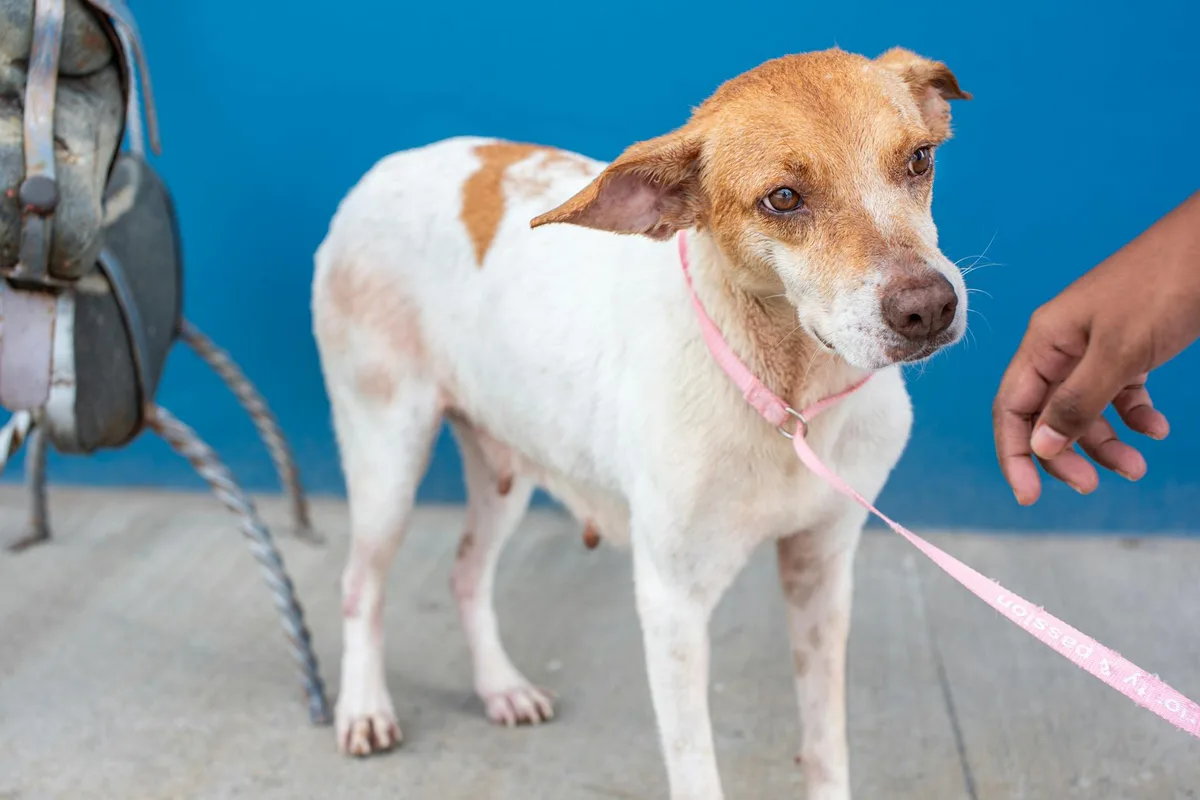
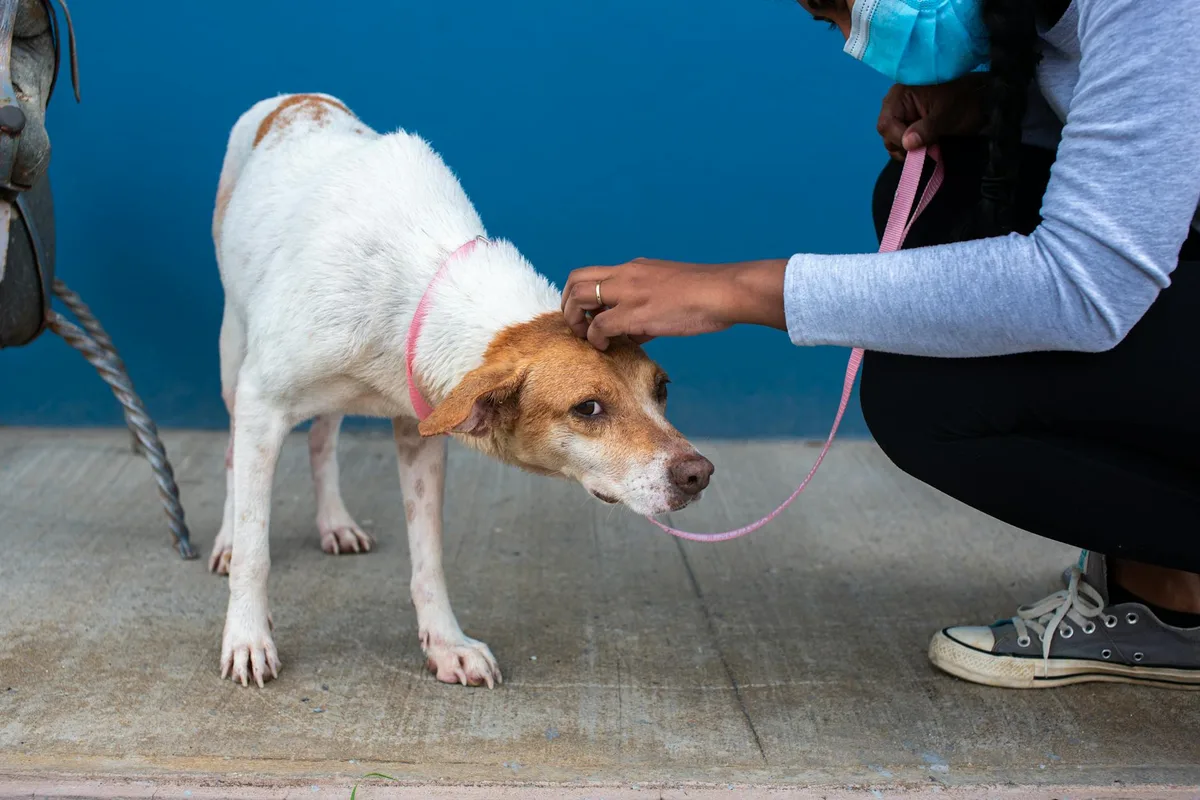
    A mix breed dog on a leash being comforted by a caregiver in Trinidad and Tobago.
    Photo by Dominik Gryzbon on Pexels

    As we wrap up, let’s reflect on the essential takeaways that can empower you in your rescue dog adoption journey. Key takeaways for overcoming challenges in dog adoption include preparation, patience, and support. A successful adoption often hinges on the owner’s willingness to learn and adapt. For more tips, visit ASPCA Adoption Tips.

    What Are the Initial Challenges After Adoption?

    Adopting a rescue dog often involves navigating the 3-3-3 rule: three days of feeling overwhelmed, three weeks of settling in, and three months of building trust. During this adjustment period, common challenges include managing behavioral issues such as anxiety or aggression. Patience and understanding are key in helping your new pet feel secure and loved.

    How Long Does It Take for a Rescue Dog to Adjust?

    Adopting a rescue dog involves understanding the 3-3-3 rule: three days to decompress, three weeks to learn routines, and three months to feel at home. During this period, behavioral issues may arise as the dog adjusts to its new environment. Patience and consistency are key in helping your new companion settle in smoothly.

    What If My Rescue Dog Shows Aggression?

    Rescue dogs may exhibit aggression due to past trauma or fear. It’s crucial to remain patient and provide a stable environment. Consider consulting a professional trainer who specializes in behavioral issues. Implementing the 3-3-3 rule can help: allow three days for initial adjustment, three weeks to settle in, and three months to fully adapt.

    Can All Behavioral Issues Be Trained Out?

    Not all behavioral issues in rescue dogs can be completely trained out, but many can be managed with patience and consistency. Understanding the 3-3-3 rule helps set realistic expectations: three days for initial adjustment, three weeks for settling in, and three months to feel at home. Professional training may be necessary for persistent challenges.

    What Resources Are Available for New Adopters?

    New adopters can access a variety of resources to ease the transition. Local shelters often provide guidance on the 3-3-3 rule, helping pets adjust. Online forums and support groups offer advice on managing behavioral issues. Additionally, many communities have training classes specifically designed for rescue dogs, ensuring a smoother integration into the family.

    Key Takeaways for Overcoming Adoption Challenges

    As we wrap up, let’s reflect on the essential takeaways that can empower you in your rescue dog adoption journey. Overcoming challenges in dog adoption requires understanding common issues like the adjustment period and potential behavioral concerns. Preparation, patience, and support are crucial in navigating these hurdles. A successful adoption often hinges on the owner’s willingness to learn and adapt, making education a critical component of the process.

    Embrace the journey with confidence and remember, your dedication can transform a dog’s life. Join us in making a difference—consider adopting a dog or volunteering with ADRTC today!

  • The Life-Changing Benefits of Adopting a Rescue Dog

    The Life-Changing Benefits of Adopting a Rescue Dog

    Why Adopting a Rescue Dog Is a Life-Changing Decision

    Have you ever considered how adopting a rescue dog could change your life and theirs forever? Rescue dog adoption benefits both the animal and the owner, offering a unique opportunity to save a life and reduce shelter overpopulation, a significant issue in the U.S.

    Rescue dog adoption has gained popularity as more people recognize its profound impact. With over 3.3 million dogs entering U.S. shelters annually, adopting a rescue dog helps reduce these numbers significantly. Each adoption not only saves a life but also makes room for another dog in need.

    Families who have adopted rescue dogs often share heartwarming stories of transformation. For instance, the Johnson family adopted Max, a timid Labrador mix, who blossomed into a loving companion, bringing joy and companionship into their home. Such testimonials highlight the emotional and psychological benefits of pet adoption.

    Understanding the broader benefits of rescue dog adoption sets the stage for exploring specific health, emotional, and psychological advantages.

    Health, Emotional, and Psychological Benefits of Adopting a Rescue Dog

    woman in black tank top hugging brown short coated dog
    Photo by Brunxs Monochrome on Unsplash

    Did you know that adopting a rescue dog can significantly improve your mental and physical health? Owning a dog has been linked to lower blood pressure and reduced anxiety levels, offering both physical and psychological benefits. Research indicates that dog owners are 60% more likely to engage in physical activity, enhancing overall health.

    Moreover, the emotional support from dogs is profound. Studies have shown that the companionship of a dog can alleviate feelings of loneliness and depression. Rescue dogs, in particular, often form strong bonds with their new owners, providing unwavering loyalty and affection.

    Socially, having a rescue dog increases opportunities for interaction, whether through walks in the park or community events. Next, we will delve deeper into the specific physical health improvements that come with having a rescue dog.

    Physical Health Improvements for Owners

    Could the simple act of adopting a rescue dog be the key to a healthier lifestyle? Rescue dogs encourage regular exercise through daily walks and playtime, significantly boosting physical health benefits for owners. Studies show that dog owners are 33% more likely to meet their daily exercise requirements compared to non-dog owners. Additionally, dog ownership is linked to lower rates of depression, promoting a healthier routine and lifestyle.

    Now that we’ve explored the physical benefits, let’s look at the emotional support and companionship that rescue dogs provide.

    Emotional Support and Companionship

    Imagine coming home to a wagging tail and unconditional love—what could be more comforting? Rescue dogs offer profound emotional benefits, providing companionship that alleviates loneliness and boosts happiness. Studies show that pet owners experience higher happiness levels and reduced stress compared to those without pets. The unique bond formed with a rescue dog enhances mental health, offering solace and joy. Following the emotional benefits, we will examine the psychological advantages of adopting a rescue dog for individuals and families.

    Psychological Benefits for Individuals and Families

    Could a rescue dog be the missing piece to your family’s happiness and mental well-being? The psychological benefits of rescue dogs are profound. They can help alleviate anxiety and depression by providing companionship and unconditional love. Families often find that the responsibility and routine of caring for a dog foster a sense of purpose.

    Research shows that families with dogs report lower levels of conflict and higher levels of cohesion and bonding. Testimonials from families reveal how adopting a rescue dog has positively impacted their mental health, enhancing overall family dynamics.

    With a clear understanding of the benefits, it’s essential to address the common misconceptions surrounding rescue dogs.

    Dispelling Myths: Common Misconceptions About Rescue Dogs

    What if everything you thought you knew about rescue dogs was wrong? Many potential adopters believe that rescue dogs come with behavioral issues or are difficult to train. However, ASPCA experts highlight that numerous rescue dogs are already well-trained and socialized, debunking these myths of adopting a rescue dog.

    Contrary to popular belief, the truth about rescue dogs is that they often adapt quickly to new environments and can be just as loving and loyal as any other pet. Education plays a crucial role in changing these perceptions, helping potential adopters see the benefits of adopting a rescue dog.

    Let’s dive deeper into specific myths, starting with the belief that rescue dogs have behavioral issues.

    Myth: Rescue Dogs Have Behavioral Issues

    Are rescue dogs really more likely to have behavioral problems, or is that just a myth? Contrary to popular belief, many rescue dogs are well-adjusted and come from loving environments. In fact, studies show that a significant percentage of rescue dogs are socialized and thrive in new homes. Often, these dogs are surrendered due to owner circumstances, not behavioral issues.

    Success stories abound, with countless rescue dogs finding happiness and stability in nurturing homes. These examples challenge the rescue dog behavior myths, proving that adjusted rescue dogs can bring immense joy and companionship. Next, we will address the misconception that rescue dogs are difficult to train.

    Myth: Rescue Dogs Are Difficult to Train

    Is it true that rescue dogs are more challenging to train, or can they be just as eager to learn? Contrary to popular belief, the trainability of rescue dogs is often underestimated. Many rescue dogs excel in training due to their eagerness to please and bond with their new owners. Success stories abound, with owners using patience and understanding to achieve remarkable results.

    Effective training methods, such as positive reinforcement and consistency, play a crucial role in dispelling myths about dog training. These approaches have helped countless rescue dogs adapt and thrive in their new homes. Now, let’s tackle the myth that rescue dogs are unsuitable for families.

    Myth: Rescue Dogs Are Not Suitable for Families

    Could a rescue dog be the perfect addition to your family, despite common misconceptions? Many believe rescue dogs are unsuitable for families with children, yet countless examples prove otherwise. Numerous rescue dogs thrive in family environments, becoming great companions for kids. Experts suggest selecting the right breed and temperament, as many rescue dogs are fostered in family settings, demonstrating their compatibility. With these myths dispelled, let’s explore how to successfully integrate a rescue dog into your home.

    Integrating a Rescue Dog into Your Home: Strategies and Tips

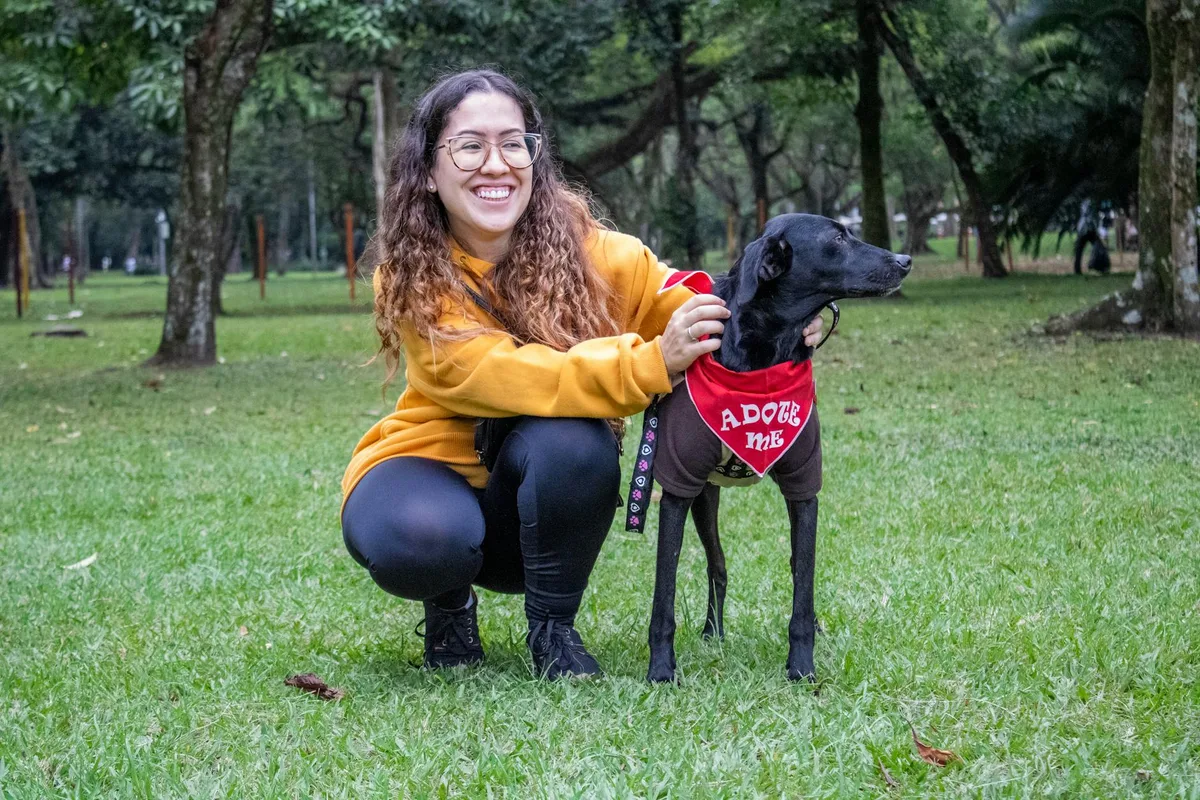
    Smiling woman with adoptable black dog in a lush green park, promoting pet adoption.
    Photo by Barbara Reis on Pexels

    What steps can you take to ensure your new rescue dog feels at home from day one? Successful rescue dog integration requires thoughtful planning and patience. Here are some strategies to help your new furry friend adjust smoothly:

    1. Create a Safe Space: Designate a quiet area with a comfortable bed and toys to help your dog feel secure.
    2. Establish a Routine: Consistent feeding, walking, and playtimes can ease the transition and provide comfort.
    3. Gradual Introductions: Slowly introduce your dog to family members and other pets to avoid overwhelming them.
    4. Positive Reinforcement: Reward good behavior with treats and praise to build trust and encourage positive habits.

    Once the initial integration is established, let’s discuss the critical first few days with your new rescue dog.

    Preparing Your Home for a Rescue Dog

    Is your home ready to welcome a new furry friend? Here’s how to prepare for your rescue dog’s arrival.

    1. Set Boundaries: Establish a safe space for your dog to relax and feel secure.
    2. Gather Supplies: Ensure you have food, toys, and bedding to meet the basic needs of your new pet.
    3. Prepare the Environment: Remove hazards and secure areas to prevent accidents.

    Preparing your home with the right supplies and environment can significantly reduce stress for both you and your new rescue dog. After preparing your home, it’s essential to focus on the first few days and how to build trust with your new rescue dog.

    The First Few Days: Building Trust and Routine

    What can you do in the first few days to ensure your rescue dog feels safe and loved? Establishing a routine is crucial in these early days. The ‘3-3-3 rule’ for rescue dogs suggests it takes three days to settle, three weeks to adjust, and three months to feel fully comfortable.

    1. Establish a Routine: Set regular feeding, walking, and sleeping times to provide structure.
    2. Build Trust: Use positive reinforcement and patience to create a bond with your new dog.
    3. Address Challenges: Be prepared for common issues like anxiety or reluctance, and address them calmly.

    Once the initial adjustment is made, let’s explore long-term strategies for bonding and integration.

    Long-term Integration and Bonding

    What steps can you take to ensure your bond with your rescue dog grows stronger every day? Here are some effective strategies:

    1. Ongoing Training: Engage in regular dog training for bonding, such as agility training or obedience classes, to enhance the bond and improve behavior.
    2. Socialization: Introduce your dog to new environments and people to ensure successful integration into the family.
    3. Play and Exercise: Participate in activities like fetch or daily walks to strengthen your connection and maintain a healthy lifestyle for both you and your dog.

    With a solid understanding of integration, let’s look at training tips for rescue dogs that may have behavioral challenges.

    Training Tips for Rescue Dogs with Behavioral Issues

    Are you struggling with your rescue dog’s behavior? Here are some targeted training tips to help! Many behavioral challenges in rescue dogs stem from past trauma, making it crucial to approach training with understanding and empathy. Common issues include anxiety, aggression, and fearfulness, often linked to their previous experiences.

    To address these issues, consider using desensitization techniques. Gradually expose your dog to the source of their anxiety in a controlled manner, rewarding calm behavior. For instance, if your dog is fearful of strangers, start by having them observe people from a distance, slowly decreasing the space over time.

    Consistency and patience are key in training rescue dogs with issues. Establish a routine and stick to it, reinforcing positive behavior with treats and praise. This helps build trust and confidence in your dog.

    Once you understand common challenges, it’s essential to know when to seek professional help.

    Understanding Common Behavioral Challenges

    How can you tell if your rescue dog needs professional help, and what steps should you take? Recognizing behavioral issues in rescue dogs, such as anxiety or aggression, is crucial. Signs like excessive barking, destructive behavior, or fearfulness may indicate a need for professional help for dog training. Many rescue dogs benefit from trainers who specialize in positive reinforcement methods, which can lead to better outcomes.

    When should you seek dog training assistance? If your dog displays persistent issues that affect their quality of life, it’s time to consult a qualified trainer. Resources like the Association of Professional Dog Trainers can help you find experts in rescue dog behavior. Finally, let’s answer some frequently asked questions about adopting a rescue dog.

    Effective Training Techniques for Rescue Dogs

    What questions do potential adopters have about bringing a rescue dog into their lives? Many wonder about the FAQs regarding rescue dog adoption, such as the adoption process, costs involved, and support available. Common questions about adopting dogs often include concerns about behavior and training. Fortunately, adopting a rescue dog answers these with extensive support networks, including training classes and community groups. Read more about adoption support here.

    To summarize, let’s review the key takeaways about the benefits and responsibilities of adopting a rescue dog.

    When to Seek Professional Help

    Ready to change a life? Here’s why adopting a rescue dog is one of the best decisions you can make! The key benefits of adopting rescue dogs include emotional bonds that uplift spirits, psychological comfort that eases stress, and physical activities that boost health. By choosing adoption, you not only transform the lives of these dogs but also enrich your own. Consider supporting rescue organizations and embrace the joy of rescue dog adoption.

    FAQs About Adopting a Rescue Dog

    black and tan german shepherd on snow covered ground during daytime
    Photo by Maria Derkach on Unsplash

    What questions do potential adopters have about bringing a rescue dog into their lives? Here are some common questions about adopting dogs, along with clear answers to help guide you:

    • What is the adoption process like?

      It typically involves an application, interview, and home visit. Shelters provide guidance throughout.

    • Are there support networks for new owners?

      Yes, many offer training classes and community groups. Learn more from the ASPCA.

    To summarize, let’s review the key takeaways about the benefits and responsibilities of adopting a rescue dog.

    What Should I Expect When Adopting a Rescue Dog?

    Ready to change a life? Here’s why adopting a rescue dog is one of the best decisions you can make! By welcoming a rescue dog into your home, you gain a loyal companion who brings immense emotional and psychological benefits. Rescue dogs often show deep gratitude, fostering a unique bond that enriches both your life and theirs. Additionally, the physical activity involved in caring for a dog can improve your health.

    Supporting rescue organizations not only saves lives but also strengthens communities. Remember, adopting a rescue dog not only transforms the lives of the dogs but also enriches the lives of the families who choose to adopt them. Consider adoption and experience these profound benefits firsthand.

    How Do I Choose the Right Rescue Dog for My Family?

    Choosing the right rescue dog involves considering your family’s lifestyle and needs. Evaluate factors like energy levels, size, and temperament to find a compatible match. Visiting shelters and spending time with potential pets can help gauge their behavior and compatibility. Consult shelter staff for insights on each dog’s background and health requirements. Adopting a rescue dog not only saves a life but also brings emotional and psychological benefits, such as reducing stress and increasing happiness. Additionally, having a pet can improve physical health by encouraging regular exercise and outdoor activities. Prioritize compatibility to ensure a harmonious and fulfilling relationship.

    Are Rescue Dogs More Prone to Health Issues?

    Rescue dogs may sometimes face health challenges due to their past environments, but many shelters provide thorough medical evaluations and necessary treatments before adoption. This proactive care helps ensure that adopters are aware of any existing conditions. Additionally, adopting a rescue dog can offer emotional and psychological benefits, as caring for a pet can reduce stress and increase happiness. The act of adopting also supports animal welfare by giving a deserving dog a second chance at life. Ultimately, while some health issues may exist, the rewards of adopting a rescue dog often outweigh these concerns.

    How Can I Help My Rescue Dog Adjust to a New Home?

    Helping your rescue dog adjust to a new home involves patience and understanding. Start by creating a safe, quiet space where your dog can retreat to feel secure. Establish a consistent routine for feeding, walks, and playtime to provide stability. Use positive reinforcement to encourage good behavior and build trust. Socialize your dog gradually, introducing them to new environments and people at a comfortable pace. Additionally, regular vet check-ups ensure their health is monitored, contributing to their overall well-being. By fostering a supportive environment, you not only ease their transition but also strengthen the emotional bond, enhancing the psychological benefits of pet adoption.

    Key Takeaways About Rescue Dog Adoption

    Adopting a rescue dog offers numerous benefits that extend beyond simply gaining a new pet. These dogs often bring immense joy and companionship, enhancing the emotional well-being of their owners. Studies have shown that having a dog can reduce stress and anxiety levels, leading to improved mental health. Moreover, the routine of caring for a pet encourages physical activity, which can contribute to better overall health.

    Rescue dogs are often incredibly grateful and form strong bonds with their new families. This emotional connection can provide a deep sense of fulfillment and purpose. Additionally, by choosing to adopt, you are giving a deserving animal a second chance at life, which is a rewarding experience in itself.

    Join us in making a difference—consider adopting a dog or volunteering with ADRTC today! Your involvement not only changes the life of a rescue dog but also enriches your own. Together, we can create a community that values compassion and care for all animals.
  • Discover Dog Adoption Events Near You: A Complete Guide

    Discover Dog Adoption Events Near You: A Complete Guide

    Why Dog Adoption Events Near You Are a Game Changer

    Have you ever wondered how dog adoption events can change lives and communities? These events significantly boost community engagement and animal welfare by connecting potential pet owners with adoptable dogs in a lively, supportive environment. Communities hosting regular dog adoption events see a 30% increase in overall pet adoption rates compared to those without such initiatives.

    Statistics reveal that adoption rates at events often surpass those of traditional shelters. Families who have adopted dogs at these events frequently share heartwarming stories, emphasizing the joy and companionship their new pets bring. Such events not only find homes for dogs but also foster a sense of community and shared purpose.

    Next, we will explore how to find upcoming dog adoption events near you.

    Upcoming Dog Adoption Events Near Me: How to Find Them

    A heartwarming portrait of a rescue dog on a leash, emphasizing adoption. Shot outdoors in Trinidad and Tobago.
    Photo by Dominik Gryzbon on Pexels

    Finding the perfect dog adoption event near you is easier than you might think! Here’s how you can locate these events:

    1. Check popular pet adoption event websites like Petfinder and Facebook Events.
    2. Use local search engines effectively by including your city or zip code in queries.
    3. Download apps designed for pet adoption and event tracking for real-time updates.

    Many local animal shelters and rescues now use event management software to streamline the promotion of their adoption events, making them easier to find online.

    Using Online Resources to Locate Events

    Are you ready to harness the power of the internet to find your new furry friend? Online dog adoption event resources such as Meetup, Eventbrite, and local shelter websites are excellent starting points. Set alerts on social media and event platforms to stay informed about pet adoption events. Many adopters report discovering their new pets through targeted Facebook ads promoting local adoption events.

    Local Community Boards and Pet Stores

    Did you know that your local pet store could be your best resource for finding adoption events? Bulletin boards at pet stores, community centers, and veterinary clinics often post flyers for dog adoption events. Many pet stores partner with local rescues to host these events, sometimes offering discounts on supplies for adopters.

    Networking with local pet owners and volunteers can also provide insights into upcoming events. For instance, several successful adoptions have occurred through community board postings, where potential adopters connected with rescue organizations.

    Following Arctic Dog Rescue and Training Center Updates

    Want to be the first to know about exciting dog adoption events? Follow Arctic Dog Rescue! Subscribe to the ADRTC newsletters and social media channels for real-time updates on dog adoption events and more. Past events have successfully matched hundreds of dogs with loving families, thanks to a dedicated volunteer team sharing behind-the-scenes stories.

    Engage with ADRTC by volunteering or sharing their events to foster a stronger community connection. Next, we will delve into unique adoption events where dogs actively participate in choosing their owners.

    Unique Adoption Events Where Dogs Pick Their Owners

    Imagine a dog adoption event where the dogs get to choose their forever families—sounds incredible, right? These dog-driven adoption events offer a unique pet adoption experience by letting dogs choose their owners. Participating shelters report a 50% higher satisfaction rate among adopters compared to traditional methods.

    Notable organizations like the ASPCA have hosted such events, enhancing the adoption experience significantly. Let’s explore how these unique events actually work.

    How These Events Work

    Curious about how dogs can pick their families? Let’s break down the process! Dog-driven adoption events typically operate using a ‘meet and greet’ format. This setup allows dogs to interact with multiple potential adopters in a relaxed environment, fostering genuine connections.

    Trained staff play a crucial role, guiding these interactions to ensure a smooth experience. For instance, at a recent event, a shy Labrador found her perfect match after several guided introductions, highlighting the effectiveness of this approach.

    Benefits of Letting Dogs Choose Their Families

    What if letting dogs choose their families could lead to happier, more successful adoptions? Allowing dogs to select their owners can significantly reduce stress and anxiety, fostering a smoother transition into their new homes. Studies indicate that dogs who select their owners tend to exhibit fewer behavioral issues post-adoption, leading to happier homes.

    Adopters who have experienced this unique process often report stronger bonds and better long-term matches. Testimonials highlight how the psychology of pet adoption plays a crucial role in dog adoption success rates.

    Success Stories from Dog-Driven Adoptions

    Get ready to be inspired by incredible success stories from dog-driven adoptions! Families who attended these events often share heartwarming pet adoption tales. Many of the most touching success stories come from events where dogs were initially overlooked but formed strong bonds with their chosen families.

    One adopter shared, “We found our perfect match at a local event, and our lives have been enriched ever since.” Such real-life dog adoption experiences highlight the emotional connections formed during these events.

    The 3-3-3 Rule: A Guide for First-Time Dog Adopters

    A small white dog walking through the snow
    Photo by Doug R. W. Dunigan on Unsplash

    Are you prepared for the journey of welcoming a new dog into your home? The 3-3-3 rule can help!

    • First 3 Days: Your dog may feel overwhelmed and scared. Allow them to adjust at their own pace.
    • First 3 Weeks: Dogs start to settle in and understand their new environment and routines.
    • First 3 Months: Dogs build trust and a true bond with their new family.

    Adopters who follow the 3-3-3 rule report a 40% decrease in behavioral issues during the adjustment period.

    Understanding the 3-3-3 Rule

    Wondering how to make your new dog feel at home? Let’s dive into the 3-3-3 rule application!

    • First 3 Days: Your dog may feel overwhelmed. Provide a quiet space and maintain a consistent routine to ease anxiety.
    • First 3 Weeks: Expect behavioral challenges. Use positive reinforcement and seek advice from trainers to build trust.
    • First 3 Months: Your dog starts feeling secure. Continue with routine and consult veterinarians for health tips.

    Many adopters find that maintaining a consistent routine during the first three months is key to their dog’s adjustment and comfort.

    Applying the Rule to Ensure a Smooth Transition

    Are you ready for adoption day? Here’s everything you need to know to prepare! Start by gathering essential supplies like a leash, collar, and food. Ensure all paperwork is complete. Many adopters overlook the importance of having a quiet space ready at home for their new dog to decompress after adoption.

    On the day, expect to meet various dogs and discuss their needs with staff. Use the following adoption day checklist to stay organized:

    • Bring identification and completed paperwork.
    • Prepare questions for the adoption staff.
    • Have a pet carrier or leash ready.

    Steps to a Successful Dog Adoption Experience

    Are you ready for adoption day? Here’s everything you need to know to prepare!

    1. Gather Supplies: Ensure you have essentials like a leash, collar, food, and water bowls.
    2. Prepare Paperwork: Bring identification and any required forms for the adoption process.
    3. Set Up a Quiet Space: Many adopters overlook the importance of having a quiet space ready at home for their new dog to decompress.
    4. Adoption Day Checklist: Include items like treats, a blanket, and a crate for safe transport.

    Preparing for the Adoption Day

    Curious about what happens at a dog adoption event? Here’s what you can expect!

    1. Meet-and-Greets: Engage in ‘speed dating’ sessions to meet multiple dogs quickly and find your perfect match.
    2. Interviews: Participate in brief interviews with volunteers to discuss your lifestyle and preferences.
    3. Assessing Dogs: Observe behavior and energy levels to ensure a good fit.
    4. Interacting: Approach dogs calmly and ask volunteers questions to learn more about each dog’s personality.

    What to Expect During the Event

    Congratulations on your new furry friend! Now, here’s how to ensure a smooth transition into your home.

    1. Establish Routines: Set regular feeding, walking, and sleeping schedules to help your dog adjust quickly.
    2. Veterinary Check-ups: Schedule a visit to the vet for a health assessment and vaccinations.
    3. Training Sessions: Start basic training early to establish boundaries and encourage good behavior.
    4. Avoid Common Mistakes: Don’t underestimate socialization; it’s crucial for a well-adjusted dog.

    Post-Adoption Tips for a Happy Home

    Are you ready to adopt a dog? Here’s what you need to bring to the event!

    1. Identification: Bring a valid ID to verify your identity.
    2. Adoption Applications: Complete any necessary paperwork in advance.
    3. Family Members: Ensure everyone meets the potential new family member.
    4. Pet-Friendly Vehicle: Many adopters overlook the need for safe transport home.

    Being prepared to meet potential dogs and their needs is crucial.

    Frequently Asked Questions About Dog Adoption Events

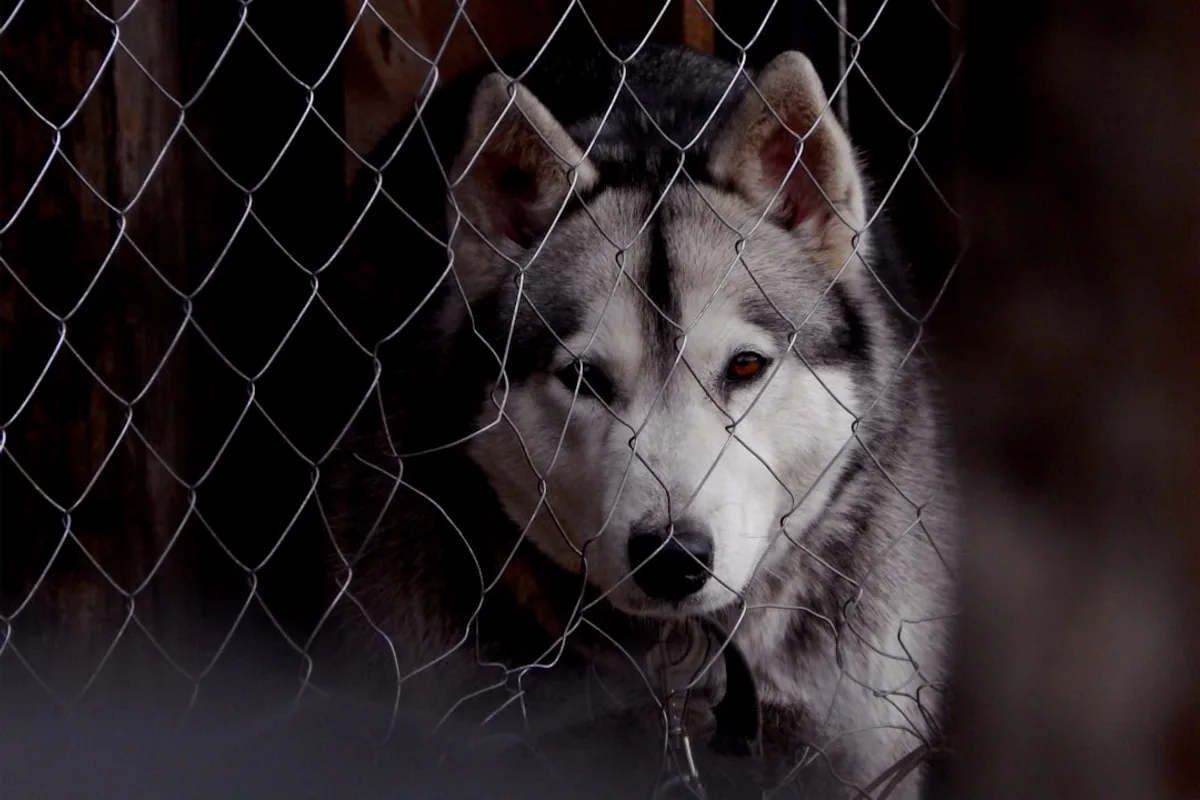
    A tender scene of a dog behind a fence being petted by a human hand, showcasing affection.
    Photo by Vladimir Srajber on Pexels

    Got questions about dog adoption events? We’ve got you covered with the most frequently asked questions!

    • What should I bring to a dog adoption event?

      Bring a valid ID, proof of residence, and any required fees. Some events may also require a leash and collar.

    • Who is eligible to adopt a dog?

      Eligibility varies, but generally, you must be at least 18 years old and have landlord approval if renting.

    • Are there any additional benefits to adopting at an event?

      Many potential adopters are unaware that some adoption events offer free training sessions as part of the adoption package.

    For more detailed dog adoption FAQs, check out Adopt a Pet and ASPCA.

    Let’s dive deeper into what you should bring to a dog adoption event.

    What Should I Bring to a Dog Adoption Event?

    Are you ready to adopt a dog? Here’s what you need to bring to the event! Essential items include identification, completed adoption applications, and any necessary fees. Bring family members to ensure compatibility with potential dogs. Don’t forget a pet-friendly vehicle for safe transport home. For more tips, visit ASPCA Adoption Tips.

    How Do I Know If I’m Ready to Adopt a Dog?

    Thinking about adopting a dog? Here’s how to know if you’re truly ready for the commitment! Consider your lifestyle, financial commitment, and the emotional aspects involved. Many first-time adopters underestimate the time commitment required for training and socialization. Use this dog adoption readiness checklist to assess your preparedness:

    • Do you have time for daily walks and play?
    • Can you afford veterinary care and food?
    • Are you ready for the responsibilities of dog ownership?

    Can I Adopt More Than One Dog at an Event?

    Wondering if you can adopt more than one dog at an event? Let’s explore the possibilities! Many dog adoption event policies allow for adopting multiple dogs, often with discounts or incentives. While dual dog adoption offers companionship benefits, it also presents challenges like increased care responsibilities. Success stories abound, with families thriving after adopting multiple dogs.

    What Are the Costs Involved in Dog Adoption?

    Curious about the costs of adopting a dog? Here’s what you need to know! Dog adoption costs typically include an adoption fee covering vaccinations and spaying/neutering. These fees vary based on breed, age, and health status, with some rescues offering sliding scale fees. Additional expenses include food, supplies, and veterinary care. Financial assistance programs may be available for adopters.

    How Can I Volunteer at Adoption Events?

    Want to make a difference in the lives of dogs and their future families? Here’s how you can volunteer! At dog adoption events, volunteers can assist with setup, greet potential adopters, or help care for the animals. Many report personal growth and a deeper understanding of animal welfare. To get involved with ADRTC, visit their volunteer page.

    Key Takeaways About Dog Adoption Events Near You

    As we wrap up, let’s reflect on the transformative power of dog adoption events in our communities! These events are crucial for finding loving homes for dogs, fostering community bonds, and raising awareness about animal welfare. By participating, you not only help a dog in need but also enrich your community. Join us in making a difference—consider adopting a dog or volunteering with ADRTC today! Follow ADRTC for updates and involvement opportunities.

  • Adopt a Dog Near You: A Comprehensive Guide to Local Adoption

    Adopt a Dog Near You: A Comprehensive Guide to Local Adoption

    Why Adopting a Dog Near You Is a Great Choice

    Have you ever considered how adopting a dog can transform not just your life, but your community as well? Adopting a dog from a local shelter provides emotional fulfillment and strengthens community ties, making it a rewarding choice for both you and your neighborhood.

    Local shelters are often overwhelmed, with thousands of dogs waiting for a loving home. By adopting locally, you help reduce the number of animals in shelters, directly impacting euthanasia rates. According to recent statistics, over 3 million dogs enter U.S. shelters annually, and adoption plays a crucial role in giving these animals a second chance at life.

    Successful adoption stories abound, such as Max, a Labrador mix who found a forever home through a nearby shelter. His adoption not only brought joy to his new family but also inspired others in the community to consider adopting. Such stories highlight the positive ripple effect of local adoptions.

    Adopting a dog locally not only helps reduce shelter populations but also fosters a sense of community and belonging among pet owners. Now that we understand the importance of local adoption, let’s explore how to find the right shelters and rescue organizations.

    Finding the Right Local Shelters and Rescue Organizations

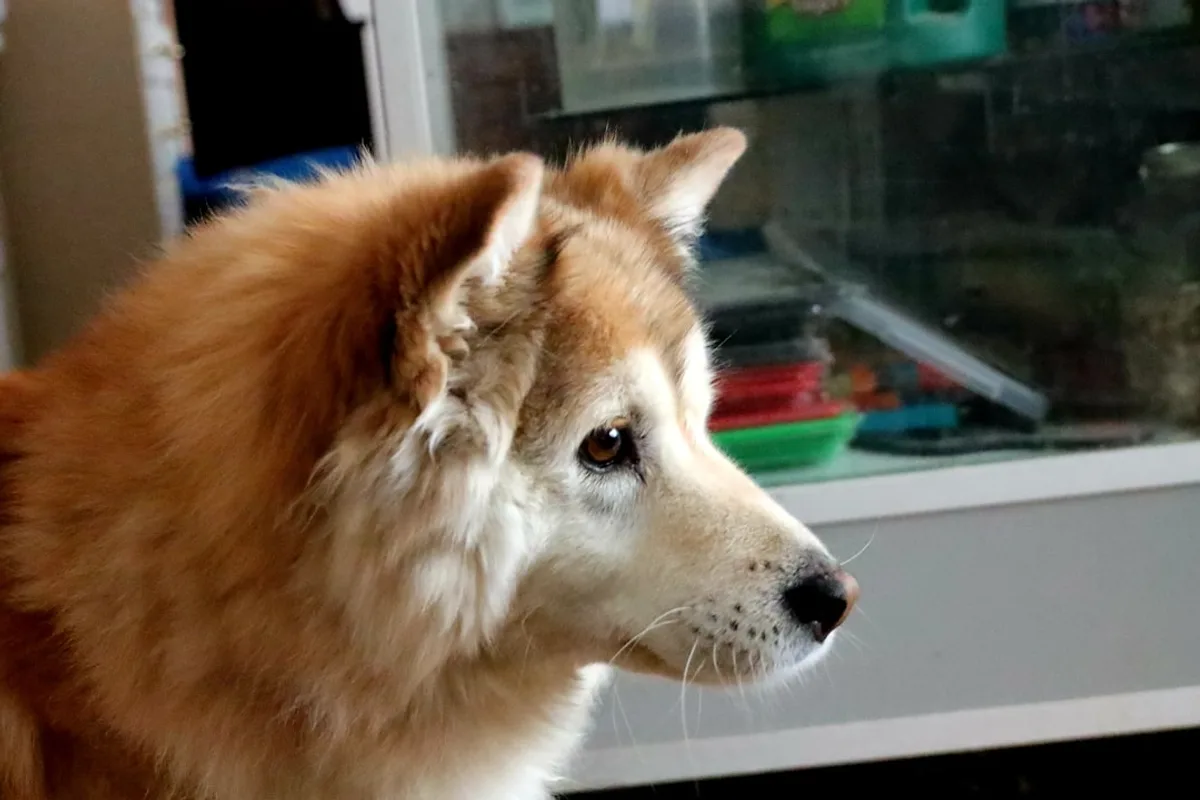
    A fluffy dog with brown and white fur looks away.
    Photo by Richard Burlton on Unsplash

    Finding the right local shelter can be the first step towards welcoming a furry friend into your home. Start by exploring popular local dog shelters and rescue organizations near you. Many provide unique programs like ‘foster-to-adopt’, allowing families to trial a dog before making a commitment.

    Consider using online resources such as Petfinder and Adopt-a-Pet to locate nearby dogs. These platforms offer comprehensive listings of available pets and detailed information on adoption processes.

    • Humane Society: Offers a wide range of breeds and adoption support.
    • Local SPCA: Known for its community outreach and adoption events.
    • ADRTC: Specializes in arctic breeds, providing specific care and adoption guidance.

    Breed-specific rescues like ADRTC focus on particular needs, ensuring a good match between the dog and its new family. Next, we will delve deeper into how to research these shelters and assess their reputations.

    Researching Local Shelters and Their Reputation

    Not all shelters are created equal; knowing how to research their reputations can lead to a better adoption experience. Begin by checking online reviews and ratings for local shelters on platforms like Google and Yelp. These reviews provide insights into shelter reputation and help identify shelters with high adoption rates.

    Visiting shelters in person is equally important. Observe the conditions and staff interactions to ensure transparency in adoption practices and shelter policies. Shelters with detailed profiles of their animals often have higher success in matching dogs with families, showcasing their commitment to finding the right homes.

    Once you’ve narrowed down your options, it’s crucial to ask the right questions before making a decision.

    Questions to Ask Before Choosing a Shelter

    Before you commit to adopting a dog, asking the right questions can make all the difference in ensuring a successful match. Start by inquiring about the dog’s history, behavior, and health. For example, ask how the dog behaves in various situations, as this can reveal insights not always documented in their profiles.

    Next, evaluate the shelter’s adoption process by asking about their policies and support services post-adoption. It’s crucial to understand their return policies and what support they offer if the adoption doesn’t work out. These questions can help you make an informed decision.

    Now, let’s explore how ADRTC specifically supports local dog adoption efforts.

    How ADRTC Supports Local Dog Adoption

    The Arctic Dog Rescue and Training Center is more than just a shelter; it’s a community hub for dog lovers and adopters alike. Focused on arctic breeds, ADRTC offers specialized programs like training classes and community events. Success stories abound, with families receiving ongoing support to ensure smooth transitions. ADRTC dog adoption programs provide local dog training resources, fostering lasting bonds.

    With a better understanding of local organizations, we can now navigate the dog adoption process itself.

    Understanding the steps of the dog adoption process can empower you to make a confident decision about welcoming a new pet into your home. The journey typically begins with an adoption application process, where you provide details about your living situation and preferences. Following this, many shelters conduct home visits and background checks to ensure a suitable match.

    Interestingly, many shelters have streamlined their processes to allow for same-day adoptions, significantly reducing the time a dog spends in the shelter. Statistics show that such efficiencies can improve adoption success rates, with follow-ups playing a crucial role in long-term success.

    Next, we will discuss the necessary requirements you need to meet before adopting a dog.

    Understanding the Adoption Process Steps

    Navigating the dog adoption process can seem daunting, but understanding each step can make it much easier. Here are the steps to adopt a dog:

    1. Application: Complete an adoption application, providing details about your home and lifestyle.
    2. Interview: Participate in an interview to discuss your suitability as a pet owner.
    3. Home Visit: Expect a home visit to ensure your environment is safe for a dog.
    4. Adoption Fees: Pay the adoption fees, which typically cover vaccinations, spaying/neutering, and microchipping.

    Some shelters offer expedited adoption processes for returning adopters, fostering a quicker transition. Remember, patience is key as the dog adoption timeline can vary by organization. For more detailed guidance, visit the ASPCA’s adoption tips.

    Now that you know the steps, let’s look at the requirements you must meet to adopt a dog.

    Meeting the Necessary Requirements for Adoption

    Before you can bring a furry friend home, you need to meet specific requirements that ensure a safe and loving environment. Common dog adoption requirements include being at least 18 years old, having a stable residence, and demonstrating financial stability. A pet-friendly living situation, such as a home with a secure yard, is also essential.

    Certain breeds, particularly arctic breeds, may have additional adoption criteria, like climate considerations. Some shelters may offer waivers on specific requirements for experienced adopters or those adopting senior dogs, promoting inclusivity in the adoption process.

    As you prepare to adopt, knowing how to get ready for your first visit to the shelter is crucial.

    Preparing for Your First Visit to the Shelter

    Your first visit to a shelter can be exciting yet overwhelming; being prepared can help you make the best choice for your family. Here’s what to bring to adopt a dog:

    • Valid ID
    • Proof of residence
    • Family members to ensure everyone agrees on the adoption

    Many shelters encourage spending time with dogs in a designated area to gauge compatibility. Being mentally prepared to meet various dogs and assess their fit with your family is crucial. Now that you understand the adoption process, let’s explore the costs and benefits associated with adopting a dog.

    Costs and Benefits: What to Expect When Adopting a Dog

    white and black siberian husky puppy
    Photo by Николай Демин on Unsplash

    Understanding the financial implications of dog adoption can help you prepare for the commitment ahead. The cost of adopting a dog typically includes adoption fees, vaccinations, and spaying/neutering. These initial expenses are often covered by shelters, providing a financial advantage over purchasing from a breeder.

    Expense Adoption Breeder
    Adoption Fees $50 – $300 N/A
    Vaccinations Included $75 – $100
    Spaying/Neutering Included $200 – $500

    Ongoing costs of dog ownership include food, grooming, and veterinary care, which require careful financial planning. Adopting a dog can often lead to long-term savings, as many shelters cover initial medical expenses that would otherwise be an out-of-pocket cost.

    Financial Costs of Dog Adoption

    While the initial adoption fee may seem daunting, understanding the full financial picture can help you plan effectively. The financial costs of dog adoption include not only the adoption fees but also initial setup costs like food, bedding, and vaccinations. Many shelters offer sliding scale fees based on income, making adoption accessible to a broader audience.

    Region Adoption Fees Initial Setup Costs Hidden Costs
    Urban Areas $100 – $300 $200 – $500 Emergency vet visits, pet insurance
    Suburban Areas $50 – $150 $150 – $400 Emergency vet visits, pet insurance
    Rural Areas $25 – $100 $100 – $300 Emergency vet visits, pet insurance

    Emotional and Lifestyle Benefits of Adoption

    The joy of adopting a dog extends far beyond companionship; it can profoundly impact your overall well-being and lifestyle. Research shows that pet owners often report lower levels of depression and anxiety, underscoring the mental health benefits of dog adoption.

    Emotional Benefits Lifestyle Changes
    Companionship Increased physical activity
    Reduced stress levels Enhanced social interaction

    To make an informed decision, it’s crucial to compare adopting a dog to buying from a breeder.

    Comparing Adoption vs. Buying from a Breeder

    When considering a new furry family member, the choice between adoption and purchasing from a breeder can significantly impact your experience. Adoption often provides access to a wider variety of breeds and mixed breeds, which can lead to healthier dogs due to genetic diversity.

    Aspect Adoption Buying from a Breeder
    Cost Lower fees, often includes vaccinations and microchipping Higher initial cost, additional expenses for health checks
    Ethics Supports shelters and reduces overpopulation Varies by breeder, potential ethical concerns
    Breed Variety Wide range of breeds and temperaments, including mixed breeds Specific purebred options

    After adoption, new pet owners need to be aware of the care and resources available to support their journey.

    Post-Adoption Care and Resources for New Pet Owners

    Preparing for your new dog involves more than just love; having the right supplies can set you both up for success. Essential supplies for new dog owners include high-quality dog food, a variety of toys, and grooming tools. Don’t forget mental stimulation tools like puzzle toys, which many new dog owners overlook but are vital for preventing behavioral issues.

    Establishing a routine and training schedule is crucial for your pet’s well-being. Consistent feeding times, regular walks, and dedicated training sessions help your dog adjust to their new home. Additionally, local pet stores and online communities offer valuable resources and support for new pet owners.

    Training and socialization are crucial for a well-adjusted dog, so let’s explore some tips to help you get started.

    Essential Supplies for Your New Dog

    Equipping your home with the right supplies is a crucial step in ensuring your new dog feels welcome and secure. A comprehensive dog supplies checklist includes essentials like quality food tailored to your dog’s breed and age, sturdy bowls, a durable leash, and a comfortable bed. Don’t forget identification tags and microchipping for added safety.

    Investing in quality dog care products ensures your pet’s comfort and well-being. As a new pet owner, these essentials will help you provide a nurturing environment. Training is an essential part of dog ownership, so let’s discuss some effective tips for training and socialization.

    Training and Socialization Tips

    Training your new dog is not just about commands; it’s about building a strong bond and ensuring a well-behaved companion. Start with essential commands like sit, stay, and come. Socialization for new dogs is crucial; introduce them to other pets and people to prevent behavioral issues.

    Consider enrolling in local training classes or exploring online programs. Positive reinforcement techniques, such as clicker training, are more effective than traditional punishment methods, leading to better behavior outcomes. In addition to training, new pet owners should also seek out local support groups and resources.

    Local Support Groups and Resources

    Finding a supportive community can make all the difference in your journey as a new dog owner; here’s how to connect with others like you. Local dog owner support groups and community resources for pet owners offer invaluable assistance. Consider joining training classes or attending community events to enhance your dog’s socialization and training.

    Online forums and social media groups also provide platforms where pet owners can share experiences and advice. These connections help integrate your dog into family life smoothly. As we wrap up, let’s address some frequently asked questions about adopting a dog near you.

    FAQs About Adopting a Dog Near You

    Adorable puppies peering through a rusty cage, longing for adoption.
    Photo by Mia X on Pexels

    Adopting a dog can raise many questions; let’s tackle some of the most common concerns prospective adopters have.

    • What are the most frequently asked questions about adopting a dog?

    To ensure you leave with the most important points, let’s summarize the key takeaways about adopting a dog near you.

    How Do I Find Dogs Available for Adoption Near Me?

    Searching for your new furry friend can be exciting; here’s how to streamline the process and find the perfect match. Start by exploring dog adoption websites and social media pages of local shelters. These platforms often list available dogs and provide essential details. Visiting shelters in person is crucial to meet dogs face-to-face and assess compatibility. Additionally, many shelters host ‘meet and greet’ events, allowing potential adopters to interact with multiple dogs at once. Community events also showcase adoptable dogs, making them valuable local dog adoption resources. Next, we will address the typical adoption fees you might encounter.

    What Are the Typical Adoption Fees?

    Understanding the financial commitment of dog adoption can help you budget effectively and make an informed decision. Adoption fees for dogs typically range from $50 to $300, depending on the shelter and the dog’s age, breed, and health status. These fees often cover essential services such as vaccinations, spaying or neutering, and microchipping. Some shelters offer discounts for adopting senior dogs or multiple pets, making adoption more accessible for families.

    While the upfront costs might seem significant, the long-term value of adopting a dog is immeasurable. Let’s explore whether families with young children can adopt a dog and what considerations to keep in mind.

    Can I Adopt a Dog if I Have Young Children?

    Adopting a dog can be a wonderful experience for families, but it’s essential to consider how a new pet will fit into your household with young children. Certain breeds, such as Labrador Retrievers and Golden Retrievers, are often recommended for families due to their friendly and tolerant nature with kids. When adopting a dog with children, it’s crucial to assess breed temperament and energy levels.

    Introduce your new dog to children safely by supervising interactions and teaching kids to respect the dog’s space. Consistent training and supervision are key to ensuring a harmonious household. Next, we will discuss what to expect during a home visit from the shelter.

    What Should I Expect During a Home Visit?

    Understanding what to expect during a home visit can help you feel more confident and prepared as you move forward in the adoption process. A home visit for dog adoption is primarily to ensure a safe and suitable environment for the new pet. Shelter staff typically look for secure fencing, safe spaces, and potential hazards to the dog.

    Preparing for a shelter home visit involves pet-proofing your home and ensuring all areas are safe. Remember, this visit is not about judging you but ensuring a good match. It’s also an opportunity for staff to offer personalized advice on integrating your new dog into your family.

    Finally, let’s summarize the key takeaways about adopting a dog near you.

    How Long Does the Adoption Process Take?

    As we conclude, let’s reflect on the transformative journey of adopting a dog and how it can positively impact both your life and the community. Adopting from local shelters not only provides a loving home for a dog in need but also strengthens community bonds. The process typically involves visiting shelters, meeting potential pets, and completing necessary paperwork.

    Key takeaways include the benefits of local dog adoption, such as fostering empathy and responsibility. By choosing community-based adoption, you’re supporting local shelters and encouraging a culture of care. Consider taking the step to adopt a dog near you and make a lasting difference.

    Key Takeaways About Adopting a Dog Near You

    As we conclude, let’s reflect on the transformative journey of adopting a dog and how it can positively impact both your life and the community. Adopting from local shelters not only provides a loving home to a dog in need but also strengthens community bonds. This growing trend of community-based dog adoption fosters a culture of empathy and responsibility among pet owners.

    Throughout this article, we discussed the essential steps and requirements for adopting a dog. These include researching local shelters, understanding the adoption process, and preparing your home for a new furry friend. By choosing to adopt, you help reduce overcrowding in shelters and give a second chance to a deserving animal.

    Join us in making a difference—consider adopting a dog or volunteering with ADRTC today! Your actions can lead to a more compassionate society, where every dog has a chance at a happy life. Remember, adopting a dog near you not only changes the life of the animal but enriches your own with unconditional love and companionship.

  • Navigating the Dog Adoption Process: A Comprehensive Guide

    Navigating the Dog Adoption Process: A Comprehensive Guide

    Why the Dog Adoption Process is Crucial for Finding the Right Match

    Have you ever wondered why the dog adoption process is vital for both pets and their new families? Its importance lies in matching dogs with families whose lifestyles and needs align, ensuring a harmonious and lasting relationship.

    Research shows that families who understand their dog’s needs and characteristics are 50% less likely to return the dog to the shelter. This statistic underscores the significance of the adoption process in reducing return rates, which can be as high as 20% when mismatches occur. By considering factors such as energy levels, space requirements, and family dynamics, shelters can facilitate successful dog adoption stories.

    For instance, a family with young children might thrive with a gentle, patient dog, while an active couple could be the perfect match for a high-energy breed. These thoughtful pairings enhance the well-being of the dog and enrich the lives of their new owners. Understanding the requirements and disqualifications can help streamline the adoption journey.

    Requirements and Disqualifications for Dog Adoption

    Before you embark on your journey to adopt a dog, it’s crucial to understand the requirements and potential disqualifications. Common requirements include being at least 18 years old, having a stable residence, and demonstrating financial stability to care for a pet. Many shelters also consider emotional support and mental health factors, reflecting a shift from traditional criteria.

    Disqualifications often involve a history of animal abuse or having insufficient living space. Some organizations may require a fenced yard, while others might prioritize indoor living arrangements. As adoption rules can vary, it’s essential to check with individual shelters. Next, we will delve deeper into the specific eligibility criteria for prospective adopters.

    Eligibility Criteria for Prospective Adopters

    Are you ready to adopt a furry friend? First, let’s explore the eligibility criteria you must meet. Prospective adopters typically need to be at least 18 years old and have a stable living environment. A steady income and the ability to dedicate time to pet care are crucial requirements.

    Many organizations include home visits or interviews in their application process. Interestingly, some now offer virtual home checks, making the process more accessible. Understanding common disqualifications will help you avoid pitfalls in the adoption process.

    Common Disqualifications in the Dog Adoption Process

    Wondering if you might be disqualified from adopting a dog? Let’s uncover the common pitfalls that could stand in your way. Many shelters report that the most frequent disqualifications stem from applicants not having adequate time to dedicate to a pet’s needs, rather than financial issues.

    • Lack of experience with dogs
    • Unsuitable living environments
    • Inadequate time for pet care

    Statistics show that 30% of applicants are turned down due to unsuitable living conditions. Anecdotes from shelters reveal stories of applicants denied for reasons like a busy lifestyle. Next, we will discuss the necessary documentation and preparations needed to adopt a dog.

    Necessary Documentation and Preparations

    Are you ready to bring a new dog into your life? Let’s ensure you have everything in place before the big day. Essential documentation includes valid identification and proof of residence. Additionally, having a pet care plan and emergency contacts is crucial. Many shelters now offer an adoption preparation checklist to streamline the process.

    Preparing for dog adoption involves creating a safe and welcoming space at home. Consider securing loose wires, removing hazardous items, and setting up a comfortable sleeping area. With preparations in order, it’s time to explore the 3-3-3 rule and its significance in dog adoption.

    Applying the 3-3-3 Rule in Dog Adoption

    A young puppy stands behind metal bars, casting a poignant gaze that captures a sense of longing and vulnerability.
    Photo by Bryan on Pexels

    Have you heard of the 3-3-3 rule? This simple guideline can transform your dog adoption experience. The 3-3-3 rule outlines the adjustment period for both the dog and the owner, spanning three phases: 3 days, 3 weeks, and 3 months. Understanding adopted dogs through this framework can ease the transition for everyone involved.

    • 3 Days: Initial period where the dog may feel overwhelmed and unsure.
    • 3 Weeks: The dog begins to settle in, showing more of its personality.
    • 3 Months: The dog fully adjusts, feeling secure and at home.

    Studies indicate that following the 3-3-3 rule can significantly enhance the success rate of adoptions. This rule also reflects the owner’s adaptation to their new role, highlighting the mutual journey. Let’s dive deeper into what each phase of the 3-3-3 rule entails for both dogs and their new families.

    Understanding the 3-3-3 Rule

    Understanding the 3-3-3 rule is key to a successful adoption; let’s explore each phase in detail:

    • First 3 Days: Dogs often experience stress and exhibit a ‘honeymoon phase,’ masking issues. Trainers note initial anxiety is normal.
    • First 3 Weeks: Dogs begin settling in, revealing true behaviors. Patience is crucial as they adjust.
    • First 3 Months: Bonding occurs, and trust builds. Experts emphasize the importance of consistent routines.

    For more insights, visit AKC’s guide on dog adoption.

    Now, let’s look at the benefits of following the 3-3-3 rule for both dogs and their owners.

    Benefits of the 3-3-3 Rule for Dogs and Owners

    What if following a simple rule could lead to a happier life for both you and your new dog? The benefits of the 3-3-3 rule are numerous, fostering a strong bond and reducing potential behavioral issues.

    • Builds Trust: Gradually helps dogs adjust, building trust with their new owners.
    • Emotional Benefits: Owners learn to understand their dog’s needs, enhancing emotional connections.
    • Successful Adjustments: Many report smoother transitions and fewer behavioral problems.

    Let’s explore practical tips for implementing the 3-3-3 rule effectively.

    Tips for Implementing the 3-3-3 Rule

    Ready to make your dog’s transition as smooth as possible? Here are some essential tips to follow during the 3-3-3 rule:

    • First 3 Days: Create a safe space with familiar items. Establish a routine to help your dog feel secure.
    • First 3 Weeks: Gradually introduce new experiences and maintain consistency. Utilize resources for training and behavior management.
    • First 3 Months: Strengthen your bond by tracking progress in a journal. Many successful adopters recommend this practice.

    Next, we will delve into the emotional journey that comes with dog adoption.

    Emotional Journey of Dog Adoption

    Adopting a dog is not just about bringing home a pet; it’s an emotional journey filled with ups and downs. New pet owners often experience a rollercoaster of emotions, from the initial excitement to moments of doubt and stress. According to studies, adopting a dog can significantly improve mental health, reducing symptoms of anxiety and depression in new owners.

    Many adopters share stories of joy and fulfillment, though they also acknowledge the emotional challenges of adjusting to a new routine. For instance, one adopter described the overwhelming happiness of their dog’s first wagging tail, balanced by the stress of sleepless nights. Understanding these experiences can prepare potential adopters for the emotional journey of dog adoption.

    Let’s explore the specific emotional challenges that new pet owners often face.

    Emotional Challenges New Pet Owners Face

    Are you prepared for the emotional challenges that come with adopting a dog? Let’s uncover what to expect. Many new pet owners report feeling overwhelmed by the responsibility, often leading to a temporary sense of isolation during the adjustment period. Anxiety about the dog’s adjustment and feelings of inadequacy are common.

    Additionally, the pressure of making the right choices for the dog’s care and training can be daunting. Experts suggest seeking support from fellow pet owners and professionals to manage these challenges effectively. Building a strong bond with your adopted dog can help mitigate these challenges.

    Building a Bond with Your Adopted Dog

    Want to create a lasting bond with your new furry friend? Here are some effective strategies to deepen your connection. Engaging in dog bonding activities like playtime, training, and socialization is crucial. Try exercises such as fetch or agility training to establish trust. Patience and consistency are key to strengthening pet-owner relationships.

    Bonding with your dog can be accelerated through shared experiences, such as training classes or outdoor adventures, which also promote socialization. Now, let’s discuss coping strategies that can ensure a smooth transition for both you and your dog.

    Coping Strategies for a Smooth Transition

    Are you feeling anxious about the transition to dog ownership? Here are some coping strategies to help you navigate this new chapter. Establishing a consistent routine can significantly reduce stress for both you and your new pet. Patience and understanding are crucial during challenging moments, as they foster a smooth transition after dog adoption.

    Joining a local dog owner group offers emotional support and practical advice, enhancing your experience. Many new dog owners find these communities invaluable. Additionally, explore resources for training and support groups tailored for new dog owners to further ease the transition.

    Next, we will provide a comprehensive step-by-step guide to the dog adoption process.

    Step-by-Step Guide to the Dog Adoption Process

    Two husky dogs with striking blue eyes behind a fence.
    Photo by Shavr IK on Unsplash

    Ready to adopt a dog? Here’s your comprehensive step-by-step guide to navigating the adoption process smoothly. Understanding the dog adoption process overview is crucial for a successful experience.

    1. Research: Begin by researching different breeds and shelters. This initial step helps match your lifestyle with the right dog.
    2. Visit Shelters: Schedule visits to local shelters to meet potential pets. This stage might take a few weeks as you explore options.
    3. Application: Fill out adoption applications. Be prepared for detailed questions about your home and lifestyle.
    4. Home Check: Some organizations conduct home checks to ensure a safe environment. This can add extra time to the process.
    5. Adoption Finalization: Once approved, finalize the adoption and bring your new pet home.

    Many potential adopters underestimate the time required, which can take several weeks to months. Let’s begin with how to prepare for the adoption process.

    Preparing for the Adoption Process

    Are you ready to welcome a new dog into your life? Preparation is key, and here’s how to get started. Researching different breeds and shelters is crucial before adopting. Preparing your home and family for a new dog ensures a smooth transition.

    1. Research breeds and shelters to find the best fit.
    2. Prepare a dedicated space for your new dog.
    3. Gather essential items: leash, collar, food, and water bowls.
    4. Discuss responsibilities with family members.

    Next, we will navigate the adoption application process and what it entails.

    Filling out an adoption application might seem straightforward, but there are key elements to consider for success. Understanding the dog adoption application process is crucial to ensure approval. Here’s what to expect:

    1. Provide personal information, including contact details and living situation.
    2. Answer questions about your experience with pets and lifestyle.
    3. Submit necessary documentation, such as proof of residence.
    4. Be honest; shelters often conduct background checks to verify your information.

    Common questions include your reasons for adopting and how you plan to care for the dog. Honesty in your responses is vital, as it affects approval. Once your application is approved, it’s time to finalize the adoption and bring your new dog home.

    Finalizing the Adoption and Bringing Your Dog Home

    Congratulations! You’re almost ready to welcome your new furry friend home—here’s what to expect in the final steps of the adoption process.

    1. Complete any necessary paperwork and contracts; expect to pay adoption fees.
    2. Undergo final checks to ensure your home is suitable for your new pet.
    3. Emotionally prepare for the transition; remember, a gradual introduction to their new environment is crucial for your dog’s adjustment.

    Next, we will compare dog adoption processes across different regions in the US.

    Comparing Dog Adoption Processes Across the US

    Did you know that the dog adoption process can vary significantly from one region to another? Let’s explore these differences. Factors such as local laws and shelter policies play a crucial role in shaping these variations. For instance, certain states have enacted laws that mandate specific waiting periods before an adoption can be finalized, impacting the overall process timeline.

    Region Adoption Rate (%) Key Process Differences
    West Coast 65 Stringent background checks, longer waiting periods
    Midwest 55 Flexible policies, fewer restrictions
    East Coast 70 Mandatory home visits, state-specific requirements

    Now, let’s take a closer look at the regional differences in adoption requirements.

    Regional Differences in Adoption Requirements

    Curious about how adoption requirements vary across the country? Let’s break down the regional differences you should know. Dog adoption requirements by region can include age restrictions, home visit policies, and cultural attitudes towards pets. In some areas, fostering is prioritized over traditional adoption, altering the typical requirements.

    State Unique Requirement
    California Mandatory home visits before adoption approval
    Texas Age restriction of 21 years for adopters
    New York Fostering encouraged as a first step

    Next, we will discuss the timelines involved in the dog adoption process and what to expect.

    Adoption Process Timelines: What to Expect

    Wondering how long the dog adoption process will take? Here’s what you can expect in terms of timelines and factors that influence them. Many shelters report that the average adoption process takes about 2-4 weeks, but this can vary widely based on local demand and resources.

    State Average Duration
    California 3 weeks
    Texas 2 weeks
    New York 4 weeks

    Factors such as shelter capacity and applicant preparedness can significantly affect these timelines. Finally, we will provide recommendations for navigating various adoption systems effectively.

    Recommendations for Navigating Various Adoption Systems

    Navigating the dog adoption system can be overwhelming; here are some recommendations to make the process smoother. Start by researching local shelters and their policies. Networking with local dog trainers and veterinarians can provide valuable insights into the best shelters and adoption practices in your area.

    Tip Description
    Research Local Shelters Understand their adoption requirements and policies.
    Network with Adopters Gain insights from those who have successfully adopted.
    Consult Professionals Engage with trainers and veterinarians for recommendations.
    Attend Adoption Events Meet shelters and dogs in person for better connections.

    For more resources on finding reputable shelters, visit the ASPCA’s adoption tips. Next, we will address common

    Dog Adoption FAQs

    white pomeranian puppy on snow covered ground
    Photo by Daniel Tuttle on Unsplash

    Have questions about dog adoption? Here are the most common FAQs answered to help you on your journey.

    • What are the costs involved in adopting a dog?

      Adoption fees vary but often include vaccinations and spaying/neutering, saving you money.

    • How long does the adoption process take?

      The timeline can range from a few days to a couple of weeks, depending on the shelter’s requirements.

    • What are the requirements to adopt a dog?

      Requirements typically include a home visit, references, and proof of residence.

    • Are there common misconceptions about dog adoption?

      Many believe adoption is costly, but fees often cover essential medical treatments.

    What is the Typical Cost of Adopting a Dog?

    Thinking about the costs of adopting a dog? Let’s break down what you can expect to pay when bringing a new furry friend home. The cost of dog adoption typically includes adoption fees, which can range from $50 to $300 depending on the shelter and region. Some shelters offer reduced fees during special events or for senior dogs, making adoption more accessible.

    Beyond the initial adoption fees for dogs, consider the financial commitment of adopting a dog, including veterinary care, food, and supplies. These hidden costs can add up, so it’s essential to budget accordingly.

    How Long Does the Dog Adoption Process Take?

    Curious about how long the dog adoption process might take? Let’s explore the typical timelines you can expect. The duration of the dog adoption process varies significantly based on several factors, including shelter policies and your preparedness as an applicant. On average, adopting from a shelter may take 1-2 weeks, while rescues can extend to 3-4 weeks due to more stringent checks.

    To expedite the process, ensure your application is thorough and complete. Many adopters are unaware that being well-prepared can significantly reduce the time it takes to finalize an adoption.

    What Should I Bring to the Adoption Center?

    Heading to the adoption center? Here’s what you should bring to ensure a smooth and successful visit. First, pack essential items like a valid identification and proof of residence. These documents are crucial for verifying your eligibility to adopt a dog.

    • Identification: Driver’s license or passport.
    • Proof of Residence: Utility bill or lease agreement.
    • Comfort Items: Wear comfortable clothing and bring water.

    Be prepared for an interview or even a home visit. Some shelters allow you to bring your current pets for a meet-and-greet, which can be crucial for compatibility assessments.

    Can I Adopt a Dog if I Have Other Pets?

    Thinking about adding a new dog to your family? Here’s what you need to know if you already have other pets at home. Adopting a dog with other pets involves careful planning and consideration. It’s crucial to assess the compatibility of your existing pets with a new dog. Many shelters recommend a trial period for multi-pet households, allowing for a gradual introduction and assessment of compatibility.

    • Introduce pets in neutral spaces to reduce territorial behavior.
    • Monitor interactions closely during the initial weeks.
    • Utilize resources such as training classes and behavior management guides.

    By following these tips, you can create a harmonious multi-pet household and ensure a smooth transition for everyone involved.

    Key Takeaways About the Dog Adoption Process

    As we conclude, let’s recap the essential points about the dog adoption process that every prospective owner should know. The journey of adopting a dog involves understanding the requirements and responsibilities that come with it. From initial applications to home visits, each step ensures that both the adopter and the dog are well-matched.

    One of the key takeaways about dog adoption is the importance of considering both emotional and practical aspects. Adopting a dog is not just about finding a pet; it’s about welcoming a new family member. Prospective adopters should be prepared for the commitment and joy that comes with responsible pet ownership.

    Understanding the multifaceted nature of dog adoption can empower potential adopters to make informed decisions that benefit both them and the dogs. We encourage you to visit local shelters or organizations to explore adoption opportunities. Join us in making a difference—consider adopting a dog or volunteering with ADRTC today!