
What Makes Adopting a Rescue Dog Special
Have you ever wondered what makes adopting a rescue dog a life-changing experience? The benefits are profound, offering emotional rewards like companionship and unconditional love. These loyal animals can transform your life, providing comfort and joy that enhance your mental well-being.
Adopting a rescue dog not only saves a life but can also significantly improve your mental health. Studies show that pet ownership can lower stress and anxiety levels, making it a mutually beneficial relationship. With over 3 million dogs entering shelters annually, your decision to adopt makes a substantial impact on reducing this number.
Success stories abound, with many owners sharing how their rescue dogs, including breeds like Huskies and Malamutes, have enriched their lives. These stories highlight the transformative power of adoption, where both the dog and the owner find new purpose and happiness.
Understanding the adoption process is crucial for a successful transition into dog ownership.
Navigating the Adoption Process for Rescue Dogs
Navigating the adoption process can feel overwhelming, but understanding the steps can make it manageable and rewarding. The typical steps to adopt a rescue dog include submitting an application, attending an interview, and undergoing a home visit. Each step varies in duration; applications might take a few days to weeks, while interviews and home visits can extend the timeline, especially with waiting lists.
Many rescue organizations prioritize matching dogs with the right families over simply placing them, which can lead to a more successful adoption experience. Be prepared for potential rejections and view them positively as opportunities to find the perfect match.
Next, we will explore the specific requirements and paperwork involved in adopting a rescue dog.
Understanding the Requirements and Paperwork
Are you ready to take the plunge into dog adoption? First, let’s tackle the important paperwork and requirements you need to know. Common requirements include being of legal age, income verification, and considerations for home ownership versus renting. The paperwork often involves an adoption application and reference checks.
Having a vet reference or a plan for veterinary care is crucial. Some rescue organizations may require a home visit before approval, which can be a deciding factor in the adoption process. Finding the right rescue organization is essential to ensure a good match for both you and your future furry friend.
Finding the Right Rescue Organization
Choosing the right rescue organization can make all the difference in your adoption experience—here’s how to find the perfect fit. Start by researching local rescues, checking online reviews, and evaluating their success rates. Many potential adopters overlook breed-specific rescue organizations, which offer tailored support, especially for breeds like Huskies.
Utilize social media and attend community events to discover reputable dog rescues. These platforms often highlight organizations’ missions and showcase successful adoptions. Once you’ve found a rescue, the next step is meeting and choosing your ideal rescue dog.
Meeting and Choosing Your Rescue Dog
Meeting your potential rescue dog is an exciting step—here’s how to ensure you make the right choice for your family. During the meet and greet, ask the staff about the dog’s history and health. Observe the dog’s behavior and temperament; this is crucial for a successful match.
When choosing a rescue dog, consider their energy level and how it fits with your lifestyle. Introduce family members to the dog to see how they interact. This helps ensure compatibility before finalizing the adoption. Preparing your home for a new rescue dog is essential to create a welcoming environment.
Preparing Your Home and Checklist for a Rescue Dog

Are you ready to welcome a rescue dog into your home? Let’s make sure you have everything you need to create a comfortable environment. Essential supplies for rescue dogs include food, bedding, toys, and grooming tools. It’s also crucial to dog-proof your home by eliminating hazards like exposed wires and toxic plants.
- Quality dog food and water bowls
- Comfortable bedding
- Variety of toys
- Grooming tools
- Leash and harness
- Dog ID tag and collar
- Crate or safe space
- Cleaning supplies for accidents
Many first-time adopters forget about the importance of having a dog ID tag and collar ready before bringing the dog home, which can be crucial for safety. Creating a safe and comfortable environment is key to helping your new dog adjust.
Essential Supplies for Your New Dog
Before your new furry friend arrives, it’s crucial to gather the right supplies—here’s what you need to get started. Essential new dog supplies include food and water bowls, leashes, and crates. Selecting the right type of food tailored to your dog’s age and health needs is a key dog adoption essential.
Many new dog owners underestimate the importance of a high-quality dog bed, which can significantly impact a dog’s comfort and sense of security in a new environment. Optional items like blankets and toys can further enhance your rescue dog’s comfort.
For more tips on what to buy for a rescue dog, consult trusted resources. Safety is paramount; let’s discuss how to create a secure and welcoming environment for your rescue dog.
Creating a Safe and Comfortable Environment
Is your home ready for a new furry family member? Let’s ensure it’s a safe haven for your rescue dog. Start by dog-proofing your home: secure loose wires and remove toxic plants. Creating a safe space for dogs is crucial; a quiet corner can ease their transition. Use baby gates to limit initial access, helping them adjust gradually.
Introducing your rescue dog to family and other pets is a critical step in the adjustment process.
Introducing Your Rescue Dog to Family and Other Pets
Bringing a rescue dog into your home is just the beginning—how will you introduce them to your family and other pets? Start by allowing your new dog to sniff items belonging to family members to ease introductions. Gradually introduce them to children and existing pets, monitoring interactions closely. Give your dog time to acclimate before overwhelming it with attention. Understanding the 3-3-3 rule will help you navigate the initial adjustment period for your rescue dog.
Helping Your New Rescue Dog Settle In: The 3-3-3 Rule and More
Are you prepared for the emotional journey of welcoming a rescue dog? The 3-3-3 rule can guide you through the adjustment process. This dog adjustment timeline outlines three phases: the first three days, three weeks, and three months.
- First 3 Days: Your dog may feel overwhelmed and anxious. Expect behaviors like hiding or reluctance to eat. Provide a quiet space and gentle reassurance.
- First 3 Weeks: As your dog starts to settle, you might notice more curiosity and exploration. Establish routines to help them feel secure.
- First 3 Months: True personality emerges as they become comfortable. Continue positive reinforcement and socialization.
The 3-3-3 rule for rescue dogs highlights that many may not show their true personality until after three months. Understanding the initial three days is crucial for setting the tone for your dog’s new life.
The First Three Days: Initial Adjustment
The first few days with your new rescue dog are crucial—are you ready to support them through this transition? Here’s what to expect after adopting a dog during this initial adjustment period:
- Signs of Stress: Your dog may exhibit anxiety, such as pacing or whining. Keep the environment calm by minimizing visitors.
- Establishing Routine: Start a consistent schedule for feeding, walks, and rest to help your dog feel secure.
As the days progress, the first three weeks are vital for building trust and establishing routines.
First Three Weeks: Building Trust and Routine
The first three weeks are a pivotal time for your rescue dog—are you ready to build a strong foundation of trust? Establishing a consistent routine is crucial. Here’s how you can build trust with your rescue dog:
- Consistency is Key: Maintain regular feeding, walking, and training times to help your dog feel secure.
- Watch for Trust Signals: Look for signs like seeking interaction or exploring the home, indicating your dog is beginning to trust you.
- Gradual Socialization: Introduce new experiences slowly, allowing your dog to adjust at their own pace.
During the first three weeks after adoption, many dogs will begin to show their true personalities, revealing quirks and preferences that can help owners bond with them. As you approach the three-month mark, full integration and bonding become essential.
First Three Months: Full Integration and Bonding
After three months, your rescue dog is likely to feel at home—are you ready to deepen that bond? Many owners are surprised to find that the bond with their rescue dog deepens significantly after the three-month mark, as the dog becomes more secure and confident.
- Behavioral Changes: Expect increased emotional stability and fewer anxiety-driven behaviors.
- Continued Training: Maintain regular training sessions and socialization to reinforce positive habits.
- Bonding Tips: Engage in regular playtime and use positive reinforcement to strengthen your connection.
While the adjustment period is crucial, challenges may arise that require your attention and care.
Addressing Common Challenges and Special Needs in Rescue Dogs

Are you prepared to face the challenges that may come with adopting a rescue dog? Understanding these issues is the first step to overcoming them. Common challenges with adopted dogs often include anxiety, fear, or aggression, which can stem from past trauma. Recognizing these behavioral issues in rescue dogs is crucial for effective training.
Training solutions for rescue dogs often involve positive reinforcement techniques. In some cases, seeking professional help can be beneficial. Patience and understanding are key in addressing these challenges, as many adopters do not realize the depth of past experiences that influence behavior.
Health concerns are also a significant aspect of caring for a rescue dog that new owners should be aware of.
Behavioral Issues and Training Solutions
Behavioral issues can be daunting, but with the right approach, you can help your rescue dog thrive—are you ready to learn how? Many rescue dogs exhibit behavioral issues like separation anxiety, resource guarding, and fear-based aggression. Consistent training techniques for rescue dogs, such as desensitization, can effectively manage these challenges.
For separation anxiety, gradually increasing alone time helps. Resource guarding can be addressed by teaching “leave it” commands. Fear-based aggression often benefits from desensitization and counter-conditioning. Seeking professional training or behavioral consultations can provide tailored solutions and expedite progress.
Health is another critical area of focus for new rescue dog owners, as many may come with underlying medical issues.
Health Concerns and Veterinary Care
Adopting a rescue dog comes with health responsibilities—are you prepared to ensure your new friend stays healthy? Common health concerns for rescue dogs include parasites, dental issues, and breed-specific conditions. Many rescue dogs may not have received proper veterinary care in their previous homes, making a comprehensive health check essential for their well-being.
Schedule a thorough veterinary check-up shortly after adoption to address any medical issues. Maintain your dog’s health with a balanced diet, regular exercise, and consistent vet visits. Local resources can provide additional support to rescue dog adopters, enhancing the adoption experience.
Local Resources and Support for Rescue Dog Adopters
Are you aware of the local resources available to support you and your rescue dog? Connecting with your community can make all the difference. Many local pet stores and veterinary clinics offer special programs or discounts for rescue dog adopters, significantly reducing initial costs. Additionally, dog trainers may provide discounted sessions to help your new pet adjust.
Community support for dog owners is also abundant. Join local support groups or online forums where adopters share experiences and seek advice. Engaging with the rescue community through local fundraising events or volunteer opportunities can further enrich your journey.
As we wrap up, let’s address some frequently asked questions about adopting a rescue dog.
Community Support Groups and Online Forums
Have questions about adopting a rescue dog? You’re not alone—let’s address some of the most common concerns. FAQs about adopting a rescue dog often include inquiries about the adoption process, health concerns, and integration tips. Many prospective adopters are unaware that some rescue organizations offer post-adoption support, which can be crucial in addressing concerns after bringing a dog home.
As we conclude, let’s summarize the key takeaways for adopting a rescue dog.
Training Classes and Workshops
As we wrap up, let’s reflect on the essential insights for anyone considering adopting a rescue dog. The key takeaways for dog adoption include understanding the adoption process, meeting requirements, and preparing for the first week. Adopting a rescue dog offers emotional and social benefits, often underestimated by potential adopters. Reach out to local rescues for personalized guidance.
FAQs About Adopting a Rescue Dog
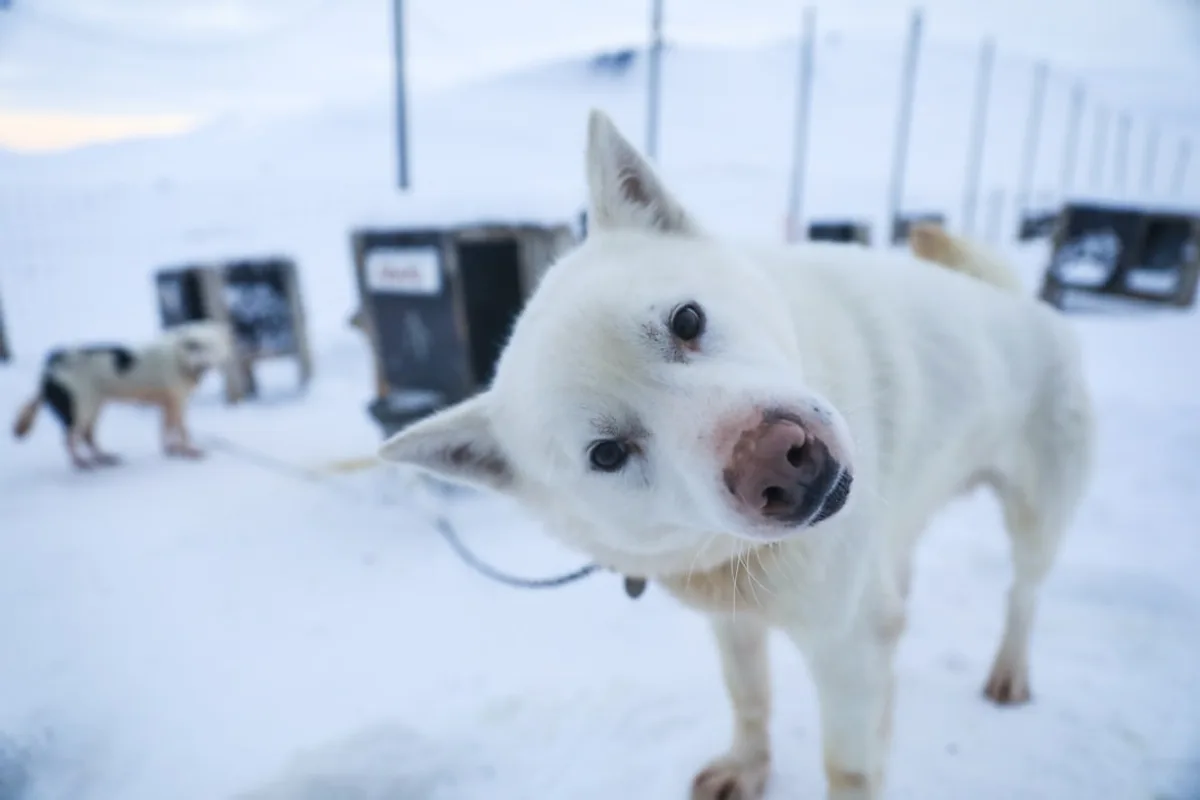
Have questions about adopting a rescue dog? You’re not alone—let’s address some of the most common concerns.
- What is the adoption process like?
It typically involves an application, interview, and home visit. Each organization may vary slightly.
- Are there health concerns with rescue dogs?
Most rescues ensure dogs are vaccinated and spayed/neutered. Always inquire about medical history.
- How do I integrate a rescue dog into my home?
Gradual introduction to new environments and routines is key. Some organizations offer post-adoption support to assist with this.
For more personalized questions or concerns, consider reaching out to your local shelter or visiting ASPCA.
How Long Does the Adoption Process Take?
The adoption process typically involves several key steps: application submission, interviews, home visits, and meeting potential canine companions. It’s crucial to be patient and prepared for these stages, as each ensures a good match between you and the dog.
Adopting a rescue dog offers emotional and practical benefits, transforming lives by providing companionship and joy. Many potential adopters underestimate this impact. For personalized guidance, reach out to local rescues. Key takeaways include understanding the process and embracing the rewarding journey of dog adoption.
What Should I Know About Rescue Dog Health?
Understanding the health needs of a rescue dog is crucial for a smooth transition. Many rescue dogs may come with a history of neglect or untreated medical issues. It’s essential to schedule a veterinary check-up immediately after adoption. This initial visit will help identify any existing conditions and set up a vaccination schedule.
- Vaccinations: Ensure your dog is up-to-date on all necessary shots.
- Nutrition: Discuss dietary needs with your vet to support recovery and health.
- Behavioral Assessment: Some health issues may manifest as behavioral problems; professional guidance can help.
Can I Adopt if I Have Other Pets at Home?
Yes, you can adopt a rescue dog even if you have other pets at home. Most shelters will require a meet-and-greet session to ensure compatibility between the rescue dog and your current pets. This step is crucial to assess behavior and establish a harmonious environment. Additionally, shelters may provide guidelines on how to introduce the new dog to your household. Be prepared for an adjustment period, as it may take a week or more for all pets to acclimate. Patience and supervision are key to a successful integration.
What Costs Are Involved in Adopting a Rescue Dog?
Adopting a rescue dog involves several costs beyond the initial adoption fee. These fees typically cover vaccinations, spaying or neutering, and microchipping. However, additional expenses can arise. Consider budgeting for essentials such as food, a leash, a collar, and a comfortable bed. Veterinary visits for health check-ups and potential treatments should also be anticipated.
- Adoption Fee: Covers basic medical care and processing.
- Initial Supplies: Food, bed, collar, and leash.
- Veterinary Costs: Regular check-ups and possible treatments.
How Can I Help My Rescue Dog Adjust to a New Home?
Creating a comforting environment is crucial for your rescue dog’s adjustment. Start by establishing a consistent routine that includes regular feeding, walks, and playtime. This helps your dog feel secure and understand what to expect daily. Provide a designated space where they can retreat and relax undisturbed. Gradually introduce new experiences and people to prevent overwhelming them. Patience is key, as each dog adjusts at their own pace. Consider enrolling in a basic obedience class to build trust and improve communication between you and your new furry friend.
Key Takeaways About Adopting a Rescue Dog
Adopting a rescue dog is a fulfilling journey that begins with understanding the adoption process. It typically involves completing an application, meeting potential pets, and undergoing a home check to ensure a safe environment. Requirements may include providing references or proof of residence, ensuring you’re prepared for the responsibility.
Once your new companion arrives, expect an adjustment period during the first week. Dogs may need time to acclimate to their new surroundings, so patience is key. Establishing a routine with feeding, walks, and playtime helps them settle in and feel secure.
Adopting a rescue dog not only changes the life of the animal but enriches yours with unconditional love and companionship. Join us in making a difference—consider adopting a dog or volunteering with ADRTC today! Your involvement can transform lives, offering hope and a forever home to those in need.
Leave a Reply