Author: Gary W. Kelly

  • Support Dog Rescue Efforts: A Comprehensive Guide to Making a Difference

    Support Dog Rescue Efforts: A Comprehensive Guide to Making a Difference

    Why Supporting Dog Rescue Efforts is Crucial

    Why should you care about supporting dog rescue efforts? With a 10% rise in abandoned dogs in shelters in 2022, the importance of dog rescue organizations cannot be overstated. These groups play a critical role in reducing overpopulation and euthanasia rates, while also educating communities on responsible pet ownership to prevent future abandonment.

    Adopting rescue dogs offers emotional and psychological benefits for families and individuals, providing companionship and love. Now that we understand the importance, let’s explore actionable strategies to support these vital organizations.

    How to Support Dog Rescue Efforts: Key Strategies

    Looking to make a difference in the lives of rescue dogs? Here’s how you can help!

    1. Financial Donations: Many rescue organizations report that even small, recurring donations can significantly enhance their operational capabilities, allowing for better care and outreach. The average cost of care per dog can reach hundreds of dollars, making every contribution vital.
    2. Volunteering Time: Offer your time to assist with daily operations, events, or administrative tasks. Your involvement can alleviate the workload and boost morale.
    3. Fostering Dogs: Provide a temporary home for dogs in need, helping them transition to their forever homes.

    Community involvement and grassroots campaigns play a crucial role in raising awareness and funds. Let’s dive deeper into specific strategies, starting with the importance of donations.

    Donating to Rescue Organizations

    Donating to dog rescue organizations can change lives—here’s how you can contribute! You can offer monetary donations, in-kind gifts like food and supplies, or services such as grooming and veterinary care. Many donors are unaware that their employer may offer matching gift programs, doubling the impact of their contributions without additional cost.

    Successful fundraising campaigns often utilize these donations effectively. For example, matching gift programs have significantly boosted funds for rescues. Additionally, donating to registered nonprofit organizations offers tax benefits, including potential tax deductions. Next, we’ll explore how you can amplify your impact through advocacy and awareness campaigns.

    Participating in Advocacy and Awareness Campaigns

    Want to be a voice for the voiceless? Here’s how to advocate for dog rescues effectively! Join local and national awareness campaigns for dog rescue by participating in social media challenges or organizing community events. Successful campaigns, like “Adopt Don’t Shop” initiatives, highlight the importance of dog rescue. Educate others on how to raise awareness for dog rescues to foster a shared purpose.

    After advocacy, let’s look at how you can get involved in local fundraising events.

    Supporting Local Fundraising Events

    Ready to rally your community for a cause? Here are some exciting fundraising ideas for dog rescues! Popular events include dog walks, bake sales, and charity auctions. Successful organizations, like the Happy Tails Rescue, have hosted dog walks that not only raise funds but also build community spirit.

    To organize a dog rescue fundraiser, start by setting clear goals. Promote the event through social media and local press, and engage the community by involving volunteers. Partnering with local businesses for sponsorships and donations can significantly boost your efforts.

    Fundraising for dog rescues not only generates essential funds but also fosters community connections and raises awareness. While supporting fundraising efforts is crucial, it’s also important to understand the challenges faced by rescue organizations.

    Overcoming Challenges in Dog Rescue Organizations

    a dog standing on a rock
    Photo by Mario Verduzco on Unsplash

    Behind every rescue dog is a story of struggle—let’s explore the challenges these organizations face. Common obstacles include funding shortages, volunteer burnout, and legal hurdles. The emotional toll on volunteers and staff is significant, highlighting the need for mental health resources. Alarmingly, many rescues close each year due to these difficulties. Despite the challenges, many organizations are innovating by implementing technology solutions to streamline operations and improve fundraising efforts. Understanding these challenges leads us to innovative solutions that can help overcome them.

    Common Obstacles Faced by Rescue Groups

    What stands in the way of saving more dogs? Let’s uncover the common obstacles faced by rescue groups. Limited funding and high veterinary costs are significant hurdles. For example, ASPCA often struggles with these issues, impacting their rescue efforts. Additionally, a shortage of foster homes and public misconceptions about their mission can deter volunteers and donations.

    Despite these challenges, many organizations are finding innovative solutions to thrive.

    Innovative Solutions and Approaches

    How can dog rescues adapt and thrive in challenging times? Let’s explore some innovative solutions! Creative fundraising for animal rescues includes crowdfunding, social media campaigns, and virtual adoption events. Partnerships with businesses for sponsorships also alleviate financial pressures. Some organizations have successfully utilized mobile apps to connect volunteers and donors, increasing engagement and support.

    Success stories abound, with organizations effectively implementing these strategies to overcome challenges. Now, let’s take a closer look at how the Arctic Dog Rescue and Training Center is making a difference.

    How the Arctic Dog Rescue and Training Center is Making a Difference

    Curious about how one organization can change the lives of so many dogs? Here’s how ADRTC is making a difference! Through innovative programs, Arctic Dog Rescue initiatives have rescued and rehomed over 300 dogs last year. Their unique training program equips dogs and new owners with essential skills, reducing return rates significantly.

    ADRTC’s community outreach efforts focus on educating the public about responsible pet ownership and the importance of rescue. With a better understanding of the challenges and successes, let’s discuss how you can get involved through volunteering and fundraising.

    Volunteering and Fundraising for Dog Rescues

    Ready to roll up your sleeves and make a difference? Here’s how to start volunteering at a dog rescue!

    1. Research local dog rescue organizations online or through community boards.
    2. Identify volunteer roles that interest you, such as dog walking, fostering, or event organization.
    3. Contact the organization to inquire about available opportunities and application processes.
    4. Submit your application and attend any required training sessions.

    Volunteering at dog rescues not only aids the animals but also enhances your mental health by providing a sense of purpose and community connection. Once you’re ready to volunteer, let’s explore effective fundraising techniques to support these efforts.

    Getting Started with Volunteering

    Thinking about volunteering? Here’s how to get started and make a real impact!

    1. Research local rescues and identify those needing help.
    2. Contact them to inquire about volunteer opportunities.
    3. Submit an application and attend any required orientations.
    4. Commit to a schedule and be reliable in your role.

    Many rescues need virtual volunteers for tasks like social media management. Testimonials from volunteers highlight the rewarding nature of their contributions. With volunteering in mind, let’s move on to effective fundraising techniques that can support rescue organizations.

    Effective Fundraising Techniques

    Want to raise funds for dog rescues? Here are some proven techniques to get you started!

    1. Online Campaigns: Utilize social media platforms to share personal stories and visuals of the animals. This approach often leads to higher engagement rates.
    2. Events: Host community events like charity walks or auctions. These successful fundraising strategies create awareness and encourage donations.
    3. Merchandise Sales: Sell branded items such as t-shirts or mugs. This not only raises money for animal rescue but also spreads the word about your cause.

    Storytelling is crucial in fundraising techniques for dog rescues, as it helps connect with potential donors on an emotional level. After learning about fundraising, let’s discuss how to maximize your impact in supporting dog rescues.

    Maximizing Your Impact

    Ready to make your fundraising efforts count? Here’s how to maximize your impact for dog rescues!

    1. Leverage Social Media: Create shareable content that tells compelling stories to boost fundraising visibility.
    2. Build a Community: Engage supporters by fostering a sense of belonging, encouraging sustained support through community building for fundraising.
    3. Collaborate Locally: Partner with local businesses and organizations to amplify your reach and effectiveness.

    Now that we’ve covered volunteering and fundraising, let’s discuss the adoption process for rescue dogs.

    Adopting a Rescue Dog: What You Need to Know

    A smiling volunteer plays with a golden retriever mix during a studio photoshoot.
    Photo by Mikhail Nilov on Pexels

    Thinking about adding a furry friend to your family? Here’s what you need to know about adopting a rescue dog! The rescue dog adoption process typically involves an application, screening, and sometimes a home visit to ensure a good match. It’s crucial to match the right dog with your lifestyle and needs. Did you know many rescue organizations offer post-adoption support, including training? Let’s break down the adoption process step by step.

    The Adoption Process Explained

    Ready to adopt? Here’s a step-by-step guide to navigating the adoption process! Begin by filling out an adoption application for rescue dogs. Once approved, you’ll meet potential dogs. Some rescues offer a ‘meet and greet’ to interact with multiple dogs, ensuring the best fit. Transparency is key; expect open communication from the rescue organization.

    Prepare for the adoption interview by researching the breed and bringing questions. This shows commitment and helps find the right match. After understanding the process, let’s discuss how to prepare your home for a new rescue dog.

    Preparing Your Home for a Rescue Dog

    Excited to bring home your new furry friend? Here’s how to prepare your home for a rescue dog! Start by securing the environment, ensuring all hazardous items are out of reach. Gather essentials like food, water bowls, and a cozy bed. Creating a safe space can significantly reduce anxiety, helping them adjust quickly.

    • Introduce family members and other pets gradually.
    • Provide a quiet area for the dog to retreat to when needed.

    Once you’re prepared, let’s explore how to adjust to life with a rescue dog.

    Adjusting to Life with a Rescue Dog

    What happens after you adopt a rescue dog? Here’s what to expect in the first few weeks! Adjusting to life with a rescue dog can vary greatly depending on their past experiences. Many rescue dogs experience a ‘honeymoon phase,’ initially behaving well but later showing stress as they settle in.

    To help your new companion acclimate, establish a consistent routine and practice patience. Training and socialization are crucial during the first days with a rescue dog. These efforts will help ease anxiety and build trust. With a solid understanding of adoption, let’s compare different rescue organizations to find the right fit for you.

    Comparing Rescue Organizations: Finding the Right Fit

    With so many rescue organizations out there, how do you find the right one for your new furry friend? Not all rescues operate under the same guidelines; some may prioritize certain breeds or have unique adoption processes, which can significantly affect the adoption experience.

    Type of Organization Focus Criteria for Evaluation
    Breed-Specific Certain Breeds Success rates, breed knowledge
    General Rescues All Breeds Community involvement, transparency
    Municipal Shelters Local Needs Reputation, adoption policies

    Choosing the right rescue involves aligning personal values with the organization’s mission. Let’s dive deeper into the criteria for evaluating these organizations.

    Criteria for Evaluating Rescue Groups

    What makes a rescue organization trustworthy? Here are the key criteria to consider when evaluating your options!

    Criteria Importance
    Transparency Check their financials and operations openly shared.
    Adoption Policies Ensure clear, fair, and supportive policies are in place.
    Community Engagement Look for active involvement in local events and education.
    Reviews and Testimonials Read feedback from previous adopters for insights.
    Post-Adoption Support Many adopters overlook this crucial aspect for a smooth transition.
    History and Success Rates Research their track record in successful adoptions.

    Next, let’s weigh the pros and cons of different types of rescue organizations.

    Pros and Cons of Different Types of Organizations

    Which type of rescue organization is right for you? Let’s compare the pros and cons of each!

    Type of Organization Pros Cons
    Breed-Specific Rescues Specialized knowledge, targeted care Limited variety, fewer choices
    General Rescues Wider variety, more options Less specialized knowledge
    Municipal Shelters More resources, structured processes Overcrowded, less personal attention
    Private Rescues Personalized care, focused missions Limited resources, variable processes

    Finally, we’ll discuss how to make an informed decision when choosing a rescue organization.

    Making an Informed Decision

    Ready to adopt? Here’s how to ensure you make the best choice for both you and your future furry friend! Making informed decisions about rescues involves understanding your personal values and goals. Many potential adopters fail to consider how the rescue’s mission aligns with their own values, which can lead to mismatched expectations and experiences.

    Questions to Ask Why It Matters
    What are your adoption policies? Ensures compatibility with your lifestyle.
    What support services do you offer? Helps with post-adoption adjustments.
    How do you follow up after adoption? Guarantees a good match and ongoing support.

    Choosing the right rescue organization requires aligning their mission with your values. For more on supporting dog rescue efforts, visit ASPCA.

    With all this information, let’s address some frequently asked questions about supporting dog rescue efforts.

    FAQs About Supporting Dog Rescue Efforts

    black and brown short coated dog on snow covered ground during daytime
    Photo by Ryunosuke Kikuno on Unsplash

    Curious about how you can help dog rescues? Here are the answers to some frequently asked questions!

    • What are the most effective ways to support dog rescues?

      Donating funds, volunteering time, and sharing posts on social media are impactful ways to help dog rescues. Even small acts can significantly boost a rescue’s visibility and support.

    • How can I donate to dog rescues?

      Donations can be made via the rescue’s website, through fundraising events, or by setting up monthly contributions.

    • Are there volunteering opportunities available?

      Yes, many rescues offer roles in fostering, event planning, and administrative support. Contact your local rescue for opportunities.

    Let’s dive deeper into one of the most common questions: how to volunteer at a dog rescue.

    What are the Most Effective Ways to Support Dog Rescues?

    Want to make a difference? Here are the most effective ways to support dog rescues! Consider donating to organizations like the ASPCA or Best Friends Animal Society, which have successfully mobilized community support. Volunteering your time and advocating for animal rights are also impactful. Social media is a powerful tool for raising awareness and funds, while engaging in community events not only raises funds but also fosters a sense of belonging among supporters, creating a loyal network for rescues.

    Now, let’s explore how you can volunteer at a dog rescue organization.

    How Can I Volunteer at a Dog Rescue?

    Looking to give back? Here’s how you can start volunteering at a dog rescue today! Begin by exploring online resources like local rescue websites and community boards to find volunteer opportunities. Many rescues offer roles such as dog walking, event planning, or administrative support. Virtual volunteering is also an option for those unable to attend in person.

    To make a positive impact, choose roles that match your skills—whether it’s social media management or hands-on animal care. Let’s address another common question: Are donations to dog rescues tax-deductible?

    Are Donations to Dog Rescues Tax-Deductible?

    Wondering if your donation can help you at tax time? Here’s what you need to know about tax deductions for dog rescues! Donations to registered nonprofit dog rescues are typically tax-deductible. Ensure you keep receipts and acknowledgment letters for tax purposes. Many donors are unaware that they can also deduct expenses incurred while volunteering, such as travel costs.

    Now, let’s consider what you should think about before adopting a rescue dog.

    What Should I Consider Before Adopting a Rescue Dog?

    Thinking about adopting a rescue dog? Here are the key factors to consider before making that commitment! Evaluate lifestyle compatibility and the long-term commitment required. Understand the responsibilities of dog ownership, including the unique needs of rescue dogs. Many potential adopters overlook the importance of understanding the specific needs of their chosen breed, which can greatly affect the adoption experience.

    With all this information, let’s wrap up by discussing the next steps for supporting dog rescue efforts.

    Next Steps for Supporting Dog Rescue Efforts

    Ready to make a difference? Here’s how you can take the next steps in supporting dog rescue efforts! Throughout this article, we’ve explored the importance of dog rescue organizations and the various ways to get involved. Engaging with animal rescue organizations not only benefits dogs but also fosters a more compassionate community.

    Consider adopting a dog or volunteering with ADRTC today. Donations, volunteering, and adoption are all impactful ways to support these efforts. For more information, reach out to local rescues and explore their resources. Join us in making a difference!

  • Effective Fundraising for Dog Rescue: Strategies and Insights

    Effective Fundraising for Dog Rescue: Strategies and Insights

    Why Fundraising for Dog Rescue is Crucial

    Did you know that nearly 3.3 million dogs enter U.S. shelters every year, making fundraising for dog rescue more crucial than ever? This staggering number highlights the importance of these efforts, as organizations work tirelessly to provide care and find homes for abandoned animals.

    According to the ASPCA, the increasing number of abandoned dogs has created an overwhelming demand for rescue organizations. Despite the growing number of these groups, many face severe funding shortages, with 70% of rescues reporting financial strain in recent surveys. The financial challenges are immense, with average costs for veterinary care and sheltering often exceeding available resources.

    Dog rescues not only save lives but also offer emotional and social benefits to the community. Supporting these organizations fosters community engagement and provides educational outreach opportunities. By participating in fundraising efforts, individuals can directly contribute to the well-being of animals and strengthen community bonds.

    To sustain their operations, dog rescues rely heavily on fundraising. These efforts are crucial in covering expenses such as medical treatments, food, and shelter maintenance. Without adequate funding, many rescues struggle to continue their vital work, underscoring the need for effective fundraising strategies.

    Understanding how to craft a successful fundraising plan can significantly enhance your rescue’s impact. By developing a comprehensive approach that includes successful appeals and in-kind donations, rescues can better navigate financial challenges and continue their mission of saving lives.

    Crafting a Successful Fundraising Plan for Dog Rescues

    A successful fundraising plan can be the difference between thriving and merely surviving for dog rescues. A comprehensive plan begins with a clear mission statement that aligns with your organization’s core values and community needs. Establishing specific, measurable fundraising goals is essential; many dog rescues fail to meet their objectives due to vague or unrealistic targets.

    Successful fundraising strategies often include examples such as the “Paws for a Cause” campaign, which aimed to raise $50,000 for a local shelter’s expansion. By clearly defining their goal and aligning it with their mission to provide more space for rescued dogs, they exceeded their target by 20%. Another effective plan involved a series of community events, which not only raised funds but also increased awareness about the rescue’s work.

    To create a successful fundraising plan for dog rescues, start by outlining your mission, setting clear financial targets, and choosing strategies that resonate with your supporters. Align these strategies with your mission to ensure consistency and effectiveness. Consider incorporating both monetary and in-kind donations to diversify your funding sources.

    Once your goals are set, identifying your audience is crucial for effective fundraising. Understanding who supports your cause will help tailor your appeals and maximize your efforts.

    Identifying Your Fundraising Goals and Audience

    Knowing your audience can dramatically increase the success rate of your fundraising campaigns. Start by identifying different types of donors: individuals, businesses, and grant-making organizations. Each has unique motivations. For instance, many dog rescues overlook local businesses, yet 60% of small businesses are willing to support community causes. Tailor your messages accordingly, using successful appeals as examples.

    Conduct surveys or outreach to understand potential donors better. Ask questions that reveal their interests and willingness to contribute. This helps in identifying the right fundraising audience for dog rescues. With your audience identified, budgeting becomes the next critical step in your fundraising journey.

    Budgeting and Resource Allocation

    Budgeting is not just about limiting expenses; it’s a strategic tool for maximizing fundraising success. When budgeting for dog rescue fundraising, consider estimating costs for events and marketing. Allocate funds effectively by identifying potential income sources, such as donations, sponsorships, and grants. Many rescues report that over 40% of their fundraising income is often misallocated due to poor budgeting practices.

    Successful resource allocation for dog rescues can be seen in case studies where careful planning led to increased efficiency. For example, one rescue managed to cut event costs by 20% through strategic partnerships, redirecting those savings into more impactful marketing efforts. After budgeting, measuring success will ensure your strategies are effective and adaptive.

    Measuring Success and Adjusting Strategies

    Measuring success is not just about numbers; it’s about understanding the impact of your efforts on the community and the dogs you serve. Key performance indicators (KPIs) like donor retention rates and event ROI are crucial for assessing your fundraising success for dog rescues. Gathering feedback from donors and participants can lead to a 30% increase in future engagement when utilized effectively.

    For example, a rescue organization noticed low donor retention. By surveying past donors, they discovered a need for more transparent communication. Adjusting their strategy, they implemented regular updates, significantly boosting donor loyalty. With a solid plan in place, leveraging social media can amplify your fundraising efforts.

    Leveraging Social Media and Building Donor Databases

    Volunteer in red vest feeding a large group of stray dogs in an outdoor shelter setting.
    Photo by Mia X on Pexels

    In today’s digital age, social media isn’t just a communication tool; it’s a fundraising powerhouse for dog rescues. Platforms like Facebook, Instagram, and Twitter are among the best platforms for fundraising, each offering unique advantages. Facebook’s extensive reach and community-building features make it ideal for creating fundraising events and groups. Instagram, with its visually-driven interface, excels in engaging donors through captivating images and stories. Meanwhile, Twitter’s real-time updates can effectively broadcast urgent fundraising needs.

    Statistics reveal that social media campaigns can increase donations by up to 50% when paired with engaging visuals and storytelling. For instance, a dog rescue in California utilized Instagram to share heartwarming rescue stories, resulting in a significant boost in donations. Similarly, a New York-based rescue leveraged Facebook’s live video feature to showcase their daily operations, fostering transparency and trust among donors.

    Engaging donors on social media for dog rescue fundraising not only enhances visibility but also builds a community of supporters. However, choosing the right platforms is just the beginning; building a donor database is essential for sustainable fundraising.

    Choosing the Right Platforms for Engagement

    Choosing the right social media platform can make or break your fundraising efforts. While Facebook remains a dominant force for engaging donors, especially among older demographics, TikTok is rapidly gaining traction among younger donors. This offers new opportunities for engagement in dog rescue fundraising.

    To maximize impact, create platform-specific content that resonates with your audience. On Facebook, detailed posts with emotional stories and images work well. TikTok, however, thrives on short, engaging videos that capture attention quickly.

    Utilize hashtags and trends to increase visibility. For instance, using popular hashtags like #DogRescue or #AdoptDontShop can significantly boost your reach. Once the platforms are selected, growing your donor database becomes the next priority.

    Strategies for Growing Your Donor Database

    A robust donor database is the backbone of successful fundraising. Start by collecting donor information through sign-up forms, newsletters, and events. Engage donors with personalized outreach and thank-you campaigns, which can increase retention rates by 40%. Keep your database updated and organized to maintain strong donor relationships. Utilizing analytics can further enhance your fundraising campaigns and donor engagement.

    Utilizing Analytics to Improve Campaigns

    In the world of fundraising, data is not just numbers; it’s a roadmap to success. Tools like Google Analytics and CRM systems can track fundraising metrics and donor engagement, providing insights into your dog rescue campaigns. By interpreting this data, you can make informed decisions that enhance future fundraising efforts.

    Consider rescues that have improved their campaigns through data analysis. For instance, one organization increased donations by 30% after identifying peak engagement times. Yet, over 70% of nonprofits do not utilize data analytics, missing out on opportunities to optimize their fundraising efforts.

    With strategies in place, innovative fundraising ideas can help your dog rescue stand out.

    Innovative and Unique Fundraising Ideas for Dog Rescues

    Looking for fresh ideas to boost your fundraising efforts? Here are some innovative concepts that can set your dog rescue apart. Consider hosting a dog-washing event, where volunteers offer grooming services in exchange for donations. This not only raises funds but also provides a fun community gathering. Another engaging option is a pet photo contest, encouraging pet owners to submit their best shots for a small entry fee, with winners receiving pet-related prizes.

    Virtual fundraising for animal rescues has gained significant traction, with participation increasing by 300% during the pandemic. These events offer lower costs and a wider reach, making them ideal for engaging supporters from afar. For example, a successful campaign by a rescue group involved a virtual dog walk, where participants logged their miles online and shared photos on social media, generating both funds and awareness.

    Creative fundraising events like these not only attract donations but also foster a sense of community and involvement. By leveraging unique fundraising ideas for dog rescues, organizations can create memorable experiences that resonate with supporters. Among these ideas, virtual fundraising events have emerged as a powerful tool for engagement, paving the way for future campaigns.

    Virtual Fundraising Events and Campaigns

    Virtual fundraising events are not only cost-effective but can also reach audiences far beyond your local community. Start by selecting a platform like Zoom or Facebook Live to host your event. Promote it through social media and email campaigns to maximize reach. Successful online fundraising for dog rescues often includes engaging virtual pet events and interactive activities.

    Statistics show that virtual events can engage a global audience, with some rescues reporting donations from across the country during online campaigns. For instance, a recent campaign by a Texas-based dog rescue raised over $10,000 through a virtual pet talent show. Collaboration with local businesses can also enhance fundraising efforts and community engagement.

    Collaborations with Local Businesses

    Local businesses can be powerful allies in your fundraising efforts. Partnering with local businesses for fundraising can lead to a 50% increase in event attendance and donations. Successful collaborations, such as business sponsorship for dog rescues or co-hosted events, enhance visibility and community engagement. For instance, a local pet store might sponsor adoption days, drawing in more visitors and potential adopters.

    Creative merchandise can also serve as a unique fundraising avenue for dog rescues.

    Creative Merchandise and Crowdfunding Opportunities

    Imagine turning your rescue’s passion into profit — selling merchandise and crowdfunding can make that a reality! Dog rescues can explore selling branded apparel, pet accessories, and custom items to raise funds. Merchandise sales, when marketed effectively through social media, can generate up to 30% of a rescue’s annual revenue.

    Additionally, crowdfunding for animal rescues on platforms like GoFundMe or Kickstarter can support specific projects. For example, some rescues have successfully funded medical treatments and facility upgrades through these platforms. However, it’s essential to navigate the legal landscape of fundraising effectively.

    person holding brown and black short coated dog
    Photo by Shane on Unsplash

    Navigating the legal landscape of fundraising can be daunting, but understanding the requirements is crucial for your rescue’s success. In the U.S., dog rescues must adhere to specific legal requirements when fundraising. This includes registering with state authorities and fulfilling reporting obligations. Many rescues unknowingly operate without necessary permits, risking fines and the loss of donor trust.

    Transparency and compliance in nonprofit fundraising are essential. By maintaining clear records and adhering to fundraising laws for animal rescues, organizations can build trust with their donors. This trust is vital for long-term support and successful fundraising campaigns. Each state has its own regulations, so it’s important to research and understand the specific laws that apply to your location.

    • Registration: Most states require nonprofits to register before soliciting donations.
    • Reporting: Regular financial reporting is often mandated to ensure transparency.
    • Compliance: Adhering to state-specific fundraising laws is crucial to avoid penalties.

    Resources like the National Association of State Charity Officials provide guidance on state laws and compliance requirements. Effective grant writing can also open doors to significant funding opportunities.

    Grants can provide a lifeline for dog rescues — but how do you write a winning application? Understanding the types of grants for animal rescues is crucial. Both government and private funding are available, each with specific interests. Successful grant applications often feature compelling narratives and detailed budgets. Tailoring your application to funders’ interests is key; many rescues miss out by overlooking this.

    For instance, Paws and Claws Rescue secured a substantial grant by highlighting their innovative adoption program. Real-life stories can illustrate the impact of successful fundraising efforts.

    Effective Grant Writing Tips and Resources

    Every dollar raised tells a story — let’s explore some heartwarming success stories from dog rescues that have made a difference. For instance, a small rescue in Texas shared personal stories of the dogs they saved, resulting in a 60% increase in donations. Such inspiring fundraising campaigns not only boost funds but also emotionally engage potential donors and volunteers, amplifying their impact.

    Learning from experienced fundraisers can provide valuable insights and strategies.

    Real-Life Stories and Testimonials from Successful Fundraisers

    Every dollar raised tells a story — let’s explore some heartwarming success stories from dog rescues that have made a difference. One inspiring fundraising campaign comes from the “Paws and Claws” rescue, which raised over $50,000 by sharing the touching journey of Max, a once-abandoned dog who found a loving home. By highlighting Max’s transformation, they saw a 60% increase in donations, illustrating the power of personal stories.

    Another success story in dog rescue fundraising is from “Furry Friends United.” They organized a virtual “Bark-a-thon,” engaging supporters through live-streamed events and interactive challenges. This innovative approach not only raised funds but also expanded their volunteer base, showcasing the emotional impact of engaging potential donors with creative strategies.

    These inspiring fundraising campaigns demonstrate that sharing the personal stories of the dogs they save can significantly boost support. The emotional connection formed through these narratives encourages more people to contribute, ensuring that more dogs can be rescued and rehabilitated.

    Learning from experienced fundraisers can provide valuable insights and strategies. By adopting these proven approaches, other dog rescues can enhance their fundraising efforts and continue making a positive impact on the lives of countless dogs.

    Inspiring Success Stories from Dog Rescue Fundraising

    What if you could learn directly from those who have successfully navigated the fundraising landscape for dog rescues? Many fundraisers share testimonials of overcoming challenges through community support and engagement. A common thread in their success is the power of storytelling, which captivates donors and boosts donations. These lessons from dog rescue fundraisers highlight the importance of strategic planning and effective communication.

    Addressing common questions can further clarify the fundraising process for dog rescues.

    Lessons Learned from Experienced Fundraisers

    Ready to take your dog rescue fundraising efforts to the next level? Here are the next steps to ensure your success! Many organizations find that setting specific, actionable goals leads to a 50% increase in fundraising success within the first year. Implementing effective fundraising strategies can significantly boost your efforts.

    • Develop a comprehensive fundraising plan tailored to your dog rescue’s needs.
    • Create compelling fundraising appeals to engage potential donors.
    • Solicit in-kind donations by reaching out to local businesses and supporters.
    • Set clear, actionable goals to track your progress and adjust strategies as needed.

    Consistent engagement and support within your community are crucial. By following these steps, you’ll be well on your way to making a meaningful impact in the world of dog rescue fundraising.

    FAQs About Fundraising for Dog Rescue

    brown and white short coated dog with blue collar
    Photo by Matthew Bornhorst on Unsplash

    Have questions about fundraising for dog rescues? You’re not alone — let’s tackle some of the most common inquiries together.

    • What are the most common questions about fundraising for dog rescues?

      Many ask about developing a fundraising plan, successful appeals, and soliciting in-kind donations. For detailed strategies, refer to our section on fundraising strategies.

    • How can FAQs improve donor trust?

      Engaging with dog rescue fundraising FAQs increases transparency, helping donors feel informed and involved. Learn more about building trust here.

    With all this information, it’s time to consider the next steps for effective fundraising.

    What are the most effective fundraising strategies for dog rescues?

    Developing a comprehensive fundraising plan is crucial for dog rescues to secure necessary resources. Start by identifying your goals and target audience, then tailor your strategies accordingly. Successful fundraising appeals often include compelling storytelling that highlights the impact of donations on the lives of rescued dogs.

    Consider organizing events such as charity walks or online auctions, which can engage the community and raise funds simultaneously. Leveraging social media platforms to reach a broader audience can also enhance your efforts. Regular updates and transparent communication about how funds are used can build trust and encourage repeat donations.

    In-kind donations are another valuable resource. Reach out to local businesses and pet supply stores for items like food, bedding, and medical supplies. Create a wish list to share with supporters, making it easy for them to contribute specific items. By diversifying your fundraising strategies, you can ensure a steady flow of resources to support your rescue operations.

    How can small dog rescues compete with larger organizations in fundraising?

    Small dog rescues can effectively compete with larger organizations by developing a well-structured fundraising plan. This plan should outline specific goals, target audiences, and the methods to reach them. By focusing on personalized and compelling fundraising appeals, small rescues can create a strong emotional connection with potential donors.

    Successful strategies include leveraging social media platforms to share heartwarming rescue stories and using crowdfunding campaigns to reach a broader audience. Additionally, hosting community events can foster local support and increase visibility.

    In-kind donations are another valuable resource for small rescues. By reaching out to local businesses and pet supply stores, rescues can solicit donations of food, supplies, or services. Creating partnerships with these businesses not only helps reduce operational costs but also builds a network of support within the community.

    • Develop a clear fundraising plan
    • Utilize social media for storytelling
    • Engage in community events
    • Seek in-kind donations from local businesses

    What role do volunteers play in fundraising efforts?

    Volunteers are the backbone of any successful fundraising campaign for dog rescues. They bring enthusiasm, dedication, and a personal touch to fundraising events, which can significantly enhance their effectiveness. Volunteers help in developing a comprehensive fundraising plan, ensuring that all aspects from logistics to marketing are covered.

    Moreover, volunteers are crucial in executing successful fundraising appeals. They often reach out to their networks, expanding the reach of the campaign and attracting more donors. Their personal stories and connections with the dogs can make appeals more compelling and relatable.

    In-kind donations are another area where volunteers excel. They can solicit items from local businesses, such as food, supplies, or auction items, which can be used directly by the rescue or as part of fundraising events. By leveraging their community ties, volunteers can secure valuable resources that reduce costs and increase the overall impact of the fundraising efforts.

    Are there specific grants available for dog rescues?

    Yes, there are specific grants available for dog rescues that can significantly aid in their operations. Many organizations and foundations offer grants tailored to animal welfare groups, including those focused on rescuing dogs. These grants can cover various needs such as medical care, shelter improvements, and community outreach programs.

    To maximize the chances of securing these funds, it’s crucial to develop a comprehensive fundraising plan. This plan should outline your rescue’s goals, financial needs, and the impact of your work. Successful fundraising appeals often include compelling stories of the dogs you’ve helped and clear evidence of your organization’s effectiveness.

    In addition to monetary grants, consider soliciting in-kind donations. These can include food, medical supplies, or even volunteer services. Building relationships with local businesses and community members can lead to valuable partnerships that support your rescue’s mission. By diversifying your funding sources, you can create a sustainable financial foundation for your dog rescue efforts.

    How can we maintain donor engagement post-campaign?

    Maintaining donor engagement after a fundraising campaign is crucial for long-term support. Start by sending personalized thank-you notes to express gratitude and highlight the impact of their contributions on the dog rescue efforts. Regular updates on the progress and success stories of rescued dogs can keep donors emotionally connected.

    Consider developing a comprehensive fundraising plan that includes scheduled communications such as newsletters, social media updates, and exclusive donor events. These touchpoints can help sustain interest and involvement. Additionally, host virtual or in-person events where donors can see firsthand the positive changes their support has facilitated.

    In-kind donations are another avenue to explore. Encourage donors to contribute items like dog food, blankets, or toys, and create a system to acknowledge these contributions publicly. This not only increases engagement but also diversifies support channels. By implementing these strategies, you can foster a community of committed supporters who are invested in the ongoing success of your dog rescue initiatives.

    Next Steps for Effective Dog Rescue Fundraising

    Ready to take your dog rescue fundraising efforts to the next level? Here are the next steps to ensure your success! Throughout this article, we’ve explored various strategies and insights to boost your fundraising efforts. Now, it’s time to implement these effective fundraising strategies and make a real impact.

    To summarize, setting specific, actionable goals can significantly increase your fundraising success—by up to 50% within the first year. Developing a comprehensive fundraising plan is crucial. This plan should include successful fundraising appeals, strategies for soliciting in-kind donations, and methods to engage your community.

    Here’s a checklist to guide your next steps for dog rescue fundraising:

    • Define Clear Goals: Establish what you aim to achieve, whether it’s a monetary target or a specific number of adoptions.
    • Create a Fundraising Plan: Outline your strategies, including online campaigns, events, and partnerships.
    • Engage Your Community: Utilize social media and local events to raise awareness and support.
    • Solicit In-Kind Donations: Reach out to local businesses for supplies and services that can support your efforts.
    • Evaluate and Adjust: Regularly review your progress and be prepared to tweak your strategies for better outcomes.

    By following these steps, you can develop a robust fundraising strategy that not only meets your goals but also fosters ongoing support for dog rescues in your community. Join us in making a difference—consider adopting a dog or volunteering with ADRTC today! Your involvement can transform lives and help ensure a brighter future for countless dogs in need.

  • How to Support Animal Rescue: A Comprehensive Guide

    How to Support Animal Rescue: A Comprehensive Guide

    Why Supporting Animal Rescues Is Crucial for Community Well-being

    Have you ever considered how animal rescues can transform your community? Supporting animal rescues is essential because it fosters emotional and social benefits, creating a more cohesive and compassionate environment. Communities with active animal rescue programs report a 20% decrease in stray animal populations, leading to safer neighborhoods.

    Statistics reveal that increased pet adoption rates significantly alleviate the burden on local shelters, allowing them to focus resources on more animals in need. Towns with robust rescue initiatives often see improved community health and engagement. These animal welfare initiatives not only enhance public safety but also strengthen social bonds.

    Understanding these benefits sets the stage for exploring effective support methods.

    Effective Ways to Support Animal Shelters and Rescues

    person holding dog
    Photo by Ani Kolleshi on Unsplash

    Ready to make a difference? Here are effective ways you can support animal shelters and rescues today! Volunteering your time is invaluable, offering hands-on help with daily operations. Many shelters report that in-kind donations, such as pet food or supplies, can be more impactful than cash, as they directly meet immediate needs.

    • Volunteering: Assist with animal care, events, or administrative tasks.
    • Donations: Consider one-time or recurring donations; recurring donations provide consistent support.
    • Advocacy: Spread awareness through social media or community events.

    Even small financial contributions can significantly aid shelter operations, covering essentials like food and medical care. Let’s dive deeper into specific donation methods that can make a significant impact.

    Donating Goods and Supplies

    Wondering what you can donate to help your local animal shelter? Here’s a list of the most needed items! Essential goods include pet food, bedding, and medical supplies. Shelters often prefer specific brands of pet food due to the dietary needs of the animals, which can enhance their health outcomes.

    • Pet Food: Brands like Hill’s Science Diet and Royal Canin are often requested.
    • Bedding: Blankets, towels, and pet beds.
    • Medical Supplies: Flea treatments, dewormers, and first aid kits.

    Donating supplies to animal shelters has made a tangible difference. For instance, a recent donation of specialized food helped a shelter nurse a malnourished puppy back to health. Now that you know what to donate, let’s explore how financial contributions can further support these efforts.

    Financial Contributions and Sponsorships

    Financial contributions can be a lifeline for animal rescues—here’s how you can help! Consider making one-time donations or setting up monthly sponsorships to provide consistent support. Legacy gifts are another impactful option. Many rescues operate with budgets under $100,000 annually, so every dollar counts.

    Donating to animal shelters often comes with tax benefits, making it a win-win situation. Testimonials from shelters frequently highlight how financial support for animal rescues directly enhances their operations, from medical care to shelter improvements.

    Adopting or rehoming animals is another powerful way to support rescues, and here’s how you can get involved.

    Adopting and Rehoming Animals

    Thinking about adding a furry friend to your family? Here’s how adopting from a rescue can change lives! The adoption process typically involves a small fee, an application, and sometimes a home visit. Adopting from animal shelters not only saves lives but also often includes post-adoption training support, reducing behavioral issues.

    Families who have adopted rescue animals often share heartwarming stories of how these pets have enriched their lives. Choosing to adopt over purchasing from breeders or pet stores supports animal rescues and ensures a loving home for pets in need.

    In addition to adoption, volunteering and fostering are vital ways to provide hands-on support.

    Volunteering and Fostering: Hands-On Support for Animal Rescue

    Curious about how you can get involved? Here’s what to expect when you become a volunteer at an animal rescue! Volunteers take on diverse roles, from administrative tasks to direct animal care. The time commitment varies, offering flexibility to fit different schedules. Many volunteers report that working with animals can significantly reduce stress and improve mental health, making it a mutually beneficial experience.

    Consider the stories of current volunteers who find joy and fulfillment in their roles. Fostering animals is another impactful way to support rescues; let’s explore what that entails.

    Becoming a Volunteer: What to Expect

    Ready to lend a helping hand? Here’s how to navigate the volunteer application process! To apply to volunteer at animal shelters, you typically need to complete an application form, undergo a background check, and attend training sessions. Volunteers who receive training are 30% more likely to remain engaged and continue volunteering long-term.

    Animal rescue volunteer roles vary, from walking dogs to assisting with administrative tasks, each crucial to the shelter’s mission. According to The Humane Society, volunteer retention rates are high, with many expressing satisfaction in making a difference.

    Fostering is a vital part of rescue work; let’s discuss what it involves.

    The Process of Fostering Animals

    Have you ever thought about fostering a pet? Here’s how you can make a difference in their lives! To foster animals from rescue organizations, start by applying through a local shelter. Expect to provide a temporary home and care for the pet. While fostering can be emotionally and logistically challenging, it significantly increases adoption chances, with fostered pets often finding homes 50% faster than those in shelters.

    Success stories abound, like Max, a timid dog who blossomed in foster care and quickly found his forever home. Understanding the impact of volunteering and fostering can inspire others to get involved.

    Impact of Volunteering and Fostering on Animal Rescues

    Ever wondered how your time can change lives? Here’s the profound impact of volunteering and fostering on animal rescues! Volunteers and foster families significantly enhance the capacity and welfare of shelters. Statistics reveal that volunteer efforts annually save thousands of animals. Shelters engaging volunteers report a 40% increase in operational efficiency, enabling them to rescue more animals.

    Testimonials from rescues highlight the invaluable difference volunteers make. “Our volunteers are the backbone of our operation,” says one shelter director. The benefits of fostering pets extend beyond capacity, providing animals with loving environments and socialization opportunities. Now, let’s explore how to organize community events that can further support animal shelters.

    How to Organize Community Events and Fundraisers for Animal Shelters

    brown and white short coated dog
    Photo by Cierra Voelkl on Unsplash

    Want to rally your community for a good cause? Here’s how to organize impactful events for animal shelters!

    1. Set Clear Goals: Determine what you aim to achieve, whether it’s raising funds, increasing awareness, or recruiting volunteers.
    2. Identify Your Audience: Tailor your event to attract pet lovers and animal advocates.
    3. Promotional Strategies: Utilize social media outreach and partner with local businesses to spread the word.
    4. Plan Pet-Friendly Activities: Community events for animal rescues with pet-friendly activities see a 25% higher participation rate.
    5. Learn from Success: Look at successful fundraising activities like charity walks and adoption fairs organized by other shelters.

    Executing these events successfully requires careful planning; let’s dive into the execution phase.

    Planning and Promotion Strategies

    Ready to make your event a success? Here are planning and promotion strategies that work!

    1. Set Clear Objectives: Define financial goals and community engagement targets to guide your fundraising efforts.
    2. Create Effective Promotional Materials: Utilize eye-catching social media posts and flyers to raise awareness.
    3. Partner with Local Businesses: Collaborate with sponsors to leverage their customer base, potentially boosting fundraising by up to 50%.

    Once the event is executed, follow-up is crucial; let’s discuss how to effectively report on your event.

    Executing Successful Fundraising Events

    Executing a successful fundraising event requires careful planning—here’s how to do it right!

    1. Plan logistics early, including venue, permits, and equipment.
    2. Coordinate volunteers for setup, management, and cleanup.
    3. Engage attendees with interactive elements like pet contests, boosting donations by 30%.
    4. Choose engaging formats such as auctions, walks, or festivals.

    After the event, it’s essential to follow up; let’s explore how to effectively report on your event’s success.

    Post-Event Follow-Up and Reporting

    The work doesn’t end when the event is over—here’s how to effectively follow up and keep the momentum going!

    1. Send personalized thank-you notes to participants and sponsors using provided templates. Effective follow-up can increase donor retention rates by 60%.
    2. Share detailed reports with stakeholders, highlighting the impact of their contributions.
    3. Post event outcomes on social media to maintain community engagement and support for future animal shelter events.

    Now that we’ve covered event organization, let’s look at how social media can amplify rescue advocacy.

    Leveraging Social Media for Animal Rescue Advocacy

    Want to amplify your impact? Here’s how social media can transform your support for animal rescues! By using social media to promote shelters, you can raise awareness and mobilize community support effectively. Share engaging content like videos and heartwarming stories of rescued animals. Successful campaigns often feature adoptable pets, increasing adoption rates by up to 70% when combined with compelling storytelling. Highlighting these stories can lead to more adoptions and donations. Building an engaging online presence is key; let’s explore how to create that effectively.

    Building an Engaging Online Presence

    Ready to make your voice heard? Here’s how to build an engaging online presence for animal rescue advocacy! Start by selecting the right platforms—Facebook and Instagram are ideal for visual storytelling. Develop a content calendar to ensure regular posting. Nonprofits that post regularly on social media see a 50% increase in engagement, leading to higher visibility and support.

    Consistency and authenticity in your messaging are key. Share heartwarming rescue stories, behind-the-scenes peeks, and success stories. Posts like “Before and After” transformations or “Happy Adoption” photos captivate audiences and boost engagement. Once you have a presence, using campaigns effectively is crucial; let’s discuss that next.

    Using Social Media Campaigns to Raise Awareness

    Want to make a bigger impact? Here’s how to design effective social media campaigns for animal rescue advocacy! Successful campaigns like #AdoptDontShop have raised awareness and funds by engaging users through compelling stories and visuals. Campaigns featuring user-generated content can boost engagement by 60%, as followers feel more connected to the cause.

    Collaborating with influencers or local businesses can also broaden your campaign’s reach. Consider the Save a Paw initiative, which partnered with local pet stores, resulting in a 40% increase in donations. Finally, let’s look at inspiring success stories that illustrate the power of social media in animal rescue.

    Success Stories: Social Media Impact on Rescues

    Can social media change lives? Here are powerful success stories that prove it can! Through strategic social media campaigns, animal rescues have seen a 40% increase in adoptions for featured pets. Before-and-after photos of rescued animals highlight these transformations, while testimonials from adopters reveal the profound impact of finding pets online.

    As we conclude, let’s summarize the key takeaways about supporting animal rescues.

    FAQs About Supporting Animal Rescue Efforts

    person in black jacket holds adult large white short-coated dog
    Photo by Erik Mclean on Unsplash

    As we wrap up, let’s reflect on the key takeaways that can empower you to support animal rescues! Many people are unaware that 70% of rescue animals are mixed breeds, challenging the stereotype that rescues only have ‘problem’ pets. Get involved through volunteering, donating, or adopting to make a difference in animal welfare.

    What Are the Most Needed Items for Animal Shelters?

    Animal shelters often require essential items such as pet food, cleaning supplies, and bedding. Donating these can significantly aid their daily operations. Additionally, toys and grooming supplies are always appreciated to enhance the animals’ quality of life. For more detailed lists, you can visit ASPCA to see specific needs and ways to contribute effectively.

    How Can I Volunteer If I Have Limited Time?

    Even with a busy schedule, you can support animal rescue efforts. Consider micro-volunteering, where small tasks like social media sharing or organizing mini-fundraisers can make a big impact. Additionally, many shelters appreciate help with administrative tasks that can be done remotely. By dedicating just a few minutes a day, you can contribute significantly to helping animals in need.

    What Are the Benefits of Fostering Animals?

    Fostering animals provides temporary homes for pets in need, reducing overcrowding in shelters. It helps animals adjust to home life, increasing their chances of adoption. As a foster, you gain the joy of companionship and the satisfaction of aiding a creature in need. Additionally, fostering offers a flexible volunteering opportunity, allowing you to support animal rescue efforts without a long-term commitment.

    How Do Fundraisers Directly Benefit Animal Rescues?

    Fundraisers play a crucial role in supporting animal rescues by providing essential financial resources. These funds help cover veterinary care, food, and shelter maintenance. Additionally, successful fundraisers can raise awareness about the shelter’s mission, attracting more volunteers and potential adopters. By participating in or organizing a fundraiser, individuals can make a significant impact on the lives of animals in need.

    • Cover veterinary expenses
    • Provide food and supplies
    • Enhance shelter facilities
    • Increase community awareness

    Can Social Media Really Make a Difference in Animal Rescue?

    Social media can significantly impact animal rescue efforts by increasing awareness and engagement. By sharing posts about animals in need, users can help shelters reach a wider audience. This can lead to more adoptions and donations. Additionally, platforms like Facebook and Instagram offer volunteering opportunities and ways to support animal shelters through fundraising campaigns and community events.

    Key Takeaways About Supporting Animal Rescues

    Supporting animal rescues can be achieved through various meaningful actions. Whether it’s donating resources, fostering pets, or spreading awareness, each effort contributes significantly to the welfare of animals in need. Volunteering at local shelters provides hands-on help, while adopting a pet offers a loving home to those without one. Consider the impact of your actions and how they can transform lives.

    Join us in making a difference—consider adopting a dog or volunteering with ADRTC today! Your involvement not only aids the animals but also enriches your own life with joy and companionship. Together, we can create a brighter future for countless animals seeking care and compassion.
  • Discover Animal Rescue Volunteer Opportunities: Make a Difference

    Discover Animal Rescue Volunteer Opportunities: Make a Difference

    Why Animal Rescue Volunteer Opportunities Are Vital

    Have you ever wondered how a few dedicated volunteers can change the fate of countless animals? In 2022, over 6.3 million companion animals entered U.S. shelters, highlighting an urgent need for volunteer support. The importance of animal rescue volunteering cannot be overstated, as it fills critical gaps left by funding and staffing shortages in shelters and rescues.

    Volunteers not only impact animal welfare but also foster community benefits. By participating in rescue efforts, individuals experience personal fulfillment and help build stronger community bonds. Understanding the vital role of volunteers leads us to explore the specific roles they can play in animal welfare.

    Volunteer Roles and Their Positive Impact on Animal Welfare

    From walking dogs to organizing fundraising events, volunteers play a multitude of roles in animal rescue organizations. Key animal rescue volunteer roles include dog walkers, foster caregivers, and event coordinators. These types of volunteer positions in shelters are crucial, as research shows that shelters with active volunteer programs see a 30% increase in adoption rates compared to those without.

    Volunteers often share that their efforts lead to improved animal welfare. For instance, a foster caregiver noted, “Providing a temporary home not only prepares animals for adoption but also enriches my life.” Such testimonials highlight the impact of volunteering on animal welfare.

    Next, we will delve deeper into the specific key volunteer roles that make a significant difference.

    Key Volunteer Roles in Animal Rescue

    Curious about how you can make a difference? Let’s explore the key volunteer roles that are essential to animal rescue efforts. Foster care providers play a pivotal role by offering temporary homes, saving up to 50% of shelter space. Transport volunteers ensure safe journeys for animals, while shelter assistants manage daily care tasks.

    In breed-specific rescues, volunteers may focus on particular needs, whereas general shelters require broader skill sets. Each role, from fostering dogs to assisting in shelters, contributes significantly to the mission. Now that we’ve outlined the roles, let’s discuss how these volunteers make a tangible impact on animal welfare.

    How Volunteers Contribute to Animal Welfare

    Have you ever wondered how a simple act of kindness can transform the life of an animal? Volunteers play a crucial role in animal welfare, significantly enhancing the health and behavior of rescued animals. Veterinary studies reveal that volunteers who socialize dogs can reduce stress-related behaviors by 70%, greatly improving their adoptability.

    Through dedicated efforts, volunteers help with socialization and training, making animals more appealing to potential adopters. For instance, a once-timid cat named Whiskers blossomed into a playful companion after consistent interaction with volunteers. Such transformations highlight the profound impact of volunteers on animal welfare.

    Next, we will share inspiring success stories that showcase the profound impact of volunteer efforts.

    Success Stories: Volunteer Impact

    Let the stories of these incredible rescues inspire you to join the fight for animal welfare. One volunteer-driven campaign resulted in the adoption of over 200 dogs in just one weekend, showcasing the power of community involvement. Adopters often share how volunteers helped them find their perfect pet, transforming lives through dedicated efforts.

    Now that we’ve seen the impact of volunteers, let’s explore the skills and qualifications needed to get involved.

    Skills, Qualifications, and Age Requirements for Volunteering

    a girl holding a dog
    Photo by Road Ahead on Unsplash

    Are you ready to make a difference? Here are the essential skills you’ll need to thrive as an animal rescue volunteer. Empathy and patience are crucial, as you’ll often work with animals in distress. Effective communication helps in coordinating with team members and potential adopters. Physical fitness is important for roles like dog walking or shelter maintenance.

    Many successful volunteers report that skills like teamwork and problem-solving are often developed on the job, enhancing personal growth. Training for animal rescue volunteers is available to help you develop these skills further. Next, we will explore the qualifications and training programs available for aspiring volunteers.

    Essential Skills for Animal Rescue Volunteers

    Wondering what skills will set you apart as a volunteer? Let’s dive into the essential abilities you’ll need. Key animal rescue volunteer skills include animal handling, first aid, and event planning. For instance, animal handling skills can often be learned through shadowing experienced volunteers, making it accessible for newcomers.

    Volunteers can gain experience through workshops, online courses, and hands-on training. Insights from seasoned volunteers highlight that these essential skills for shelter work are invaluable. Now, let’s discuss the qualifications and training programs that can prepare you for these rewarding roles.

    Qualifications and Training Programs

    Ready to take the plunge into volunteering? Here’s what you need to know about qualifications and training. Most animal rescue volunteer opportunities require background checks and age requirements. Many shelters now require volunteers to complete specific training modules online, streamlining the onboarding process. Certifications, like pet CPR or animal behavior courses, enhance your credentials.

    Organizations such as the ASPCA offer training programs for volunteers, ensuring you’re well-prepared. These programs often include essential skills and knowledge needed for animal shelter work. Next, we will clarify the age requirements and opportunities for youth volunteering in animal rescue.

    Age Requirements and Youth Volunteering

    Did you know that young volunteers can play a crucial role in animal rescue? Let’s explore how age impacts volunteer opportunities. Many animal rescue organizations set age requirements for animal shelter volunteers, often requiring individuals to be at least 16 years old. However, teen volunteer opportunities in animal rescue exist, allowing minors to participate with parental consent.

    Programs like junior volunteer initiatives are specifically designed for youth, fostering early engagement. Youth volunteering in animal rescue can bring fresh perspectives and energy, often leading to innovative fundraising ideas and enhanced community engagement. Success stories abound, such as young volunteers who have significantly increased adoption rates through creative outreach.

    Now that we’ve covered qualifications, let’s look at the steps to become an animal rescue volunteer, including application and onboarding.

    Steps to Become an Animal Rescue Volunteer: Application and Onboarding

    Ready to join the ranks of animal rescue volunteers? Here’s how to navigate the application process with ease.

    1. Find Opportunities: Search online platforms and local animal shelters for volunteer openings.
    2. Submit Applications: Complete the animal rescue volunteer application process, highlighting relevant skills and experience.
    3. Prepare for Interviews: Be ready to discuss your passion for animal welfare and answer questions about your commitment and availability.

    After applying, understanding the onboarding process will help you prepare for your new role.

    Preparing Your Volunteer Application

    Wondering how to make your application shine? Let’s explore the key components of a successful volunteer application.

    1. Personal Details: Include your name, contact information, and availability.
    2. Cover Letter: Convey your motivation and passion for animal welfare.
    3. Personal Story: Share a connection to animal welfare to enhance your impact.
    4. Standout Elements: Highlight relevant skills and experiences.

    Next, we will discuss what to expect during the onboarding process once your application is accepted.

    The Onboarding Process: What to Expect

    Excited to start your volunteering journey? Here’s what you can expect during the animal rescue volunteer onboarding process:

    1. Orientation Sessions: Begin with an introduction to the organization’s mission and values. Many offer virtual sessions, allowing you to start from home.
    2. Training Schedules: Participate in structured training, including hands-on activities and shadowing experienced volunteers.
    3. Understanding Roles: Learn about your responsibilities and how they align with the shelter’s goals.

    Finally, we will cover the essential training and orientation sessions that will equip you for your volunteer role.

    Training and Orientation for New Volunteers

    Ready to hit the ground running? Let’s explore the training and orientation that will prepare you for your new role as an animal rescue volunteer.

    1. Animal Handling: Learn safe techniques for handling various animals.
    2. First Aid: Gain essential skills for providing emergency care.
    3. Shelter Protocols: Understand the daily operations and safety procedures.

    Ongoing training and refresher courses are crucial for long-term volunteers. Some organizations partner with local veterinary clinics for hands-on training in animal care. Explore additional training programs for animal shelter volunteers through online resources and community workshops.

    Now that we’ve covered the onboarding process, let’s explore local and remote volunteer opportunities available.

    Finding Your Place: Local and Remote Volunteer Opportunities

    grayscale photo of brown dog
    Photo by Iris Wang on Unsplash

    Searching for the perfect volunteer opportunity? Here’s how to find both local and remote options that suit your lifestyle. Start by exploring websites, social media, and community events to find local animal rescue volunteer opportunities. Many rescues host volunteer fairs and community outreach events, which are often underutilized. Local volunteering offers community engagement and direct impact, while remote volunteering for animal rescue provides flexibility.

    To connect with animal shelters, consider reaching out directly or joining online groups dedicated to animal rescue. Next, we will explore specific local volunteer options available for those looking to get involved.

    Exploring Local Volunteer Options

    Ready to roll up your sleeves? Here are some fantastic local volunteer options waiting for you. Consider volunteering at local shelters like Local Animal Rescue or City Shelter. Opportunities range from hands-on animal care to administrative tasks and event planning.

    Many local rescues offer volunteer days, fostering community spirit and strengthening neighborhood bonds. Now, let’s explore the growing trend of remote volunteering and its unique benefits.

    Remote Volunteering: Opportunities and Benefits

    Wondering how you can help from home? Let’s dive into the world of remote volunteering in animal rescue. Remote animal rescue volunteer opportunities include tasks like fundraising, social media management, and organizing virtual events. The benefits of virtual volunteering are immense, offering flexibility and enabling support for rescues beyond local areas.

    Organizations like Best Friends Animal Society and ASPCA effectively utilize remote volunteers. This approach allows individuals to contribute to multiple organizations simultaneously, maximizing their impact on animal rescue efforts. Finally, we will discuss how to match your skills with the needs of volunteer organizations.

    Matching Your Skills with Volunteer Needs

    Are you unsure which volunteer role suits you best? Let’s explore how to align your skills with organizational needs. Begin with self-reflection and skill inventories to assess your strengths and interests. Clearly communicate these skills during the application process. Remember, many organizations value adaptability over expertise, so stay flexible and open to learning new skills.

    Next, we will discuss the importance of community and support networks for volunteers.

    Building Community: Volunteer Recognition and Support Networks

    Did you know that recognizing volunteers can significantly enhance their commitment and satisfaction? Let’s explore the importance of support networks. Volunteer recognition programs are essential, offering awards and appreciation events that not only boost morale but also enhance retention rates. Some organizations report a 50% increase in volunteer longevity through these initiatives.

    Support networks for animal rescue volunteers, such as online forums and local meetups, play a crucial role in fostering community. These platforms offer spaces for sharing experiences and building connections. Successful community events, like annual volunteer appreciation days, celebrate contributions and strengthen bonds.

    Next, we will highlight specific recognition programs designed to honor dedicated volunteers.

    Recognition Programs for Dedicated Volunteers

    Want to know how your contributions can be celebrated? Let’s look at the various recognition programs available for animal rescue volunteers. Many organizations offer animal rescue volunteer awards and host volunteer appreciation days. Testimonials from recognized volunteers highlight increased motivation and commitment, showing the psychological benefits of these programs.

    Organizations with structured recognition programs report a 30% increase in volunteer engagement and satisfaction levels. Now, let’s explore the support networks that exist for animal rescue volunteers.

    Support Networks for Animal Rescue Volunteers

    Feeling isolated in your volunteer efforts? Discover how support networks for animal rescue volunteers can enhance your experience and connection to others. Engaging with online communities for volunteers, such as Facebook groups or dedicated forums, offers a platform to share experiences and resources.

    The importance of volunteer mentorship cannot be overstated, with programs pairing new volunteers with seasoned ones. Volunteers who engage with these networks report feeling 40% more satisfied with their roles and more connected to the community. Finally, we will discuss community events that foster networking and collaboration among volunteers.

    Community Events and Networking Opportunities

    Looking for ways to connect with fellow volunteers? Community events are a fantastic way to build relationships and enhance your impact. Volunteer fairs, fundraising events, and educational workshops offer networking opportunities for volunteers, fostering collaboration among organizations. These events not only raise funds but also create lasting partnerships, with some rescues reporting a 25% increase in volunteer sign-ups post-event.

    Success stories abound, such as partnerships formed at volunteer fairs leading to significant outcomes for animals. By participating in these community events, animal rescue volunteers can contribute to a more cohesive and effective rescue network.

    FAQs About Animal Rescue Volunteering

    a close up of a dog with a white background
    Photo by Lambert Huang on Unsplash

    Wondering how much time you’ll need to dedicate? Let’s break down the typical time commitments for animal rescue volunteers. Many roles require just a few hours weekly, while others may involve regular shifts. Flexible volunteering schedules allow you to balance commitments with personal life. For more details, visit ASPCA. Next, we’ll address whether prior experience is necessary to volunteer in animal rescue.

    What Are the Time Commitments for Volunteering?

    How much time can you realistically commit to volunteering? Let’s explore the various time commitments you might encounter. Animal shelter volunteer time commitments range from one-time events to ongoing weekly shifts. Many shelters report that volunteers who commit to shorter, more frequent shifts often have a greater impact than those volunteering infrequently for longer periods.

    Organizations offer flexible volunteering options to accommodate those with limited availability. To manage volunteering time effectively, consider setting a regular schedule and communicating your availability clearly. Now, let’s discuss whether you can volunteer without prior experience.

    Can I Volunteer If I Have No Prior Experience?

    Do you think you need experience to make a difference? Think again! Many animal rescue organizations welcome volunteers without prior experience and offer animal rescue volunteer training for beginners. Roles like administrative tasks or basic animal care are perfect for newcomers. Volunteers often bring fresh perspectives and enthusiasm, enhancing the team’s efforts.

    Testimonials from volunteers highlight successful transitions from beginners to impactful contributors. So, can I volunteer at an animal shelter with no experience? Absolutely! Next, we’ll address any costs associated with volunteering in animal rescue.

    Are There Any Costs Associated with Volunteering?

    Worried about the costs of volunteering? Let’s break down what you need to know about potential expenses. Common costs of volunteering in animal rescue may include transportation, supplies, or training fees. However, many organizations provide necessary supplies and offer scholarships or stipends to ensure financial barriers do not prevent participation.

    Additionally, animal shelter volunteer expenses can be offset through fundraising opportunities. Now, we’ll explore how volunteering can benefit your personal growth.

    How Does Volunteering Benefit My Personal Growth?

    Have you ever considered how volunteering can transform your life? Let’s explore the incredible personal growth opportunities it offers. Volunteering in animal rescue enhances social skills, increases empathy, and boosts problem-solving abilities. Studies show that volunteers report a 40% increase in life satisfaction and emotional well-being after engaging in regular volunteer work.

    Testimonials from volunteers reveal significant personal development, highlighting improved communication and a deeper understanding of diverse perspectives. The benefits of volunteering for mental health are well-documented, with research indicating a positive correlation between volunteering and mental health improvements. Finally, we’ll discuss what to do if you need to take a break from volunteering.

    What Should I Do If I Need to Take a Break from Volunteering?

    Feeling overwhelmed? Here’s what you need to know about taking a break from your volunteering duties. Start by communicating with animal rescue organizations about your need for a break. Transparency and planning are key. Recognize when self-care is necessary and plan accordingly. Stay connected by following them on social media or attending events. Many organizations appreciate volunteers who communicate their needs, often leading to more supportive and flexible arrangements.

    Key Takeaways About Animal Rescue Volunteer Opportunities

    Ready to make a difference? Here’s a recap of why volunteering in animal rescue is so vital and how you can get involved. Engaging in animal rescue volunteering not only helps animals but also fosters a sense of community and personal fulfillment that can last a lifetime. From learning new skills to making lasting friendships, the benefits are numerous.

    Animal rescue volunteer opportunities offer a chance to contribute significantly to animal welfare. Whether you’re helping at a shelter or spreading awareness, every effort counts. Join us in making a difference—consider adopting a dog or volunteering with ADRTC today. Follow us on Facebook and Twitter to stay updated and inspired.

  • Volunteer for Dog Rescue: Make a Difference in Your Community

    Volunteer for Dog Rescue: Make a Difference in Your Community

    Why Volunteering for Dog Rescue is Essential

    Have you ever wondered how dedicated individuals can change the fate of countless dogs in need? Volunteering for dog rescue is crucial as it directly addresses the increasing number of dogs in shelters. Volunteers play a pivotal role in reducing overcrowding and improving the overall welfare of these animals.

    Statistics reveal that volunteering can lead to a 20% increase in life satisfaction for individuals while significantly reducing euthanasia rates in shelters. Organizations like the ASPCA and Best Friends Animal Society rely heavily on volunteers to save lives and provide care. These efforts not only benefit the dogs but also enhance the mental health of the volunteers.

    Understanding the essential roles volunteers play can inspire more people to join these efforts.

    Roles and Responsibilities in Dog Rescue Volunteering

    A dog that is standing next to a person
    Photo by Egor Kosmachev on Unsplash

    Every dog rescue organization relies on a variety of roles to function effectively—what role could you play? Dog rescue volunteer roles include fostering, dog walking, event planning, and administrative support. Fostering dogs for rescue organizations not only saves lives but also prepares them for adoption, increasing the chances of a successful match. For instance, Jane, a dedicated volunteer, found joy in organizing fundraising events, while Tom enjoyed the rewarding experience of walking dogs. Each role is crucial, contributing uniquely to the mission of rescuing and rehoming dogs.

    Let’s delve deeper into the specific tasks that volunteers undertake on a daily basis.

    Key Volunteer Roles in Dog Rescue

    From fostering to fundraising, each volunteer role plays a vital part in the success of dog rescue efforts—are you ready to find your fit? Key roles in dog rescue volunteering include:

    • Foster Caregiver: Provides temporary homes, helping dogs transition from shelter life to a home environment, enhancing their adoptability.
    • Dog Walker: Ensures dogs receive regular exercise and socialization, crucial for their well-being.
    • Event Coordinator: Organizes fundraising and adoption events, requiring strong organizational skills.
    • Administrative Assistant: Supports rescue operations with tasks like data entry and communication.

    Volunteers often share that fostering is the most impactful role, offering a unique chance to change a dog’s life. Now that we know the roles, let’s explore the daily tasks and duties that come with volunteering.

    Daily Tasks and Duties of Volunteers

    Curious about what a day in the life of a dog rescue volunteer looks like? Daily tasks for dog rescue volunteers include feeding, walking dogs, cleaning kennels, and conducting home visits for fosters. Time commitments vary by role and organization. Many volunteers report that walking a dog significantly improves its behavior and socialization.

    Understanding the skills needed can help potential volunteers assess their fit for these rewarding roles.

    Skills and Qualities Needed for Dog Rescue Volunteering

    Do you have what it takes to make a difference in the lives of rescue dogs? Essential skills for dog rescue volunteering include compassion, patience, and basic dog handling knowledge. Effective animal shelter volunteers also demonstrate strong teamwork and communication abilities. Many successful volunteers come from diverse backgrounds, proving that passion and commitment often outweigh formal experience in animal care.

    Training for dog rescue volunteers is often available, allowing individuals to develop necessary skills and enhance their effectiveness. Next, we’ll explore the broader impact that volunteers have on their communities and the animals they serve.

    The Community Impact of Volunteering at Dog Shelters

    What if we told you that a few dedicated individuals could transform an entire community’s approach to animal welfare? Volunteers play a crucial role in alleviating shelter overcrowding and boosting adoption rates. In fact, communities with active dog rescue volunteers report a 30% increase in adoption rates compared to those without volunteer involvement.

    Volunteers also organize community events that raise awareness and support for dog rescue efforts. These events not only educate the public but also foster a sense of community involvement. According to ASPCA, volunteer contributions to animal welfare have led to significant positive outcomes, including increased adoptions and better care for shelter animals.

    Let’s take a closer look at how volunteers specifically help reduce shelter overcrowding.

    How Volunteers Help Reduce Shelter Overcrowding

    Did you know that one foster home can make a difference for dozens of dogs in need? By fostering dogs, volunteers help reduce shelter overcrowding significantly. Each foster placement frees up space, allowing shelters to rescue more animals. Statistics show that overcrowding is a major issue, with shelters often operating at or above capacity.

    Volunteers and dog adoption efforts have led to countless success stories. Many dogs have found loving homes thanks to dedicated individuals who open their homes to foster. Fostering a single dog can free up space for multiple rescues, as each foster home can accommodate one or more dogs in need.

    In addition to saving lives, volunteers also play a crucial role in building a supportive community.

    Building a Supportive Community for Dogs and Humans

    What happens when passionate volunteers come together to support dogs and their new families? They create robust networks of community support in dog rescue. Through volunteer initiatives for dog owners, such as organizing community-building events, these dedicated individuals foster connections that benefit both dogs and their adoptive families.

    Volunteer-led events often result in partnerships with local businesses, enhancing resources available for dog owners and rescues alike. Families frequently share testimonials about the invaluable support they received, highlighting how volunteers helped them integrate their new pets into their homes.

    Let’s explore some heartwarming success stories that highlight the positive outcomes of volunteer efforts.

    Success Stories: Positive Outcomes from Volunteer Efforts

    Every dog has a story—let’s celebrate the incredible transformations made possible by dedicated volunteers! Dog rescue success stories abound, with many volunteers witnessing the heartwarming journey of dogs going from abandoned to beloved pets. These transformation stories from dog shelters showcase the profound impact of volunteering on dog adoption.

    Volunteers often share before-and-after photos, illustrating the remarkable changes in these animals. The emotional rewards for those involved are immense, as many report that seeing a dog’s transformation is among the most fulfilling experiences of their lives.

    Now that we’ve seen the impact of volunteering, let’s discuss how to find and apply for local dog rescue opportunities.

    Finding and Applying for Local Dog Rescue Volunteer Opportunities

    black and white short coat medium sized dog
    Photo by Anastasiia Dudka on Unsplash

    Ready to make a difference? Finding the right dog rescue organization is your first step! Here’s how you can locate volunteer opportunities for dog lovers in your area:

    1. Search Online: Use platforms like VolunteerMatch or Petfinder to find local dog rescue organizations.
    2. Check Social Media: Many local rescues operate on social media platforms, making them more accessible for volunteers looking to get involved quickly.
    3. Visit Community Boards: Libraries and community centers often have bulletin boards with postings from animal rescue groups.
    4. Research Organizations: Investigate their missions and activities to ensure they align with your skills and interests. For example, some focus on fostering while others emphasize adoption events.

    Once you’ve identified a potential organization, understanding the application process is crucial.

    Researching Dog Rescue Organizations Near You

    With so many organizations out there, how do you find the right one to volunteer with? Start by researching dog rescue organizations using online platforms like Petfinder and local shelters. Many volunteers find their perfect match through word-of-mouth referrals from friends or local pet communities.

    1. Use online platforms such as Petfinder to locate volunteer opportunities near me.
    2. Visit local animal shelters and inquire about their volunteer programs.
    3. Check online reviews and volunteer experiences to evaluate animal shelters for volunteering.
    4. Network within local pet communities for recommendations.

    Understanding the application process will help you prepare for your journey into dog rescue.

    Application Process for Dog Rescue Volunteering

    Nervous about applying to volunteer? Understanding the process can make it a breeze! Here’s a typical dog rescue volunteer application process:

    1. Submit an Application: Fill out forms detailing your experience and availability.
    2. Interview: Participate in an interview to discuss your passion and skills.
    3. Background Check: Complete necessary background checks to ensure safety.

    Be honest about your experience and availability. Many organizations appreciate volunteers who can commit to a long-term role, benefiting both the dogs and the organization. Craft a compelling application by highlighting your dedication and love for animals.

    Once accepted, preparing for your first day will set the tone for your volunteer experience.

    Preparing for Your First Day as a Volunteer

    Your first day volunteering can set the stage for an incredible journey—are you ready to make a great impression? Preparing for your first day as a volunteer involves more than just enthusiasm. Here are some first day tips for dog rescue volunteers:

    1. Wear comfortable, durable clothing suitable for outdoor activities.
    2. Bring necessary paperwork, such as identification and completed forms.
    3. Pack supplies like water, snacks, and a notepad for taking notes.
    4. Arrive early to familiarize yourself with the facility and meet the team.
    5. Be open to learning from experienced volunteers and staff.
    6. Engage positively with staff and other volunteers to build rapport.

    New volunteers often underestimate the importance of first impressions; a positive attitude and willingness to learn can significantly enhance their experience. While volunteering is rewarding, it’s important to acknowledge the challenges that may arise.

    Challenges and Emotional Aspects of Dog Rescue Volunteering

    Volunteering can be incredibly rewarding, but it also comes with its share of challenges—are you prepared to face them? Common challenges of dog rescue volunteering include emotional stress, time management, and handling difficult situations. Many volunteers find that sharing their experiences with fellow volunteers helps alleviate stress and fosters a supportive environment. For instance, Jane, a seasoned volunteer, shares, “Talking to others who understand the emotional aspects of volunteering has been invaluable.” Understanding how to manage emotional attachment is crucial for long-term volunteer success.

    Common Challenges Faced by Volunteers

    Every volunteer faces challenges—what can you do to turn these obstacles into opportunities for growth? Dealing with euthanasia, managing time effectively, and encountering difficult dogs are common hurdles. Statistics reveal high turnover rates, highlighting the emotional toll of volunteering. Establishing boundaries with emotional attachments can lead to a more sustainable experience.

    To navigate these challenges, consider the following solutions:

    • Seek support groups for emotional resilience.
    • Utilize time management tools to balance commitments.
    • Engage in training sessions for handling challenging dogs.

    Managing emotional attachment is vital for maintaining a healthy volunteer experience.

    Managing Emotional Attachment and Compassion Fatigue

    How do you protect your heart while giving so much of it to animals in need? Managing compassion fatigue in volunteering is crucial. Emotional management for dog rescue volunteers involves recognizing the signs of compassion fatigue, such as burnout and emotional exhaustion. Many volunteers find that engaging in regular self-care activities, like exercise or hobbies, can significantly reduce these feelings.

    Peer support is another effective strategy. Sharing experiences with fellow volunteers can provide comfort and understanding. Additionally, resources for mental health support tailored to animal welfare workers are invaluable. These may include counseling services or support groups specifically for those in the field.

    Now, let’s address some frequently asked questions about volunteering in dog rescue.

    FAQs About Volunteering in Dog Rescue

    white and black short-coat dog
    Photo by MHMD on Unsplash

    Got questions about volunteering for dog rescue? You’re not alone—let’s tackle the most common ones!

    • What are the time commitments?

      Time commitments vary; some roles require just a few hours a week. Learn more.

    • Do I need prior experience?

      No, many organizations provide extensive training, making it accessible for newcomers. Find out more.

    Understanding the time commitment involved can help you plan your volunteering journey.

    What is the Time Commitment for Dog Rescue Volunteering?

    Wondering how much time you need to dedicate to volunteering? The answer might surprise you! The time commitment for dog rescue volunteers can vary widely, with many organizations offering flexible volunteering options. Some roles, such as dog walking or event support, require just a few hours a month, while others, like fostering, may demand more time. Balancing volunteering with personal responsibilities is possible by choosing roles that fit your schedule.

    Next, let’s address whether prior experience is necessary to volunteer. For more information on volunteering opportunities, visit VolunteerMatch.

    Do I Need Previous Experience to Volunteer?

    Think you need a degree in animal care to volunteer? Think again! The experience required for dog rescue volunteering is often minimal, as many organizations provide training for new dog rescue volunteers. Volunteers from diverse backgrounds can contribute meaningfully, leveraging skills like communication or organization.

    Testimonials from volunteers who started with no experience highlight their impactful contributions. Can I volunteer without prior experience? Absolutely! Let’s explore how you can maximize your impact as a volunteer.

    How Can I Make the Most Impact as a Volunteer?

    Ready to leave your mark in the dog rescue world? Here’s how you can make a real difference! Start by being proactive and sharing your unique skills, such as marketing or event planning, to create innovative initiatives. Engage with the community and build strong relationships with staff and fellow volunteers. Many have made significant contributions this way. Finally, let’s clarify any age restrictions that may apply to volunteering.

    What Training is Provided for New Volunteers?

    Curious about what training awaits you as a new volunteer? Let’s dive into the resources available! Training programs for dog rescue volunteers often include comprehensive orientation sessions and hands-on workshops. These training resources are crucial in building confidence and competence among volunteers. Many organizations offer specialized training tailored to the specific needs of their rescue, enhancing volunteer effectiveness. As one volunteer shared, “The orientation for animal shelter volunteers was invaluable in preparing me for my role.”

    Lastly, it’s important to know whether there are age restrictions for volunteering.

    Are There Age Restrictions for Volunteering?

    Wondering if you’re too young to make a difference? Let’s explore the opportunities available for young animal lovers! Many dog rescue organizations have age requirements for dog rescue volunteering, often requiring volunteers to be at least 16 years old. However, younger volunteers can participate with parental consent. Youth volunteering in animal rescue is encouraged through community service hours and educational programs. Organizations like Best Friends Animal Society welcome volunteers of all ages.

    Key Takeaways About Volunteering for Dog Rescue

    Ready to change lives—both canine and your own? Let’s recap why volunteering for dog rescue is a rewarding journey! Volunteering for dog rescue not only saves lives but also enriches the volunteer’s life, creating a cycle of positivity and community support. By getting involved with local organizations, you contribute to a cause that benefits both animals and humans.

    Engaging in dog rescue efforts offers personal fulfillment and strengthens community ties. The benefits of volunteering in animal welfare include developing compassion, gaining new skills, and forming lasting friendships. Take actionable steps by finding dog rescue volunteer opportunities near you.

    Join us in making a difference—consider adopting a dog or volunteering with ADRTC today!
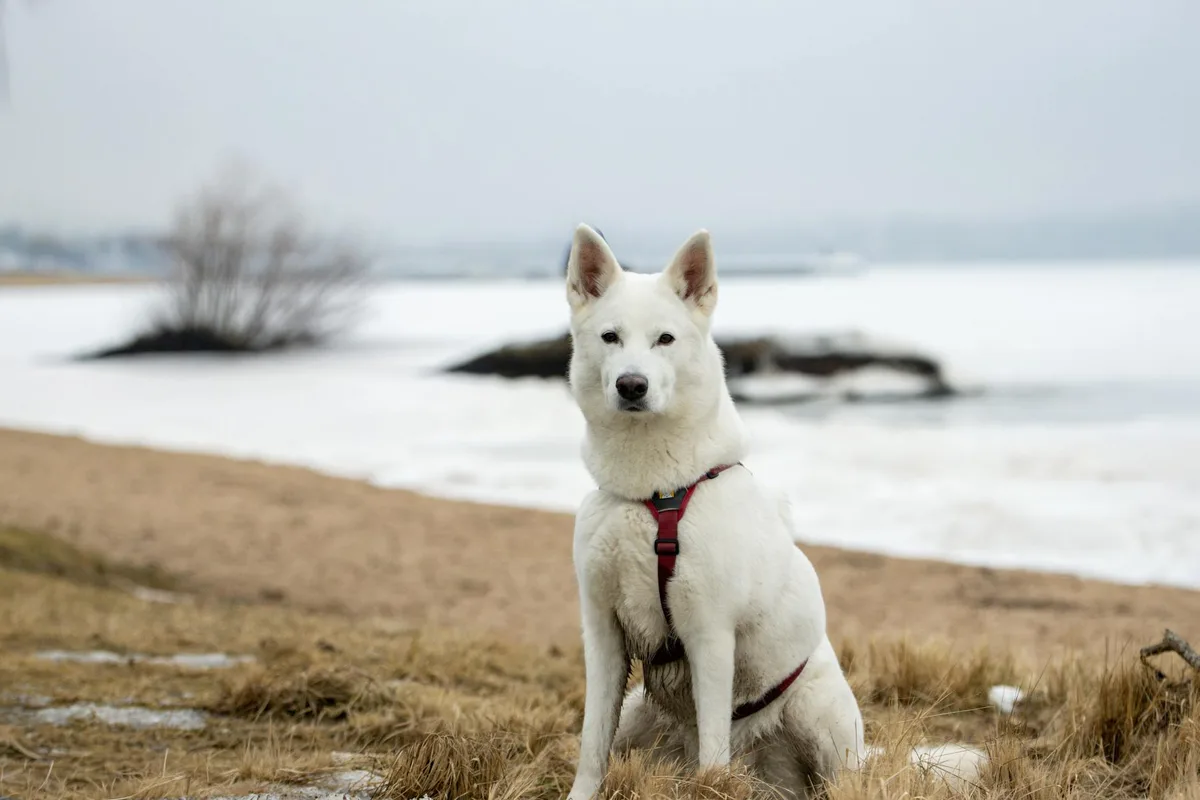
  • Essential Diet and Nutrition Guide for Arctic Breeds

    Essential Diet and Nutrition Guide for Arctic Breeds

    Why Diet and Nutrition Matter for Arctic Breeds

    Why should you care about what your Arctic breed eats? Diet is crucial for Arctic dog breeds because their unique physiological traits demand specific nutritional considerations. These breeds have a higher basal metabolic rate, requiring more calories to maintain body heat and energy levels in cold climates.

    Arctic breeds, such as Huskies and Malamutes, are built for endurance and strength, often facing extreme cold and high energy expenditure. This environment influences their nutritional needs, making a well-balanced diet essential. Improper diets can lead to obesity and other health issues, with studies indicating a rising trend in weight-related problems among these breeds.

    For example, sled dogs require a diet rich in protein and fat to support their active lifestyle. Essential nutrients like omega-3 fatty acids are vital for maintaining joint health and a robust immune system. Understanding their unique dietary needs sets the stage for exploring specific nutritional requirements.

    Nutritional Requirements and Feeding Guidelines for Arctic Breeds

    Are you feeding your Arctic breed the right way? Understanding the nutritional needs of Arctic breeds like Siberian Huskies and Alaskan Malamutes is crucial for their health. These active dogs often require up to 30% more calories than their sedentary counterparts, particularly during colder months when their energy expenditure increases.

    For optimal health, a balanced diet with approximately 30% protein, 20% fat, and the remainder as carbohydrates is recommended. Puppies need more protein for growth, while adults and seniors require adjusted caloric intake based on activity levels. Feeding guidelines for Huskies and other Arctic breeds should consider these life stages to ensure they receive the necessary nutrients.

    Next, we’ll delve deeper into the essential nutrients that Arctic breeds specifically need for optimal health.

    Essential Nutrients for Arctic Breeds

    What nutrients are non-negotiable for your Arctic breed’s health? Key nutrients such as omega-3 fatty acids, protein, and antioxidants are crucial for these breeds. Omega-3s, found in fish oil, support healthy coats and skin, especially important for Huskies prone to skin issues. Lean meats provide necessary protein, while antioxidants boost overall health.

    Hydration plays a vital role in nutrient absorption, ensuring dietary fats and other nutrients are effectively utilized by sled dogs. With a clear understanding of essential nutrients, let’s explore effective feeding practices tailored for these breeds.

    Establishing a regular feeding schedule is crucial for maintaining a healthy weight in Huskies and other sled dogs. Scheduled feeding, rather than free-feeding, can help reduce anxiety, a common issue in these breeds. Choose high-quality commercial dog food or carefully balanced homemade options to meet their nutritional needs.

    Next, we will address common mistakes that dog owners make when feeding their Arctic breeds.

    Common Feeding Mistakes to Avoid

    Are you unknowingly harming your Arctic breed’s health with common feeding mistakes? Overfeeding, offering inappropriate foods, and neglecting hydration are frequent errors. These can lead to obesity and nutritional deficiencies. Many owners mistakenly believe all dog foods suit Arctic breeds, but some ingredients can worsen health issues. Ensure balanced meals and adequate water intake to avoid these pitfalls.

    Now that we know what to avoid, let’s explore the benefits of crafting homemade diets for Arctic breeds.

    Crafting Homemade Diets: Tried and Tested Recipes for Arctic Breeds

    A Siberian Husky enjoying a snowy day with people nearby.
    Photo by Sergei Starostin on Pexels

    Could homemade meals be the key to your Arctic breed’s health? Homemade diets offer dog owners the advantage of controlling ingredients and nutrition, ensuring that their pets receive the best possible care. This is particularly beneficial for Arctic breeds, such as Huskies, who often suffer from food allergies and sensitivities due to their unique genetic makeup.

    By preparing homemade dog food, you can tailor meals to meet the specific nutritional needs of sled dogs and other Arctic breeds. However, it’s crucial to consider safety guidelines, such as balancing nutrients and avoiding harmful ingredients. The benefits of homemade diets for Arctic breeds include improved health and reduced allergy risks.

    Next, let’s dive into some popular recipes that are perfect for Arctic breeds.

    Benefits of Homemade Diets

    What if the secret to your Arctic breed’s vitality lies in your kitchen? Homemade diets offer better ingredient quality and tailored nutrition, enhancing coat health and energy levels. Owners report improved vitality in Huskies after transitioning to homemade meals. Including superfoods like blueberries and pumpkin boosts immune function and digestion, offering significant health benefits of homemade dog food.

    For more insights on Arctic breed nutrition, visit American Kennel Club.

    Now, let’s explore some popular recipes that are not only nutritious but also delicious for your Arctic breed.

    Ready to whip up some tail-wagging meals for your Arctic breed? Here are a few recipes tailored for Huskies and other Arctic breeds, focusing on nutritional balance and palatability.

    • Fish and Sweet Potato Delight: Combine baked fish with mashed sweet potatoes. Preparation time: 30 minutes. Store in the fridge for up to three days. Substitute fish with chicken for dogs with fish allergies.
    • Hearty Beef Stew: Slow-cook beef chunks with carrots and peas. Preparation time: 2 hours. Freeze in portions for easy access. For grain-free diets, omit rice.
    • Chicken and Rice Medley: Boil chicken with brown rice and green beans. Preparation time: 45 minutes. Store in airtight containers for freshness. Use quinoa instead of rice for a gluten-free option.

    Using ingredients like fish and sweet potatoes can provide a balanced diet that supports the high energy levels of Arctic breeds, particularly during colder months. After exploring these recipes, it’s crucial to understand how to balance nutrients in homemade meals.

    Balancing Nutrients in Homemade Meals

    Are your homemade meals truly meeting your Arctic breed’s nutritional needs? Balancing macronutrients and micronutrients is essential for Huskies and other Arctic breeds. Ensure meals are nutritionally complete by incorporating a variety of proteins, fats, and carbohydrates, and consider supplements for vitamins and minerals.

    Adjust recipes based on your dog’s age, activity level, and health status. Many owners overlook the need for a balanced calcium-to-phosphorus ratio, crucial for bone health in active breeds. Next, we’ll examine how climate and seasonal changes can impact the dietary needs of Arctic breeds.

    How Climate and Seasonal Changes Affect Arctic Breeds’ Diets

    Is your Arctic breed’s diet keeping up with the changing seasons? Extreme cold significantly impacts the metabolism of Arctic breeds, such as Huskies, requiring a higher caloric intake to maintain body heat. During winter, these breeds may need up to 50% more calories due to increased energy expenditure from activities like sledding.

    Seasonal changes also influence food availability and appetite. As temperatures drop, owners should adjust their pets’ diets to ensure sufficient nutrition. For example, incorporating more protein and fat can help sustain energy levels. Monitoring these seasonal diet changes is crucial for maintaining optimal Arctic breed nutrition in winter.

    Now, let’s look at how temperature specifically influences appetite and nutrition for Arctic breeds.

    Adapting Diets to Seasonal Variations

    Are you ready to adapt your Arctic breed’s diet as the seasons change? Seasonal feeding for Huskies and other Arctic breeds requires careful consideration of activity levels and food preferences. During warmer months, many Arctic breeds experience a natural decrease in appetite. Adjust portion sizes and incorporate fresh vegetables to prevent weight gain.

    In summer, focus on lighter meals and include seasonal foods like leafy greens and carrots. Monitoring your pet’s weight and health during these transitions is crucial. By making these diet adjustments for Arctic breeds, you can ensure they remain healthy and active year-round.

    Next, we will explore how temperature impacts appetite and nutritional needs for these breeds.

    Impact of Temperature on Appetite and Nutrition

    Is your Arctic breed eating enough when the temperature rises? Extreme temperatures significantly affect appetite and food preferences in Arctic breeds. In warmer weather, these dogs, such as Huskies, may exhibit a decreased appetite, risking nutritional deficiencies. Physiological responses to heat and cold alter their dietary needs, requiring careful monitoring.

    To ensure proper hydration and nutrition during temperature extremes, provide fresh water and adjust meal sizes. Consider nutrient-dense foods to compensate for reduced intake. Now, let’s discuss the health benefits of key nutrients and supplements specifically for Arctic breeds.

    Health Benefits of Key Nutrients and Supplements for Arctic Breeds

    Reindeer graze peacefully against snowy mountains and clear skies in Tromsø, Norway.
    Photo by Efrem Efre on Pexels

    Are you giving your Arctic breed the nutrients they truly need for optimal health? Essential fatty acids, vitamins, and minerals play a vital role in maintaining the overall well-being of these breeds. Omega-3 fatty acids, for instance, are known to enhance coat quality and support joint health, which is crucial for their active lifestyles. Key vitamins for sled dogs, such as vitamin E and B-complex, bolster energy levels and immune function.

    Consider nutritional supplements for Huskies that include glucosamine and chondroitin to further support joint health. Zinc and selenium are also important minerals that contribute to a robust immune system. Next, we’ll break down the role of essential fatty acids and when they should be included in the diet.

    Essential Fatty Acids and Their Role

    Could essential fatty acids be the key to your Arctic breed’s shiny coat? Omega-3 and omega-6 fatty acids play a vital role in maintaining skin and coat health, especially for breeds like Huskies. These nutrients help mitigate the effects of cold weather, a common environmental stressor for Arctic dogs.

    Incorporate sources like fish oil and flaxseed into their diet to ensure they receive these essential nutrients. Aim for a balanced ratio of omega-3 to omega-6 to optimize health benefits. The importance of omega-6 for sled dogs cannot be overstated, as it supports overall well-being.

    Now, let’s explore the vitamins and minerals that are essential for the health of Arctic breeds.

    Vitamins and Minerals for Arctic Breeds

    Are your Arctic breed’s meals packed with the vitamins they need? Key nutrients like Vitamin E, calcium, and zinc are crucial for their health. Vitamin E supports the immune system, while calcium and Vitamin D are vital for bone health, especially since many Arctic breeds, such as Huskies, are prone to joint issues.

    To ensure adequate intake, include foods rich in these nutrients. For example, fish and eggs provide Vitamin D, while leafy greens and dairy offer calcium. Zinc can be found in meats and whole grains. Meeting the nutritional needs of sled dogs ensures their long-term mobility and health.

    Next, we will discuss when it may be necessary to consider dietary supplements for Arctic breeds.

    When to Consider Supplements

    Is your Arctic breed missing out on essential nutrients due to dietary gaps? Supplements can be crucial during pregnancy, illness, or recovery from surgery. For example, omega-3 supplements for Huskies support joint health, while probiotics aid digestion. Seasonal changes also demand extra nutrients. Always consult a veterinarian before using dog supplements for Arctic breed dietary enhancements.

    Now, let’s go over the steps to safely transition Arctic breeds to a new diet.

    Steps to Transition Arctic Breeds to a New Diet Safely

    Are you worried about changing your Arctic breed’s diet without causing issues? A sudden diet change can lead to gastrointestinal distress in Arctic breeds, which are particularly sensitive to abrupt dietary shifts due to their unique digestive systems. Follow these steps to ensure a safe diet change for Arctic breeds like Huskies:

    1. Assess Current Diet: Evaluate the nutritional content of your dog’s existing food to understand what nutrients may be lacking.
    2. Introduce New Food Gradually: Start by mixing 25% of the new food with 75% of the old diet. Gradually increase the new food over 7-10 days.
    3. Monitor for Signs: Watch for signs of digestive upset, such as diarrhea or vomiting, and adjust the transition speed if needed.

    Next, we will discuss how to assess your dog’s current diet before making any changes.

    Assessing Your Dog’s Current Diet

    Is your Arctic breed’s diet as healthy as it should be? Evaluating your dog’s current diet involves a thorough analysis of ingredient quality and nutritional balance. Many owners overlook the importance of ingredient sourcing; understanding where food comes from can significantly impact the health of Arctic breeds.

    1. Review ingredient labels for quality and origin.
    2. Check for a balanced mix of proteins, fats, and carbohydrates.
    3. Identify any potential deficiencies in vitamins and minerals.
    4. Consult with a veterinarian for a personalized Husky nutrition assessment.

    Now that you know how to assess the current diet, let’s look at techniques for a gradual transition.

    Gradual Transition Techniques

    Are you ready to make a smooth transition to a healthier diet for your Arctic breed? Gradual diet transition for Huskies and other Arctic breeds can significantly reduce the risk of food aversion. Follow these steps:

    1. Mix 25% new food with 75% old food on days 1-2.
    2. Increase to 50% new food on days 3-4.
    3. Use 75% new food by days 5-6.
    4. Complete the transition with 100% new food by day 7.

    Monitor your dog’s reaction closely during this period. If any digestive issues arise, slow down the transition. Adjust the process based on your dog’s response to ensure a smooth Husky diet change. Finally, let’s discuss how to monitor and adjust the diet after the transition.

    Monitoring and Adjusting the Diet

    Is your Arctic breed thriving on their new diet, or do you need to make adjustments? Regular monitoring can reveal subtle changes in health that indicate the need for dietary adjustments, which is particularly crucial for active Arctic breeds. Here’s how to effectively monitor and adjust their diet:

    1. Observe your dog’s behavior and energy levels. Look for signs of improvement or distress after transitioning to a new diet.
    2. Adjust portion sizes and ingredients based on your Husky’s response. This may involve increasing or decreasing food quantities.
    3. Schedule regular check-ups with your veterinarian to ensure the new diet meets all nutritional needs.

    Next, we will address some frequently asked questions about diet and nutrition for Arctic breeds.

    FAQs About Diet and Nutrition for Arctic Breeds

    white wolf surrounded with plants
    Photo by Marek Szturc on Unsplash

    What burning questions do you have about your Arctic breed’s diet? Here are some FAQs about Arctic breed nutrition:

    • Do Arctic breeds need a special diet? Yes, their nutritional needs can vary significantly from other breeds. Tailored guidance is essential to meet their energy and health requirements.
    • What common diets work for Huskies? High-protein, high-fat diets are often recommended. Consult a veterinarian for personalized advice.

    For reliable information on dog nutrition, consider consulting the American Kennel Club or other reputable sources. Let’s dive into some specific questions that many dog owners have about feeding their Arctic breeds.

    What are the best protein sources for Arctic breeds?

    Are you sure your Arctic breed is getting enough quality protein in their diet? For sled dogs and Huskies, the best protein sources include fish, chicken, and lamb. Fish-based proteins not only provide essential amino acids but also contribute to better skin and coat health, which is vital for Arctic breeds. High-protein diets for Arctic breeds should prioritize quality over quantity to maintain muscle and energy levels. Consider commercial dog foods like those from brands specializing in high-protein formulas. Next, we’ll answer the question of how often Arctic breeds should be fed.

    How often should I feed my Arctic breed dog?

    Are you feeding your Arctic breed the right number of meals each day? Puppies require three to four meals daily to support their rapid growth. Adult Arctic breeds, such as Huskies, typically thrive on two meals per day, while seniors might benefit from smaller, more frequent meals to aid digestion. Feeding frequency can significantly impact energy levels; active Arctic breeds may benefit from multiple smaller meals throughout the day rather than one or two large meals. Establishing a consistent feeding schedule for Huskies helps maintain their metabolism and energy. Now, let’s address whether Arctic breeds can eat raw diets.

    Can Arctic breeds eat raw diets?

    Could a raw diet be the secret to your Arctic breed’s health? While raw diets can offer benefits such as improved coat condition and increased energy levels, they require meticulous planning. The raw diet for Huskies and other Arctic breeds must be carefully balanced to meet their unique nutritional needs, which can vary widely.

    Proper sourcing and preparation of raw ingredients are crucial to prevent health issues. If considering sled dog raw feeding, introduce changes gradually, ensuring all nutritional requirements are met. Next, we’ll discuss the signs that indicate nutritional deficiencies in Arctic breeds.

    What signs indicate nutritional deficiencies?

    Is your Arctic breed showing signs that something might be missing from their diet? Common indicators of nutritional deficiencies in Huskies and other Arctic breeds include dull or thinning coats, lethargy, and digestive problems. Behavioral changes, such as increased irritability, can also signal a poor diet. Regular veterinary check-ups are crucial to monitor Husky health indicators and overall nutrition.

    • Coat issues: dullness, thinning, or excessive shedding
    • Lethargy or decreased energy levels
    • Digestive problems: diarrhea or constipation
    • Behavioral changes: irritability or mood swings

    Adjusting the diet to include more essential nutrients can help address these issues. Finally, let’s explore how to determine if your Arctic breed needs supplements.

    How do I know if my Arctic breed needs supplements?

    Is your Arctic breed getting everything they need, or could they benefit from a little extra support? Consider their age, health status, and activity level. Older Huskies or those with joint issues might need glucosamine supplements, especially during winter when activity increases. Omega-3 fatty acids can enhance coat health and reduce inflammation. Always consult a veterinarian before starting any supplements to ensure they meet your Husky’s dietary requirements. Many owners overlook the impact of seasonal changes on nutrient needs, making it crucial to assess supplement needs for Huskies regularly.

    Now, let’s summarize the key takeaways about diet and nutrition for Arctic breeds.

    Key Takeaways About Diet and Nutrition for Arctic Breeds

    What have you learned about keeping your Arctic breed healthy through nutrition? Tailoring their diet to meet specific needs is essential for their health and longevity. Arctic breeds, such as Huskies, have unique dietary requirements that differ from other dogs. These breeds thrive on diets rich in protein and fat, essential for maintaining their energy levels and supporting their thick coats.

    Key nutrients like omega-3 fatty acids, found in fish oil, and high-quality proteins are vital for their well-being. Seasonal adjustments, such as increased caloric intake during colder months, ensure they remain active and healthy. Feeding practices should be consistent, with portion sizes adjusted according to activity levels and age.

    Consulting with a veterinarian is crucial for personalized dietary advice, ensuring your Arctic breed receives the best nutrition possible. Join us in making a difference—consider adopting a dog or volunteering with ADRTC today! By making informed dietary choices, you contribute to the overall health and happiness of these remarkable breeds.
  • Essential Grooming Needs Specific to Arctic Dogs: A Comprehensive Guide

    Essential Grooming Needs Specific to Arctic Dogs: A Comprehensive Guide

    Why Grooming is Vital for Arctic Dogs

    Did you know that grooming is not just about aesthetics for Arctic dogs, but a crucial aspect of their health? Regular grooming can significantly reduce the risk of skin-related diseases in Arctic breeds, which are prone to specific skin conditions due to their dense coats.

    The health benefits of grooming Arctic dogs extend beyond a shiny coat. Consistent grooming helps maintain skin health, preventing issues like matting and skin infections. According to recent studies, neglected grooming can lead to a 30% increase in skin infections among Arctic breeds. These infections often result from trapped moisture and debris within their thick fur.

    Dog owners frequently report improvements in their pets’ behavior and overall well-being following regular grooming sessions. One owner noted, “After we started a consistent grooming routine, our Husky seemed happier and more energetic.” Such testimonials highlight the importance of Arctic dog grooming, emphasizing how it contributes to their mental and physical health.

    Understanding the unique coat types of Arctic breeds is essential for effective grooming. This knowledge helps in selecting the right grooming techniques and tools, ensuring that your Arctic dog remains healthy and comfortable throughout the year. As we delve deeper, we’ll explore the specific grooming needs tailored to these resilient breeds.

    The stunning coats of Arctic dogs are not just for show; they require specific grooming techniques to keep them healthy and beautiful. Arctic dog coat types vary significantly, with breeds like the Siberian Husky and Alaskan Malamute showcasing unique grooming needs. The Siberian Husky, for instance, has a medium-length double coat that benefits from weekly brushing to prevent matting and reduce shedding.

    In contrast, the Alaskan Malamute boasts a denser undercoat, necessitating more frequent grooming sessions, especially during shedding seasons. Using a slicker brush and an undercoat rake can effectively manage their thick fur. Understanding these differences is crucial for maintaining their coat health.

    Breed Coat Type Grooming Tools Brushing Frequency
    Siberian Husky Medium-length double coat Slicker brush Weekly
    Alaskan Malamute Dense undercoat Undercoat rake, slicker More frequent during shedding

    Understanding the Double Coat of Arctic Breeds

    Understanding the double coat of Arctic breeds is key to mastering their grooming needs. A double coat consists of a dense undercoat for insulation and a protective outer coat. This structure helps Arctic dogs regulate temperature but requires specific grooming techniques to prevent matting and skin issues.

    During the Arctic dog shedding cycle, these breeds shed their undercoat seasonally, which can lead to increased grooming needs. Regular brushing helps manage this shedding and keeps the coat healthy. Use a slicker brush for the outer coat and an undercoat rake to remove loose fur effectively.

    Now that we understand the double coat, let’s look at effective grooming techniques tailored for Arctic dogs.

    Grooming Techniques for Arctic Dogs

    Ready to transform your grooming routine? Here are the best techniques and tools to keep your Arctic dog looking its best! Essential tools include deshedding brushes and undercoat rakes, perfect for managing their dense fur. Here’s how to groom double-coated dogs effectively:

    • Brushing: Use an undercoat rake to gently remove loose fur without harming the coat.
    • Bathing: Bathe sparingly to maintain natural oils; use a mild shampoo suitable for Arctic breeds.
    • Trimming: Trim only when necessary, focusing on hygiene areas to prevent matting.

    Compare products like the Furminator for thick coats and the Hertzko for sensitive skin to find the best tools for Arctic dog grooming. However, even experienced groomers can make mistakes; let’s discuss common pitfalls to avoid.

    Common Mistakes to Avoid When Grooming Arctic Breeds

    Even the most dedicated dog owners can make grooming mistakes—let’s uncover what to avoid for your Arctic breed! One frequent error is over-bathing, which can strip essential oils from the coat, leading to dryness and irritation. Instead, bathe sparingly and use a gentle, breed-specific shampoo.

    Improper brushing techniques are another common issue. Many owners fail to address the undercoat, resulting in matting and discomfort. Invest in a high-quality undercoat rake and brush in the direction of hair growth to prevent these problems. Professional groomers advise regular brushing to maintain a healthy, tangle-free coat.

    With these common mistakes in mind, it’s also important to consider seasonal grooming needs.

    Seasonal Grooming Tips and Tools for Arctic Dogs

    A husky dog rolling around in the snow
    Photo by Dimitry Dolgikh on Unsplash

    As the seasons change, so do the grooming needs of your Arctic dog—are you prepared for the shifts? Arctic dogs face unique grooming challenges due to extreme weather conditions. In winter, their double coats require special attention to prevent matting and frostbite. Regular brushing is essential to maintain their coat’s insulating properties.

    Here’s a seasonal grooming checklist for Arctic dogs:

    • Winter: Increase brushing frequency to manage shedding and prevent ice build-up. Consider paw balm to protect against frostbite.
    • Summer: Regularly check for ticks and fleas. Trim excess fur to avoid overheating, but never shave their coat completely.

    Adjusting grooming routines based on temperature and activity levels is crucial. For instance, more frequent baths may be needed in summer to remove dirt and allergens. Seasonal grooming not only keeps Arctic dogs comfortable but also helps prevent heat-related issues in summer and frostbite in winter.

    Let’s dive deeper into how to prepare your Arctic dog for the winter months.

    Preparing for Winter: Grooming Essentials

    Winter is coming! Is your Arctic dog ready for the chilly temperatures ahead? Essential grooming tasks include trimming the fur between paw pads to prevent ice buildup and checking for skin issues. Maintaining a healthy coat is crucial for insulation. Regularly brush your dog’s fur to avoid tangles and protect sensitive areas.

    For more tips on grooming Arctic dogs for cold weather, visit AKC’s grooming guide. As temperatures rise, let’s explore how to keep your Arctic dog cool during the summer months.

    Summer Grooming: Keeping Your Arctic Dog Cool

    Summer heat can be tough on Arctic dogs—are you equipped with the right grooming strategies to keep them cool? Regular grooming in summer not only helps manage shedding but also allows for better airflow to the skin, reducing the risk of overheating. Brush your dog frequently to remove loose fur and keep their coat healthy.

    Ensure your Arctic dog stays hydrated and consider cooling techniques like damp towels or cooling mats. These methods complement grooming efforts, offering relief in warmer weather. To make grooming easier, let’s look at the must-have tools for Arctic dog owners.

    Must-Have Grooming Tools for Arctic Dog Owners

    Equipping yourself with the right tools can make all the difference—what should every Arctic dog owner have in their grooming kit? Start with a slicker brush and a wide-tooth comb to tackle their dense double coats. The FURminator de-shedding tool is a top-rated choice, praised for reducing grooming time by up to 50%.

    Investing in high-quality grooming tools simplifies the process, making it more efficient. Brands like Oster and Hertzko offer essential grooming supplies for Arctic breeds, ensuring you have the best grooming tools for Arctic dogs at your disposal.

    Despite being beautiful, larger Arctic breeds pose unique grooming challenges that need addressing.

    Overcoming Common Grooming Challenges for Larger Arctic Breeds

    Owning a larger Arctic breed can be rewarding, but it comes with its own set of grooming challenges—are you ready to tackle them? One of the primary grooming challenges for large Arctic breeds is managing shedding in big dogs. These breeds often have dense, double coats that require frequent attention to prevent matting and excessive shedding.

    To effectively manage these Arctic dog grooming difficulties, establish a regular grooming schedule. Aim for brushing sessions at least twice a week, using tools like an undercoat rake or slicker brush specifically designed for double-coated breeds. This helps remove loose fur and prevents tangles from forming.

    Regular grooming is crucial not only for maintaining coat health but also for preventing skin issues and infections. Neglecting these grooming needs can lead to painful mats and skin irritations. Additionally, consider seasonal grooming adjustments, as shedding can increase during certain times of the year.

    By staying proactive with grooming, you can ensure your Arctic dog remains comfortable and healthy. Let’s take a closer look at how to handle shedding and matting in these magnificent dogs.

    Handling Shedding and Matting in Large Arctic Dogs

    Shedding and matting can be a nightmare for large Arctic breeds—what’s the best way to keep their coat in check? These dogs often have double coats, leading to significant shedding, especially during seasonal changes. Regularly scheduled grooming sessions can reduce shedding by up to 80%, making it easier to maintain a clean home and a healthy coat.

    To manage dog shedding, brush your Arctic dog at least twice a week using a slicker brush and an undercoat rake. This routine helps prevent matting in Arctic breeds by removing loose fur before it tangles. Consistent grooming is key to shedding solutions for large dogs.

    Grooming anxiety can also be a challenge; let’s explore how to manage it effectively.

    Dealing with Grooming Anxiety in Arctic Breeds

    Is your Arctic dog fearful of grooming? Let’s explore effective strategies to ease their anxiety and make grooming a positive experience. Many Arctic breeds are sensitive to grooming due to their strong instincts. Recognizing signs of grooming anxiety in dogs, such as trembling or restlessness, is crucial for managing dog stress during grooming sessions.

    To help alleviate anxiety, consider desensitization techniques like introducing grooming tools gradually. Creating a calm environment with soothing sounds can also help. Patience and consistency are key; building trust with your dog during grooming takes time. These tips for anxious Arctic breeds can transform grooming into a stress-free routine.

    Now that we’ve covered the challenges, let’s discuss affordable grooming solutions for Arctic dog owners.

    Affordable Grooming Solutions for Arctic Dog Owners

    Two husky dogs looking forward
    Photo by Shavr IK on Unsplash

    Grooming your Arctic dog doesn’t have to break the bank—what are some affordable solutions that work? Many dog owners can save up to 70% on grooming costs by learning basic DIY techniques and utilizing local community resources. Here are some budget-friendly dog grooming options:

    1. DIY Grooming Tips: Invest in a quality brush and comb suitable for double-coated breeds. Regular brushing helps manage shedding and maintain a healthy coat.
    2. Essential Tools: Purchase a slicker brush, undercoat rake, and nail clippers. These tools are effective and affordable, ensuring your Arctic dog stays well-groomed.
    3. Community Resources: Check local shelters or pet organizations for volunteer groomers or discounted grooming days. These services often provide affordable grooming solutions for dogs.

    By incorporating these budget-friendly grooming strategies, you can keep your Arctic dog looking great without overspending. Let’s explore how to effectively groom your dog without spending a fortune on professional services.

    DIY Grooming: Budget-Friendly Tips

    Why pay for professional grooming when you can do it yourself? Here’s how to groom your Arctic dog at home without spending a fortune!

    1. Brush Regularly: Use a repurposed comb to manage the thick double coat, reducing shedding and matting.
    2. Trim with Care: Kitchen scissors can be used for trimming excess fur, especially around the paws and ears.
    3. Bath Time: Use mild dish soap as a shampoo alternative, ensuring it’s safe for your dog’s skin.
    4. Schedule Smart: Plan grooming sessions every 4-6 weeks to maintain coat health without overspending.

    If DIY isn’t your style, let’s look at how to find cost-effective grooming services.

    Finding Cost-Effective Grooming Services

    Searching for budget-friendly grooming services for your Arctic dog? Here’s how to find quality care without breaking the bank!

    1. Use local directories and community boards to discover affordable dog grooming services nearby.
    2. Look for groomers with positive reviews and reasonable rates, ensuring quality without high costs.
    3. Explore volunteer-based grooming services from local shelters, as many offer discounted grooming as part of their community outreach programs.

    Finally, let’s discuss how to save on grooming supplies without sacrificing quality.

    Saving on Grooming Supplies for Arctic Dogs

    Grooming supplies can add up quickly—what are some savvy ways to save money while keeping your Arctic dog well-groomed?

    1. Buy grooming supplies in bulk to save up to 30%, especially on shampoos and brushes.
    2. Look for sales and discounts on pet grooming items at local stores or online platforms.
    3. Choose quality over quantity to avoid frequent replacements, ensuring budget grooming products last longer.

    With these tips in mind, let’s compare the grooming needs of Arctic breeds to those of non-Arctic breeds.

    Comparing Grooming Needs of Arctic vs. Non-Arctic Breeds

    Are you curious about how the grooming needs of Arctic breeds stack up against their non-Arctic counterparts? Let’s find out!

    Aspect Arctic Breeds Non-Arctic Breeds
    Coat Type Double coat, thick underlayer Varies widely, can be single or double
    Maintenance Regular brushing to prevent matting Depends on breed; some require less frequent grooming
    Environmental Influence Seasonal shedding, requires specific tools Less affected by seasonal changes

    While many non-Arctic breeds may require regular grooming, the unique double coat of Arctic breeds necessitates a different approach to maintenance and care. Breeds like the Siberian Husky and Alaskan Malamute need frequent brushing, especially during shedding seasons, to manage their dense undercoat.

    Coat Maintenance: Arctic vs. Non-Arctic Breeds

    When it comes to coat maintenance, Arctic breeds have unique needs—how do they compare to non-Arctic breeds? Double-coated breeds like Siberian Huskies require a unique grooming routine that can involve up to 3 times more frequent brushing compared to single-coated breeds like Golden Retrievers.

    Breed Type Coat Type Grooming Frequency
    Arctic Breeds (e.g., Siberian Husky) Double Coat 3 times per week
    Non-Arctic Breeds (e.g., Golden Retriever) Single Coat Once per week

    Let’s examine the grooming frequency and techniques that differ between these two categories.

    Grooming Frequency and Techniques Compared

    How often should you groom your Arctic dog compared to a non-Arctic breed? The answer might surprise you! Many owners of non-Arctic breeds may underestimate the grooming frequency needed for double-coated dogs, leading to potential health issues.

    Breed Type Grooming Frequency Techniques
    Arctic Breeds Weekly Double-coat brushing, seasonal shedding management
    Non-Arctic Breeds Bi-weekly Basic brushing, occasional trimming

    Finally, let’s identify which breeds require more grooming attention overall.

    Which Breeds Require More Grooming Attention?

    When it comes to grooming, not all breeds are created equal—so which ones require the most attention? Arctic breeds often demand more grooming due to their thick double coats and seasonal shedding patterns. In contrast, some non-Arctic breeds, like Poodles, require extensive grooming but for different reasons, such as maintaining curly coats.

    Breed Type Grooming Needs Challenges
    Arctic Breeds (e.g., Siberian Husky) High Double coat, seasonal shedding
    Non-Arctic Breeds (e.g., Poodle) High Curly coat maintenance

    Professional groomers highlight that while both Arctic and non-Arctic breeds can be demanding, the techniques and tools required differ. Let’s wrap up with key takeaways about grooming needs for Arctic dogs.

    FAQ: Grooming Questions for Arctic Dog Owners

    black and white Siberian husky
    Photo by Ugur Arpaci on Unsplash

    Got questions about grooming your Arctic dog? Here are the answers to the most common inquiries from fellow owners!

    • How often should I groom my Arctic dog? Regular grooming is essential, typically once a week, to manage their thick double coat.
    • What tools are best for grooming? Use a slicker brush and undercoat rake to effectively manage shedding.
    • Are there seasonal grooming needs? Yes, increase grooming during shedding seasons in spring and fall.

    Many new Arctic dog owners are unaware of the unique grooming needs specific to their breed, leading to confusion and potential neglect of care. For more detailed Arctic dog grooming tips, visit AKC’s Expert Advice.

    Let’s summarize the key takeaways about grooming needs for Arctic dogs.

    How Often Should I Groom My Arctic Dog?

    Understanding the unique grooming needs of Arctic dogs is essential for maintaining their health and happiness. These breeds often have double coats, requiring specific grooming techniques to manage shedding and matting effectively.

    Seasonal care is crucial, as Arctic dogs need more frequent grooming during shedding seasons to keep their coats healthy and comfortable. Regular grooming not only enhances their appearance but also supports their overall well-being. Key takeaways include staying informed about your dog’s coat type, using the right grooming tools, and being proactive with your grooming routine.

    By following these important grooming tips for Arctic breeds, you ensure your dog remains healthy, happy, and looking their best year-round.

    What Are the Best Products for Arctic Dog Grooming?

    Arctic dogs, with their dense double coats, require specialized grooming products to maintain their health and appearance. During shedding seasons, a deshedding tool is essential to manage loose fur and prevent matting. For regular maintenance, a slicker brush helps distribute natural oils and keeps the coat shiny.

    Additionally, a high-quality dog shampoo formulated for double-coated breeds ensures that the skin remains healthy without stripping essential oils. In winter, consider a moisturizing conditioner to combat dry skin caused by cold weather. A specialized grooming kit designed for Arctic breeds can be a worthwhile investment, offering all the necessary tools in one package.

    • Deshedding tool
    • Slicker brush
    • Double-coated breed shampoo
    • Moisturizing conditioner

    Can I Trim My Arctic Dog’s Fur in the Summer?

    Trimming the fur of Arctic dogs, such as Huskies and Malamutes, during summer is generally not recommended. These breeds have a double coat that acts as natural insulation, keeping them cool in the heat and warm in the cold. Instead of trimming, focus on regular grooming to manage shedding and maintain coat health.

    Use a slicker brush or an undercoat rake to remove loose fur and prevent matting. This helps in promoting air circulation through the coat. Seasonal grooming is crucial, especially during shedding periods in spring and fall. Avoid shaving, as it can damage the coat and hinder its natural temperature-regulating abilities.

    For optimal results, consider consulting a professional groomer familiar with Arctic breeds to ensure your dog’s coat remains healthy and functional year-round.

    How Do I Manage My Arctic Dog’s Shedding?

    Arctic dogs, known for their thick double coats, require specific grooming techniques to manage shedding effectively. During shedding season, which typically occurs twice a year, it’s crucial to increase grooming frequency. A slicker brush and an undercoat rake are essential tools for removing loose fur and preventing matting.

    Regular grooming not only helps in controlling shedding but also promotes healthy skin and coat. Pay special attention to areas prone to tangles, such as behind the ears and under the legs. Additionally, a high-velocity dryer can be used to blow out loose fur, especially after baths.

    Seasonal changes can affect shedding patterns, so adjust your grooming routine accordingly. By maintaining a consistent grooming schedule, you can keep your Arctic dog’s coat in top condition year-round.

    Are There Specific Grooming Needs for Arctic Puppies?

    Arctic puppies, known for their thick double coats, require specialized grooming techniques to maintain their health and comfort. Regular brushing is essential to prevent matting and to manage shedding, especially during seasonal changes when they shed their undercoat. A slicker brush and an undercoat rake are recommended tools for effectively managing their dense fur.

    Seasonal grooming is crucial for Arctic breeds. During spring and fall, these puppies undergo a significant coat change, necessitating more frequent grooming sessions. This helps in removing loose fur and keeping their skin healthy. Additionally, regular checks for ice or snow buildup between their paw pads are important during winter months to prevent discomfort and potential injury.

    • Use a slicker brush for regular grooming.
    • Employ an undercoat rake during shedding seasons.
    • Check paw pads for ice accumulation in winter.

    Key Takeaways About Grooming Needs for Arctic Dogs

    Understanding the unique grooming needs of Arctic breeds is essential for maintaining their health and happiness. These dogs often have double coats that require specific grooming techniques to manage shedding and ensure proper insulation.

    One of the key takeaways about grooming Arctic dogs is the importance of recognizing their coat types. Double-coated breeds like Siberian Huskies and Alaskan Malamutes need regular brushing to prevent matting and to control shedding. Seasonal grooming is another critical aspect, as Arctic dogs shed heavily during spring and fall. During these periods, more frequent grooming sessions are necessary to keep their coats healthy and comfortable.

    Using the right tools, such as slicker brushes and undercoat rakes, can make a significant difference in maintaining the coat’s condition. Regular grooming not only enhances the appearance of Arctic dogs but also plays a crucial role in their overall health and happiness. By staying informed and proactive about grooming routines, owners can ensure their pets are comfortable and well-cared for throughout the year.

    Join us in making a difference—consider adopting a dog or volunteering with ADRTC today! By doing so, you can contribute to the well-being of these incredible animals and share in the joy of caring for an Arctic breed.

  • Arctic Breeds vs Other Breeds: Unique Traits and Care Requirements

    Arctic Breeds vs Other Breeds: Unique Traits and Care Requirements

    Discover the Unique World of Arctic Breeds

    Have you ever wondered what makes Arctic breeds so special and beloved around the world? Arctic dog breeds, such as Siberian Huskies and Alaskan Malamutes, possess unique features that enable them to thrive in harsh, cold environments. These breeds are distinguished by their thick double-layered fur and substantial body fat, which provide essential insulation against freezing temperatures.

    Beyond their physical traits, Arctic breeds hold significant cultural importance, particularly among indigenous communities like the Inuit. These dogs have historically been vital for transportation and companionship in the Arctic regions. In the United States, Arctic breeds enjoy considerable popularity, with Siberian Huskies frequently ranking among the top 20 most popular dog breeds.

    Arctic breeds have evolved specific traits that not only help them survive in extreme cold but also make them exceptionally social and loyal companions. Their ability to form strong bonds with humans is one of the reasons they are cherished worldwide. Next, we will delve deeper into how Arctic breeds compare to other dog breeds in terms of physical and behavioral traits.

    Comparing Arctic Breeds to Other Dogs: What Sets Them Apart

    Close-up of joyful huskies in snow, showcasing sled dogs ready for adventure.
    Photo by Destiny Finn on Pexels

    What truly sets Arctic breeds apart from the rest of the canine world? While many breeds are bred for companionship, Arctic breeds often retain strong instincts for work and survival, making them more independent than many other breeds. This dog breed characteristics comparison highlights key differences:

    Trait Arctic Breeds Other Breeds
    Size Medium to large Varies widely
    Coat Type Thick, double-layered Short to long, single or double-layered
    Ear Shape Pointed Varies
    Energy Levels High Low to high

    Physical Characteristics of Arctic Breeds

    Ever wondered why Arctic breeds look so different from your average dog? These breeds, like the Siberian Husky and Alaskan Malamute, boast a robust build and a thick double coat. The Siberian Husky typically weighs between 35-60 pounds and stands 20-23.5 inches tall, while the Alaskan Malamute can weigh up to 85 pounds with a height of 25 inches.

    Their double coat provides insulation and features a unique structure that allows moisture to escape, keeping them dry and warm. This adaptation is essential for surviving harsh, cold climates, setting them apart from non-Arctic breeds, which generally have thinner fur and lighter builds.

    Next, we will examine the behavioral traits that make Arctic breeds unique companions.

    Behavioral Traits Unique to Arctic Breeds

    What makes Arctic breeds not just pets, but true family members? These dogs, such as the Siberian Husky and Alaskan Malamute, are renowned for their high energy levels and strong prey drive. Their intelligence and independence can pose training challenges, yet these traits contribute to their unique charm.

    Arctic breeds often display a strong pack mentality, making them more social and interactive than many other breeds. This social nature allows them to bond deeply with families and coexist harmoniously with other pets. Owners frequently share anecdotes of their dogs’ playful yet independent personalities, highlighting their suitability as family companions.

    Now, let’s explore the historical roles and origins of these remarkable breeds.

    Historical Roles and Origins

    Have you ever considered how the history of Arctic breeds shapes their identity today? The history of Arctic dog breeds is deeply intertwined with the survival of indigenous peoples. These dogs, such as the Samoyed and Siberian Husky, were indispensable for sledding, hunting, and companionship. They were not just pets but vital partners, reflecting a profound human-canine bond.

    In indigenous cultures, Arctic breeds were essential for traversing harsh terrains and hunting. The Samoyed, for instance, was revered for its ability to herd reindeer and provide warmth during frigid nights. Over time, these breeds have evolved, adapting to modern roles while retaining their historical significance.

    Next, we will discuss the specific care needs of Arctic breeds, focusing on their temperament and requirements.

    Caring for Arctic Breeds: Temperament and Needs

    Are you ready to meet the unique care needs of Arctic breeds? Known for their unwavering loyalty, Arctic breeds like the Siberian Husky and Alaskan Malamute form strong bonds with their families. These dogs require not only physical exercise but also mental stimulation to prevent boredom and destructive behaviors.

    Compared to other breeds, Arctic breeds demand more time and effort in grooming and exercise. For instance, Siberian Husky grooming involves regular brushing to manage their dense coats. Meanwhile, Alaskan Malamute exercise requirements are high, needing daily walks and playtime.

    Experts recommend prospective owners be prepared for this commitment. For more on breed characteristics, visit AKC’s dog breed pages.

    Let’s dive deeper into the daily exercise and activity requirements essential for these energetic dogs.

    Daily Exercise and Activity Requirements

    Are you prepared to keep up with the high energy demands of Arctic breeds? These dogs, including the Siberian Husky and Alaskan Malamute, require at least 1-2 hours of vigorous exercise daily. Activities like sledding and agility training not only meet their physical needs but also provide essential mental stimulation.

    In contrast, many other breeds are content with simpler walks. Experts recommend incorporating varied activities to keep Arctic breeds engaged and happy. Next, we will explore the dietary needs essential for maintaining the health of Arctic breeds.

    Dietary Needs for Optimal Health

    What should you feed your Arctic breed to keep them healthy and thriving? Due to their unique metabolism, Arctic breeds like the Siberian Husky and Alaskan Malamute require a diet richer in protein and fat compared to other breeds. This specialized nutrition supports their high energy levels and overall health.

    While other breeds may thrive on a more balanced diet, Arctic breeds need careful management to avoid health issues. Consider quality dog food brands such as Orijen and Acana, which offer formulas specifically designed for high-energy dogs.

    Proper nutrition is crucial for maintaining the vitality and performance of these cold-weather companions. Now, let’s examine effective training and socialization tips tailored for Arctic breeds.

    Training and Socialization Tips

    Are you ready to unlock the secrets to successfully training your Arctic breed? These intelligent and independent dogs, like the Siberian Husky and Alaskan Malamute, often require a different approach. Traditional methods may fall short, so focus on positive reinforcement techniques. Reward-based training encourages cooperation and helps manage stubbornness.

    Early socialization is crucial. Expose your Arctic breed to various environments, people, and other animals. This builds confidence and reduces anxiety. Owners often share success stories of their dogs thriving with consistent, patient training. Remember, each dog is unique, so adapt techniques to suit your pet’s personality.

    Next, we will discuss the challenges and solutions for adapting Arctic breeds to warmer climates.

    Adapting Arctic Breeds to Warmer Climates: Challenges and Solutions

    short-coated white wolf laying on white surface
    Photo by Jonatan Pie on Unsplash

    Can Arctic breeds really thrive in the heat, or are they destined for the cold? Despite their cold-weather adaptations, breeds like the Siberian Husky and Alaskan Malamute can indeed adapt to warmer climates with the right care. However, they face challenges such as overheating and dehydration. Owners must employ strategies like keeping their pets indoors during peak heat and ensuring constant access to fresh water.

    Testimonials from owners highlight the effectiveness of air conditioning and controlled outdoor time in managing these issues. Regular health monitoring is crucial during temperature changes to prevent heat-related problems. Now, let’s look at the signs of overheating in Arctic breeds and how to recognize them.

    Recognizing Signs of Overheating

    Are you aware of the subtle signs that your Arctic breed may be overheating? Despite their adaptations to cold climates, breeds like the Siberian Husky can suffer from heat stress. Common signs of overheating in dogs include excessive panting, drooling, and lethargy. Interestingly, Arctic breeds may not show typical distress signs until they are severely overheated, making vigilance essential.

    Physiologically, these breeds have thick double coats that insulate against cold but can trap heat in warmer weather. Experts recommend monitoring your dog’s behavior closely and ensuring they have access to shade and water. Cooling mats and frequent breaks during outdoor activities can also help prevent overheating.

    Next, we will explore how to create a comfortable environment for Arctic breeds in warmer climates.

    Creating a Comfortable Environment

    Is your home ready to keep your Arctic breed comfortable during the heat? Simple changes like using cooling mats or providing shaded outdoor areas can significantly improve the quality of life for breeds like the Siberian Husky and Alaskan Malamute. Ensuring proper indoor climate control and managing outdoor access are crucial for effective heat management.

    Consider dog houses with adequate ventilation to prevent overheating. Many owners have successfully adapted their homes by incorporating these elements, ensuring their Arctic breed’s comfort in warmer climates.

    Now, let’s discuss the seasonal care adjustments needed for Arctic breeds throughout the year.

    Seasonal Care Adjustments

    Are you prepared to adjust your care routine for your Arctic breed as the seasons change? Seasonal care for Arctic breeds like the Siberian Husky and Alaskan Malamute involves specific grooming, exercise, and diet adjustments. During winter, focus on Siberian Husky winter grooming to maintain their thick coat, while in summer, ensure Alaskan Malamute summer care to prevent overheating.

    Veterinarians recommend modifying exercise routines based on temperature fluctuations. In colder months, increase outdoor activities to keep them fit, but during warmer seasons, opt for early morning or late evening walks. Seasonal transitions can significantly impact an Arctic breed’s health, requiring proactive care adjustments to prevent issues like overheating or winter injuries.

    Next, we will compare the cost and health considerations specific to Arctic breeds.

    Cost and Health Considerations for Arctic Breeds

    Are you ready to dive into the financial realities of owning an Arctic breed? The cost of owning Arctic breeds like the Siberian Husky or Alaskan Malamute can be substantial. While the initial purchase price may be higher, ongoing expenses such as health insurance and preventative care can vary significantly. Let’s compare these costs to those of other popular breeds.

    Expense Type Arctic Breeds Other Breeds
    Initial Purchase $1,000 – $2,500 $500 – $1,500
    Annual Health Insurance $500 – $700 $300 – $500
    Preventative Care $200 – $400 $150 – $300

    Owners often share that while the initial cost is high, the joy of owning these breeds outweighs the financial considerations.

    Common Health Issues in Arctic Breeds

    Are you aware of the unique health challenges that Arctic breeds may face throughout their lives? Many Arctic breeds, such as the Siberian Husky and Alaskan Malamute, are predisposed to specific genetic conditions. Regular veterinary check-ups and preventative care are essential to manage these issues effectively.

    Health Issue Arctic Breeds Other Breeds
    Hip Dysplasia Common Varies
    Eye Conditions Frequent Occasional

    Veterinarians emphasize the importance of responsible breeding practices to mitigate these health issues. Owners often share experiences of managing these challenges, highlighting the necessity of informed care. Next, we will discuss the financial aspects of owning an Arctic breed, including preventative care.

    Financial Aspects of Owning an Arctic Breed

    Are you financially prepared for the commitment of owning an Arctic breed? The financial costs of Arctic breeds, such as Siberian Huskies and Alaskan Malamutes, can be significantly higher due to their specialized care needs. Budgeting for health care, training, and grooming is crucial. Here’s a comparison to illustrate the differences:

    Expense Type Arctic Breeds Other Breeds
    Initial Costs $1,500 – $3,000 $500 – $1,500
    Annual Care $1,200 – $2,500 $800 – $1,500
    Grooming $300 – $600 $100 – $300

    Owners often share that the Siberian Husky ownership budget and Alaskan Malamute care expenses require careful planning. Now, let’s explore the preventative care and veterinary needs of Arctic breeds.

    Preventative Care and Veterinary Needs

    Are you aware of the critical preventative care requirements for your Arctic breed? Regular preventative care can significantly reduce the risk of developing common health issues in Arctic breeds, emphasizing the need for specialized veterinary knowledge. Essential care includes vaccinations, eye exams, and hip evaluations, particularly for breeds like the Siberian Husky and Alaskan Malamute.

    Preventative Care Arctic Breeds Other Breeds
    Vaccinations Essential Essential
    Eye Exams Highly Recommended Occasional
    Hip Evaluations Critical Varies

    Choosing a veterinarian experienced with Arctic breeds is crucial. Owners often share positive testimonials about vets who understand the unique needs of these dogs. Next, we’ll address frequently asked questions about Arctic breeds and their unique traits.

    FAQs About Arctic Breeds and Their Unique Traits

    black and white siberian husky
    Photo by Fredrik Solli Wandem on Unsplash

    What burning questions do you have about Arctic breeds that need answering?

    • Are Arctic breeds suitable for families?

      Yes, breeds like the Siberian Husky and Alaskan Malamute can be great family pets, but they require proper training and socialization.

    • Do Arctic breeds get along with other pets?

      They can coexist with other pets if introduced properly, though their prey drive can be a concern.

    • What grooming needs do Arctic breeds have?

      These breeds have thick coats that require regular grooming to manage shedding and maintain coat health. Learn more about grooming Arctic breeds.

    Many misconceptions about Arctic breeds stem from their appearance and origins, leading potential owners to overlook their unique needs and characteristics. Research is crucial for understanding these dogs.

    Now, let’s explore specific questions about the suitability of Arctic breeds for families with children.

    Are Arctic Breeds Suitable for Families with Children?

    Can Arctic breeds be the perfect companions for your children? These dogs, known for their friendly and playful nature, can indeed thrive in family environments. However, their high energy and strong prey drive require careful management. Families with Siberian Huskies or Alaskan Malamutes often praise their affectionate temperament but emphasize the need for consistent training.

    • Ensure supervised playtime to foster safe interactions.
    • Teach children how to approach and handle dogs gently.
    • Address concerns by consulting with a professional trainer.

    Next, we will explore how Arctic breeds handle hot weather and what owners should know.

    How Do Arctic Breeds Handle Hot Weather?

    Can Arctic breeds truly thrive in the heat, or are they destined for the cold? Despite their cold-weather adaptations, Arctic breeds like the Siberian Husky and Alaskan Malamute can acclimate to warmer temperatures with proper care, showcasing their resilience and adaptability. However, these breeds face challenges due to their thick coats and need special attention during summer.

    • Hydration: Ensure constant access to fresh water to prevent dehydration.
    • Shade and Ventilation: Provide cool, shaded areas and avoid peak sun hours.
    • Exercise Timing: Walks should be scheduled during cooler parts of the day.

    Experts recommend monitoring for signs of heat stress and consulting veterinarians for tailored advice. Next, we’ll address the grooming requirements for Arctic breeds to keep them healthy year-round.

    What Are the Grooming Requirements for Arctic Breeds?

    Are you ready to tackle the unique grooming challenges of Arctic breeds? With their thick double coats, breeds like the Siberian Husky and Alaskan Malamute require regular grooming to prevent matting and manage shedding. These dogs experience intense shedding cycles, often leading to ‘blowouts’ where large amounts of fur are lost.

    • Brush their coats at least twice a week.
    • Use a slicker brush or undercoat rake for best results.
    • Consider professional grooming during peak shedding seasons.

    Owners often share that while the grooming process is demanding, the right tools and techniques make it manageable. Now, let’s explore how Arctic breeds interact with other pets and their compatibility.

    Do Arctic Breeds Get Along with Other Pets?

    Can Arctic breeds be the perfect addition to a multi-pet family? While breeds like the Siberian Husky and Alaskan Malamute can coexist with other pets, their strong prey drive may complicate interactions with smaller animals. Early socialization and consistent training are crucial for fostering compatibility.

    • Introduce Arctic breeds to other pets gradually and in a controlled environment.
    • Owners report success in multi-pet households with patience and proper guidance.

    Now, let’s summarize the key takeaways about Arctic breeds and their unique traits.

    Key Takeaways About Arctic Breeds

    What essential insights should every potential owner of an Arctic breed know? Arctic breeds like the Siberian Husky and Alaskan Malamute are renowned for their resilience and unique characteristics. These dogs thrive in cold climates and have a strong work ethic, making them ideal companions for active individuals. Understanding their needs is crucial for ensuring their health and happiness.

    Potential adopters must recognize that these breeds require significant exercise, mental stimulation, and a commitment to ongoing education. Unlike other dog breeds, Arctic breeds have a strong prey drive and independent nature, which can be challenging for inexperienced owners. Responsible ownership involves understanding these traits and providing an environment that meets their physical and psychological needs.

    Join us in making a difference—consider adopting a dog or volunteering with ADRTC today! By supporting Arctic breed rescues, you contribute to the well-being of these magnificent dogs and help ensure they find loving, informed homes. Embrace the journey of learning and caring for these exceptional breeds, and enjoy the rewarding companionship they offer.
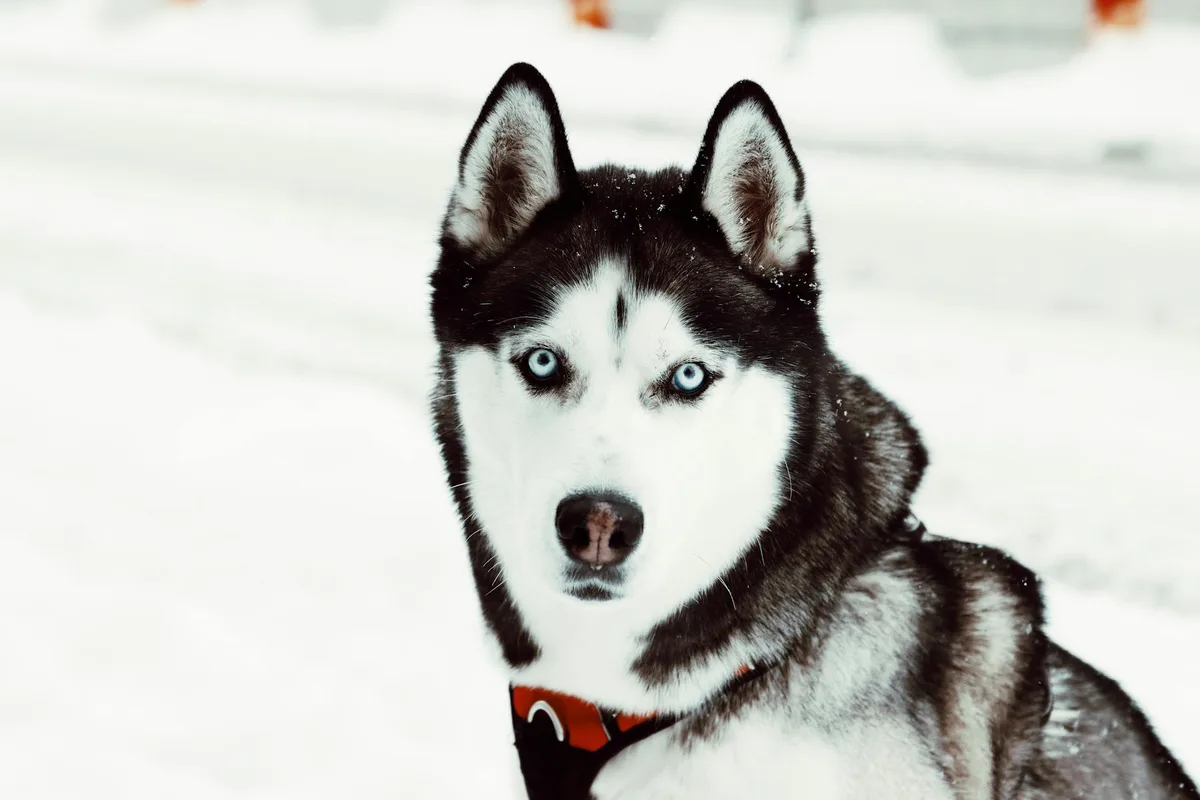
  • Understanding Canadian Eskimo Dog Temperament: A Comprehensive Guide

    Understanding Canadian Eskimo Dog Temperament: A Comprehensive Guide

    What Makes Arctic Dog Temperament Unique

    Have you ever wondered what sets the temperament of Canadian Eskimo Dogs apart from other breeds? These arctic dogs are renowned for their loyalty and pack behavior, deeply rooted in their natural instincts. Their unique temperaments are shaped by their environment and history.

    Canadian Eskimo Dogs exhibit strong socialization needs, often requiring more interaction compared to other breeds. Their natural behavior includes a pronounced prey drive, which can be effectively managed through proper training and socialization. Cold weather influences their temperament, making them resilient and adaptable in harsh conditions.

    Their personality traits, such as independence and determination, are a testament to their historical role as sled dogs. Understanding their history and physical traits can further illuminate why Canadian Eskimo Dogs behave the way they do.

    The History and Physical Traits of Canadian Eskimo Dogs

    The story of the Canadian Eskimo Dog is as rich and layered as the icy landscapes they hail from. Originating in the Arctic, these dogs were indispensable to Inuit communities, serving as sled dogs and hunting companions. This cultural significance has ingrained a strong work ethic in their temperament.

    Historically, their population faced challenges, particularly during the mid-20th century when mechanized transport reduced their numbers. Despite these setbacks, their resilient nature and history as Inuit sled dogs have shaped them into hardworking, loyal animals today. Next, we will explore the distinctive physical characteristics that make these dogs so unique.

    Origins and Historical Significance

    The Canadian Eskimo Dog’s appearance is not just striking but also a testament to its survival in one of the harshest climates on Earth. Originating from the Arctic regions of Canada, these dogs were essential to Inuit communities for hunting and sledding. Their double coat insulates against extreme cold, a trait shared by other arctic breeds.

    Unlike many other breeds, Canadian Eskimo Dogs possess a robust body structure and thick fur, adaptations necessary for enduring freezing temperatures. These physical traits are comparable to those of Siberian Huskies and Alaskan Malamutes, which also thrive in cold environments. Now that we understand their history and physical traits, let’s dive into the temperament traits that truly stand out.

    Distinctive Physical Characteristics

    From their striking appearance to their robust build, Canadian Eskimo Dogs are truly a breed apart. These dogs are medium to large-sized, with males weighing between 66 to 88 pounds. Their thick double coats come in various colors, including white, black, gray, and red. A distinctive ‘mask’ pattern often adorns their faces, a nod to their ancestral lineage.

    Their almond-shaped eyes and erect ears enhance their alert expression, while their powerful legs and muscular bodies enable them to excel in demanding arctic environments. These physical characteristics not only contribute to their working abilities but also influence their temperament, making them both resilient and independent.

    With a solid understanding of their unique traits, let’s explore the temperament traits that define these remarkable dogs.

    Temperament: Traits That Stand Out

    What makes a Canadian Eskimo Dog tick? Their temperament is a fascinating blend of loyalty, intelligence, and independence. Known for their strong protective instincts, these arctic dogs are excellent watchdogs, yet remain affectionate with family members. Their intelligence shines in problem-solving, while their independence may lead to self-directed play.

    In family settings, Canadian Eskimo Dogs often display unwavering loyalty, forming deep bonds with their owners. They interact well with other pets, though their independent streak might occasionally surface. For instance, during playtime, they might choose solitary exploration over group activities, showcasing their unique personality.

    Next, we will discuss the essential care and training needs for these unique dogs.

    Care, Training, and Ideal Environments for Canadian Eskimo Dogs

    a dog wearing a red sweater and standing on a rock with trees and bushes
    Photo by Ariana Kaminski on Unsplash

    Caring for a Canadian Eskimo Dog involves much more than just feeding and walking; it requires a commitment to their physical and mental health. These arctic dogs need a high-protein diet to support their active lifestyle. Daily exercise is essential, with activities like long walks or runs. Grooming includes regular brushing to manage their thick coat.

    Canadian Eskimo Dogs thrive on mental challenges, which can include puzzle toys or training games. Socialization is equally crucial to prevent behavioral issues. Establishing a balanced routine ensures their well-being.

    With a solid understanding of care needs, let’s explore effective training strategies tailored for Canadian Eskimo Dogs.

    Essential Care Needs

    Understanding the unique care needs of Canadian Eskimo Dogs is crucial for any prospective owner. Dietary needs include high-quality, protein-rich foods such as those offered by brands like Hill’s Science Diet. Regular grooming is essential; their thick double coat requires brushing several times a week, especially during heavy shedding periods twice a year.

    Additionally, regular veterinary check-ups and vaccinations are vital components of care. Ensuring these needs are met will help maintain your dog’s health and happiness. Now, let’s discuss training strategies that can help you successfully raise a Canadian Eskimo Dog.

    Training Strategies for Success

    Training a Canadian Eskimo Dog can be a rewarding experience when you understand their unique learning styles and instincts. These intelligent dogs thrive on positive reinforcement techniques, such as treats and praise. Consistency and patience are key, as they respond well to commands that engage their natural instincts, like pulling or herding activities.

    Commands such as “sit,” “stay,” and “pull” can be effectively incorporated into their training routine. Remember, arctic dog training tips emphasize the importance of activities that mirror their historical roles. Next, we will explore how to create the perfect environment for these dogs to thrive.

    Creating the Perfect Environment

    Creating the right environment for a Canadian Eskimo Dog is crucial to ensure they lead a happy and fulfilling life. These dogs thrive in spacious areas that allow for outdoor activities, reflecting their heritage of endurance and strength in harsh climates. An ideal environment for Canadian Eskimo Dogs includes ample space for exercise and play.

    To meet their physical and mental needs, provide interactive toys and regular socialization with other pets and people. This not only enriches their lives but also supports their temperament. Proper dog living conditions include a cool climate and a stimulating home setup.

    Now, let’s address some common health concerns and behavioral solutions for Canadian Eskimo Dogs.

    Health Concerns and Behavioral Solutions for Canadian Eskimo Dogs

    Understanding the health concerns of Canadian Eskimo Dogs is essential for any owner committed to their long-term well-being. These dogs are prone to specific genetic conditions, such as hip dysplasia and eye problems. Regular veterinary check-ups and preventative care, like joint supplements and eye screenings, can mitigate these risks. Behavioral issues may arise if these health problems go unaddressed, leading to discomfort and anxiety in your pet. Choosing reputable breeders who conduct thorough health screenings is crucial. Next, we will explore behavioral challenges and solutions that Canadian Eskimo Dog owners may encounter.

    Common Health Issues

    Every dog breed has its health quirks, and Canadian Eskimo Dogs are no exception—let’s delve into what you need to know. These arctic dogs are prone to hip dysplasia, eye disorders, and hypothyroidism. Regular dog vet check-ups are crucial for early detection and management of these conditions.

    Research shows that Canadian Eskimo Dogs are at a higher risk for certain hereditary conditions, emphasizing the need for genetic testing in breeding practices. Statistics indicate that approximately 20% of these dogs may suffer from hip dysplasia, highlighting the importance of preventative care.

    Now, let’s discuss the behavioral challenges that may arise and how to effectively address them.

    Behavioral Challenges and Solutions

    Behavioral challenges can be daunting, but understanding the root causes can make all the difference in managing your Canadian Eskimo Dog’s behavior. Common issues like separation anxiety and excessive barking often arise from their high intelligence and need for mental stimulation. Creative dog training solutions, such as puzzle toys and interactive games, can effectively address these problems.

    For instance, one owner successfully curbed excessive barking by introducing daily scent-tracking exercises, providing both mental and physical engagement. Another found that consistent routines and positive reinforcement helped alleviate separation anxiety. These behavior management strategies highlight the importance of tailored approaches to each dog’s unique needs.

    Now, let’s move on to training tips and inspiring stories from owners that showcase the potential of Canadian Eskimo Dogs.

    Training Tips and Owner Stories: Bringing Out the Best in Canadian Eskimo Dogs

    a group of dogs pulling a person on a sled
    Photo by Dennis Zhang on Unsplash

    Bringing a Canadian Eskimo Dog into your home is an exciting adventure, but preparation is key to a successful transition. To ensure a smooth start, consider these essential steps:

    1. Prepare Your Home: Create a safe and welcoming space with designated areas for sleeping, eating, and playing.
    2. Set Expectations: Establish clear boundaries and consistent rules from day one to guide your dog’s behavior.
    3. Early Socialization: Many new owners underestimate its importance, yet it is crucial for adaptability and positive behavior.

    One owner shared, “Our initial training involved daily socialization walks, which made a world of difference.” Let’s dive into step-by-step training techniques that will help you and your Canadian Eskimo Dog thrive together.

    Preparing for Training

    Preparation is not just about supplies; it’s about setting the stage for a harmonious relationship with your Canadian Eskimo Dog. Establishing a consistent routine from day one can greatly enhance the training process and help your Canadian Eskimo Dog feel secure.

    1. Introduce your Canadian Eskimo Dog to family members and other pets gradually.
    2. Establish a routine for feeding, exercise, and training.
    3. Use an arctic dog training checklist to ensure you have all necessary supplies.

    Now, let’s explore step-by-step training techniques that will help you build a strong bond with your Canadian Eskimo Dog.

    Step-by-Step Training Techniques

    Training your Canadian Eskimo Dog can be a fun and rewarding experience when you use the right techniques and engage their natural instincts. Here are some effective training techniques:

    1. Basic Commands: Start with essential commands like sit, stay, and come, which are crucial for daily life and safety.
    2. Advanced Techniques: Engage their intelligence with agility courses that combine training with play, enhancing their learning experience.
    3. Incorporate Play: Use toys and games during training sessions to keep your dog motivated and attentive.

    Finally, let’s hear success stories from owners that highlight the joys and challenges of raising a Canadian Eskimo Dog.

    Success Stories from Owners

    Every Canadian Eskimo Dog has a story, and the journeys of their owners can provide valuable insights and inspiration for new families. Here are some inspiring Canadian Eskimo Dog owner stories:

    1. Overcoming Challenges: One owner shared how their dog initially struggled with basic commands. Through consistent training, the dog not only learned obedience but also excelled in pulling sleds.
    2. Building Bonds: A testimonial highlighted the deep bond formed during training, emphasizing how the dog developed unique skills like participating in dog sports.

    Now, let’s compare Canadian Eskimo Dogs with other Arctic breeds to see how they stack up.

    Comparing Canadian Eskimo Dogs with Other Arctic Breeds

    When it comes to Arctic breeds, not all are created equal—let’s explore how Canadian Eskimo Dogs differ from their counterparts. While all Arctic breeds share some common traits, Canadian Eskimo Dogs are often more reserved and protective compared to the more social Siberian Huskies. This temperament comparison highlights key differences that affect their suitability for various lifestyles and families.

    Breed Temperament Traits
    Canadian Eskimo Dog Reserved, Protective, Loyal
    Siberian Husky Social, Playful, Friendly
    Alaskan Malamute Independent, Strong-willed, Affectionate

    These differences suggest that Canadian Eskimo Dogs may suit families seeking a protective companion, while Huskies and Malamutes might be better for those desiring a more social pet. Next, we will dive into physical and behavioral comparisons that further highlight these differences.

    Key Temperament Differences

    Understanding the social dynamics of Canadian Eskimo Dogs compared to other Arctic breeds can help potential owners choose the right fit for their lifestyle. The social behavior varies significantly between breeds, impacting family life and daily interactions.

    Aspect Canadian Eskimo Dog Husky
    Social Behavior Aloof with strangers, excellent watchdogs Welcoming and friendly
    Energy Levels High, requires extensive exercise Moderate to high, enjoys regular activity
    Family Interaction Loyal and protective Affectionate and playful

    Now, let’s explore the physical and behavioral comparisons that further distinguish Canadian Eskimo Dogs from other Arctic breeds.

    Physical and Behavioral Comparisons

    When comparing Canadian Eskimo Dogs to other Arctic breeds, the differences in both physical appearance and behavior can be striking. Canadian Eskimo Dogs are often more robust and muscular compared to other Arctic breeds, which can affect their exercise needs and training approaches.

    Aspect Canadian Eskimo Dogs Other Arctic Breeds
    Size & Build Robust and muscular Varies, often leaner
    Coat Type Thick, double-layered Similar, but can vary
    Trainability Independent, requires patience Generally more trainable

    Finally, we will help you determine which breed is the best fit for your lifestyle.

    Which Breed is Right for You?

    Choosing the right dog is a significant decision—let’s explore how to find the perfect Arctic breed for your home and lifestyle. Understanding your own lifestyle and preferences is crucial, as Canadian Eskimo Dogs require a high level of commitment and engagement compared to some other breeds.

    Consideration Canadian Eskimo Dog Other Arctic Breeds
    Activity Level High Varies
    Family Dynamics Requires experienced owners More adaptable
    Commitment Very high Moderate
    • Do I have time for daily exercise and training?
    • Is my family experienced with high-energy dogs?
    • Can I provide a stimulating environment?

    Next, we will address frequently asked questions about Arctic dog temperament and more.

    FAQs About Arctic Dog Temperament and More

    a dog sitting in the grass
    Photo by Wen Zhu on Unsplash

    Curious about Arctic dog temperament? Here are the most frequently asked questions that can help guide your understanding.

    • What is the temperament of a Canadian Eskimo Dog?

      These dogs are known for their loyalty and intelligence, but their temperament can vary significantly based on upbringing and socialization experiences.

    • How should I train a Canadian Eskimo Dog?

      Consistent training and early socialization are crucial. These dogs respond well to positive reinforcement techniques.

    • Are there specific care requirements for Arctic dogs?

      Yes, they require regular exercise and mental stimulation. For more details, visit the American Kennel Club.

    Let’s start with the typical temperament traits of Arctic dogs.

    What is the typical temperament of Arctic dogs?

    What can you expect from the temperament of an Arctic dog? Let’s explore the defining traits of these unique breeds. Arctic dogs, particularly the Canadian Eskimo Dog, are known for their loyalty, intelligence, and independence. These traits can vary based on individual dogs and their environments. Early socialization is crucial, as it significantly influences their behavior. Typically, they are gentle with families but may exhibit dominance around other pets.

    Next, we will examine how Canadian Eskimo Dogs interact with children.

    How do Canadian Eskimo Dogs interact with children?

    Are Canadian Eskimo Dogs good with children? Their temperament can lead to strong protective bonds with the little ones in your family. Known for their protective instincts, these arctic dogs often form deep connections with children, ensuring a safe environment. Families report that with proper training and supervision, Canadian Eskimo Dog children interactions are positive and nurturing.

    • Always supervise playtime to ensure dog safety with kids.
    • Teach children to respect the dog’s space and signals.

    Next, let’s explore whether Canadian Eskimo Dogs are suitable for apartment living.

    Are Canadian Eskimo Dogs suitable for apartment living?

    Can a Canadian Eskimo Dog thrive in an apartment? Let’s explore the factors that determine their adaptability to smaller living spaces. While Canadian Eskimo Dogs can adapt to apartment living, they require a significant amount of daily exercise and mental stimulation to thrive. Their high energy levels and space requirements can pose challenges. To successfully manage a Canadian Eskimo Dog in an apartment, owners should ensure regular outdoor activities and engage them with interactive toys. Next, we will discuss the grooming needs of Canadian Eskimo Dogs.

    What are the grooming needs of Canadian Eskimo Dogs?

    Grooming a Canadian Eskimo Dog is essential for their health—let’s dive into what you need to know to keep their coat in top shape. Regular brushing, at least once a week, is crucial to prevent matting and maintain healthy skin. During seasonal shedding, which occurs twice a year, increase brushing frequency to manage the heavy shedding effectively. Bathing should be done only when necessary to preserve the natural oils in their coat. Finally, we will address how to adopt a Canadian Eskimo Dog.

    How can I adopt a Canadian Eskimo Dog?

    Thinking about bringing a Canadian Eskimo Dog into your home? Here’s everything you need to know about the adoption process. Start by researching arctic dog rescue organizations and shelters that specialize in adopting Canadian Eskimo Dogs. Understanding the breed’s temperament and care requirements is crucial, as many of these dogs are in shelters due to their specific needs.

    • Research breed-specific rescues and shelters.
    • Contact organizations for available dogs.
    • Prepare your home for their unique needs.
    • Complete the adoption process with informed commitment.

    For more resources, visit Petfinder or Adopt a Pet to find Canadian Eskimo Dogs in need of a loving home.

    Key Takeaways About Arctic Dog Temperament

    As we wrap up our exploration of Canadian Eskimo Dogs, let’s reflect on the key traits that make them such remarkable companions. These dogs are known for their loyalty, intelligence, and resilience. Understanding these unique temperament traits is crucial for potential owners, as it can significantly enhance the owner-dog relationship and lead to a more fulfilling companionship.

    Canadian Eskimo Dogs require dedicated care, including regular exercise and mental stimulation, to thrive. Recognizing these needs is essential for anyone considering arctic dog ownership. By adopting from a rescue organization, you not only gain a loyal friend but also contribute to the preservation of this incredible breed.

    Join us in making a difference—consider adopting a dog or volunteering with ADRTC today!
  • Overcoming Common Challenges in Arctic Dog Training During Winter

    Overcoming Common Challenges in Arctic Dog Training During Winter

    What Makes Arctic Dog Training Unique

    What if the very traits that make arctic dogs so lovable also complicate their training? Arctic dog breeds like Siberian Huskies and Alaskan Malamutes possess thick fur and high energy levels, which require specialized training approaches. Their high prey drive can further complicate training if not addressed early. These unique characteristics necessitate tailored methods to meet their specific needs.

    For example, the unique training needs for huskies often involve managing their energy and prey instincts, while training challenges for malamutes may focus on their independent nature. Understanding these characteristics sets the stage for exploring the specific challenges faced during winter training.

    Common Challenges in Arctic Dog Training During Winter

    Close-up of a Siberian Husky wearing a harness, enjoying a snowy outdoors scene.
    Photo by Sergei Starostin on Pexels

    As the temperature drops, so do the challenges of training your arctic dog—what should you watch for? Icy surfaces and extreme temperatures can significantly hinder outdoor training sessions. Shorter daylight hours further complicate schedules, often leading to decreased activity levels. Statistics show that winter weather can reduce training effectiveness by up to 30%. Many trainers report that arctic breeds can become less responsive in extreme cold, leading to increased training difficulties.

    Next, we will delve deeper into how extreme cold specifically affects dog behavior.

    Impact of Extreme Cold on Dog Behavior

    Have you ever noticed your arctic dog acting differently when the temperature plummets? Extreme cold can lead to lethargy, affecting their willingness to participate in training. Physical discomfort from cold weather impacts focus and engagement. Research indicates that arctic dogs may exhibit anxiety or stress, hindering training progress.

    With these behavioral changes in mind, let’s explore the limited outdoor training opportunities that arise in winter.

    Limited Outdoor Training Opportunities

    When winter strikes, outdoor training can feel like an uphill battle—what are the alternatives? Snow and ice often limit safe outdoor dog training opportunities, especially in regions with average temperatures dropping below -20°C and snowfall exceeding 100 inches annually. These conditions can disrupt training schedules and lead to restlessness in arctic breeds.

    Many trainers find that arctic breeds can become bored or restless when outdoor training is limited, leading to behavioral issues. To counteract this, consider winter training alternatives such as indoor agility courses or obedience training in community centers. These methods help maintain engagement and focus despite the harsh weather.

    Now that we understand the limitations, let’s discuss how to maintain motivation and focus during these challenging months.

    Maintaining Motivation and Focus

    How do you keep your arctic dog excited about training when the weather is less than inviting? Common challenges include decreased energy levels and distractions. To maintain winter dog training focus, try varying routines and incorporating short, high-energy play sessions. Experienced trainers suggest these techniques to boost arctic dog training motivation effectively.

    Having addressed motivation, we now turn our attention to the psychological effects of winter on arctic dogs.

    Psychological Effects of Winter on Arctic Dogs

    Could the winter blues be affecting your arctic dog more than you realize? Seasonal affective disorder in dogs is a real concern, especially for arctic breeds. Symptoms such as lethargy, decreased appetite, and mood changes can manifest during the colder months. Studies indicate that these breeds are particularly susceptible to mood changes due to their natural habitat and lifestyle preferences, highlighting the importance of winter mental health for dogs.

    Changes in routine and environment can significantly impact a dog’s mental health. Understanding these psychological effects is crucial as we explore behavioral changes and coping mechanisms.

    Seasonal Affective Disorder in Dogs

    Is your dog acting withdrawn this winter? It could be more than just the cold—let’s explore seasonal affective disorder in dogs. Dog seasonal affective disorder symptoms include lethargy, changes in appetite, and a preference for solitude. These symptoms are often exacerbated by reduced sunlight, a common environmental factor in arctic regions.

    According to AKC, arctic breeds may experience winter blues more intensely, leading to decreased interest in social interactions, sometimes mistaken for behavioral issues. Trainers have observed that dogs with SAD often show reluctance to engage in activities they once enjoyed.

    With an understanding of SAD, we can now look at how behavioral changes manifest and what coping mechanisms can be employed.

    Behavioral Changes and Coping Mechanisms

    Have you noticed your arctic dog acting out this winter? Understanding their behavior can help you provide better support. Common winter behavioral changes in dogs include increased irritability or withdrawal. Some dogs may develop compulsive behaviors, such as excessive barking or digging, as coping mechanisms for winter stress.

    To address these changes effectively, monitor your dog’s behavior closely and provide ample exercise and mental stimulation. Now that we have explored behavioral changes, let’s discuss how owners can support their dogs emotionally during this season.

    How Owners Can Support Their Dogs Emotionally

    Wondering how to keep your arctic dog happy and healthy during the long winter months? Here are some effective strategies. Engage in daily mental stimulation activities, such as training games, to reduce anxiety and improve well-being. Increase social interaction through indoor playdates, and maintain a consistent routine to provide security.

    With emotional support strategies in place, let’s explore practical training solutions for the cold weather.

    Indoor and Outdoor Training Solutions for Cold Weather

    Close-up of Siberian Huskies on a snowy winter day with people outdoors.
    Photo by Sergei Starostin on Pexels

    As the temperatures drop, how can you ensure your dog continues to learn and grow? Here’s how to adapt your training approach for winter.

    1. Create a designated indoor training area to improve focus and reduce distractions. Ensure the space is safe and comfortable, using heated mats if necessary.
    2. Adapt outdoor exercises by shortening sessions and incorporating warm-up routines. Use protective gear like dog coats and booties to maintain effectiveness.
    3. Utilize specific tools such as indoor agility equipment to keep your dog engaged and active during winter training for arctic breeds.

    Next, we will discuss how to prepare your indoor space effectively for training.

    Preparing Your Indoor Space for Training

    Is your home ready for winter training? Let’s transform your indoor space into a dog training haven!

    1. Space: Choose a clutter-free area with enough room for movement.
    2. Lighting: Ensure the area is well-lit to keep your dog engaged.
    3. Temperature Control: Maintain a comfortable temperature to prevent distractions.
    4. Minimize Distractions: Remove noisy items and keep the area quiet.
    5. Utilize Household Items: Use interactive toys and puzzles to create an engaging indoor dog training setup.

    With an effective indoor space prepared, let’s explore how to adapt outdoor exercises for winter conditions.

    Tools and Equipment for Effective Cold Weather Training

    Are you equipped for winter training? Here are the must-have tools to keep your arctic dog safe and engaged!

    1. Insulated Jackets: Brands like Ruffwear offer jackets that provide warmth without restricting movement.
    2. Booties: Protect paws from ice and snow with durable booties from brands like Muttluks.
    3. Training Aids: Use cold-resistant toys and treats to maintain focus and motivation.

    Investing in high-quality winter dog training equipment can significantly reduce the risk of injury and improve training outcomes. With the right tools in hand, let’s explore mental stimulation techniques that can keep arctic dogs engaged during winter.

    Mental Stimulation Techniques for Winter Training

    How can you keep your arctic dog’s mind sharp when the weather turns frigid? Here are some engaging techniques to try! Mental stimulation for dogs in winter is crucial for maintaining their well-being. Incorporating mental challenges into training can prevent boredom and reduce behavioral issues commonly seen in arctic breeds.

    Engage your dog with indoor dog puzzles and games, such as puzzle toys that challenge their problem-solving skills. Scent games are another excellent option, encouraging your dog to use their keen sense of smell. Additionally, social interaction plays a vital role in mental stimulation, enhancing training effectiveness.

    Now, let’s take a look at interactive games and puzzles that can provide mental stimulation.

    Interactive Games and Puzzles

    Looking for ways to keep your dog entertained indoors? Interactive games and puzzles might be the perfect solution! Popular options include treat-dispensing toys and puzzle boards, which are among the best puzzles for dogs. These games enhance problem-solving skills and keep dogs mentally engaged, making them excellent indoor dog training games.

    Many dogs find puzzle toys not only mentally stimulating but also rewarding, leading to increased engagement in training activities. To introduce these games, start with simple puzzles and gradually increase complexity as your dog becomes more adept. This approach maximizes their effectiveness and keeps your arctic dog mentally sharp during winter.

    Next, we will explore how scent work and problem-solving activities can further enhance your dog’s training experience.

    Scent Work and Problem-Solving Activities

    Did you know your dog’s nose could be the key to keeping them engaged this winter? Let’s explore the world of scent work! Scent work for dogs taps into their natural instincts, offering a fulfilling challenge that enhances their overall well-being. Here’s how you can incorporate it into your arctic dog’s training routine:

    • Step 1: Choose a variety of scents, such as essential oils or treats.
    • Step 2: Hide these scents in different locations around your home.
    • Step 3: Encourage your dog to find the scents, rewarding them with treats or praise upon discovery.

    These dog problem-solving activities can alleviate boredom and anxiety, especially during the long winter months. Finally, we will discuss how to incorporate training into daily routines to maintain consistency.

    Incorporating Training into Daily Routines

    What if training your dog could be as simple as your daily routine? Here’s how to make it work! Integrating training into life can transform everyday tasks into valuable learning experiences. During walks, practice commands like “sit” or “stay” at intervals. Use feeding times to reinforce obedience by asking for a command before giving food.

    Consistency is key in daily dog training routines. Regularly incorporating these exercises helps reinforce training principles, making them second nature. Get creative by using playtime to teach fetching or agility exercises. Integrating training into daily routines enhances adaptability and responsiveness, crucial for arctic dog training tips.

    With these techniques in mind, let’s compare training methods across different climates.

    FAQ: Addressing Common Dog Training Questions

    brown and black short coated dog on gray rock during daytime
    Photo by Annie Spratt on Unsplash

    Got questions about training your dog in winter? You’re not alone—let’s tackle some of the most common queries!

    • Is winter dog training effective?

      Yes, with the right strategies, winter training can be just as effective as in milder weather.

    • How does cold weather affect dog behavior?

      Cold weather can make some dogs less active, but consistent training helps maintain their focus.

    • What are common dog training concerns in winter?

      Many worry about safety and motivation, but proper gear and positive reinforcement can address these issues.

    Let’s dive into specific questions that dog owners frequently ask.

    How Can I Keep My Dog Engaged Indoors?

    Feeling stuck indoors with your dog? Here are some creative ways to keep them engaged and happy! Utilize interactive toys and training games to stimulate their minds. Establish a routine and maintain consistency to keep engagement levels high. Short, frequent training sessions can often be more effective than longer ones, especially in indoor settings.

    Next, we’ll explore the best ways to train dogs effectively in extreme cold.

    What Are the Best Ways to Train in Extreme Cold?

    Wondering how to train your dog when the temperatures drop? Here are the best techniques for extreme cold! Shorter training sessions paired with increased rewards are highly effective. Monitoring your dog’s comfort and safety is crucial. Trainers often find that dogs are more responsive when sessions are brief and positive. Let’s also address how to recognize if your dog is affected by winter blues.

    How Do I Know if My Dog is Affected by Winter Blues?

    Is your dog feeling the winter blues? Here’s how to spot the signs and help them through it. Look for signs of depression in dogs such as lethargy, changes in appetite, and decreased interest in play. Monitor your dog’s mental health in winter by noting any unusual behaviors. Many owners overlook these subtle signs, leading to prolonged discomfort. Next, we’ll explore whether certain breeds are better suited for arctic training.

    Are Certain Breeds Better Suited for Arctic Training?

    Could your choice of dog breed impact their training success in the arctic? Let’s find out! Breeds like Siberian Huskies and Alaskan Malamutes, known for their thick coats and high energy levels, are among the best breeds for arctic training. These arctic dog breed characteristics make them naturally adaptable to cold weather training.

    Breeds with a history of working in cold climates often have innate skills that make them more adaptable to winter training challenges. It’s crucial to adopt breed-specific training approaches to maximize their potential. As we wrap up, let’s summarize the key takeaways about overcoming arctic dog training challenges.

    Key Takeaways About Overcoming Arctic Dog Training Challenges

    Ready to tackle the challenges of training your arctic dog this winter? Here are the key takeaways to keep in mind! During the harsh winter months, arctic dog training can be complicated by both behavioral and environmental factors. It’s crucial to provide mental stimulation and remain adaptable in your training methods. Effective training in arctic conditions often requires a blend of creativity, patience, and understanding of each dog’s unique needs.

    Implement the strategies discussed to achieve successful training outcomes. Join us in making a difference—consider adopting a dog or volunteering with ADRTC today!