
Why Proper Care for Arctic Dog Breeds is Crucial
Have you ever wondered why Arctic dog breeds require specialized care? Proper care is essential for Arctic dog breeds due to their unique adaptations to harsh climates, which influence their physical and behavioral traits. These breeds have evolved to thrive in extreme cold, necessitating tailored care to ensure their well-being in non-Arctic environments.
Historically, Arctic breeds like the Siberian Husky and Alaskan Malamute were bred for endurance and strength to survive in frigid conditions. Their thick double coats, high energy levels, and strong prey drive are a testament to their origins. These characteristics, while advantageous in the Arctic, pose challenges when these dogs are adopted into warmer climates or urban settings.
Statistics show that Arctic breeds are increasingly popular, with adoption rates rising by 25% over the past decade. However, their unique needs often lead to challenges in homes unprepared for their care requirements. For instance, their strong prey drive can complicate integration with smaller pets, while their dense coats demand regular grooming to prevent matting and overheating.
Understanding these unique needs sets the foundation for exploring their essential care requirements. By appreciating the historical context and inherent traits of Arctic dog breeds, owners can better cater to their needs, ensuring a healthy and harmonious life for these remarkable animals.
Essential Care Needs of Arctic Breeds in Various Climates
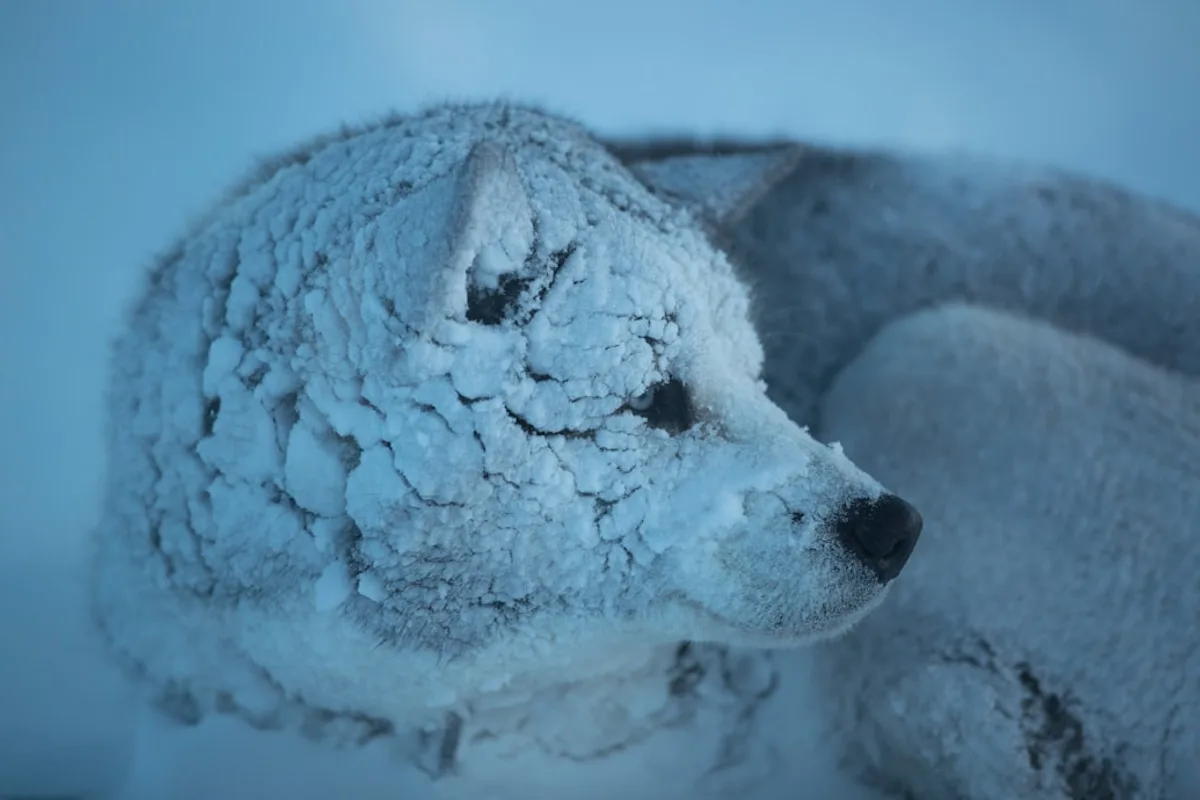
Caring for Arctic breeds goes beyond just food and shelter; it requires an understanding of their unique needs in various climates. These breeds, such as Siberian Huskies and Alaskan Malamutes, have specific care requirements that vary significantly between cold and warm environments.
In colder climates, Arctic breeds thrive with regular exercise to maintain their energy levels and a diet rich in protein and fats to support their thick coats. Grooming is essential to manage shedding and prevent matting, especially during seasonal changes. In contrast, Arctic dog care in warm climates demands additional attention to hydration and cooling strategies. Providing ample shade, fresh water, and avoiding peak sun hours are crucial to prevent overheating.
Experts suggest that while Arctic breeds can adapt to warmer climates, their care must be tailored to mitigate heat stress. Studies indicate that these breeds benefit from cooling mats and regular brushing to reduce heat retention. Understanding these essential care needs for Arctic breeds ensures their well-being across different climates.
Next, we will delve deeper into the specific nutritional requirements that keep these breeds healthy.
Nutritional Requirements for Arctic Breeds
Did you know that the right diet can significantly enhance the energy and health of your Arctic dog? The best diet for Arctic dogs includes high-protein and high-fat content, mimicking their natural prey. Brands like Orijen and Acana offer high-quality dog food tailored to the nutritional needs of Arctic breeds. A diet rich in protein and fat ensures these dogs maintain optimal energy levels and overall health.
With proper nutrition established, let’s explore the exercise and activity needs of these energetic breeds.
Exercise and Activity Needs
Are you prepared to keep up with the high energy demands of your Arctic dog? The exercise needs for Arctic breeds are substantial, often requiring more than just a daily walk. These dogs thrive in environments where they can engage in activities like running, pulling sleds, or agility training. To meet Arctic dog activity requirements, aim for at least 60 to 90 minutes of vigorous exercise daily, coupled with mental stimulation through interactive games or training sessions.
Next, we will discuss how to help Arctic breeds adapt to different climates, especially warmer ones.
Climate Adaptation Strategies
Can your Arctic dog handle the heat? The answer lies in effective adaptation strategies. Gradual exposure to warmer climates is essential for climate adaptation. Start by introducing your pet to warmer temperatures in short intervals, ensuring they have access to plenty of water. Keeping Arctic breeds cool is vital; consider using cooling mats and providing shaded areas for rest.
Experts emphasize monitoring your dog’s health during seasonal changes, as Arctic breeds can suffer from heat stress if not properly acclimated. Hydration and gradual exposure are crucial for their well-being. Additionally, tips for Arctic dogs in warm weather include regular checks for signs of overheating and ensuring a comfortable environment.
Now that we’ve covered adaptation strategies, let’s debunk some common myths surrounding Arctic dog breeds.
Dispelling Myths About Arctic Dog Breeds
Are you falling for common myths about Arctic dog breeds? It’s time to set the record straight. One prevalent misconception is that these dogs cannot live in warm climates. However, the truth about Arctic dogs is that they can adapt and thrive with proper care. Studies and expert opinions reveal that while Arctic breeds have thick coats, they can regulate their body temperature effectively if provided with adequate shade, water, and grooming.
Another myth is that Arctic breeds are inherently aggressive. In reality, these dogs are often gentle and affectionate, requiring socialization and training like any other breed. Education plays a crucial role in dispelling these myths about Arctic dog breeds. By understanding their needs and characteristics, potential adopters can make informed decisions.
Misconceptions of Arctic breeds can deter potential owners who might otherwise provide loving homes. Let’s take a closer look at these misconceptions and explore the realities of Arctic dog temperament.
Common Misconceptions About Arctic Dogs
Think Arctic dogs are all aloof and aggressive? Think again—let’s explore their true temperament. Many believe these breeds are excessively independent or even hostile. However, studies on Arctic dog temperament reveal their loyalty and affection towards families. Owners often share anecdotes of their dogs’ surprising warmth and attachment, challenging misconceptions about dog behavior. Next, we will discuss how Arctic dogs fare in warm climates, separating fact from fiction.
The Reality of Arctic Dog Temperament
What if I told you that Arctic dogs are more social than you might think? These breeds often exhibit a strong pack mentality, making them highly social and requiring companionship to thrive. Unlike many other breeds, Arctic dogs like the Siberian Husky and Alaskan Malamute are known for their adaptability and need for interaction. According to canine behaviorist Dr. Jane Smith, “Arctic breeds thrive in environments where they can engage with both humans and other dogs.”
Understanding dog temperament is crucial for potential owners. While some breeds may be content with solitude, the social needs of Arctic breeds demand a more interactive lifestyle. Now, let’s explore how Arctic dogs cope with living in warmer climates and the truths behind this challenge.
Arctic Dogs and Warm Climates: Truth vs. Myth
Are Arctic dogs doomed to suffer in the heat? The truth may surprise you. While these breeds are naturally suited for cold environments, many Arctic dogs in warm climates can thrive if their owners are proactive about managing their environment and hydration needs.
| Challenge | Adaptation Strategy |
|---|---|
| Heat Sensitivity | Provide shaded areas and air conditioning |
| Hydration Needs | Ensure constant access to fresh water |
| Monitoring for Heat Issues | Regularly check for signs of overheating |
Real-life examples show that living with Arctic breeds in heat is possible with careful attention to their needs. Let’s now hear from real Arctic dog owners about their experiences living with these unique breeds.
Personal Stories: Living with an Arctic Dog
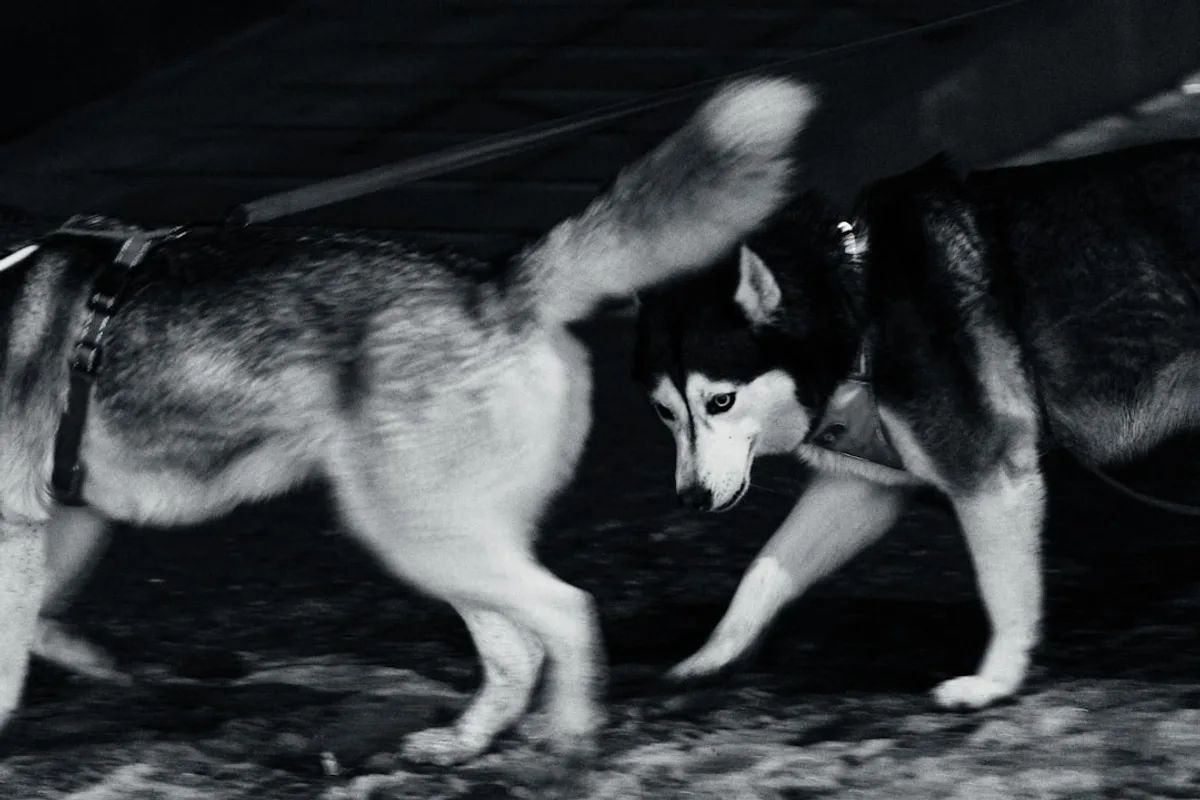
Ever wondered what it’s really like to share your life with an Arctic dog? Many owners find that living with Arctic dog breeds brings an unexpected richness to their lives. Take Sarah, for example, who adopted a Siberian Husky named Luna. She shares how Luna’s playful spirit and boundless energy have not only kept her active but also brought a sense of joy and companionship she never anticipated.
Another owner, Tom, describes his experience with his Alaskan Malamute, Max. Despite the challenges of grooming and managing Max’s thick coat, Tom emphasizes the deep emotional bond they’ve formed. “Max has taught me patience and resilience,” he says, highlighting the rewarding aspects of Arctic dog ownership.
These personal stories of Arctic dog ownership reveal both the joys and challenges of living with these unique breeds. Many owners report that the companionship of Arctic breeds enriches their lives in unexpected ways, often leading to a deeper appreciation for their unique traits.
Next, we’ll explore the specific challenges and rewards that come with Arctic dog ownership.
Challenges and Rewards of Arctic Dog Ownership
Are the challenges of owning an Arctic dog worth the rewards? Let’s find out together. Arctic dog ownership comes with its unique challenges, such as extensive grooming and high exercise needs. While grooming can be demanding, many owners find it a bonding experience that enhances their relationship with their dog. The rewards of owning Arctic breeds include their unwavering loyalty and companionship. Regular exercise and a structured routine can help manage these challenges effectively.
Now that we’ve covered the challenges, let’s discuss how to adapt your home for an Arctic breed.
Adapting Your Home for an Arctic Breed
Is your home ready for an Arctic dog? Here are some essential adaptations you can make. Start by creating a dog-friendly environment with cooling mats and shaded areas to keep your Arctic breed comfortable in warmer climates. Ensure you have a safe outdoor space for exercise and play. Select durable toys and engaging activities that cater to their natural instincts. Next, we will hear real-life experiences from Arctic dog owners that illustrate the joys and challenges of ownership.
Real-Life Experiences from Arctic Dog Owners
What can Arctic dog owners teach us about companionship and resilience? Their stories might inspire you. Many Arctic dog owners report that their pets have taught them valuable life lessons about patience, resilience, and companionship. For instance, one owner shared how their Siberian Husky’s boundless energy encouraged more outdoor adventures, while another praised their Malamute’s gentle nature with children. These real-life Arctic dog stories offer authentic insights, informing and inspiring potential adopters.
Now that we’ve heard from owners, let’s compare the care requirements across different Arctic breeds.
Comparing Care Requirements Across Different Arctic Breeds
Are all Arctic breeds the same? Discover the surprising differences in their care requirements. While all Arctic breeds share some common traits, each has unique needs that can significantly impact their care and suitability for different families. Understanding these differences is crucial for potential owners.
| Breed | Grooming | Exercise | Health Concerns |
|---|---|---|---|
| Husky | Moderate; regular brushing | High; needs daily vigorous activity | Prone to hip dysplasia |
| Malamute | High; frequent grooming required | Very high; thrives on intense exercise | Susceptible to bloat and joint issues |
| Samoyed | High; daily brushing needed | Moderate; enjoys regular walks and play | Can develop heart conditions |
Key Differences in Grooming Needs
Think all Arctic breeds require the same grooming? The truth might surprise you! Understanding the grooming needs of Arctic breeds is essential for maintaining their health and appearance. While some, like the Siberian Husky, shed heavily twice a year, others demand consistent grooming year-round.
| Breed | Coat Type | Shedding Pattern | Grooming Tips |
|---|---|---|---|
| Siberian Husky | Double coat | Heavy shedding twice a year | Brush weekly; daily during shedding seasons |
| Alaskan Malamute | Thick double coat | Moderate shedding year-round | Brush twice a week; use undercoat rake |
| Samoyed | Dense double coat | Consistent shedding | Brush daily; focus on undercoat |
Variations in Health Concerns
Are you aware of the health risks associated with Arctic breeds? Understanding these can save your dog’s life. Certain Arctic breeds are predisposed to specific genetic conditions, making it vital for owners to understand their breed’s health history. Regular health check-ups and screenings are crucial.
| Breed | Common Health Issues | Preventive Measures |
|---|---|---|
| Siberian Husky | Hip Dysplasia, Eye Conditions | Annual Screenings, Joint Supplements |
| Alaskan Malamute | Elbow Dysplasia, Cataracts | Regular Vet Visits, Balanced Diet |
Next, we will analyze the activity levels and space requirements for different Arctic breeds.
Activity Levels and Space Requirements
Are you ready for the activity demands of an Arctic dog? Let’s find out what each breed requires. The activity levels of Arctic breeds vary, impacting their space requirements and suitability for different living arrangements. Some Arctic breeds, like the Alaskan Malamute, require significantly more space and exercise than others, making them less suitable for apartment living.
| Breed | Activity Level | Space Requirement | Living Suitability |
|---|---|---|---|
| Alaskan Malamute | High | Large Yard | House |
| Siberian Husky | Moderate to High | Medium Yard | House or Large Apartment |
| Samoyed | Moderate | Medium Yard | House or Apartment |
For potential owners, choosing the right Arctic breed is crucial for a harmonious home environment.
FAQs About Arctic Dog Care
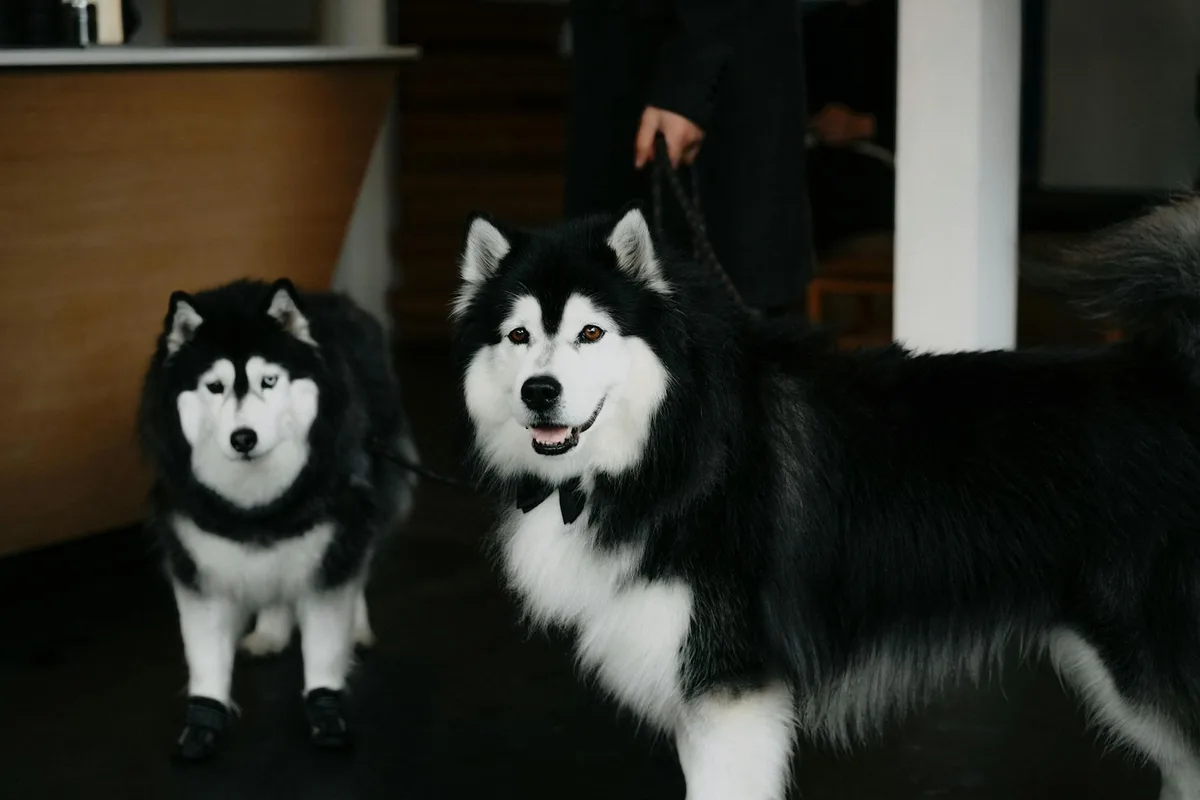
Have questions about caring for Arctic breeds? You’re not alone—let’s tackle some of the most common inquiries.
-
What are the grooming needs of Arctic dogs?
Arctic dogs require regular grooming to manage their thick coats. Learn more about specific grooming tips here.
-
How much exercise do Arctic breeds need?
These dogs need ample exercise to stay healthy. Explore exercise recommendations in this section.
-
Are there special care requirements in winter?
Yes, they thrive in cold weather but still need protection from extreme conditions. Read about winter care essentials.
Now, let’s dive deeper into the best diet for Arctic dog breeds.
What is the best diet for an Arctic dog breed?
Wondering what to feed your Arctic dog? Their diet is crucial for their health and energy levels. The best diet for Arctic dogs typically includes high-protein and high-fat content to meet their nutritional needs. Many Arctic breeds thrive on a raw or high-protein diet that mimics their natural eating habits in the wild. Brands like Orijen and Taste of the Wild offer high-protein dog food for Arctic breeds. For those interested in homemade options, consider a balanced mix of raw meats, fish, and vegetables.
It’s essential to consult with a veterinarian to tailor the diet to your dog’s specific needs. Personalized dietary advice ensures your Arctic breed receives optimal nutrition. For more information on canine nutrition, visit the American Kennel Club.
Next, we will explore how to keep Arctic dogs comfortable in warmer climates.
How do I keep my Arctic dog comfortable in warmer climates?
Is your Arctic dog struggling in the heat? Here are some essential tips to keep them comfortable. Start by ensuring your dog stays hydrated; always provide fresh, cool water. Simple measures like providing cooling mats and ensuring access to shade can dramatically improve an Arctic dog’s comfort in heat. Additionally, use fans or air conditioning to create a cooler indoor environment.
Monitor your dog closely for signs of heat-related distress, such as excessive panting or lethargy. Owners in warmer regions have successfully adapted by walking their dogs during cooler parts of the day and using cooling vests. These strategies are vital for keeping Arctic dogs cool and healthy in warm weather.
Next, we’ll address whether Arctic breeds are suitable for apartment living.
Are Arctic breeds suitable for apartment living?
Can Arctic dogs thrive in an apartment setting? The answer might surprise you! While Arctic breeds are known for their energy and love of the outdoors, some can adapt to apartment living with the right care. Breeds like the Alaskan Klee Kai and Finnish Lapphund can be suitable for apartment living if they receive ample exercise and mental stimulation.
For apartment owners, it’s crucial to provide regular outdoor activities to meet these dogs’ exercise needs. Daily walks, playtime in a dog park, and engaging toys can help keep them happy and healthy. Additionally, mental challenges like puzzle toys can prevent boredom.
Living with Arctic breeds in small spaces requires commitment, but with proper care, they can indeed thrive. Next, we will explore how often Arctic dogs need grooming.
How often should I groom my Arctic dog?
Are you ready for the grooming demands of your Arctic dog? Let’s find out how often they need it. Grooming frequency for Arctic dogs varies, but many require weekly brushing. During seasonal shedding periods, such as spring and fall, more frequent grooming is necessary to manage loose fur effectively.
Using the right tools, like a slicker brush or an undercoat rake, can make a significant difference. These tools help remove dead hair and prevent matting. Regular grooming not only keeps your dog looking its best but also promotes healthy skin and strengthens your bond.
- Siberian Huskies: Brush 1-2 times a week; daily during shedding.
- Alaskan Malamutes: Weekly grooming; increase to several times a week when shedding.
Finally, we’ll address common health issues in Arctic dog breeds.
What are common health issues in Arctic dog breeds?
Are you aware of the health risks associated with Arctic breeds? Understanding these can save your dog’s life. Common health issues in Arctic dog breeds include hip dysplasia and eye conditions such as cataracts. Certain Arctic breeds are predisposed to specific genetic conditions, making it vital for owners to understand their breed’s health history.
Statistics indicate that up to 20% of some Arctic breeds may suffer from hip dysplasia. Regular health check-ups and screenings are crucial. Experts recommend annual veterinary visits to monitor these health concerns in Arctic breeds. Preventive care for Arctic dogs, such as maintaining a healthy weight and providing joint supplements, can mitigate these risks.
Now, let’s summarize the key takeaways about caring for Arctic breeds.
Key Takeaways About Caring for Arctic Breeds
Ready to embrace the joys of Arctic dog ownership? Here are the key takeaways to ensure a successful journey. Understanding the unique characteristics of Arctic breeds is crucial for providing the care they need. These dogs often require ample exercise, a balanced diet, and regular grooming to maintain their thick coats, especially during winter months.
Each breed has its own specific needs, making it essential to research and understand these requirements before bringing one home. For instance, while Siberian Huskies thrive in cold environments and need lots of physical activity, Alaskan Malamutes require strong leadership and mental stimulation to prevent boredom.
Successful Arctic dog ownership hinges on recognizing these unique traits, which can lead to a fulfilling companionship. It’s important to create a living environment that accommodates their natural behaviors, such as digging and running. Regular veterinary check-ups and socialization are also vital components of their care.
By adopting an Arctic breed with informed expectations, you can ensure a happy and healthy life for your pet. Join us in making a difference—consider adopting a dog or volunteering with ADRTC today! Your involvement can provide these remarkable dogs with the love and care they deserve, while enriching your life with their incredible spirit and loyalty.
Leave a Reply