What Makes Arctic Dog Breeds Unique
What truly sets arctic dog breeds apart from their non-arctic counterparts? These breeds have evolved unique traits to thrive in extreme cold. With a rich history in cold climates, arctic dog breed characteristics include thick fur and substantial body fat, crucial for survival. Many arctic breeds possess a double coat, providing insulation against the cold while also preventing overheating in warmer temperatures.
Historically, breeds like the Siberian Husky have played vital roles in indigenous communities, serving as sled dogs and companions. Let’s delve into the specific traits that define both popular and lesser-known arctic breeds.
Traits of Popular and Lesser-Known Arctic Breeds
While many know the Siberian Husky, what about the lesser-known arctic breeds that share similar traits? Siberian Huskies are renowned for their endurance and friendly nature. Alaskan Malamutes, larger and stronger, excel in sled pulling. Samoyeds, with their iconic smiles, are gentle companions.
Lesser-known breeds like the Canadian Eskimo Dog and Greenland Dog are equally impressive. The Canadian Eskimo Dog is known for its strength and loyalty, while the Greenland Dog boasts a rich history of exploration. Some, like the Chukchi Dog, were traditionally used for both herding and sled pulling, showcasing versatility rarely seen in more popular breeds.
These arctic breeds, whether famous or obscure, share remarkable working abilities, thriving in both sled pulling and companionship roles. Let’s explore the physical characteristics that define these remarkable breeds.
Physical Characteristics of Arctic Dog Breeds
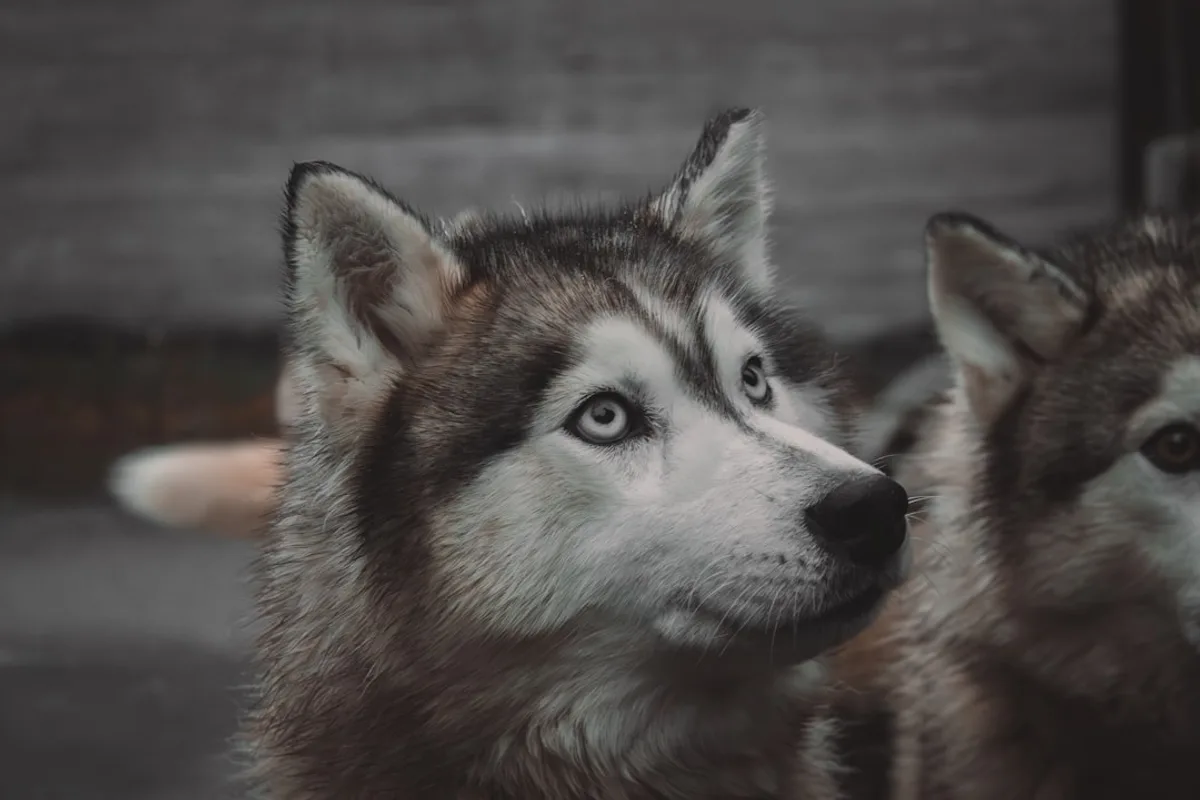
What do the physical traits of arctic dog breeds reveal about their adaptation to frigid climates? These breeds, like the Alaskan Malamute, often weigh around 85 pounds and possess thick, insulating fur. Their unique ear shape helps minimize heat loss, enhancing survival in cold environments. Next, we will examine the temperament and personality traits that define these breeds.
Temperament and Personality Traits
How do the unique personalities of arctic dog breeds influence their suitability as family pets? The arctic dog temperament is marked by independence, loyalty, and intelligence. For instance, the Siberian Husky is known for its playful and sociable nature, making it a delight in family settings, while the Alaskan Malamute tends to be more reserved and dignified.
Despite their independent nature, many arctic breeds thrive on social interaction and can suffer from separation anxiety if left alone for long periods. These personality traits make them excellent companions for active families who can meet their social and mental needs.
Following this, we will discuss the health and longevity aspects of these breeds.
Health and Longevity in Arctic Breeds
What health challenges should prospective owners be aware of when considering an arctic dog breed? Many arctic breeds are prone to specific genetic conditions, such as hip dysplasia and eye issues like cataracts. The lifespan of arctic dog breeds varies, with popular breeds often living longer than lesser-known counterparts. Regular veterinary care and breed-specific health screenings are essential.
Next, we will explore how these breeds adapt to various climates beyond their native arctic environments.
Adapting Arctic Breeds to Various Climates
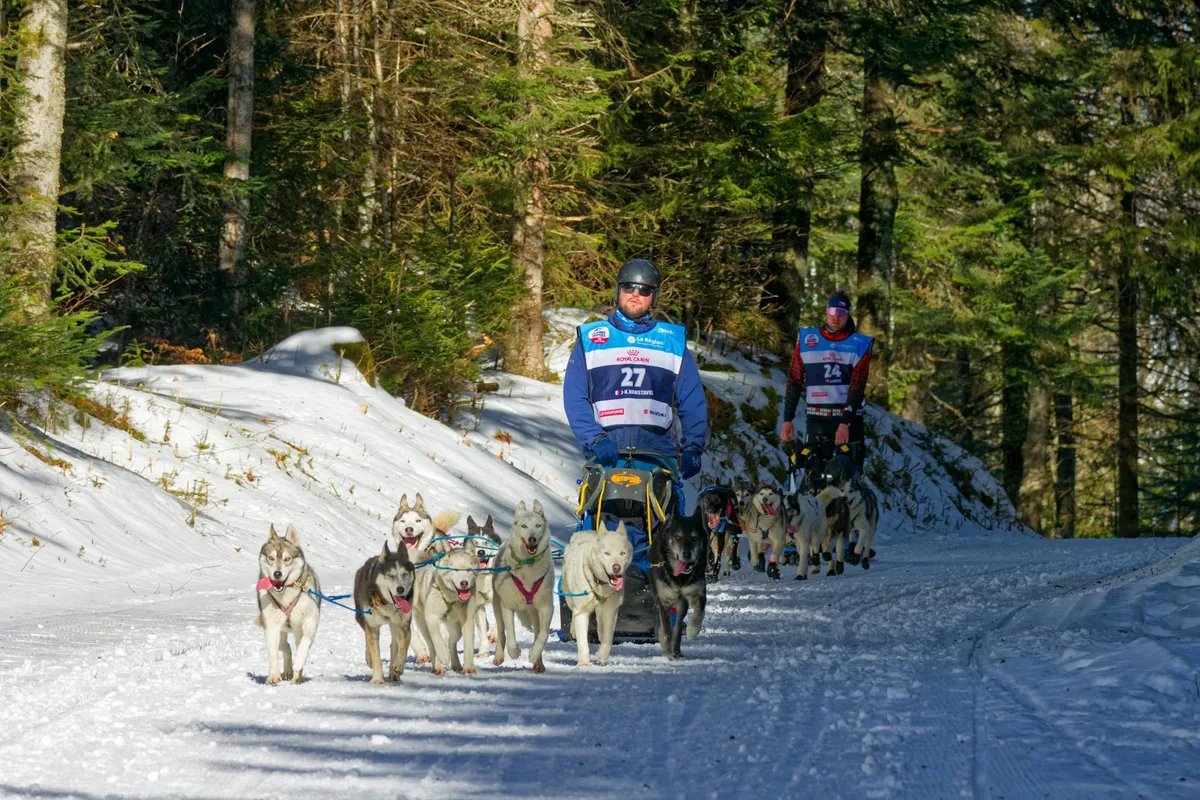
Can arctic dog breeds truly thrive in warmer climates, or are they destined for cold? Arctic dog climate adaptation is possible, but it requires attention. These breeds can develop a thinner coat in warmer climates, aiding in keeping arctic breeds cool. However, proper care and environment adjustments are crucial to ensure their well-being. We’ll now look at the specific challenges arctic dogs face in warmer climates.
Challenges of Warmer Climates for Arctic Dogs
What hidden dangers lurk for arctic dogs when the temperature rises? Overheating and dehydration are significant arctic dogs heat challenges. These breeds, adapted for cold, may exhibit increased lethargy or reluctance to exercise in hot weather. Studies show that arctic breeds are at a higher risk for heatstroke than other breeds, necessitating vigilant care in warmer areas. Next, we will provide practical tips for keeping arctic breeds comfortable in warmer climates.
Tips for Keeping Arctic Breeds Comfortable
What steps can you take to ensure your arctic dog remains cool and comfortable when the temperature rises? Start by providing plenty of fresh water and creating shaded areas for rest. Utilize cooling vests and mats to significantly reduce overheating risks, making outdoor activities safer for your sled dog.
Ensure your arctic breed has access to climate-controlled environments during peak heat. Incorporate early morning or late evening exercise routines to avoid the hottest parts of the day. For more detailed strategies, visit AKC’s guide on dog care.
Now, let’s explore inspiring success stories of arctic breeds thriving outside their native climates.
Success Stories of Arctic Breeds in Non-Arctic Regions
Can arctic breeds truly flourish outside their icy homes? These success stories say yes! Many owners report that with proper management, their arctic dogs not only adapt but also thrive, showcasing their resilience. For instance, one owner in Texas shared how their Siberian Husky adjusted beautifully, thanks to regular grooming and ample hydration.
Another family in Florida successfully managed their Alaskan Malamute by ensuring plenty of shade and early morning exercise. These arctic dog success stories highlight the adaptability of sled dogs in non-arctic regions. Next, we will delve into the behavioral insights that are crucial for understanding these unique breeds.
Behavioral Insights into Arctic Dog Breeds
What unique behavioral traits define arctic dog breeds, and how can they impact your ownership experience? Understanding the behavioral traits of arctic dogs is crucial for effective ownership. Historically, these breeds served as working dogs, which influences their behavior and needs today. For instance, they often exhibit a strong prey drive, necessitating careful training to manage this instinct.
Socialization and training are essential to mitigate common behavioral issues. Arctic dog socialization needs are significant, as these breeds can be independent and strong-willed. Training arctic breeds from an early age helps in channeling their energy and intelligence positively. Next, we will explore the socialization needs specific to these breeds.
Socialization Needs of Arctic Breeds
Why is socialization crucial for arctic dog breeds, and how can it shape their behavior? These breeds thrive on companionship due to their strong pack mentality. Early socialization for arctic dogs is essential to prevent behavioral issues. Without it, they may become overly protective or anxious around strangers.
Engaging in activities such as group play sessions, obedience classes, and regular walks in varied environments can help. These experiences allow arctic breeds to bond closely with their families while learning to interact positively with others. Now, let’s look at effective training techniques tailored for these unique breeds.
Training Techniques for Arctic Dogs
What training methods can turn your arctic dog into a well-behaved companion? Effective dog training methods for arctic breeds often include positive reinforcement, especially for sled dogs. Consistency and patience are key, as these intelligent yet independent dogs thrive on routine.
Incorporating play and mental stimulation into training sessions can enhance obedience and strengthen the bond between owner and dog. For example, fetch games and puzzle toys can be excellent tools. Next, we’ll address common behavioral issues faced by arctic breeds and how to resolve them.
Common Behavioral Issues and Solutions
What challenges might you face with an arctic dog, and how can you effectively address them? Behavioral issues in arctic dogs, such as excessive barking, digging, or stubbornness, often stem from high energy levels and a need for mental stimulation. Boredom and lack of exercise can exacerbate these issues.
To tackle these arctic breed training challenges, ensure your dog receives ample physical activity and mental engagement. Solutions for sled dog problems include interactive toys, regular training sessions, and structured playtime. Addressing these needs can significantly reduce destructive behaviors.
Now, let’s discuss how to choose the right arctic breed for your home.
Choosing the Right Arctic Breed for Your Home
How can you ensure that the arctic breed you choose fits seamlessly into your life? Understanding the specific needs of different arctic breeds can prevent future conflicts and ensure a harmonious household. Consider the following factors:
- Activity Level: Assess your daily routine to match with a breed’s energy needs.
- Space Requirements: Ensure your home can accommodate the breed’s size and activity.
- Lifestyle Compatibility: Evaluate how the breed’s traits align with your family dynamics.
Use this arctic breed selection guide to determine the best arctic breeds for families. Next, we will assess how to evaluate your living environment for an arctic breed.
Assessing Your Living Environment
Is your home ready for an arctic dog? Let’s find out what you need to consider!
- Space Requirements: Many arctic breeds thrive with access to large, secure outdoor spaces. Consider the exercise needs of sled dogs when evaluating your living environment for arctic dogs.
- Climate Considerations: Ensure your home environment is suitable for cold weather, as these breeds are adapted to thrive in such conditions.
- Outdoor Access: Create a safe outdoor area where your arctic breed can explore and exercise freely.
Now, let’s explore how to match breed characteristics to your lifestyle.
Matching Breed Characteristics to Your Lifestyle
How can understanding breed characteristics lead to a happier life with your new arctic dog? Matching dog breeds to lifestyle is crucial for harmony. Consider the following steps:
- Evaluate energy levels: Active individuals may prefer breeds like the Alaskan Malamute, while families might choose family-friendly arctic dogs like the Samoyed.
- Assess grooming needs: Some arctic breed characteristics include high grooming demands, which may not suit busy households.
- Consider family dynamics: Homes with children or other pets should prioritize adaptable breeds.
Finally, we will discuss how to prepare for the arrival of an arctic dog.
Preparing for the Arrival of an Arctic Dog
Are you ready to welcome an arctic dog into your home? Here’s how to prepare for their arrival!
- Gather essential supplies: food, water bowls, a sturdy leash, and a comfortable bed.
- Set up designated spaces to create a welcoming environment.
- Establish routines and boundaries to help the dog adjust.
- Research training resources specific to arctic breeds.
Next, we will dispel common myths about arctic dog breeds.
Dispelling Myths About Arctic Dog Breeds
What myths surround arctic dog breeds, and how can understanding the truth change perceptions? Common myths about arctic dogs include their supposed unsuitability for warmer climates and inherent training difficulties. However, research shows that many arctic breeds adapt well to various environments with proper care. These arctic breed misconceptions can hinder adoption rates, underscoring the need for education in debunking arctic dog myths.
Next, we will explore the myth that all arctic dogs are difficult to train.
Myth: Arctic Breeds Are Only Suitable for Cold Climates
Are arctic breeds truly confined to cold climates, or can they thrive in warmer areas? Contrary to popular belief, many arctic breeds can adapt to warmer climates by developing a thinner coat. With proper care, such as providing shade and hydration, these dogs can live happily in warmer regions.
Experts agree that the adaptability of arctic dogs is impressive. For instance, Siberian Huskies and Alaskan Malamutes have been known to thrive in diverse environments. However, they require careful management to prevent overheating. Now, let’s address the myth that all arctic dogs are difficult to train.
Myth: All Arctic Dogs Are Difficult to Train
Is it true that all arctic dogs are hard to train, or is there more to the story? While some may believe that training arctic breeds is challenging, these dogs are often quite intelligent and eager to learn. Positive reinforcement, such as using treats and play, can be highly effective in training arctic breeds.
Each breed, and indeed each individual dog, has its own temperament. Understanding these unique personalities is crucial. For instance, Siberian Huskies may require a different approach than Alaskan Malamutes. Tailoring training methods to suit their distinct traits often leads to success.
Finally, we will tackle the myth that arctic breeds are aggressive.
Myth: Arctic Breeds Are Aggressive
Are arctic breeds truly aggressive, or is this a misunderstanding of their behavior? Historically, arctic breeds were bred for teamwork and companionship, not aggression. Studies show that when properly trained and socialized, these dogs exhibit friendly and social temperaments. However, their strong prey drive can sometimes be mistaken for aggression if not properly managed.
Responsible ownership is crucial in shaping a dog’s behavior. Ensuring that arctic breeds receive adequate training and socialization helps dispel myths about dog behavior and aggression in arctic dogs. Next, we’ll address frequently asked questions about arctic dog breeds.
FAQs About Arctic Dog Breeds
What burning questions do potential owners have about arctic dog breeds? Let’s dive into the answers!
- What are the most common questions on sled breeds?
Many ask about their exercise needs and adaptability to warmer climates. Learn more.
- Are arctic dog breeds suitable for families?
Yes, but they require ample space and mental stimulation.
- What misconceptions affect adoption rates?
Potential adopters often overlook their specific grooming and exercise needs.
Next, we will summarize the key takeaways about arctic dog breeds and their future.
What Are the Most Popular Arctic Dog Breeds?
What should every potential owner remember about arctic dog breeds as they consider bringing one into their home? These breeds, known for their resilience in cold climates, require responsible ownership to meet their unique needs. As climate change affects habitats, understanding their adaptability is crucial for their future care and preservation.
How Do Arctic Breeds Handle Hot Weather?
Arctic dog breeds, known for their thick fur and cold weather adaptations, struggle in hot climates. Their dense coats, designed for insulation, can lead to overheating. Owners should provide ample shade, water, and avoid strenuous activities during peak temperatures to ensure their comfort and safety.
Are Arctic Breeds Good Family Pets?
Arctic dog breeds, known for their sled-pulling prowess and cold weather adaptations, can be excellent family pets. Their loyal nature and strong bond with humans make them affectionate companions. However, their high energy levels and need for mental stimulation require active families committed to regular exercise and engagement.
What Are the Grooming Needs of Arctic Dogs?
Arctic dogs, known for their thick double coats, require regular grooming to manage shedding and prevent matting. Breeds like the Siberian Husky and Alaskan Malamute benefit from weekly brushing. During shedding seasons, daily grooming helps control fur loss and maintain their coat’s insulating properties, essential for cold weather adaptation.
How Much Exercise Do Arctic Breeds Require?
Arctic dog breeds, known for their endurance and strength, typically need vigorous exercise. Sled dogs like Huskies and Malamutes thrive on daily activities such as running or pulling. These breeds are adapted to cold climates and have high energy levels, making regular, intense exercise essential for their physical and mental well-being.
Key Takeaways About Arctic Dog Breeds and Their Future
What should every potential owner remember about arctic dog breeds as they consider bringing one into their home? These dogs are known for their resilience, intelligence, and unique adaptations to cold climates. Their thick fur and strong build make them excellent sled dogs, but they require committed care and understanding of their specific needs.
As climate change continues to impact habitats, understanding the adaptability of arctic breeds will be crucial for their future care and preservation. Responsible ownership involves recognizing these needs and ensuring a suitable environment.
Join us in making a difference—consider adopting a dog or volunteering with ADRTC today!
Leave a Reply