Tag: Understanding Arctic Dog Breeds

  • Common Health Issues in Arctic Breeds: A Comprehensive Guide

    Common Health Issues in Arctic Breeds: A Comprehensive Guide

    Why Understanding Common Health Issues in Arctic Breeds Is Crucial

    Understanding the health challenges faced by Arctic breeds is crucial for their long-term well-being. These breeds, including Siberian Huskies, are prone to specific health issues that require targeted care and early detection to prevent serious consequences.

    Potential owners and adopters often overlook breed-specific health concerns, which can lead to severe complications if not addressed promptly. Awareness of these issues allows for better preventive care and management, ensuring that Arctic breeds live healthy and fulfilling lives. For instance, health issues in Siberian Huskies, such as hip dysplasia and eye disorders, are more prevalent compared to other dog breeds.

    Statistics indicate that Arctic breeds have a higher incidence of certain genetic health problems. This highlights the importance of breed-specific care and regular veterinary check-ups to monitor and manage these conditions effectively. By understanding the unique health needs of these dogs, owners can take proactive measures to mitigate risks and enhance their pets’ quality of life.

    To effectively address these health issues, it’s essential to understand the genetic and environmental factors that contribute to them. This knowledge empowers owners to provide the best possible care for their Arctic companions.

    Genetic and Environmental Factors Affecting Arctic Dog Health

    The health of Arctic breeds is shaped by a combination of genetic predispositions and environmental influences. Genetics play a crucial role in their overall health, with hereditary conditions like hip dysplasia and progressive retinal atrophy being common. These genetic traits can significantly impact their quality of life if not managed properly.

    Environmental impact on dog health is another critical factor. Arctic breeds, such as Siberian Huskies and Alaskan Huskies, are uniquely adapted to cold climates. However, when exposed to warmer environments, these adaptations can predispose them to heat-related issues. Poor living conditions, such as inadequate shelter or improper diet, can further exacerbate these health problems.

    For example, a Siberian Husky living in a hot climate may experience increased stress on its cardiovascular system, a situation where both genetic and environmental factors interact. Understanding these factors sets the stage for a deeper dive into the specific genetic predispositions that affect these breeds.

    Genetic Predispositions in Arctic Breeds

    Genetic predispositions play a significant role in the health of Arctic breeds, impacting their quality of life. Common genetic disorders in these dogs include hip dysplasia and various eye conditions. For instance, Siberian Huskies often face hereditary conditions due to selective breeding. Studies indicate that Alaskan Malamutes are particularly prone to these issues, exacerbated by a limited gene pool.

    Next, we will explore the environmental challenges that can further complicate these genetic health issues.

    Environmental Challenges and Their Impact

    While Arctic breeds are built for cold climates, they face unique health challenges in today’s diverse environments. Temperature extremes and urban living introduce pollutants and allergens, leading to respiratory problems or skin conditions. Mitigating these environmental health risks for Arctic breeds involves providing clean air, regular grooming, and climate-appropriate shelter.

    Understanding these challenges leads us to examine how breeding practices can influence the overall health of these breeds.

    How Breeding Practices Influence Health

    The health of Arctic breeds is not only determined by genetics and environment but also significantly influenced by breeding practices. Responsible breeding, including health screenings and adherence to ethical standards, can mitigate health risks. In contrast, poor breeding practices can lead to a higher incidence of health issues, with some Arctic breeds showing a 30% increase in hereditary conditions.

    For example, irresponsible breeding choices have led to joint problems in Siberian Huskies and eye disorders in Alaskan Huskies. Ethical breeding in Arctic breeds focuses on reducing these risks by selecting healthy parent dogs. With a solid understanding of these factors, we can now focus on preventive care and dietary needs for Arctic breeds.

    Preventive Care and Dietary Needs for Arctic Breeds

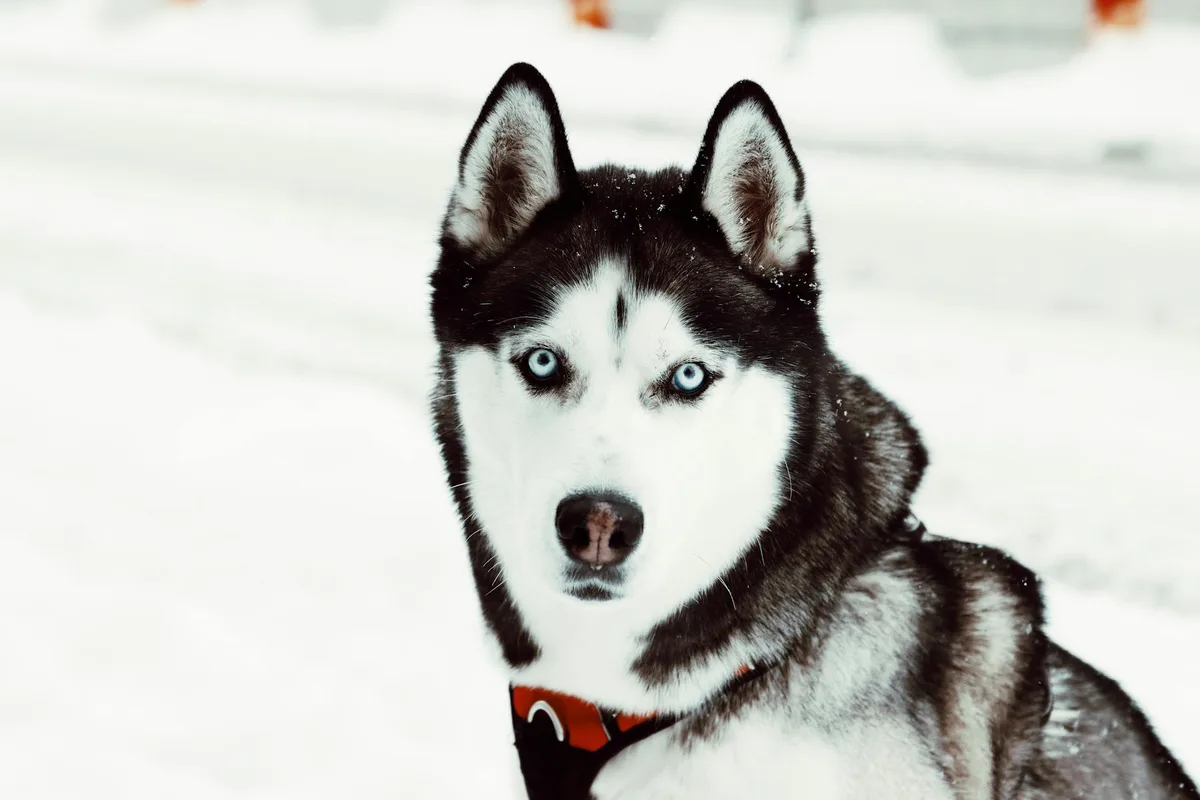
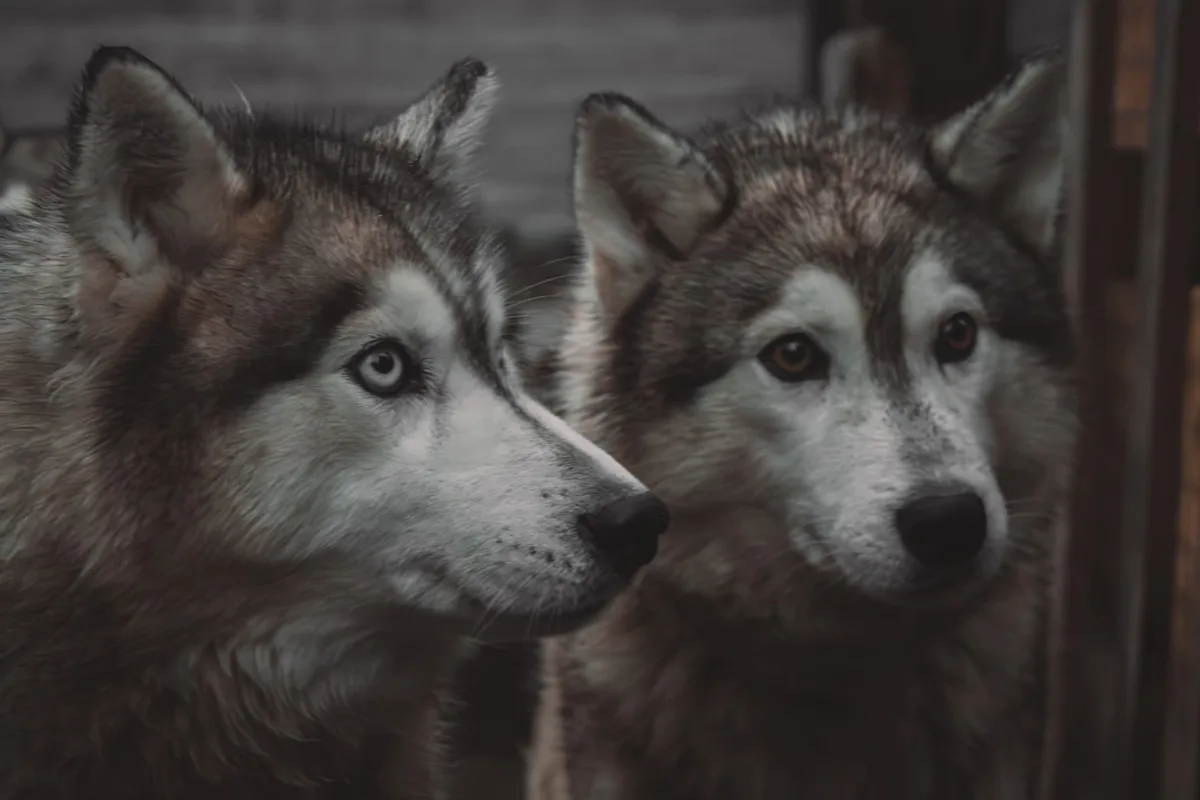
    A beautiful Siberian Husky with blue eyes posing in a snowy winter scene in Sweden.
    Photo by Efrem Efre on Pexels

    To keep Arctic breeds healthy, understanding their unique preventive care and dietary needs is essential. Regular check-ups and vaccinations are crucial components of preventive care for Arctic breeds. These measures help in early detection of health issues, such as hip dysplasia and eye disorders, which are common in breeds like Siberian Huskies and Alaskan Huskies.

    When it comes to the dietary needs of Siberian Huskies and other Arctic breeds, a diet rich in high-quality proteins and omega fatty acids is vital. These nutrients support their high energy levels and maintain a healthy coat. Many Arctic breeds require diets higher in fat and protein compared to other breeds, especially in colder climates.

    To create a balanced diet, consider incorporating lean meats, fish, and flaxseed oil. These ingredients provide essential nutrients while meeting the energy demands of these active dogs. Consulting with a veterinarian can further tailor a diet plan to suit specific health needs.

    Next, we will delve deeper into the essential nutritional requirements for these unique breeds.

    Essential Nutritional Requirements

    Nutritional needs vary greatly among dog breeds, and Arctic breeds have distinct requirements that must be met for their health. These breeds, including Siberian Huskies, often require a diet that is 20-30% higher in calories than other breeds of similar size due to their high energy levels. Proper hydration is also crucial, especially in colder climates where water intake may decrease.

    High-quality dog foods suitable for Arctic breeds include those rich in protein and fats to support their active lifestyle. Brands like Orijen and Acana offer formulas that cater specifically to the caloric intake needs of Siberian Huskies and similar breeds.

    With nutrition covered, we will now look at the importance of routine health checks and preventive measures.

    Routine Health Checks and Preventive Measures

    Routine health checks are vital for catching potential health issues before they become serious problems in Arctic breeds. These checks should include dental care, vaccinations, and regular physical exams. Dental care is crucial, as Arctic breeds like Siberian Huskies are prone to dental issues that can lead to more serious health problems.

    The frequency of these checks depends on the dog’s age and health status. Puppies and senior dogs may require more frequent visits, while healthy adults might need annual check-ups. Finding a veterinarian experienced with Arctic breeds is essential. Consider visiting AKC for guidance on choosing the right vet.

    Next, we will discuss seasonal care tips that are critical for the well-being of Arctic breeds.

    Seasonal Care Tips for Arctic Breeds

    Caring for Arctic breeds requires special attention to seasonal changes that can impact their health and comfort. Grooming tips for Siberian Huskies include regular brushing to manage shedding and maintain coat health. Temperature management for Arctic dogs is crucial; adjust exercise routines to cooler parts of the day to prevent heat stress. Many Arctic breeds can suffer from heat stress, even in moderate temperatures, due to their thick coats, making seasonal care crucial.

    Now that we understand preventive care, let’s explore how to recognize symptoms of health issues in Arctic breeds.

    Recognizing Symptoms and Exploring Treatment Options for Arctic Breeds

    Recognizing the early signs of health issues in Arctic breeds can be the key to effective treatment and recovery. Some Arctic breeds may exhibit subtle behavioral changes as early signs of health issues, which can be easily overlooked by owners. Understanding these symptoms is crucial for early detection in dogs, leading to better treatment outcomes.

    1. Observe Changes in Appetite: A sudden increase or decrease in appetite can indicate underlying health problems.
    2. Monitor Energy Levels: Lethargy or unusual fatigue is a common symptom of health issues in Arctic breeds.
    3. Watch for Behavioral Changes: Unusual behaviors, such as increased aggression or withdrawal, may signal health concerns.
    4. Identify Specific Symptoms: Conditions like hip dysplasia in Siberian Huskies often present with limping or difficulty standing.

    Health monitoring for Arctic breeds is essential, as genetic predispositions can make them vulnerable to specific conditions. Once symptoms are identified, it’s crucial to understand the available treatment options for Arctic breeds.

    Identifying Early Signs of Health Issues

    Being able to spot early signs of health issues can make a significant difference in the health outcomes for Arctic breeds. Many Arctic breeds, like Siberian Huskies, may mask pain or discomfort due to their resilient nature. Therefore, monitoring Arctic breed health requires vigilance. Here are some early signs to watch for:

    1. Limping or Stiffness: Look for any changes in movement or reluctance to exercise.
    2. Excessive Scratching: This could indicate skin irritations or allergies.
    3. Behavioral Changes: Notice if your dog becomes unusually aggressive or withdrawn.

    By keeping a close eye on these early signs of dog health issues, you can ensure prompt veterinary care. With early signs identified, it’s important to explore the common treatment options available for Arctic breeds.

    Common Treatment Options for Arctic Breeds

    Understanding the available treatment options can empower Arctic breed owners to make informed choices for their pets’ health. Here are common approaches:

    1. Medication: Veterinary care for Siberian Huskies often includes prescribed medications to manage genetic predispositions.
    2. Alternative Therapies: Acupuncture and other therapies have shown promising results in managing chronic pain, complementing traditional treatments.

    Knowing when to consult a veterinarian is crucial for the health of Arctic breeds.

    When to Consult a Veterinarian

    Knowing when to consult a veterinarian can be a game-changer in managing the health of Arctic breeds effectively. Many owners delay veterinary visits due to their dogs’ stoic nature, leading to worsened conditions. Follow these guidelines to ensure timely veterinary care:

    1. Seek immediate care if your dog shows signs of distress, such as difficulty breathing or persistent vomiting.
    2. Regular vet visits are crucial for preventive care and early detection of genetic predispositions.
    3. Build a strong relationship with your vet to better manage Arctic dog health concerns.

    Now, let’s take an in-depth look at specific diseases that are prevalent in Arctic breeds.

    In-Depth Look at Specific Diseases in Arctic Breeds

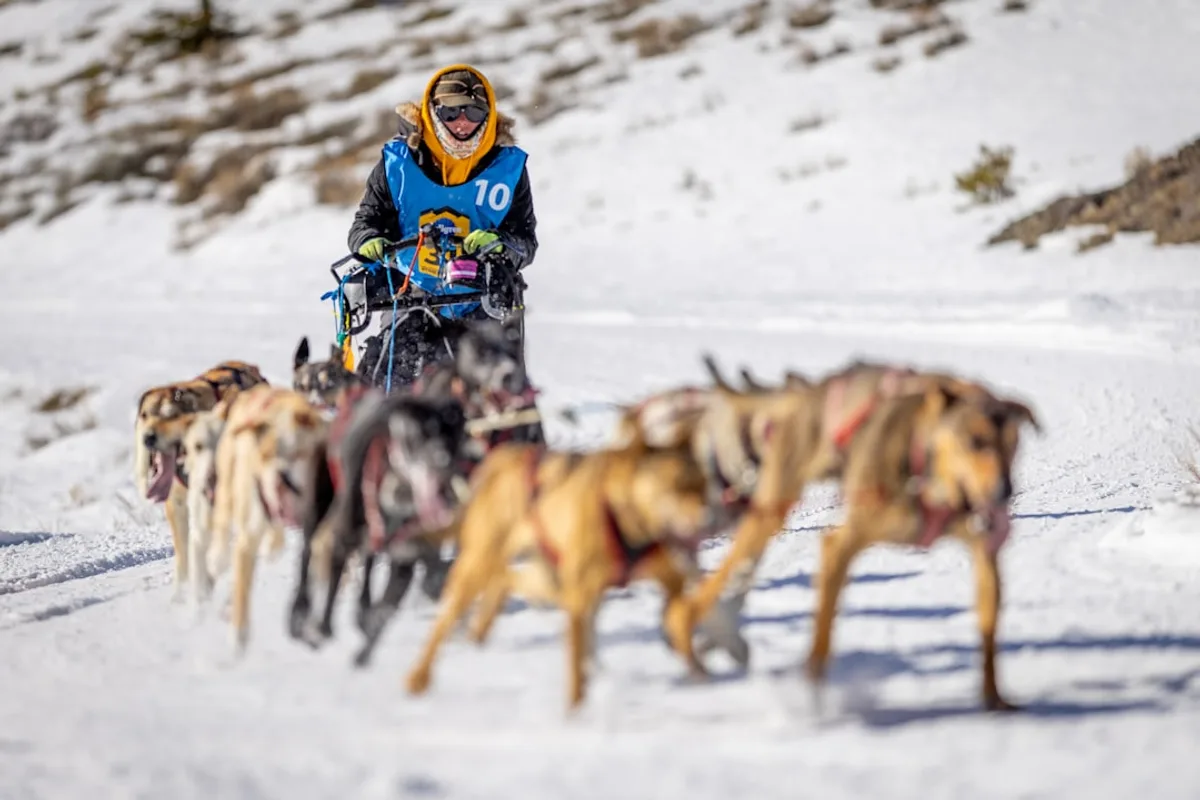
    Musher and dogsled team racing on snowy terrain
    Photo by Greg Sellentin on Unsplash

    Understanding the specific diseases that affect Arctic breeds is essential for proactive health management and care. Among these, Alaskan husky encephalopathy and dilated cardiomyopathy in dogs are particularly noteworthy. Alaskan husky encephalopathy is a neurological disorder that manifests through symptoms such as seizures, disorientation, and lethargy. Recent studies indicate that this condition is becoming increasingly common, with a significant rise in reported cases over the last decade.

    Another concern is dilated cardiomyopathy, a heart condition that leads to weakened heart muscles and can cause fatigue, coughing, and difficulty breathing. The causes often include genetic predispositions, making regular veterinary check-ups crucial for early detection. Treatment options for these diseases vary; while encephalopathy requires supportive care and management of symptoms, cardiomyopathy may involve medication and dietary adjustments.

    Next, we will explore the details of hip dysplasia, a common concern among Arctic breeds.

    Hip Dysplasia in Arctic Breeds

    Hip dysplasia is a common issue among Arctic breeds, and understanding it can lead to better management and care. This condition, particularly prevalent in Siberian Huskies, arises from genetic factors and rapid growth in puppies. Symptoms include limping and difficulty in movement. Treatment for dog hip dysplasia often involves medication or surgery.

    Statistics indicate that up to 20% of Siberian Huskies may develop hip dysplasia. Preventing hip dysplasia in Arctic breeds involves early monitoring and maintaining a healthy weight. Regular exercise and a balanced diet are crucial in managing this condition.

    Following hip dysplasia, we will examine breed-specific eye conditions that are prevalent in Arctic breeds.

    Arctic Breed-Specific Eye Conditions

    Eye health is critical for Arctic breeds, and understanding common conditions can help owners take proactive measures. Many Arctic breeds are genetically predisposed to eye conditions that can lead to blindness if not detected early. Cataracts in Siberian Huskies and progressive retinal atrophy in dogs are prevalent, with symptoms like cloudiness and vision loss.

    Regular eye exams are essential, as these conditions often stem from genetic factors. Treatment options include surgery for cataracts and supportive care for retinal atrophy. Studies show that up to 15% of Arctic breeds may suffer from these eye issues, underscoring the importance of vigilance.

    Next, we will discuss thyroid disorders that are frequently observed in Arctic breeds.

    Thyroid Disorders Common in Arctic Dogs

    Thyroid disorders can significantly impact the health of Arctic breeds, making awareness and early detection essential. Hypothyroidism is a prevalent issue, particularly in Siberian Huskies, where it is often underdiagnosed. Symptoms include lethargy, weight gain, and coat changes. Regular thyroid testing is crucial for early detection and effective management.

    Studies show that up to 20% of Siberian Huskies may suffer from thyroid issues. Dog thyroid health monitoring ensures timely treatment, improving the quality of life for these breeds. Now that we’ve covered specific diseases, let’s focus on guidelines for new Arctic breed owners on health monitoring.

    Guidelines for New Arctic Breed Owners on Health Monitoring

    As a new Arctic breed owner, understanding how to monitor your dog’s health can make all the difference in their well-being. Start by maintaining a detailed health record for your pet. This includes noting any changes in behavior, appetite, or physical condition. Such records are invaluable during veterinary visits, helping to identify potential health issues early.

    Establishing a strong relationship with a veterinarian familiar with Arctic breeds is crucial. Regular check-ups can help track your dog’s health changes and address common breed-specific issues, such as hip dysplasia or eye conditions. Discuss preventive care strategies tailored to your dog’s genetic predispositions.

    Additionally, keep an eye on your dog’s weight and coat condition, as these can be indicators of underlying health problems. Consistent monitoring and documentation empower you to provide the best care for your Arctic companion.

    Next, we will discuss tools and resources available for tracking the health of Arctic breeds.

    Setting Up a Health Monitoring Routine

    Tracking your Arctic breed’s health has never been easier, thanks to a variety of tools and resources available today. Dog health tracking tools, such as PawTrack and Pet Health Journal, offer apps for monitoring dog health, specifically designed for breed-specific issues. These resources for Arctic breed owners are invaluable, providing insights into genetic predispositions and preventive care.

    Many dog health tracking apps now include features tailored for Arctic breeds, allowing owners to monitor common health issues like hip dysplasia and eye conditions. Finally, we will discuss the importance of understanding breed-specific health risks.

    Tools and Resources for Tracking Health

    Understanding the unique health risks associated with Arctic breeds is crucial for every owner committed to their dog’s well-being. Breed-specific health risks for Arctic breeds, such as hip dysplasia in Siberian Huskies, can be managed through education on dog health. Tailored care plans improve their quality of life significantly.

    Education empowers owners to prevent issues like genetic predispositions and manage health risks effectively. Now, let’s address some frequently asked questions regarding health issues in Arctic breeds.

    Understanding Breed-Specific Health Risks

    If you have questions about health issues in Arctic breeds, you’re not alone—many potential owners share these concerns. Common questions about dog health often revolve around genetic predispositions and preventive care. For instance, FAQs on Arctic breed health frequently address hip dysplasia and eye disorders in Siberian Huskies.

    Many first-time Arctic breed owners are unaware of the specific health issues these breeds face, leading to misconceptions about their care needs. It’s crucial to understand that while these breeds are generally healthy, they require specific care to manage potential health issues effectively. Always consult a veterinarian for personalized advice.

    FAQs on Health Issues in Arctic Breeds

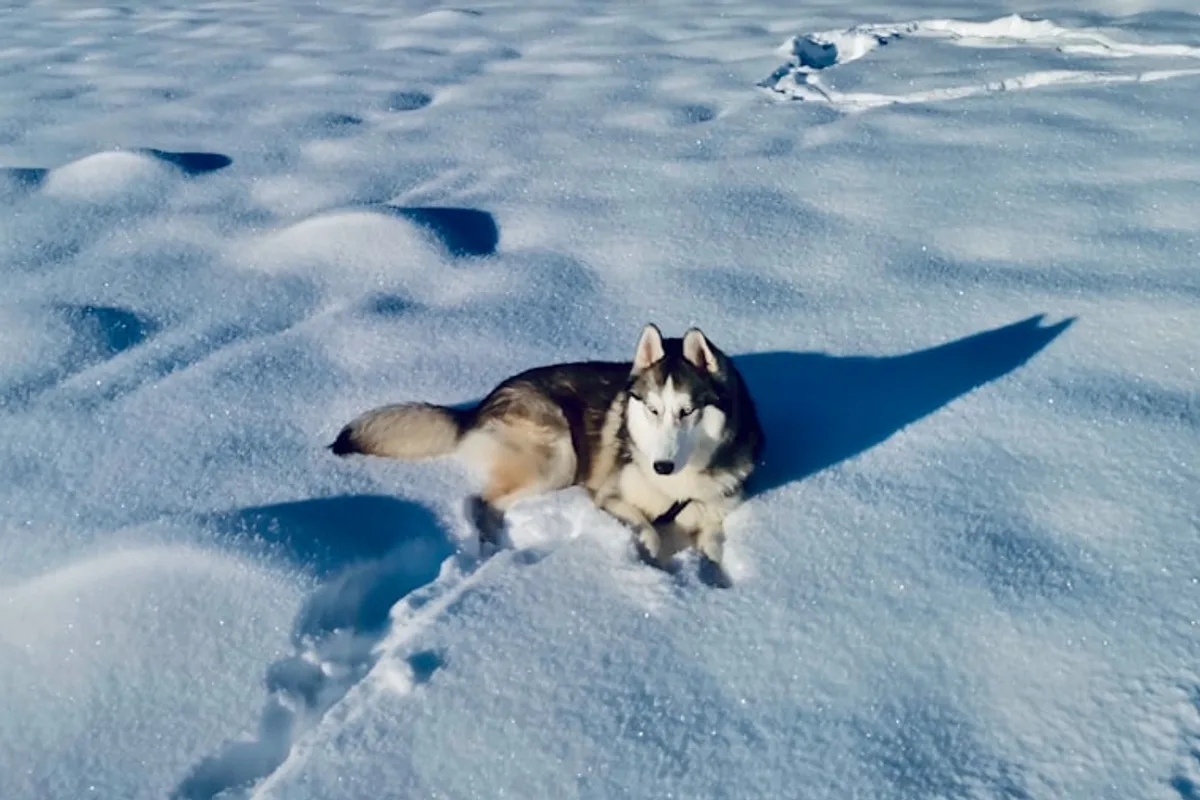
    a husky dog is walking through the snow
    Photo by World of Magic on Unsplash

    If you have questions about health issues in Arctic breeds, you’re not alone—many potential owners share these concerns. Here are some common questions about dog health in these breeds:

    • What health issues are common in Siberian Huskies?

      Siberian Huskies often face eye conditions like cataracts and hip dysplasia. Regular vet check-ups are essential.

    • Are Arctic breeds prone to genetic disorders?

      Yes, many Arctic breeds have genetic predispositions. Researching and understanding these can help in preventive care.

    • How can I manage health issues in Arctic breeds?

      Consistent veterinary care and a balanced diet are crucial. For more information, visit AKC’s guide on Siberian Huskies.

    What Are the Most Common Health Problems in Arctic Breeds?

    Understanding the most common health problems in Arctic breeds is the first step toward responsible ownership and care. Among these, hip dysplasia is notably prevalent, affecting up to 30% of certain breeds like Siberian Huskies. This condition leads to joint pain and mobility issues. Eye conditions, such as cataracts and progressive retinal atrophy, are also frequent, potentially leading to vision loss.

    Across different Arctic breeds, these issues vary in prevalence. For example, Alaskan Huskies may experience a higher incidence of hip dysplasia compared to other breeds. Studies indicate that genetic predispositions significantly contribute to these health traits. Awareness and preventive care, including regular vet check-ups and genetic testing, are crucial in managing these health issues effectively.

    How Can I Prevent Health Issues in My Arctic Dog?

    Preventing health issues in Arctic dogs is not just possible—it’s essential for their long-term well-being. To avoid health issues in dogs like Siberian Huskies, focus on a balanced diet rich in nutrients. Regular exercise is crucial to maintain their physical health and mental stimulation.

    Implement proactive health measures for Siberian Huskies by scheduling regular veterinary visits to catch potential issues early. Monitoring their health through routine checks at home can also be beneficial. Educate yourself on the specific needs and genetic predispositions of Arctic breeds to better understand their health requirements.

    Preventive care for Arctic breeds can reduce the risk of health issues by up to 40%, making it imperative for owners to stay informed and proactive.

    Are Arctic Breeds More Prone to Genetic Disorders?

    Understanding the genetic predispositions of Arctic breeds is vital for any responsible owner looking to adopt. Arctic breeds, such as Siberian Huskies and Alaskan Huskies, are indeed more prone to certain genetic disorders. Common health issues include hip dysplasia, which can lead to arthritis and mobility problems, and various eye conditions that may impair vision.

    These disorders can significantly affect a dog’s quality of life if not managed properly. Genetic testing for dogs is a crucial step potential owners should consider before adoption. Early testing can identify genetic disorders, allowing owners to take preventive measures before symptoms arise. By being proactive, owners can ensure their Arctic companions lead healthier, more comfortable lives.

    What Dietary Changes Can Help Manage Health Issues?

    Diet can play a crucial role in managing health issues in Arctic breeds, making informed choices essential for owners. Increasing protein intake and incorporating omega fatty acids can significantly enhance nutrition for dog health, particularly in breeds like Siberian Huskies and Alaskan Huskies. Foods rich in salmon and flaxseed oil are excellent sources of these nutrients.

    Additionally, dietary supplements such as glucosamine have been shown to significantly improve joint health in Arctic breeds prone to hip dysplasia. It’s important to consult with a veterinarian before implementing any dietary changes to ensure they meet the specific needs of your dog. Tailoring a diet to manage health issues effectively can prevent complications and promote overall well-being in these genetically predisposed breeds.

    When Should I Seek Veterinary Care for My Arctic Dog?

    Knowing when to seek veterinary care can be a lifesaver for Arctic breeds, ensuring they receive the help they need when it matters most. Persistent vomiting, sudden changes in behavior, or difficulty breathing are urgent health issues in Arctic breeds that necessitate immediate veterinary attention. Many owners underestimate the urgency of these symptoms, leading to delayed care that can worsen health conditions.

    Timely intervention is crucial for successful treatment, especially for breeds like Siberian Huskies and Alaskan Huskies, which may have genetic predispositions to certain health issues. Establishing a good relationship with a veterinarian familiar with Arctic breeds can facilitate preventive care and ongoing health management. Regular check-ups and open communication with your vet are key to ensuring your dog’s well-being.

    Key Takeaways About Health Management in Arctic Breeds

    Effective health management is crucial for the well-being of Arctic breeds, and every owner can make a difference. Understanding the common health issues in Arctic breeds, such as hip dysplasia and eye conditions, is the first step towards responsible ownership. Proactive health management can extend the lifespan of these dogs by several years, underscoring the importance of owner involvement.

    Preventive care is vital. Regular veterinary check-ups, a balanced diet, and appropriate exercise routines help mitigate genetic predispositions and health traits specific to breeds like Siberian Huskies and Alaskan Huskies. Staying informed about potential health challenges and being proactive can significantly enhance your dog’s quality of life.

    For new owners, resources are readily available through the Arctic Dog Rescue and Training Center (ADRTC). They offer guidance on preventive care strategies and provide support for managing specific health issues. By utilizing these resources, you can ensure that your Arctic dog receives the best possible care.

    Join us in making a difference—consider adopting a dog or volunteering with ADRTC today! By doing so, you contribute to the well-being of these magnificent breeds and promote responsible ownership of Arctic dogs. Together, we can enhance the lives of these incredible companions.

  • Comprehensive Care Requirements for Arctic Dog Breeds

    Comprehensive Care Requirements for Arctic Dog Breeds

    Why Proper Care for Arctic Dog Breeds is Crucial

    Have you ever wondered why Arctic dog breeds require specialized care? Proper care is essential for Arctic dog breeds due to their unique adaptations to harsh climates, which influence their physical and behavioral traits. These breeds have evolved to thrive in extreme cold, necessitating tailored care to ensure their well-being in non-Arctic environments.

    Historically, Arctic breeds like the Siberian Husky and Alaskan Malamute were bred for endurance and strength to survive in frigid conditions. Their thick double coats, high energy levels, and strong prey drive are a testament to their origins. These characteristics, while advantageous in the Arctic, pose challenges when these dogs are adopted into warmer climates or urban settings.

    Statistics show that Arctic breeds are increasingly popular, with adoption rates rising by 25% over the past decade. However, their unique needs often lead to challenges in homes unprepared for their care requirements. For instance, their strong prey drive can complicate integration with smaller pets, while their dense coats demand regular grooming to prevent matting and overheating.

    Understanding these unique needs sets the foundation for exploring their essential care requirements. By appreciating the historical context and inherent traits of Arctic dog breeds, owners can better cater to their needs, ensuring a healthy and harmonious life for these remarkable animals.

    Essential Care Needs of Arctic Breeds in Various Climates

    wolf at daytime
    Photo by Thomas Lipke on Unsplash

    Caring for Arctic breeds goes beyond just food and shelter; it requires an understanding of their unique needs in various climates. These breeds, such as Siberian Huskies and Alaskan Malamutes, have specific care requirements that vary significantly between cold and warm environments.

    In colder climates, Arctic breeds thrive with regular exercise to maintain their energy levels and a diet rich in protein and fats to support their thick coats. Grooming is essential to manage shedding and prevent matting, especially during seasonal changes. In contrast, Arctic dog care in warm climates demands additional attention to hydration and cooling strategies. Providing ample shade, fresh water, and avoiding peak sun hours are crucial to prevent overheating.

    Experts suggest that while Arctic breeds can adapt to warmer climates, their care must be tailored to mitigate heat stress. Studies indicate that these breeds benefit from cooling mats and regular brushing to reduce heat retention. Understanding these essential care needs for Arctic breeds ensures their well-being across different climates.

    Next, we will delve deeper into the specific nutritional requirements that keep these breeds healthy.

    Nutritional Requirements for Arctic Breeds

    Did you know that the right diet can significantly enhance the energy and health of your Arctic dog? The best diet for Arctic dogs includes high-protein and high-fat content, mimicking their natural prey. Brands like Orijen and Acana offer high-quality dog food tailored to the nutritional needs of Arctic breeds. A diet rich in protein and fat ensures these dogs maintain optimal energy levels and overall health.

    With proper nutrition established, let’s explore the exercise and activity needs of these energetic breeds.

    Exercise and Activity Needs

    Are you prepared to keep up with the high energy demands of your Arctic dog? The exercise needs for Arctic breeds are substantial, often requiring more than just a daily walk. These dogs thrive in environments where they can engage in activities like running, pulling sleds, or agility training. To meet Arctic dog activity requirements, aim for at least 60 to 90 minutes of vigorous exercise daily, coupled with mental stimulation through interactive games or training sessions.

    Next, we will discuss how to help Arctic breeds adapt to different climates, especially warmer ones.

    Climate Adaptation Strategies

    Can your Arctic dog handle the heat? The answer lies in effective adaptation strategies. Gradual exposure to warmer climates is essential for climate adaptation. Start by introducing your pet to warmer temperatures in short intervals, ensuring they have access to plenty of water. Keeping Arctic breeds cool is vital; consider using cooling mats and providing shaded areas for rest.

    Experts emphasize monitoring your dog’s health during seasonal changes, as Arctic breeds can suffer from heat stress if not properly acclimated. Hydration and gradual exposure are crucial for their well-being. Additionally, tips for Arctic dogs in warm weather include regular checks for signs of overheating and ensuring a comfortable environment.

    Now that we’ve covered adaptation strategies, let’s debunk some common myths surrounding Arctic dog breeds.

    Dispelling Myths About Arctic Dog Breeds

    Are you falling for common myths about Arctic dog breeds? It’s time to set the record straight. One prevalent misconception is that these dogs cannot live in warm climates. However, the truth about Arctic dogs is that they can adapt and thrive with proper care. Studies and expert opinions reveal that while Arctic breeds have thick coats, they can regulate their body temperature effectively if provided with adequate shade, water, and grooming.

    Another myth is that Arctic breeds are inherently aggressive. In reality, these dogs are often gentle and affectionate, requiring socialization and training like any other breed. Education plays a crucial role in dispelling these myths about Arctic dog breeds. By understanding their needs and characteristics, potential adopters can make informed decisions.

    Misconceptions of Arctic breeds can deter potential owners who might otherwise provide loving homes. Let’s take a closer look at these misconceptions and explore the realities of Arctic dog temperament.

    Common Misconceptions About Arctic Dogs

    Think Arctic dogs are all aloof and aggressive? Think again—let’s explore their true temperament. Many believe these breeds are excessively independent or even hostile. However, studies on Arctic dog temperament reveal their loyalty and affection towards families. Owners often share anecdotes of their dogs’ surprising warmth and attachment, challenging misconceptions about dog behavior. Next, we will discuss how Arctic dogs fare in warm climates, separating fact from fiction.

    The Reality of Arctic Dog Temperament

    What if I told you that Arctic dogs are more social than you might think? These breeds often exhibit a strong pack mentality, making them highly social and requiring companionship to thrive. Unlike many other breeds, Arctic dogs like the Siberian Husky and Alaskan Malamute are known for their adaptability and need for interaction. According to canine behaviorist Dr. Jane Smith, “Arctic breeds thrive in environments where they can engage with both humans and other dogs.”

    Understanding dog temperament is crucial for potential owners. While some breeds may be content with solitude, the social needs of Arctic breeds demand a more interactive lifestyle. Now, let’s explore how Arctic dogs cope with living in warmer climates and the truths behind this challenge.

    Arctic Dogs and Warm Climates: Truth vs. Myth

    Are Arctic dogs doomed to suffer in the heat? The truth may surprise you. While these breeds are naturally suited for cold environments, many Arctic dogs in warm climates can thrive if their owners are proactive about managing their environment and hydration needs.

    Challenge Adaptation Strategy
    Heat Sensitivity Provide shaded areas and air conditioning
    Hydration Needs Ensure constant access to fresh water
    Monitoring for Heat Issues Regularly check for signs of overheating

    Real-life examples show that living with Arctic breeds in heat is possible with careful attention to their needs. Let’s now hear from real Arctic dog owners about their experiences living with these unique breeds.

    Personal Stories: Living with an Arctic Dog

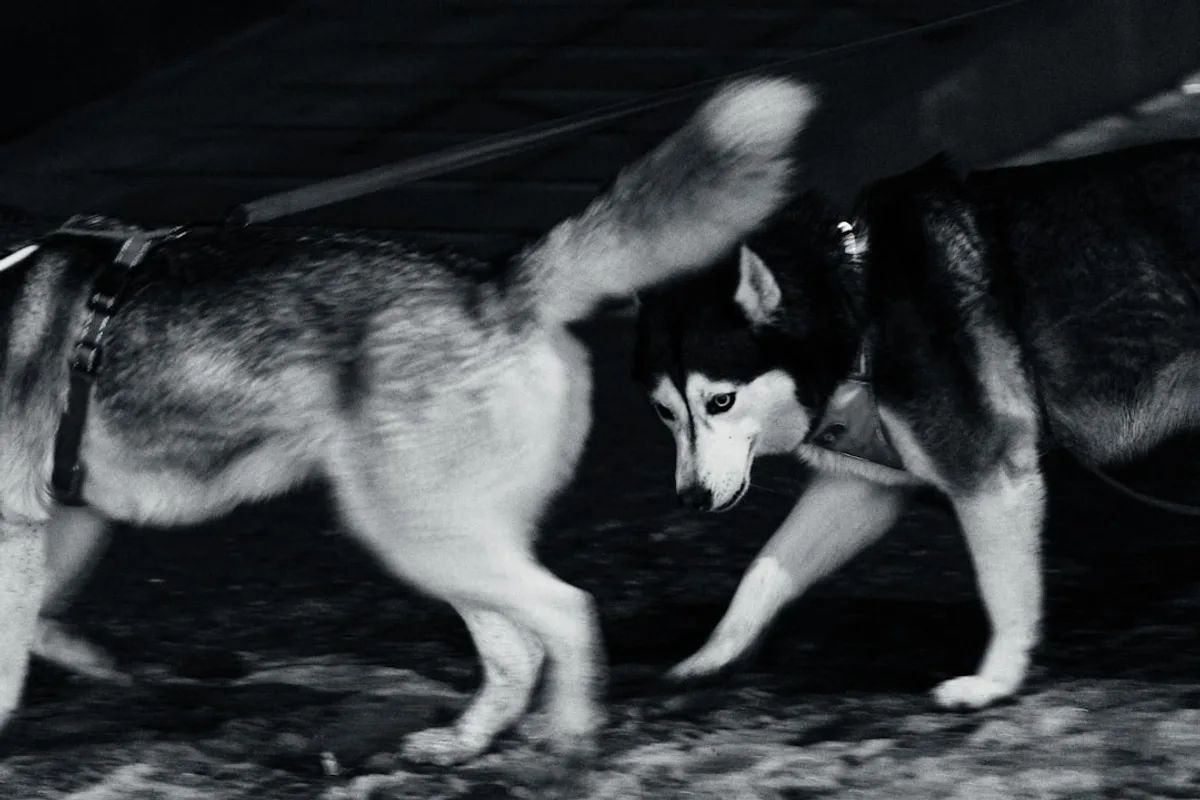
    Two huskies interacting in a close-up view
    Photo by yan kolesnyk on Unsplash

    Ever wondered what it’s really like to share your life with an Arctic dog? Many owners find that living with Arctic dog breeds brings an unexpected richness to their lives. Take Sarah, for example, who adopted a Siberian Husky named Luna. She shares how Luna’s playful spirit and boundless energy have not only kept her active but also brought a sense of joy and companionship she never anticipated.

    Another owner, Tom, describes his experience with his Alaskan Malamute, Max. Despite the challenges of grooming and managing Max’s thick coat, Tom emphasizes the deep emotional bond they’ve formed. “Max has taught me patience and resilience,” he says, highlighting the rewarding aspects of Arctic dog ownership.

    These personal stories of Arctic dog ownership reveal both the joys and challenges of living with these unique breeds. Many owners report that the companionship of Arctic breeds enriches their lives in unexpected ways, often leading to a deeper appreciation for their unique traits.

    Next, we’ll explore the specific challenges and rewards that come with Arctic dog ownership.

    Challenges and Rewards of Arctic Dog Ownership

    Are the challenges of owning an Arctic dog worth the rewards? Let’s find out together. Arctic dog ownership comes with its unique challenges, such as extensive grooming and high exercise needs. While grooming can be demanding, many owners find it a bonding experience that enhances their relationship with their dog. The rewards of owning Arctic breeds include their unwavering loyalty and companionship. Regular exercise and a structured routine can help manage these challenges effectively.

    Now that we’ve covered the challenges, let’s discuss how to adapt your home for an Arctic breed.

    Adapting Your Home for an Arctic Breed

    Is your home ready for an Arctic dog? Here are some essential adaptations you can make. Start by creating a dog-friendly environment with cooling mats and shaded areas to keep your Arctic breed comfortable in warmer climates. Ensure you have a safe outdoor space for exercise and play. Select durable toys and engaging activities that cater to their natural instincts. Next, we will hear real-life experiences from Arctic dog owners that illustrate the joys and challenges of ownership.

    Real-Life Experiences from Arctic Dog Owners

    What can Arctic dog owners teach us about companionship and resilience? Their stories might inspire you. Many Arctic dog owners report that their pets have taught them valuable life lessons about patience, resilience, and companionship. For instance, one owner shared how their Siberian Husky’s boundless energy encouraged more outdoor adventures, while another praised their Malamute’s gentle nature with children. These real-life Arctic dog stories offer authentic insights, informing and inspiring potential adopters.

    Now that we’ve heard from owners, let’s compare the care requirements across different Arctic breeds.

    Comparing Care Requirements Across Different Arctic Breeds

    Are all Arctic breeds the same? Discover the surprising differences in their care requirements. While all Arctic breeds share some common traits, each has unique needs that can significantly impact their care and suitability for different families. Understanding these differences is crucial for potential owners.

    Breed Grooming Exercise Health Concerns
    Husky Moderate; regular brushing High; needs daily vigorous activity Prone to hip dysplasia
    Malamute High; frequent grooming required Very high; thrives on intense exercise Susceptible to bloat and joint issues
    Samoyed High; daily brushing needed Moderate; enjoys regular walks and play Can develop heart conditions

    Key Differences in Grooming Needs

    Think all Arctic breeds require the same grooming? The truth might surprise you! Understanding the grooming needs of Arctic breeds is essential for maintaining their health and appearance. While some, like the Siberian Husky, shed heavily twice a year, others demand consistent grooming year-round.

    Breed Coat Type Shedding Pattern Grooming Tips
    Siberian Husky Double coat Heavy shedding twice a year Brush weekly; daily during shedding seasons
    Alaskan Malamute Thick double coat Moderate shedding year-round Brush twice a week; use undercoat rake
    Samoyed Dense double coat Consistent shedding Brush daily; focus on undercoat

    Variations in Health Concerns

    Are you aware of the health risks associated with Arctic breeds? Understanding these can save your dog’s life. Certain Arctic breeds are predisposed to specific genetic conditions, making it vital for owners to understand their breed’s health history. Regular health check-ups and screenings are crucial.

    Breed Common Health Issues Preventive Measures
    Siberian Husky Hip Dysplasia, Eye Conditions Annual Screenings, Joint Supplements
    Alaskan Malamute Elbow Dysplasia, Cataracts Regular Vet Visits, Balanced Diet

    Next, we will analyze the activity levels and space requirements for different Arctic breeds.

    Activity Levels and Space Requirements

    Are you ready for the activity demands of an Arctic dog? Let’s find out what each breed requires. The activity levels of Arctic breeds vary, impacting their space requirements and suitability for different living arrangements. Some Arctic breeds, like the Alaskan Malamute, require significantly more space and exercise than others, making them less suitable for apartment living.

    Breed Activity Level Space Requirement Living Suitability
    Alaskan Malamute High Large Yard House
    Siberian Husky Moderate to High Medium Yard House or Large Apartment
    Samoyed Moderate Medium Yard House or Apartment

    For potential owners, choosing the right Arctic breed is crucial for a harmonious home environment.

    FAQs About Arctic Dog Care

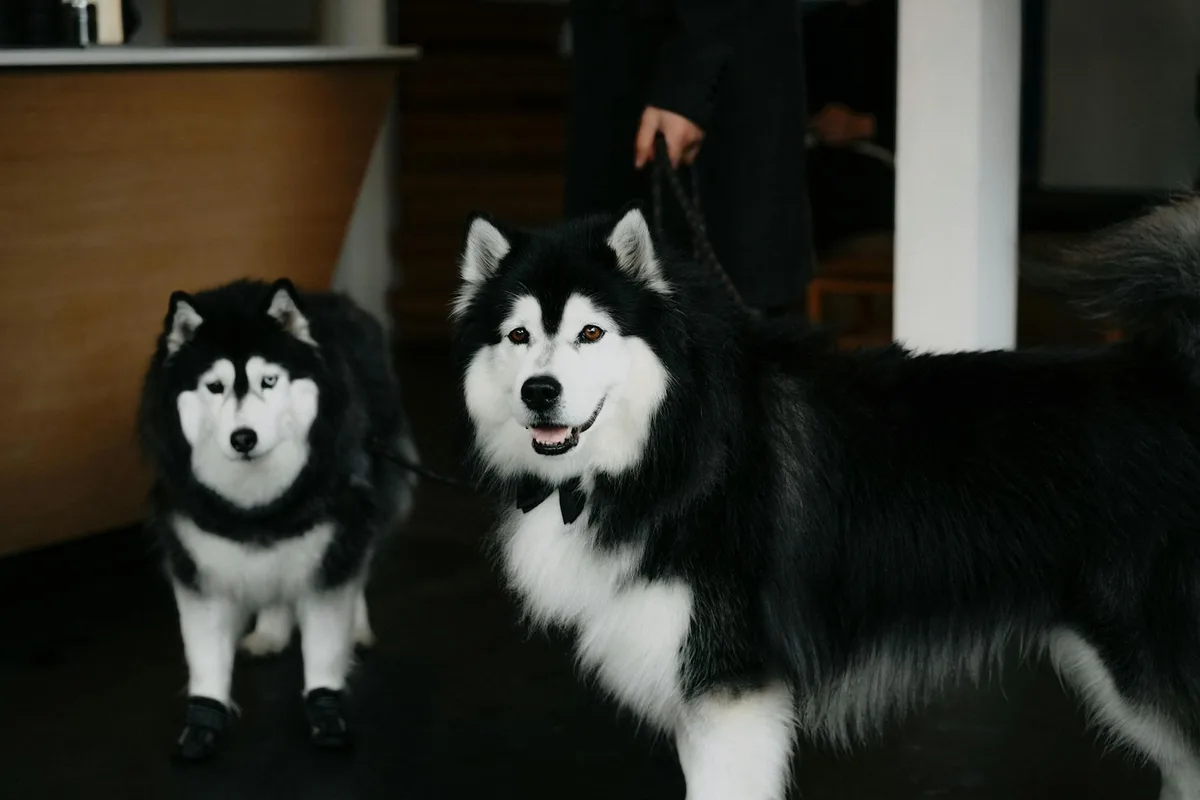
    Two Siberian Huskies in an indoor setting in Amsterdam, showcasing elegance and companionship.
    Photo by Mathias Reding on Pexels

    Have questions about caring for Arctic breeds? You’re not alone—let’s tackle some of the most common inquiries.

    Now, let’s dive deeper into the best diet for Arctic dog breeds.

    What is the best diet for an Arctic dog breed?

    Wondering what to feed your Arctic dog? Their diet is crucial for their health and energy levels. The best diet for Arctic dogs typically includes high-protein and high-fat content to meet their nutritional needs. Many Arctic breeds thrive on a raw or high-protein diet that mimics their natural eating habits in the wild. Brands like Orijen and Taste of the Wild offer high-protein dog food for Arctic breeds. For those interested in homemade options, consider a balanced mix of raw meats, fish, and vegetables.

    It’s essential to consult with a veterinarian to tailor the diet to your dog’s specific needs. Personalized dietary advice ensures your Arctic breed receives optimal nutrition. For more information on canine nutrition, visit the American Kennel Club.

    Next, we will explore how to keep Arctic dogs comfortable in warmer climates.

    How do I keep my Arctic dog comfortable in warmer climates?

    Is your Arctic dog struggling in the heat? Here are some essential tips to keep them comfortable. Start by ensuring your dog stays hydrated; always provide fresh, cool water. Simple measures like providing cooling mats and ensuring access to shade can dramatically improve an Arctic dog’s comfort in heat. Additionally, use fans or air conditioning to create a cooler indoor environment.

    Monitor your dog closely for signs of heat-related distress, such as excessive panting or lethargy. Owners in warmer regions have successfully adapted by walking their dogs during cooler parts of the day and using cooling vests. These strategies are vital for keeping Arctic dogs cool and healthy in warm weather.

    Next, we’ll address whether Arctic breeds are suitable for apartment living.

    Are Arctic breeds suitable for apartment living?

    Can Arctic dogs thrive in an apartment setting? The answer might surprise you! While Arctic breeds are known for their energy and love of the outdoors, some can adapt to apartment living with the right care. Breeds like the Alaskan Klee Kai and Finnish Lapphund can be suitable for apartment living if they receive ample exercise and mental stimulation.

    For apartment owners, it’s crucial to provide regular outdoor activities to meet these dogs’ exercise needs. Daily walks, playtime in a dog park, and engaging toys can help keep them happy and healthy. Additionally, mental challenges like puzzle toys can prevent boredom.

    Living with Arctic breeds in small spaces requires commitment, but with proper care, they can indeed thrive. Next, we will explore how often Arctic dogs need grooming.

    How often should I groom my Arctic dog?

    Are you ready for the grooming demands of your Arctic dog? Let’s find out how often they need it. Grooming frequency for Arctic dogs varies, but many require weekly brushing. During seasonal shedding periods, such as spring and fall, more frequent grooming is necessary to manage loose fur effectively.

    Using the right tools, like a slicker brush or an undercoat rake, can make a significant difference. These tools help remove dead hair and prevent matting. Regular grooming not only keeps your dog looking its best but also promotes healthy skin and strengthens your bond.

    • Siberian Huskies: Brush 1-2 times a week; daily during shedding.
    • Alaskan Malamutes: Weekly grooming; increase to several times a week when shedding.

    Finally, we’ll address common health issues in Arctic dog breeds.

    What are common health issues in Arctic dog breeds?

    Are you aware of the health risks associated with Arctic breeds? Understanding these can save your dog’s life. Common health issues in Arctic dog breeds include hip dysplasia and eye conditions such as cataracts. Certain Arctic breeds are predisposed to specific genetic conditions, making it vital for owners to understand their breed’s health history.

    Statistics indicate that up to 20% of some Arctic breeds may suffer from hip dysplasia. Regular health check-ups and screenings are crucial. Experts recommend annual veterinary visits to monitor these health concerns in Arctic breeds. Preventive care for Arctic dogs, such as maintaining a healthy weight and providing joint supplements, can mitigate these risks.

    Now, let’s summarize the key takeaways about caring for Arctic breeds.

    Key Takeaways About Caring for Arctic Breeds

    Ready to embrace the joys of Arctic dog ownership? Here are the key takeaways to ensure a successful journey. Understanding the unique characteristics of Arctic breeds is crucial for providing the care they need. These dogs often require ample exercise, a balanced diet, and regular grooming to maintain their thick coats, especially during winter months.

    Each breed has its own specific needs, making it essential to research and understand these requirements before bringing one home. For instance, while Siberian Huskies thrive in cold environments and need lots of physical activity, Alaskan Malamutes require strong leadership and mental stimulation to prevent boredom.

    Successful Arctic dog ownership hinges on recognizing these unique traits, which can lead to a fulfilling companionship. It’s important to create a living environment that accommodates their natural behaviors, such as digging and running. Regular veterinary check-ups and socialization are also vital components of their care.

    By adopting an Arctic breed with informed expectations, you can ensure a happy and healthy life for your pet. Join us in making a difference—consider adopting a dog or volunteering with ADRTC today! Your involvement can provide these remarkable dogs with the love and care they deserve, while enriching your life with their incredible spirit and loyalty.
  • Understanding the Characteristics of Arctic Dog Breeds

    Understanding the Characteristics of Arctic Dog Breeds

    What Makes Arctic Dog Breeds Unique

    What truly sets arctic dog breeds apart from their non-arctic counterparts? These breeds have evolved unique traits to thrive in extreme cold. With a rich history in cold climates, arctic dog breed characteristics include thick fur and substantial body fat, crucial for survival. Many arctic breeds possess a double coat, providing insulation against the cold while also preventing overheating in warmer temperatures.

    Historically, breeds like the Siberian Husky have played vital roles in indigenous communities, serving as sled dogs and companions. Let’s delve into the specific traits that define both popular and lesser-known arctic breeds.

    While many know the Siberian Husky, what about the lesser-known arctic breeds that share similar traits? Siberian Huskies are renowned for their endurance and friendly nature. Alaskan Malamutes, larger and stronger, excel in sled pulling. Samoyeds, with their iconic smiles, are gentle companions.

    Lesser-known breeds like the Canadian Eskimo Dog and Greenland Dog are equally impressive. The Canadian Eskimo Dog is known for its strength and loyalty, while the Greenland Dog boasts a rich history of exploration. Some, like the Chukchi Dog, were traditionally used for both herding and sled pulling, showcasing versatility rarely seen in more popular breeds.

    These arctic breeds, whether famous or obscure, share remarkable working abilities, thriving in both sled pulling and companionship roles. Let’s explore the physical characteristics that define these remarkable breeds.

    Physical Characteristics of Arctic Dog Breeds

    What do the physical traits of arctic dog breeds reveal about their adaptation to frigid climates? These breeds, like the Alaskan Malamute, often weigh around 85 pounds and possess thick, insulating fur. Their unique ear shape helps minimize heat loss, enhancing survival in cold environments. Next, we will examine the temperament and personality traits that define these breeds.

    Temperament and Personality Traits

    How do the unique personalities of arctic dog breeds influence their suitability as family pets? The arctic dog temperament is marked by independence, loyalty, and intelligence. For instance, the Siberian Husky is known for its playful and sociable nature, making it a delight in family settings, while the Alaskan Malamute tends to be more reserved and dignified.

    Despite their independent nature, many arctic breeds thrive on social interaction and can suffer from separation anxiety if left alone for long periods. These personality traits make them excellent companions for active families who can meet their social and mental needs.

    Following this, we will discuss the health and longevity aspects of these breeds.

    Health and Longevity in Arctic Breeds

    What health challenges should prospective owners be aware of when considering an arctic dog breed? Many arctic breeds are prone to specific genetic conditions, such as hip dysplasia and eye issues like cataracts. The lifespan of arctic dog breeds varies, with popular breeds often living longer than lesser-known counterparts. Regular veterinary care and breed-specific health screenings are essential.

    Next, we will explore how these breeds adapt to various climates beyond their native arctic environments.

    Adapting Arctic Breeds to Various Climates

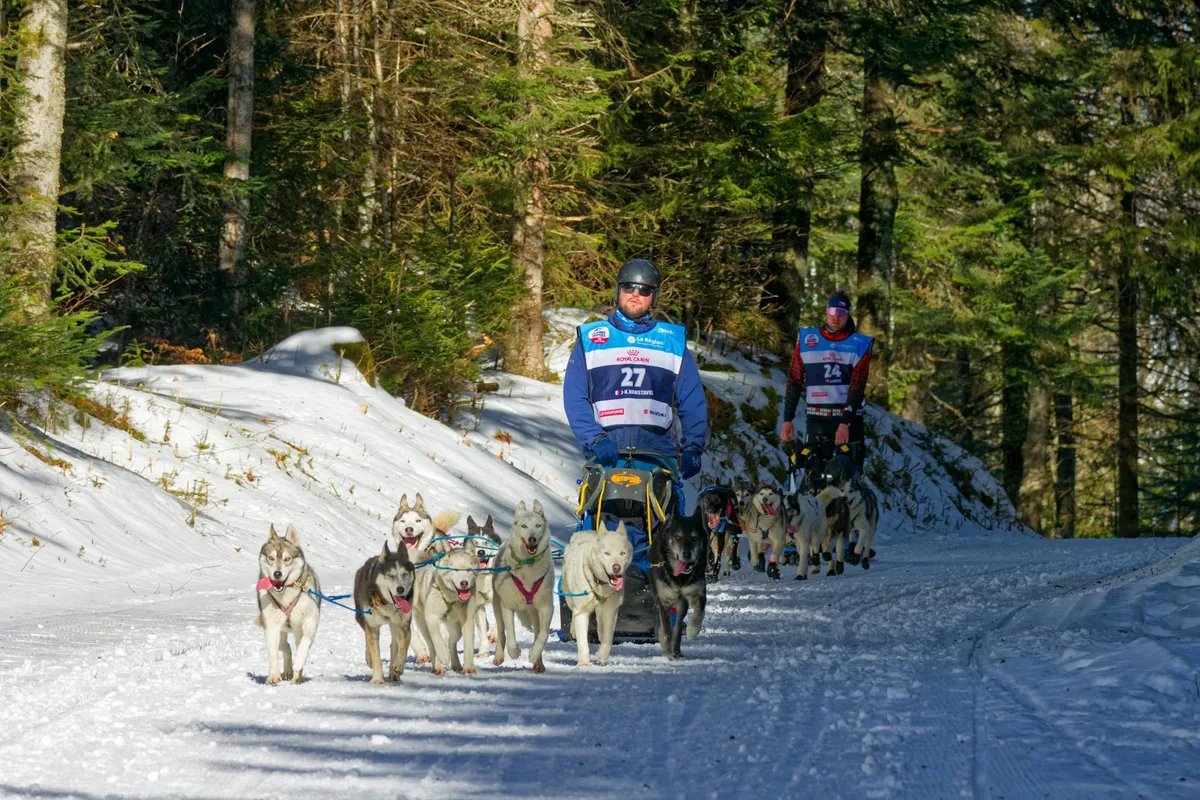
    Exciting dog sledding race through snowy forest with athletic participants.
    Photo by olivier chevriault on Pexels

    Can arctic dog breeds truly thrive in warmer climates, or are they destined for cold? Arctic dog climate adaptation is possible, but it requires attention. These breeds can develop a thinner coat in warmer climates, aiding in keeping arctic breeds cool. However, proper care and environment adjustments are crucial to ensure their well-being. We’ll now look at the specific challenges arctic dogs face in warmer climates.

    Challenges of Warmer Climates for Arctic Dogs

    What hidden dangers lurk for arctic dogs when the temperature rises? Overheating and dehydration are significant arctic dogs heat challenges. These breeds, adapted for cold, may exhibit increased lethargy or reluctance to exercise in hot weather. Studies show that arctic breeds are at a higher risk for heatstroke than other breeds, necessitating vigilant care in warmer areas. Next, we will provide practical tips for keeping arctic breeds comfortable in warmer climates.

    Tips for Keeping Arctic Breeds Comfortable

    What steps can you take to ensure your arctic dog remains cool and comfortable when the temperature rises? Start by providing plenty of fresh water and creating shaded areas for rest. Utilize cooling vests and mats to significantly reduce overheating risks, making outdoor activities safer for your sled dog.

    Ensure your arctic breed has access to climate-controlled environments during peak heat. Incorporate early morning or late evening exercise routines to avoid the hottest parts of the day. For more detailed strategies, visit AKC’s guide on dog care.

    Now, let’s explore inspiring success stories of arctic breeds thriving outside their native climates.

    Success Stories of Arctic Breeds in Non-Arctic Regions

    Can arctic breeds truly flourish outside their icy homes? These success stories say yes! Many owners report that with proper management, their arctic dogs not only adapt but also thrive, showcasing their resilience. For instance, one owner in Texas shared how their Siberian Husky adjusted beautifully, thanks to regular grooming and ample hydration.

    Another family in Florida successfully managed their Alaskan Malamute by ensuring plenty of shade and early morning exercise. These arctic dog success stories highlight the adaptability of sled dogs in non-arctic regions. Next, we will delve into the behavioral insights that are crucial for understanding these unique breeds.

    Behavioral Insights into Arctic Dog Breeds

    What unique behavioral traits define arctic dog breeds, and how can they impact your ownership experience? Understanding the behavioral traits of arctic dogs is crucial for effective ownership. Historically, these breeds served as working dogs, which influences their behavior and needs today. For instance, they often exhibit a strong prey drive, necessitating careful training to manage this instinct.

    Socialization and training are essential to mitigate common behavioral issues. Arctic dog socialization needs are significant, as these breeds can be independent and strong-willed. Training arctic breeds from an early age helps in channeling their energy and intelligence positively. Next, we will explore the socialization needs specific to these breeds.

    Socialization Needs of Arctic Breeds

    Why is socialization crucial for arctic dog breeds, and how can it shape their behavior? These breeds thrive on companionship due to their strong pack mentality. Early socialization for arctic dogs is essential to prevent behavioral issues. Without it, they may become overly protective or anxious around strangers.

    Engaging in activities such as group play sessions, obedience classes, and regular walks in varied environments can help. These experiences allow arctic breeds to bond closely with their families while learning to interact positively with others. Now, let’s look at effective training techniques tailored for these unique breeds.

    Training Techniques for Arctic Dogs

    What training methods can turn your arctic dog into a well-behaved companion? Effective dog training methods for arctic breeds often include positive reinforcement, especially for sled dogs. Consistency and patience are key, as these intelligent yet independent dogs thrive on routine.

    Incorporating play and mental stimulation into training sessions can enhance obedience and strengthen the bond between owner and dog. For example, fetch games and puzzle toys can be excellent tools. Next, we’ll address common behavioral issues faced by arctic breeds and how to resolve them.

    Common Behavioral Issues and Solutions

    What challenges might you face with an arctic dog, and how can you effectively address them? Behavioral issues in arctic dogs, such as excessive barking, digging, or stubbornness, often stem from high energy levels and a need for mental stimulation. Boredom and lack of exercise can exacerbate these issues.

    To tackle these arctic breed training challenges, ensure your dog receives ample physical activity and mental engagement. Solutions for sled dog problems include interactive toys, regular training sessions, and structured playtime. Addressing these needs can significantly reduce destructive behaviors.

    Now, let’s discuss how to choose the right arctic breed for your home.

    Choosing the Right Arctic Breed for Your Home

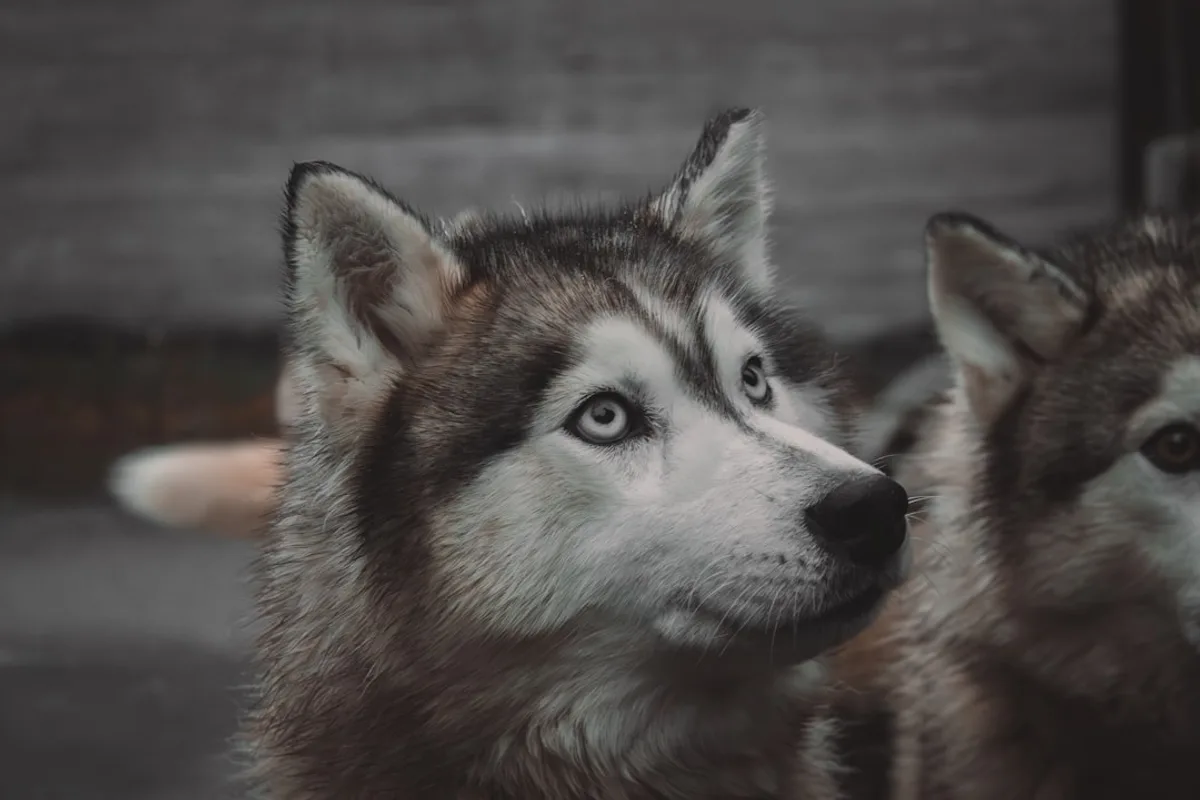
    Two husky dogs with striking blue eyes
    Photo by Shavr IK on Unsplash

    How can you ensure that the arctic breed you choose fits seamlessly into your life? Understanding the specific needs of different arctic breeds can prevent future conflicts and ensure a harmonious household. Consider the following factors:

    1. Activity Level: Assess your daily routine to match with a breed’s energy needs.
    2. Space Requirements: Ensure your home can accommodate the breed’s size and activity.
    3. Lifestyle Compatibility: Evaluate how the breed’s traits align with your family dynamics.

    Use this arctic breed selection guide to determine the best arctic breeds for families. Next, we will assess how to evaluate your living environment for an arctic breed.

    Assessing Your Living Environment

    Is your home ready for an arctic dog? Let’s find out what you need to consider!

    1. Space Requirements: Many arctic breeds thrive with access to large, secure outdoor spaces. Consider the exercise needs of sled dogs when evaluating your living environment for arctic dogs.
    2. Climate Considerations: Ensure your home environment is suitable for cold weather, as these breeds are adapted to thrive in such conditions.
    3. Outdoor Access: Create a safe outdoor area where your arctic breed can explore and exercise freely.

    Now, let’s explore how to match breed characteristics to your lifestyle.

    Matching Breed Characteristics to Your Lifestyle

    How can understanding breed characteristics lead to a happier life with your new arctic dog? Matching dog breeds to lifestyle is crucial for harmony. Consider the following steps:

    1. Evaluate energy levels: Active individuals may prefer breeds like the Alaskan Malamute, while families might choose family-friendly arctic dogs like the Samoyed.
    2. Assess grooming needs: Some arctic breed characteristics include high grooming demands, which may not suit busy households.
    3. Consider family dynamics: Homes with children or other pets should prioritize adaptable breeds.

    Finally, we will discuss how to prepare for the arrival of an arctic dog.

    Preparing for the Arrival of an Arctic Dog

    Are you ready to welcome an arctic dog into your home? Here’s how to prepare for their arrival!

    1. Gather essential supplies: food, water bowls, a sturdy leash, and a comfortable bed.
    2. Set up designated spaces to create a welcoming environment.
    3. Establish routines and boundaries to help the dog adjust.
    4. Research training resources specific to arctic breeds.

    Next, we will dispel common myths about arctic dog breeds.

    Dispelling Myths About Arctic Dog Breeds

    What myths surround arctic dog breeds, and how can understanding the truth change perceptions? Common myths about arctic dogs include their supposed unsuitability for warmer climates and inherent training difficulties. However, research shows that many arctic breeds adapt well to various environments with proper care. These arctic breed misconceptions can hinder adoption rates, underscoring the need for education in debunking arctic dog myths.

    Next, we will explore the myth that all arctic dogs are difficult to train.

    Myth: Arctic Breeds Are Only Suitable for Cold Climates

    Are arctic breeds truly confined to cold climates, or can they thrive in warmer areas? Contrary to popular belief, many arctic breeds can adapt to warmer climates by developing a thinner coat. With proper care, such as providing shade and hydration, these dogs can live happily in warmer regions.

    Experts agree that the adaptability of arctic dogs is impressive. For instance, Siberian Huskies and Alaskan Malamutes have been known to thrive in diverse environments. However, they require careful management to prevent overheating. Now, let’s address the myth that all arctic dogs are difficult to train.

    Myth: All Arctic Dogs Are Difficult to Train

    Is it true that all arctic dogs are hard to train, or is there more to the story? While some may believe that training arctic breeds is challenging, these dogs are often quite intelligent and eager to learn. Positive reinforcement, such as using treats and play, can be highly effective in training arctic breeds.

    Each breed, and indeed each individual dog, has its own temperament. Understanding these unique personalities is crucial. For instance, Siberian Huskies may require a different approach than Alaskan Malamutes. Tailoring training methods to suit their distinct traits often leads to success.

    Finally, we will tackle the myth that arctic breeds are aggressive.

    Myth: Arctic Breeds Are Aggressive

    Are arctic breeds truly aggressive, or is this a misunderstanding of their behavior? Historically, arctic breeds were bred for teamwork and companionship, not aggression. Studies show that when properly trained and socialized, these dogs exhibit friendly and social temperaments. However, their strong prey drive can sometimes be mistaken for aggression if not properly managed.

    Responsible ownership is crucial in shaping a dog’s behavior. Ensuring that arctic breeds receive adequate training and socialization helps dispel myths about dog behavior and aggression in arctic dogs. Next, we’ll address frequently asked questions about arctic dog breeds.

    FAQs About Arctic Dog Breeds

    Two husky dogs with striking blue eyes
    Photo by Shavr IK on Unsplash

    What burning questions do potential owners have about arctic dog breeds? Let’s dive into the answers!

    • What are the most common questions on sled breeds?

      Many ask about their exercise needs and adaptability to warmer climates. Learn more.

    • Are arctic dog breeds suitable for families?

      Yes, but they require ample space and mental stimulation.

    • What misconceptions affect adoption rates?

      Potential adopters often overlook their specific grooming and exercise needs.

    Next, we will summarize the key takeaways about arctic dog breeds and their future.

    What should every potential owner remember about arctic dog breeds as they consider bringing one into their home? These breeds, known for their resilience in cold climates, require responsible ownership to meet their unique needs. As climate change affects habitats, understanding their adaptability is crucial for their future care and preservation.

    How Do Arctic Breeds Handle Hot Weather?

    Arctic dog breeds, known for their thick fur and cold weather adaptations, struggle in hot climates. Their dense coats, designed for insulation, can lead to overheating. Owners should provide ample shade, water, and avoid strenuous activities during peak temperatures to ensure their comfort and safety.

    Are Arctic Breeds Good Family Pets?

    Arctic dog breeds, known for their sled-pulling prowess and cold weather adaptations, can be excellent family pets. Their loyal nature and strong bond with humans make them affectionate companions. However, their high energy levels and need for mental stimulation require active families committed to regular exercise and engagement.

    What Are the Grooming Needs of Arctic Dogs?

    Arctic dogs, known for their thick double coats, require regular grooming to manage shedding and prevent matting. Breeds like the Siberian Husky and Alaskan Malamute benefit from weekly brushing. During shedding seasons, daily grooming helps control fur loss and maintain their coat’s insulating properties, essential for cold weather adaptation.

    How Much Exercise Do Arctic Breeds Require?

    Arctic dog breeds, known for their endurance and strength, typically need vigorous exercise. Sled dogs like Huskies and Malamutes thrive on daily activities such as running or pulling. These breeds are adapted to cold climates and have high energy levels, making regular, intense exercise essential for their physical and mental well-being.

    Key Takeaways About Arctic Dog Breeds and Their Future

    What should every potential owner remember about arctic dog breeds as they consider bringing one into their home? These dogs are known for their resilience, intelligence, and unique adaptations to cold climates. Their thick fur and strong build make them excellent sled dogs, but they require committed care and understanding of their specific needs.

    As climate change continues to impact habitats, understanding the adaptability of arctic breeds will be crucial for their future care and preservation. Responsible ownership involves recognizing these needs and ensuring a suitable environment.

    Join us in making a difference—consider adopting a dog or volunteering with ADRTC today!
  • The Essential Guide to Arctic Dog Breeds: Characteristics, Care, and Adoption

    The Essential Guide to Arctic Dog Breeds: Characteristics, Care, and Adoption

    Why Arctic Dog Breeds Are Essential for Cold Climates

    Have you ever wondered why some dog breeds thrive in freezing temperatures? Arctic dog breeds are crucial for cold climates due to their unique adaptations, such as thick fur and a layer of body fat that insulate them against harsh weather. These breeds can withstand temperatures as low as -60°F, unlike non-Arctic breeds, which struggle below 32°F.

    Arctic dog breeds have evolved specific physiological traits, including a unique blood flow system, enabling them to maintain warmth without overheating during intense activities like sled pulling and hunting. Historically, these dogs have been indispensable in cold regions, serving as reliable sled dogs and hunting companions.

    • Siberian Husky – Known for their endurance and speed in sled racing.
    • Alaskan Malamute – Renowned for their strength and ability to haul heavy loads.
    • Samoyed – Famous for their herding skills and friendly demeanor.

    Next, we will explore the distinctive traits and popular breeds that define the Arctic dog category.

    Arctic dog breeds are not just beautiful; they are built for survival in the harshest conditions. These breeds are distinguished by their thick double coats, which provide insulation against extreme cold, and their large, snowshoe-like paws that help them traverse snowy terrains with ease. Popular Arctic dog breeds include the Siberian Husky, known for its endurance and friendly nature, the Alaskan Malamute, prized for its strength and loyalty, and the Samoyed, with its gentle disposition and striking white coat. These breeds are well-suited for families and active lifestyles due to their energetic and sociable temperaments. We will now delve deeper into the distinctive traits that make these breeds so remarkable.

    Distinctive Traits of Arctic Dog Breeds

    What makes Arctic dog breeds stand out in a crowd of canines? These breeds possess unique physical traits such as thick double coats, curled tails, and erect ears. Their dense fur provides insulation against extreme cold, while snowshoe-like paws offer traction on icy surfaces. Compared to non-Arctic breeds, these features are crucial for survival in harsh climates.

    Behaviorally, Arctic dogs are known for their loyalty, intelligence, and high energy levels. They often exhibit a natural instinct for teamwork, essential for their historical roles in sledding and hunting. These characteristics distinguish them from other breeds, underscoring their adaptability and resilience.

    Next, we will highlight some of the most popular Arctic dog breeds and their unique characteristics.

    From sledding companions to family pets, Arctic dog breeds have captured the hearts of many. Here are some of the top Arctic dog breeds:

    • Siberian Husky: Originally bred by the Chukchi people for endurance and companionship, this versatile breed excels in sled racing.
    • Alaskan Malamute: Known for their strength, they were historically used for hauling heavy freight.
    • Samoyed: With their iconic white coats, these dogs were used for herding reindeer.
    • Greenland Dog: A powerful sled dog, known for its resilience in harsh climates.
    • Canadian Eskimo Dog: Renowned for their stamina, they are adept at pulling sleds over long distances.

    These popular breeds in cold climates continue to thrive in modern society, participating in activities like sled racing and serving as loyal companions. Next, we will explore how these breeds are specifically adapted to thrive in extreme cold.

    Adaptations for Cold Environments

    How do Arctic dogs manage to thrive in some of the harshest climates on Earth? These breeds possess remarkable cold environment adaptations. Thick double coats and dense fur layers provide insulation, while a compact body shape minimizes heat loss. Additionally, they have a unique ability to regulate body temperature, staying active in sub-zero temperatures without overheating.

    Behaviorally, Arctic dogs conserve energy by reducing activity during extreme weather. Historically, these Arctic dog survival traits have been invaluable for sledding, enabling them to transport goods across icy terrains efficiently. Next, we will investigate the cultural significance and historical roles of these breeds.

    Cultural Significance and History of Arctic Breeds

    black and white wolf
    Photo by Benjamin Brunner on Unsplash

    Did you know that Arctic dogs have been vital to the survival of indigenous cultures for centuries? These remarkable breeds have historically played crucial roles in sled pulling and hunting, serving as indispensable partners in the harsh Arctic environment. Many indigenous cultures view Arctic dogs not just as pets but as essential partners in survival, often integrating them into their spiritual beliefs and practices.

    For example, the Inuit have long relied on the Canadian Eskimo Dog for transportation and hunting, valuing their strength and endurance. As one Inuit elder noted, “Without our dogs, we would not have thrived in this land.” We will now examine how these breeds have evolved over time.

    Historical Roles in Indigenous Cultures

    The bond between Arctic dogs and indigenous peoples goes far beyond companionship—it’s a matter of survival. In indigenous cultures, Arctic dog breeds have been essential for hunting and herding. These traditional roles have shaped their development, resulting in breeds like the Canadian Eskimo Dog remaining largely unchanged, showcasing their adaptability and resilience.

    Next, we will explore how Arctic dog breeds have evolved over time.

    Evolution of Arctic Dog Breeds

    The evolution of Arctic dog breeds is a fascinating tale of survival against the odds. These breeds developed unique traits, such as thick double coats and snowshoe-like paws, due to environmental pressures. Over time, human intervention has preserved certain genetic traits while altering others. Recent studies suggest that climate change is influencing their breeding patterns, challenging their traditional roles. Next, we will discuss the modern-day importance and uses of these breeds.

    Modern-Day Importance and Uses

    Arctic dog breeds are not just relics of the past; they are evolving to meet the needs of modern society. Today, these breeds participate in activities such as sledding, therapy, and companionship. Despite their historical roles, many Arctic breeds are now finding new purposes as therapy and service dogs, showcasing their versatility and adaptability.

    Urbanization and climate change have impacted their lifestyles, yet organizations continue to promote their welfare and adoption. Initiatives focus on preserving their unique characteristics while integrating them into contemporary uses of Arctic dog breeds. Next, we will provide detailed profiles of some lesser-known Arctic breeds.

    Detailed Profiles of Lesser-Known Arctic Breeds

    While many know the Siberian Husky, there are several lesser-known Arctic breeds that are equally remarkable. These unique Arctic dog profiles reveal breeds like the Karelian Bear Dog, known for its hunting prowess and family-friendly nature. Owners often praise its loyalty and adaptability, making it a cherished companion when properly trained.

    Another fascinating breed is the Norwegian Lundehund, with its six-toed feet and flexible joints, perfectly suited for navigating rugged terrains. Testimonials from owners highlight its playful temperament and moderate care needs, making it ideal for active families.

    Let’s take a closer look at the Greenland Dog, a hardy worker with a rich history.

    Greenland Dog: A Hardy Worker

    The Greenland Dog is more than just a breed; it’s a testament to the resilience of Arctic life. Originating from Greenland, this robust breed has historically excelled in hunting and transportation. Its thick double coat and powerful build enable it to withstand harsh climates, making it a unique Arctic breed.

    Renowned for its versatility, the Greenland Dog has been used both as a sled dog and for hunting, showcasing its strength and adaptability. Despite its working origins, this breed is known for its loyal and friendly temperament, making it a suitable family pet for those who appreciate its energetic nature.

    Next, we will explore the Canadian Eskimo Dog, a rare gem with a storied past.

    Canadian Eskimo Dog: A Rare Gem

    The Canadian Eskimo Dog is not just rare; it’s a breed steeped in history and cultural significance. As one of the oldest dog breeds in North America, with a lineage dating back over 4,000 years, it serves as a living piece of history. This rare Arctic dog breed boasts a thick double coat and robust build, ideal for enduring harsh Arctic conditions.

    Historically, these dogs were indispensable to Arctic communities, used for sledding and hunting. Today, conservation efforts focus on preserving the Canadian Eskimo Dog’s unique characteristics and cultural heritage. Finally, we will delve into the Karelian Bear Dog, known for its hunting prowess.

    Karelian Bear Dog: A Skilled Hunter

    The Karelian Bear Dog is not just a breed; it’s a fearless guardian of the Arctic wilderness. Originating from Finland, this hunting dog has a storied history of confronting large game like bears and moose. Known for its loyalty and protective nature, the Karelian Bear Dog exhibits a strong instinct to face predators.

    Physically, it boasts a thick double coat and muscular build, traits common among Arctic dog breeds. Its temperament is both courageous and devoted, making it an ideal companion for experienced owners. Training should focus on socialization and obedience, emphasizing positive reinforcement.

    Next, we will outline the steps to adopt or rescue an Arctic dog.

    Steps to Adopt or Rescue an Arctic Dog

    photo of black and white Siberian husky
    Photo by KT on Unsplash

    Thinking about adopting an Arctic dog? Here’s what you need to know before you take the plunge. Many potential adopters underestimate the importance of environmental factors, such as climate and space, in the successful adoption of Arctic breeds. Follow these steps to ensure a smooth adoption process:

    1. Prepare Your Home: Ensure you have enough space and a suitable climate for an Arctic dog. These breeds thrive in cooler environments and require ample room to roam.
    2. Research Breeds: Match the right breed with your lifestyle. Consider characteristics like energy levels and grooming needs.
    3. Application Process: Fill out adoption forms and provide necessary documentation.
    4. Home Visit: Expect a home visit to assess your living conditions and readiness for an Arctic dog.
    5. Finalize Adoption: Once approved, complete the paperwork and welcome your new furry friend home.

    Next, we will explain the adoption process in detail.

    Preparing for an Arctic Dog Adoption

    Preparation is key to a successful adoption—are you ready for an Arctic dog? Understanding Arctic dog needs is crucial. Here’s how to prepare:

    1. Research specific Arctic breeds and their temperaments to ensure a good family fit.
    2. Secure a suitable living environment, considering space and climate.
    3. Gather necessary supplies, such as grooming tools and exercise equipment.
    4. Prepare your home for the new arrival, ensuring safety and comfort.

    Now, let’s clarify the adoption process step-by-step.

    The Adoption Process Explained

    Navigating the adoption process can be daunting—let’s break it down step by step. Understanding how to adopt an Arctic dog involves several key stages:

    1. Application Submission: Fill out an application detailing your lifestyle and preferences.
    2. Interviews: Participate in interviews to discuss your suitability as a pet owner.
    3. Home Visits: Expect home visits to assess the environment and ensure a good match.
    4. Waiting Period: Be prepared for a waiting period, during which compatibility is evaluated.
    5. Trial Period: Many processes include a trial period to assess compatibility before finalizing the adoption.

    Finally, we will discuss post-adoption care and adjustment tips to ensure a smooth transition.

    Post-Adoption Care and Adjustment Tips

    Adopting an Arctic dog is just the beginning—how can you ensure a smooth transition?

    1. Establish Routines: Consistent daily schedules help Arctic dogs adjust to a new home, providing security and stability.
    2. Set Boundaries: Clearly defined boundaries prevent confusion and encourage good behavior.
    3. Prioritize Socialization and Training: Early intervention is crucial as many Arctic dogs may exhibit behavioral changes post-adoption.
    4. Monitor Health: Regular vet check-ups are essential to ensure your Arctic dog’s wellness as they acclimate.

    Next, we will discuss environmental and care considerations for Arctic breeds.

    Environmental and Care Considerations for Arctic Breeds

    Before bringing an Arctic dog home, it’s crucial to understand their unique care needs—are you prepared? These breeds thrive in cold climates, ideally between -20°F to 60°F. They require ample space to roam, as their natural instincts drive them to explore and be active. The living conditions for Arctic breeds should mimic their native environments as closely as possible.

    Aspect Considerations
    Dietary Needs High-quality, protein-rich diets are essential to meet their high energy levels and fast metabolism.
    Health Concerns Many Arctic breeds are prone to hip dysplasia and skin issues. Regular veterinary check-ups are crucial for early detection.

    Next, we will explore the dietary and exercise requirements specific to these breeds.

    Climate Suitability and Living Conditions

    What kind of environment do Arctic dogs thrive in? Let’s explore their ideal living conditions. Arctic dog breeds are best suited to cold climates with low humidity. They need ample space for exercise, especially in urban settings, to mimic their natural habitat. Despite their adaptations, they can suffer from heat stress without proper cooling options in warmer months.

    Climate Condition Ideal for Arctic Dogs
    Temperature Cold, below 50°F (10°C)
    Humidity Low
    Space Large areas for exercise and play

    Now, we will examine the dietary needs and exercise requirements of Arctic breeds.

    Dietary Needs and Exercise Requirements

    Feeding and exercising an Arctic dog is not just routine; it’s essential for their well-being—are you ready to meet their needs? Many Arctic breeds have a unique metabolism that requires a diet higher in fat compared to typical dog food, reflecting their energy needs in cold climates.

    Dietary Needs Exercise Requirements
    • High protein and fat content
    • Frequent small meals
    • Specialized Arctic dog dietary needs
    • Daily long walks
    • Mental stimulation activities
    • Regular play sessions

    Next, we will discuss health concerns that are specific to Arctic breeds.

    Health Concerns Specific to Arctic Breeds

    Understanding the health concerns of Arctic breeds is crucial for any potential owner—what should you be aware of?

    Health Issue Description Preventive Care
    Hip Dysplasia Common in larger breeds, causing joint pain and mobility issues. Regular vet check-ups and maintaining a healthy weight.
    Skin Conditions Thick coats make Arctic breeds prone to skin issues. Frequent grooming and skin checks are essential.
    Eye Problems Conditions like cataracts can affect vision. Early detection through routine eye exams.

    Recognizing early signs of health issues in Arctic dogs, such as limping or excessive scratching, is vital. Next, we will answer some frequently asked questions about Arctic dog breeds.

    FAQs About Arctic Dog Breeds

    adult Siberian husky photo
    Photo by Alexei Scutari on Unsplash

    Curious about Arctic dog breeds? Here are some frequently asked questions that might help you decide.

    • Can Arctic dog breeds adapt to family life?

      Yes, many potential adopters are unaware that Arctic breeds can adapt to family life, provided they receive proper training and socialization. Learn more about breed characteristics.

    • What are the common characteristics of Arctic dog breeds?

      They typically have thick double coats and snowshoe-like paws, which help them thrive in cold climates.

    • Which Arctic dog breeds are most popular?

      Popular breeds include the Siberian Husky, Alaskan Malamute, and Samoyed. Each has unique traits and care needs.

    Let’s dive into specific questions regarding the most common Arctic breeds.

    What are the most common Arctic dog breeds?

    Wondering which Arctic dog breeds are the most common? Let’s take a closer look at the favorites. Among the popular Arctic breeds, the Siberian Husky stands out, consistently ranking among the top 15 most popular dog breeds in the United States due to its friendly nature and striking appearance. Other common Arctic dog breeds include the Alaskan Malamute, known for its strength, and the Samoyed, famous for its friendly demeanor and fluffy white coat. These breeds are ideal for families and active lifestyles, thanks to their endurance and playful nature.

    Next, we will explore how Arctic dogs manage to stay warm in cold climates.

    How do Arctic dogs stay warm in cold climates?

    Have you ever wondered how Arctic dogs manage to stay warm in freezing temperatures? These remarkable canines possess unique physiological adaptations, such as thick layers of body fat and dense, double-layered fur, which provide excellent insulation. Unlike other breeds, Arctic dogs have a unique circulatory system that minimizes heat loss, allowing them to regulate their body temperature efficiently. Additionally, their behavioral adaptations, including increased activity levels and strategic resting habits, help them conserve warmth. Next, we will discuss whether Arctic dog breeds are suitable for families.

    Are Arctic dog breeds suitable for families?

    Are you considering an Arctic dog for your family? Here’s what you need to know about their suitability. Many Arctic breeds, despite their high energy, can thrive in family settings when provided with adequate exercise and training, debunking the myth that they are solely working dogs. Their friendly and loyal temperaments make them excellent companions.

    Successful integration of Arctic dogs and families often depends on early training and socialization. Families who have adopted these breeds report positive experiences, noting their playful nature and adaptability as key factors in creating a harmonious household. Next, we will explore the grooming needs of Arctic dogs.

    What are the grooming needs of Arctic dogs?

    Grooming an Arctic dog is more than just a chore—it’s essential for their health and happiness. Are you prepared for their grooming needs? The grooming needs of Arctic breeds are unique due to their thick double coats, which require regular maintenance. Shedding in Arctic dogs is significant, especially during seasonal changes, demanding frequent brushing to manage loose fur and prevent matting.

    Regular grooming ensures comfort, particularly in warmer climates. Use a slicker brush and an undercoat rake for effective Arctic dog coat care. Finally, we will address whether Arctic dogs can live in warmer climates.

    Can Arctic dogs live in warmer climates?

    Can Arctic dogs thrive in warmer climates? The answer might surprise you! While Arctic breeds, such as the Siberian Husky and Alaskan Malamute, can adapt to warmer climates, they require careful management to prevent overheating. Their thick double coats, designed for frigid temperatures, can pose challenges in heat.

    To keep Arctic breeds cool, ensure they have access to ample hydration and shaded areas. Many owners in warmer regions have successfully managed this by adjusting exercise times and providing cooling mats. With proper care, Arctic dogs in warm climates can indeed lead healthy lives.

    Key Takeaways About Arctic Dog Breeds

    As we wrap up our exploration of Arctic dog breeds, what are the key insights you should take away? These remarkable dogs are renowned for their thick double coats and snowshoe-like paws, which equip them to thrive in frigid environments. Popular breeds such as the Siberian Husky, Alaskan Malamute, and Samoyed are not only beautiful but also embody a rich historical and cultural significance.

    Understanding the complexities of Arctic dog breeds enhances the adoption experience and fosters a deeper appreciation for their unique traits and care needs. Potential adopters and enthusiasts must recognize the importance of these characteristics to ensure a harmonious relationship with these dogs.

    Join us in making a difference—consider adopting a dog or volunteering with ADRTC today! By supporting rescue efforts, you contribute to the preservation and well-being of these extraordinary breeds.