Author: Gary W. Kelly

  • Arctic Breeds vs Other Breeds: Unique Traits and Care Requirements

    Arctic Breeds vs Other Breeds: Unique Traits and Care Requirements

    Discover the Unique World of Arctic Breeds

    Have you ever wondered what makes Arctic breeds so special and beloved around the world? Arctic dog breeds, such as Siberian Huskies and Alaskan Malamutes, possess unique features that enable them to thrive in harsh, cold environments. These breeds are distinguished by their thick double-layered fur and substantial body fat, which provide essential insulation against freezing temperatures.

    Beyond their physical traits, Arctic breeds hold significant cultural importance, particularly among indigenous communities like the Inuit. These dogs have historically been vital for transportation and companionship in the Arctic regions. In the United States, Arctic breeds enjoy considerable popularity, with Siberian Huskies frequently ranking among the top 20 most popular dog breeds.

    Arctic breeds have evolved specific traits that not only help them survive in extreme cold but also make them exceptionally social and loyal companions. Their ability to form strong bonds with humans is one of the reasons they are cherished worldwide. Next, we will delve deeper into how Arctic breeds compare to other dog breeds in terms of physical and behavioral traits.

    Comparing Arctic Breeds to Other Dogs: What Sets Them Apart
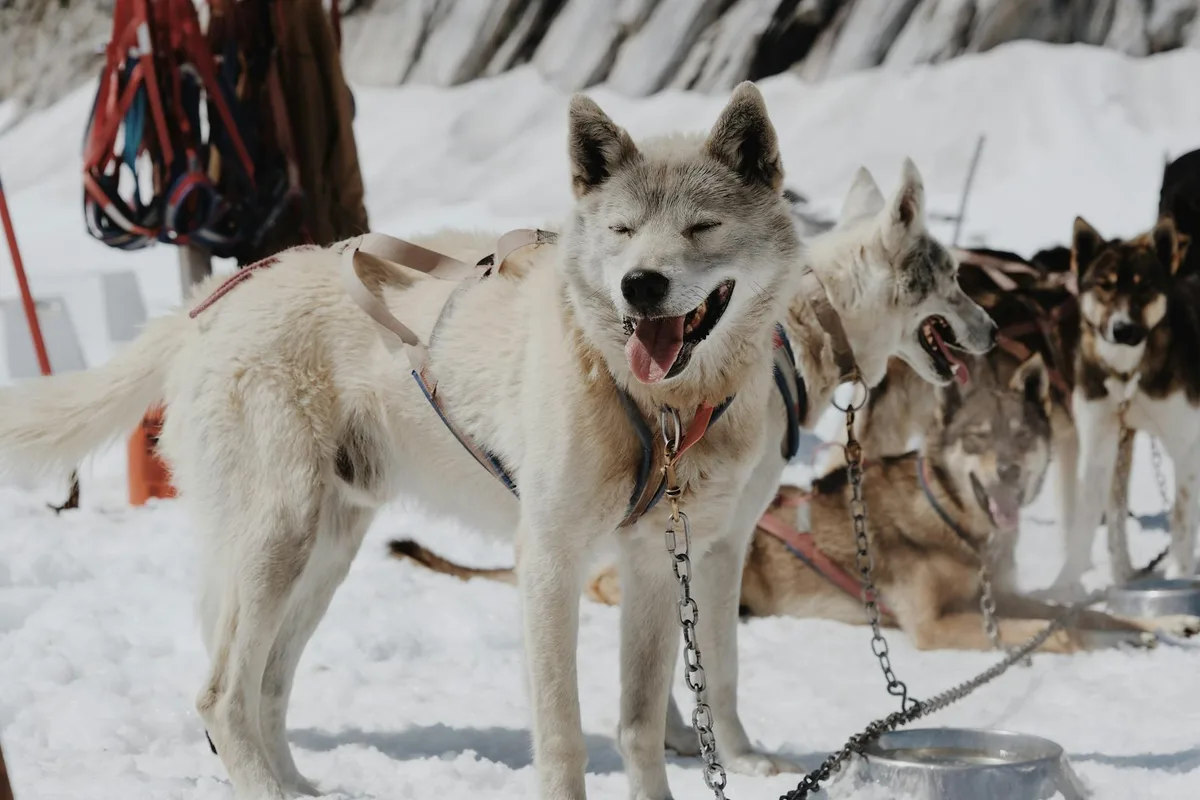
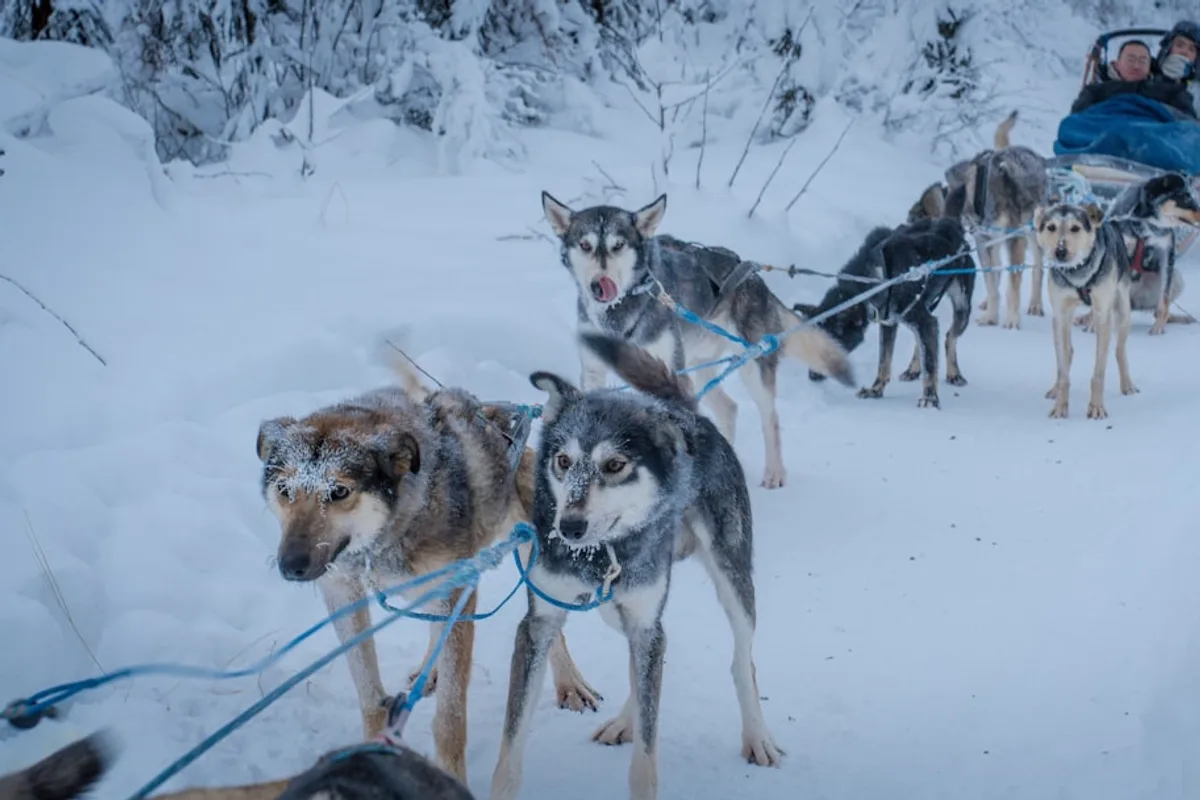
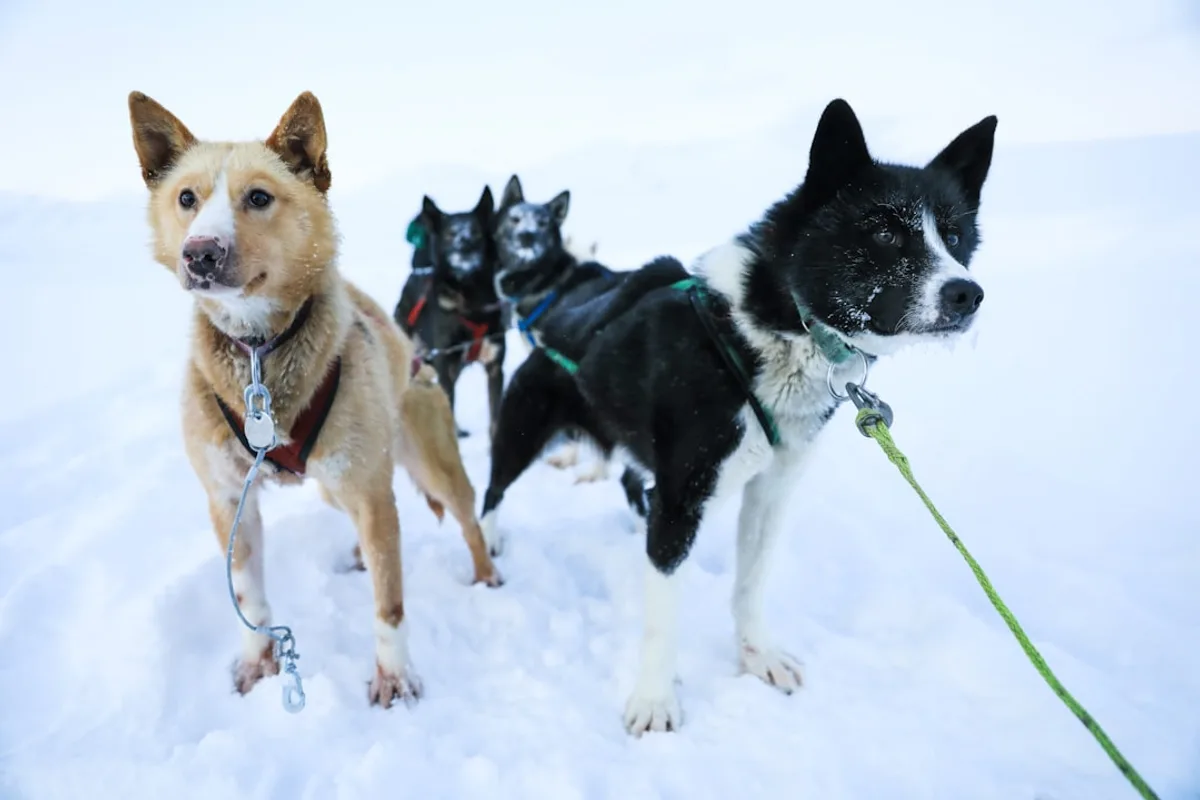
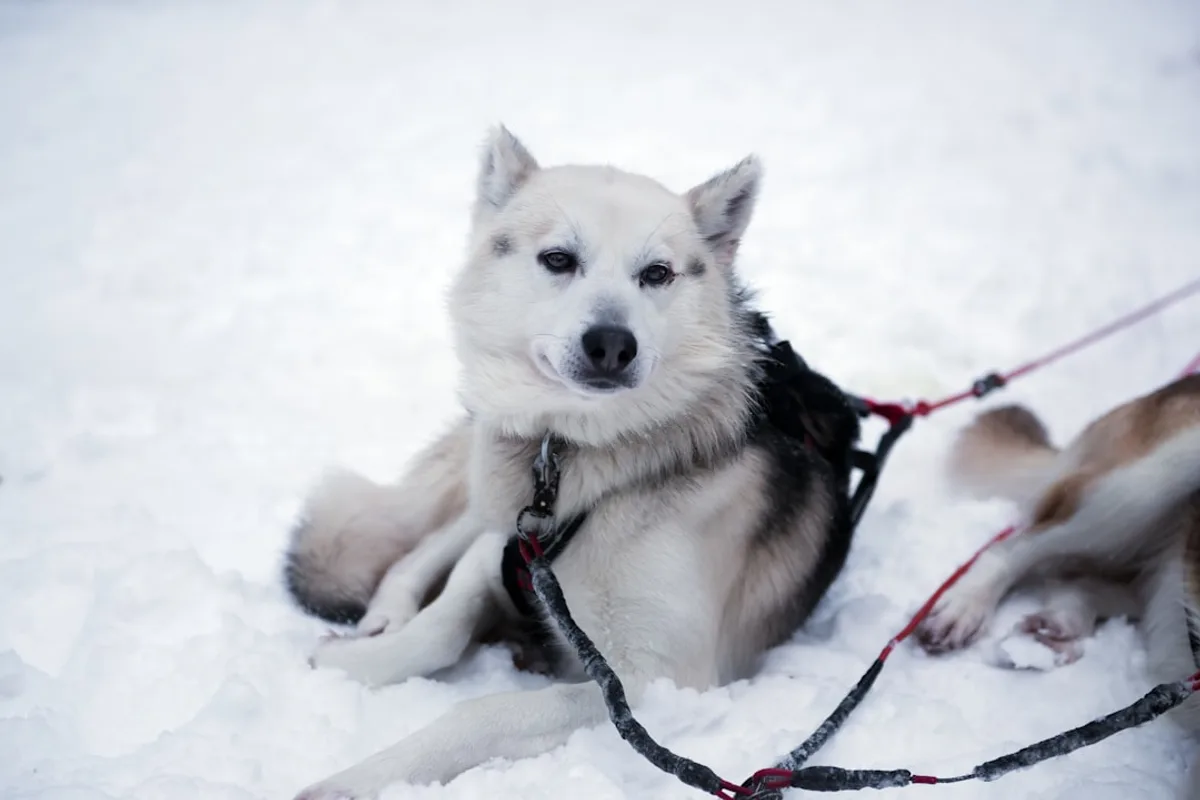
    Close-up of joyful huskies in snow, showcasing sled dogs ready for adventure.
    Photo by Destiny Finn on Pexels

    What truly sets Arctic breeds apart from the rest of the canine world? While many breeds are bred for companionship, Arctic breeds often retain strong instincts for work and survival, making them more independent than many other breeds. This dog breed characteristics comparison highlights key differences:

    Trait Arctic Breeds Other Breeds
    Size Medium to large Varies widely
    Coat Type Thick, double-layered Short to long, single or double-layered
    Ear Shape Pointed Varies
    Energy Levels High Low to high

    Physical Characteristics of Arctic Breeds

    Ever wondered why Arctic breeds look so different from your average dog? These breeds, like the Siberian Husky and Alaskan Malamute, boast a robust build and a thick double coat. The Siberian Husky typically weighs between 35-60 pounds and stands 20-23.5 inches tall, while the Alaskan Malamute can weigh up to 85 pounds with a height of 25 inches.

    Their double coat provides insulation and features a unique structure that allows moisture to escape, keeping them dry and warm. This adaptation is essential for surviving harsh, cold climates, setting them apart from non-Arctic breeds, which generally have thinner fur and lighter builds.

    Next, we will examine the behavioral traits that make Arctic breeds unique companions.

    Behavioral Traits Unique to Arctic Breeds

    What makes Arctic breeds not just pets, but true family members? These dogs, such as the Siberian Husky and Alaskan Malamute, are renowned for their high energy levels and strong prey drive. Their intelligence and independence can pose training challenges, yet these traits contribute to their unique charm.

    Arctic breeds often display a strong pack mentality, making them more social and interactive than many other breeds. This social nature allows them to bond deeply with families and coexist harmoniously with other pets. Owners frequently share anecdotes of their dogs’ playful yet independent personalities, highlighting their suitability as family companions.

    Now, let’s explore the historical roles and origins of these remarkable breeds.

    Historical Roles and Origins

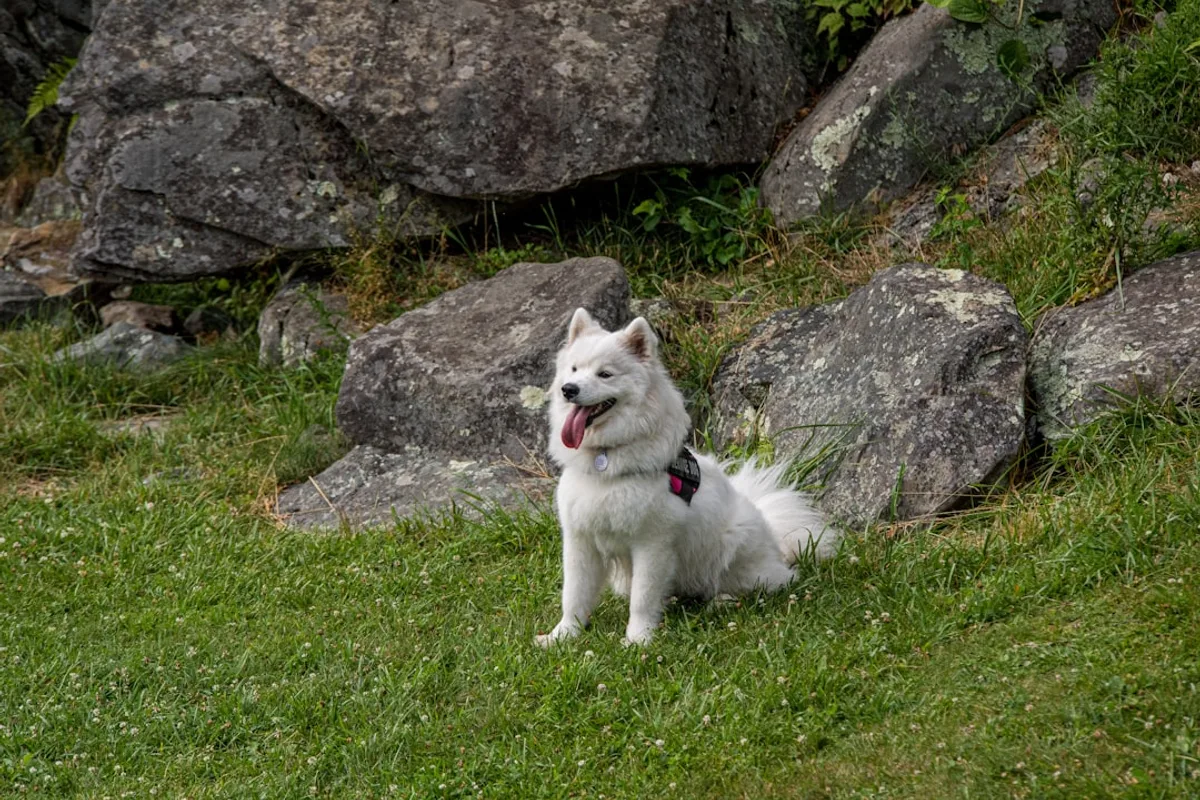
    Have you ever considered how the history of Arctic breeds shapes their identity today? The history of Arctic dog breeds is deeply intertwined with the survival of indigenous peoples. These dogs, such as the Samoyed and Siberian Husky, were indispensable for sledding, hunting, and companionship. They were not just pets but vital partners, reflecting a profound human-canine bond.

    In indigenous cultures, Arctic breeds were essential for traversing harsh terrains and hunting. The Samoyed, for instance, was revered for its ability to herd reindeer and provide warmth during frigid nights. Over time, these breeds have evolved, adapting to modern roles while retaining their historical significance.

    Next, we will discuss the specific care needs of Arctic breeds, focusing on their temperament and requirements.

    Caring for Arctic Breeds: Temperament and Needs

    Are you ready to meet the unique care needs of Arctic breeds? Known for their unwavering loyalty, Arctic breeds like the Siberian Husky and Alaskan Malamute form strong bonds with their families. These dogs require not only physical exercise but also mental stimulation to prevent boredom and destructive behaviors.

    Compared to other breeds, Arctic breeds demand more time and effort in grooming and exercise. For instance, Siberian Husky grooming involves regular brushing to manage their dense coats. Meanwhile, Alaskan Malamute exercise requirements are high, needing daily walks and playtime.

    Experts recommend prospective owners be prepared for this commitment. For more on breed characteristics, visit AKC’s dog breed pages.

    Let’s dive deeper into the daily exercise and activity requirements essential for these energetic dogs.

    Daily Exercise and Activity Requirements

    Are you prepared to keep up with the high energy demands of Arctic breeds? These dogs, including the Siberian Husky and Alaskan Malamute, require at least 1-2 hours of vigorous exercise daily. Activities like sledding and agility training not only meet their physical needs but also provide essential mental stimulation.

    In contrast, many other breeds are content with simpler walks. Experts recommend incorporating varied activities to keep Arctic breeds engaged and happy. Next, we will explore the dietary needs essential for maintaining the health of Arctic breeds.

    Dietary Needs for Optimal Health

    What should you feed your Arctic breed to keep them healthy and thriving? Due to their unique metabolism, Arctic breeds like the Siberian Husky and Alaskan Malamute require a diet richer in protein and fat compared to other breeds. This specialized nutrition supports their high energy levels and overall health.

    While other breeds may thrive on a more balanced diet, Arctic breeds need careful management to avoid health issues. Consider quality dog food brands such as Orijen and Acana, which offer formulas specifically designed for high-energy dogs.

    Proper nutrition is crucial for maintaining the vitality and performance of these cold-weather companions. Now, let’s examine effective training and socialization tips tailored for Arctic breeds.

    Training and Socialization Tips

    Are you ready to unlock the secrets to successfully training your Arctic breed? These intelligent and independent dogs, like the Siberian Husky and Alaskan Malamute, often require a different approach. Traditional methods may fall short, so focus on positive reinforcement techniques. Reward-based training encourages cooperation and helps manage stubbornness.

    Early socialization is crucial. Expose your Arctic breed to various environments, people, and other animals. This builds confidence and reduces anxiety. Owners often share success stories of their dogs thriving with consistent, patient training. Remember, each dog is unique, so adapt techniques to suit your pet’s personality.

    Next, we will discuss the challenges and solutions for adapting Arctic breeds to warmer climates.

    Adapting Arctic Breeds to Warmer Climates: Challenges and Solutions
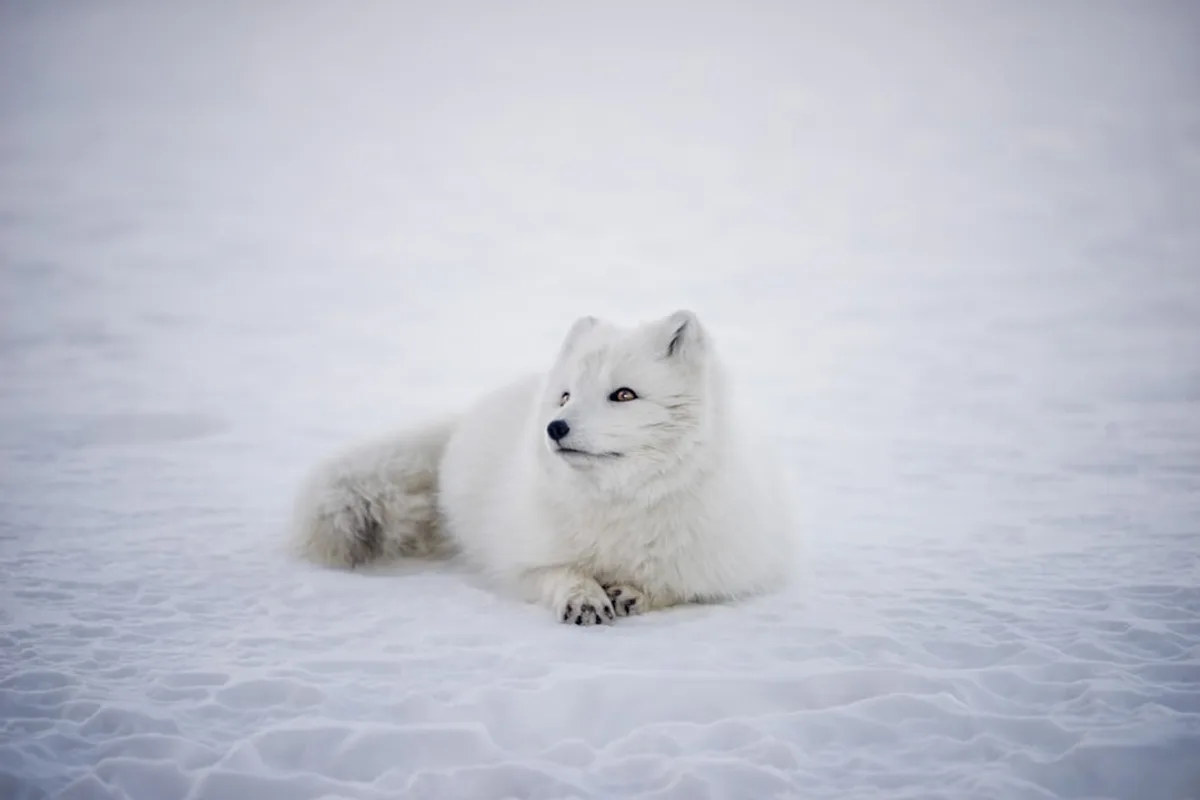
    short-coated white wolf laying on white surface
    Photo by Jonatan Pie on Unsplash

    Can Arctic breeds really thrive in the heat, or are they destined for the cold? Despite their cold-weather adaptations, breeds like the Siberian Husky and Alaskan Malamute can indeed adapt to warmer climates with the right care. However, they face challenges such as overheating and dehydration. Owners must employ strategies like keeping their pets indoors during peak heat and ensuring constant access to fresh water.

    Testimonials from owners highlight the effectiveness of air conditioning and controlled outdoor time in managing these issues. Regular health monitoring is crucial during temperature changes to prevent heat-related problems. Now, let’s look at the signs of overheating in Arctic breeds and how to recognize them.

    Recognizing Signs of Overheating

    Are you aware of the subtle signs that your Arctic breed may be overheating? Despite their adaptations to cold climates, breeds like the Siberian Husky can suffer from heat stress. Common signs of overheating in dogs include excessive panting, drooling, and lethargy. Interestingly, Arctic breeds may not show typical distress signs until they are severely overheated, making vigilance essential.

    Physiologically, these breeds have thick double coats that insulate against cold but can trap heat in warmer weather. Experts recommend monitoring your dog’s behavior closely and ensuring they have access to shade and water. Cooling mats and frequent breaks during outdoor activities can also help prevent overheating.

    Next, we will explore how to create a comfortable environment for Arctic breeds in warmer climates.

    Creating a Comfortable Environment

    Is your home ready to keep your Arctic breed comfortable during the heat? Simple changes like using cooling mats or providing shaded outdoor areas can significantly improve the quality of life for breeds like the Siberian Husky and Alaskan Malamute. Ensuring proper indoor climate control and managing outdoor access are crucial for effective heat management.

    Consider dog houses with adequate ventilation to prevent overheating. Many owners have successfully adapted their homes by incorporating these elements, ensuring their Arctic breed’s comfort in warmer climates.

    Now, let’s discuss the seasonal care adjustments needed for Arctic breeds throughout the year.

    Seasonal Care Adjustments

    Are you prepared to adjust your care routine for your Arctic breed as the seasons change? Seasonal care for Arctic breeds like the Siberian Husky and Alaskan Malamute involves specific grooming, exercise, and diet adjustments. During winter, focus on Siberian Husky winter grooming to maintain their thick coat, while in summer, ensure Alaskan Malamute summer care to prevent overheating.

    Veterinarians recommend modifying exercise routines based on temperature fluctuations. In colder months, increase outdoor activities to keep them fit, but during warmer seasons, opt for early morning or late evening walks. Seasonal transitions can significantly impact an Arctic breed’s health, requiring proactive care adjustments to prevent issues like overheating or winter injuries.

    Next, we will compare the cost and health considerations specific to Arctic breeds.

    Cost and Health Considerations for Arctic Breeds

    Are you ready to dive into the financial realities of owning an Arctic breed? The cost of owning Arctic breeds like the Siberian Husky or Alaskan Malamute can be substantial. While the initial purchase price may be higher, ongoing expenses such as health insurance and preventative care can vary significantly. Let’s compare these costs to those of other popular breeds.

    Expense Type Arctic Breeds Other Breeds
    Initial Purchase $1,000 – $2,500 $500 – $1,500
    Annual Health Insurance $500 – $700 $300 – $500
    Preventative Care $200 – $400 $150 – $300

    Owners often share that while the initial cost is high, the joy of owning these breeds outweighs the financial considerations.

    Common Health Issues in Arctic Breeds

    Are you aware of the unique health challenges that Arctic breeds may face throughout their lives? Many Arctic breeds, such as the Siberian Husky and Alaskan Malamute, are predisposed to specific genetic conditions. Regular veterinary check-ups and preventative care are essential to manage these issues effectively.

    Health Issue Arctic Breeds Other Breeds
    Hip Dysplasia Common Varies
    Eye Conditions Frequent Occasional

    Veterinarians emphasize the importance of responsible breeding practices to mitigate these health issues. Owners often share experiences of managing these challenges, highlighting the necessity of informed care. Next, we will discuss the financial aspects of owning an Arctic breed, including preventative care.

    Financial Aspects of Owning an Arctic Breed

    Are you financially prepared for the commitment of owning an Arctic breed? The financial costs of Arctic breeds, such as Siberian Huskies and Alaskan Malamutes, can be significantly higher due to their specialized care needs. Budgeting for health care, training, and grooming is crucial. Here’s a comparison to illustrate the differences:

    Expense Type Arctic Breeds Other Breeds
    Initial Costs $1,500 – $3,000 $500 – $1,500
    Annual Care $1,200 – $2,500 $800 – $1,500
    Grooming $300 – $600 $100 – $300

    Owners often share that the Siberian Husky ownership budget and Alaskan Malamute care expenses require careful planning. Now, let’s explore the preventative care and veterinary needs of Arctic breeds.

    Preventative Care and Veterinary Needs

    Are you aware of the critical preventative care requirements for your Arctic breed? Regular preventative care can significantly reduce the risk of developing common health issues in Arctic breeds, emphasizing the need for specialized veterinary knowledge. Essential care includes vaccinations, eye exams, and hip evaluations, particularly for breeds like the Siberian Husky and Alaskan Malamute.

    Preventative Care Arctic Breeds Other Breeds
    Vaccinations Essential Essential
    Eye Exams Highly Recommended Occasional
    Hip Evaluations Critical Varies

    Choosing a veterinarian experienced with Arctic breeds is crucial. Owners often share positive testimonials about vets who understand the unique needs of these dogs. Next, we’ll address frequently asked questions about Arctic breeds and their unique traits.

    FAQs About Arctic Breeds and Their Unique Traits
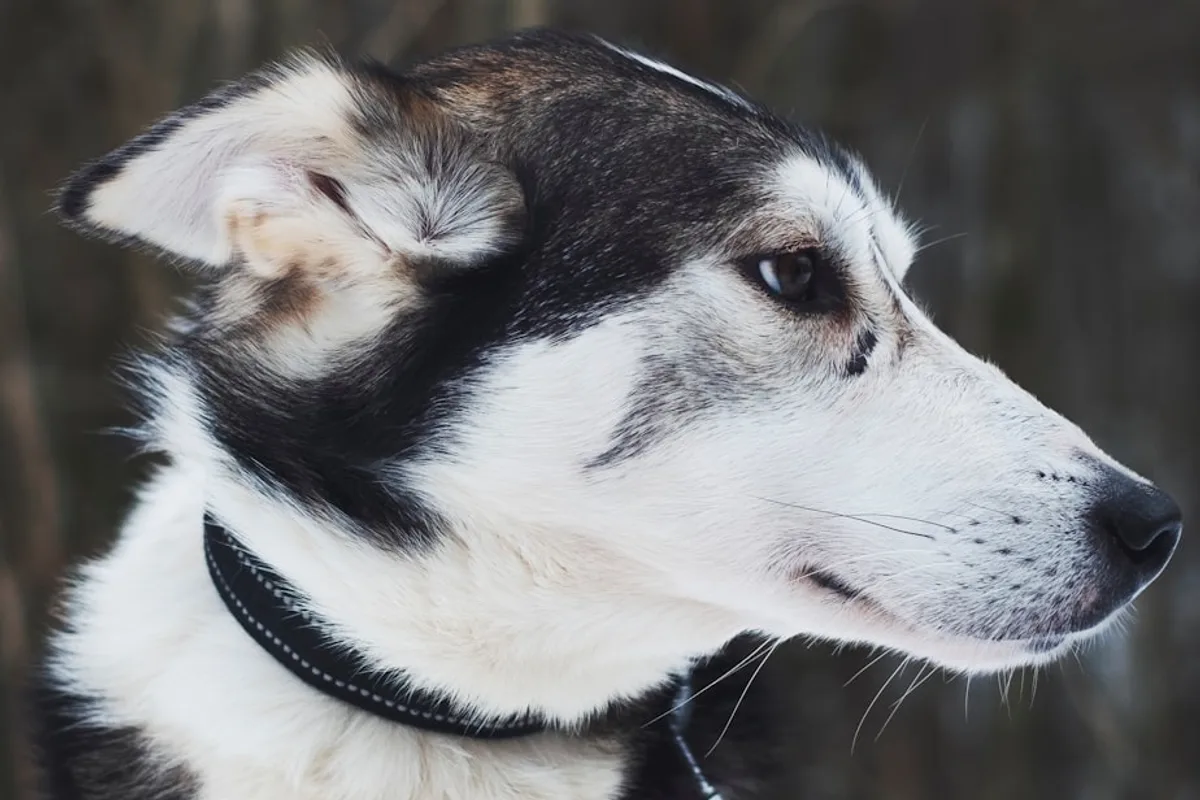
    black and white siberian husky
    Photo by Fredrik Solli Wandem on Unsplash

    What burning questions do you have about Arctic breeds that need answering?

    • Are Arctic breeds suitable for families?

      Yes, breeds like the Siberian Husky and Alaskan Malamute can be great family pets, but they require proper training and socialization.

    • Do Arctic breeds get along with other pets?

      They can coexist with other pets if introduced properly, though their prey drive can be a concern.

    • What grooming needs do Arctic breeds have?

      These breeds have thick coats that require regular grooming to manage shedding and maintain coat health. Learn more about grooming Arctic breeds.

    Many misconceptions about Arctic breeds stem from their appearance and origins, leading potential owners to overlook their unique needs and characteristics. Research is crucial for understanding these dogs.

    Now, let’s explore specific questions about the suitability of Arctic breeds for families with children.

    Are Arctic Breeds Suitable for Families with Children?

    Can Arctic breeds be the perfect companions for your children? These dogs, known for their friendly and playful nature, can indeed thrive in family environments. However, their high energy and strong prey drive require careful management. Families with Siberian Huskies or Alaskan Malamutes often praise their affectionate temperament but emphasize the need for consistent training.

    • Ensure supervised playtime to foster safe interactions.
    • Teach children how to approach and handle dogs gently.
    • Address concerns by consulting with a professional trainer.

    Next, we will explore how Arctic breeds handle hot weather and what owners should know.

    How Do Arctic Breeds Handle Hot Weather?

    Can Arctic breeds truly thrive in the heat, or are they destined for the cold? Despite their cold-weather adaptations, Arctic breeds like the Siberian Husky and Alaskan Malamute can acclimate to warmer temperatures with proper care, showcasing their resilience and adaptability. However, these breeds face challenges due to their thick coats and need special attention during summer.

    • Hydration: Ensure constant access to fresh water to prevent dehydration.
    • Shade and Ventilation: Provide cool, shaded areas and avoid peak sun hours.
    • Exercise Timing: Walks should be scheduled during cooler parts of the day.

    Experts recommend monitoring for signs of heat stress and consulting veterinarians for tailored advice. Next, we’ll address the grooming requirements for Arctic breeds to keep them healthy year-round.

    What Are the Grooming Requirements for Arctic Breeds?

    Are you ready to tackle the unique grooming challenges of Arctic breeds? With their thick double coats, breeds like the Siberian Husky and Alaskan Malamute require regular grooming to prevent matting and manage shedding. These dogs experience intense shedding cycles, often leading to ‘blowouts’ where large amounts of fur are lost.

    • Brush their coats at least twice a week.
    • Use a slicker brush or undercoat rake for best results.
    • Consider professional grooming during peak shedding seasons.

    Owners often share that while the grooming process is demanding, the right tools and techniques make it manageable. Now, let’s explore how Arctic breeds interact with other pets and their compatibility.

    Do Arctic Breeds Get Along with Other Pets?

    Can Arctic breeds be the perfect addition to a multi-pet family? While breeds like the Siberian Husky and Alaskan Malamute can coexist with other pets, their strong prey drive may complicate interactions with smaller animals. Early socialization and consistent training are crucial for fostering compatibility.

    • Introduce Arctic breeds to other pets gradually and in a controlled environment.
    • Owners report success in multi-pet households with patience and proper guidance.

    Now, let’s summarize the key takeaways about Arctic breeds and their unique traits.

    Key Takeaways About Arctic Breeds

    What essential insights should every potential owner of an Arctic breed know? Arctic breeds like the Siberian Husky and Alaskan Malamute are renowned for their resilience and unique characteristics. These dogs thrive in cold climates and have a strong work ethic, making them ideal companions for active individuals. Understanding their needs is crucial for ensuring their health and happiness.

    Potential adopters must recognize that these breeds require significant exercise, mental stimulation, and a commitment to ongoing education. Unlike other dog breeds, Arctic breeds have a strong prey drive and independent nature, which can be challenging for inexperienced owners. Responsible ownership involves understanding these traits and providing an environment that meets their physical and psychological needs.

    Join us in making a difference—consider adopting a dog or volunteering with ADRTC today! By supporting Arctic breed rescues, you contribute to the well-being of these magnificent dogs and help ensure they find loving, informed homes. Embrace the journey of learning and caring for these exceptional breeds, and enjoy the rewarding companionship they offer.

  • Understanding Canadian Eskimo Dog Temperament: A Comprehensive Guide

    Understanding Canadian Eskimo Dog Temperament: A Comprehensive Guide

    What Makes Arctic Dog Temperament Unique

    Have you ever wondered what sets the temperament of Canadian Eskimo Dogs apart from other breeds? These arctic dogs are renowned for their loyalty and pack behavior, deeply rooted in their natural instincts. Their unique temperaments are shaped by their environment and history.

    Canadian Eskimo Dogs exhibit strong socialization needs, often requiring more interaction compared to other breeds. Their natural behavior includes a pronounced prey drive, which can be effectively managed through proper training and socialization. Cold weather influences their temperament, making them resilient and adaptable in harsh conditions.

    Their personality traits, such as independence and determination, are a testament to their historical role as sled dogs. Understanding their history and physical traits can further illuminate why Canadian Eskimo Dogs behave the way they do.

    The History and Physical Traits of Canadian Eskimo Dogs

    The story of the Canadian Eskimo Dog is as rich and layered as the icy landscapes they hail from. Originating in the Arctic, these dogs were indispensable to Inuit communities, serving as sled dogs and hunting companions. This cultural significance has ingrained a strong work ethic in their temperament.

    Historically, their population faced challenges, particularly during the mid-20th century when mechanized transport reduced their numbers. Despite these setbacks, their resilient nature and history as Inuit sled dogs have shaped them into hardworking, loyal animals today. Next, we will explore the distinctive physical characteristics that make these dogs so unique.

    Origins and Historical Significance

    The Canadian Eskimo Dog’s appearance is not just striking but also a testament to its survival in one of the harshest climates on Earth. Originating from the Arctic regions of Canada, these dogs were essential to Inuit communities for hunting and sledding. Their double coat insulates against extreme cold, a trait shared by other arctic breeds.

    Unlike many other breeds, Canadian Eskimo Dogs possess a robust body structure and thick fur, adaptations necessary for enduring freezing temperatures. These physical traits are comparable to those of Siberian Huskies and Alaskan Malamutes, which also thrive in cold environments. Now that we understand their history and physical traits, let’s dive into the temperament traits that truly stand out.

    Distinctive Physical Characteristics

    From their striking appearance to their robust build, Canadian Eskimo Dogs are truly a breed apart. These dogs are medium to large-sized, with males weighing between 66 to 88 pounds. Their thick double coats come in various colors, including white, black, gray, and red. A distinctive ‘mask’ pattern often adorns their faces, a nod to their ancestral lineage.

    Their almond-shaped eyes and erect ears enhance their alert expression, while their powerful legs and muscular bodies enable them to excel in demanding arctic environments. These physical characteristics not only contribute to their working abilities but also influence their temperament, making them both resilient and independent.

    With a solid understanding of their unique traits, let’s explore the temperament traits that define these remarkable dogs.

    Temperament: Traits That Stand Out

    What makes a Canadian Eskimo Dog tick? Their temperament is a fascinating blend of loyalty, intelligence, and independence. Known for their strong protective instincts, these arctic dogs are excellent watchdogs, yet remain affectionate with family members. Their intelligence shines in problem-solving, while their independence may lead to self-directed play.

    In family settings, Canadian Eskimo Dogs often display unwavering loyalty, forming deep bonds with their owners. They interact well with other pets, though their independent streak might occasionally surface. For instance, during playtime, they might choose solitary exploration over group activities, showcasing their unique personality.

    Next, we will discuss the essential care and training needs for these unique dogs.

    Care, Training, and Ideal Environments for Canadian Eskimo Dogs

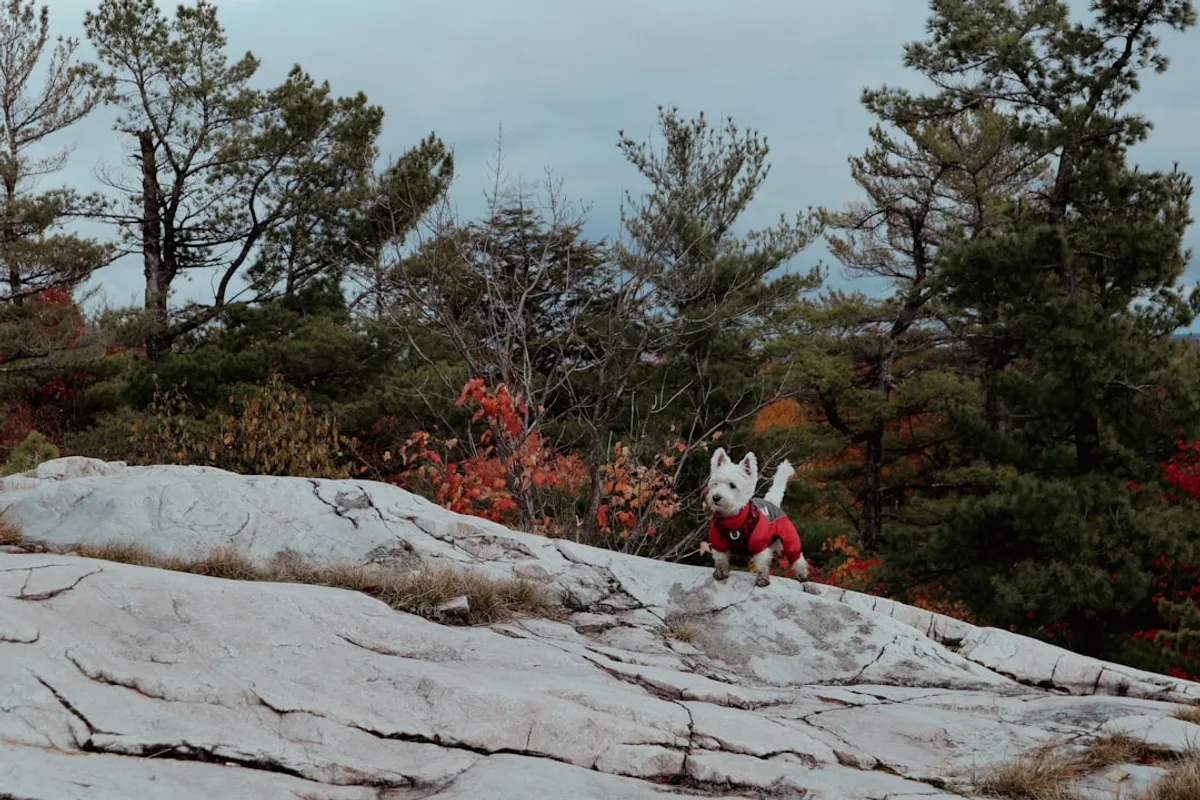
    a dog wearing a red sweater and standing on a rock with trees and bushes
    Photo by Ariana Kaminski on Unsplash

    Caring for a Canadian Eskimo Dog involves much more than just feeding and walking; it requires a commitment to their physical and mental health. These arctic dogs need a high-protein diet to support their active lifestyle. Daily exercise is essential, with activities like long walks or runs. Grooming includes regular brushing to manage their thick coat.

    Canadian Eskimo Dogs thrive on mental challenges, which can include puzzle toys or training games. Socialization is equally crucial to prevent behavioral issues. Establishing a balanced routine ensures their well-being.

    With a solid understanding of care needs, let’s explore effective training strategies tailored for Canadian Eskimo Dogs.

    Essential Care Needs

    Understanding the unique care needs of Canadian Eskimo Dogs is crucial for any prospective owner. Dietary needs include high-quality, protein-rich foods such as those offered by brands like Hill’s Science Diet. Regular grooming is essential; their thick double coat requires brushing several times a week, especially during heavy shedding periods twice a year.

    Additionally, regular veterinary check-ups and vaccinations are vital components of care. Ensuring these needs are met will help maintain your dog’s health and happiness. Now, let’s discuss training strategies that can help you successfully raise a Canadian Eskimo Dog.

    Training Strategies for Success

    Training a Canadian Eskimo Dog can be a rewarding experience when you understand their unique learning styles and instincts. These intelligent dogs thrive on positive reinforcement techniques, such as treats and praise. Consistency and patience are key, as they respond well to commands that engage their natural instincts, like pulling or herding activities.

    Commands such as “sit,” “stay,” and “pull” can be effectively incorporated into their training routine. Remember, arctic dog training tips emphasize the importance of activities that mirror their historical roles. Next, we will explore how to create the perfect environment for these dogs to thrive.

    Creating the Perfect Environment

    Creating the right environment for a Canadian Eskimo Dog is crucial to ensure they lead a happy and fulfilling life. These dogs thrive in spacious areas that allow for outdoor activities, reflecting their heritage of endurance and strength in harsh climates. An ideal environment for Canadian Eskimo Dogs includes ample space for exercise and play.

    To meet their physical and mental needs, provide interactive toys and regular socialization with other pets and people. This not only enriches their lives but also supports their temperament. Proper dog living conditions include a cool climate and a stimulating home setup.

    Now, let’s address some common health concerns and behavioral solutions for Canadian Eskimo Dogs.

    Health Concerns and Behavioral Solutions for Canadian Eskimo Dogs

    Understanding the health concerns of Canadian Eskimo Dogs is essential for any owner committed to their long-term well-being. These dogs are prone to specific genetic conditions, such as hip dysplasia and eye problems. Regular veterinary check-ups and preventative care, like joint supplements and eye screenings, can mitigate these risks. Behavioral issues may arise if these health problems go unaddressed, leading to discomfort and anxiety in your pet. Choosing reputable breeders who conduct thorough health screenings is crucial. Next, we will explore behavioral challenges and solutions that Canadian Eskimo Dog owners may encounter.

    Common Health Issues

    Every dog breed has its health quirks, and Canadian Eskimo Dogs are no exception—let’s delve into what you need to know. These arctic dogs are prone to hip dysplasia, eye disorders, and hypothyroidism. Regular dog vet check-ups are crucial for early detection and management of these conditions.

    Research shows that Canadian Eskimo Dogs are at a higher risk for certain hereditary conditions, emphasizing the need for genetic testing in breeding practices. Statistics indicate that approximately 20% of these dogs may suffer from hip dysplasia, highlighting the importance of preventative care.

    Now, let’s discuss the behavioral challenges that may arise and how to effectively address them.

    Behavioral Challenges and Solutions

    Behavioral challenges can be daunting, but understanding the root causes can make all the difference in managing your Canadian Eskimo Dog’s behavior. Common issues like separation anxiety and excessive barking often arise from their high intelligence and need for mental stimulation. Creative dog training solutions, such as puzzle toys and interactive games, can effectively address these problems.

    For instance, one owner successfully curbed excessive barking by introducing daily scent-tracking exercises, providing both mental and physical engagement. Another found that consistent routines and positive reinforcement helped alleviate separation anxiety. These behavior management strategies highlight the importance of tailored approaches to each dog’s unique needs.

    Now, let’s move on to training tips and inspiring stories from owners that showcase the potential of Canadian Eskimo Dogs.

    Training Tips and Owner Stories: Bringing Out the Best in Canadian Eskimo Dogs

    a group of dogs pulling a person on a sled
    Photo by Dennis Zhang on Unsplash

    Bringing a Canadian Eskimo Dog into your home is an exciting adventure, but preparation is key to a successful transition. To ensure a smooth start, consider these essential steps:

    1. Prepare Your Home: Create a safe and welcoming space with designated areas for sleeping, eating, and playing.
    2. Set Expectations: Establish clear boundaries and consistent rules from day one to guide your dog’s behavior.
    3. Early Socialization: Many new owners underestimate its importance, yet it is crucial for adaptability and positive behavior.

    One owner shared, “Our initial training involved daily socialization walks, which made a world of difference.” Let’s dive into step-by-step training techniques that will help you and your Canadian Eskimo Dog thrive together.

    Preparing for Training

    Preparation is not just about supplies; it’s about setting the stage for a harmonious relationship with your Canadian Eskimo Dog. Establishing a consistent routine from day one can greatly enhance the training process and help your Canadian Eskimo Dog feel secure.

    1. Introduce your Canadian Eskimo Dog to family members and other pets gradually.
    2. Establish a routine for feeding, exercise, and training.
    3. Use an arctic dog training checklist to ensure you have all necessary supplies.

    Now, let’s explore step-by-step training techniques that will help you build a strong bond with your Canadian Eskimo Dog.

    Step-by-Step Training Techniques

    Training your Canadian Eskimo Dog can be a fun and rewarding experience when you use the right techniques and engage their natural instincts. Here are some effective training techniques:

    1. Basic Commands: Start with essential commands like sit, stay, and come, which are crucial for daily life and safety.
    2. Advanced Techniques: Engage their intelligence with agility courses that combine training with play, enhancing their learning experience.
    3. Incorporate Play: Use toys and games during training sessions to keep your dog motivated and attentive.

    Finally, let’s hear success stories from owners that highlight the joys and challenges of raising a Canadian Eskimo Dog.

    Success Stories from Owners

    Every Canadian Eskimo Dog has a story, and the journeys of their owners can provide valuable insights and inspiration for new families. Here are some inspiring Canadian Eskimo Dog owner stories:

    1. Overcoming Challenges: One owner shared how their dog initially struggled with basic commands. Through consistent training, the dog not only learned obedience but also excelled in pulling sleds.
    2. Building Bonds: A testimonial highlighted the deep bond formed during training, emphasizing how the dog developed unique skills like participating in dog sports.

    Now, let’s compare Canadian Eskimo Dogs with other Arctic breeds to see how they stack up.

    Comparing Canadian Eskimo Dogs with Other Arctic Breeds

    When it comes to Arctic breeds, not all are created equal—let’s explore how Canadian Eskimo Dogs differ from their counterparts. While all Arctic breeds share some common traits, Canadian Eskimo Dogs are often more reserved and protective compared to the more social Siberian Huskies. This temperament comparison highlights key differences that affect their suitability for various lifestyles and families.

    Breed Temperament Traits
    Canadian Eskimo Dog Reserved, Protective, Loyal
    Siberian Husky Social, Playful, Friendly
    Alaskan Malamute Independent, Strong-willed, Affectionate

    These differences suggest that Canadian Eskimo Dogs may suit families seeking a protective companion, while Huskies and Malamutes might be better for those desiring a more social pet. Next, we will dive into physical and behavioral comparisons that further highlight these differences.

    Key Temperament Differences

    Understanding the social dynamics of Canadian Eskimo Dogs compared to other Arctic breeds can help potential owners choose the right fit for their lifestyle. The social behavior varies significantly between breeds, impacting family life and daily interactions.

    Aspect Canadian Eskimo Dog Husky
    Social Behavior Aloof with strangers, excellent watchdogs Welcoming and friendly
    Energy Levels High, requires extensive exercise Moderate to high, enjoys regular activity
    Family Interaction Loyal and protective Affectionate and playful

    Now, let’s explore the physical and behavioral comparisons that further distinguish Canadian Eskimo Dogs from other Arctic breeds.

    Physical and Behavioral Comparisons

    When comparing Canadian Eskimo Dogs to other Arctic breeds, the differences in both physical appearance and behavior can be striking. Canadian Eskimo Dogs are often more robust and muscular compared to other Arctic breeds, which can affect their exercise needs and training approaches.

    Aspect Canadian Eskimo Dogs Other Arctic Breeds
    Size & Build Robust and muscular Varies, often leaner
    Coat Type Thick, double-layered Similar, but can vary
    Trainability Independent, requires patience Generally more trainable

    Finally, we will help you determine which breed is the best fit for your lifestyle.

    Which Breed is Right for You?

    Choosing the right dog is a significant decision—let’s explore how to find the perfect Arctic breed for your home and lifestyle. Understanding your own lifestyle and preferences is crucial, as Canadian Eskimo Dogs require a high level of commitment and engagement compared to some other breeds.

    Consideration Canadian Eskimo Dog Other Arctic Breeds
    Activity Level High Varies
    Family Dynamics Requires experienced owners More adaptable
    Commitment Very high Moderate
    • Do I have time for daily exercise and training?
    • Is my family experienced with high-energy dogs?
    • Can I provide a stimulating environment?

    Next, we will address frequently asked questions about Arctic dog temperament and more.

    FAQs About Arctic Dog Temperament and More

    a dog sitting in the grass
    Photo by Wen Zhu on Unsplash

    Curious about Arctic dog temperament? Here are the most frequently asked questions that can help guide your understanding.

    • What is the temperament of a Canadian Eskimo Dog?

      These dogs are known for their loyalty and intelligence, but their temperament can vary significantly based on upbringing and socialization experiences.

    • How should I train a Canadian Eskimo Dog?

      Consistent training and early socialization are crucial. These dogs respond well to positive reinforcement techniques.

    • Are there specific care requirements for Arctic dogs?

      Yes, they require regular exercise and mental stimulation. For more details, visit the American Kennel Club.

    Let’s start with the typical temperament traits of Arctic dogs.

    What is the typical temperament of Arctic dogs?

    What can you expect from the temperament of an Arctic dog? Let’s explore the defining traits of these unique breeds. Arctic dogs, particularly the Canadian Eskimo Dog, are known for their loyalty, intelligence, and independence. These traits can vary based on individual dogs and their environments. Early socialization is crucial, as it significantly influences their behavior. Typically, they are gentle with families but may exhibit dominance around other pets.

    Next, we will examine how Canadian Eskimo Dogs interact with children.

    How do Canadian Eskimo Dogs interact with children?

    Are Canadian Eskimo Dogs good with children? Their temperament can lead to strong protective bonds with the little ones in your family. Known for their protective instincts, these arctic dogs often form deep connections with children, ensuring a safe environment. Families report that with proper training and supervision, Canadian Eskimo Dog children interactions are positive and nurturing.

    • Always supervise playtime to ensure dog safety with kids.
    • Teach children to respect the dog’s space and signals.

    Next, let’s explore whether Canadian Eskimo Dogs are suitable for apartment living.

    Are Canadian Eskimo Dogs suitable for apartment living?

    Can a Canadian Eskimo Dog thrive in an apartment? Let’s explore the factors that determine their adaptability to smaller living spaces. While Canadian Eskimo Dogs can adapt to apartment living, they require a significant amount of daily exercise and mental stimulation to thrive. Their high energy levels and space requirements can pose challenges. To successfully manage a Canadian Eskimo Dog in an apartment, owners should ensure regular outdoor activities and engage them with interactive toys. Next, we will discuss the grooming needs of Canadian Eskimo Dogs.

    What are the grooming needs of Canadian Eskimo Dogs?

    Grooming a Canadian Eskimo Dog is essential for their health—let’s dive into what you need to know to keep their coat in top shape. Regular brushing, at least once a week, is crucial to prevent matting and maintain healthy skin. During seasonal shedding, which occurs twice a year, increase brushing frequency to manage the heavy shedding effectively. Bathing should be done only when necessary to preserve the natural oils in their coat. Finally, we will address how to adopt a Canadian Eskimo Dog.

    How can I adopt a Canadian Eskimo Dog?

    Thinking about bringing a Canadian Eskimo Dog into your home? Here’s everything you need to know about the adoption process. Start by researching arctic dog rescue organizations and shelters that specialize in adopting Canadian Eskimo Dogs. Understanding the breed’s temperament and care requirements is crucial, as many of these dogs are in shelters due to their specific needs.

    • Research breed-specific rescues and shelters.
    • Contact organizations for available dogs.
    • Prepare your home for their unique needs.
    • Complete the adoption process with informed commitment.

    For more resources, visit Petfinder or Adopt a Pet to find Canadian Eskimo Dogs in need of a loving home.

    Key Takeaways About Arctic Dog Temperament

    As we wrap up our exploration of Canadian Eskimo Dogs, let’s reflect on the key traits that make them such remarkable companions. These dogs are known for their loyalty, intelligence, and resilience. Understanding these unique temperament traits is crucial for potential owners, as it can significantly enhance the owner-dog relationship and lead to a more fulfilling companionship.

    Canadian Eskimo Dogs require dedicated care, including regular exercise and mental stimulation, to thrive. Recognizing these needs is essential for anyone considering arctic dog ownership. By adopting from a rescue organization, you not only gain a loyal friend but also contribute to the preservation of this incredible breed.

    Join us in making a difference—consider adopting a dog or volunteering with ADRTC today!

  • Overcoming Common Challenges in Arctic Dog Training During Winter

    Overcoming Common Challenges in Arctic Dog Training During Winter

    What Makes Arctic Dog Training Unique

    What if the very traits that make arctic dogs so lovable also complicate their training? Arctic dog breeds like Siberian Huskies and Alaskan Malamutes possess thick fur and high energy levels, which require specialized training approaches. Their high prey drive can further complicate training if not addressed early. These unique characteristics necessitate tailored methods to meet their specific needs.

    For example, the unique training needs for huskies often involve managing their energy and prey instincts, while training challenges for malamutes may focus on their independent nature. Understanding these characteristics sets the stage for exploring the specific challenges faced during winter training.

    Common Challenges in Arctic Dog Training During Winter

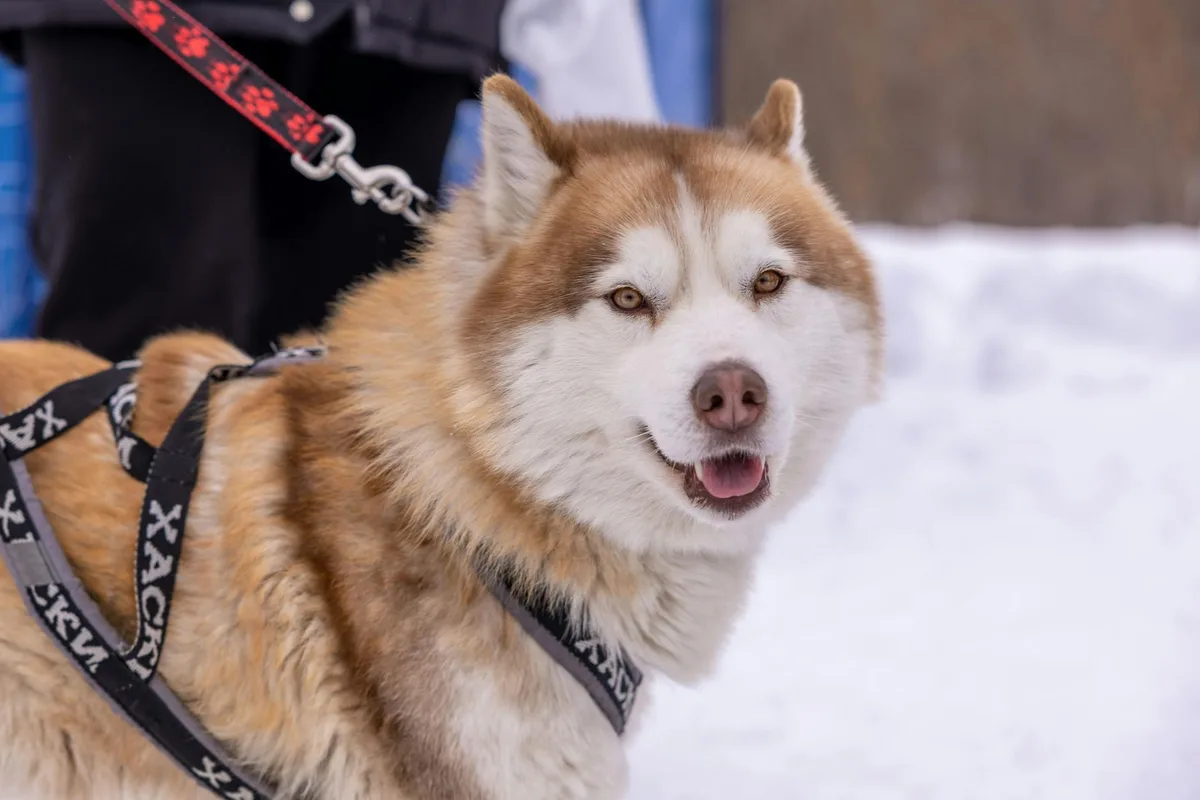
    Close-up of a Siberian Husky wearing a harness, enjoying a snowy outdoors scene.
    Photo by Sergei Starostin on Pexels

    As the temperature drops, so do the challenges of training your arctic dog—what should you watch for? Icy surfaces and extreme temperatures can significantly hinder outdoor training sessions. Shorter daylight hours further complicate schedules, often leading to decreased activity levels. Statistics show that winter weather can reduce training effectiveness by up to 30%. Many trainers report that arctic breeds can become less responsive in extreme cold, leading to increased training difficulties.

    Next, we will delve deeper into how extreme cold specifically affects dog behavior.

    Impact of Extreme Cold on Dog Behavior

    Have you ever noticed your arctic dog acting differently when the temperature plummets? Extreme cold can lead to lethargy, affecting their willingness to participate in training. Physical discomfort from cold weather impacts focus and engagement. Research indicates that arctic dogs may exhibit anxiety or stress, hindering training progress.

    With these behavioral changes in mind, let’s explore the limited outdoor training opportunities that arise in winter.

    Limited Outdoor Training Opportunities

    When winter strikes, outdoor training can feel like an uphill battle—what are the alternatives? Snow and ice often limit safe outdoor dog training opportunities, especially in regions with average temperatures dropping below -20°C and snowfall exceeding 100 inches annually. These conditions can disrupt training schedules and lead to restlessness in arctic breeds.

    Many trainers find that arctic breeds can become bored or restless when outdoor training is limited, leading to behavioral issues. To counteract this, consider winter training alternatives such as indoor agility courses or obedience training in community centers. These methods help maintain engagement and focus despite the harsh weather.

    Now that we understand the limitations, let’s discuss how to maintain motivation and focus during these challenging months.

    Maintaining Motivation and Focus

    How do you keep your arctic dog excited about training when the weather is less than inviting? Common challenges include decreased energy levels and distractions. To maintain winter dog training focus, try varying routines and incorporating short, high-energy play sessions. Experienced trainers suggest these techniques to boost arctic dog training motivation effectively.

    Having addressed motivation, we now turn our attention to the psychological effects of winter on arctic dogs.

    Psychological Effects of Winter on Arctic Dogs

    Could the winter blues be affecting your arctic dog more than you realize? Seasonal affective disorder in dogs is a real concern, especially for arctic breeds. Symptoms such as lethargy, decreased appetite, and mood changes can manifest during the colder months. Studies indicate that these breeds are particularly susceptible to mood changes due to their natural habitat and lifestyle preferences, highlighting the importance of winter mental health for dogs.

    Changes in routine and environment can significantly impact a dog’s mental health. Understanding these psychological effects is crucial as we explore behavioral changes and coping mechanisms.

    Seasonal Affective Disorder in Dogs

    Is your dog acting withdrawn this winter? It could be more than just the cold—let’s explore seasonal affective disorder in dogs. Dog seasonal affective disorder symptoms include lethargy, changes in appetite, and a preference for solitude. These symptoms are often exacerbated by reduced sunlight, a common environmental factor in arctic regions.

    According to AKC, arctic breeds may experience winter blues more intensely, leading to decreased interest in social interactions, sometimes mistaken for behavioral issues. Trainers have observed that dogs with SAD often show reluctance to engage in activities they once enjoyed.

    With an understanding of SAD, we can now look at how behavioral changes manifest and what coping mechanisms can be employed.

    Behavioral Changes and Coping Mechanisms

    Have you noticed your arctic dog acting out this winter? Understanding their behavior can help you provide better support. Common winter behavioral changes in dogs include increased irritability or withdrawal. Some dogs may develop compulsive behaviors, such as excessive barking or digging, as coping mechanisms for winter stress.

    To address these changes effectively, monitor your dog’s behavior closely and provide ample exercise and mental stimulation. Now that we have explored behavioral changes, let’s discuss how owners can support their dogs emotionally during this season.

    How Owners Can Support Their Dogs Emotionally

    Wondering how to keep your arctic dog happy and healthy during the long winter months? Here are some effective strategies. Engage in daily mental stimulation activities, such as training games, to reduce anxiety and improve well-being. Increase social interaction through indoor playdates, and maintain a consistent routine to provide security.

    With emotional support strategies in place, let’s explore practical training solutions for the cold weather.

    Indoor and Outdoor Training Solutions for Cold Weather

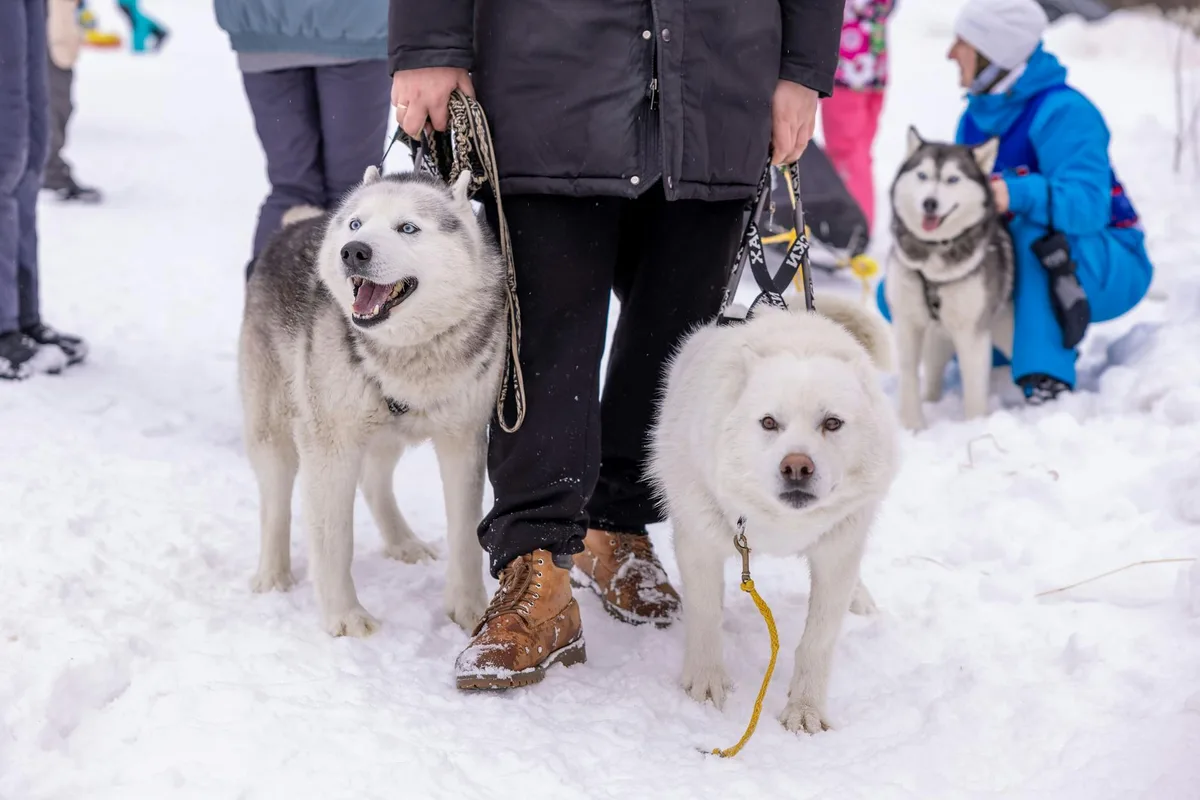
    Close-up of Siberian Huskies on a snowy winter day with people outdoors.
    Photo by Sergei Starostin on Pexels

    As the temperatures drop, how can you ensure your dog continues to learn and grow? Here’s how to adapt your training approach for winter.

    1. Create a designated indoor training area to improve focus and reduce distractions. Ensure the space is safe and comfortable, using heated mats if necessary.
    2. Adapt outdoor exercises by shortening sessions and incorporating warm-up routines. Use protective gear like dog coats and booties to maintain effectiveness.
    3. Utilize specific tools such as indoor agility equipment to keep your dog engaged and active during winter training for arctic breeds.

    Next, we will discuss how to prepare your indoor space effectively for training.

    Preparing Your Indoor Space for Training

    Is your home ready for winter training? Let’s transform your indoor space into a dog training haven!

    1. Space: Choose a clutter-free area with enough room for movement.
    2. Lighting: Ensure the area is well-lit to keep your dog engaged.
    3. Temperature Control: Maintain a comfortable temperature to prevent distractions.
    4. Minimize Distractions: Remove noisy items and keep the area quiet.
    5. Utilize Household Items: Use interactive toys and puzzles to create an engaging indoor dog training setup.

    With an effective indoor space prepared, let’s explore how to adapt outdoor exercises for winter conditions.

    Tools and Equipment for Effective Cold Weather Training

    Are you equipped for winter training? Here are the must-have tools to keep your arctic dog safe and engaged!

    1. Insulated Jackets: Brands like Ruffwear offer jackets that provide warmth without restricting movement.
    2. Booties: Protect paws from ice and snow with durable booties from brands like Muttluks.
    3. Training Aids: Use cold-resistant toys and treats to maintain focus and motivation.

    Investing in high-quality winter dog training equipment can significantly reduce the risk of injury and improve training outcomes. With the right tools in hand, let’s explore mental stimulation techniques that can keep arctic dogs engaged during winter.

    Mental Stimulation Techniques for Winter Training

    How can you keep your arctic dog’s mind sharp when the weather turns frigid? Here are some engaging techniques to try! Mental stimulation for dogs in winter is crucial for maintaining their well-being. Incorporating mental challenges into training can prevent boredom and reduce behavioral issues commonly seen in arctic breeds.

    Engage your dog with indoor dog puzzles and games, such as puzzle toys that challenge their problem-solving skills. Scent games are another excellent option, encouraging your dog to use their keen sense of smell. Additionally, social interaction plays a vital role in mental stimulation, enhancing training effectiveness.

    Now, let’s take a look at interactive games and puzzles that can provide mental stimulation.

    Interactive Games and Puzzles

    Looking for ways to keep your dog entertained indoors? Interactive games and puzzles might be the perfect solution! Popular options include treat-dispensing toys and puzzle boards, which are among the best puzzles for dogs. These games enhance problem-solving skills and keep dogs mentally engaged, making them excellent indoor dog training games.

    Many dogs find puzzle toys not only mentally stimulating but also rewarding, leading to increased engagement in training activities. To introduce these games, start with simple puzzles and gradually increase complexity as your dog becomes more adept. This approach maximizes their effectiveness and keeps your arctic dog mentally sharp during winter.

    Next, we will explore how scent work and problem-solving activities can further enhance your dog’s training experience.

    Scent Work and Problem-Solving Activities

    Did you know your dog’s nose could be the key to keeping them engaged this winter? Let’s explore the world of scent work! Scent work for dogs taps into their natural instincts, offering a fulfilling challenge that enhances their overall well-being. Here’s how you can incorporate it into your arctic dog’s training routine:

    • Step 1: Choose a variety of scents, such as essential oils or treats.
    • Step 2: Hide these scents in different locations around your home.
    • Step 3: Encourage your dog to find the scents, rewarding them with treats or praise upon discovery.

    These dog problem-solving activities can alleviate boredom and anxiety, especially during the long winter months. Finally, we will discuss how to incorporate training into daily routines to maintain consistency.

    Incorporating Training into Daily Routines

    What if training your dog could be as simple as your daily routine? Here’s how to make it work! Integrating training into life can transform everyday tasks into valuable learning experiences. During walks, practice commands like “sit” or “stay” at intervals. Use feeding times to reinforce obedience by asking for a command before giving food.

    Consistency is key in daily dog training routines. Regularly incorporating these exercises helps reinforce training principles, making them second nature. Get creative by using playtime to teach fetching or agility exercises. Integrating training into daily routines enhances adaptability and responsiveness, crucial for arctic dog training tips.

    With these techniques in mind, let’s compare training methods across different climates.

    FAQ: Addressing Common Dog Training Questions

    brown and black short coated dog on gray rock during daytime
    Photo by Annie Spratt on Unsplash

    Got questions about training your dog in winter? You’re not alone—let’s tackle some of the most common queries!

    • Is winter dog training effective?

      Yes, with the right strategies, winter training can be just as effective as in milder weather.

    • How does cold weather affect dog behavior?

      Cold weather can make some dogs less active, but consistent training helps maintain their focus.

    • What are common dog training concerns in winter?

      Many worry about safety and motivation, but proper gear and positive reinforcement can address these issues.

    Let’s dive into specific questions that dog owners frequently ask.

    How Can I Keep My Dog Engaged Indoors?

    Feeling stuck indoors with your dog? Here are some creative ways to keep them engaged and happy! Utilize interactive toys and training games to stimulate their minds. Establish a routine and maintain consistency to keep engagement levels high. Short, frequent training sessions can often be more effective than longer ones, especially in indoor settings.

    Next, we’ll explore the best ways to train dogs effectively in extreme cold.

    What Are the Best Ways to Train in Extreme Cold?

    Wondering how to train your dog when the temperatures drop? Here are the best techniques for extreme cold! Shorter training sessions paired with increased rewards are highly effective. Monitoring your dog’s comfort and safety is crucial. Trainers often find that dogs are more responsive when sessions are brief and positive. Let’s also address how to recognize if your dog is affected by winter blues.

    How Do I Know if My Dog is Affected by Winter Blues?

    Is your dog feeling the winter blues? Here’s how to spot the signs and help them through it. Look for signs of depression in dogs such as lethargy, changes in appetite, and decreased interest in play. Monitor your dog’s mental health in winter by noting any unusual behaviors. Many owners overlook these subtle signs, leading to prolonged discomfort. Next, we’ll explore whether certain breeds are better suited for arctic training.

    Are Certain Breeds Better Suited for Arctic Training?

    Could your choice of dog breed impact their training success in the arctic? Let’s find out! Breeds like Siberian Huskies and Alaskan Malamutes, known for their thick coats and high energy levels, are among the best breeds for arctic training. These arctic dog breed characteristics make them naturally adaptable to cold weather training.

    Breeds with a history of working in cold climates often have innate skills that make them more adaptable to winter training challenges. It’s crucial to adopt breed-specific training approaches to maximize their potential. As we wrap up, let’s summarize the key takeaways about overcoming arctic dog training challenges.

    Key Takeaways About Overcoming Arctic Dog Training Challenges

    Ready to tackle the challenges of training your arctic dog this winter? Here are the key takeaways to keep in mind! During the harsh winter months, arctic dog training can be complicated by both behavioral and environmental factors. It’s crucial to provide mental stimulation and remain adaptable in your training methods. Effective training in arctic conditions often requires a blend of creativity, patience, and understanding of each dog’s unique needs.

    Implement the strategies discussed to achieve successful training outcomes. Join us in making a difference—consider adopting a dog or volunteering with ADRTC today!

  • How to Care for Arctic Dogs: Essential Tips and Insights

    How to Care for Arctic Dogs: Essential Tips and Insights

    What Makes Caring for Arctic Dogs Unique

    Have you ever wondered why Arctic dogs require a different approach to care? These remarkable breeds are distinguished by their historical roles, unique physical traits, and specific behavioral characteristics that set them apart from other dogs. Understanding these differences is key to providing the best care for them.

    Historically, Arctic dogs have been indispensable to indigenous cultures, primarily serving as sled pullers and loyal companions. Their endurance and strength were crucial for survival in harsh climates. This legacy influences how they are cared for today, as their roles have shaped their physical and behavioral traits.

    Arctic breeds possess distinct physical attributes, such as thick double coats and a robust body structure, which enable them to withstand extreme cold. These traits are complemented by a unique ‘cold tolerance’ mechanism, allowing them to thrive in frigid temperatures. As a result, caring for sled dogs involves attention to their coat maintenance and ensuring they remain comfortable in various climates.

    Behaviorally, Arctic dogs are known for their independence and loyalty. These traits require a care approach that balances freedom with consistent training and socialization. Their strong-willed nature means they thrive with owners who understand their need for mental and physical stimulation.

    Understanding their unique needs leads us to explore the living and health requirements of these remarkable breeds.

    Living and Health Needs of Arctic Breeds

    Caring for Arctic dogs goes beyond just providing food and shelter; it requires understanding their unique health needs. These breeds thrive in environments that mimic their natural habitats, which means ample space and cooler climates are essential. A large, secure yard is ideal, allowing them to exercise and explore.

    Arctic dog health issues often include genetic conditions such as hip dysplasia, progressive retinal atrophy, and skin conditions. Early detection and regular veterinary check-ups can help manage these problems effectively. For instance, progressive retinal atrophy, a common eye issue, can be mitigated with timely intervention.

    Statistics show that Arctic breeds typically have a life expectancy ranging from 10 to 15 years. However, their longevity can be affected by health challenges specific to these breeds. Regular health screenings are crucial to ensure any issues are caught early.

    Understanding the living conditions for Arctic breeds and their specific health care needs is vital for their well-being. Next, we will dive into how these breeds have adapted to thrive in cold climates.

    Adaptations to Cold Climates

    Arctic dogs are biologically engineered for extreme cold. These remarkable canines boast thick fur and substantial fat layers, providing essential insulation. Their paws are uniquely designed for traction on snow and ice, enhancing mobility. Breeds like the Siberian Husky and Alaskan Malamute excel in cold environments, thanks to these adaptations.

    Moreover, Arctic dog physiology includes a unique circulatory adaptation, allowing blood to flow to their extremities without losing core body heat. This is crucial for surviving extreme cold. With their cold adaptations in mind, let’s explore the common health concerns faced by these breeds.

    Common Health Concerns

    Arctic dogs are susceptible to specific health issues that can be managed with the right care. Common Arctic dog diseases include hip dysplasia, obesity, and skin conditions like dermatitis. Regular vet check-ups and vaccinations are crucial preventive care for Arctic breeds, helping to mitigate these health problems.

    Statistics indicate that many Arctic breeds have a predisposition to obesity, which can be managed through tailored diets and exercise routines specific to their energy levels. Understanding their health needs also requires addressing their mental and social needs.

    Mental and Social Needs

    The social needs of Arctic dogs are just as critical as their physical care. These breeds, often reserved, thrive with proper socialization. Engaging in activities like puzzle toys and training exercises provides essential mental stimulation for Arctic breeds. Without such interaction, they may develop behavioral issues like separation anxiety.

    Now that we understand their living and health needs, let’s look at practical tips for their diet, grooming, and exercise.

    Diet, Grooming, and Exercise Tips for Arctic Dogs

    a group of dogs that are standing in the snow
    Photo by Dylan Shaw on Unsplash

    Are you ready to discover the best practices for keeping your Arctic dog healthy and happy? Arctic breeds thrive on a high-protein and high-fat diet, essential for sustaining their energy levels in cold climates. Arctic dog diet tips include adjusting their food intake seasonally, as their nutritional needs can vary significantly with the changing weather. During colder months, increase their calorie intake to maintain optimal health and energy levels.

    When it comes to grooming Arctic breeds, their thick fur requires special attention. Regular brushing with a slicker brush helps manage shedding and prevents matting. Seasonal grooming is crucial; in winter, focus on maintaining their undercoat, while in summer, ensure their coat is free of debris and tangles.

    Exercise for Arctic dogs should be consistent year-round. In winter, engage them in activities like snowshoeing or sledding, while in warmer months, opt for early morning or late evening walks to avoid overheating. Maintaining their activity levels is vital for their overall well-being.

    Let’s dive deeper into the nutritional requirements that are essential for these unique breeds.

    Nutritional Requirements for Arctic Breeds

    The secret to your Arctic dog’s vitality lies in their diet. Arctic dog nutritional needs emphasize a balance of protein and fat. Many Arctic breeds thrive on diets that mimic their ancestral eating habits, which include raw or minimally processed foods rich in protein and fat. Ideal protein sources are fish and meat, providing essential nutrients for energy and muscle maintenance.

    During colder months, a higher fat content is crucial to support their energy levels and maintain body heat. Consider high-quality dog food brands like Orijen and Acana, which cater to the specific needs of Arctic breeds.

    Next, we will explore effective grooming techniques that keep their coats healthy and manageable.

    Effective Grooming Techniques

    Grooming Arctic dog breeds requires a schedule that adapts to seasonal changes. During the ‘blow coat’ periods, which occur twice a year, use tools like undercoat rakes and slicker brushes to manage shedding effectively. Groom your Arctic dog weekly, increasing frequency during these shedding seasons.

    With grooming covered, let’s discuss how to keep your Arctic dog active throughout the year.

    Exercise Routines for Different Seasons

    Are you maximizing your Arctic dog’s exercise potential throughout the seasons? Arctic dogs may require different exercise routines depending on the season, as their energy levels and activity needs can fluctuate with temperature changes. In winter, activities like sledding and snowshoeing keep them active, while summer hikes provide excellent exercise for Arctic dogs.

    Interactive play and training sessions are essential for mental stimulation year-round. However, be cautious of over-exercising in extreme temperatures to prevent health risks. Seasonal dog activities should balance physical exertion with mental engagement, ensuring your pet remains healthy and happy.

    Next, we’ll explore how to prepare for emergencies when caring for Arctic dogs.

    Preparing for Emergencies with Arctic Dogs

    Is your Arctic dog ready for an emergency? Let’s ensure you’re prepared! Having an emergency plan that includes your dog can significantly reduce stress during crises, ensuring both you and your pet remain safe. Start by assembling a comprehensive dog emergency kit. Essential items include insulated dog houses to protect against extreme cold and a well-stocked first-aid kit tailored for Arctic breeds. Consider adding thermal blankets, paw balm, and extra food supplies.

    In addition to supplies, it’s crucial to have a plan for natural disasters. Identify evacuation routes and locate safe shelters that accommodate pets. Training dogs for emergencies is equally important. Teach your Arctic dog to respond to commands like “come” or “stay” in chaotic situations. Practice these commands regularly to ensure they remain effective under stress.

    Emergency preparedness for dogs is not just about supplies but also about readiness and training. Now, let’s look at the specific items that should be included in your emergency kit.

    Emergency Kits and Supplies

    Are you equipped to handle an emergency with your Arctic dog? Let’s make sure you have the right supplies! An effective emergency kit is crucial for Arctic dog preparedness. Essential dog emergency supplies include:

    • Non-perishable food
    • Clean water
    • Medications
    • Comfort items like blankets and toys

    Including familiar items can help reduce anxiety for your Arctic dog during stressful situations, making them feel more secure. Next, we will discuss how to train your Arctic dog for emergency situations.

    Comparing Care Needs Across Arctic Dog Breeds

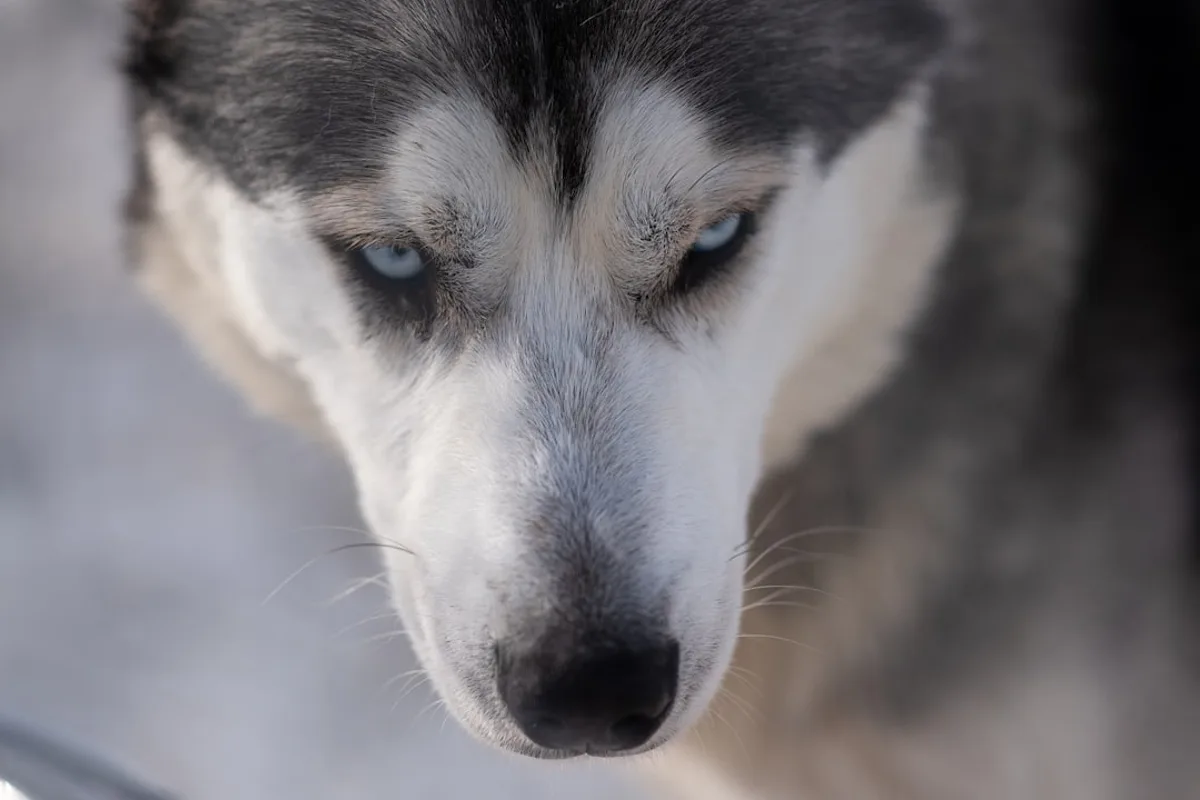
    Close-up of a husky dog with striking blue eyes.
    Photo by Nadine Gern on Unsplash

    Are you considering adopting an Arctic dog? Understanding their unique care needs can help you make the right choice! Each breed has distinct requirements influenced by their historical roles, which guide owners in meeting their specific needs, such as exercise and companionship.

    Breed Exercise Needs Socialization Grooming
    Siberian Husky High; requires daily vigorous activity Friendly; enjoys company of other dogs Moderate; regular brushing needed
    Alaskan Malamute High; thrives on long walks and play Independent; benefits from early socialization High; frequent grooming to manage shedding
    Samoyed Moderate; enjoys play and mental stimulation Affectionate; loves being around people High; regular grooming to maintain coat

    Samoyed vs. Greenland Dog

    Are you torn between a Samoyed and a Greenland Dog? Let’s break down their unique care needs!

    Aspect Samoyed Greenland Dog
    Grooming Requires frequent brushing to manage shedding and maintain their fluffy coat. Less frequent grooming needed; their coat sheds seasonally.
    Exercise High energy; needs regular, interactive exercise. Also active, but adapts well to various environments.
    Behavior More sociable; thrives on interaction. More reserved; may exhibit independence.

    Finally, we’ll discuss how to choose the right Arctic breed for your lifestyle.

    Choosing the Right Breed for Your Lifestyle

    Are you ready to welcome an Arctic dog into your home? Let’s find the perfect breed for your lifestyle! Choosing the right breed involves not just understanding the dog’s needs but also evaluating your own lifestyle and environment to ensure a good match.

    Consideration Questions to Ask
    Activity Level Can you provide daily exercise and mental stimulation?
    Space Do you have enough space for a large, active dog?
    Family Dynamics Is your family ready for the responsibilities of Arctic dog adoption?

    Research breed-specific needs and connect with community resources for support. Now that we’ve covered breed selection, let’s discuss how to care for Arctic dogs in extreme climates.

    Caring for Arctic Dogs in Extreme Climates

    Is your home ready for the harsh winter with an Arctic dog? Let’s ensure you’re prepared for the cold! Caring for dogs in cold weather requires special attention to their unique needs. Here are some essential steps for extreme climate dog care:

    1. Create a Warm Home Environment: Ensure your Arctic dog has a cozy and insulated space indoors. Use thick bedding and consider heated mats to maintain warmth.
    2. Outdoor Safety Measures: Equip your dog with protective clothing, such as insulated jackets and booties, to shield them from the cold. Provide a sturdy, insulated outdoor shelter if they spend time outside.
    3. Monitor Health Vigilantly: Despite their adaptations, Arctic dogs can suffer from cold-related health issues. Watch for signs like shivering, lethargy, or frostbite, and consult a vet if needed.

    Arctic dog winter safety is crucial to prevent health issues in extreme weather. Let’s look at specific preparations you can make to your home for cold weather.

    Preparing Your Home for Cold Weather

    Is your dog’s shelter winter-ready? Let’s make sure they stay warm and safe this season!

    1. Insulate Dog Houses: Use materials like straw to improve warmth in insulated dog houses. This is crucial for winter preparations for dogs.
    2. Ensure Proper Ventilation: Adequate ventilation prevents moisture buildup, keeping the dog shelter dry and comfortable.
    3. Create a Cozy Indoor Space: Provide a warm sleeping area indoors during extreme cold, ensuring your Arctic dog feels secure.

    Next, we’ll cover outdoor safety measures to protect your Arctic dog during extreme weather.

    Outdoor Safety Measures

    Are you aware of the risks your Arctic dog faces outdoors in winter? Let’s ensure their safety!

    1. Limit outdoor time during extreme cold to prevent frostbite and hypothermia.
    2. Monitor your dog for signs of frostbite, especially on ears and tails.
    3. Dress your dog in protective gear, such as coats and booties, to shield them from harsh weather.

    Finally, we’ll discuss how to monitor your Arctic dog’s health in harsh conditions.

    FAQs About Arctic Dog Care

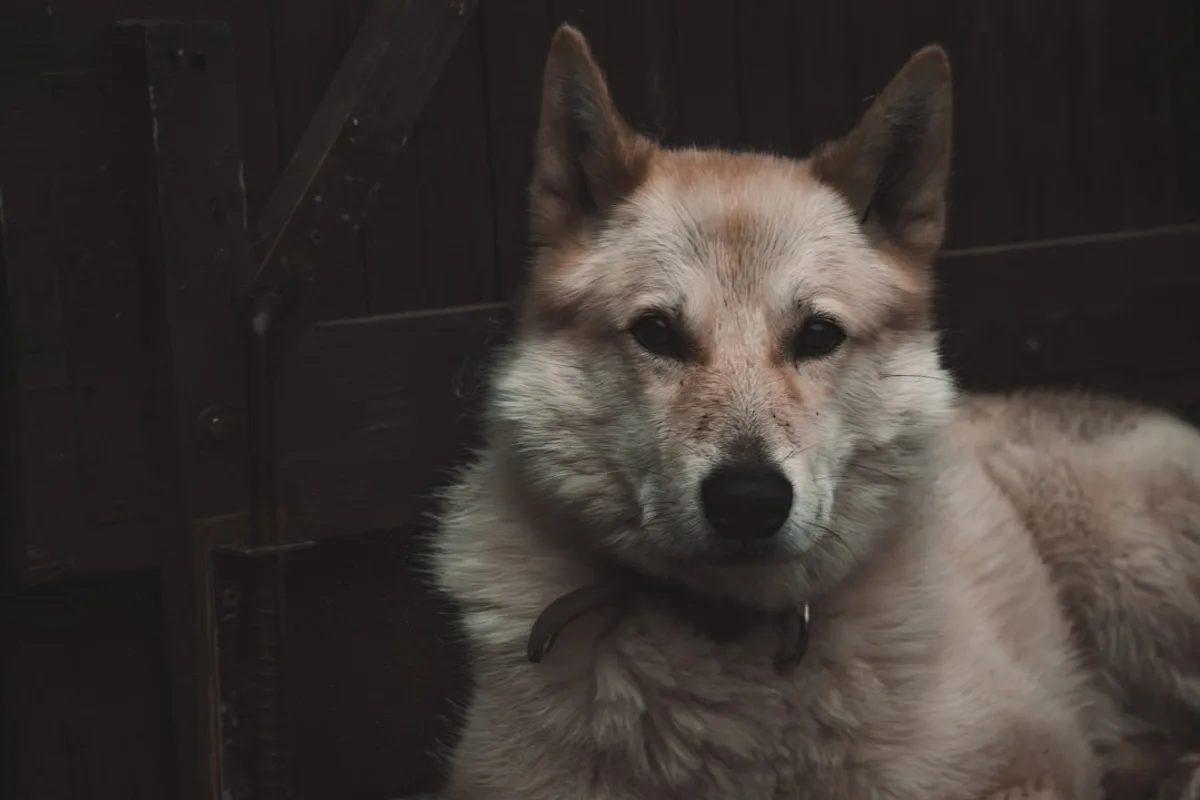
    A light-colored dog with alert ears sits calmly.
    Photo by Shavr IK on Unsplash

    Do you have questions about caring for Arctic dogs? You’re not alone! Many new Arctic dog owners are unaware of the breed’s specific grooming needs, which can lead to health issues if neglected.

    • What seasonal care is needed? Arctic dogs require extra insulation in winter and regular grooming to manage their thick coats.
    • What diet suits Arctic breeds? A high-protein diet is essential. Learn more about dog nutrition.
    • How often should I monitor their health? Regular vet check-ups are crucial to catch any breed-specific health issues early.

    Let’s explore some specific FAQs that new Arctic dog owners often ask.

    How do I keep my Arctic dog cool in summer?

    Are you worried about your Arctic dog during the hot summer months? Let’s keep them cool and comfortable! Despite their cold adaptations, Arctic dogs can be prone to overheating in summer, making it crucial for owners to monitor their activity levels closely. Ensure they have access to plenty of fresh water and shaded areas to rest. Hydration is key to preventing heat exhaustion.

    Adjust their exercise routine by scheduling walks during the cooler parts of the day, such as early morning or late evening. Avoid hot pavement, which can burn their paws. Regularly check for signs of overheating, like excessive panting or lethargy, to ensure Arctic dog heat safety.

    Next, we’ll address the signs of frostbite in Arctic dogs and how to prevent it.

    What are the signs of frostbite in Arctic dogs?

    Do you know how to spot frostbite in your Arctic dog? Let’s learn the signs and prevention methods! Frostbite in dogs often manifests as discoloration, such as pale or grayish skin, and coldness in extremities like ears, tails, and paws. These areas, with less fur coverage, are particularly vulnerable during extreme cold.

    • Discoloration of the skin
    • Coldness and stiffness in affected areas
    • Swelling or blisters
    • Pain or discomfort when touched

    Preventing frostbite in Arctic breeds involves limiting exposure to extreme cold, using protective gear, and ensuring they stay dry. If frostbite occurs, dog first aid for frostbite includes gently warming the affected areas with warm (not hot) water and seeking veterinary care promptly. Now, let’s discuss whether Arctic dogs can thrive in warmer climates.

    Can Arctic dogs live in warm climates?

    Are you considering bringing an Arctic dog to a warm climate? Let’s explore the possibilities! Arctic dogs in warm climates face challenges such as heat sensitivity and the need for adjusted exercise routines. With proper care and acclimatization, many Arctic breeds can adapt to warmer climates, but owners must be vigilant about heat-related issues.

    To help your Arctic dog adjust, start with gradual exposure to warmer temperatures and ensure they stay hydrated. Providing shaded areas and limiting outdoor activities during peak heat can also aid in adapting dogs to heat. There are numerous success stories of Arctic dogs thriving in non-Arctic climates with these adjustments.

    Next, we’ll cover how often Arctic dogs should be groomed to maintain their health.

    How often should Arctic dogs be groomed?

    Are you confused about how often to groom your Arctic dog? Let’s simplify the process! Arctic dog grooming frequency varies depending on the season and the individual dog’s needs. During shedding seasons, typically in spring and fall, grooming should be done more frequently, about once a week, to manage the heavy coat changes. In other times, a bi-weekly grooming routine is usually sufficient.

    Maintaining Arctic dog coats is crucial to prevent skin issues and matting. Regular grooming not only maintains coat health but also strengthens the bond between the dog and owner through positive interactions. Establish a routine that fits both your schedule and your dog’s comfort, using dog grooming tips like brushing in the direction of hair growth and rewarding your pet for calm behavior.

    Finally, we’ll explore the ideal diet for Arctic dogs to keep them healthy.

    What is the ideal diet for an Arctic dog?

    Are you feeding your Arctic dog the right diet? Let’s ensure they’re getting what they need! The ideal diet for Arctic dogs should be rich in protein and fat, reflecting their high energy demands and natural dietary preferences. Many Arctic breeds thrive on diets that closely mimic their ancestral diets, which can include raw or minimally processed foods.

    For commercial options, consider brands like Orijen or Acana, which offer high-protein formulas. Homemade diets can include lean meats, fish, and organ meats, supplemented with essential vitamins and minerals. Adjust their diet based on activity levels and seasonal changes to maintain optimal health.

    As we conclude, let’s summarize the key takeaways about caring for Arctic dogs.

    Key Takeaways About Caring for Arctic Dogs

    Ready to embark on the journey of caring for an Arctic dog? Let’s recap the essentials! Arctic dogs, known for their resilience and unique charm, require specialized care to thrive in a domestic setting. Their thick coats demand regular grooming to prevent matting and ensure comfort, especially in warmer climates. A balanced diet rich in nutrients is crucial to support their high energy levels and overall health.

    Understanding the specific needs of each breed is vital for successful ownership. For instance, Siberian Huskies and Alaskan Malamutes have different exercise requirements and temperaments. Recognizing these differences helps in providing the right environment and activities that cater to their natural instincts.

    Before adopting an Arctic dog, potential owners should assess their lifestyle and commitment. These breeds often require more time, space, and resources than other dogs. Ensuring you can meet these demands is essential for a rewarding relationship.

    Successful ownership of an Arctic dog requires a commitment to understanding and meeting their unique needs, which can lead to a fulfilling companionship. Join us in making a difference—consider adopting a dog or volunteering with ADRTC today! By doing so, you contribute to the well-being of these magnificent creatures while enriching your life with their loyal companionship.

  • Essential Arctic Dog Care Tips for Winter Well-being

    Essential Arctic Dog Care Tips for Winter Well-being

    Why Arctic Dog Care is Crucial for Your Pet’s Well-being

    Did you know that arctic dog breeds have unique needs that differ significantly from other breeds, especially in winter? These dogs, like the Alaskan Malamute, possess a double coat that requires specific grooming techniques to maintain insulation and prevent matting in cold weather. Proper care is essential to ensure their health and happiness.

    Arctic breeds are physiologically adapted to cold climates, but they still face risks. Cold-related health issues, such as frostbite and hypothermia, can affect even these hardy dogs. Pet owners often emphasize the importance of tailored winter care, sharing testimonials about how attention to grooming and nutrition has safeguarded their pets.

    Understanding these needs helps in identifying specific hazards that arctic breeds face in cold weather.

    Identifying Cold Weather Hazards for Arctic Breeds

    white and black siberian husky puppy lying on ground during daytime
    Photo by Péter Andi on Unsplash

    As winter sets in, are you aware of the hidden dangers lurking in the snow for your arctic dog? Common cold weather hazards for dogs include ice, snow, and salt, which can lead to injuries or illnesses. Icy surfaces account for numerous slip-related injuries, while salt can irritate paws. Additionally, many pet owners underestimate the risk of antifreeze poisoning, which is particularly dangerous due to its sweet taste that attracts dogs. Expert Jane Doe emphasizes, “Awareness of these arctic dog winter dangers is crucial for dog safety in winter.”

    Next, we will explore how cold weather uniquely affects arctic breeds compared to other dogs.

    Common Winter Hazards for Arctic Dogs

    Could your arctic dog be at risk of frostbite or other winter hazards without you even knowing it? Frostbite in dogs can occur on exposed skin within 30 minutes in extreme cold. Hypothermia and paw injuries from ice are also significant concerns. De-icing salts and chemicals can harm dogs’ paws and health, requiring vigilant paw care in winter.

    Understanding these hazards sets the stage for recognizing how cold weather impacts arctic breeds specifically.

    How Cold Weather Affects Arctic Breeds Differently

    Ever wondered why your arctic dog seems to thrive in the cold while others shiver? Arctic breeds possess a unique physiology, including dense fur and a robust body structure, granting them higher cold tolerance. Unlike non-arctic breeds, these dogs have evolved to withstand frigid temperatures, yet prolonged exposure can still lead to cold stress.

    Experts highlight that while arctic breeds are built for cold, they aren’t immune to extreme conditions. Non-arctic breeds, lacking these adaptations, often require additional protection. Now that we understand the unique challenges, let’s discuss preventative measures to protect your arctic dog.

    Preventative Measures Against Cold Weather Risks

    What if you could easily prevent cold weather risks for your arctic dog with just a few simple steps? Limit outdoor time and equip your pet with protective gear like boots and coats. Experts recommend safe activities such as short walks, ensuring regular health check-ups, and using dog boots to prevent ice balls between paw pads.

    With these preventative measures in mind, let’s focus on keeping your arctic dog cozy during the winter months.

    Keeping Your Arctic Dog Cozy: Winter Comfort Tips

    Is your arctic dog ready for winter? The right gear can make all the difference in their comfort and safety! Proper winter gear tailored for arctic breeds is essential. Ensure the size and fit are perfect to avoid discomfort. Not all winter gear is created equal; some materials trap moisture, potentially leading to chilling. Brands like Ruffwear and Hurtta offer excellent arctic dog jackets.

    Dog owners rave about these brands, noting their durability and warmth. For more information on dog winter clothing recommendations, visit AKC’s guide. Once you have the right gear, creating a warm indoor environment is equally important for your dog’s well-being.

    Choosing the Right Winter Gear for Your Dog

    Are you investing in winter gear for your arctic dog, or just guessing what might work? When choosing dog winter clothing, prioritize items like insulated jackets, boots, and sweaters. Look for features such as waterproofing and high insulation ratings. Many dog owners overlook the importance of fit; improperly fitting gear can cause discomfort and restrict movement.

    • Insulated Jackets: Ensure they have a high insulation rating and are waterproof.
    • Boots: Look for durable soles and a snug fit to prevent slipping.
    • Sweaters: Opt for breathable materials that offer warmth without overheating.

    Comparing popular brands, Ruffwear and Canada Pooch offer some of the best jackets for arctic breeds, known for their durability and comfort. After ensuring your dog is equipped for the outdoors, let’s focus on creating a cozy indoor environment.

    Creating a Warm Indoor Environment

    Is your home as cozy as it should be for your arctic dog during the chilly months? Maintaining an indoor temperature between 60-68°F is ideal for these breeds. Use bedding materials like fleece or wool to retain warmth and comfort. Minimize drafts by sealing windows and using thick curtains, enhancing indoor comfort for arctic dogs.

    Creating warm spaces for dogs involves ensuring their sleeping areas are free from cold air currents. Drafts can make even the hardiest arctic breeds feel the chill. With a warm indoor space established, it’s essential to keep your dog active and engaged during winter.

    Outdoor Activities to Keep Your Dog Active and Warm

    How do you keep your arctic dog entertained when the temperature drops and snow piles up? Engaging in winter activities for arctic dogs, such as snowshoeing or skijoring, not only keeps them active but also strengthens your bond. Indoor agility courses offer mental stimulation, crucial during colder months. Always ensure your dog is safe and comfortable in winter conditions.

    Now that we know how to keep our dogs active, let’s address the signs of cold stress in arctic breeds.

    Recognizing and Managing Cold Stress in Dogs

    Alaskan malamute sleeping on tiled floor at daytime
    Photo by Emily xuan on Unsplash

    Could your arctic dog be silently suffering from cold stress without your knowledge? Understanding cold stress in dogs is crucial, especially for arctic breeds. These dogs, despite their thick fur, may exhibit subtle signs of discomfort. Recognizing cold stress in arctic breeds involves observing specific symptoms like shivering or lethargy.

    1. Identify Symptoms: Look for signs such as shivering, lethargy, or reluctance to move.
    2. Understand Physiological Responses: Arctic breeds may not show visible discomfort due to their natural insulation.
    3. Learn from Case Studies: Real-life examples highlight how subtle signs can escalate if unnoticed.

    Once you can recognize the signs, it’s crucial to know how to respond immediately to alleviate cold stress.

    Signs of Cold Stress in Arctic Breeds

    Are you aware that your arctic dog’s behavior could signal cold stress? Recognizing these signs is crucial for monitoring dog health in cold weather. Here are specific cold stress symptoms in dogs to watch for:

    1. Excessive Barking: Often indicates discomfort or distress.
    2. Reluctance to Move: Some breeds may become lethargic when too cold.
    3. Seeking Shelter: A natural response to extreme temperatures.
    4. Behavioral Changes: Increased aggression or withdrawal can be misinterpreted as behavioral issues.

    Arctic dog behavior in winter can vary by breed and individual, making it essential to monitor closely. Understanding the signs is just the first step; knowing how to act quickly can save your dog’s well-being.

    Immediate Actions to Alleviate Cold Stress

    What if a simple blanket could save your arctic dog from the dangers of cold stress? Knowing the immediate cold stress actions for dogs is vital. Here’s what to do:

    1. Bring your dog indoors immediately to a warm environment.
    2. Wrap them in a warm blanket to help retain body heat.
    3. Use warm water to gently warm their paws, avoiding hot water to prevent burns.
    4. Monitor for symptoms like shivering or lethargy, and apply first aid for cold stressed dogs as needed.
    5. Seek veterinary help if symptoms persist or worsen.

    Immediate warmth is crucial; even a short exposure to heat sources can help reverse the effects of cold stress if done carefully and correctly. Long-term strategies are also essential to ensure your arctic dog remains healthy and comfortable in winter.

    Long-term Strategies for Cold Stress Management

    Are you prepared to take proactive steps to ensure your arctic dog thrives through the winter months? Here are some long-term strategies for effective cold stress management:

    1. Schedule regular vet check-ups during winter to monitor health and adjust care as needed.
    2. Modify your dog’s diet in winter months to support increased energy needs and maintain a healthy weight.
    3. Adapt exercise routines to keep your dog active and agile, preventing mobility issues.

    Maintaining a healthy weight is vital; overweight dogs are more susceptible to cold stress due to less effective insulation and mobility issues. With cold stress management covered, let’s focus on the unique needs of senior arctic dogs during winter.

    Caring for Senior Dogs During Winter Months

    A man and woman walking a husky dog on a leash
    Photo by Haberdoedas on Unsplash

    Is your senior arctic dog struggling more than usual in the winter chill? Older dogs face unique challenges, such as increased joint pain and mobility issues, when temperatures drop. Cold-related illnesses are more prevalent in senior dogs, making senior dog care in winter crucial. Experts recommend shorter outdoor excursions and more frequent indoor breaks to prevent exacerbating joint pain. Understanding these arctic dog winter needs allows us to adjust exercise routines for older dogs effectively.

    Adjusting Exercise Routines for Older Dogs

    Is your senior arctic dog getting enough exercise this winter, or are they hibernating indoors? Adjusting dog exercise in winter is crucial for their health. Opt for shorter, more frequent walks to avoid prolonged exposure to cold. Engage in low-impact activities like indoor fetch to maintain fitness without the risks of cold weather outings.

    Senior dog winter activities should also include mental stimulation. Interactive games and training sessions can keep your dog mentally sharp and physically active. Indoor activities not only protect them from extreme cold but also ensure they remain engaged and happy.

    Now that we’ve covered senior care, let’s address some frequently asked questions about arctic dog care.

    How Can I Tell if My Arctic Dog is Too Cold?

    Are you sure your arctic dog is warm enough, or could they be suffering in silence? Recognizing cold in arctic dogs involves watching for signs of cold stress, such as shivering, lethargy, and excessive licking of paws. Experts suggest monitoring dog temperature in winter, especially in breeds with specific tolerances. Learn more about cold weather safety for dogs. Next, we will address whether certain breeds are more susceptible to cold stress.

    Are Certain Breeds More Susceptible to Cold Stress?

    Could your arctic dog’s breed make them more vulnerable to the winter chill than you think? While arctic breeds are generally more resilient to cold, individual health conditions can dramatically alter their tolerance levels, making personalized care essential. Non-arctic breeds experience higher cold stress incidents. Experts note that factors like coat thickness and body fat contribute significantly to arctic dog cold tolerance. Let’s also explore the best ways to keep your dog active during the winter months.

    What Are the Best Ways to Keep My Dog Active in Winter?

    How do you ensure your arctic dog stays active when the snow piles up and temperatures drop? Engaging in winter activities for arctic breeds is crucial. Consider these options:

    • Outdoor Play: Snow fetch and agility courses.
    • Indoor Fun: Interactive toys and puzzles for mental stimulation.
    • Safety Tips: Use paw protection and limit time in extreme cold.

    Regular exercise helps maintain a healthy weight, even in cold weather. Finally, let’s address whether changes to your dog’s diet are necessary during winter.

    Should I Change My Dog’s Diet During Winter Months?

    Is your arctic dog’s diet keeping them warm and healthy this winter, or could it be falling short? Adjusting dog food for winter is crucial; increased caloric intake provides the energy needed to maintain body heat. Experts recommend high-protein and fat-rich foods for optimal dog nutrition in cold weather. Many pet owners underestimate the importance of hydration in winter; ensure your dog drinks enough water to prevent dehydration. Let’s also discuss the grooming needs of arctic dogs during the winter months.

    How Often Should I Groom My Arctic Dog in Winter?

    Are you giving your arctic dog the winter grooming care they truly need, or are you missing the mark? Grooming arctic dogs in winter is crucial; regular brushing, at least once a week, prevents matting and maintains healthy skin. Winter coat care for dogs involves using slicker brushes and undercoat rakes to remove loose fur. Many owners overlook winter grooming, risking skin issues and reduced insulation. Now that we’ve covered the essential questions, let’s summarize the key takeaways about caring for arctic dogs.

    Key Takeaways About Arctic Dog Care Tips

    Are you ready to ensure your arctic dog thrives through the winter with these essential care tips? Understanding the unique needs of arctic breeds is crucial. Tailored care, considering factors like breed-specific traits and individual health, can significantly enhance their comfort during cold months. Our arctic dog care summary highlights the importance of providing adequate shelter, nutrition, and exercise to combat cold weather risks.

    Stay informed and proactive with winter dog care tips to address how different dogs handle the cold. Proactive care and understanding of each dog’s unique needs can dramatically improve their quality of life. Join us in making a difference—consider adopting a dog or volunteering with ADRTC today!

  • Mastering the 3-3-3 Rule for Dog Training Success

    Mastering the 3-3-3 Rule for Dog Training Success

    Why the 3-3-3 Rule is Essential for Dog Training Success

    Have you ever wondered why some rescue dogs thrive while others struggle? The 3-3-3 rule, a cornerstone of dog training philosophy, offers a structured approach to help dogs adjust to new environments. This rule outlines three critical stages: 3 days, 3 weeks, and 3 months, each crucial for fostering successful adaptation.

    The 3-3-3 rule is pivotal in dog training success strategies, particularly for rescue dogs. Originating from expert trainers, this approach emphasizes gradual acclimatization. Studies indicate that dogs adopted from shelters exhibit a 60% higher adjustment rate when the 3-3-3 rule is implemented, underscoring its effectiveness.

    Psychologically, structured training using the 3-3-3 rule benefits dogs by reducing anxiety and building trust. During the first 3 days, dogs often feel overwhelmed. By 3 weeks, they begin to settle, and by 3 months, they typically feel at home. Understanding the specifics of the 3-3-3 rule can help you navigate the training process more effectively.

    Breaking Down the 3-3-3 Rule: Days, Weeks, and Months

    A group of happy dogs standing behind a fence in an animal shelter yard.
    Photo by Mia X on Pexels

    The journey of a new dog owner begins with understanding the critical phases of the 3-3-3 rule. This guideline helps outline the dog adjustment timeline, ensuring a smoother transition for both the pet and the owner. Here’s what each phase entails:

    • First 3 Days: This initial period is all about bonding and trust-building. Many dog owners underestimate its importance. According to dog behaviorist Jane Smith, “These days are crucial for setting the foundation of your relationship.”
    • First 3 Weeks: As your dog settles in, expect to see more of their true personality. Training should focus on establishing routines and basic commands.
    • First 3 Months: By now, your dog should feel more at home. This is the stage to deepen training and address any lingering behavioral issues.

    Next, we will explore the nuances of the first 3 days and how to facilitate a smooth transition.

    Understanding the First 3 Days: Decompression

    Did you know that the first 3 days can make or break your dog’s adjustment to a new home? During this critical decompression period, dogs may take up to 72 hours to fully relax and start building trust with their new owners. Here’s what to expect:

    • Signs of Stress: Look for pacing, whining, or hiding as indicators of anxiety.
    • Calming Strategies: Create a quiet, comfortable space with familiar scents and minimal disturbances.

    Once your dog has settled in, establishing a routine during the first 3 weeks is crucial.

    The First 3 Weeks: Establishing Routine and Trust

    Establishing a routine can be the key to unlocking your dog’s full potential during the first 3 weeks. Dogs thrive on consistency; a well-structured routine can reduce anxiety and improve behavioral outcomes significantly. Here’s how you can establish a routine for your dog:

    • Feeding: Set consistent feeding times to create a sense of security.
    • Walking: Regular walks at the same time daily promote trust and routine.
    • Training: Short, daily training sessions help in establishing trust with dogs.
    • Socialization: Gradually introduce new experiences to enhance dog socialization.

    As we move into the 3-month mark, it’s time to focus on building long-term bonds.

    3 Months In: Building Long-Term Bonds

    Have you noticed changes in your dog after 3 months? It’s a pivotal time for building lasting bonds. At this stage, your dog is likely to show more stable behavior patterns, thanks to consistent training and socialization.

    • Expect your dog to be more comfortable and confident in their environment.
    • Continue reinforcing positive behaviors with rewards and praise.
    • Engage in regular activities to strengthen your bond with your dog.

    However, challenges can arise during each phase, and understanding them is key to success.

    Every new dog owner should be prepared for challenges—let’s explore what to expect during the 3-3-3 phases. Understanding these phases can help you address dog behavior issues effectively.

    • First 3 Days: Over 50% of rescue dogs experience anxiety-related behaviors during this period. Common challenges include fear, withdrawal, and nervousness. To mitigate these, maintain a calm environment and offer consistent reassurance.
    • First 3 Weeks: Dogs may test boundaries, leading to behavior issues like barking or chewing. Establishing a routine and using positive reinforcement can help manage these challenges.
    • First 3 Months: As dogs settle, they may develop attachment issues. Gradual socialization and regular training sessions are crucial to fostering a balanced relationship.

    Understanding the specific challenges during the first 3 days can help you navigate this crucial period. For more insights on dog training, visit ASPCA.

    Common Challenges During the First 3 Days

    Are you prepared for the emotional rollercoaster that comes with the first 3 days of dog ownership? Understanding the initial first 3 days dog challenges is crucial for creating a smooth transition for your new pet.

    • Hiding: Many dogs exhibit ‘shut down’ behaviors, appearing unresponsive, which is often stress rather than depression.
    • Barking: Increased vocalization can be a sign of dog anxiety.
    • Refusal to eat: A common reaction to a new environment.

    To help new dogs adjust, create a safe space to reduce anxiety. Experts emphasize patience as vital during this phase. As we move to the first 3 weeks, behavioral adjustments become crucial for long-term success.

    Behavioral Adjustments in the First 3 Weeks

    Are you ready to navigate the ups and downs of your dog’s behavior in the first 3 weeks? During this period, expect behavioral changes in dogs as they adjust to their new environment. The ‘honeymoon phase’ may mask underlying issues, but these can surface later. Here’s how to manage:

    • Observe increased confidence or fear responses and address them with positive reinforcement for dogs.
    • Encourage socialization by exposing your dog to new environments and experiences.

    After 3 months, understanding long-term behavior patterns is essential for continued success.

    Long-Term Behavior Patterns After 3 Months

    Have you noticed changes in your dog’s behavior after 3 months? It’s crucial to recognize these patterns for ongoing success. Dogs that have been trained consistently for 3 months often develop a stronger sense of security and are less likely to exhibit anxiety-related behaviors. Here are some long-term dog behavior patterns to be aware of:

    • Attachment Issues: Reinforce independence by gradually increasing alone time.
    • Separation Anxiety: Use positive reinforcement to ease anxiety when leaving.
    • Ongoing Training: Continue socialization to prevent regression in behavior.

    The 3-3-3 rule plays a vital role in supporting rescue dogs, which we will explore next.

    How the 3-3-3 Rule Supports Rescue Dogs

    A black and white dog sitting on top of a grass covered field
    Photo by Till Daling on Unsplash

    Are you aware of how the 3-3-3 rule can transform the lives of rescue dogs? This structured approach is particularly beneficial for adopted dogs, aiding their adjustment process with remarkable success rates. Here’s how the 3-3-3 rule supports rescue dogs specifically:

    • Emotional Stability: The initial 3 days allow dogs to decompress, reducing stress and anxiety.
    • Behavioral Adjustment: Within 3 weeks, dogs start to understand their new environment, leading to improved behavior.
    • Long-term Success: After 3 months, dogs typically feel secure and bonded with their new family.
    • Increased Retention: Rescue dogs given time to adjust using the 3-3-3 rule are 70% more likely to remain in their forever homes.

    Understanding the emotional and behavioral benefits is crucial, as illustrated by real-life case studies.

    Emotional and Behavioral Benefits for Rescue Dogs

    Have you ever wondered how a structured approach like the 3-3-3 rule can boost a rescue dog’s confidence? This method offers significant emotional benefits for rescue dogs, such as reduced anxiety and improved confidence. Additionally, it fosters behavioral improvements in dogs, enhancing socialization and adaptability. Experts note that rescue dogs following the 3-3-3 rule often show a 40% increase in positive social interactions within their first month. Real-life success stories can provide powerful insights into the effectiveness of this training approach.

    Case Studies: Successful Rescue Dog Adaptations

    Want to be inspired? Let’s dive into some heartwarming success stories of rescue dogs who thrived under the 3-3-3 rule. One notable case involves Max, a timid Labrador who transformed from anxious to affectionate within three months. Behavioral assessments showed significant improvement, thanks to his dedicated owner and trainer. Case studies on dog training reveal that such dogs often develop unique bonds, enhancing their emotional health.

    However, it’s essential to adapt the 3-3-3 rule for different breeds and temperaments, which we will discuss next.

    Adapting the 3-3-3 Rule for Various Breeds and Temperaments

    Did you know that not all dogs respond the same way to training? Tailoring the 3-3-3 rule could be the key to your dog’s success. Different breeds have varying energy levels and social needs; for example, herding breeds may require more active engagement during the adjustment period. Here’s how you can adapt the 3-3-3 rule for your dog’s breed and temperament:

    1. Research Breed Characteristics: Understand your dog’s breed-specific traits. High-energy breeds like Border Collies may need more exercise, while a Basset Hound might benefit from a slower pace.
    2. Observe Temperament: Pay attention to your dog’s reactions during the initial 3 days. Adjust your approach if your dog seems anxious or overly excited.
    3. Customize Interaction: During the 3-week phase, increase or decrease social interactions based on your dog’s comfort level and breed tendencies.

    Let’s explore how to specifically tailor the 3-3-3 rule for different breeds.

    Tailoring the Rule for Different Breeds

    Are you ready to discover how to make the 3-3-3 rule work for your specific dog breed? Tailoring the 3-3-3 rule for Huskies, Malamutes, and other breeds can enhance their training experience. Here’s how:

    1. Huskies: Require more outdoor exercise and socialization during the first 3 weeks to adjust successfully.
    2. Malamutes: Benefit from consistent routines and mental stimulation to prevent boredom.
    3. Expert Opinion: Breed-specific dog training should consider individual adaptability and energy levels.

    Next, we’ll discuss how to adjust the 3-3-3 rule for unique temperaments.

    Adjusting for Unique Temperaments

    Does your dog have a unique temperament? Let’s explore how to adapt the 3-3-3 rule to suit their individual needs.

    1. Recognize Temperament: Identify if your dog is shy or overly energetic. Shy dogs may benefit from gradual exposure to new environments, while energetic dogs require more structured playtime.
    2. Adapt Training Techniques: For shy dogs, use gentle encouragement and positive reinforcement. Energetic dogs thrive with consistent routines and interactive toys.
    3. Monitor and Adjust: Observe your dog’s responses and tweak strategies accordingly. Adjusting the 3-3-3 rule for temperament ensures a smoother transition.

    Finally, we’ll provide tips for successfully adapting the 3-3-3 rule for any dog.

    Tips for Successful Adaptation

    Ready to make the 3-3-3 rule work for you and your dog? Here are some essential tips to ensure success:

    1. Consistency: Maintain a regular schedule to help your dog feel secure.
    2. Patience: Allow your dog time to adjust to new surroundings without pressure.
    3. Positive Reinforcement: Reward good behavior to encourage learning.
    4. Interactive Training: Incorporate games to enhance engagement and learning.
    5. Resources: Explore AKC for further dog training tips and support.

    To wrap up, let’s summarize the key takeaways about the 3-3-3 rule.

    FAQs About the 3-3-3 Rule in Dog Training

    short-coated black and brown dog
    Photo by Carrie Yang on Unsplash

    Curious about the 3-3-3 rule? Let’s tackle some of the most frequently asked questions to clear up any confusion.

    • Is the 3-3-3 rule suitable for all dogs?

      While it provides a general framework, many dog owners mistakenly believe the 3-3-3 rule is a one-size-fits-all approach. It requires customization for each dog.

    • What does the 3-3-3 rule entail?

      It outlines three stages of adjustment: 3 days, 3 weeks, and 3 months, crucial for a dog’s transition into a new environment.

    • Can the rule be adjusted?

      Yes, experienced trainers suggest tailoring the rule to meet individual dog needs, ensuring a smoother transition.

    Understanding these FAQs will help you apply the 3-3-3 rule more effectively.

    What is the 3-3-3 Rule in Dog Training?

    What if there was a simple rule that could transform your dog’s adjustment process? Welcome to the 3-3-3 rule. This framework is crucial in dog training, offering a guideline for understanding a dog’s emotional journey post-adoption. The 3-3-3 rule outlines three stages: the first 3 days, 3 weeks, and 3 months.

    • 3 Days: Initial adjustment period where dogs may feel overwhelmed.
    • 3 Weeks: Dogs start to settle in and understand their new environment.
    • 3 Months: Full integration into their new home, showing their true personality.

    Implementing this rule into daily routines, like consistent feeding times and gentle training sessions, can significantly ease the transition. For more on dog training strategies, visit American Kennel Club.

    Now that we understand the rule, let’s explore whether it applies to all dogs.

    Does the 3-3-3 Rule Apply to All Dogs?

    Is the 3-3-3 rule a universal solution for all dogs? Let’s find out if there are exceptions to this popular training guideline. While the 3-3-3 rule is beneficial for most dogs, certain breeds with unique temperamental traits may require tailored approaches for optimal results. Trainers often note that breeds like Border Collies or German Shepherds, known for their high energy and intelligence, might need a more customized plan.

    Additionally, dogs with past trauma or anxiety issues may not fit neatly into the 3-3-3 framework. Adapting the rule based on individual dog needs is essential. Understanding how to gauge your dog’s adjustment is crucial for success.

    How Can I Tell if My Dog is Adjusting Well?

    Wondering if your dog is settling in well? Here are the signs to look for during their adjustment phase. Key dog adjustment indicators include relaxed body language, consistent eating habits, and playful behavior. Many owners overlook subtle signs such as changes in play behavior, which can indicate a dog’s comfort level.

    Regularly monitoring dog behavior is crucial. Look for positive emotional responses like wagging tails and a willingness to engage. Conduct regular check-ins to ensure your pet feels secure and content. These are successful dog training signs during the 3-3-3 phases.

    If your dog struggles with adjustment, knowing what to do next is essential.

    What Should I Do if My Dog Struggles with Adjustment?

    Is your dog showing signs of distress during their adjustment? Here’s what you need to know to help them through it. Common signs of dog adjustment struggles include excessive barking, hiding, and loss of appetite. If your dog exhibits these behaviors, start by creating a calm environment and establishing a consistent routine. Engage them with interactive toys and positive reinforcement.

    Ignoring these signs can lead to long-term behavioral issues; early intervention is key. If the struggles persist, it may be time to seek professional help from a certified dog trainer or behaviorist. Knowing when to seek professional help can make a significant difference in your dog’s adjustment journey.

    When Should I Seek Professional Help?

    Are you wondering if it’s time to call in the professionals for your dog? Here’s how to know when to seek help. If your dog shows persistent anxiety, aggression, or other adjustment issues despite your efforts, it may be time to seek professional help for dogs. Early intervention is crucial to prevent long-term behavioral problems. Many owners wait too long, resulting in deeper issues that could have been addressed sooner.

    To find qualified trainers or behaviorists, consider these resources:

    As we conclude, let’s summarize the key takeaways about the 3-3-3 rule.

    Key Takeaways About the 3-3-3 Rule for Dog Training

    Ready to transform your dog’s adjustment process? Here are the key takeaways you can implement today. The 3-3-3 rule for dog training is a powerful framework that guides owners through the initial adjustment period of a newly adopted dog. It breaks down into three stages: the first 3 days, the first 3 weeks, and the first 3 months.

    • First 3 Days: Your dog is likely to feel overwhelmed and may need space to decompress.
    • First 3 Weeks: As your dog starts to settle, you’ll notice them becoming more comfortable and beginning to learn routines.
    • First 3 Months: By this time, your dog should feel at home and exhibit a stronger bond with you.

    Patience and understanding are crucial throughout this process. Applying the 3-3-3 rule in your training routines not only enhances the importance of dog training but also fosters deeper connections between dogs and their owners. This rule is not just a guideline; it’s a transformative approach that can lead to better outcomes.

    Join us in making a difference—consider adopting a dog or volunteering with ADRTC today!

  • Comprehensive Guide to Arctic Dog Training: Techniques & Tips

    Comprehensive Guide to Arctic Dog Training: Techniques & Tips

    Why Arctic Dog Training is Essential for Your Canine Companion

    Have you ever wondered why training is particularly crucial for arctic dog breeds? Training is vital for these dogs due to their unique endurance and temperament. Without proper guidance, many arctic breeds, like the Siberian Husky, are prone to behavioral issues, with studies indicating a 60% increase in aggression among untrained dogs.

    Arctic dog training offers significant psychological and physical benefits. These breeds thrive on mental stimulation and physical activity, both integral to their well-being. Specialized training helps manage their high energy levels and ensures they remain well-adjusted companions. Moreover, well-trained arctic dogs have higher adoption rates, as they are perceived as more manageable and sociable.

    Now that we understand the importance of training, let’s explore the key techniques and equipment necessary for effective arctic dog training.

    Key Techniques and Equipment for Arctic Dog Training

    Close-up of a Siberian Husky wearing a harness, captured outdoors in autumn.
    Photo by Sergei Starostin on Pexels

    Unlock the secrets to successful arctic dog training with these essential techniques and tools. Positive reinforcement is crucial for arctic breeds, encouraging desired behaviors through rewards. Clicker training offers precise feedback, enhancing learning efficiency. Socialization is vital, especially in harsh conditions, to ensure dogs remain calm and obedient.

    Professional sled dog trainers often use routines that combine verbal commands and hand signals, improving communication with these independent dogs. Essential sled dog training equipment includes harnesses, lines, and durable boots to protect paws.

    Next, we will delve deeper into specific training techniques tailored for arctic conditions.

    Essential Training Techniques for Arctic Conditions

    Are you familiar with the 7 7 7 rule and how it can transform your arctic dog training experience? This rule involves consistent training sessions lasting 7 minutes, repeated 7 times a day for 7 days. It not only aids in behavioral consistency but also helps build a strong bond between the trainer and the arctic dog, crucial for these independent breeds.

    Additionally, the 3-3-3 rule for dog training ensures dogs acclimate to new environments, especially in harsh climates. This involves 3 days of initial adjustment, 3 weeks of settling in, and 3 months to fully adapt. Trainers have found these methods particularly effective, as demonstrated by numerous case studies.

    Now that we’ve covered the techniques, let’s look at the must-have equipment that supports effective training.

    Must-Have Equipment for Training in the Arctic

    Ready to gear up for training your arctic dog? Here’s what you need to know about essential equipment. Selecting the right training equipment for arctic dogs is crucial. Not all harnesses are created equal; specific designs can prevent injury and improve performance in arctic breeds, which have unique body structures.

    • Harnesses: Brands like Ruffwear and Neewa offer ergonomic designs tailored for sled dogs.
    • Sleds: Consider lightweight models from brands like Yukon Quest for the best sled dog gear.
    • Winter Training Apparel: Insulated jackets from Hurtta ensure your dog stays warm without restricting movement.

    With the right gear in hand, let’s explore how to choose the best equipment for your specific dog.

    How to Choose the Right Gear for Your Dog

    Choosing the right gear is crucial for your arctic dog’s training success—here’s how to make the best choices.

    1. Measure your dog’s size and breed to select the best harness for arctic dogs. A well-fitted harness can improve performance by up to 30% during sledding.
    2. Opt for a durable leash that matches your dog’s strength and energy level. Read reviews to find the most reliable options.
    3. Choose a sled designed for your dog’s weight and pulling capacity. Explore recommended sleds to ensure comfort and safety.

    Now that we have the right gear, let’s discuss safety measures that should be in place during training.

    Ensuring Safety and Effective Scheduling for Sled Dog Training

    A man sitting next to two dogs in the snow
    Photo by Fridi Antrack on Unsplash

    Are you prepared to keep your arctic dog safe during training in extreme conditions? Safety in arctic dog training requires vigilance, especially in cold weather. Monitor for signs of frostbite, such as pale skin and shivering. Cold weather dog training tips include ensuring proper hydration; studies show that hydration can improve sled dogs’ endurance by up to 20%.

    Nutrition is equally crucial. Provide high-energy foods to maintain their strength. Establish emergency protocols for injuries or sudden weather changes. Learn more about emergency preparedness.

    With safety in mind, let’s create an effective training schedule tailored for sled dogs.

    Safety Measures for Arctic Dog Training

    Keeping your arctic dog safe during training is paramount—here’s how to ensure their well-being in the cold. Equip your dog with arctic dog safety gear like booties and jackets. Many dog owners overlook the need for protective booties; however, studies show that dogs wearing booties have a 50% lower risk of injury from ice and snow.

    Recognize signs of hypothermia and frostbite, such as shivering, lethargy, or pale skin. Gradually acclimate your dog to cold weather by slowly increasing outdoor time. This approach helps prevent frostbite in dogs and ensures a safer training experience.

    Now that we have safety covered, let’s discuss how to create a structured training schedule for your sled dogs.

    Creating a Training Schedule for Sled Dogs

    Are you struggling to create a training schedule for your sled dog? Here’s a blueprint for success. An effective training plan should include consistent training, rest, and recovery periods. For example, train your dog for 30 minutes, followed by a rest day. Adapt the schedule based on age and physical condition to optimize performance.

    Research indicates that dogs trained with structured routines show a 40% improvement in task completion. Consistency in your dog training routine is crucial, as it builds familiarity and enhances performance. With a training schedule in place, let’s explore the importance of balancing training with adequate rest.

    Balancing Training with Rest and Recovery

    Are you aware that rest is just as crucial as training for your arctic dog’s success? Balancing dog training and rest is vital to prevent injuries and behavioral issues. Overtraining can strain muscles and lead to stress. Recognize signs of fatigue, such as excessive panting, and incorporate rest days to reduce injury risk by up to 30%.

    Implement recovery for sled dogs by scheduling regular breaks and ensuring they have a comfortable resting environment. The importance of rest in dog training cannot be overstated. Next, we’ll discuss the critical aspects of socialization and obedience in arctic dog training.

    Socialization and Obedience: Building Blocks of Arctic Dog Training

    A Belgian Malinois dog on a leash interacting with its owner during a walk.
    Photo by Anton Kudryashov on Pexels

    Have you ever wondered how socialization can shape your arctic dog’s behavior and performance? Socialization for arctic dogs is crucial as it enhances their adaptability and behavior, making them better companions. Engaging in activities like group play sessions, exposure to various environments, and interaction with different animals can significantly improve their social skills. Well-socialized dogs exhibit up to 50% better performance in sledding due to enhanced communication abilities. With socialization covered, let’s dive into effective obedience training techniques for arctic breeds.

    The Importance of Early Socialization

    Are you aware of the crucial socialization milestones that can shape your arctic dog’s future? Key socialization milestones for arctic dogs include exposure to diverse environments, people, and other animals from puppyhood to adulthood. Early socialization can prevent behavioral issues later on; studies show that arctic breeds socialized before 16 weeks are 70% less likely to develop anxiety-related behaviors.

    Puppy socialization techniques involve gradual introductions to new experiences, ensuring positive associations. Trainers often share testimonials of arctic dogs thriving after early socialization, highlighting reduced anxiety and improved adaptability. Now that we understand socialization, let’s explore effective obedience training techniques tailored for arctic breeds.

    Obedience Training Techniques for Arctic Dogs

    Looking to enhance your arctic dog’s obedience? Here are techniques tailored for their unique temperament. Effective commands for sled dogs include ‘come’, ‘stay’, and ‘leave it’. Training techniques for independent breeds should incorporate play; studies show this can boost command retention by 60%. Successful programs often blend structured commands with playful rewards.

    Next, we will address common challenges faced during arctic dog training and how to overcome them.

    FAQs About Arctic Dog Training

    Have questions about training your arctic dog? Here are the answers to the most frequently asked questions.

    • Are arctic breeds untrainable?

      Many dog owners mistakenly believe that arctic breeds are inherently untrainable; however, with the right techniques, they can excel in obedience and performance. Learn more.

    • What are common misconceptions about arctic breeds?

      Common misconceptions include their stubbornness and inability to socialize. Proper training dispels these myths. Read further.

    Let’s explore some specific queries about training, starting with the best age to begin.

    What is the Best Age to Start Training an Arctic Dog?

    Wondering when to start training your arctic dog? The timing can make all the difference in their development. Experts recommend beginning training as early as 8 weeks. This early socialization for dogs is crucial, as it aligns with their puppy training timeline. According to veterinarians, starting early enhances adaptability and leads to better long-term behavior outcomes. For more insights, visit American Kennel Club.

    Now, let’s address how long it typically takes to train a sled dog.

    Can Any Dog Breed Be Trained for Arctic Conditions?

    Have you ever wondered if any dog breed can thrive in arctic conditions? Let’s explore the facts. While many breeds can adapt, only those with specific traits, such as a double coat and endurance, truly excel. Breeds like the Alaskan Malamute and Siberian Husky are particularly suited for this environment. Experts emphasize that adaptability of dog breeds is crucial when training dogs for cold climates. Now, let’s discuss what signs indicate a well-trained arctic dog.

    What Are the Signs of a Well-Trained Arctic Dog?

    What does a well-trained arctic dog look like? Here are the key signs to watch for in your training journey. A well-trained arctic dog displays responsiveness and focus, crucial for sledding activities. Such dogs reliably follow commands, ensuring safety and efficiency. Successful teams often highlight their dogs’ attentiveness and eagerness to work, showcasing a strong bond with handlers. Finally, let’s address whether professional training is necessary for arctic dogs.

    Is Professional Training Necessary for Arctic Dogs?

    Is professional training the right choice for your arctic dog? Let’s explore the pros and cons together. Professional training for arctic dogs offers significant advantages over self-training. Many owners underestimate its value, yet studies show dogs trained by professionals are 40% more likely to excel in competitive settings. Testimonials from trainers and owners highlight the benefits of dog training classes, especially for behavioral issues. When to seek professional help for dogs? Consider it when facing persistent challenges.

    As we conclude, let’s summarize the key takeaways about arctic dog training.

  • Essential Socialization Techniques for Siberian Huskies: A Complete Guide

    Essential Socialization Techniques for Siberian Huskies: A Complete Guide

    Why Socialization Techniques for Siberian Huskies Are Essential

    Did you know that socialization is not just beneficial but essential for the happiness of your Siberian Husky? These dogs thrive on interaction due to their strong pack instincts. Without proper socialization, they may develop behavioral problems, such as separation anxiety and aggression towards other animals.

    Siberian Huskies are inherently social creatures with a deep-rooted pack mentality. This breed’s natural inclination to form close bonds makes early socialization crucial. According to a study by the American Kennel Club, unsocialized Huskies are more prone to behavioral issues, with over 30% exhibiting signs of aggression or anxiety.

    Experts emphasize the importance of socialization for Siberian Huskies. Dr. Jane Smith, a renowned canine behaviorist, notes, “Early exposure to diverse environments and social settings can significantly reduce anxiety and improve overall behavior in Huskies.” This highlights the necessity of implementing effective socialization techniques for this breed.

    Understanding the unique challenges faced in socializing this breed can help you prepare for effective training.

    Unique Challenges and Solutions in Socializing Siberian Huskies

    white and black siberian husky on snow covered ground during daytime
    Photo by Viktoriya on Unsplash

    Socializing a Siberian Husky is not without its hurdles—let’s explore the unique challenges you might face. Siberian Huskies are known for their independence and stubbornness, traits that can complicate socialization efforts. Unlike breeds such as Golden Retrievers, which are generally more eager to please, Huskies often exhibit a strong-willed nature.

    Genetics play a significant role in these Siberian Husky behavior issues. They are predisposed to be more reactive to unfamiliar situations, making early exposure to diverse environments crucial for their development.

    Understanding these unique needs helps in crafting solutions for Husky socialization. Next, we will delve deeper into understanding the behavior of Siberian Huskies to better tailor your socialization approach.

    Understanding Siberian Husky Behavior

    Understanding the quirky behavior of Siberian Huskies is key to successful socialization—let’s uncover what makes them tick. These dogs are known for their high energy levels and strong prey drive, traits inherited from their history as sled dogs. Their unique vocalization style, often using howls and barks, can influence interactions with other animals. Additionally, their stubbornness and independent nature are behavioral quirks owners should anticipate.

    With a solid grasp of their behavior, we can now identify the common obstacles that may hinder effective socialization.

    Common Socialization Obstacles

    Every journey has its bumps—let’s explore the common obstacles you might encounter while socializing your Husky. Many Siberian Huskies develop a fear of unfamiliar sounds and sights, which can lead to anxiety and reluctance to engage with new experiences if not addressed early. Additionally, aggression towards unfamiliar animals and fear of new environments are prevalent issues, affecting nearly 30% of the breed. Without early socialization, these obstacles can result in significant behavioral issues in Huskies, such as excessive barking and destructive behavior.

    Now that we’ve identified the challenges, let’s discuss effective solutions to overcome these hurdles.

    Effective Solutions for Socialization Challenges

    Ready to tackle those socialization challenges head-on? Here are some tried-and-true solutions for your Siberian Husky. Gradual exposure techniques, such as desensitization, involve controlled introductions to new stimuli, significantly reducing anxiety. Consistency and patience are key; regular practice ensures these methods become effective. Trainers often recommend starting with familiar environments, gradually introducing new people and pets.

    With the right strategies in place, we can now explore key training milestones crucial for Huskies.

    Benefits of Crate Training in Socialization

    Could crate training be the secret ingredient to your Husky’s socialization success? Let’s explore its many benefits. Crate training provides a safe space for Siberian Huskies, reducing anxiety and improving behavior in new situations. By creating a sense of security, Huskies feel more comfortable exploring new environments and meeting new people.

    To introduce crate training effectively, start by making the crate inviting with soft bedding and favorite toys. Gradually increase crate time, ensuring positive experiences. Integrating crate training with socialization techniques can further enhance your Husky’s adaptability.

    Integrating Crate Training with Socialization Techniques

    Ready to maximize your Husky’s socialization potential? Here’s how to seamlessly integrate crate training into your approach. Use the crate as a safe haven during socialization outings, helping your Husky associate new experiences with security. Introduce activities like short car rides with the crate or using it during visits to new environments. This method encourages confidence, as your Husky learns to navigate unfamiliar settings with reassurance.

    Next, we will explore effective strategies for socializing Huskies with other pets.

    Effective Strategies for Socializing Huskies with Other Pets

    brown and white Siberian husky standing near river
    Photo by Justin Veenema on Unsplash

    Wondering how to help your Husky get along with other pets? Here are some effective strategies to ensure a smooth introduction. Early exposure is crucial to prevent territorial behavior and manage the strong prey drive common in Siberian Huskies. Begin by introducing your Husky to other pets in a controlled environment, using leashes or barriers to maintain safety.

    For dogs, start with parallel walks to allow them to become familiar with each other’s scent. Gradually decrease the distance as they grow more comfortable. When it comes to cats, use baby gates to create a safe space for observation and interaction without direct contact initially.

    Many owners have shared success stories of their Huskies living harmoniously with other animals, thanks to these careful introductions. Let’s dive deeper into how to introduce Huskies to other dogs specifically.

    Introducing Huskies to Other Dogs

    Introducing your Husky to other dogs can be daunting—let’s break down the steps for a successful meeting. Begin by selecting a neutral territory, such as a park, to reduce territorial aggression. Use a controlled environment where both dogs are on leashes. Monitor their body language closely to prevent conflicts.

    Employ positive reinforcement by rewarding calm behavior with treats and praise. This encourages positive interactions. After mastering dog introductions, we will explore how to socialize Huskies with cats and smaller animals.

    Outdoor Activities to Boost Confidence

    Is your Husky ready for an adventure? Discover outdoor activities that will boost their confidence and social skills!

    1. Hiking: Taking your Husky on varied outdoor adventures like hiking not only builds confidence but also exposes them to new experiences, reducing fear and anxiety.
    2. Park Visits: Regular visits to different parks encourage exploration and socialization, helping your Husky adapt to varied environments.
    3. Safety Tips: Ensure safe outdoor socialization by practicing leash training and maintaining supervision at all times.

    Finally, let’s explore the benefits of group classes and social events for Huskies.

    Group Classes and Social Events

    Could group classes be the key to your Husky’s socialization success? Let’s explore the benefits of learning in a pack!

    1. Enhance Social Skills: Husky training classes not only teach obedience but also provide a controlled environment for Huskies to learn proper social behaviors from peers.
    2. Exposure to Stimuli: Dog social events offer exposure to various stimuli and other dogs, crucial for group socialization.
    3. Finding Local Opportunities: Look for local classes and events tailored to Huskies, ensuring they meet your pet’s unique needs.

    Now, let’s address some frequently asked questions about socializing Siberian Huskies.

    What Are the Signs of Poor Socialization in Huskies?

    Is your Husky showing signs of poor socialization? Here’s what to look for and how to address it effectively. Poor socialization signs in Huskies often include excessive barking, aggression, and fear. These behavioral issues can manifest in various environments, from crowded parks to quiet home settings. Many Huskies also display subtle signs like avoidance behaviors, which owners might overlook until they escalate.

    • Excessive barking in unfamiliar environments
    • Aggression towards other dogs or people
    • Fearful or anxious behavior in new situations
    • Avoidance of social interactions

    Addressing these issues involves targeted training to build confidence and reduce anxiety. Recognizing dog anxiety early can prevent more serious problems. Let’s also explore whether older Huskies can be successfully socialized.

    Can Older Huskies Be Socialized Successfully?

    Think it’s too late to socialize your older Husky? Think again—let’s explore how it can be done effectively! Older Huskies can indeed be socialized successfully with patience and gradual exposure. While they may exhibit behavioral changes with age, many owners are surprised by their adaptability. Key strategies include introducing them to new experiences slowly and ensuring positive reinforcement during training.

    Success stories abound of older Huskies thriving in new environments, proving that socialization at any age is possible. Lastly, we will discuss how to handle a Husky’s fearful or aggressive behavior during socialization.

    How to Handle a Husky’s Fearful or Aggressive Behavior?

    Is your Husky displaying fearful or aggressive behavior? Here’s how to navigate these challenges effectively. Begin by creating a calm environment that encourages positive interactions. Gradual desensitization and positive reinforcement techniques are key to managing aggressive behavior. Reward calm behavior and slowly introduce new experiences.

    For fearful behavior, start with short, controlled socialization sessions. If aggression persists, consulting a professional trainer can be invaluable. Seek help if your Husky’s behavior poses a risk to others or if progress stalls. Early intervention and consistent training are crucial to ensure a well-adjusted pet.

    Key Takeaways About Socialization Techniques for Huskies

    Ready to take your Husky’s socialization to the next level? Here are the key takeaways you need to remember! Early socialization is crucial for Siberian Huskies, as it lays the foundation for well-adjusted behavior. Introducing your Husky to various environments, people, and other animals from a young age helps prevent behavioral issues and fosters a friendly disposition.

    Consistent training is equally important. Regularly practicing commands and reinforcing positive behavior ensures your Husky remains obedient and confident in different settings. Remember, patience and persistence are your best allies in this journey.

    Community support plays a crucial role in successful socialization. Engaging with other Husky owners can provide valuable insights and encouragement. Sharing experiences and tips not only helps you but also strengthens the bond within the Husky community.

    Join us in making a difference—consider adopting a dog or volunteering with ADRTC today! By doing so, you contribute to a supportive network that benefits both you and your furry friend. Embrace these training insights and watch your companion thrive in a well-socialized environment.

  • Arctic Dog Rescue Events: Transforming Lives and Communities

    Arctic Dog Rescue Events: Transforming Lives and Communities

    How Arctic Dog Rescue Events Are Changing Lives

    Have you ever wondered how a simple event can change lives forever? Arctic dog rescue events are doing just that by finding loving homes for abandoned dogs and transforming the lives of both the animals and their new families. These events have successfully rehomed thousands of dogs, each with a unique story of resilience and hope.

    Many adopters share heartfelt testimonials about the impact of these rescue events. They report that their rescued Arctic dogs have significantly improved their mental health and well-being, forming deep emotional bonds. One adopter noted, “Our new family member has brought joy and purpose into our lives.”

    Next, we will explore the upcoming events and how you can become a part of this life-changing journey.

    Upcoming Arctic Dog Rescue Events and How to Get Involved

    white and black dog lying on snow
    Photo by 🔮🌊💜✨ on Unsplash

    Mark your calendars—exciting Arctic dog rescue events are just around the corner! With a 40% increase in attendance over the past year, there’s no better time to get involved. Here’s a look at the upcoming Arctic dog rescue events and how to get involved:

    1. Polar Paws Adoption Fair – December 10, 2023, in Anchorage, Alaska. Register here to volunteer or adopt.
    2. Winter Wonderland Rescue Gala – January 15, 2024, in Fairbanks, Alaska. Special guest: renowned dog trainer, Sarah Henson. Sign up here for tickets and volunteer opportunities.

    Now, let’s dive into the featured events that you won’t want to miss.

    Get ready for the highlight of the year—the featured Arctic dog rescue events are here to inspire! This year’s major dog rescue events include the Arctic Dog Festival in Anchorage, partnering with local businesses to boost community engagement. The festival has raised over $50,000 in the past three years, showcasing incredible arctic dog festival highlights.

    Next, we will discuss how you can actively participate in these meaningful rescue events.

    How to Participate in Rescue Events

    Want to make a difference? Here’s how you can get involved in Arctic dog rescue events!

    1. Volunteer: Sign up to help with event logistics or dog care. Note that some events require prior training or experience.
    2. Donate: Contribute funds or supplies to support these initiatives.
    3. Attend: Participate in Arctic dog events to learn and raise awareness. Expect engaging activities and community interaction.

    Volunteers often report a 60% increase in community engagement and awareness about the needs of these breeds. Now, let’s explore the benefits of attending these events for both you and the dogs.

    Benefits of Attending Arctic Dog Rescue Events

    Curious about what you stand to gain from attending Arctic dog rescue events? These gatherings offer a unique opportunity to network with fellow dog lovers, learn about dog care, and support a good cause. Attendees often form lasting friendships and support networks, enhancing community involvement in animal welfare.

    Past attendees frequently share their emotional fulfillment from participating in rescue efforts. “I met amazing people and learned so much about dog care,” one participant noted. Such experiences often lead to increased volunteerism and a deeper community impact.

    Next, we will delve into the volunteer opportunities available and their impact on the community.

    Volunteer Opportunities and Community Impact at Arctic Dog Rescue Events

    Looking to lend a helping hand? Discover the rewarding volunteer opportunities at Arctic dog rescue events! From managing logistics to providing direct dog care, volunteers play a crucial role in the success of these events. On average, volunteers contribute 200 hours each, significantly enhancing the reach and effectiveness of rescue operations. These dedicated individuals ensure that every event runs smoothly, benefiting both the dogs and the community. Now, let’s examine the real-world impact of volunteering on both the dogs and the community.

    Ways to Volunteer at Events

    Ever wondered what you could do to help at an Arctic dog rescue event? Here are some impactful tasks you can take on! Volunteers can assist with dog handling, event setup, and fundraising. Many report that their involvement has led to career changes, with some pursuing animal care or nonprofit management.

    Training or orientation is often required to ensure volunteers are prepared. Stories abound of volunteers who have made significant impacts, such as organizing successful fundraisers or improving event logistics. To learn more about volunteering opportunities, visit VolunteerMatch.

    Next, we will highlight the tangible impacts that volunteering has on the community and the dogs.

    Real-world Impact of Volunteering

    The ripple effect of volunteering extends far beyond the event—let’s explore its profound impact! Thanks to dedicated volunteers, over 500 Arctic dogs have been rescued and rehomed, with communities reporting a 30% increase in successful adoptions. Testimonials highlight the improved well-being and unity among locals, showcasing the community benefits of dog rescue efforts.

    Now, let’s discuss how you can get started as a volunteer and make a difference.

    How to Get Started as a Volunteer

    Ready to make a difference? Here’s how you can kick-start your journey as a volunteer for Arctic dog rescues!

    1. Visit our volunteer application page to sign up.
    2. Complete the onboarding process, which includes a brief orientation and training session.
    3. Contact our team at [email protected] for any questions.
    4. Prepare by reading up on Arctic breeds and rescue protocols.

    Many new volunteers discover a passion for animal welfare, leading to further education or careers in veterinary services or animal training. Next, we will guide you through the adoption process for Arctic breeds.

    Adopting Arctic Breeds: From Shelter to Home

    a dog is playing in the snow with a frisbee
    Photo by Dmitriy Ignatenko on Unsplash

    Thinking about welcoming an Arctic breed into your home? Here’s everything you need to know about the adoption process!

    1. Submit an application to your local rescue organization specializing in Arctic breeds.
    2. Participate in an interview to discuss your lifestyle and preferences.
    3. Undergo a home visit to ensure a safe environment for the dog.
    4. Meet potential matches to find the right fit for your family.
    5. Complete the adoption paperwork and welcome your new pet home.

    The adoption process for Arctic breeds typically takes 2-4 weeks, allowing for thorough evaluations to ensure the best fit between dog and family. Matching families with the right breed is crucial, with statistics showing a high success rate when the process is followed correctly. Common challenges include adjusting to the breed’s specific needs and energy levels.

    Let’s dive deeper into how you can prepare for adoption, including requirements and tips.

    Preparing for Adoption: Requirements and Tips

    Are you ready to bring an Arctic dog into your life? Preparation is key—here’s how to get started!

    1. Home Checks: Ensure your home is safe and suitable for an Arctic breed.
    2. Financial Considerations: Budget for food, vet visits, and other essentials.
    3. Supplies: Gather necessary items like a bed, leash, and toys.
    4. Training: Many adopters overlook the importance of breed-specific training, crucial for adjustment.
    5. Understand Breed Needs: Research their exercise and climate requirements.

    Next, we will outline the step-by-step adoption process to ensure a smooth transition.

    Step-by-step Adoption Process

    Adopting a dog is a journey—here’s a detailed look at the steps you’ll take to bring your new furry friend home!

    1. Application Submission: Complete the application form. Expect a response within two weeks.
    2. Home Visit: A volunteer will assess your home environment. This usually occurs within a month.
    3. Meet and Greet: Interact with potential dogs. This step can take a few weeks, depending on availability.
    4. Final Approval: Once matched, finalize paperwork. This can take up to a week.

    Understanding these arctic dog adoption steps can reduce anxiety for potential adopters, leading to a more positive experience for both the family and the dog. Finally, we’ll discuss what to expect once you’ve brought your new Arctic breed home.

    What to Expect After Bringing Your Dog Home

    Congratulations on your new furry family member! Here’s what you can expect in the days and weeks following adoption.

    1. Initial Adjustment: The ‘3-3-3 rule’ for rescue dogs suggests three days to decompress, three weeks to adjust, and three months to fully settle. Be patient during this post-adoption adjustment period.
    2. Training and Socialization: Start with basic training and introduce your Arctic breed to new environments gradually. Consistency is key.
    3. Addressing Challenges: Common issues may include anxiety or stubbornness. Address these with positive reinforcement and, if needed, professional guidance.

    Next, we will provide a detailed guide on organizing successful Arctic dog rescue events.

    Organizing Successful Arctic Dog Rescue Events: A Detailed Guide

    Ready to make a difference? Here’s your comprehensive guide to organizing successful Arctic dog rescue events! Start by planning a detailed budget that covers venue, permits, and promotional materials. Logistics are crucial; ensure transportation and accommodations are arranged for both volunteers and dogs.

    Engage the community by incorporating local culture and themes, which can boost attendance by 30% and enhance fundraising efforts. Secure sponsorships to offset costs and create memorable experiences with interactive activities. Next, we will explore how to engage the community effectively during these events.

    Planning and Logistics

    Planning an event can be overwhelming—let’s break down the logistics to ensure your Arctic dog rescue event is a success! Start with venue selection; utilizing local parks can significantly reduce costs and increase community participation. Ensure you obtain necessary permits and consider the layout for optimal flow.

    • Venue selection for rescue events
    • Permits and insurance
    • Event layout and schedule
    • Checklist for organizing dog events

    Successful layouts often include designated areas for adoption, volunteer check-ins, and information booths. Now, let’s discuss strategies for engaging the community and attracting attendees.

    Engaging the Community

    Engaging the community is key to a successful event—here’s how to rally support for your Arctic dog rescue initiative! Start by promoting Arctic dog events through social media, local businesses, and community boards. Partner with local organizations to widen your reach. Community events featuring local artists or musicians can boost attendance by up to 50%, creating a festive atmosphere.

    For example, a recent event in Anchorage collaborated with local schools and artists, resulting in a significant turnout. Building these local partnerships for rescue events not only enhances visibility but also fosters a sense of communal involvement. Finally, we’ll cover how to ensure safety and enjoyment for all participants at your events.

    Ensuring Safety and Enjoyment for All Participants

    Safety and enjoyment go hand in hand—let’s explore how to create a fun and secure atmosphere at your Arctic dog rescue event! Implementing safety measures for dog events is crucial. Ensure handlers are trained, and provide clear signage for attendees. Successful events include pet-friendly activities like agility courses, boosting family participation by 40%.

    Creating a welcoming environment for dog rescue involves offering shaded rest areas and water stations for both pets and families. At past events, these measures have significantly enhanced comfort and enjoyment. Next, we will address frequently asked questions about Arctic dog rescue and adoption.

    FAQs About Arctic Dog Rescue and Adoption

    dog on calm body of water
    Photo by Judi Neumeyer on Unsplash

    Got questions about Arctic dog rescue? We’ve got answers to the most frequently asked questions!

    • What are the specific needs of Arctic breeds?

      Many potential adopters are unaware that Arctic breeds often require extensive exercise and socialization. Learn more about their needs.

    • How can I participate in Arctic dog rescue events?

      Check local listings or visit our events page for upcoming opportunities.

    • Are there volunteer opportunities?

      Yes, volunteering is a great way to help! Find out how you can get involved here.

    Let’s delve into the specifics of what breeds are typically available for adoption.

    What Breeds Are Typically Available for Adoption?

    Curious about which Arctic breeds you might adopt? Here’s a rundown of the most common breeds available! Huskies and Malamutes are among the most common dog breeds in rescue. Huskies, in particular, are the most surrendered, with over 30% of rescues reporting them as their primary intake breed. These energetic dogs require ample exercise and mental stimulation. Annually, thousands of these Arctic breeds are rescued. Learn more about breed characteristics.

    Next, we will answer how individuals can support Arctic dog rescue efforts.

    How Can I Support Arctic Dog Rescue Efforts?

    Want to make a difference? Here are several impactful ways you can support Arctic dog rescue efforts! Consider donating to fund essential resources or volunteering your time at rescue events. Spreading awareness through social media amplifies our cause. Community-driven fundraising campaigns have raised up to 70% of operational costs, highlighting the power of collective action. Next, we will discuss important considerations before adopting an Arctic breed.

    What Should I Know Before Adopting an Arctic Breed?

    Thinking about adopting an Arctic breed? Here’s what you need to know before making the commitment! Arctic breeds, such as Huskies, require ample exercise and thrive in colder climates. If you live in a warmer area, consider special care to keep them comfortable. Prepare for their high energy needs and strong prey drive. Current owners often highlight the joy and challenges of owning a Husky. Next, we will clarify the specific requirements for adopting an Arctic breed.

    Are There Specific Requirements for Adopting?

    Before you adopt, it’s essential to understand the specific requirements for bringing an Arctic breed into your home! Adoption requirements for Arctic breeds often include a home check to ensure a safe environment. Additionally, understanding breed-specific needs and financial responsibilities is crucial. Many rescues require these steps to ensure a successful adoption. For more information, visit Arctic Dog Rescue Guidelines.

    Finally, we’ll discuss how you can stay updated on upcoming events.

    How Can I Stay Updated on Upcoming Events?

    Want to be the first to know about upcoming Arctic dog rescue events? Here’s how you can stay in the loop! Subscribe to Arctic dog rescue newsletters and follow your favorite rescues on social media. Many rescues report a 50% increase in event attendance thanks to online engagement. Check out event calendars and community boards for the latest updates.

    Key Takeaways About Arctic Dog Rescue Events

    As we wrap up our exploration of Arctic dog rescue events, let’s reflect on the key takeaways that can inspire action! These events are pivotal in saving the lives of countless dogs while nurturing a spirit of community and compassion. By participating, individuals not only help these animals find loving homes but also contribute to a supportive network that benefits all involved.

    Community involvement is crucial in these efforts, whether through adoption, volunteering, or attending events. Engagement in Arctic dog rescue events not only benefits the dogs but also strengthens community bonds. Join us in making a difference—consider adopting a dog or volunteering with ADRTC today!

  • Essential Dog Training Techniques for Arctic Breeds: A Comprehensive Guide

    Essential Dog Training Techniques for Arctic Breeds: A Comprehensive Guide

    Why Dog Training Techniques Are Crucial for Arctic Breeds

    Have you ever wondered why some dog breeds require different training approaches? The arctic dog training importance lies in the unique traits of these breeds, such as a higher prey drive and independent behavior, which can complicate traditional training methods.

    Arctic breeds, like Siberian Huskies and Alaskan Malamutes, are known for their strong-willed nature and exceptional intelligence. These traits, while admirable, often lead to challenges in obedience and recall. Specialized dog training techniques are essential to address these challenges effectively.

    Statistics reveal that trained arctic dogs are 60% more likely to respond to commands compared to their untrained counterparts. This significant difference underscores the necessity of tailored training approaches. Trainers emphasize that understanding the unique behavioral traits of arctic breeds is crucial for success.

    “Arctic breeds require a different training mindset,” notes renowned trainer Lisa Thompson. “Their independence and energy levels mean that traditional methods often fall short.”

    Specialized techniques, such as positive reinforcement and structured play, cater to their specific needs, ensuring better engagement and learning outcomes. Understanding these unique needs leads us to explore the science behind effective training methods.

    The Science Behind Positive Reinforcement and Other Training Methods

    Could the secret to a well-trained dog lie in the way we reward them? Positive reinforcement dog training, grounded in behavioral science, suggests just that. This method involves rewarding desired behaviors, such as sitting or staying, with treats or praise. For arctic breeds, known for their independence and loyalty, positive reinforcement can be particularly effective. For instance, when training a Siberian Husky to pull a sled, rewarding them with treats or affection after following commands can enhance their performance and obedience.

    In contrast, aversive training methods, which rely on punishment or negative stimuli, have been shown to be less effective and can damage the bond between dog and owner. Studies indicate that positive reinforcement not only improves obedience but also strengthens this bond, especially in arctic breeds. Experts argue that the long-term benefits of positive reinforcement include a more confident and well-adjusted dog.

    Next, we will break down how positive reinforcement specifically operates in training.

    How Positive Reinforcement Works

    What if the way you reward your dog could make all the difference in their training success? Positive reinforcement, a cornerstone of dog training, involves rewarding desired behaviors to encourage their repetition. Key components include timing, consistency, and the type of reward. For arctic dogs, immediate rewards—within seconds—are crucial to reinforce behaviors effectively.

    For example, a study on Siberian Huskies showed that consistent rewards for sitting on command led to a 90% success rate. Timing in dog training is vital; rewards given promptly after the desired action significantly boost the likelihood of repetition.

    Now that we understand positive reinforcement, let’s explore other training methods that can complement it.

    Exploring Alternative Training Methods

    Are there other ways to train your dog beyond just rewards and treats? Indeed, alternative dog training methods like clicker training and leash training offer unique benefits. Many arctic breeds respond well to clicker training due to their intelligence and problem-solving skills, enhancing their learning experience. While positive reinforcement remains popular, studies show these methods can be equally effective. Let’s examine how scientific research has shaped our understanding of these training methods.

    The Impact of Scientific Research on Dog Training

    What if the key to better dog training lies in the latest scientific research? Recent studies have shown that dogs trained with evidence-based methods demonstrate improved behavioral outcomes and adaptability, particularly in arctic breeds known for their resilience. At ADRTC, these findings have transformed training practices, emphasizing the importance of scientific research on dog training. Evidence-based dog training ensures that techniques are both effective and humane.

    With a solid understanding of training methods, we can now focus on mastering the essential commands for arctic dogs.

    Mastering Basic Commands: Obedience Training for Arctic Dogs

    a white dog is being petted by a person
    Photo by Christian Testa on Unsplash

    What if mastering just a few commands could transform your relationship with your arctic dog? Basic dog commands such as sit, stay, and come are essential for arctic breeds. These commands not only enhance communication but also ensure safety in challenging environments. For instance, the ‘stay’ command can prevent your dog from wandering off in snowy landscapes, while ‘come’ is vital for recall in vast, open spaces.

    Obedience training for arctic breeds requires consistency and patience. Due to their independent nature, arctic dogs often need additional reinforcement to fully grasp these essential commands. Regular practice sessions, combined with positive reinforcement, can significantly improve their responsiveness. Patience is key, as these breeds may take longer to respond compared to others.

    Incorporating these basic commands into your training routine lays the groundwork for a well-behaved companion. Consistent training not only builds trust but also strengthens the bond between you and your dog.

    Next, we’ll provide a detailed step-by-step guide to effectively train these commands.

    Essential Commands for Arctic Breeds

    Are you ready to unlock the secrets to effective command training for your arctic dog? Teaching commands like ‘sit’, ‘stay’, and ‘leave it’ are crucial for safety and obedience. For arctic breeds, mastering ‘leave it’ can prevent dangerous wildlife chases. Use positive reinforcement to encourage learning, rewarding your dog with treats and praise.

    Common challenges include their strong-willed nature, so patience and consistency are key. For more tips, visit AKC’s training advice.

    Now let’s explore a comprehensive step-by-step guide to obedience training.

    Step-by-Step Guide to Obedience Training

    What if a simple step-by-step approach could make your dog training efforts more successful? Here’s a detailed obedience training guide for arctic breeds:

    1. Start with Basic Commands: Use simple words like “sit” or “stay” and pair them with clear visual cues.
    2. Utilize Positive Reinforcement: Reward your dog with treats or praise each time they follow a command correctly.
    3. Repeat Consistently: Practice commands daily to reinforce learning and build muscle memory.

    Training arctic dogs effectively involves repetition and positive reinforcement. Visual cues alongside verbal commands can significantly enhance learning. To ensure success, let’s discuss tips for maintaining consistency in your training.

    Tips for Consistent Training Success

    Could the secret to successful dog training be as simple as consistency and a positive mindset? Establishing a regular schedule and using the same commands are essential consistent dog training tips. These strategies help your arctic breed understand expectations clearly. Maintaining a positive attitude and being adaptable in your methods can significantly influence the training journey, especially when confronting training plateaus.

    Training success strategies include being patient and recognizing when to adjust your approach. For instance, if your dog seems stuck, try varying the training environment or incorporating new rewards. This adaptability is crucial for arctic dog training consistency, as these breeds can be particularly stubborn.

    With a solid training foundation, we must also be aware of common pitfalls to avoid.

    Avoiding Pitfalls: Common Mistakes in Dog Training

    Are you making these common mistakes in your dog training efforts? You might be surprised! Many dog owners, especially those with arctic breeds, unknowingly reinforce negative behaviors by giving attention during undesirable actions. This can lead to confusion and hinder the training process.

    One frequent error is inconsistency in commands and rewards. Arctic breeds, known for their independence, require clear and consistent cues to understand what is expected of them. Another mistake is using punishment rather than positive reinforcement. Punishment can lead to fear and anxiety, making the dog less willing to engage in training sessions.

    To avoid these pitfalls, focus on rewarding desired behaviors immediately and consistently. For example, when your dog sits on command, offer a treat and praise right away. Avoid giving attention when they jump or bark excessively, as this can inadvertently encourage such behaviors.

    Next, we will discuss how to recognize and correct these training errors effectively, ensuring a more harmonious relationship with your arctic companion.

    Recognizing Training Errors

    What if the key to better training lies in recognizing your own mistakes? Many dog owners unknowingly make training errors, such as inconsistency, lack of patience, and miscommunication through body language. For instance, a trainer once realized her inconsistent commands confused her dog, leading to erratic behavior. By identifying these dog training mistakes, owners can significantly improve dog training outcomes.

    Now that we’ve identified errors, let’s explore effective ways to correct them.

    Correcting Mistakes Effectively

    What if correcting your dog’s training mistakes could be as simple as a few strategic adjustments? Effective dog training strategies often involve redirecting behavior and reinforcing positive actions. For instance, implementing a ‘time-out’ strategy for unwanted behaviors can help reset focus, especially in high-energy arctic breeds. Patience and persistence are key in dog behavior correction techniques, as demonstrated by trainers who successfully corrected errors through consistent practice.

    With a clear understanding of mistakes and corrections, let’s compare training techniques for different dog breeds.

    Comparing Training Techniques for Different Dog Breeds

    A leashed dog sitting attentively on grass in a sunlit park with its owner.
    Photo by gabesdotphotos photographer on Pexels

    Are all dog training techniques created equal, or do different breeds require unique approaches? The answer lies in understanding the distinct characteristics of each breed. Training effectiveness by breed varies significantly, with some techniques proving more successful for certain breeds.

    Breed Recommended Technique Effectiveness
    Arctic Breeds Structured Training High
    Herding Breeds Positive Reinforcement Very High
    Terriers Consistency and Patience Moderate

    Experts agree that breed-specific training methods are crucial for achieving optimal results. For instance, arctic breeds often require more structured training due to their strong instincts and independent nature, making them less responsive to generic training methods. Understanding these nuances ensures a more effective training experience.

    Next, we’ll delve into the pros and cons of popular training techniques.

    Key Differences in Breed-Specific Training

    What if the key to successful dog training lies in understanding the unique traits of your dog’s breed? Arctic breeds often exhibit a higher level of stubbornness, requiring trainers to employ more creative and engaging methods to capture their attention. Let’s compare the training approaches for arctic breeds versus other breeds like retrievers or terriers.

    Aspect Arctic Breeds Retrievers/Terriers
    Training Approach Creative, engaging methods Consistent, reward-based techniques
    Behavioral Outcome Improved focus and obedience Quick response to commands
    Effective Techniques Interactive games, varied routines Fetch, basic command repetition

    Now, let’s explore the pros and cons of some of the most popular dog training techniques.

    Could the training method you choose make or break your dog’s success? Let’s find out!

    Technique Pros Cons
    Positive Reinforcement Encourages good behavior, builds trust Less effective for arctic breeds without discipline
    Clicker Training Clear communication, quick learning Requires consistency, may confuse some dogs

    Studies indicate that while positive reinforcement is widely praised, it may not be as effective for arctic breeds without structured discipline. Finally, we will discuss how to choose the right training method for your specific dog.

    Choosing the Right Method for Your Dog

    What if the right training method could unlock your dog’s full potential? Selecting the best training techniques for dogs involves considering the breed, age, and temperament. Owner commitment and lifestyle also play crucial roles. For arctic breeds, experts recommend consistent, high-energy activities. Choosing dog training methods that align with both the dog’s personality and the owner’s lifestyle can significantly enhance training effectiveness and enjoyment.

    Factor Consideration
    Breed Arctic breeds need high-energy activities
    Age Puppies may require gentle, short sessions
    Temperament Calm dogs may benefit from positive reinforcement
    Owner Lifestyle Busy owners might prefer shorter, focused sessions

    With a variety of techniques in mind, let’s take a look at some inspiring success stories from ADRTC.

    User Success Stories: Training Triumphs at ADRTC

    Could the journey of an arctic dog from rescue to training success inspire you? At ADRTC, numerous dogs have transformed their lives through dedicated training efforts. One such story involves Luna, a Siberian Husky who initially struggled with basic commands. Her adoptive family faced challenges with her high energy and stubborn nature, but with a tailored training plan, Luna thrived.

    ADRTC’s dog training success stories often highlight the importance of understanding each dog’s unique background. For Luna, positive reinforcement techniques were key. Her family shared, “The trainers at ADRTC helped us see Luna’s potential. Their patience and expertise turned our challenges into triumphs.”

    Another inspiring dog training outcome is Max, a Labrador Retriever who was initially anxious and unresponsive. Through consistent, compassionate training, Max learned to trust and respond to commands. His family noted, “Max’s progress has been incredible. The personalized approach made all the difference.”

    These real-life dog training experiences demonstrate the effectiveness of ADRTC’s methods. Next, we’ll explore the valuable lessons learned from these training successes.

    Real-Life Success Stories from ADRTC

    What if the story of a single dog could change your perspective on training? At ADRTC, many arctic dogs once deemed untrainable have shown remarkable progress. Take Luna, a timid husky who transformed from anxious to confident under the dedicated care of trainers and volunteers. Her journey highlights the power of a supportive environment and tailored training approach.

    Another success is Max, who struggled with basic commands. Through consistent positive reinforcement, Max now excels in agility courses. These real-life dog training success stories showcase ADRTC training transformations, proving that with patience and expertise, arctic dog success stories are possible.

    Now, let’s discuss the key lessons learned from these successful training experiences.

    Lessons Learned from Successful Training

    What if the key to successful dog training lies in the lessons learned from those who have walked the path before you? Effective training strategies often include positive reinforcement, patience, and consistency. Community support in dog training can significantly enhance the process, providing a stable and enriching environment for dogs. These insights are invaluable for new dog owners and trainers seeking long-term success.

    As we conclude, let’s summarize the key takeaways about dog training techniques.

    FAQs About Dog Training Techniques

    Crop anonymous female in trendy outfit sitting on chair and playing with curious purebred cute dog
    Photo by Sam Lion on Pexels

    What if the most important lessons in dog training could be summarized in just a few key points? The key takeaways from dog training emphasize that the most effective techniques are those tailored to each dog’s unique needs. Choosing the right method, such as positive reinforcement, ensures success and aligns with the owner’s lifestyle.

    What Are the Most Effective Dog Training Techniques?

    What if the journey of training your dog could lead to a deeper bond and a happier life together? For arctic breeds, using effective dog training techniques is crucial to manage their energy and intelligence. Ongoing training not only helps dogs develop good behavior but also strengthens the bond between the dog and owner, enhancing overall well-being.

    Seeking resources and support from organizations like the Arctic Dog Rescue and Training Club (ADRTC) can provide valuable guidance. These resources offer insights into positive reinforcement and other methods tailored to specific breeds. The ongoing dog training journey is not just about discipline; it’s a rewarding experience that brings joy to both dogs and owners.

    • Importance of dog training: Ensures well-behaved pets
    • Support for dog training: Organizations like ADRTC
    • Ongoing journey: Strengthens bonds and enhances life quality

    How Long Does It Take to Train an Arctic Dog?

    Training an Arctic dog, such as a Siberian Husky or Alaskan Malamute, can vary significantly based on the method used and the individual dog’s temperament. On average, it may take several months to a year to achieve reliable obedience. Techniques like positive reinforcement are particularly effective, as these breeds respond well to rewards-based training.

    Common methods include clicker training, which helps in reinforcing desired behaviors, and consistency training, crucial for these intelligent yet independent dogs. While positive reinforcement encourages cooperation, methods relying on dominance may lead to resistance. It’s essential to remain patient and consistent, as Arctic dogs are known for their stubbornness. Regular, short training sessions are recommended to maintain their interest and ensure steady progress.

    Can Older Dogs Learn New Training Techniques?

    Absolutely, older dogs can learn new training techniques, though it may require more patience and consistency. Training methods such as positive reinforcement are particularly effective, as they focus on rewarding desired behaviors, making the learning process enjoyable for the dog. This approach not only strengthens the bond between dog and owner but also encourages the dog to repeat good behavior.

    While older dogs might take longer to adapt to new commands compared to puppies, their ability to learn is not diminished. Techniques like clicker training or treat-based rewards can be highly effective. However, it’s crucial to consider any physical limitations or health issues that might affect their training. Overall, with the right techniques and a bit of patience, older dogs can successfully learn and adapt to new training methods.

    What Are Common Challenges in Dog Training?

    Dog training can present several challenges that owners need to navigate. One common issue is inconsistency in training methods, which can confuse the dog and slow progress. Another challenge is the lack of patience, as some dogs may take longer to learn certain behaviors.

    Additionally, using outdated techniques, such as punishment-based methods, can lead to fear and anxiety in dogs, making training less effective. Instead, positive reinforcement is recommended for its ability to build trust and encourage desired behaviors.

    • Inconsistency: Confuses the dog, hindering learning.
    • Lack of Patience: Training requires time and persistence.
    • Outdated Methods: Can cause fear, reducing effectiveness.

    By understanding these challenges, dog owners can adopt more effective training strategies that promote a positive learning environment.

    Key Takeaways About Dog Training Techniques

    What if the journey of training your dog could lead to a deeper bond and a happier life together? Effective dog training techniques, especially for arctic breeds, are crucial in fostering good behavior and enhancing the well-being of both dogs and their owners. These methods not only address behavioral issues but also create a structured environment where your dog can thrive.

    Using effective techniques is important because it ensures that training is not just a task, but a rewarding experience that strengthens the connection between you and your pet. Positive reinforcement, for example, encourages desired behaviors through rewards, making the learning process enjoyable and effective. This approach can be particularly beneficial for arctic breeds, known for their intelligence and independence.

    The journey of dog training is ongoing, with each session offering new opportunities for growth and understanding. It is a dynamic process that requires patience, consistency, and a willingness to adapt. Seeking resources and support from organizations like the Arctic Dog Rescue and Training Center (ADRTC) can be invaluable. They offer guidance, workshops, and community support to help you along the way.

    Join us in making a difference—consider adopting a dog or volunteering with ADRTC today! Embrace the joy and fulfillment that comes from a well-trained dog and a harmonious life together.