What Makes Arctic Dog Temperament Unique
Have you ever wondered what sets the temperament of Canadian Eskimo Dogs apart from other breeds? These arctic dogs are renowned for their loyalty and pack behavior, deeply rooted in their natural instincts. Their unique temperaments are shaped by their environment and history.
Canadian Eskimo Dogs exhibit strong socialization needs, often requiring more interaction compared to other breeds. Their natural behavior includes a pronounced prey drive, which can be effectively managed through proper training and socialization. Cold weather influences their temperament, making them resilient and adaptable in harsh conditions.
Their personality traits, such as independence and determination, are a testament to their historical role as sled dogs. Understanding their history and physical traits can further illuminate why Canadian Eskimo Dogs behave the way they do.
The History and Physical Traits of Canadian Eskimo Dogs
The story of the Canadian Eskimo Dog is as rich and layered as the icy landscapes they hail from. Originating in the Arctic, these dogs were indispensable to Inuit communities, serving as sled dogs and hunting companions. This cultural significance has ingrained a strong work ethic in their temperament.
Historically, their population faced challenges, particularly during the mid-20th century when mechanized transport reduced their numbers. Despite these setbacks, their resilient nature and history as Inuit sled dogs have shaped them into hardworking, loyal animals today. Next, we will explore the distinctive physical characteristics that make these dogs so unique.
Origins and Historical Significance
The Canadian Eskimo Dog’s appearance is not just striking but also a testament to its survival in one of the harshest climates on Earth. Originating from the Arctic regions of Canada, these dogs were essential to Inuit communities for hunting and sledding. Their double coat insulates against extreme cold, a trait shared by other arctic breeds.
Unlike many other breeds, Canadian Eskimo Dogs possess a robust body structure and thick fur, adaptations necessary for enduring freezing temperatures. These physical traits are comparable to those of Siberian Huskies and Alaskan Malamutes, which also thrive in cold environments. Now that we understand their history and physical traits, let’s dive into the temperament traits that truly stand out.
Distinctive Physical Characteristics
From their striking appearance to their robust build, Canadian Eskimo Dogs are truly a breed apart. These dogs are medium to large-sized, with males weighing between 66 to 88 pounds. Their thick double coats come in various colors, including white, black, gray, and red. A distinctive ‘mask’ pattern often adorns their faces, a nod to their ancestral lineage.
Their almond-shaped eyes and erect ears enhance their alert expression, while their powerful legs and muscular bodies enable them to excel in demanding arctic environments. These physical characteristics not only contribute to their working abilities but also influence their temperament, making them both resilient and independent.
With a solid understanding of their unique traits, let’s explore the temperament traits that define these remarkable dogs.
Temperament: Traits That Stand Out
What makes a Canadian Eskimo Dog tick? Their temperament is a fascinating blend of loyalty, intelligence, and independence. Known for their strong protective instincts, these arctic dogs are excellent watchdogs, yet remain affectionate with family members. Their intelligence shines in problem-solving, while their independence may lead to self-directed play.
In family settings, Canadian Eskimo Dogs often display unwavering loyalty, forming deep bonds with their owners. They interact well with other pets, though their independent streak might occasionally surface. For instance, during playtime, they might choose solitary exploration over group activities, showcasing their unique personality.
Next, we will discuss the essential care and training needs for these unique dogs.
Care, Training, and Ideal Environments for Canadian Eskimo Dogs
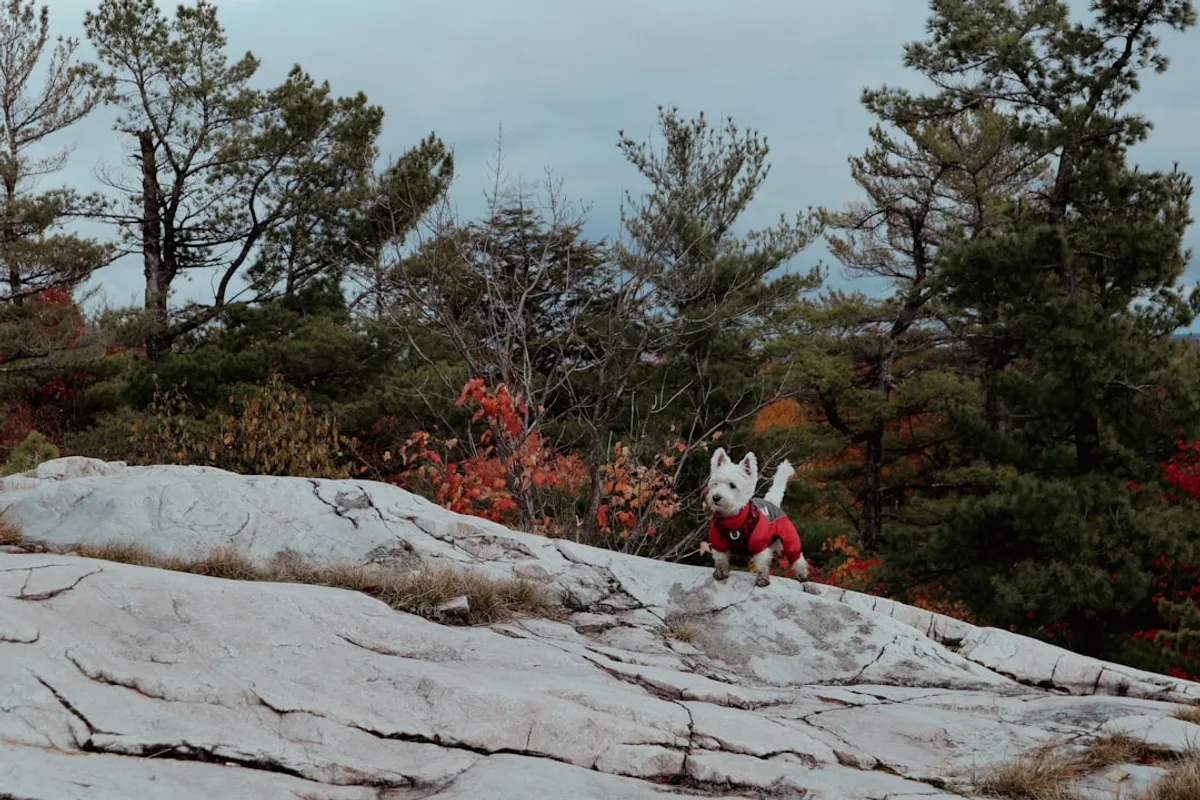
Caring for a Canadian Eskimo Dog involves much more than just feeding and walking; it requires a commitment to their physical and mental health. These arctic dogs need a high-protein diet to support their active lifestyle. Daily exercise is essential, with activities like long walks or runs. Grooming includes regular brushing to manage their thick coat.
Canadian Eskimo Dogs thrive on mental challenges, which can include puzzle toys or training games. Socialization is equally crucial to prevent behavioral issues. Establishing a balanced routine ensures their well-being.
With a solid understanding of care needs, let’s explore effective training strategies tailored for Canadian Eskimo Dogs.
Essential Care Needs
Understanding the unique care needs of Canadian Eskimo Dogs is crucial for any prospective owner. Dietary needs include high-quality, protein-rich foods such as those offered by brands like Hill’s Science Diet. Regular grooming is essential; their thick double coat requires brushing several times a week, especially during heavy shedding periods twice a year.
Additionally, regular veterinary check-ups and vaccinations are vital components of care. Ensuring these needs are met will help maintain your dog’s health and happiness. Now, let’s discuss training strategies that can help you successfully raise a Canadian Eskimo Dog.
Training Strategies for Success
Training a Canadian Eskimo Dog can be a rewarding experience when you understand their unique learning styles and instincts. These intelligent dogs thrive on positive reinforcement techniques, such as treats and praise. Consistency and patience are key, as they respond well to commands that engage their natural instincts, like pulling or herding activities.
Commands such as “sit,” “stay,” and “pull” can be effectively incorporated into their training routine. Remember, arctic dog training tips emphasize the importance of activities that mirror their historical roles. Next, we will explore how to create the perfect environment for these dogs to thrive.
Creating the Perfect Environment
Creating the right environment for a Canadian Eskimo Dog is crucial to ensure they lead a happy and fulfilling life. These dogs thrive in spacious areas that allow for outdoor activities, reflecting their heritage of endurance and strength in harsh climates. An ideal environment for Canadian Eskimo Dogs includes ample space for exercise and play.
To meet their physical and mental needs, provide interactive toys and regular socialization with other pets and people. This not only enriches their lives but also supports their temperament. Proper dog living conditions include a cool climate and a stimulating home setup.
Now, let’s address some common health concerns and behavioral solutions for Canadian Eskimo Dogs.
Health Concerns and Behavioral Solutions for Canadian Eskimo Dogs
Understanding the health concerns of Canadian Eskimo Dogs is essential for any owner committed to their long-term well-being. These dogs are prone to specific genetic conditions, such as hip dysplasia and eye problems. Regular veterinary check-ups and preventative care, like joint supplements and eye screenings, can mitigate these risks. Behavioral issues may arise if these health problems go unaddressed, leading to discomfort and anxiety in your pet. Choosing reputable breeders who conduct thorough health screenings is crucial. Next, we will explore behavioral challenges and solutions that Canadian Eskimo Dog owners may encounter.
Common Health Issues
Every dog breed has its health quirks, and Canadian Eskimo Dogs are no exception—let’s delve into what you need to know. These arctic dogs are prone to hip dysplasia, eye disorders, and hypothyroidism. Regular dog vet check-ups are crucial for early detection and management of these conditions.
Research shows that Canadian Eskimo Dogs are at a higher risk for certain hereditary conditions, emphasizing the need for genetic testing in breeding practices. Statistics indicate that approximately 20% of these dogs may suffer from hip dysplasia, highlighting the importance of preventative care.
Now, let’s discuss the behavioral challenges that may arise and how to effectively address them.
Behavioral Challenges and Solutions
Behavioral challenges can be daunting, but understanding the root causes can make all the difference in managing your Canadian Eskimo Dog’s behavior. Common issues like separation anxiety and excessive barking often arise from their high intelligence and need for mental stimulation. Creative dog training solutions, such as puzzle toys and interactive games, can effectively address these problems.
For instance, one owner successfully curbed excessive barking by introducing daily scent-tracking exercises, providing both mental and physical engagement. Another found that consistent routines and positive reinforcement helped alleviate separation anxiety. These behavior management strategies highlight the importance of tailored approaches to each dog’s unique needs.
Now, let’s move on to training tips and inspiring stories from owners that showcase the potential of Canadian Eskimo Dogs.
Training Tips and Owner Stories: Bringing Out the Best in Canadian Eskimo Dogs
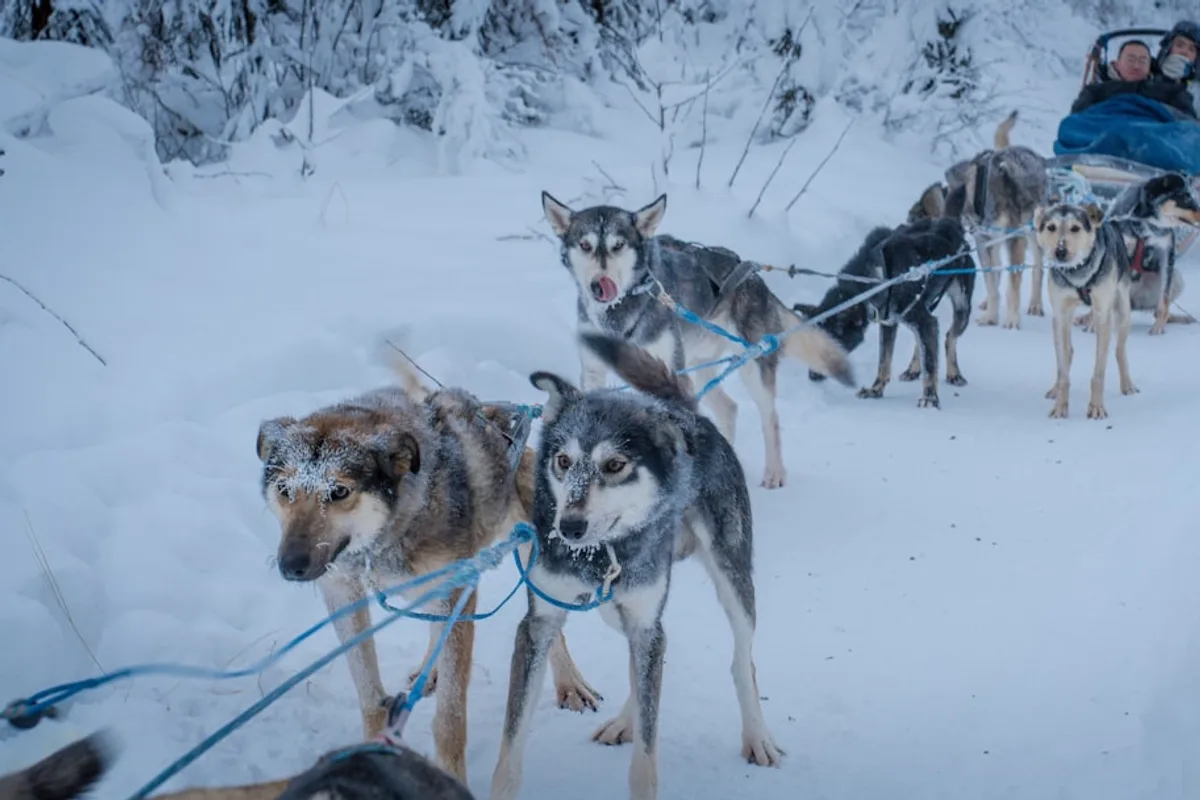
Bringing a Canadian Eskimo Dog into your home is an exciting adventure, but preparation is key to a successful transition. To ensure a smooth start, consider these essential steps:
- Prepare Your Home: Create a safe and welcoming space with designated areas for sleeping, eating, and playing.
- Set Expectations: Establish clear boundaries and consistent rules from day one to guide your dog’s behavior.
- Early Socialization: Many new owners underestimate its importance, yet it is crucial for adaptability and positive behavior.
One owner shared, “Our initial training involved daily socialization walks, which made a world of difference.” Let’s dive into step-by-step training techniques that will help you and your Canadian Eskimo Dog thrive together.
Preparing for Training
Preparation is not just about supplies; it’s about setting the stage for a harmonious relationship with your Canadian Eskimo Dog. Establishing a consistent routine from day one can greatly enhance the training process and help your Canadian Eskimo Dog feel secure.
- Introduce your Canadian Eskimo Dog to family members and other pets gradually.
- Establish a routine for feeding, exercise, and training.
- Use an arctic dog training checklist to ensure you have all necessary supplies.
Now, let’s explore step-by-step training techniques that will help you build a strong bond with your Canadian Eskimo Dog.
Step-by-Step Training Techniques
Training your Canadian Eskimo Dog can be a fun and rewarding experience when you use the right techniques and engage their natural instincts. Here are some effective training techniques:
- Basic Commands: Start with essential commands like sit, stay, and come, which are crucial for daily life and safety.
- Advanced Techniques: Engage their intelligence with agility courses that combine training with play, enhancing their learning experience.
- Incorporate Play: Use toys and games during training sessions to keep your dog motivated and attentive.
Finally, let’s hear success stories from owners that highlight the joys and challenges of raising a Canadian Eskimo Dog.
Success Stories from Owners
Every Canadian Eskimo Dog has a story, and the journeys of their owners can provide valuable insights and inspiration for new families. Here are some inspiring Canadian Eskimo Dog owner stories:
- Overcoming Challenges: One owner shared how their dog initially struggled with basic commands. Through consistent training, the dog not only learned obedience but also excelled in pulling sleds.
- Building Bonds: A testimonial highlighted the deep bond formed during training, emphasizing how the dog developed unique skills like participating in dog sports.
Now, let’s compare Canadian Eskimo Dogs with other Arctic breeds to see how they stack up.
Comparing Canadian Eskimo Dogs with Other Arctic Breeds
When it comes to Arctic breeds, not all are created equal—let’s explore how Canadian Eskimo Dogs differ from their counterparts. While all Arctic breeds share some common traits, Canadian Eskimo Dogs are often more reserved and protective compared to the more social Siberian Huskies. This temperament comparison highlights key differences that affect their suitability for various lifestyles and families.
| Breed | Temperament Traits |
|---|---|
| Canadian Eskimo Dog | Reserved, Protective, Loyal |
| Siberian Husky | Social, Playful, Friendly |
| Alaskan Malamute | Independent, Strong-willed, Affectionate |
These differences suggest that Canadian Eskimo Dogs may suit families seeking a protective companion, while Huskies and Malamutes might be better for those desiring a more social pet. Next, we will dive into physical and behavioral comparisons that further highlight these differences.
Key Temperament Differences
Understanding the social dynamics of Canadian Eskimo Dogs compared to other Arctic breeds can help potential owners choose the right fit for their lifestyle. The social behavior varies significantly between breeds, impacting family life and daily interactions.
| Aspect | Canadian Eskimo Dog | Husky |
|---|---|---|
| Social Behavior | Aloof with strangers, excellent watchdogs | Welcoming and friendly |
| Energy Levels | High, requires extensive exercise | Moderate to high, enjoys regular activity |
| Family Interaction | Loyal and protective | Affectionate and playful |
Now, let’s explore the physical and behavioral comparisons that further distinguish Canadian Eskimo Dogs from other Arctic breeds.
Physical and Behavioral Comparisons
When comparing Canadian Eskimo Dogs to other Arctic breeds, the differences in both physical appearance and behavior can be striking. Canadian Eskimo Dogs are often more robust and muscular compared to other Arctic breeds, which can affect their exercise needs and training approaches.
| Aspect | Canadian Eskimo Dogs | Other Arctic Breeds |
|---|---|---|
| Size & Build | Robust and muscular | Varies, often leaner |
| Coat Type | Thick, double-layered | Similar, but can vary |
| Trainability | Independent, requires patience | Generally more trainable |
Finally, we will help you determine which breed is the best fit for your lifestyle.
Which Breed is Right for You?
Choosing the right dog is a significant decision—let’s explore how to find the perfect Arctic breed for your home and lifestyle. Understanding your own lifestyle and preferences is crucial, as Canadian Eskimo Dogs require a high level of commitment and engagement compared to some other breeds.
| Consideration | Canadian Eskimo Dog | Other Arctic Breeds |
|---|---|---|
| Activity Level | High | Varies |
| Family Dynamics | Requires experienced owners | More adaptable |
| Commitment | Very high | Moderate |
- Do I have time for daily exercise and training?
- Is my family experienced with high-energy dogs?
- Can I provide a stimulating environment?
Next, we will address frequently asked questions about Arctic dog temperament and more.
FAQs About Arctic Dog Temperament and More
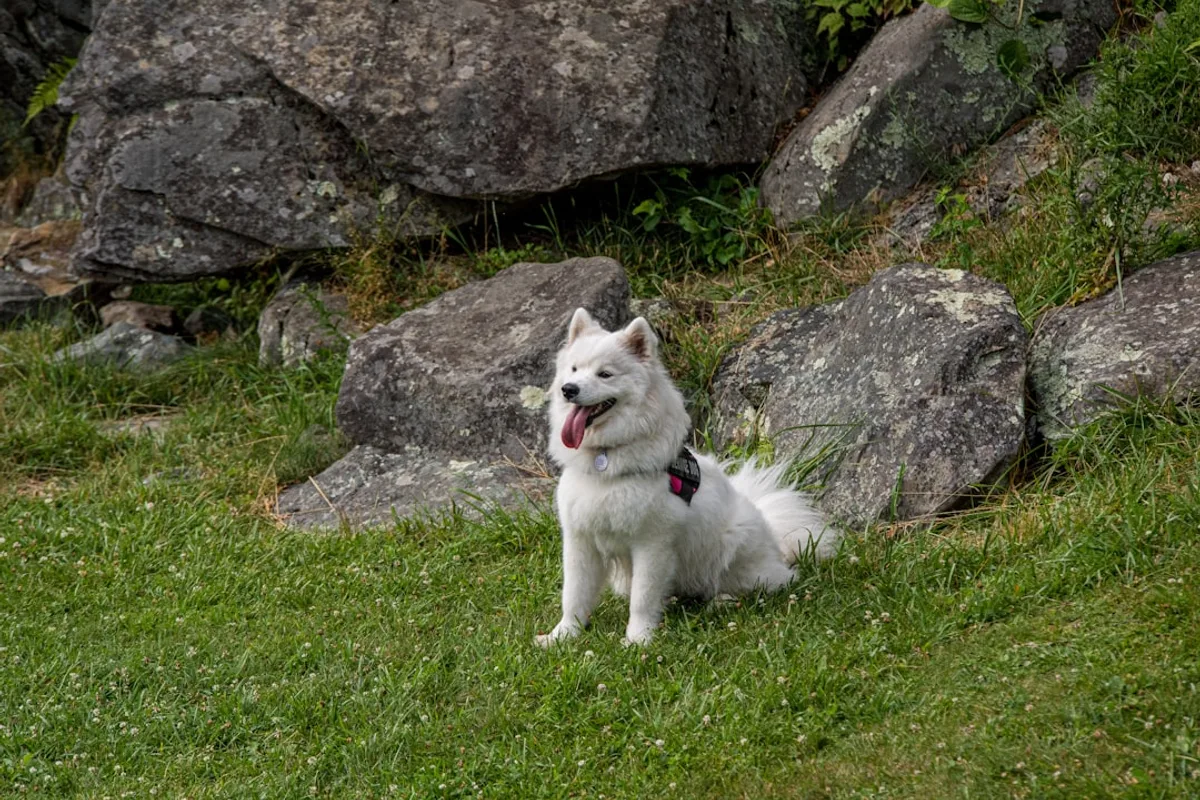
Curious about Arctic dog temperament? Here are the most frequently asked questions that can help guide your understanding.
- What is the temperament of a Canadian Eskimo Dog?
These dogs are known for their loyalty and intelligence, but their temperament can vary significantly based on upbringing and socialization experiences.
- How should I train a Canadian Eskimo Dog?
Consistent training and early socialization are crucial. These dogs respond well to positive reinforcement techniques.
- Are there specific care requirements for Arctic dogs?
Yes, they require regular exercise and mental stimulation. For more details, visit the American Kennel Club.
Let’s start with the typical temperament traits of Arctic dogs.
What is the typical temperament of Arctic dogs?
What can you expect from the temperament of an Arctic dog? Let’s explore the defining traits of these unique breeds. Arctic dogs, particularly the Canadian Eskimo Dog, are known for their loyalty, intelligence, and independence. These traits can vary based on individual dogs and their environments. Early socialization is crucial, as it significantly influences their behavior. Typically, they are gentle with families but may exhibit dominance around other pets.
Next, we will examine how Canadian Eskimo Dogs interact with children.
How do Canadian Eskimo Dogs interact with children?
Are Canadian Eskimo Dogs good with children? Their temperament can lead to strong protective bonds with the little ones in your family. Known for their protective instincts, these arctic dogs often form deep connections with children, ensuring a safe environment. Families report that with proper training and supervision, Canadian Eskimo Dog children interactions are positive and nurturing.
- Always supervise playtime to ensure dog safety with kids.
- Teach children to respect the dog’s space and signals.
Next, let’s explore whether Canadian Eskimo Dogs are suitable for apartment living.
Are Canadian Eskimo Dogs suitable for apartment living?
Can a Canadian Eskimo Dog thrive in an apartment? Let’s explore the factors that determine their adaptability to smaller living spaces. While Canadian Eskimo Dogs can adapt to apartment living, they require a significant amount of daily exercise and mental stimulation to thrive. Their high energy levels and space requirements can pose challenges. To successfully manage a Canadian Eskimo Dog in an apartment, owners should ensure regular outdoor activities and engage them with interactive toys. Next, we will discuss the grooming needs of Canadian Eskimo Dogs.
What are the grooming needs of Canadian Eskimo Dogs?
Grooming a Canadian Eskimo Dog is essential for their health—let’s dive into what you need to know to keep their coat in top shape. Regular brushing, at least once a week, is crucial to prevent matting and maintain healthy skin. During seasonal shedding, which occurs twice a year, increase brushing frequency to manage the heavy shedding effectively. Bathing should be done only when necessary to preserve the natural oils in their coat. Finally, we will address how to adopt a Canadian Eskimo Dog.
How can I adopt a Canadian Eskimo Dog?
Thinking about bringing a Canadian Eskimo Dog into your home? Here’s everything you need to know about the adoption process. Start by researching arctic dog rescue organizations and shelters that specialize in adopting Canadian Eskimo Dogs. Understanding the breed’s temperament and care requirements is crucial, as many of these dogs are in shelters due to their specific needs.
- Research breed-specific rescues and shelters.
- Contact organizations for available dogs.
- Prepare your home for their unique needs.
- Complete the adoption process with informed commitment.
For more resources, visit Petfinder or Adopt a Pet to find Canadian Eskimo Dogs in need of a loving home.
Key Takeaways About Arctic Dog Temperament
As we wrap up our exploration of Canadian Eskimo Dogs, let’s reflect on the key traits that make them such remarkable companions. These dogs are known for their loyalty, intelligence, and resilience. Understanding these unique temperament traits is crucial for potential owners, as it can significantly enhance the owner-dog relationship and lead to a more fulfilling companionship.
Canadian Eskimo Dogs require dedicated care, including regular exercise and mental stimulation, to thrive. Recognizing these needs is essential for anyone considering arctic dog ownership. By adopting from a rescue organization, you not only gain a loyal friend but also contribute to the preservation of this incredible breed.
Join us in making a difference—consider adopting a dog or volunteering with ADRTC today!
Leave a Reply