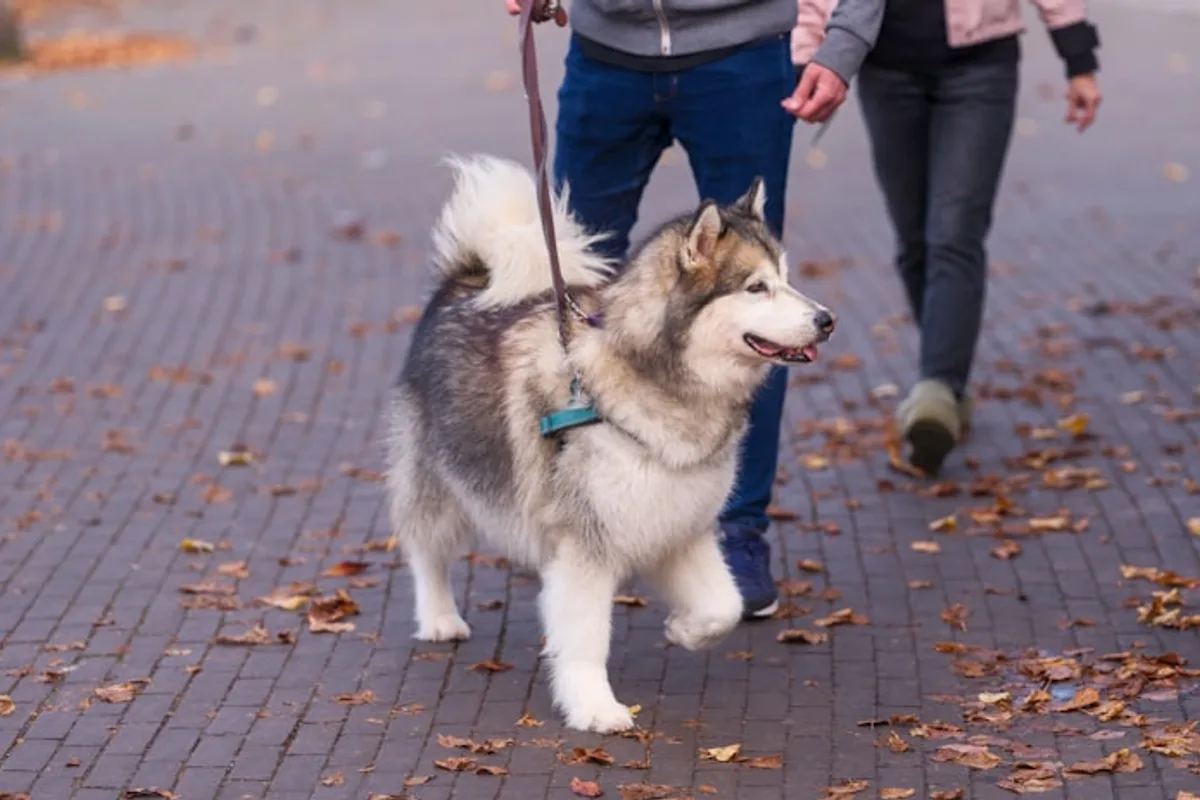
Tag: Caring for Arctic Dog Breeds

  • Essential Diet and Nutrition Guide for Arctic Breeds

    Essential Diet and Nutrition Guide for Arctic Breeds

    Why Diet and Nutrition Matter for Arctic Breeds

    Why should you care about what your Arctic breed eats? Diet is crucial for Arctic dog breeds because their unique physiological traits demand specific nutritional considerations. These breeds have a higher basal metabolic rate, requiring more calories to maintain body heat and energy levels in cold climates.

    Arctic breeds, such as Huskies and Malamutes, are built for endurance and strength, often facing extreme cold and high energy expenditure. This environment influences their nutritional needs, making a well-balanced diet essential. Improper diets can lead to obesity and other health issues, with studies indicating a rising trend in weight-related problems among these breeds.

    For example, sled dogs require a diet rich in protein and fat to support their active lifestyle. Essential nutrients like omega-3 fatty acids are vital for maintaining joint health and a robust immune system. Understanding their unique dietary needs sets the stage for exploring specific nutritional requirements.

    Nutritional Requirements and Feeding Guidelines for Arctic Breeds

    Are you feeding your Arctic breed the right way? Understanding the nutritional needs of Arctic breeds like Siberian Huskies and Alaskan Malamutes is crucial for their health. These active dogs often require up to 30% more calories than their sedentary counterparts, particularly during colder months when their energy expenditure increases.

    For optimal health, a balanced diet with approximately 30% protein, 20% fat, and the remainder as carbohydrates is recommended. Puppies need more protein for growth, while adults and seniors require adjusted caloric intake based on activity levels. Feeding guidelines for Huskies and other Arctic breeds should consider these life stages to ensure they receive the necessary nutrients.

    Next, we’ll delve deeper into the essential nutrients that Arctic breeds specifically need for optimal health.

    Essential Nutrients for Arctic Breeds

    What nutrients are non-negotiable for your Arctic breed’s health? Key nutrients such as omega-3 fatty acids, protein, and antioxidants are crucial for these breeds. Omega-3s, found in fish oil, support healthy coats and skin, especially important for Huskies prone to skin issues. Lean meats provide necessary protein, while antioxidants boost overall health.

    Hydration plays a vital role in nutrient absorption, ensuring dietary fats and other nutrients are effectively utilized by sled dogs. With a clear understanding of essential nutrients, let’s explore effective feeding practices tailored for these breeds.

    Establishing a regular feeding schedule is crucial for maintaining a healthy weight in Huskies and other sled dogs. Scheduled feeding, rather than free-feeding, can help reduce anxiety, a common issue in these breeds. Choose high-quality commercial dog food or carefully balanced homemade options to meet their nutritional needs.

    Next, we will address common mistakes that dog owners make when feeding their Arctic breeds.

    Common Feeding Mistakes to Avoid

    Are you unknowingly harming your Arctic breed’s health with common feeding mistakes? Overfeeding, offering inappropriate foods, and neglecting hydration are frequent errors. These can lead to obesity and nutritional deficiencies. Many owners mistakenly believe all dog foods suit Arctic breeds, but some ingredients can worsen health issues. Ensure balanced meals and adequate water intake to avoid these pitfalls.

    Now that we know what to avoid, let’s explore the benefits of crafting homemade diets for Arctic breeds.

    Crafting Homemade Diets: Tried and Tested Recipes for Arctic Breeds
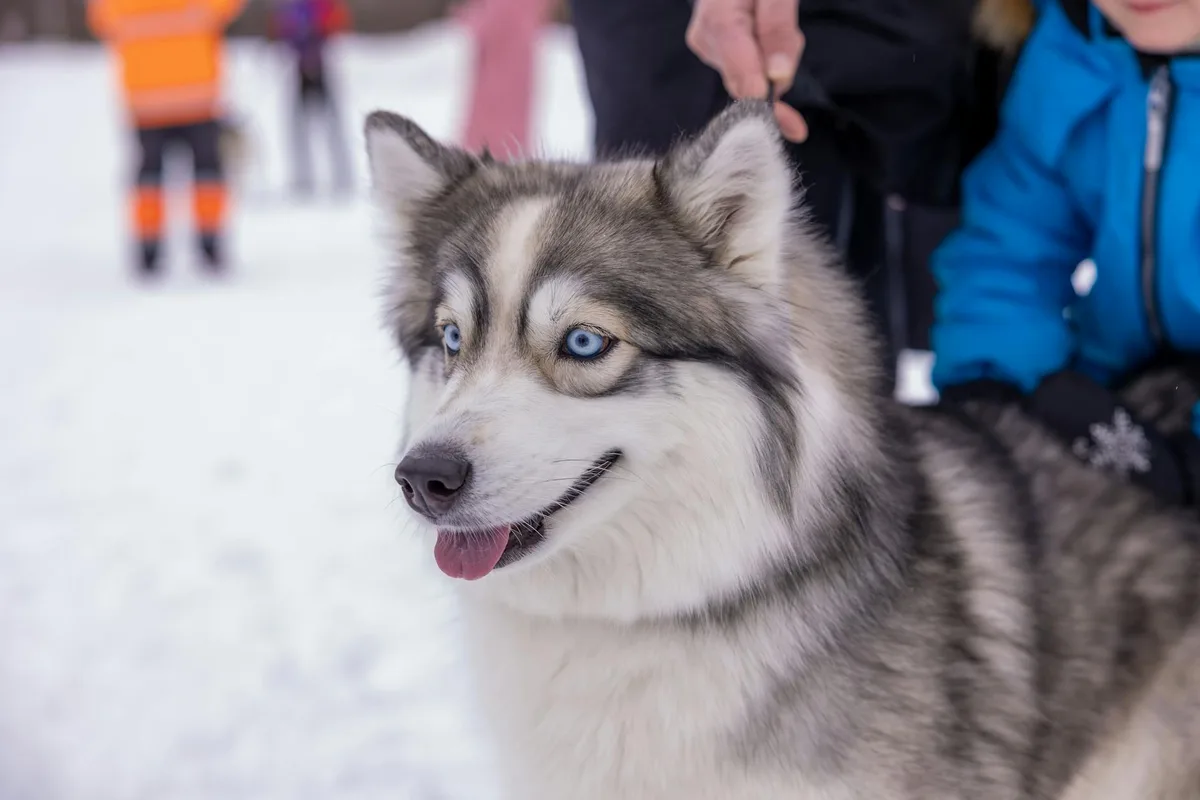
    A Siberian Husky enjoying a snowy day with people nearby.
    Photo by Sergei Starostin on Pexels

    Could homemade meals be the key to your Arctic breed’s health? Homemade diets offer dog owners the advantage of controlling ingredients and nutrition, ensuring that their pets receive the best possible care. This is particularly beneficial for Arctic breeds, such as Huskies, who often suffer from food allergies and sensitivities due to their unique genetic makeup.

    By preparing homemade dog food, you can tailor meals to meet the specific nutritional needs of sled dogs and other Arctic breeds. However, it’s crucial to consider safety guidelines, such as balancing nutrients and avoiding harmful ingredients. The benefits of homemade diets for Arctic breeds include improved health and reduced allergy risks.

    Next, let’s dive into some popular recipes that are perfect for Arctic breeds.

    Benefits of Homemade Diets

    What if the secret to your Arctic breed’s vitality lies in your kitchen? Homemade diets offer better ingredient quality and tailored nutrition, enhancing coat health and energy levels. Owners report improved vitality in Huskies after transitioning to homemade meals. Including superfoods like blueberries and pumpkin boosts immune function and digestion, offering significant health benefits of homemade dog food.

    For more insights on Arctic breed nutrition, visit American Kennel Club.

    Now, let’s explore some popular recipes that are not only nutritious but also delicious for your Arctic breed.

    Ready to whip up some tail-wagging meals for your Arctic breed? Here are a few recipes tailored for Huskies and other Arctic breeds, focusing on nutritional balance and palatability.

    • Fish and Sweet Potato Delight: Combine baked fish with mashed sweet potatoes. Preparation time: 30 minutes. Store in the fridge for up to three days. Substitute fish with chicken for dogs with fish allergies.
    • Hearty Beef Stew: Slow-cook beef chunks with carrots and peas. Preparation time: 2 hours. Freeze in portions for easy access. For grain-free diets, omit rice.
    • Chicken and Rice Medley: Boil chicken with brown rice and green beans. Preparation time: 45 minutes. Store in airtight containers for freshness. Use quinoa instead of rice for a gluten-free option.

    Using ingredients like fish and sweet potatoes can provide a balanced diet that supports the high energy levels of Arctic breeds, particularly during colder months. After exploring these recipes, it’s crucial to understand how to balance nutrients in homemade meals.

    Balancing Nutrients in Homemade Meals

    Are your homemade meals truly meeting your Arctic breed’s nutritional needs? Balancing macronutrients and micronutrients is essential for Huskies and other Arctic breeds. Ensure meals are nutritionally complete by incorporating a variety of proteins, fats, and carbohydrates, and consider supplements for vitamins and minerals.

    Adjust recipes based on your dog’s age, activity level, and health status. Many owners overlook the need for a balanced calcium-to-phosphorus ratio, crucial for bone health in active breeds. Next, we’ll examine how climate and seasonal changes can impact the dietary needs of Arctic breeds.

    How Climate and Seasonal Changes Affect Arctic Breeds’ Diets

    Is your Arctic breed’s diet keeping up with the changing seasons? Extreme cold significantly impacts the metabolism of Arctic breeds, such as Huskies, requiring a higher caloric intake to maintain body heat. During winter, these breeds may need up to 50% more calories due to increased energy expenditure from activities like sledding.

    Seasonal changes also influence food availability and appetite. As temperatures drop, owners should adjust their pets’ diets to ensure sufficient nutrition. For example, incorporating more protein and fat can help sustain energy levels. Monitoring these seasonal diet changes is crucial for maintaining optimal Arctic breed nutrition in winter.

    Now, let’s look at how temperature specifically influences appetite and nutrition for Arctic breeds.

    Adapting Diets to Seasonal Variations

    Are you ready to adapt your Arctic breed’s diet as the seasons change? Seasonal feeding for Huskies and other Arctic breeds requires careful consideration of activity levels and food preferences. During warmer months, many Arctic breeds experience a natural decrease in appetite. Adjust portion sizes and incorporate fresh vegetables to prevent weight gain.

    In summer, focus on lighter meals and include seasonal foods like leafy greens and carrots. Monitoring your pet’s weight and health during these transitions is crucial. By making these diet adjustments for Arctic breeds, you can ensure they remain healthy and active year-round.

    Next, we will explore how temperature impacts appetite and nutritional needs for these breeds.

    Impact of Temperature on Appetite and Nutrition

    Is your Arctic breed eating enough when the temperature rises? Extreme temperatures significantly affect appetite and food preferences in Arctic breeds. In warmer weather, these dogs, such as Huskies, may exhibit a decreased appetite, risking nutritional deficiencies. Physiological responses to heat and cold alter their dietary needs, requiring careful monitoring.

    To ensure proper hydration and nutrition during temperature extremes, provide fresh water and adjust meal sizes. Consider nutrient-dense foods to compensate for reduced intake. Now, let’s discuss the health benefits of key nutrients and supplements specifically for Arctic breeds.

    Health Benefits of Key Nutrients and Supplements for Arctic Breeds
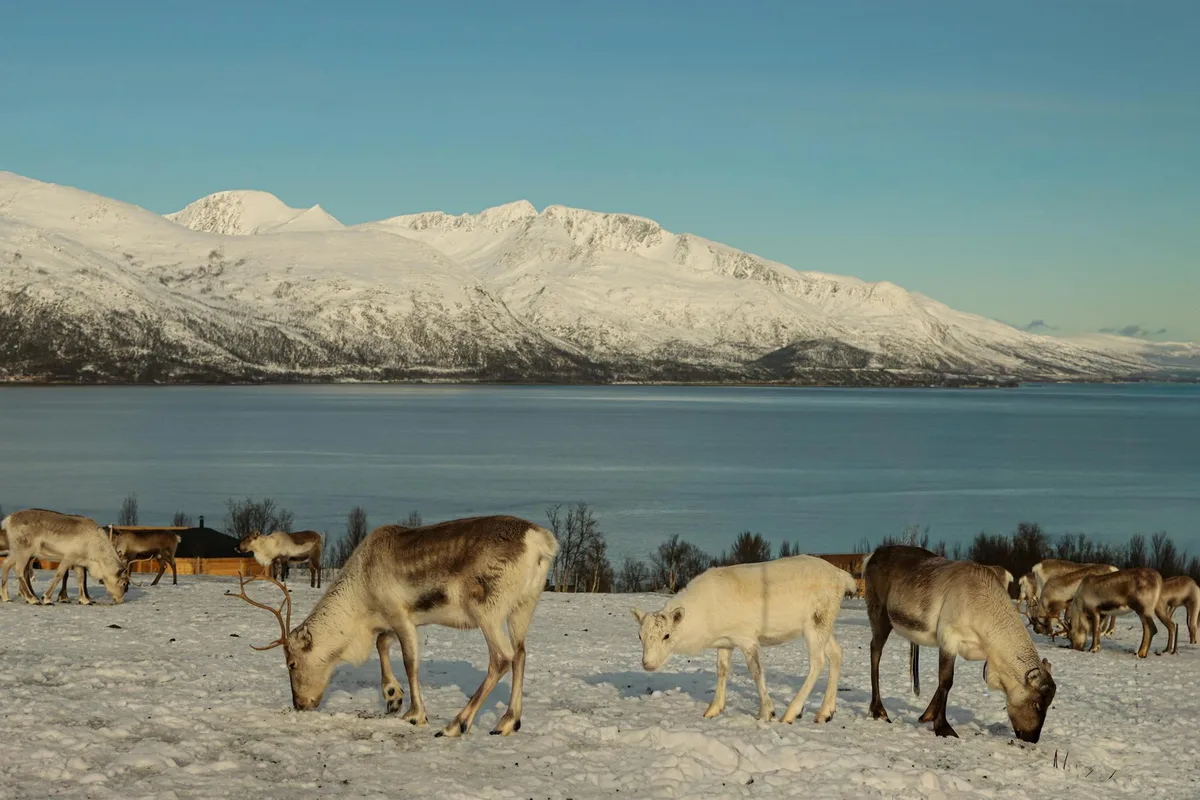
    Reindeer graze peacefully against snowy mountains and clear skies in Tromsø, Norway.
    Photo by Efrem Efre on Pexels

    Are you giving your Arctic breed the nutrients they truly need for optimal health? Essential fatty acids, vitamins, and minerals play a vital role in maintaining the overall well-being of these breeds. Omega-3 fatty acids, for instance, are known to enhance coat quality and support joint health, which is crucial for their active lifestyles. Key vitamins for sled dogs, such as vitamin E and B-complex, bolster energy levels and immune function.

    Consider nutritional supplements for Huskies that include glucosamine and chondroitin to further support joint health. Zinc and selenium are also important minerals that contribute to a robust immune system. Next, we’ll break down the role of essential fatty acids and when they should be included in the diet.

    Essential Fatty Acids and Their Role

    Could essential fatty acids be the key to your Arctic breed’s shiny coat? Omega-3 and omega-6 fatty acids play a vital role in maintaining skin and coat health, especially for breeds like Huskies. These nutrients help mitigate the effects of cold weather, a common environmental stressor for Arctic dogs.

    Incorporate sources like fish oil and flaxseed into their diet to ensure they receive these essential nutrients. Aim for a balanced ratio of omega-3 to omega-6 to optimize health benefits. The importance of omega-6 for sled dogs cannot be overstated, as it supports overall well-being.

    Now, let’s explore the vitamins and minerals that are essential for the health of Arctic breeds.

    Vitamins and Minerals for Arctic Breeds

    Are your Arctic breed’s meals packed with the vitamins they need? Key nutrients like Vitamin E, calcium, and zinc are crucial for their health. Vitamin E supports the immune system, while calcium and Vitamin D are vital for bone health, especially since many Arctic breeds, such as Huskies, are prone to joint issues.

    To ensure adequate intake, include foods rich in these nutrients. For example, fish and eggs provide Vitamin D, while leafy greens and dairy offer calcium. Zinc can be found in meats and whole grains. Meeting the nutritional needs of sled dogs ensures their long-term mobility and health.

    Next, we will discuss when it may be necessary to consider dietary supplements for Arctic breeds.

    When to Consider Supplements

    Is your Arctic breed missing out on essential nutrients due to dietary gaps? Supplements can be crucial during pregnancy, illness, or recovery from surgery. For example, omega-3 supplements for Huskies support joint health, while probiotics aid digestion. Seasonal changes also demand extra nutrients. Always consult a veterinarian before using dog supplements for Arctic breed dietary enhancements.

    Now, let’s go over the steps to safely transition Arctic breeds to a new diet.

    Steps to Transition Arctic Breeds to a New Diet Safely

    Are you worried about changing your Arctic breed’s diet without causing issues? A sudden diet change can lead to gastrointestinal distress in Arctic breeds, which are particularly sensitive to abrupt dietary shifts due to their unique digestive systems. Follow these steps to ensure a safe diet change for Arctic breeds like Huskies:

    1. Assess Current Diet: Evaluate the nutritional content of your dog’s existing food to understand what nutrients may be lacking.
    2. Introduce New Food Gradually: Start by mixing 25% of the new food with 75% of the old diet. Gradually increase the new food over 7-10 days.
    3. Monitor for Signs: Watch for signs of digestive upset, such as diarrhea or vomiting, and adjust the transition speed if needed.

    Next, we will discuss how to assess your dog’s current diet before making any changes.

    Assessing Your Dog’s Current Diet

    Is your Arctic breed’s diet as healthy as it should be? Evaluating your dog’s current diet involves a thorough analysis of ingredient quality and nutritional balance. Many owners overlook the importance of ingredient sourcing; understanding where food comes from can significantly impact the health of Arctic breeds.

    1. Review ingredient labels for quality and origin.
    2. Check for a balanced mix of proteins, fats, and carbohydrates.
    3. Identify any potential deficiencies in vitamins and minerals.
    4. Consult with a veterinarian for a personalized Husky nutrition assessment.

    Now that you know how to assess the current diet, let’s look at techniques for a gradual transition.

    Gradual Transition Techniques

    Are you ready to make a smooth transition to a healthier diet for your Arctic breed? Gradual diet transition for Huskies and other Arctic breeds can significantly reduce the risk of food aversion. Follow these steps:

    1. Mix 25% new food with 75% old food on days 1-2.
    2. Increase to 50% new food on days 3-4.
    3. Use 75% new food by days 5-6.
    4. Complete the transition with 100% new food by day 7.

    Monitor your dog’s reaction closely during this period. If any digestive issues arise, slow down the transition. Adjust the process based on your dog’s response to ensure a smooth Husky diet change. Finally, let’s discuss how to monitor and adjust the diet after the transition.

    Monitoring and Adjusting the Diet

    Is your Arctic breed thriving on their new diet, or do you need to make adjustments? Regular monitoring can reveal subtle changes in health that indicate the need for dietary adjustments, which is particularly crucial for active Arctic breeds. Here’s how to effectively monitor and adjust their diet:

    1. Observe your dog’s behavior and energy levels. Look for signs of improvement or distress after transitioning to a new diet.
    2. Adjust portion sizes and ingredients based on your Husky’s response. This may involve increasing or decreasing food quantities.
    3. Schedule regular check-ups with your veterinarian to ensure the new diet meets all nutritional needs.

    Next, we will address some frequently asked questions about diet and nutrition for Arctic breeds.

    FAQs About Diet and Nutrition for Arctic Breeds
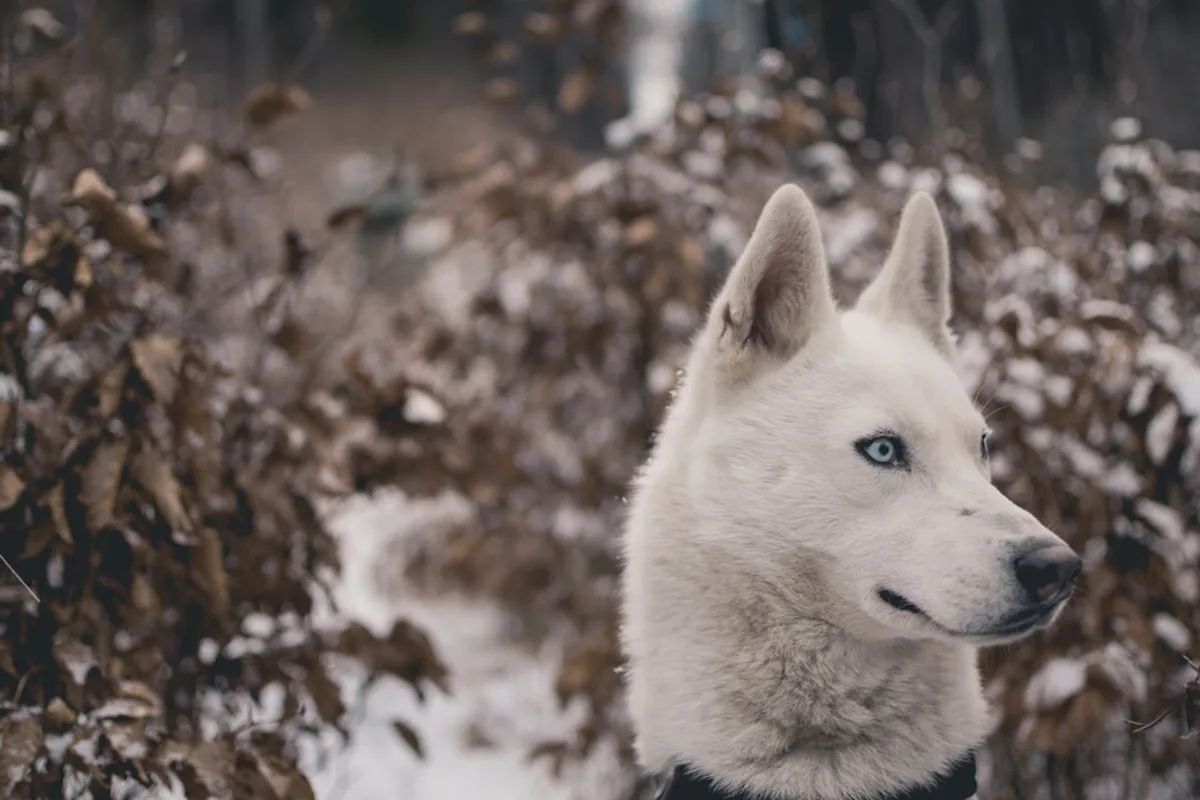
    white wolf surrounded with plants
    Photo by Marek Szturc on Unsplash

    What burning questions do you have about your Arctic breed’s diet? Here are some FAQs about Arctic breed nutrition:

    • Do Arctic breeds need a special diet? Yes, their nutritional needs can vary significantly from other breeds. Tailored guidance is essential to meet their energy and health requirements.
    • What common diets work for Huskies? High-protein, high-fat diets are often recommended. Consult a veterinarian for personalized advice.

    For reliable information on dog nutrition, consider consulting the American Kennel Club or other reputable sources. Let’s dive into some specific questions that many dog owners have about feeding their Arctic breeds.

    What are the best protein sources for Arctic breeds?

    Are you sure your Arctic breed is getting enough quality protein in their diet? For sled dogs and Huskies, the best protein sources include fish, chicken, and lamb. Fish-based proteins not only provide essential amino acids but also contribute to better skin and coat health, which is vital for Arctic breeds. High-protein diets for Arctic breeds should prioritize quality over quantity to maintain muscle and energy levels. Consider commercial dog foods like those from brands specializing in high-protein formulas. Next, we’ll answer the question of how often Arctic breeds should be fed.

    How often should I feed my Arctic breed dog?

    Are you feeding your Arctic breed the right number of meals each day? Puppies require three to four meals daily to support their rapid growth. Adult Arctic breeds, such as Huskies, typically thrive on two meals per day, while seniors might benefit from smaller, more frequent meals to aid digestion. Feeding frequency can significantly impact energy levels; active Arctic breeds may benefit from multiple smaller meals throughout the day rather than one or two large meals. Establishing a consistent feeding schedule for Huskies helps maintain their metabolism and energy. Now, let’s address whether Arctic breeds can eat raw diets.

    Can Arctic breeds eat raw diets?

    Could a raw diet be the secret to your Arctic breed’s health? While raw diets can offer benefits such as improved coat condition and increased energy levels, they require meticulous planning. The raw diet for Huskies and other Arctic breeds must be carefully balanced to meet their unique nutritional needs, which can vary widely.

    Proper sourcing and preparation of raw ingredients are crucial to prevent health issues. If considering sled dog raw feeding, introduce changes gradually, ensuring all nutritional requirements are met. Next, we’ll discuss the signs that indicate nutritional deficiencies in Arctic breeds.

    What signs indicate nutritional deficiencies?

    Is your Arctic breed showing signs that something might be missing from their diet? Common indicators of nutritional deficiencies in Huskies and other Arctic breeds include dull or thinning coats, lethargy, and digestive problems. Behavioral changes, such as increased irritability, can also signal a poor diet. Regular veterinary check-ups are crucial to monitor Husky health indicators and overall nutrition.

    • Coat issues: dullness, thinning, or excessive shedding
    • Lethargy or decreased energy levels
    • Digestive problems: diarrhea or constipation
    • Behavioral changes: irritability or mood swings

    Adjusting the diet to include more essential nutrients can help address these issues. Finally, let’s explore how to determine if your Arctic breed needs supplements.

    How do I know if my Arctic breed needs supplements?

    Is your Arctic breed getting everything they need, or could they benefit from a little extra support? Consider their age, health status, and activity level. Older Huskies or those with joint issues might need glucosamine supplements, especially during winter when activity increases. Omega-3 fatty acids can enhance coat health and reduce inflammation. Always consult a veterinarian before starting any supplements to ensure they meet your Husky’s dietary requirements. Many owners overlook the impact of seasonal changes on nutrient needs, making it crucial to assess supplement needs for Huskies regularly.

    Now, let’s summarize the key takeaways about diet and nutrition for Arctic breeds.

    Key Takeaways About Diet and Nutrition for Arctic Breeds

    What have you learned about keeping your Arctic breed healthy through nutrition? Tailoring their diet to meet specific needs is essential for their health and longevity. Arctic breeds, such as Huskies, have unique dietary requirements that differ from other dogs. These breeds thrive on diets rich in protein and fat, essential for maintaining their energy levels and supporting their thick coats.

    Key nutrients like omega-3 fatty acids, found in fish oil, and high-quality proteins are vital for their well-being. Seasonal adjustments, such as increased caloric intake during colder months, ensure they remain active and healthy. Feeding practices should be consistent, with portion sizes adjusted according to activity levels and age.

    Consulting with a veterinarian is crucial for personalized dietary advice, ensuring your Arctic breed receives the best nutrition possible. Join us in making a difference—consider adopting a dog or volunteering with ADRTC today! By making informed dietary choices, you contribute to the overall health and happiness of these remarkable breeds.

  • Essential Grooming Needs Specific to Arctic Dogs: A Comprehensive Guide

    Essential Grooming Needs Specific to Arctic Dogs: A Comprehensive Guide

    Why Grooming is Vital for Arctic Dogs

    Did you know that grooming is not just about aesthetics for Arctic dogs, but a crucial aspect of their health? Regular grooming can significantly reduce the risk of skin-related diseases in Arctic breeds, which are prone to specific skin conditions due to their dense coats.

    The health benefits of grooming Arctic dogs extend beyond a shiny coat. Consistent grooming helps maintain skin health, preventing issues like matting and skin infections. According to recent studies, neglected grooming can lead to a 30% increase in skin infections among Arctic breeds. These infections often result from trapped moisture and debris within their thick fur.

    Dog owners frequently report improvements in their pets’ behavior and overall well-being following regular grooming sessions. One owner noted, “After we started a consistent grooming routine, our Husky seemed happier and more energetic.” Such testimonials highlight the importance of Arctic dog grooming, emphasizing how it contributes to their mental and physical health.

    Understanding the unique coat types of Arctic breeds is essential for effective grooming. This knowledge helps in selecting the right grooming techniques and tools, ensuring that your Arctic dog remains healthy and comfortable throughout the year. As we delve deeper, we’ll explore the specific grooming needs tailored to these resilient breeds.

    The stunning coats of Arctic dogs are not just for show; they require specific grooming techniques to keep them healthy and beautiful. Arctic dog coat types vary significantly, with breeds like the Siberian Husky and Alaskan Malamute showcasing unique grooming needs. The Siberian Husky, for instance, has a medium-length double coat that benefits from weekly brushing to prevent matting and reduce shedding.

    In contrast, the Alaskan Malamute boasts a denser undercoat, necessitating more frequent grooming sessions, especially during shedding seasons. Using a slicker brush and an undercoat rake can effectively manage their thick fur. Understanding these differences is crucial for maintaining their coat health.

    Breed Coat Type Grooming Tools Brushing Frequency
    Siberian Husky Medium-length double coat Slicker brush Weekly
    Alaskan Malamute Dense undercoat Undercoat rake, slicker More frequent during shedding

    Understanding the Double Coat of Arctic Breeds

    Understanding the double coat of Arctic breeds is key to mastering their grooming needs. A double coat consists of a dense undercoat for insulation and a protective outer coat. This structure helps Arctic dogs regulate temperature but requires specific grooming techniques to prevent matting and skin issues.

    During the Arctic dog shedding cycle, these breeds shed their undercoat seasonally, which can lead to increased grooming needs. Regular brushing helps manage this shedding and keeps the coat healthy. Use a slicker brush for the outer coat and an undercoat rake to remove loose fur effectively.

    Now that we understand the double coat, let’s look at effective grooming techniques tailored for Arctic dogs.

    Grooming Techniques for Arctic Dogs

    Ready to transform your grooming routine? Here are the best techniques and tools to keep your Arctic dog looking its best! Essential tools include deshedding brushes and undercoat rakes, perfect for managing their dense fur. Here’s how to groom double-coated dogs effectively:

    • Brushing: Use an undercoat rake to gently remove loose fur without harming the coat.
    • Bathing: Bathe sparingly to maintain natural oils; use a mild shampoo suitable for Arctic breeds.
    • Trimming: Trim only when necessary, focusing on hygiene areas to prevent matting.

    Compare products like the Furminator for thick coats and the Hertzko for sensitive skin to find the best tools for Arctic dog grooming. However, even experienced groomers can make mistakes; let’s discuss common pitfalls to avoid.

    Common Mistakes to Avoid When Grooming Arctic Breeds

    Even the most dedicated dog owners can make grooming mistakes—let’s uncover what to avoid for your Arctic breed! One frequent error is over-bathing, which can strip essential oils from the coat, leading to dryness and irritation. Instead, bathe sparingly and use a gentle, breed-specific shampoo.

    Improper brushing techniques are another common issue. Many owners fail to address the undercoat, resulting in matting and discomfort. Invest in a high-quality undercoat rake and brush in the direction of hair growth to prevent these problems. Professional groomers advise regular brushing to maintain a healthy, tangle-free coat.

    With these common mistakes in mind, it’s also important to consider seasonal grooming needs.

    Seasonal Grooming Tips and Tools for Arctic Dogs

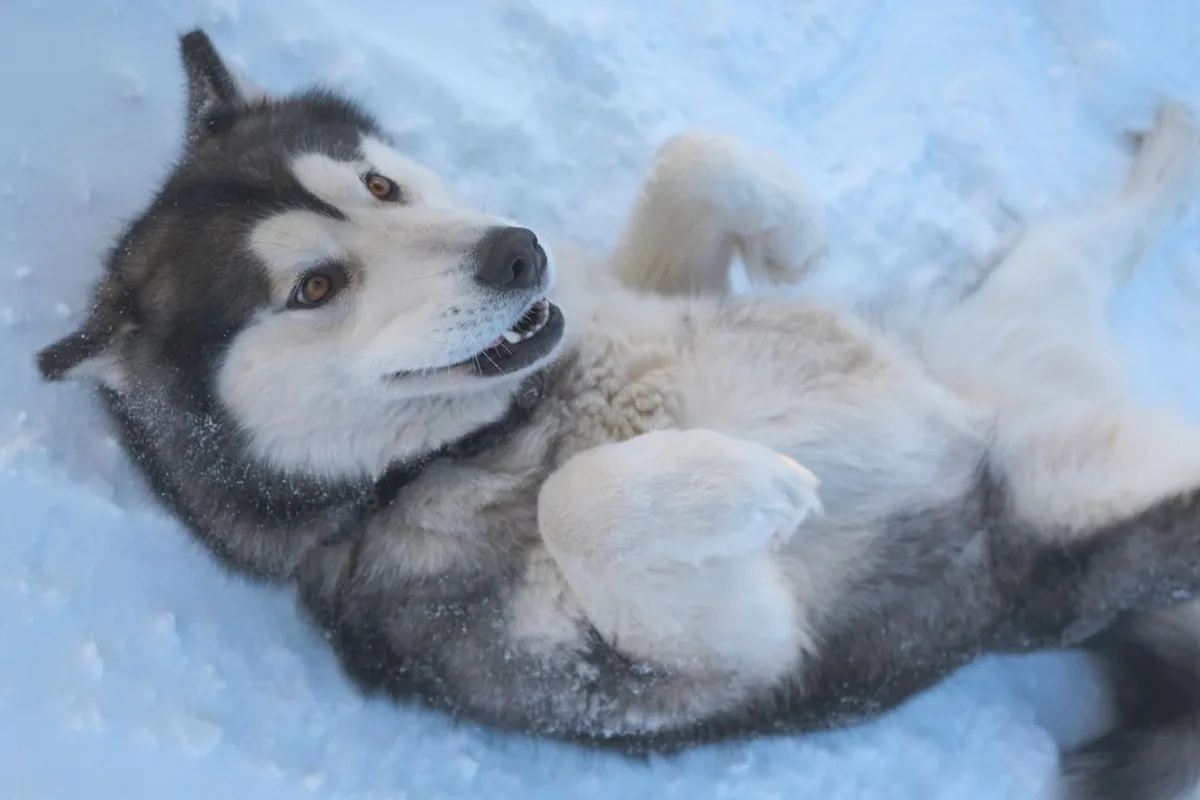
    A husky dog rolling around in the snow
    Photo by Dimitry Dolgikh on Unsplash

    As the seasons change, so do the grooming needs of your Arctic dog—are you prepared for the shifts? Arctic dogs face unique grooming challenges due to extreme weather conditions. In winter, their double coats require special attention to prevent matting and frostbite. Regular brushing is essential to maintain their coat’s insulating properties.

    Here’s a seasonal grooming checklist for Arctic dogs:

    • Winter: Increase brushing frequency to manage shedding and prevent ice build-up. Consider paw balm to protect against frostbite.
    • Summer: Regularly check for ticks and fleas. Trim excess fur to avoid overheating, but never shave their coat completely.

    Adjusting grooming routines based on temperature and activity levels is crucial. For instance, more frequent baths may be needed in summer to remove dirt and allergens. Seasonal grooming not only keeps Arctic dogs comfortable but also helps prevent heat-related issues in summer and frostbite in winter.

    Let’s dive deeper into how to prepare your Arctic dog for the winter months.

    Preparing for Winter: Grooming Essentials

    Winter is coming! Is your Arctic dog ready for the chilly temperatures ahead? Essential grooming tasks include trimming the fur between paw pads to prevent ice buildup and checking for skin issues. Maintaining a healthy coat is crucial for insulation. Regularly brush your dog’s fur to avoid tangles and protect sensitive areas.

    For more tips on grooming Arctic dogs for cold weather, visit AKC’s grooming guide. As temperatures rise, let’s explore how to keep your Arctic dog cool during the summer months.

    Summer Grooming: Keeping Your Arctic Dog Cool

    Summer heat can be tough on Arctic dogs—are you equipped with the right grooming strategies to keep them cool? Regular grooming in summer not only helps manage shedding but also allows for better airflow to the skin, reducing the risk of overheating. Brush your dog frequently to remove loose fur and keep their coat healthy.

    Ensure your Arctic dog stays hydrated and consider cooling techniques like damp towels or cooling mats. These methods complement grooming efforts, offering relief in warmer weather. To make grooming easier, let’s look at the must-have tools for Arctic dog owners.

    Must-Have Grooming Tools for Arctic Dog Owners

    Equipping yourself with the right tools can make all the difference—what should every Arctic dog owner have in their grooming kit? Start with a slicker brush and a wide-tooth comb to tackle their dense double coats. The FURminator de-shedding tool is a top-rated choice, praised for reducing grooming time by up to 50%.

    Investing in high-quality grooming tools simplifies the process, making it more efficient. Brands like Oster and Hertzko offer essential grooming supplies for Arctic breeds, ensuring you have the best grooming tools for Arctic dogs at your disposal.

    Despite being beautiful, larger Arctic breeds pose unique grooming challenges that need addressing.

    Overcoming Common Grooming Challenges for Larger Arctic Breeds

    Owning a larger Arctic breed can be rewarding, but it comes with its own set of grooming challenges—are you ready to tackle them? One of the primary grooming challenges for large Arctic breeds is managing shedding in big dogs. These breeds often have dense, double coats that require frequent attention to prevent matting and excessive shedding.

    To effectively manage these Arctic dog grooming difficulties, establish a regular grooming schedule. Aim for brushing sessions at least twice a week, using tools like an undercoat rake or slicker brush specifically designed for double-coated breeds. This helps remove loose fur and prevents tangles from forming.

    Regular grooming is crucial not only for maintaining coat health but also for preventing skin issues and infections. Neglecting these grooming needs can lead to painful mats and skin irritations. Additionally, consider seasonal grooming adjustments, as shedding can increase during certain times of the year.

    By staying proactive with grooming, you can ensure your Arctic dog remains comfortable and healthy. Let’s take a closer look at how to handle shedding and matting in these magnificent dogs.

    Handling Shedding and Matting in Large Arctic Dogs

    Shedding and matting can be a nightmare for large Arctic breeds—what’s the best way to keep their coat in check? These dogs often have double coats, leading to significant shedding, especially during seasonal changes. Regularly scheduled grooming sessions can reduce shedding by up to 80%, making it easier to maintain a clean home and a healthy coat.

    To manage dog shedding, brush your Arctic dog at least twice a week using a slicker brush and an undercoat rake. This routine helps prevent matting in Arctic breeds by removing loose fur before it tangles. Consistent grooming is key to shedding solutions for large dogs.

    Grooming anxiety can also be a challenge; let’s explore how to manage it effectively.

    Dealing with Grooming Anxiety in Arctic Breeds

    Is your Arctic dog fearful of grooming? Let’s explore effective strategies to ease their anxiety and make grooming a positive experience. Many Arctic breeds are sensitive to grooming due to their strong instincts. Recognizing signs of grooming anxiety in dogs, such as trembling or restlessness, is crucial for managing dog stress during grooming sessions.

    To help alleviate anxiety, consider desensitization techniques like introducing grooming tools gradually. Creating a calm environment with soothing sounds can also help. Patience and consistency are key; building trust with your dog during grooming takes time. These tips for anxious Arctic breeds can transform grooming into a stress-free routine.

    Now that we’ve covered the challenges, let’s discuss affordable grooming solutions for Arctic dog owners.

    Affordable Grooming Solutions for Arctic Dog Owners

    Two husky dogs looking forward
    Photo by Shavr IK on Unsplash

    Grooming your Arctic dog doesn’t have to break the bank—what are some affordable solutions that work? Many dog owners can save up to 70% on grooming costs by learning basic DIY techniques and utilizing local community resources. Here are some budget-friendly dog grooming options:

    1. DIY Grooming Tips: Invest in a quality brush and comb suitable for double-coated breeds. Regular brushing helps manage shedding and maintain a healthy coat.
    2. Essential Tools: Purchase a slicker brush, undercoat rake, and nail clippers. These tools are effective and affordable, ensuring your Arctic dog stays well-groomed.
    3. Community Resources: Check local shelters or pet organizations for volunteer groomers or discounted grooming days. These services often provide affordable grooming solutions for dogs.

    By incorporating these budget-friendly grooming strategies, you can keep your Arctic dog looking great without overspending. Let’s explore how to effectively groom your dog without spending a fortune on professional services.

    DIY Grooming: Budget-Friendly Tips

    Why pay for professional grooming when you can do it yourself? Here’s how to groom your Arctic dog at home without spending a fortune!

    1. Brush Regularly: Use a repurposed comb to manage the thick double coat, reducing shedding and matting.
    2. Trim with Care: Kitchen scissors can be used for trimming excess fur, especially around the paws and ears.
    3. Bath Time: Use mild dish soap as a shampoo alternative, ensuring it’s safe for your dog’s skin.
    4. Schedule Smart: Plan grooming sessions every 4-6 weeks to maintain coat health without overspending.

    If DIY isn’t your style, let’s look at how to find cost-effective grooming services.

    Finding Cost-Effective Grooming Services

    Searching for budget-friendly grooming services for your Arctic dog? Here’s how to find quality care without breaking the bank!

    1. Use local directories and community boards to discover affordable dog grooming services nearby.
    2. Look for groomers with positive reviews and reasonable rates, ensuring quality without high costs.
    3. Explore volunteer-based grooming services from local shelters, as many offer discounted grooming as part of their community outreach programs.

    Finally, let’s discuss how to save on grooming supplies without sacrificing quality.

    Saving on Grooming Supplies for Arctic Dogs

    Grooming supplies can add up quickly—what are some savvy ways to save money while keeping your Arctic dog well-groomed?

    1. Buy grooming supplies in bulk to save up to 30%, especially on shampoos and brushes.
    2. Look for sales and discounts on pet grooming items at local stores or online platforms.
    3. Choose quality over quantity to avoid frequent replacements, ensuring budget grooming products last longer.

    With these tips in mind, let’s compare the grooming needs of Arctic breeds to those of non-Arctic breeds.

    Comparing Grooming Needs of Arctic vs. Non-Arctic Breeds

    Are you curious about how the grooming needs of Arctic breeds stack up against their non-Arctic counterparts? Let’s find out!

    Aspect Arctic Breeds Non-Arctic Breeds
    Coat Type Double coat, thick underlayer Varies widely, can be single or double
    Maintenance Regular brushing to prevent matting Depends on breed; some require less frequent grooming
    Environmental Influence Seasonal shedding, requires specific tools Less affected by seasonal changes

    While many non-Arctic breeds may require regular grooming, the unique double coat of Arctic breeds necessitates a different approach to maintenance and care. Breeds like the Siberian Husky and Alaskan Malamute need frequent brushing, especially during shedding seasons, to manage their dense undercoat.

    Coat Maintenance: Arctic vs. Non-Arctic Breeds

    When it comes to coat maintenance, Arctic breeds have unique needs—how do they compare to non-Arctic breeds? Double-coated breeds like Siberian Huskies require a unique grooming routine that can involve up to 3 times more frequent brushing compared to single-coated breeds like Golden Retrievers.

    Breed Type Coat Type Grooming Frequency
    Arctic Breeds (e.g., Siberian Husky) Double Coat 3 times per week
    Non-Arctic Breeds (e.g., Golden Retriever) Single Coat Once per week

    Let’s examine the grooming frequency and techniques that differ between these two categories.

    Grooming Frequency and Techniques Compared

    How often should you groom your Arctic dog compared to a non-Arctic breed? The answer might surprise you! Many owners of non-Arctic breeds may underestimate the grooming frequency needed for double-coated dogs, leading to potential health issues.

    Breed Type Grooming Frequency Techniques
    Arctic Breeds Weekly Double-coat brushing, seasonal shedding management
    Non-Arctic Breeds Bi-weekly Basic brushing, occasional trimming

    Finally, let’s identify which breeds require more grooming attention overall.

    Which Breeds Require More Grooming Attention?

    When it comes to grooming, not all breeds are created equal—so which ones require the most attention? Arctic breeds often demand more grooming due to their thick double coats and seasonal shedding patterns. In contrast, some non-Arctic breeds, like Poodles, require extensive grooming but for different reasons, such as maintaining curly coats.

    Breed Type Grooming Needs Challenges
    Arctic Breeds (e.g., Siberian Husky) High Double coat, seasonal shedding
    Non-Arctic Breeds (e.g., Poodle) High Curly coat maintenance

    Professional groomers highlight that while both Arctic and non-Arctic breeds can be demanding, the techniques and tools required differ. Let’s wrap up with key takeaways about grooming needs for Arctic dogs.

    FAQ: Grooming Questions for Arctic Dog Owners

    black and white Siberian husky
    Photo by Ugur Arpaci on Unsplash

    Got questions about grooming your Arctic dog? Here are the answers to the most common inquiries from fellow owners!

    • How often should I groom my Arctic dog? Regular grooming is essential, typically once a week, to manage their thick double coat.
    • What tools are best for grooming? Use a slicker brush and undercoat rake to effectively manage shedding.
    • Are there seasonal grooming needs? Yes, increase grooming during shedding seasons in spring and fall.

    Many new Arctic dog owners are unaware of the unique grooming needs specific to their breed, leading to confusion and potential neglect of care. For more detailed Arctic dog grooming tips, visit AKC’s Expert Advice.

    Let’s summarize the key takeaways about grooming needs for Arctic dogs.

    How Often Should I Groom My Arctic Dog?

    Understanding the unique grooming needs of Arctic dogs is essential for maintaining their health and happiness. These breeds often have double coats, requiring specific grooming techniques to manage shedding and matting effectively.

    Seasonal care is crucial, as Arctic dogs need more frequent grooming during shedding seasons to keep their coats healthy and comfortable. Regular grooming not only enhances their appearance but also supports their overall well-being. Key takeaways include staying informed about your dog’s coat type, using the right grooming tools, and being proactive with your grooming routine.

    By following these important grooming tips for Arctic breeds, you ensure your dog remains healthy, happy, and looking their best year-round.

    What Are the Best Products for Arctic Dog Grooming?

    Arctic dogs, with their dense double coats, require specialized grooming products to maintain their health and appearance. During shedding seasons, a deshedding tool is essential to manage loose fur and prevent matting. For regular maintenance, a slicker brush helps distribute natural oils and keeps the coat shiny.

    Additionally, a high-quality dog shampoo formulated for double-coated breeds ensures that the skin remains healthy without stripping essential oils. In winter, consider a moisturizing conditioner to combat dry skin caused by cold weather. A specialized grooming kit designed for Arctic breeds can be a worthwhile investment, offering all the necessary tools in one package.

    • Deshedding tool
    • Slicker brush
    • Double-coated breed shampoo
    • Moisturizing conditioner

    Can I Trim My Arctic Dog’s Fur in the Summer?

    Trimming the fur of Arctic dogs, such as Huskies and Malamutes, during summer is generally not recommended. These breeds have a double coat that acts as natural insulation, keeping them cool in the heat and warm in the cold. Instead of trimming, focus on regular grooming to manage shedding and maintain coat health.

    Use a slicker brush or an undercoat rake to remove loose fur and prevent matting. This helps in promoting air circulation through the coat. Seasonal grooming is crucial, especially during shedding periods in spring and fall. Avoid shaving, as it can damage the coat and hinder its natural temperature-regulating abilities.

    For optimal results, consider consulting a professional groomer familiar with Arctic breeds to ensure your dog’s coat remains healthy and functional year-round.

    How Do I Manage My Arctic Dog’s Shedding?

    Arctic dogs, known for their thick double coats, require specific grooming techniques to manage shedding effectively. During shedding season, which typically occurs twice a year, it’s crucial to increase grooming frequency. A slicker brush and an undercoat rake are essential tools for removing loose fur and preventing matting.

    Regular grooming not only helps in controlling shedding but also promotes healthy skin and coat. Pay special attention to areas prone to tangles, such as behind the ears and under the legs. Additionally, a high-velocity dryer can be used to blow out loose fur, especially after baths.

    Seasonal changes can affect shedding patterns, so adjust your grooming routine accordingly. By maintaining a consistent grooming schedule, you can keep your Arctic dog’s coat in top condition year-round.

    Are There Specific Grooming Needs for Arctic Puppies?

    Arctic puppies, known for their thick double coats, require specialized grooming techniques to maintain their health and comfort. Regular brushing is essential to prevent matting and to manage shedding, especially during seasonal changes when they shed their undercoat. A slicker brush and an undercoat rake are recommended tools for effectively managing their dense fur.

    Seasonal grooming is crucial for Arctic breeds. During spring and fall, these puppies undergo a significant coat change, necessitating more frequent grooming sessions. This helps in removing loose fur and keeping their skin healthy. Additionally, regular checks for ice or snow buildup between their paw pads are important during winter months to prevent discomfort and potential injury.

    • Use a slicker brush for regular grooming.
    • Employ an undercoat rake during shedding seasons.
    • Check paw pads for ice accumulation in winter.

    Key Takeaways About Grooming Needs for Arctic Dogs

    Understanding the unique grooming needs of Arctic breeds is essential for maintaining their health and happiness. These dogs often have double coats that require specific grooming techniques to manage shedding and ensure proper insulation.

    One of the key takeaways about grooming Arctic dogs is the importance of recognizing their coat types. Double-coated breeds like Siberian Huskies and Alaskan Malamutes need regular brushing to prevent matting and to control shedding. Seasonal grooming is another critical aspect, as Arctic dogs shed heavily during spring and fall. During these periods, more frequent grooming sessions are necessary to keep their coats healthy and comfortable.

    Using the right tools, such as slicker brushes and undercoat rakes, can make a significant difference in maintaining the coat’s condition. Regular grooming not only enhances the appearance of Arctic dogs but also plays a crucial role in their overall health and happiness. By staying informed and proactive about grooming routines, owners can ensure their pets are comfortable and well-cared for throughout the year.

    Join us in making a difference—consider adopting a dog or volunteering with ADRTC today! By doing so, you can contribute to the well-being of these incredible animals and share in the joy of caring for an Arctic breed.

  • Arctic Breeds vs Other Breeds: Unique Traits and Care Requirements

    Arctic Breeds vs Other Breeds: Unique Traits and Care Requirements

    Discover the Unique World of Arctic Breeds

    Have you ever wondered what makes Arctic breeds so special and beloved around the world? Arctic dog breeds, such as Siberian Huskies and Alaskan Malamutes, possess unique features that enable them to thrive in harsh, cold environments. These breeds are distinguished by their thick double-layered fur and substantial body fat, which provide essential insulation against freezing temperatures.

    Beyond their physical traits, Arctic breeds hold significant cultural importance, particularly among indigenous communities like the Inuit. These dogs have historically been vital for transportation and companionship in the Arctic regions. In the United States, Arctic breeds enjoy considerable popularity, with Siberian Huskies frequently ranking among the top 20 most popular dog breeds.

    Arctic breeds have evolved specific traits that not only help them survive in extreme cold but also make them exceptionally social and loyal companions. Their ability to form strong bonds with humans is one of the reasons they are cherished worldwide. Next, we will delve deeper into how Arctic breeds compare to other dog breeds in terms of physical and behavioral traits.

    Comparing Arctic Breeds to Other Dogs: What Sets Them Apart

    Close-up of joyful huskies in snow, showcasing sled dogs ready for adventure.
    Photo by Destiny Finn on Pexels

    What truly sets Arctic breeds apart from the rest of the canine world? While many breeds are bred for companionship, Arctic breeds often retain strong instincts for work and survival, making them more independent than many other breeds. This dog breed characteristics comparison highlights key differences:

    Trait Arctic Breeds Other Breeds
    Size Medium to large Varies widely
    Coat Type Thick, double-layered Short to long, single or double-layered
    Ear Shape Pointed Varies
    Energy Levels High Low to high

    Physical Characteristics of Arctic Breeds

    Ever wondered why Arctic breeds look so different from your average dog? These breeds, like the Siberian Husky and Alaskan Malamute, boast a robust build and a thick double coat. The Siberian Husky typically weighs between 35-60 pounds and stands 20-23.5 inches tall, while the Alaskan Malamute can weigh up to 85 pounds with a height of 25 inches.

    Their double coat provides insulation and features a unique structure that allows moisture to escape, keeping them dry and warm. This adaptation is essential for surviving harsh, cold climates, setting them apart from non-Arctic breeds, which generally have thinner fur and lighter builds.

    Next, we will examine the behavioral traits that make Arctic breeds unique companions.

    Behavioral Traits Unique to Arctic Breeds

    What makes Arctic breeds not just pets, but true family members? These dogs, such as the Siberian Husky and Alaskan Malamute, are renowned for their high energy levels and strong prey drive. Their intelligence and independence can pose training challenges, yet these traits contribute to their unique charm.

    Arctic breeds often display a strong pack mentality, making them more social and interactive than many other breeds. This social nature allows them to bond deeply with families and coexist harmoniously with other pets. Owners frequently share anecdotes of their dogs’ playful yet independent personalities, highlighting their suitability as family companions.

    Now, let’s explore the historical roles and origins of these remarkable breeds.
    Historical Roles and Origins

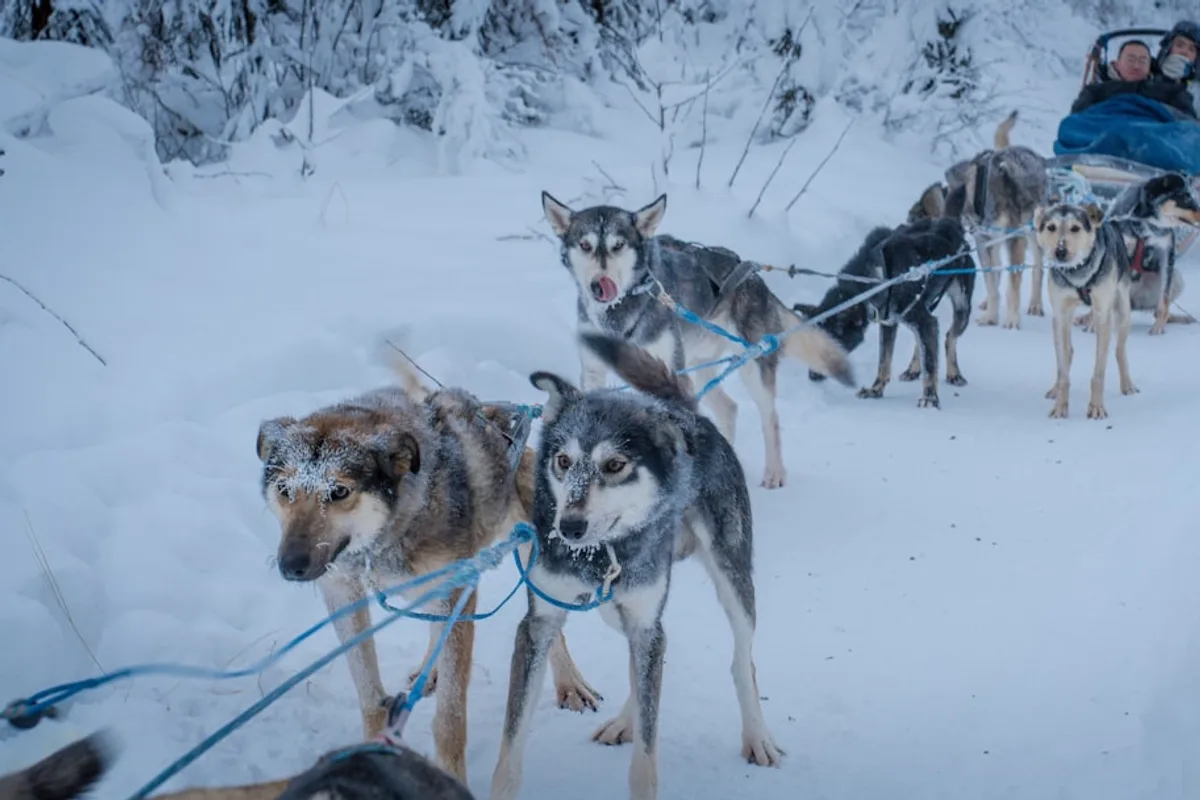
    Have you ever considered how the history of Arctic breeds shapes their identity today? The history of Arctic dog breeds is deeply intertwined with the survival of indigenous peoples. These dogs, such as the Samoyed and Siberian Husky, were indispensable for sledding, hunting, and companionship. They were not just pets but vital partners, reflecting a profound human-canine bond.

    In indigenous cultures, Arctic breeds were essential for traversing harsh terrains and hunting. The Samoyed, for instance, was revered for its ability to herd reindeer and provide warmth during frigid nights. Over time, these breeds have evolved, adapting to modern roles while retaining their historical significance.

    Next, we will discuss the specific care needs of Arctic breeds, focusing on their temperament and requirements.

    Caring for Arctic Breeds: Temperament and Needs

    Are you ready to meet the unique care needs of Arctic breeds? Known for their unwavering loyalty, Arctic breeds like the Siberian Husky and Alaskan Malamute form strong bonds with their families. These dogs require not only physical exercise but also mental stimulation to prevent boredom and destructive behaviors.

    Compared to other breeds, Arctic breeds demand more time and effort in grooming and exercise. For instance, Siberian Husky grooming involves regular brushing to manage their dense coats. Meanwhile, Alaskan Malamute exercise requirements are high, needing daily walks and playtime.

    Experts recommend prospective owners be prepared for this commitment. For more on breed characteristics, visit AKC’s dog breed pages.

    Let’s dive deeper into the daily exercise and activity requirements essential for these energetic dogs.

    Daily Exercise and Activity Requirements

    Are you prepared to keep up with the high energy demands of Arctic breeds? These dogs, including the Siberian Husky and Alaskan Malamute, require at least 1-2 hours of vigorous exercise daily. Activities like sledding and agility training not only meet their physical needs but also provide essential mental stimulation.

    In contrast, many other breeds are content with simpler walks. Experts recommend incorporating varied activities to keep Arctic breeds engaged and happy. Next, we will explore the dietary needs essential for maintaining the health of Arctic breeds.

    Dietary Needs for Optimal Health

    What should you feed your Arctic breed to keep them healthy and thriving? Due to their unique metabolism, Arctic breeds like the Siberian Husky and Alaskan Malamute require a diet richer in protein and fat compared to other breeds. This specialized nutrition supports their high energy levels and overall health.

    While other breeds may thrive on a more balanced diet, Arctic breeds need careful management to avoid health issues. Consider quality dog food brands such as Orijen and Acana, which offer formulas specifically designed for high-energy dogs.

    Proper nutrition is crucial for maintaining the vitality and performance of these cold-weather companions. Now, let’s examine effective training and socialization tips tailored for Arctic breeds.

    Training and Socialization Tips

    Are you ready to unlock the secrets to successfully training your Arctic breed? These intelligent and independent dogs, like the Siberian Husky and Alaskan Malamute, often require a different approach. Traditional methods may fall short, so focus on positive reinforcement techniques. Reward-based training encourages cooperation and helps manage stubbornness.

    Early socialization is crucial. Expose your Arctic breed to various environments, people, and other animals. This builds confidence and reduces anxiety. Owners often share success stories of their dogs thriving with consistent, patient training. Remember, each dog is unique, so adapt techniques to suit your pet’s personality.

    Next, we will discuss the challenges and solutions for adapting Arctic breeds to warmer climates.

    Adapting Arctic Breeds to Warmer Climates: Challenges and Solutions

    short-coated white wolf laying on white surface
    Photo by Jonatan Pie on Unsplash

    Can Arctic breeds really thrive in the heat, or are they destined for the cold? Despite their cold-weather adaptations, breeds like the Siberian Husky and Alaskan Malamute can indeed adapt to warmer climates with the right care. However, they face challenges such as overheating and dehydration. Owners must employ strategies like keeping their pets indoors during peak heat and ensuring constant access to fresh water.

    Testimonials from owners highlight the effectiveness of air conditioning and controlled outdoor time in managing these issues. Regular health monitoring is crucial during temperature changes to prevent heat-related problems. Now, let’s look at the signs of overheating in Arctic breeds and how to recognize them.

    Recognizing Signs of Overheating

    Are you aware of the subtle signs that your Arctic breed may be overheating? Despite their adaptations to cold climates, breeds like the Siberian Husky can suffer from heat stress. Common signs of overheating in dogs include excessive panting, drooling, and lethargy. Interestingly, Arctic breeds may not show typical distress signs until they are severely overheated, making vigilance essential.

    Physiologically, these breeds have thick double coats that insulate against cold but can trap heat in warmer weather. Experts recommend monitoring your dog’s behavior closely and ensuring they have access to shade and water. Cooling mats and frequent breaks during outdoor activities can also help prevent overheating.

    Next, we will explore how to create a comfortable environment for Arctic breeds in warmer climates.

    Creating a Comfortable Environment

    Is your home ready to keep your Arctic breed comfortable during the heat? Simple changes like using cooling mats or providing shaded outdoor areas can significantly improve the quality of life for breeds like the Siberian Husky and Alaskan Malamute. Ensuring proper indoor climate control and managing outdoor access are crucial for effective heat management.

    Consider dog houses with adequate ventilation to prevent overheating. Many owners have successfully adapted their homes by incorporating these elements, ensuring their Arctic breed’s comfort in warmer climates.

    Now, let’s discuss the seasonal care adjustments needed for Arctic breeds throughout the year.

    Seasonal Care Adjustments

    Are you prepared to adjust your care routine for your Arctic breed as the seasons change? Seasonal care for Arctic breeds like the Siberian Husky and Alaskan Malamute involves specific grooming, exercise, and diet adjustments. During winter, focus on Siberian Husky winter grooming to maintain their thick coat, while in summer, ensure Alaskan Malamute summer care to prevent overheating.

    Veterinarians recommend modifying exercise routines based on temperature fluctuations. In colder months, increase outdoor activities to keep them fit, but during warmer seasons, opt for early morning or late evening walks. Seasonal transitions can significantly impact an Arctic breed’s health, requiring proactive care adjustments to prevent issues like overheating or winter injuries.

    Next, we will compare the cost and health considerations specific to Arctic breeds.

    Cost and Health Considerations for Arctic Breeds

    Are you ready to dive into the financial realities of owning an Arctic breed? The cost of owning Arctic breeds like the Siberian Husky or Alaskan Malamute can be substantial. While the initial purchase price may be higher, ongoing expenses such as health insurance and preventative care can vary significantly. Let’s compare these costs to those of other popular breeds.

    Expense Type Arctic Breeds Other Breeds
    Initial Purchase $1,000 – $2,500 $500 – $1,500
    Annual Health Insurance $500 – $700 $300 – $500
    Preventative Care $200 – $400 $150 – $300

    Owners often share that while the initial cost is high, the joy of owning these breeds outweighs the financial considerations.

    Common Health Issues in Arctic Breeds

    Are you aware of the unique health challenges that Arctic breeds may face throughout their lives? Many Arctic breeds, such as the Siberian Husky and Alaskan Malamute, are predisposed to specific genetic conditions. Regular veterinary check-ups and preventative care are essential to manage these issues effectively.

    Health Issue Arctic Breeds Other Breeds
    Hip Dysplasia Common Varies
    Eye Conditions Frequent Occasional

    Veterinarians emphasize the importance of responsible breeding practices to mitigate these health issues. Owners often share experiences of managing these challenges, highlighting the necessity of informed care. Next, we will discuss the financial aspects of owning an Arctic breed, including preventative care.

    Financial Aspects of Owning an Arctic Breed

    Are you financially prepared for the commitment of owning an Arctic breed? The financial costs of Arctic breeds, such as Siberian Huskies and Alaskan Malamutes, can be significantly higher due to their specialized care needs. Budgeting for health care, training, and grooming is crucial. Here’s a comparison to illustrate the differences:

    Expense Type Arctic Breeds Other Breeds
    Initial Costs $1,500 – $3,000 $500 – $1,500
    Annual Care $1,200 – $2,500 $800 – $1,500
    Grooming $300 – $600 $100 – $300

    Owners often share that the Siberian Husky ownership budget and Alaskan Malamute care expenses require careful planning. Now, let’s explore the preventative care and veterinary needs of Arctic breeds.

    Preventative Care and Veterinary Needs

    Are you aware of the critical preventative care requirements for your Arctic breed? Regular preventative care can significantly reduce the risk of developing common health issues in Arctic breeds, emphasizing the need for specialized veterinary knowledge. Essential care includes vaccinations, eye exams, and hip evaluations, particularly for breeds like the Siberian Husky and Alaskan Malamute.

    Preventative Care Arctic Breeds Other Breeds
    Vaccinations Essential Essential
    Eye Exams Highly Recommended Occasional
    Hip Evaluations Critical Varies

    Choosing a veterinarian experienced with Arctic breeds is crucial. Owners often share positive testimonials about vets who understand the unique needs of these dogs. Next, we’ll address frequently asked questions about Arctic breeds and their unique traits.

    FAQs About Arctic Breeds and Their Unique Traits

    black and white siberian husky
    Photo by Fredrik Solli Wandem on Unsplash

    What burning questions do you have about Arctic breeds that need answering?

    • Are Arctic breeds suitable for families?

      Yes, breeds like the Siberian Husky and Alaskan Malamute can be great family pets, but they require proper training and socialization.

    • Do Arctic breeds get along with other pets?

      They can coexist with other pets if introduced properly, though their prey drive can be a concern.

    • What grooming needs do Arctic breeds have?

      These breeds have thick coats that require regular grooming to manage shedding and maintain coat health. Learn more about grooming Arctic breeds.

    Many misconceptions about Arctic breeds stem from their appearance and origins, leading potential owners to overlook their unique needs and characteristics. Research is crucial for understanding these dogs.

    Now, let’s explore specific questions about the suitability of Arctic breeds for families with children.

    Are Arctic Breeds Suitable for Families with Children?

    Can Arctic breeds be the perfect companions for your children? These dogs, known for their friendly and playful nature, can indeed thrive in family environments. However, their high energy and strong prey drive require careful management. Families with Siberian Huskies or Alaskan Malamutes often praise their affectionate temperament but emphasize the need for consistent training.

    • Ensure supervised playtime to foster safe interactions.
    • Teach children how to approach and handle dogs gently.
    • Address concerns by consulting with a professional trainer.

    Next, we will explore how Arctic breeds handle hot weather and what owners should know.

    How Do Arctic Breeds Handle Hot Weather?

    Can Arctic breeds truly thrive in the heat, or are they destined for the cold? Despite their cold-weather adaptations, Arctic breeds like the Siberian Husky and Alaskan Malamute can acclimate to warmer temperatures with proper care, showcasing their resilience and adaptability. However, these breeds face challenges due to their thick coats and need special attention during summer.

    • Hydration: Ensure constant access to fresh water to prevent dehydration.
    • Shade and Ventilation: Provide cool, shaded areas and avoid peak sun hours.
    • Exercise Timing: Walks should be scheduled during cooler parts of the day.

    Experts recommend monitoring for signs of heat stress and consulting veterinarians for tailored advice. Next, we’ll address the grooming requirements for Arctic breeds to keep them healthy year-round.

    What Are the Grooming Requirements for Arctic Breeds?

    Are you ready to tackle the unique grooming challenges of Arctic breeds? With their thick double coats, breeds like the Siberian Husky and Alaskan Malamute require regular grooming to prevent matting and manage shedding. These dogs experience intense shedding cycles, often leading to ‘blowouts’ where large amounts of fur are lost.

    • Brush their coats at least twice a week.
    • Use a slicker brush or undercoat rake for best results.
    • Consider professional grooming during peak shedding seasons.

    Owners often share that while the grooming process is demanding, the right tools and techniques make it manageable. Now, let’s explore how Arctic breeds interact with other pets and their compatibility.

    Do Arctic Breeds Get Along with Other Pets?

    Can Arctic breeds be the perfect addition to a multi-pet family? While breeds like the Siberian Husky and Alaskan Malamute can coexist with other pets, their strong prey drive may complicate interactions with smaller animals. Early socialization and consistent training are crucial for fostering compatibility.

    • Introduce Arctic breeds to other pets gradually and in a controlled environment.
    • Owners report success in multi-pet households with patience and proper guidance.

    Now, let’s summarize the key takeaways about Arctic breeds and their unique traits.

    Key Takeaways About Arctic Breeds

    What essential insights should every potential owner of an Arctic breed know? Arctic breeds like the Siberian Husky and Alaskan Malamute are renowned for their resilience and unique characteristics. These dogs thrive in cold climates and have a strong work ethic, making them ideal companions for active individuals. Understanding their needs is crucial for ensuring their health and happiness.

    Potential adopters must recognize that these breeds require significant exercise, mental stimulation, and a commitment to ongoing education. Unlike other dog breeds, Arctic breeds have a strong prey drive and independent nature, which can be challenging for inexperienced owners. Responsible ownership involves understanding these traits and providing an environment that meets their physical and psychological needs.

    Join us in making a difference—consider adopting a dog or volunteering with ADRTC today! By supporting Arctic breed rescues, you contribute to the well-being of these magnificent dogs and help ensure they find loving, informed homes. Embrace the journey of learning and caring for these exceptional breeds, and enjoy the rewarding companionship they offer.

  • Understanding Canadian Eskimo Dog Temperament: A Comprehensive Guide

    Understanding Canadian Eskimo Dog Temperament: A Comprehensive Guide

    What Makes Arctic Dog Temperament Unique

    Have you ever wondered what sets the temperament of Canadian Eskimo Dogs apart from other breeds? These arctic dogs are renowned for their loyalty and pack behavior, deeply rooted in their natural instincts. Their unique temperaments are shaped by their environment and history.

    Canadian Eskimo Dogs exhibit strong socialization needs, often requiring more interaction compared to other breeds. Their natural behavior includes a pronounced prey drive, which can be effectively managed through proper training and socialization. Cold weather influences their temperament, making them resilient and adaptable in harsh conditions.

    Their personality traits, such as independence and determination, are a testament to their historical role as sled dogs. Understanding their history and physical traits can further illuminate why Canadian Eskimo Dogs behave the way they do.

    The History and Physical Traits of Canadian Eskimo Dogs

    The story of the Canadian Eskimo Dog is as rich and layered as the icy landscapes they hail from. Originating in the Arctic, these dogs were indispensable to Inuit communities, serving as sled dogs and hunting companions. This cultural significance has ingrained a strong work ethic in their temperament.

    Historically, their population faced challenges, particularly during the mid-20th century when mechanized transport reduced their numbers. Despite these setbacks, their resilient nature and history as Inuit sled dogs have shaped them into hardworking, loyal animals today. Next, we will explore the distinctive physical characteristics that make these dogs so unique.

    Origins and Historical Significance

    The Canadian Eskimo Dog’s appearance is not just striking but also a testament to its survival in one of the harshest climates on Earth. Originating from the Arctic regions of Canada, these dogs were essential to Inuit communities for hunting and sledding. Their double coat insulates against extreme cold, a trait shared by other arctic breeds.

    Unlike many other breeds, Canadian Eskimo Dogs possess a robust body structure and thick fur, adaptations necessary for enduring freezing temperatures. These physical traits are comparable to those of Siberian Huskies and Alaskan Malamutes, which also thrive in cold environments. Now that we understand their history and physical traits, let’s dive into the temperament traits that truly stand out.

    Distinctive Physical Characteristics

    From their striking appearance to their robust build, Canadian Eskimo Dogs are truly a breed apart. These dogs are medium to large-sized, with males weighing between 66 to 88 pounds. Their thick double coats come in various colors, including white, black, gray, and red. A distinctive ‘mask’ pattern often adorns their faces, a nod to their ancestral lineage.

    Their almond-shaped eyes and erect ears enhance their alert expression, while their powerful legs and muscular bodies enable them to excel in demanding arctic environments. These physical characteristics not only contribute to their working abilities but also influence their temperament, making them both resilient and independent.

    With a solid understanding of their unique traits, let’s explore the temperament traits that define these remarkable dogs.

    Temperament: Traits That Stand Out

    What makes a Canadian Eskimo Dog tick? Their temperament is a fascinating blend of loyalty, intelligence, and independence. Known for their strong protective instincts, these arctic dogs are excellent watchdogs, yet remain affectionate with family members. Their intelligence shines in problem-solving, while their independence may lead to self-directed play.

    In family settings, Canadian Eskimo Dogs often display unwavering loyalty, forming deep bonds with their owners. They interact well with other pets, though their independent streak might occasionally surface. For instance, during playtime, they might choose solitary exploration over group activities, showcasing their unique personality.

    Next, we will discuss the essential care and training needs for these unique dogs.

    Care, Training, and Ideal Environments for Canadian Eskimo Dogs

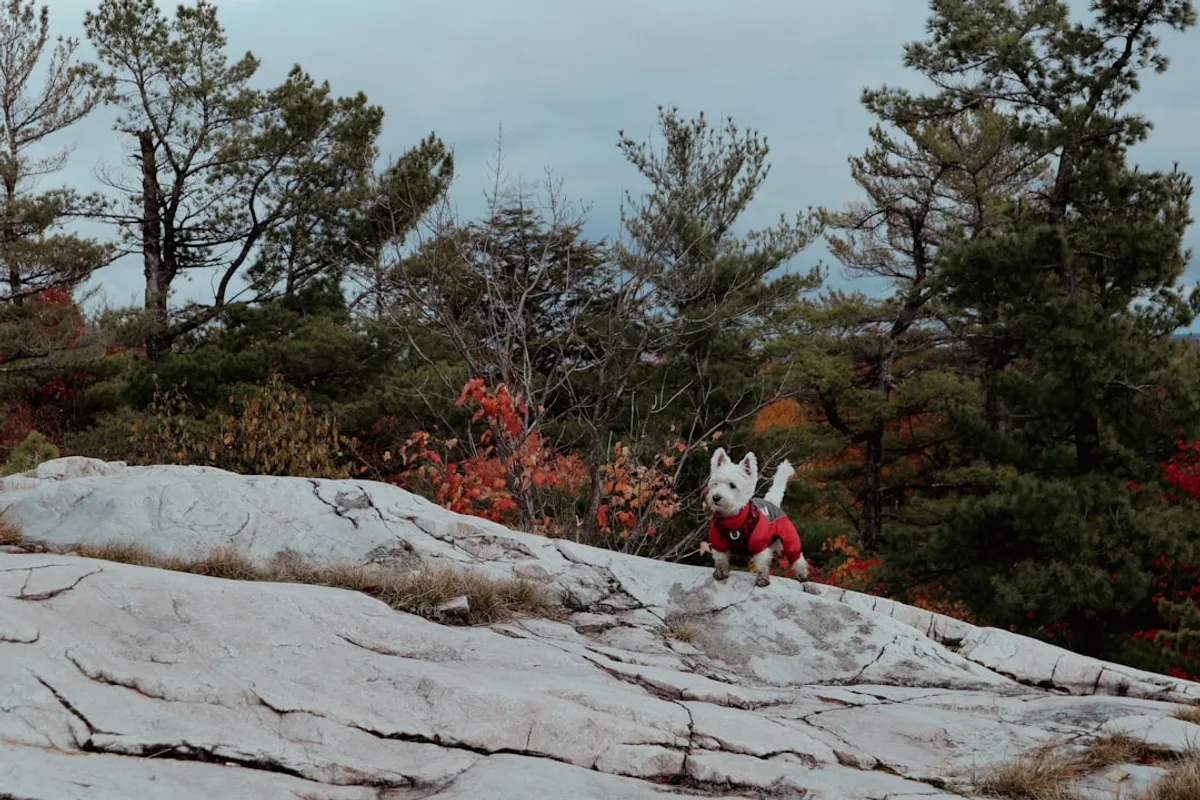
    a dog wearing a red sweater and standing on a rock with trees and bushes
    Photo by Ariana Kaminski on Unsplash

    Caring for a Canadian Eskimo Dog involves much more than just feeding and walking; it requires a commitment to their physical and mental health. These arctic dogs need a high-protein diet to support their active lifestyle. Daily exercise is essential, with activities like long walks or runs. Grooming includes regular brushing to manage their thick coat.

    Canadian Eskimo Dogs thrive on mental challenges, which can include puzzle toys or training games. Socialization is equally crucial to prevent behavioral issues. Establishing a balanced routine ensures their well-being.

    With a solid understanding of care needs, let’s explore effective training strategies tailored for Canadian Eskimo Dogs.

    Essential Care Needs

    Understanding the unique care needs of Canadian Eskimo Dogs is crucial for any prospective owner. Dietary needs include high-quality, protein-rich foods such as those offered by brands like Hill’s Science Diet. Regular grooming is essential; their thick double coat requires brushing several times a week, especially during heavy shedding periods twice a year.

    Additionally, regular veterinary check-ups and vaccinations are vital components of care. Ensuring these needs are met will help maintain your dog’s health and happiness. Now, let’s discuss training strategies that can help you successfully raise a Canadian Eskimo Dog.

    Training Strategies for Success

    Training a Canadian Eskimo Dog can be a rewarding experience when you understand their unique learning styles and instincts. These intelligent dogs thrive on positive reinforcement techniques, such as treats and praise. Consistency and patience are key, as they respond well to commands that engage their natural instincts, like pulling or herding activities.

    Commands such as “sit,” “stay,” and “pull” can be effectively incorporated into their training routine. Remember, arctic dog training tips emphasize the importance of activities that mirror their historical roles. Next, we will explore how to create the perfect environment for these dogs to thrive.

    Creating the Perfect Environment

    Creating the right environment for a Canadian Eskimo Dog is crucial to ensure they lead a happy and fulfilling life. These dogs thrive in spacious areas that allow for outdoor activities, reflecting their heritage of endurance and strength in harsh climates. An ideal environment for Canadian Eskimo Dogs includes ample space for exercise and play.

    To meet their physical and mental needs, provide interactive toys and regular socialization with other pets and people. This not only enriches their lives but also supports their temperament. Proper dog living conditions include a cool climate and a stimulating home setup.

    Now, let’s address some common health concerns and behavioral solutions for Canadian Eskimo Dogs.

    Health Concerns and Behavioral Solutions for Canadian Eskimo Dogs

    Understanding the health concerns of Canadian Eskimo Dogs is essential for any owner committed to their long-term well-being. These dogs are prone to specific genetic conditions, such as hip dysplasia and eye problems. Regular veterinary check-ups and preventative care, like joint supplements and eye screenings, can mitigate these risks. Behavioral issues may arise if these health problems go unaddressed, leading to discomfort and anxiety in your pet. Choosing reputable breeders who conduct thorough health screenings is crucial. Next, we will explore behavioral challenges and solutions that Canadian Eskimo Dog owners may encounter.

    Common Health Issues

    Every dog breed has its health quirks, and Canadian Eskimo Dogs are no exception—let’s delve into what you need to know. These arctic dogs are prone to hip dysplasia, eye disorders, and hypothyroidism. Regular dog vet check-ups are crucial for early detection and management of these conditions.

    Research shows that Canadian Eskimo Dogs are at a higher risk for certain hereditary conditions, emphasizing the need for genetic testing in breeding practices. Statistics indicate that approximately 20% of these dogs may suffer from hip dysplasia, highlighting the importance of preventative care.

    Now, let’s discuss the behavioral challenges that may arise and how to effectively address them.

    Behavioral Challenges and Solutions

    Behavioral challenges can be daunting, but understanding the root causes can make all the difference in managing your Canadian Eskimo Dog’s behavior. Common issues like separation anxiety and excessive barking often arise from their high intelligence and need for mental stimulation. Creative dog training solutions, such as puzzle toys and interactive games, can effectively address these problems.

    For instance, one owner successfully curbed excessive barking by introducing daily scent-tracking exercises, providing both mental and physical engagement. Another found that consistent routines and positive reinforcement helped alleviate separation anxiety. These behavior management strategies highlight the importance of tailored approaches to each dog’s unique needs.

    Now, let’s move on to training tips and inspiring stories from owners that showcase the potential of Canadian Eskimo Dogs.

    Training Tips and Owner Stories: Bringing Out the Best in Canadian Eskimo Dogs

    a group of dogs pulling a person on a sled
    Photo by Dennis Zhang on Unsplash

    Bringing a Canadian Eskimo Dog into your home is an exciting adventure, but preparation is key to a successful transition. To ensure a smooth start, consider these essential steps:

    1. Prepare Your Home: Create a safe and welcoming space with designated areas for sleeping, eating, and playing.
    2. Set Expectations: Establish clear boundaries and consistent rules from day one to guide your dog’s behavior.
    3. Early Socialization: Many new owners underestimate its importance, yet it is crucial for adaptability and positive behavior.

    One owner shared, “Our initial training involved daily socialization walks, which made a world of difference.” Let’s dive into step-by-step training techniques that will help you and your Canadian Eskimo Dog thrive together.

    Preparing for Training

    Preparation is not just about supplies; it’s about setting the stage for a harmonious relationship with your Canadian Eskimo Dog. Establishing a consistent routine from day one can greatly enhance the training process and help your Canadian Eskimo Dog feel secure.

    1. Introduce your Canadian Eskimo Dog to family members and other pets gradually.
    2. Establish a routine for feeding, exercise, and training.
    3. Use an arctic dog training checklist to ensure you have all necessary supplies.

    Now, let’s explore step-by-step training techniques that will help you build a strong bond with your Canadian Eskimo Dog.

    Step-by-Step Training Techniques

    Training your Canadian Eskimo Dog can be a fun and rewarding experience when you use the right techniques and engage their natural instincts. Here are some effective training techniques:

    1. Basic Commands: Start with essential commands like sit, stay, and come, which are crucial for daily life and safety.
    2. Advanced Techniques: Engage their intelligence with agility courses that combine training with play, enhancing their learning experience.
    3. Incorporate Play: Use toys and games during training sessions to keep your dog motivated and attentive.

    Finally, let’s hear success stories from owners that highlight the joys and challenges of raising a Canadian Eskimo Dog.

    Success Stories from Owners

    Every Canadian Eskimo Dog has a story, and the journeys of their owners can provide valuable insights and inspiration for new families. Here are some inspiring Canadian Eskimo Dog owner stories:

    1. Overcoming Challenges: One owner shared how their dog initially struggled with basic commands. Through consistent training, the dog not only learned obedience but also excelled in pulling sleds.
    2. Building Bonds: A testimonial highlighted the deep bond formed during training, emphasizing how the dog developed unique skills like participating in dog sports.

    Now, let’s compare Canadian Eskimo Dogs with other Arctic breeds to see how they stack up.

    Comparing Canadian Eskimo Dogs with Other Arctic Breeds

    When it comes to Arctic breeds, not all are created equal—let’s explore how Canadian Eskimo Dogs differ from their counterparts. While all Arctic breeds share some common traits, Canadian Eskimo Dogs are often more reserved and protective compared to the more social Siberian Huskies. This temperament comparison highlights key differences that affect their suitability for various lifestyles and families.

    Breed Temperament Traits
    Canadian Eskimo Dog Reserved, Protective, Loyal
    Siberian Husky Social, Playful, Friendly
    Alaskan Malamute Independent, Strong-willed, Affectionate

    These differences suggest that Canadian Eskimo Dogs may suit families seeking a protective companion, while Huskies and Malamutes might be better for those desiring a more social pet. Next, we will dive into physical and behavioral comparisons that further highlight these differences.

    Key Temperament Differences

    Understanding the social dynamics of Canadian Eskimo Dogs compared to other Arctic breeds can help potential owners choose the right fit for their lifestyle. The social behavior varies significantly between breeds, impacting family life and daily interactions.

    Aspect Canadian Eskimo Dog Husky
    Social Behavior Aloof with strangers, excellent watchdogs Welcoming and friendly
    Energy Levels High, requires extensive exercise Moderate to high, enjoys regular activity
    Family Interaction Loyal and protective Affectionate and playful

    Now, let’s explore the physical and behavioral comparisons that further distinguish Canadian Eskimo Dogs from other Arctic breeds.

    Physical and Behavioral Comparisons

    When comparing Canadian Eskimo Dogs to other Arctic breeds, the differences in both physical appearance and behavior can be striking. Canadian Eskimo Dogs are often more robust and muscular compared to other Arctic breeds, which can affect their exercise needs and training approaches.

    Aspect Canadian Eskimo Dogs Other Arctic Breeds
    Size & Build Robust and muscular Varies, often leaner
    Coat Type Thick, double-layered Similar, but can vary
    Trainability Independent, requires patience Generally more trainable

    Finally, we will help you determine which breed is the best fit for your lifestyle.

    Which Breed is Right for You?

    Choosing the right dog is a significant decision—let’s explore how to find the perfect Arctic breed for your home and lifestyle. Understanding your own lifestyle and preferences is crucial, as Canadian Eskimo Dogs require a high level of commitment and engagement compared to some other breeds.

    Consideration Canadian Eskimo Dog Other Arctic Breeds
    Activity Level High Varies
    Family Dynamics Requires experienced owners More adaptable
    Commitment Very high Moderate
    • Do I have time for daily exercise and training?
    • Is my family experienced with high-energy dogs?
    • Can I provide a stimulating environment?

    Next, we will address frequently asked questions about Arctic dog temperament and more.

    FAQs About Arctic Dog Temperament and More

    a dog sitting in the grass
    Photo by Wen Zhu on Unsplash

    Curious about Arctic dog temperament? Here are the most frequently asked questions that can help guide your understanding.

    • What is the temperament of a Canadian Eskimo Dog?

      These dogs are known for their loyalty and intelligence, but their temperament can vary significantly based on upbringing and socialization experiences.

    • How should I train a Canadian Eskimo Dog?

      Consistent training and early socialization are crucial. These dogs respond well to positive reinforcement techniques.

    • Are there specific care requirements for Arctic dogs?

      Yes, they require regular exercise and mental stimulation. For more details, visit the American Kennel Club.

    Let’s start with the typical temperament traits of Arctic dogs.

    What is the typical temperament of Arctic dogs?

    What can you expect from the temperament of an Arctic dog? Let’s explore the defining traits of these unique breeds. Arctic dogs, particularly the Canadian Eskimo Dog, are known for their loyalty, intelligence, and independence. These traits can vary based on individual dogs and their environments. Early socialization is crucial, as it significantly influences their behavior. Typically, they are gentle with families but may exhibit dominance around other pets.

    Next, we will examine how Canadian Eskimo Dogs interact with children.

    How do Canadian Eskimo Dogs interact with children?

    Are Canadian Eskimo Dogs good with children? Their temperament can lead to strong protective bonds with the little ones in your family. Known for their protective instincts, these arctic dogs often form deep connections with children, ensuring a safe environment. Families report that with proper training and supervision, Canadian Eskimo Dog children interactions are positive and nurturing.

    • Always supervise playtime to ensure dog safety with kids.
    • Teach children to respect the dog’s space and signals.

    Next, let’s explore whether Canadian Eskimo Dogs are suitable for apartment living.

    Are Canadian Eskimo Dogs suitable for apartment living?

    Can a Canadian Eskimo Dog thrive in an apartment? Let’s explore the factors that determine their adaptability to smaller living spaces. While Canadian Eskimo Dogs can adapt to apartment living, they require a significant amount of daily exercise and mental stimulation to thrive. Their high energy levels and space requirements can pose challenges. To successfully manage a Canadian Eskimo Dog in an apartment, owners should ensure regular outdoor activities and engage them with interactive toys. Next, we will discuss the grooming needs of Canadian Eskimo Dogs.

    What are the grooming needs of Canadian Eskimo Dogs?

    Grooming a Canadian Eskimo Dog is essential for their health—let’s dive into what you need to know to keep their coat in top shape. Regular brushing, at least once a week, is crucial to prevent matting and maintain healthy skin. During seasonal shedding, which occurs twice a year, increase brushing frequency to manage the heavy shedding effectively. Bathing should be done only when necessary to preserve the natural oils in their coat. Finally, we will address how to adopt a Canadian Eskimo Dog.

    How can I adopt a Canadian Eskimo Dog?

    Thinking about bringing a Canadian Eskimo Dog into your home? Here’s everything you need to know about the adoption process. Start by researching arctic dog rescue organizations and shelters that specialize in adopting Canadian Eskimo Dogs. Understanding the breed’s temperament and care requirements is crucial, as many of these dogs are in shelters due to their specific needs.

    • Research breed-specific rescues and shelters.
    • Contact organizations for available dogs.
    • Prepare your home for their unique needs.
    • Complete the adoption process with informed commitment.

    For more resources, visit Petfinder or Adopt a Pet to find Canadian Eskimo Dogs in need of a loving home.

    Key Takeaways About Arctic Dog Temperament

    As we wrap up our exploration of Canadian Eskimo Dogs, let’s reflect on the key traits that make them such remarkable companions. These dogs are known for their loyalty, intelligence, and resilience. Understanding these unique temperament traits is crucial for potential owners, as it can significantly enhance the owner-dog relationship and lead to a more fulfilling companionship.

    Canadian Eskimo Dogs require dedicated care, including regular exercise and mental stimulation, to thrive. Recognizing these needs is essential for anyone considering arctic dog ownership. By adopting from a rescue organization, you not only gain a loyal friend but also contribute to the preservation of this incredible breed.

    Join us in making a difference—consider adopting a dog or volunteering with ADRTC today!

  • How to Care for Arctic Dogs: Essential Tips and Insights

    How to Care for Arctic Dogs: Essential Tips and Insights

    What Makes Caring for Arctic Dogs Unique

    Have you ever wondered why Arctic dogs require a different approach to care? These remarkable breeds are distinguished by their historical roles, unique physical traits, and specific behavioral characteristics that set them apart from other dogs. Understanding these differences is key to providing the best care for them.

    Historically, Arctic dogs have been indispensable to indigenous cultures, primarily serving as sled pullers and loyal companions. Their endurance and strength were crucial for survival in harsh climates. This legacy influences how they are cared for today, as their roles have shaped their physical and behavioral traits.

    Arctic breeds possess distinct physical attributes, such as thick double coats and a robust body structure, which enable them to withstand extreme cold. These traits are complemented by a unique ‘cold tolerance’ mechanism, allowing them to thrive in frigid temperatures. As a result, caring for sled dogs involves attention to their coat maintenance and ensuring they remain comfortable in various climates.

    Behaviorally, Arctic dogs are known for their independence and loyalty. These traits require a care approach that balances freedom with consistent training and socialization. Their strong-willed nature means they thrive with owners who understand their need for mental and physical stimulation.

    Understanding their unique needs leads us to explore the living and health requirements of these remarkable breeds.
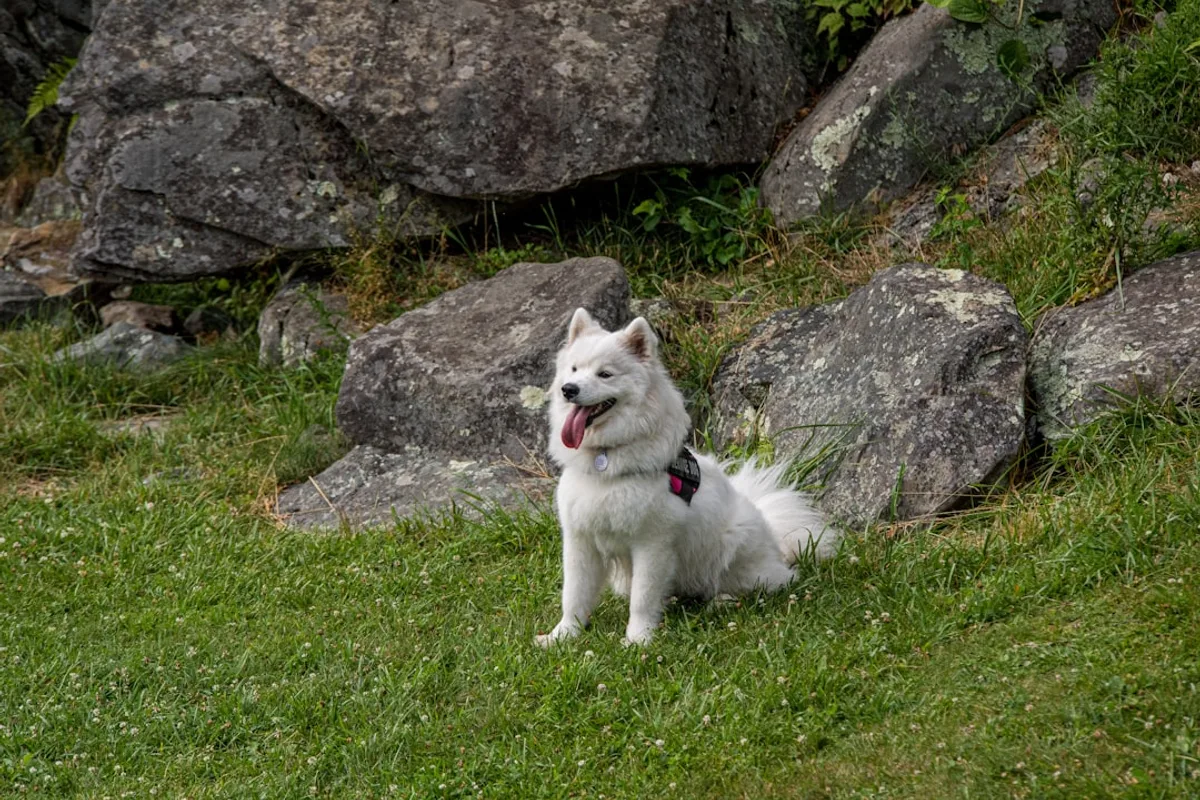
    Living and Health Needs of Arctic Breeds

    Caring for Arctic dogs goes beyond just providing food and shelter; it requires understanding their unique health needs. These breeds thrive in environments that mimic their natural habitats, which means ample space and cooler climates are essential. A large, secure yard is ideal, allowing them to exercise and explore.

    Arctic dog health issues often include genetic conditions such as hip dysplasia, progressive retinal atrophy, and skin conditions. Early detection and regular veterinary check-ups can help manage these problems effectively. For instance, progressive retinal atrophy, a common eye issue, can be mitigated with timely intervention.

    Statistics show that Arctic breeds typically have a life expectancy ranging from 10 to 15 years. However, their longevity can be affected by health challenges specific to these breeds. Regular health screenings are crucial to ensure any issues are caught early.

    Understanding the living conditions for Arctic breeds and their specific health care needs is vital for their well-being. Next, we will dive into how these breeds have adapted to thrive in cold climates.

    Adaptations to Cold Climates

    Arctic dogs are biologically engineered for extreme cold. These remarkable canines boast thick fur and substantial fat layers, providing essential insulation. Their paws are uniquely designed for traction on snow and ice, enhancing mobility. Breeds like the Siberian Husky and Alaskan Malamute excel in cold environments, thanks to these adaptations.

    Moreover, Arctic dog physiology includes a unique circulatory adaptation, allowing blood to flow to their extremities without losing core body heat. This is crucial for surviving extreme cold. With their cold adaptations in mind, let’s explore the common health concerns faced by these breeds.

    Common Health Concerns

    Arctic dogs are susceptible to specific health issues that can be managed with the right care. Common Arctic dog diseases include hip dysplasia, obesity, and skin conditions like dermatitis. Regular vet check-ups and vaccinations are crucial preventive care for Arctic breeds, helping to mitigate these health problems.

    Statistics indicate that many Arctic breeds have a predisposition to obesity, which can be managed through tailored diets and exercise routines specific to their energy levels. Understanding their health needs also requires addressing their mental and social needs.

    Mental and Social Needs

    The social needs of Arctic dogs are just as critical as their physical care. These breeds, often reserved, thrive with proper socialization. Engaging in activities like puzzle toys and training exercises provides essential mental stimulation for Arctic breeds. Without such interaction, they may develop behavioral issues like separation anxiety.

    Now that we understand their living and health needs, let’s look at practical tips for their diet, grooming, and exercise.

    Diet, Grooming, and Exercise Tips for Arctic Dogs

    a group of dogs that are standing in the snow
    Photo by Dylan Shaw on Unsplash

    Are you ready to discover the best practices for keeping your Arctic dog healthy and happy? Arctic breeds thrive on a high-protein and high-fat diet, essential for sustaining their energy levels in cold climates. Arctic dog diet tips include adjusting their food intake seasonally, as their nutritional needs can vary significantly with the changing weather. During colder months, increase their calorie intake to maintain optimal health and energy levels.

    When it comes to grooming Arctic breeds, their thick fur requires special attention. Regular brushing with a slicker brush helps manage shedding and prevents matting. Seasonal grooming is crucial; in winter, focus on maintaining their undercoat, while in summer, ensure their coat is free of debris and tangles.

    Exercise for Arctic dogs should be consistent year-round. In winter, engage them in activities like snowshoeing or sledding, while in warmer months, opt for early morning or late evening walks to avoid overheating. Maintaining their activity levels is vital for their overall well-being.

    Let’s dive deeper into the nutritional requirements that are essential for these unique breeds.

    Nutritional Requirements for Arctic Breeds

    The secret to your Arctic dog’s vitality lies in their diet. Arctic dog nutritional needs emphasize a balance of protein and fat. Many Arctic breeds thrive on diets that mimic their ancestral eating habits, which include raw or minimally processed foods rich in protein and fat. Ideal protein sources are fish and meat, providing essential nutrients for energy and muscle maintenance.

    During colder months, a higher fat content is crucial to support their energy levels and maintain body heat. Consider high-quality dog food brands like Orijen and Acana, which cater to the specific needs of Arctic breeds.

    Next, we will explore effective grooming techniques that keep their coats healthy and manageable.

    Effective Grooming Techniques

    Grooming Arctic dog breeds requires a schedule that adapts to seasonal changes. During the ‘blow coat’ periods, which occur twice a year, use tools like undercoat rakes and slicker brushes to manage shedding effectively. Groom your Arctic dog weekly, increasing frequency during these shedding seasons.

    With grooming covered, let’s discuss how to keep your Arctic dog active throughout the year.

    Exercise Routines for Different Seasons

    Are you maximizing your Arctic dog’s exercise potential throughout the seasons? Arctic dogs may require different exercise routines depending on the season, as their energy levels and activity needs can fluctuate with temperature changes. In winter, activities like sledding and snowshoeing keep them active, while summer hikes provide excellent exercise for Arctic dogs.

    Interactive play and training sessions are essential for mental stimulation year-round. However, be cautious of over-exercising in extreme temperatures to prevent health risks. Seasonal dog activities should balance physical exertion with mental engagement, ensuring your pet remains healthy and happy.

    Next, we’ll explore how to prepare for emergencies when caring for Arctic dogs.

    Preparing for Emergencies with Arctic Dogs

    Is your Arctic dog ready for an emergency? Let’s ensure you’re prepared! Having an emergency plan that includes your dog can significantly reduce stress during crises, ensuring both you and your pet remain safe. Start by assembling a comprehensive dog emergency kit. Essential items include insulated dog houses to protect against extreme cold and a well-stocked first-aid kit tailored for Arctic breeds. Consider adding thermal blankets, paw balm, and extra food supplies.

    In addition to supplies, it’s crucial to have a plan for natural disasters. Identify evacuation routes and locate safe shelters that accommodate pets. Training dogs for emergencies is equally important. Teach your Arctic dog to respond to commands like “come” or “stay” in chaotic situations. Practice these commands regularly to ensure they remain effective under stress.

    Emergency preparedness for dogs is not just about supplies but also about readiness and training. Now, let’s look at the specific items that should be included in your emergency kit.

    Emergency Kits and Supplies

    Are you equipped to handle an emergency with your Arctic dog? Let’s make sure you have the right supplies! An effective emergency kit is crucial for Arctic dog preparedness. Essential dog emergency supplies include:

    • Non-perishable food
    • Clean water
    • Medications
    • Comfort items like blankets and toys

    Including familiar items can help reduce anxiety for your Arctic dog during stressful situations, making them feel more secure. Next, we will discuss how to train your Arctic dog for emergency situations.

    Comparing Care Needs Across Arctic Dog Breeds

    Close-up of a husky dog with striking blue eyes.
    Photo by Nadine Gern on Unsplash

    Are you considering adopting an Arctic dog? Understanding their unique care needs can help you make the right choice! Each breed has distinct requirements influenced by their historical roles, which guide owners in meeting their specific needs, such as exercise and companionship.

    Breed Exercise Needs Socialization Grooming
    Siberian Husky High; requires daily vigorous activity Friendly; enjoys company of other dogs Moderate; regular brushing needed
    Alaskan Malamute High; thrives on long walks and play Independent; benefits from early socialization High; frequent grooming to manage shedding
    Samoyed Moderate; enjoys play and mental stimulation Affectionate; loves being around people High; regular grooming to maintain coat

    Samoyed vs. Greenland Dog

    Are you torn between a Samoyed and a Greenland Dog? Let’s break down their unique care needs!

    Aspect Samoyed Greenland Dog
    Grooming Requires frequent brushing to manage shedding and maintain their fluffy coat. Less frequent grooming needed; their coat sheds seasonally.
    Exercise High energy; needs regular, interactive exercise. Also active, but adapts well to various environments.
    Behavior More sociable; thrives on interaction. More reserved; may exhibit independence.

    Finally, we’ll discuss how to choose the right Arctic breed for your lifestyle.

    Choosing the Right Breed for Your Lifestyle

    Are you ready to welcome an Arctic dog into your home? Let’s find the perfect breed for your lifestyle! Choosing the right breed involves not just understanding the dog’s needs but also evaluating your own lifestyle and environment to ensure a good match.

    Consideration Questions to Ask
    Activity Level Can you provide daily exercise and mental stimulation?
    Space Do you have enough space for a large, active dog?
    Family Dynamics Is your family ready for the responsibilities of Arctic dog adoption?

    Research breed-specific needs and connect with community resources for support. Now that we’ve covered breed selection, let’s discuss how to care for Arctic dogs in extreme climates.

    Caring for Arctic Dogs in Extreme Climates

    Is your home ready for the harsh winter with an Arctic dog? Let’s ensure you’re prepared for the cold! Caring for dogs in cold weather requires special attention to their unique needs. Here are some essential steps for extreme climate dog care:

    1. Create a Warm Home Environment: Ensure your Arctic dog has a cozy and insulated space indoors. Use thick bedding and consider heated mats to maintain warmth.
    2. Outdoor Safety Measures: Equip your dog with protective clothing, such as insulated jackets and booties, to shield them from the cold. Provide a sturdy, insulated outdoor shelter if they spend time outside.
    3. Monitor Health Vigilantly: Despite their adaptations, Arctic dogs can suffer from cold-related health issues. Watch for signs like shivering, lethargy, or frostbite, and consult a vet if needed.

    Arctic dog winter safety is crucial to prevent health issues in extreme weather. Let’s look at specific preparations you can make to your home for cold weather.

    Preparing Your Home for Cold Weather

    Is your dog’s shelter winter-ready? Let’s make sure they stay warm and safe this season!

    1. Insulate Dog Houses: Use materials like straw to improve warmth in insulated dog houses. This is crucial for winter preparations for dogs.
    2. Ensure Proper Ventilation: Adequate ventilation prevents moisture buildup, keeping the dog shelter dry and comfortable.
    3. Create a Cozy Indoor Space: Provide a warm sleeping area indoors during extreme cold, ensuring your Arctic dog feels secure.

    Next, we’ll cover outdoor safety measures to protect your Arctic dog during extreme weather.

    Outdoor Safety Measures

    Are you aware of the risks your Arctic dog faces outdoors in winter? Let’s ensure their safety!

    1. Limit outdoor time during extreme cold to prevent frostbite and hypothermia.
    2. Monitor your dog for signs of frostbite, especially on ears and tails.
    3. Dress your dog in protective gear, such as coats and booties, to shield them from harsh weather.

    Finally, we’ll discuss how to monitor your Arctic dog’s health in harsh conditions.

    FAQs About Arctic Dog Care

    A light-colored dog with alert ears sits calmly.
    Photo by Shavr IK on Unsplash

    Do you have questions about caring for Arctic dogs? You’re not alone! Many new Arctic dog owners are unaware of the breed’s specific grooming needs, which can lead to health issues if neglected.

    • What seasonal care is needed? Arctic dogs require extra insulation in winter and regular grooming to manage their thick coats.
    • What diet suits Arctic breeds? A high-protein diet is essential. Learn more about dog nutrition.
    • How often should I monitor their health? Regular vet check-ups are crucial to catch any breed-specific health issues early.

    Let’s explore some specific FAQs that new Arctic dog owners often ask.

    How do I keep my Arctic dog cool in summer?

    Are you worried about your Arctic dog during the hot summer months? Let’s keep them cool and comfortable! Despite their cold adaptations, Arctic dogs can be prone to overheating in summer, making it crucial for owners to monitor their activity levels closely. Ensure they have access to plenty of fresh water and shaded areas to rest. Hydration is key to preventing heat exhaustion.

    Adjust their exercise routine by scheduling walks during the cooler parts of the day, such as early morning or late evening. Avoid hot pavement, which can burn their paws. Regularly check for signs of overheating, like excessive panting or lethargy, to ensure Arctic dog heat safety.

    Next, we’ll address the signs of frostbite in Arctic dogs and how to prevent it.

    What are the signs of frostbite in Arctic dogs?

    Do you know how to spot frostbite in your Arctic dog? Let’s learn the signs and prevention methods! Frostbite in dogs often manifests as discoloration, such as pale or grayish skin, and coldness in extremities like ears, tails, and paws. These areas, with less fur coverage, are particularly vulnerable during extreme cold.

    • Discoloration of the skin
    • Coldness and stiffness in affected areas
    • Swelling or blisters
    • Pain or discomfort when touched

    Preventing frostbite in Arctic breeds involves limiting exposure to extreme cold, using protective gear, and ensuring they stay dry. If frostbite occurs, dog first aid for frostbite includes gently warming the affected areas with warm (not hot) water and seeking veterinary care promptly. Now, let’s discuss whether Arctic dogs can thrive in warmer climates.

    Can Arctic dogs live in warm climates?

    Are you considering bringing an Arctic dog to a warm climate? Let’s explore the possibilities! Arctic dogs in warm climates face challenges such as heat sensitivity and the need for adjusted exercise routines. With proper care and acclimatization, many Arctic breeds can adapt to warmer climates, but owners must be vigilant about heat-related issues.

    To help your Arctic dog adjust, start with gradual exposure to warmer temperatures and ensure they stay hydrated. Providing shaded areas and limiting outdoor activities during peak heat can also aid in adapting dogs to heat. There are numerous success stories of Arctic dogs thriving in non-Arctic climates with these adjustments.

    Next, we’ll cover how often Arctic dogs should be groomed to maintain their health.

    How often should Arctic dogs be groomed?

    Are you confused about how often to groom your Arctic dog? Let’s simplify the process! Arctic dog grooming frequency varies depending on the season and the individual dog’s needs. During shedding seasons, typically in spring and fall, grooming should be done more frequently, about once a week, to manage the heavy coat changes. In other times, a bi-weekly grooming routine is usually sufficient.

    Maintaining Arctic dog coats is crucial to prevent skin issues and matting. Regular grooming not only maintains coat health but also strengthens the bond between the dog and owner through positive interactions. Establish a routine that fits both your schedule and your dog’s comfort, using dog grooming tips like brushing in the direction of hair growth and rewarding your pet for calm behavior.

    Finally, we’ll explore the ideal diet for Arctic dogs to keep them healthy.

    What is the ideal diet for an Arctic dog?

    Are you feeding your Arctic dog the right diet? Let’s ensure they’re getting what they need! The ideal diet for Arctic dogs should be rich in protein and fat, reflecting their high energy demands and natural dietary preferences. Many Arctic breeds thrive on diets that closely mimic their ancestral diets, which can include raw or minimally processed foods.

    For commercial options, consider brands like Orijen or Acana, which offer high-protein formulas. Homemade diets can include lean meats, fish, and organ meats, supplemented with essential vitamins and minerals. Adjust their diet based on activity levels and seasonal changes to maintain optimal health.

    As we conclude, let’s summarize the key takeaways about caring for Arctic dogs.

    Key Takeaways About Caring for Arctic Dogs

    Ready to embark on the journey of caring for an Arctic dog? Let’s recap the essentials! Arctic dogs, known for their resilience and unique charm, require specialized care to thrive in a domestic setting. Their thick coats demand regular grooming to prevent matting and ensure comfort, especially in warmer climates. A balanced diet rich in nutrients is crucial to support their high energy levels and overall health.

    Understanding the specific needs of each breed is vital for successful ownership. For instance, Siberian Huskies and Alaskan Malamutes have different exercise requirements and temperaments. Recognizing these differences helps in providing the right environment and activities that cater to their natural instincts.

    Before adopting an Arctic dog, potential owners should assess their lifestyle and commitment. These breeds often require more time, space, and resources than other dogs. Ensuring you can meet these demands is essential for a rewarding relationship.

    Successful ownership of an Arctic dog requires a commitment to understanding and meeting their unique needs, which can lead to a fulfilling companionship. Join us in making a difference—consider adopting a dog or volunteering with ADRTC today! By doing so, you contribute to the well-being of these magnificent creatures while enriching your life with their loyal companionship.

  • Essential Arctic Dog Care Tips for Winter Well-being

    Essential Arctic Dog Care Tips for Winter Well-being

    Why Arctic Dog Care is Crucial for Your Pet’s Well-being

    Did you know that arctic dog breeds have unique needs that differ significantly from other breeds, especially in winter? These dogs, like the Alaskan Malamute, possess a double coat that requires specific grooming techniques to maintain insulation and prevent matting in cold weather. Proper care is essential to ensure their health and happiness.

    Arctic breeds are physiologically adapted to cold climates, but they still face risks. Cold-related health issues, such as frostbite and hypothermia, can affect even these hardy dogs. Pet owners often emphasize the importance of tailored winter care, sharing testimonials about how attention to grooming and nutrition has safeguarded their pets.

    Understanding these needs helps in identifying specific hazards that arctic breeds face in cold weather.

    Identifying Cold Weather Hazards for Arctic Breeds

    white and black siberian husky puppy lying on ground during daytime
    Photo by Péter Andi on Unsplash

    As winter sets in, are you aware of the hidden dangers lurking in the snow for your arctic dog? Common cold weather hazards for dogs include ice, snow, and salt, which can lead to injuries or illnesses. Icy surfaces account for numerous slip-related injuries, while salt can irritate paws. Additionally, many pet owners underestimate the risk of antifreeze poisoning, which is particularly dangerous due to its sweet taste that attracts dogs. Expert Jane Doe emphasizes, “Awareness of these arctic dog winter dangers is crucial for dog safety in winter.”

    Next, we will explore how cold weather uniquely affects arctic breeds compared to other dogs.

    Common Winter Hazards for Arctic Dogs

    Could your arctic dog be at risk of frostbite or other winter hazards without you even knowing it? Frostbite in dogs can occur on exposed skin within 30 minutes in extreme cold. Hypothermia and paw injuries from ice are also significant concerns. De-icing salts and chemicals can harm dogs’ paws and health, requiring vigilant paw care in winter.

    Understanding these hazards sets the stage for recognizing how cold weather impacts arctic breeds specifically.

    How Cold Weather Affects Arctic Breeds Differently

    Ever wondered why your arctic dog seems to thrive in the cold while others shiver? Arctic breeds possess a unique physiology, including dense fur and a robust body structure, granting them higher cold tolerance. Unlike non-arctic breeds, these dogs have evolved to withstand frigid temperatures, yet prolonged exposure can still lead to cold stress.

    Experts highlight that while arctic breeds are built for cold, they aren’t immune to extreme conditions. Non-arctic breeds, lacking these adaptations, often require additional protection. Now that we understand the unique challenges, let’s discuss preventative measures to protect your arctic dog.

    Preventative Measures Against Cold Weather Risks

    What if you could easily prevent cold weather risks for your arctic dog with just a few simple steps? Limit outdoor time and equip your pet with protective gear like boots and coats. Experts recommend safe activities such as short walks, ensuring regular health check-ups, and using dog boots to prevent ice balls between paw pads.

    With these preventative measures in mind, let’s focus on keeping your arctic dog cozy during the winter months.

    Keeping Your Arctic Dog Cozy: Winter Comfort Tips

    Is your arctic dog ready for winter? The right gear can make all the difference in their comfort and safety! Proper winter gear tailored for arctic breeds is essential. Ensure the size and fit are perfect to avoid discomfort. Not all winter gear is created equal; some materials trap moisture, potentially leading to chilling. Brands like Ruffwear and Hurtta offer excellent arctic dog jackets.

    Dog owners rave about these brands, noting their durability and warmth. For more information on dog winter clothing recommendations, visit AKC’s guide. Once you have the right gear, creating a warm indoor environment is equally important for your dog’s well-being.

    Choosing the Right Winter Gear for Your Dog

    Are you investing in winter gear for your arctic dog, or just guessing what might work? When choosing dog winter clothing, prioritize items like insulated jackets, boots, and sweaters. Look for features such as waterproofing and high insulation ratings. Many dog owners overlook the importance of fit; improperly fitting gear can cause discomfort and restrict movement.

    • Insulated Jackets: Ensure they have a high insulation rating and are waterproof.
    • Boots: Look for durable soles and a snug fit to prevent slipping.
    • Sweaters: Opt for breathable materials that offer warmth without overheating.

    Comparing popular brands, Ruffwear and Canada Pooch offer some of the best jackets for arctic breeds, known for their durability and comfort. After ensuring your dog is equipped for the outdoors, let’s focus on creating a cozy indoor environment.

    Creating a Warm Indoor Environment

    Is your home as cozy as it should be for your arctic dog during the chilly months? Maintaining an indoor temperature between 60-68°F is ideal for these breeds. Use bedding materials like fleece or wool to retain warmth and comfort. Minimize drafts by sealing windows and using thick curtains, enhancing indoor comfort for arctic dogs.

    Creating warm spaces for dogs involves ensuring their sleeping areas are free from cold air currents. Drafts can make even the hardiest arctic breeds feel the chill. With a warm indoor space established, it’s essential to keep your dog active and engaged during winter.

    Outdoor Activities to Keep Your Dog Active and Warm

    How do you keep your arctic dog entertained when the temperature drops and snow piles up? Engaging in winter activities for arctic dogs, such as snowshoeing or skijoring, not only keeps them active but also strengthens your bond. Indoor agility courses offer mental stimulation, crucial during colder months. Always ensure your dog is safe and comfortable in winter conditions.

    Now that we know how to keep our dogs active, let’s address the signs of cold stress in arctic breeds.

    Recognizing and Managing Cold Stress in Dogs

    Alaskan malamute sleeping on tiled floor at daytime
    Photo by Emily xuan on Unsplash

    Could your arctic dog be silently suffering from cold stress without your knowledge? Understanding cold stress in dogs is crucial, especially for arctic breeds. These dogs, despite their thick fur, may exhibit subtle signs of discomfort. Recognizing cold stress in arctic breeds involves observing specific symptoms like shivering or lethargy.

    1. Identify Symptoms: Look for signs such as shivering, lethargy, or reluctance to move.
    2. Understand Physiological Responses: Arctic breeds may not show visible discomfort due to their natural insulation.
    3. Learn from Case Studies: Real-life examples highlight how subtle signs can escalate if unnoticed.

    Once you can recognize the signs, it’s crucial to know how to respond immediately to alleviate cold stress.

    Signs of Cold Stress in Arctic Breeds

    Are you aware that your arctic dog’s behavior could signal cold stress? Recognizing these signs is crucial for monitoring dog health in cold weather. Here are specific cold stress symptoms in dogs to watch for:

    1. Excessive Barking: Often indicates discomfort or distress.
    2. Reluctance to Move: Some breeds may become lethargic when too cold.
    3. Seeking Shelter: A natural response to extreme temperatures.
    4. Behavioral Changes: Increased aggression or withdrawal can be misinterpreted as behavioral issues.

    Arctic dog behavior in winter can vary by breed and individual, making it essential to monitor closely. Understanding the signs is just the first step; knowing how to act quickly can save your dog’s well-being.

    Immediate Actions to Alleviate Cold Stress

    What if a simple blanket could save your arctic dog from the dangers of cold stress? Knowing the immediate cold stress actions for dogs is vital. Here’s what to do:

    1. Bring your dog indoors immediately to a warm environment.
    2. Wrap them in a warm blanket to help retain body heat.
    3. Use warm water to gently warm their paws, avoiding hot water to prevent burns.
    4. Monitor for symptoms like shivering or lethargy, and apply first aid for cold stressed dogs as needed.
    5. Seek veterinary help if symptoms persist or worsen.

    Immediate warmth is crucial; even a short exposure to heat sources can help reverse the effects of cold stress if done carefully and correctly. Long-term strategies are also essential to ensure your arctic dog remains healthy and comfortable in winter.

    Long-term Strategies for Cold Stress Management

    Are you prepared to take proactive steps to ensure your arctic dog thrives through the winter months? Here are some long-term strategies for effective cold stress management:

    1. Schedule regular vet check-ups during winter to monitor health and adjust care as needed.
    2. Modify your dog’s diet in winter months to support increased energy needs and maintain a healthy weight.
    3. Adapt exercise routines to keep your dog active and agile, preventing mobility issues.

    Maintaining a healthy weight is vital; overweight dogs are more susceptible to cold stress due to less effective insulation and mobility issues. With cold stress management covered, let’s focus on the unique needs of senior arctic dogs during winter.

    Caring for Senior Dogs During Winter Months

    A man and woman walking a husky dog on a leash
    Photo by Haberdoedas on Unsplash

    Is your senior arctic dog struggling more than usual in the winter chill? Older dogs face unique challenges, such as increased joint pain and mobility issues, when temperatures drop. Cold-related illnesses are more prevalent in senior dogs, making senior dog care in winter crucial. Experts recommend shorter outdoor excursions and more frequent indoor breaks to prevent exacerbating joint pain. Understanding these arctic dog winter needs allows us to adjust exercise routines for older dogs effectively.

    Adjusting Exercise Routines for Older Dogs

    Is your senior arctic dog getting enough exercise this winter, or are they hibernating indoors? Adjusting dog exercise in winter is crucial for their health. Opt for shorter, more frequent walks to avoid prolonged exposure to cold. Engage in low-impact activities like indoor fetch to maintain fitness without the risks of cold weather outings.

    Senior dog winter activities should also include mental stimulation. Interactive games and training sessions can keep your dog mentally sharp and physically active. Indoor activities not only protect them from extreme cold but also ensure they remain engaged and happy.

    Now that we’ve covered senior care, let’s address some frequently asked questions about arctic dog care.

    How Can I Tell if My Arctic Dog is Too Cold?

    Are you sure your arctic dog is warm enough, or could they be suffering in silence? Recognizing cold in arctic dogs involves watching for signs of cold stress, such as shivering, lethargy, and excessive licking of paws. Experts suggest monitoring dog temperature in winter, especially in breeds with specific tolerances. Learn more about cold weather safety for dogs. Next, we will address whether certain breeds are more susceptible to cold stress.

    Are Certain Breeds More Susceptible to Cold Stress?

    Could your arctic dog’s breed make them more vulnerable to the winter chill than you think? While arctic breeds are generally more resilient to cold, individual health conditions can dramatically alter their tolerance levels, making personalized care essential. Non-arctic breeds experience higher cold stress incidents. Experts note that factors like coat thickness and body fat contribute significantly to arctic dog cold tolerance. Let’s also explore the best ways to keep your dog active during the winter months.

    What Are the Best Ways to Keep My Dog Active in Winter?

    How do you ensure your arctic dog stays active when the snow piles up and temperatures drop? Engaging in winter activities for arctic breeds is crucial. Consider these options:

    • Outdoor Play: Snow fetch and agility courses.
    • Indoor Fun: Interactive toys and puzzles for mental stimulation.
    • Safety Tips: Use paw protection and limit time in extreme cold.

    Regular exercise helps maintain a healthy weight, even in cold weather. Finally, let’s address whether changes to your dog’s diet are necessary during winter.

    Should I Change My Dog’s Diet During Winter Months?

    Is your arctic dog’s diet keeping them warm and healthy this winter, or could it be falling short? Adjusting dog food for winter is crucial; increased caloric intake provides the energy needed to maintain body heat. Experts recommend high-protein and fat-rich foods for optimal dog nutrition in cold weather. Many pet owners underestimate the importance of hydration in winter; ensure your dog drinks enough water to prevent dehydration. Let’s also discuss the grooming needs of arctic dogs during the winter months.

    How Often Should I Groom My Arctic Dog in Winter?

    Are you giving your arctic dog the winter grooming care they truly need, or are you missing the mark? Grooming arctic dogs in winter is crucial; regular brushing, at least once a week, prevents matting and maintains healthy skin. Winter coat care for dogs involves using slicker brushes and undercoat rakes to remove loose fur. Many owners overlook winter grooming, risking skin issues and reduced insulation. Now that we’ve covered the essential questions, let’s summarize the key takeaways about caring for arctic dogs.

    Key Takeaways About Arctic Dog Care Tips

    Are you ready to ensure your arctic dog thrives through the winter with these essential care tips? Understanding the unique needs of arctic breeds is crucial. Tailored care, considering factors like breed-specific traits and individual health, can significantly enhance their comfort during cold months. Our arctic dog care summary highlights the importance of providing adequate shelter, nutrition, and exercise to combat cold weather risks.

    Stay informed and proactive with winter dog care tips to address how different dogs handle the cold. Proactive care and understanding of each dog’s unique needs can dramatically improve their quality of life. Join us in making a difference—consider adopting a dog or volunteering with ADRTC today!