
What Makes Caring for Arctic Dogs Unique
Have you ever wondered why Arctic dogs require a different approach to care? These remarkable breeds are distinguished by their historical roles, unique physical traits, and specific behavioral characteristics that set them apart from other dogs. Understanding these differences is key to providing the best care for them.
Historically, Arctic dogs have been indispensable to indigenous cultures, primarily serving as sled pullers and loyal companions. Their endurance and strength were crucial for survival in harsh climates. This legacy influences how they are cared for today, as their roles have shaped their physical and behavioral traits.
Arctic breeds possess distinct physical attributes, such as thick double coats and a robust body structure, which enable them to withstand extreme cold. These traits are complemented by a unique ‘cold tolerance’ mechanism, allowing them to thrive in frigid temperatures. As a result, caring for sled dogs involves attention to their coat maintenance and ensuring they remain comfortable in various climates.
Behaviorally, Arctic dogs are known for their independence and loyalty. These traits require a care approach that balances freedom with consistent training and socialization. Their strong-willed nature means they thrive with owners who understand their need for mental and physical stimulation.
Understanding their unique needs leads us to explore the living and health requirements of these remarkable breeds.
Living and Health Needs of Arctic Breeds
Caring for Arctic dogs goes beyond just providing food and shelter; it requires understanding their unique health needs. These breeds thrive in environments that mimic their natural habitats, which means ample space and cooler climates are essential. A large, secure yard is ideal, allowing them to exercise and explore.
Arctic dog health issues often include genetic conditions such as hip dysplasia, progressive retinal atrophy, and skin conditions. Early detection and regular veterinary check-ups can help manage these problems effectively. For instance, progressive retinal atrophy, a common eye issue, can be mitigated with timely intervention.
Statistics show that Arctic breeds typically have a life expectancy ranging from 10 to 15 years. However, their longevity can be affected by health challenges specific to these breeds. Regular health screenings are crucial to ensure any issues are caught early.
Understanding the living conditions for Arctic breeds and their specific health care needs is vital for their well-being. Next, we will dive into how these breeds have adapted to thrive in cold climates.
Adaptations to Cold Climates
Arctic dogs are biologically engineered for extreme cold. These remarkable canines boast thick fur and substantial fat layers, providing essential insulation. Their paws are uniquely designed for traction on snow and ice, enhancing mobility. Breeds like the Siberian Husky and Alaskan Malamute excel in cold environments, thanks to these adaptations.
Moreover, Arctic dog physiology includes a unique circulatory adaptation, allowing blood to flow to their extremities without losing core body heat. This is crucial for surviving extreme cold. With their cold adaptations in mind, let’s explore the common health concerns faced by these breeds.
Common Health Concerns
Arctic dogs are susceptible to specific health issues that can be managed with the right care. Common Arctic dog diseases include hip dysplasia, obesity, and skin conditions like dermatitis. Regular vet check-ups and vaccinations are crucial preventive care for Arctic breeds, helping to mitigate these health problems.
Statistics indicate that many Arctic breeds have a predisposition to obesity, which can be managed through tailored diets and exercise routines specific to their energy levels. Understanding their health needs also requires addressing their mental and social needs.
Mental and Social Needs
The social needs of Arctic dogs are just as critical as their physical care. These breeds, often reserved, thrive with proper socialization. Engaging in activities like puzzle toys and training exercises provides essential mental stimulation for Arctic breeds. Without such interaction, they may develop behavioral issues like separation anxiety.
Now that we understand their living and health needs, let’s look at practical tips for their diet, grooming, and exercise.
Diet, Grooming, and Exercise Tips for Arctic Dogs
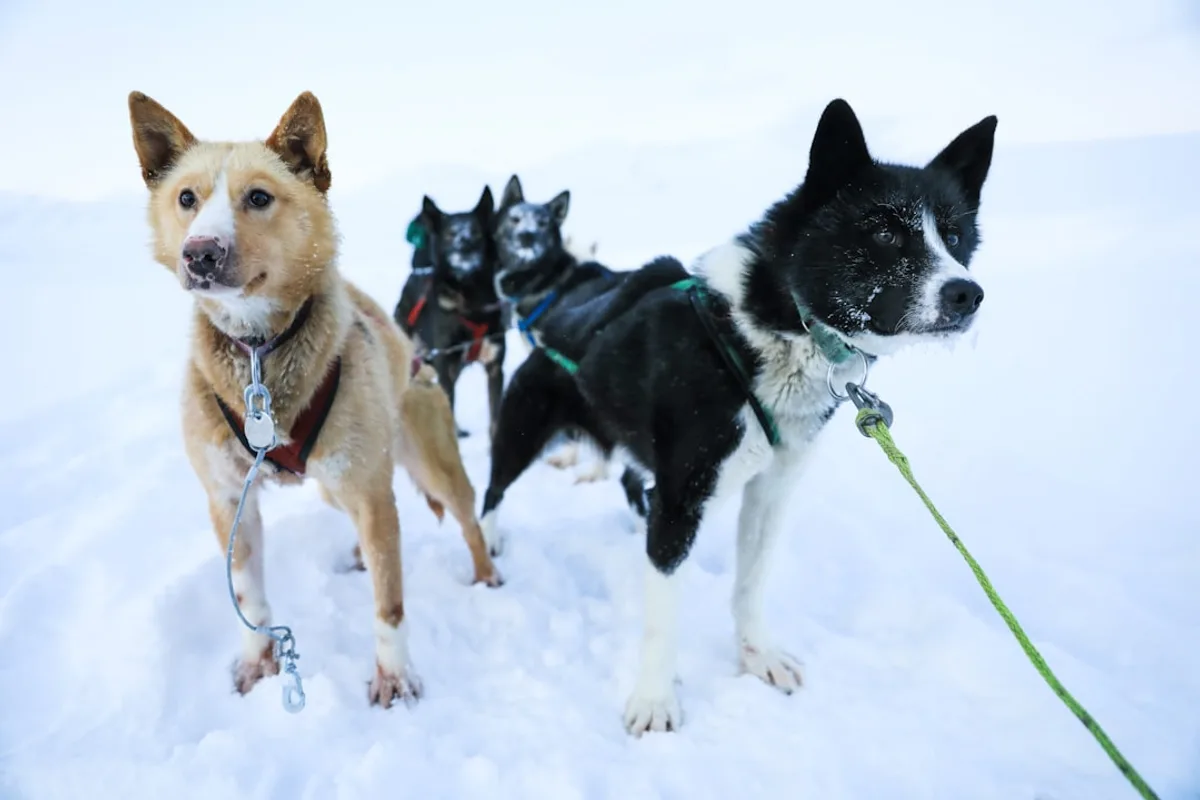
Are you ready to discover the best practices for keeping your Arctic dog healthy and happy? Arctic breeds thrive on a high-protein and high-fat diet, essential for sustaining their energy levels in cold climates. Arctic dog diet tips include adjusting their food intake seasonally, as their nutritional needs can vary significantly with the changing weather. During colder months, increase their calorie intake to maintain optimal health and energy levels.
When it comes to grooming Arctic breeds, their thick fur requires special attention. Regular brushing with a slicker brush helps manage shedding and prevents matting. Seasonal grooming is crucial; in winter, focus on maintaining their undercoat, while in summer, ensure their coat is free of debris and tangles.
Exercise for Arctic dogs should be consistent year-round. In winter, engage them in activities like snowshoeing or sledding, while in warmer months, opt for early morning or late evening walks to avoid overheating. Maintaining their activity levels is vital for their overall well-being.
Let’s dive deeper into the nutritional requirements that are essential for these unique breeds.
Nutritional Requirements for Arctic Breeds
The secret to your Arctic dog’s vitality lies in their diet. Arctic dog nutritional needs emphasize a balance of protein and fat. Many Arctic breeds thrive on diets that mimic their ancestral eating habits, which include raw or minimally processed foods rich in protein and fat. Ideal protein sources are fish and meat, providing essential nutrients for energy and muscle maintenance.
During colder months, a higher fat content is crucial to support their energy levels and maintain body heat. Consider high-quality dog food brands like Orijen and Acana, which cater to the specific needs of Arctic breeds.
Next, we will explore effective grooming techniques that keep their coats healthy and manageable.
Effective Grooming Techniques
Grooming Arctic dog breeds requires a schedule that adapts to seasonal changes. During the ‘blow coat’ periods, which occur twice a year, use tools like undercoat rakes and slicker brushes to manage shedding effectively. Groom your Arctic dog weekly, increasing frequency during these shedding seasons.
With grooming covered, let’s discuss how to keep your Arctic dog active throughout the year.
Exercise Routines for Different Seasons
Are you maximizing your Arctic dog’s exercise potential throughout the seasons? Arctic dogs may require different exercise routines depending on the season, as their energy levels and activity needs can fluctuate with temperature changes. In winter, activities like sledding and snowshoeing keep them active, while summer hikes provide excellent exercise for Arctic dogs.
Interactive play and training sessions are essential for mental stimulation year-round. However, be cautious of over-exercising in extreme temperatures to prevent health risks. Seasonal dog activities should balance physical exertion with mental engagement, ensuring your pet remains healthy and happy.
Next, we’ll explore how to prepare for emergencies when caring for Arctic dogs.
Preparing for Emergencies with Arctic Dogs
Is your Arctic dog ready for an emergency? Let’s ensure you’re prepared! Having an emergency plan that includes your dog can significantly reduce stress during crises, ensuring both you and your pet remain safe. Start by assembling a comprehensive dog emergency kit. Essential items include insulated dog houses to protect against extreme cold and a well-stocked first-aid kit tailored for Arctic breeds. Consider adding thermal blankets, paw balm, and extra food supplies.
In addition to supplies, it’s crucial to have a plan for natural disasters. Identify evacuation routes and locate safe shelters that accommodate pets. Training dogs for emergencies is equally important. Teach your Arctic dog to respond to commands like “come” or “stay” in chaotic situations. Practice these commands regularly to ensure they remain effective under stress.
Emergency preparedness for dogs is not just about supplies but also about readiness and training. Now, let’s look at the specific items that should be included in your emergency kit.
Emergency Kits and Supplies
Are you equipped to handle an emergency with your Arctic dog? Let’s make sure you have the right supplies! An effective emergency kit is crucial for Arctic dog preparedness. Essential dog emergency supplies include:
- Non-perishable food
- Clean water
- Medications
- Comfort items like blankets and toys
Including familiar items can help reduce anxiety for your Arctic dog during stressful situations, making them feel more secure. Next, we will discuss how to train your Arctic dog for emergency situations.
Comparing Care Needs Across Arctic Dog Breeds
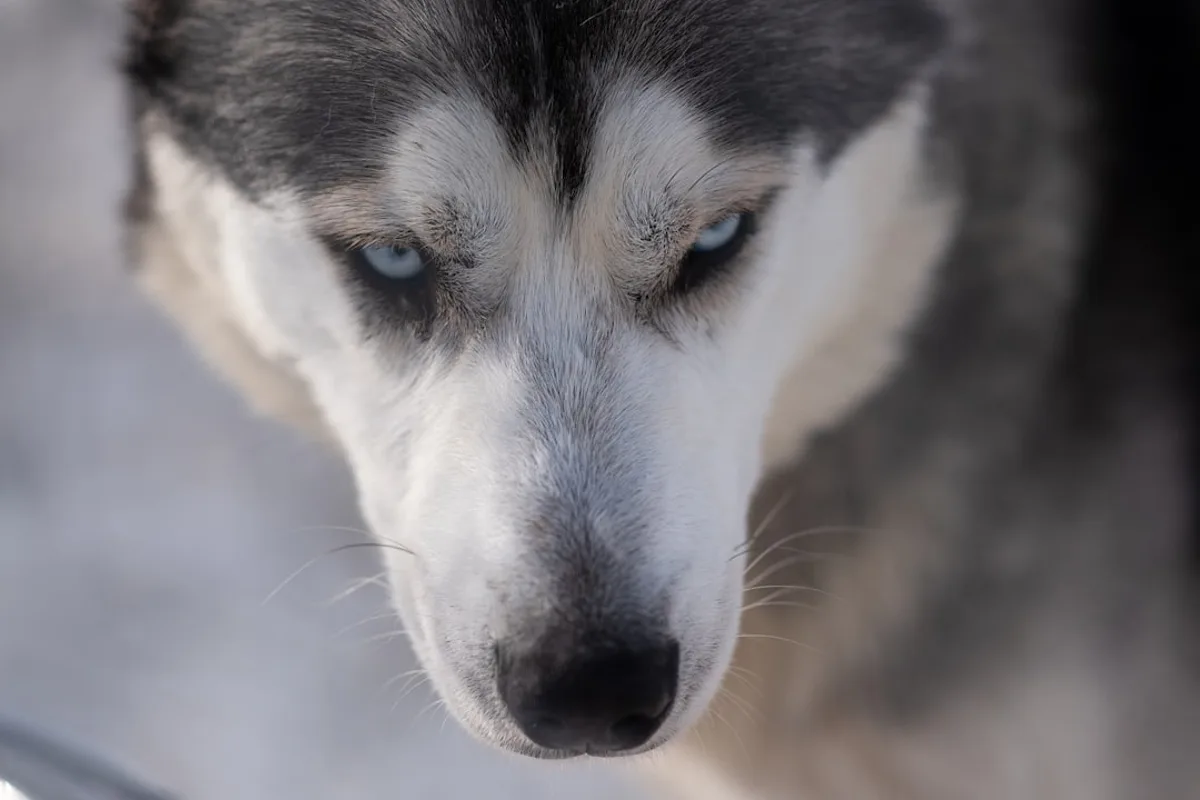
Are you considering adopting an Arctic dog? Understanding their unique care needs can help you make the right choice! Each breed has distinct requirements influenced by their historical roles, which guide owners in meeting their specific needs, such as exercise and companionship.
| Breed | Exercise Needs | Socialization | Grooming |
|---|---|---|---|
| Siberian Husky | High; requires daily vigorous activity | Friendly; enjoys company of other dogs | Moderate; regular brushing needed |
| Alaskan Malamute | High; thrives on long walks and play | Independent; benefits from early socialization | High; frequent grooming to manage shedding |
| Samoyed | Moderate; enjoys play and mental stimulation | Affectionate; loves being around people | High; regular grooming to maintain coat |
Samoyed vs. Greenland Dog
Are you torn between a Samoyed and a Greenland Dog? Let’s break down their unique care needs!
| Aspect | Samoyed | Greenland Dog |
|---|---|---|
| Grooming | Requires frequent brushing to manage shedding and maintain their fluffy coat. | Less frequent grooming needed; their coat sheds seasonally. |
| Exercise | High energy; needs regular, interactive exercise. | Also active, but adapts well to various environments. |
| Behavior | More sociable; thrives on interaction. | More reserved; may exhibit independence. |
Finally, we’ll discuss how to choose the right Arctic breed for your lifestyle.
Choosing the Right Breed for Your Lifestyle
Are you ready to welcome an Arctic dog into your home? Let’s find the perfect breed for your lifestyle! Choosing the right breed involves not just understanding the dog’s needs but also evaluating your own lifestyle and environment to ensure a good match.
| Consideration | Questions to Ask |
|---|---|
| Activity Level | Can you provide daily exercise and mental stimulation? |
| Space | Do you have enough space for a large, active dog? |
| Family Dynamics | Is your family ready for the responsibilities of Arctic dog adoption? |
Research breed-specific needs and connect with community resources for support. Now that we’ve covered breed selection, let’s discuss how to care for Arctic dogs in extreme climates.
Caring for Arctic Dogs in Extreme Climates
Is your home ready for the harsh winter with an Arctic dog? Let’s ensure you’re prepared for the cold! Caring for dogs in cold weather requires special attention to their unique needs. Here are some essential steps for extreme climate dog care:
- Create a Warm Home Environment: Ensure your Arctic dog has a cozy and insulated space indoors. Use thick bedding and consider heated mats to maintain warmth.
- Outdoor Safety Measures: Equip your dog with protective clothing, such as insulated jackets and booties, to shield them from the cold. Provide a sturdy, insulated outdoor shelter if they spend time outside.
- Monitor Health Vigilantly: Despite their adaptations, Arctic dogs can suffer from cold-related health issues. Watch for signs like shivering, lethargy, or frostbite, and consult a vet if needed.
Arctic dog winter safety is crucial to prevent health issues in extreme weather. Let’s look at specific preparations you can make to your home for cold weather.
Preparing Your Home for Cold Weather
Is your dog’s shelter winter-ready? Let’s make sure they stay warm and safe this season!
- Insulate Dog Houses: Use materials like straw to improve warmth in insulated dog houses. This is crucial for winter preparations for dogs.
- Ensure Proper Ventilation: Adequate ventilation prevents moisture buildup, keeping the dog shelter dry and comfortable.
- Create a Cozy Indoor Space: Provide a warm sleeping area indoors during extreme cold, ensuring your Arctic dog feels secure.
Next, we’ll cover outdoor safety measures to protect your Arctic dog during extreme weather.
Outdoor Safety Measures
Are you aware of the risks your Arctic dog faces outdoors in winter? Let’s ensure their safety!
- Limit outdoor time during extreme cold to prevent frostbite and hypothermia.
- Monitor your dog for signs of frostbite, especially on ears and tails.
- Dress your dog in protective gear, such as coats and booties, to shield them from harsh weather.
Finally, we’ll discuss how to monitor your Arctic dog’s health in harsh conditions.
FAQs About Arctic Dog Care
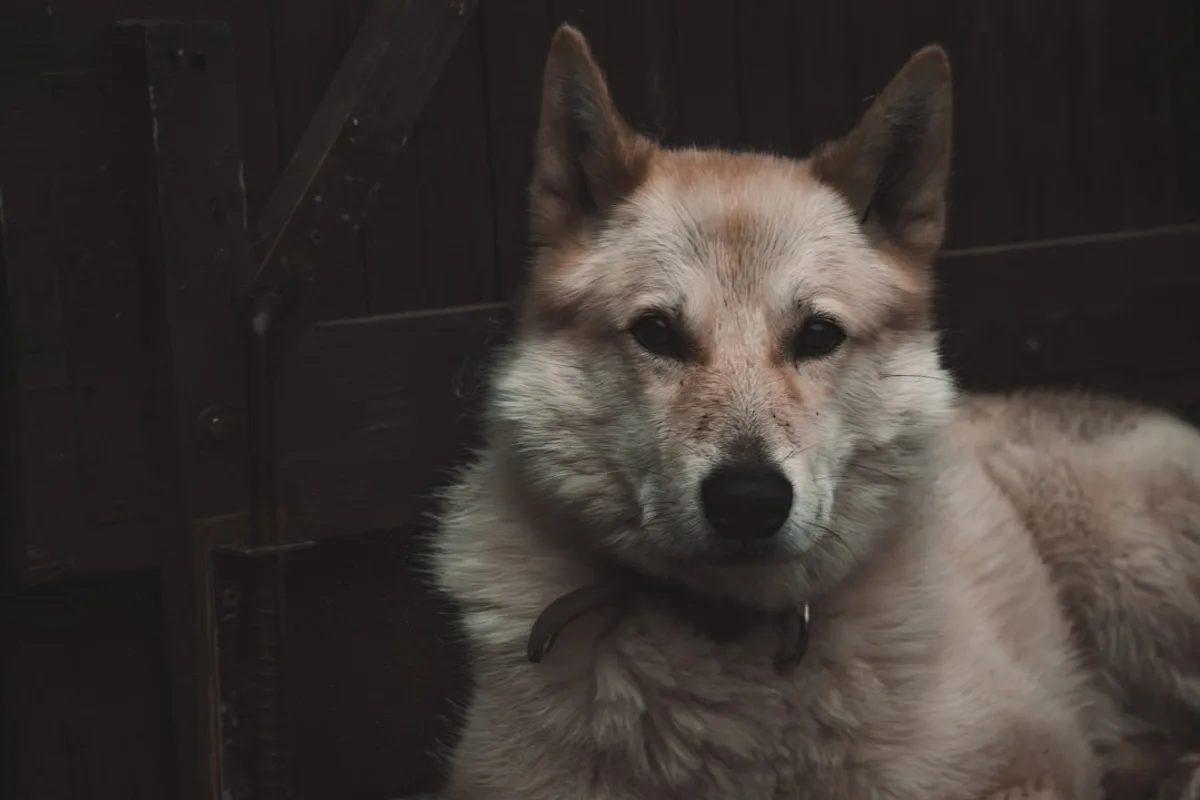
Do you have questions about caring for Arctic dogs? You’re not alone! Many new Arctic dog owners are unaware of the breed’s specific grooming needs, which can lead to health issues if neglected.
- What seasonal care is needed? Arctic dogs require extra insulation in winter and regular grooming to manage their thick coats.
- What diet suits Arctic breeds? A high-protein diet is essential. Learn more about dog nutrition.
- How often should I monitor their health? Regular vet check-ups are crucial to catch any breed-specific health issues early.
Let’s explore some specific FAQs that new Arctic dog owners often ask.
How do I keep my Arctic dog cool in summer?
Are you worried about your Arctic dog during the hot summer months? Let’s keep them cool and comfortable! Despite their cold adaptations, Arctic dogs can be prone to overheating in summer, making it crucial for owners to monitor their activity levels closely. Ensure they have access to plenty of fresh water and shaded areas to rest. Hydration is key to preventing heat exhaustion.
Adjust their exercise routine by scheduling walks during the cooler parts of the day, such as early morning or late evening. Avoid hot pavement, which can burn their paws. Regularly check for signs of overheating, like excessive panting or lethargy, to ensure Arctic dog heat safety.
Next, we’ll address the signs of frostbite in Arctic dogs and how to prevent it.
What are the signs of frostbite in Arctic dogs?
Do you know how to spot frostbite in your Arctic dog? Let’s learn the signs and prevention methods! Frostbite in dogs often manifests as discoloration, such as pale or grayish skin, and coldness in extremities like ears, tails, and paws. These areas, with less fur coverage, are particularly vulnerable during extreme cold.
- Discoloration of the skin
- Coldness and stiffness in affected areas
- Swelling or blisters
- Pain or discomfort when touched
Preventing frostbite in Arctic breeds involves limiting exposure to extreme cold, using protective gear, and ensuring they stay dry. If frostbite occurs, dog first aid for frostbite includes gently warming the affected areas with warm (not hot) water and seeking veterinary care promptly. Now, let’s discuss whether Arctic dogs can thrive in warmer climates.
Can Arctic dogs live in warm climates?
Are you considering bringing an Arctic dog to a warm climate? Let’s explore the possibilities! Arctic dogs in warm climates face challenges such as heat sensitivity and the need for adjusted exercise routines. With proper care and acclimatization, many Arctic breeds can adapt to warmer climates, but owners must be vigilant about heat-related issues.
To help your Arctic dog adjust, start with gradual exposure to warmer temperatures and ensure they stay hydrated. Providing shaded areas and limiting outdoor activities during peak heat can also aid in adapting dogs to heat. There are numerous success stories of Arctic dogs thriving in non-Arctic climates with these adjustments.
Next, we’ll cover how often Arctic dogs should be groomed to maintain their health.
How often should Arctic dogs be groomed?
Are you confused about how often to groom your Arctic dog? Let’s simplify the process! Arctic dog grooming frequency varies depending on the season and the individual dog’s needs. During shedding seasons, typically in spring and fall, grooming should be done more frequently, about once a week, to manage the heavy coat changes. In other times, a bi-weekly grooming routine is usually sufficient.
Maintaining Arctic dog coats is crucial to prevent skin issues and matting. Regular grooming not only maintains coat health but also strengthens the bond between the dog and owner through positive interactions. Establish a routine that fits both your schedule and your dog’s comfort, using dog grooming tips like brushing in the direction of hair growth and rewarding your pet for calm behavior.
Finally, we’ll explore the ideal diet for Arctic dogs to keep them healthy.
What is the ideal diet for an Arctic dog?
Are you feeding your Arctic dog the right diet? Let’s ensure they’re getting what they need! The ideal diet for Arctic dogs should be rich in protein and fat, reflecting their high energy demands and natural dietary preferences. Many Arctic breeds thrive on diets that closely mimic their ancestral diets, which can include raw or minimally processed foods.
For commercial options, consider brands like Orijen or Acana, which offer high-protein formulas. Homemade diets can include lean meats, fish, and organ meats, supplemented with essential vitamins and minerals. Adjust their diet based on activity levels and seasonal changes to maintain optimal health.
As we conclude, let’s summarize the key takeaways about caring for Arctic dogs.
Key Takeaways About Caring for Arctic Dogs
Ready to embark on the journey of caring for an Arctic dog? Let’s recap the essentials! Arctic dogs, known for their resilience and unique charm, require specialized care to thrive in a domestic setting. Their thick coats demand regular grooming to prevent matting and ensure comfort, especially in warmer climates. A balanced diet rich in nutrients is crucial to support their high energy levels and overall health.
Understanding the specific needs of each breed is vital for successful ownership. For instance, Siberian Huskies and Alaskan Malamutes have different exercise requirements and temperaments. Recognizing these differences helps in providing the right environment and activities that cater to their natural instincts.
Before adopting an Arctic dog, potential owners should assess their lifestyle and commitment. These breeds often require more time, space, and resources than other dogs. Ensuring you can meet these demands is essential for a rewarding relationship.
Successful ownership of an Arctic dog requires a commitment to understanding and meeting their unique needs, which can lead to a fulfilling companionship. Join us in making a difference—consider adopting a dog or volunteering with ADRTC today! By doing so, you contribute to the well-being of these magnificent creatures while enriching your life with their loyal companionship.
Leave a Reply