
Why the Dog Adoption Process is Crucial for Finding the Right Match
Have you ever wondered why the dog adoption process is vital for both pets and their new families? Its importance lies in matching dogs with families whose lifestyles and needs align, ensuring a harmonious and lasting relationship.
Research shows that families who understand their dog’s needs and characteristics are 50% less likely to return the dog to the shelter. This statistic underscores the significance of the adoption process in reducing return rates, which can be as high as 20% when mismatches occur. By considering factors such as energy levels, space requirements, and family dynamics, shelters can facilitate successful dog adoption stories.
For instance, a family with young children might thrive with a gentle, patient dog, while an active couple could be the perfect match for a high-energy breed. These thoughtful pairings enhance the well-being of the dog and enrich the lives of their new owners. Understanding the requirements and disqualifications can help streamline the adoption journey.
Requirements and Disqualifications for Dog Adoption
Before you embark on your journey to adopt a dog, it’s crucial to understand the requirements and potential disqualifications. Common requirements include being at least 18 years old, having a stable residence, and demonstrating financial stability to care for a pet. Many shelters also consider emotional support and mental health factors, reflecting a shift from traditional criteria.
Disqualifications often involve a history of animal abuse or having insufficient living space. Some organizations may require a fenced yard, while others might prioritize indoor living arrangements. As adoption rules can vary, it’s essential to check with individual shelters. Next, we will delve deeper into the specific eligibility criteria for prospective adopters.
Eligibility Criteria for Prospective Adopters
Are you ready to adopt a furry friend? First, let’s explore the eligibility criteria you must meet. Prospective adopters typically need to be at least 18 years old and have a stable living environment. A steady income and the ability to dedicate time to pet care are crucial requirements.
Many organizations include home visits or interviews in their application process. Interestingly, some now offer virtual home checks, making the process more accessible. Understanding common disqualifications will help you avoid pitfalls in the adoption process.
Common Disqualifications in the Dog Adoption Process
Wondering if you might be disqualified from adopting a dog? Let’s uncover the common pitfalls that could stand in your way. Many shelters report that the most frequent disqualifications stem from applicants not having adequate time to dedicate to a pet’s needs, rather than financial issues.
- Lack of experience with dogs
- Unsuitable living environments
- Inadequate time for pet care
Statistics show that 30% of applicants are turned down due to unsuitable living conditions. Anecdotes from shelters reveal stories of applicants denied for reasons like a busy lifestyle. Next, we will discuss the necessary documentation and preparations needed to adopt a dog.
Necessary Documentation and Preparations
Are you ready to bring a new dog into your life? Let’s ensure you have everything in place before the big day. Essential documentation includes valid identification and proof of residence. Additionally, having a pet care plan and emergency contacts is crucial. Many shelters now offer an adoption preparation checklist to streamline the process.
Preparing for dog adoption involves creating a safe and welcoming space at home. Consider securing loose wires, removing hazardous items, and setting up a comfortable sleeping area. With preparations in order, it’s time to explore the 3-3-3 rule and its significance in dog adoption.
Applying the 3-3-3 Rule in Dog Adoption
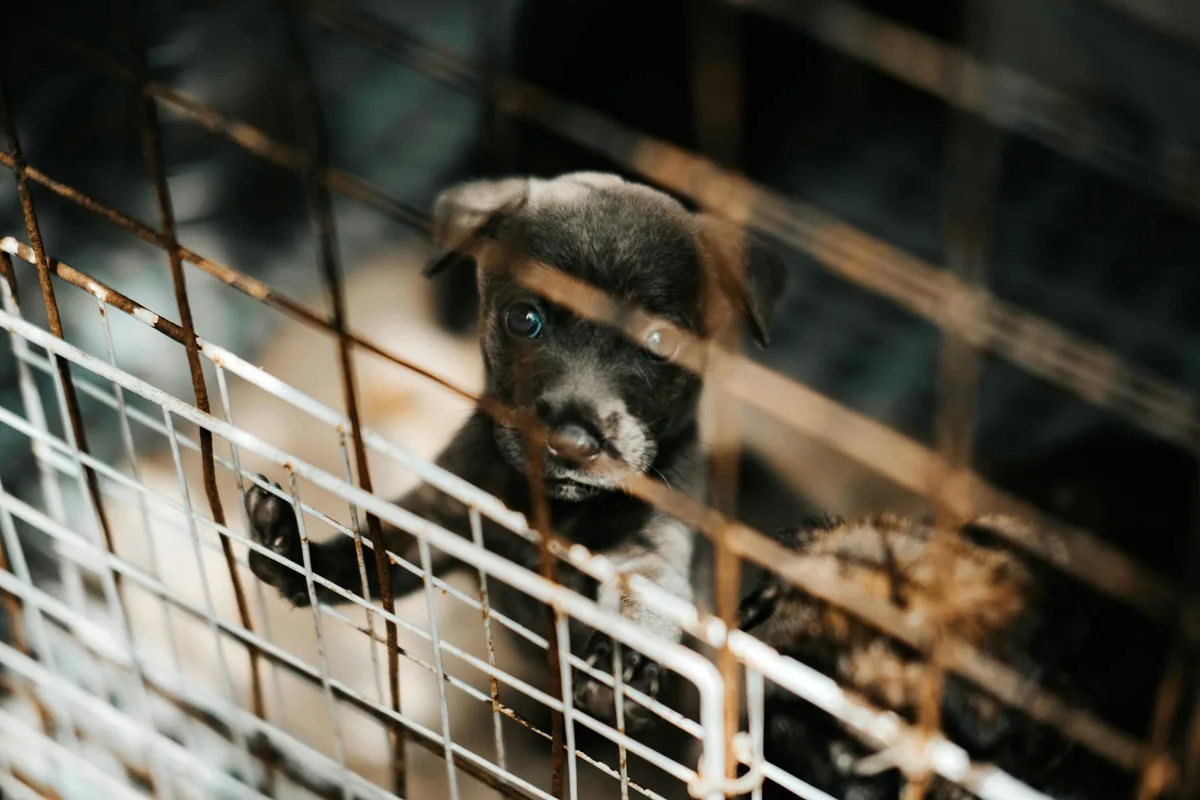
Have you heard of the 3-3-3 rule? This simple guideline can transform your dog adoption experience. The 3-3-3 rule outlines the adjustment period for both the dog and the owner, spanning three phases: 3 days, 3 weeks, and 3 months. Understanding adopted dogs through this framework can ease the transition for everyone involved.
- 3 Days: Initial period where the dog may feel overwhelmed and unsure.
- 3 Weeks: The dog begins to settle in, showing more of its personality.
- 3 Months: The dog fully adjusts, feeling secure and at home.
Studies indicate that following the 3-3-3 rule can significantly enhance the success rate of adoptions. This rule also reflects the owner’s adaptation to their new role, highlighting the mutual journey. Let’s dive deeper into what each phase of the 3-3-3 rule entails for both dogs and their new families.
Understanding the 3-3-3 Rule
Understanding the 3-3-3 rule is key to a successful adoption; let’s explore each phase in detail:
- First 3 Days: Dogs often experience stress and exhibit a ‘honeymoon phase,’ masking issues. Trainers note initial anxiety is normal.
- First 3 Weeks: Dogs begin settling in, revealing true behaviors. Patience is crucial as they adjust.
- First 3 Months: Bonding occurs, and trust builds. Experts emphasize the importance of consistent routines.
For more insights, visit AKC’s guide on dog adoption.
Now, let’s look at the benefits of following the 3-3-3 rule for both dogs and their owners.
Benefits of the 3-3-3 Rule for Dogs and Owners
What if following a simple rule could lead to a happier life for both you and your new dog? The benefits of the 3-3-3 rule are numerous, fostering a strong bond and reducing potential behavioral issues.
- Builds Trust: Gradually helps dogs adjust, building trust with their new owners.
- Emotional Benefits: Owners learn to understand their dog’s needs, enhancing emotional connections.
- Successful Adjustments: Many report smoother transitions and fewer behavioral problems.
Let’s explore practical tips for implementing the 3-3-3 rule effectively.
Tips for Implementing the 3-3-3 Rule
Ready to make your dog’s transition as smooth as possible? Here are some essential tips to follow during the 3-3-3 rule:
- First 3 Days: Create a safe space with familiar items. Establish a routine to help your dog feel secure.
- First 3 Weeks: Gradually introduce new experiences and maintain consistency. Utilize resources for training and behavior management.
- First 3 Months: Strengthen your bond by tracking progress in a journal. Many successful adopters recommend this practice.
Next, we will delve into the emotional journey that comes with dog adoption.
Emotional Journey of Dog Adoption
Adopting a dog is not just about bringing home a pet; it’s an emotional journey filled with ups and downs. New pet owners often experience a rollercoaster of emotions, from the initial excitement to moments of doubt and stress. According to studies, adopting a dog can significantly improve mental health, reducing symptoms of anxiety and depression in new owners.
Many adopters share stories of joy and fulfillment, though they also acknowledge the emotional challenges of adjusting to a new routine. For instance, one adopter described the overwhelming happiness of their dog’s first wagging tail, balanced by the stress of sleepless nights. Understanding these experiences can prepare potential adopters for the emotional journey of dog adoption.
Let’s explore the specific emotional challenges that new pet owners often face.
Emotional Challenges New Pet Owners Face
Are you prepared for the emotional challenges that come with adopting a dog? Let’s uncover what to expect. Many new pet owners report feeling overwhelmed by the responsibility, often leading to a temporary sense of isolation during the adjustment period. Anxiety about the dog’s adjustment and feelings of inadequacy are common.
Additionally, the pressure of making the right choices for the dog’s care and training can be daunting. Experts suggest seeking support from fellow pet owners and professionals to manage these challenges effectively. Building a strong bond with your adopted dog can help mitigate these challenges.
Building a Bond with Your Adopted Dog
Want to create a lasting bond with your new furry friend? Here are some effective strategies to deepen your connection. Engaging in dog bonding activities like playtime, training, and socialization is crucial. Try exercises such as fetch or agility training to establish trust. Patience and consistency are key to strengthening pet-owner relationships.
Bonding with your dog can be accelerated through shared experiences, such as training classes or outdoor adventures, which also promote socialization. Now, let’s discuss coping strategies that can ensure a smooth transition for both you and your dog.
Coping Strategies for a Smooth Transition
Are you feeling anxious about the transition to dog ownership? Here are some coping strategies to help you navigate this new chapter. Establishing a consistent routine can significantly reduce stress for both you and your new pet. Patience and understanding are crucial during challenging moments, as they foster a smooth transition after dog adoption.
Joining a local dog owner group offers emotional support and practical advice, enhancing your experience. Many new dog owners find these communities invaluable. Additionally, explore resources for training and support groups tailored for new dog owners to further ease the transition.
Next, we will provide a comprehensive step-by-step guide to the dog adoption process.
Step-by-Step Guide to the Dog Adoption Process
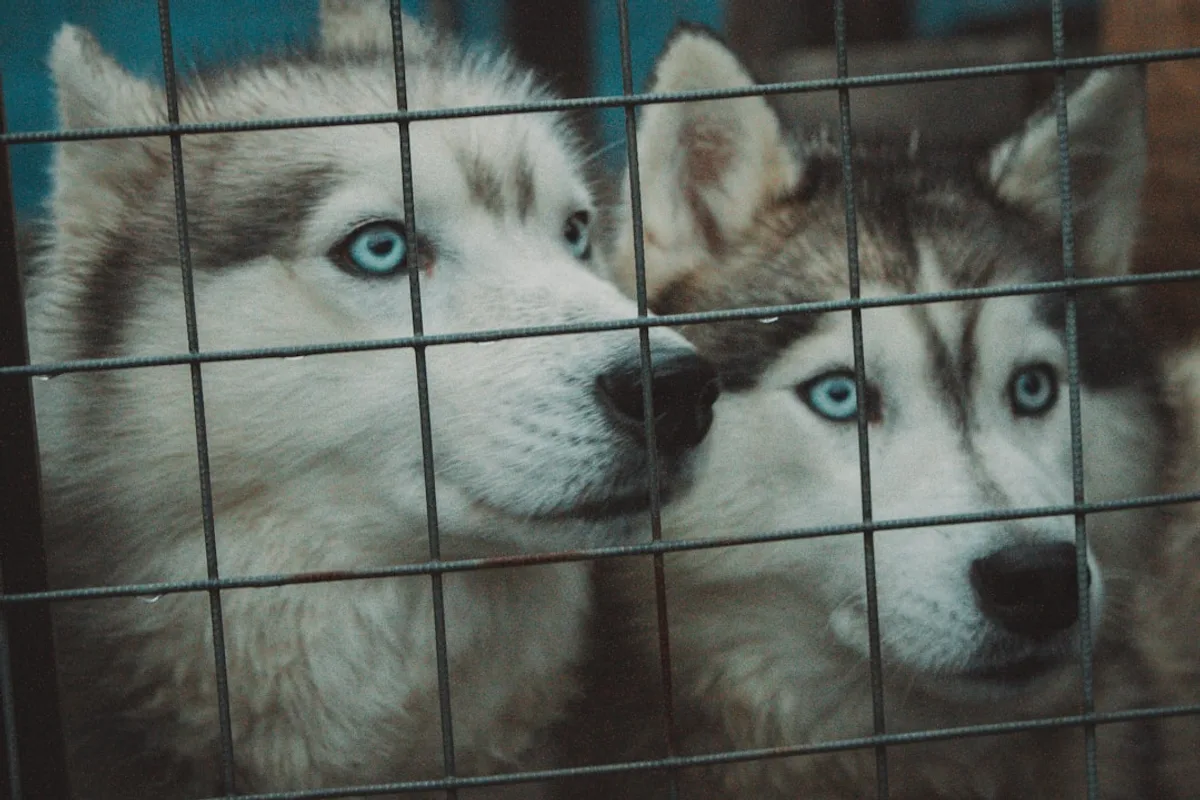
Ready to adopt a dog? Here’s your comprehensive step-by-step guide to navigating the adoption process smoothly. Understanding the dog adoption process overview is crucial for a successful experience.
- Research: Begin by researching different breeds and shelters. This initial step helps match your lifestyle with the right dog.
- Visit Shelters: Schedule visits to local shelters to meet potential pets. This stage might take a few weeks as you explore options.
- Application: Fill out adoption applications. Be prepared for detailed questions about your home and lifestyle.
- Home Check: Some organizations conduct home checks to ensure a safe environment. This can add extra time to the process.
- Adoption Finalization: Once approved, finalize the adoption and bring your new pet home.
Many potential adopters underestimate the time required, which can take several weeks to months. Let’s begin with how to prepare for the adoption process.
Preparing for the Adoption Process
Are you ready to welcome a new dog into your life? Preparation is key, and here’s how to get started. Researching different breeds and shelters is crucial before adopting. Preparing your home and family for a new dog ensures a smooth transition.
- Research breeds and shelters to find the best fit.
- Prepare a dedicated space for your new dog.
- Gather essential items: leash, collar, food, and water bowls.
- Discuss responsibilities with family members.
Next, we will navigate the adoption application process and what it entails.
Navigating the Adoption Application
Filling out an adoption application might seem straightforward, but there are key elements to consider for success. Understanding the dog adoption application process is crucial to ensure approval. Here’s what to expect:
- Provide personal information, including contact details and living situation.
- Answer questions about your experience with pets and lifestyle.
- Submit necessary documentation, such as proof of residence.
- Be honest; shelters often conduct background checks to verify your information.
Common questions include your reasons for adopting and how you plan to care for the dog. Honesty in your responses is vital, as it affects approval. Once your application is approved, it’s time to finalize the adoption and bring your new dog home.
Finalizing the Adoption and Bringing Your Dog Home
Congratulations! You’re almost ready to welcome your new furry friend home—here’s what to expect in the final steps of the adoption process.
- Complete any necessary paperwork and contracts; expect to pay adoption fees.
- Undergo final checks to ensure your home is suitable for your new pet.
- Emotionally prepare for the transition; remember, a gradual introduction to their new environment is crucial for your dog’s adjustment.
Next, we will compare dog adoption processes across different regions in the US.
Comparing Dog Adoption Processes Across the US
Did you know that the dog adoption process can vary significantly from one region to another? Let’s explore these differences. Factors such as local laws and shelter policies play a crucial role in shaping these variations. For instance, certain states have enacted laws that mandate specific waiting periods before an adoption can be finalized, impacting the overall process timeline.
| Region | Adoption Rate (%) | Key Process Differences |
|---|---|---|
| West Coast | 65 | Stringent background checks, longer waiting periods |
| Midwest | 55 | Flexible policies, fewer restrictions |
| East Coast | 70 | Mandatory home visits, state-specific requirements |
Now, let’s take a closer look at the regional differences in adoption requirements.
Regional Differences in Adoption Requirements
Curious about how adoption requirements vary across the country? Let’s break down the regional differences you should know. Dog adoption requirements by region can include age restrictions, home visit policies, and cultural attitudes towards pets. In some areas, fostering is prioritized over traditional adoption, altering the typical requirements.
| State | Unique Requirement |
|---|---|
| California | Mandatory home visits before adoption approval |
| Texas | Age restriction of 21 years for adopters |
| New York | Fostering encouraged as a first step |
Next, we will discuss the timelines involved in the dog adoption process and what to expect.
Adoption Process Timelines: What to Expect
Wondering how long the dog adoption process will take? Here’s what you can expect in terms of timelines and factors that influence them. Many shelters report that the average adoption process takes about 2-4 weeks, but this can vary widely based on local demand and resources.
| State | Average Duration |
|---|---|
| California | 3 weeks |
| Texas | 2 weeks |
| New York | 4 weeks |
Factors such as shelter capacity and applicant preparedness can significantly affect these timelines. Finally, we will provide recommendations for navigating various adoption systems effectively.
Recommendations for Navigating Various Adoption Systems
Navigating the dog adoption system can be overwhelming; here are some recommendations to make the process smoother. Start by researching local shelters and their policies. Networking with local dog trainers and veterinarians can provide valuable insights into the best shelters and adoption practices in your area.
| Tip | Description |
|---|---|
| Research Local Shelters | Understand their adoption requirements and policies. |
| Network with Adopters | Gain insights from those who have successfully adopted. |
| Consult Professionals | Engage with trainers and veterinarians for recommendations. |
| Attend Adoption Events | Meet shelters and dogs in person for better connections. |
For more resources on finding reputable shelters, visit the ASPCA’s adoption tips. Next, we will address common
Dog Adoption FAQs

Have questions about dog adoption? Here are the most common FAQs answered to help you on your journey.
-
What are the costs involved in adopting a dog?
Adoption fees vary but often include vaccinations and spaying/neutering, saving you money.
-
How long does the adoption process take?
The timeline can range from a few days to a couple of weeks, depending on the shelter’s requirements.
-
What are the requirements to adopt a dog?
Requirements typically include a home visit, references, and proof of residence.
-
Are there common misconceptions about dog adoption?
Many believe adoption is costly, but fees often cover essential medical treatments.
What is the Typical Cost of Adopting a Dog?
Thinking about the costs of adopting a dog? Let’s break down what you can expect to pay when bringing a new furry friend home. The cost of dog adoption typically includes adoption fees, which can range from $50 to $300 depending on the shelter and region. Some shelters offer reduced fees during special events or for senior dogs, making adoption more accessible.
Beyond the initial adoption fees for dogs, consider the financial commitment of adopting a dog, including veterinary care, food, and supplies. These hidden costs can add up, so it’s essential to budget accordingly.
How Long Does the Dog Adoption Process Take?
Curious about how long the dog adoption process might take? Let’s explore the typical timelines you can expect. The duration of the dog adoption process varies significantly based on several factors, including shelter policies and your preparedness as an applicant. On average, adopting from a shelter may take 1-2 weeks, while rescues can extend to 3-4 weeks due to more stringent checks.
To expedite the process, ensure your application is thorough and complete. Many adopters are unaware that being well-prepared can significantly reduce the time it takes to finalize an adoption.
What Should I Bring to the Adoption Center?
Heading to the adoption center? Here’s what you should bring to ensure a smooth and successful visit. First, pack essential items like a valid identification and proof of residence. These documents are crucial for verifying your eligibility to adopt a dog.
- Identification: Driver’s license or passport.
- Proof of Residence: Utility bill or lease agreement.
- Comfort Items: Wear comfortable clothing and bring water.
Be prepared for an interview or even a home visit. Some shelters allow you to bring your current pets for a meet-and-greet, which can be crucial for compatibility assessments.
Can I Adopt a Dog if I Have Other Pets?
Thinking about adding a new dog to your family? Here’s what you need to know if you already have other pets at home. Adopting a dog with other pets involves careful planning and consideration. It’s crucial to assess the compatibility of your existing pets with a new dog. Many shelters recommend a trial period for multi-pet households, allowing for a gradual introduction and assessment of compatibility.
- Introduce pets in neutral spaces to reduce territorial behavior.
- Monitor interactions closely during the initial weeks.
- Utilize resources such as training classes and behavior management guides.
By following these tips, you can create a harmonious multi-pet household and ensure a smooth transition for everyone involved.
Key Takeaways About the Dog Adoption Process
As we conclude, let’s recap the essential points about the dog adoption process that every prospective owner should know. The journey of adopting a dog involves understanding the requirements and responsibilities that come with it. From initial applications to home visits, each step ensures that both the adopter and the dog are well-matched.
One of the key takeaways about dog adoption is the importance of considering both emotional and practical aspects. Adopting a dog is not just about finding a pet; it’s about welcoming a new family member. Prospective adopters should be prepared for the commitment and joy that comes with responsible pet ownership.
Understanding the multifaceted nature of dog adoption can empower potential adopters to make informed decisions that benefit both them and the dogs. We encourage you to visit local shelters or organizations to explore adoption opportunities. Join us in making a difference—consider adopting a dog or volunteering with ADRTC today!
Leave a Reply