Akita

Akita breed is originally from Japan. Also known as Great Japanese Dog, American Akita.
Breed information
| Popularity | 62 of 202 (2025) · fell from 45th in 2013 |
| Name | Akita |
| Other names | Great Japanese Dog, American Akita |
| From country | Japan |
| Standards | |
| Breed groups | Working (AKC),Northern Breed (UKC) |
| Type | Purebred |
| Size | Large, Giant |
| Coat | Medium · double |
| Life span | 10 - 14 years |
| Temperament | alert,courageous,dignified,docile,friendly,intelligent,responsive |
| Height female | 24-26 inches (61-66 cm) |
| Height male | 26-28 inches (66-71 cm) |
| Weight female | 70-100 pounds (32-45 kg) |
| Weight male | 100-130 pounds (45-59 kg) |
| Colors | black,fawn,red,white,brindle,pinto |
| Litter Size | 3 - 12 puppies |
| Puppy Price | Average $800 - $1200 USD |
Akita popularity by year (AKC)
| Year | 2013 | 2014 | 2015 | 2016 | 2017 | 2018 | 2019 | 2020 | 2021 | 2022 | 2023 | 2024 | 2025 |
|---|---|---|---|---|---|---|---|---|---|---|---|---|---|
| Rank | 45 | 46 | 46 | 46 | 47 | 47 | 47 | 48 | 52 | 55 | 58 | 59 | 62 |
Source: American Kennel Club registration statistics. All breeds ranked by popularity
Akita breed image

Akita Pros and Cons
There are 2 pros and 6 cons of owning Akita.
| Pros 👍 | Cons 👎 |
|---|---|
| Generally healthy | Not ideal with young children |
| Rarely barks or howls | Not ideal with other dogs |
| Sheds a lot | |
| Hard to groom | |
| Needs a lot of exercise | |
| Not hypoallergenic |
Breed Characteristics
| Sensitivity Level |
Low-sensitive
High-sensitive
|
High-sensitivity dogs can be deeply affected by their owner's actions. If you shout loudly at the dog, ignore it, or if your child pulls its tail, it may take offense. On the other hand, low-sensitivity dogs, often referred to as 'tolerant' dogs, handle these situations more easily. If you're an emotional person, have a busy lifestyle, sometimes neglect your dog, or have young children, we don't recommend getting a high-sensitivity dog. |
|
| Kid-Friendly |
No-Kid-Friendly
Kid-Friendly
|
Kid-friendly dogs are highly tolerant of children's behavior, including hugs and playful "games" like attempting to saddle them. They typically interact kindly and patiently with kids, making them great family pets. Not Kid-Friendly Dogs - Dogs in this category do not tolerate such behavior from children and may react negatively or even aggressively. Be cautious about bringing a not kid-friendly dog into a family environment. |
|
| Dog Friendly |
Low-friendly
High-Friendly
|
Dog-friendly characteristics vary widely, ranging from low-friendly to high-friendly. It's important to note that a dog's level of friendliness depends on several factors, and breed is just one of them. Dogs with high friendliness tend to be sociable and enjoy interacting with other dogs. They may happily play with other canines or simply remain calm and relaxed when in the company of other dogs. Conversely, dogs with lower levels of friendliness may exhibit different behaviors. They might be more prone to barking, trying to engage in fights with other dogs, or even attempting to run away from unfamiliar dogs or situations. Keep in mind that a dog's friendliness is influenced by their individual personality, upbringing, and experiences. So, it's essential to consider these factors when assessing your furry friend's social behavior. |
|
| Friendly Toward Strangers |
Not-friendly
Everyone Is My Best Friend
|
It's important to understand that a dog's behavior towards strangers is influenced by various factors, with breed being just one of them. A dog that is friendly toward strangers will typically exhibit pleasant behavior when your friends or visitors come to your home. They won't display aggression or attempt to attack them. Instead, they will likely be welcoming and sociable. On the other hand, some dogs may be naturally shy or even fearful of strangers. However, it's crucial to note that a dog's socialization plays a significant role in their behavior. Proper socialization lessons can help any dog become more welcoming to strangers, regardless of their breed. That said, if you happen to choose a breed known for its high stranger-friendly rating but don't invest time in training and socialization, the dog may still exhibit unfriendly behavior toward your visitors. Remember, a dog's behavior is a product of both their breed tendencies and their upbringing. |
|
| Amount Of Shedding |
No Shedding
Hair Everywhere
|
|
What's crucial to note is that the extent of shedding can vary from one breed to another. Some dogs shed consistently throughout the year, while others may have specific seasonal shedding patterns. There are also breeds that shed minimally, and in some cases, almost not at all. When choosing a dog, it's essential to consider your personal preferences and standards regarding shedding. Your choice should align with how much you're willing to handle in terms of grooming and cleaning to keep your home and clothes free from excessive dog hair. |
|
| Easy To Groom |
Hard
Easy
|
|
Some breeds are low-maintenance and can be brushed quickly and easily. Others may need regular clipping, grooming, and bathing to keep them looking their best. When choosing a dog, it's important to assess how much time and money you're willing to invest in their grooming needs. Your decision should align with your preferences and your commitment to providing the necessary care for your furry friend. |
|
| General Health |
Need more attention to health
Healthy as an ox
|
|
It's important to be aware that some dogs may face health challenges due to irresponsible breeding practices. One example of such health issues is hip dysplasia, which is a genetic problem. However, it's essential to understand that not every dog of a specific breed will develop these health issues, although they may be more prone to them. When adopting a puppy, it's a good practice to gather information about any genetic illnesses associated with the breed. For more detailed information, you may also want to consult with a shelter or rescue organization, as they can provide insights into the physical health of the puppy's parents or siblings. |
|
| Easy To Train |
Self-Willed
Eager to Please
|
|
It's worth noting that some dog breeds are more trainable than others. For instance, certain breeds may quickly grasp and establish associations between words like 'stay,' corresponding actions (such as staying in place), and the resulting rewards. On the other hand, some breeds may require more time and attention during training. Dogs are highly intelligent animals, but they often like to understand what's in it for them when they follow your commands. This is where games and rewards can be valuable tools in training and motivating them. |
|
| Intelligence |
Low
High
|
|
Different dog breeds excel in specific tasks and exhibit varying levels of intelligence, concentration, and quick decision-making abilities. For instance, breeds bred for their intelligence, like Border Collies, may excel in activities such as herding livestock. These dogs require more mental stimulation to thrive compared to breeds designed for physical endurance and running. Understanding your dog's specific needs is essential to ensure they are mentally engaged and don't engage in unwanted behaviors like chewing and digging. To meet these needs, consider interactive toys and activities, such as obedience training for dogs in need of mental engagement, or search and rescue activities for those with high activity levels and keen senses. |
|
| Tendency To Bark Or Howl |
Only To Alert
Avid singer
|
|
It's important to understand that vocalization varies between dog breeds. Some dogs are naturally more vocal, and they can bark and howl at different pitches. For instance, consider the hound, known for its distinctive barking and howling. You'll need to decide if the sound of their vocalizations might become bothersome or if you find it somewhat musical. Additionally, if your chosen breed has a history of hunting, they might constantly chase and howl at nearby wildlife. If you're looking for a watchdog and your dog is alert, it may bark at everyone it encounters. These factors are essential to consider when selecting a dog breed, especially if you have neighbors or are subject to any noise restrictions. |
|
| Energy Level |
Couch Potato
High Energy
|
|
A dog's energy level is often influenced by their breeding, as some breeds were designed for specific tasks like herding livestock or retrieving game for hunters. Dogs with high energy levels will require plenty of interaction and exercise. They tend to be more active and enjoy activities such as playing, running, tumbling, and exploring new smells and sights. On the other hand, some breeds are low-energy and prefer lounging on the couch with you, taking naps, and enjoying Netflix marathons. When choosing a dog breed, it's essential to consider your own activity level and lifestyle. Select a breed that aligns with your preferences and can comfortably fit into your daily routine. |
|
| Exercise Needs |
Low
Need a lot
|
|
Different dog breeds have varying requirements when it comes to physical activity. Some breeds may be content with a leisurely stroll in the evening, while others might crave several vigorous laps around the block. Their exercise needs are often linked to their original purposes, such as hunting or herding, which influence their energy levels. Dogs with high energy levels that don't receive adequate exercise may be prone to weight gain and may engage in behaviors like digging, chewing, and excessive barking. High-energy dogs tend to thrive when paired with individuals who are active, enjoy the outdoors, or have an interest in training their dog for competitions. |
|
| Potential For Playfulness |
Only When You Want To Play
Non-Stop
|
|
Dog breeds exhibit a wide range of personalities, and this includes their inclination for play. Some breeds are consistently playful and seem to stay in a perpetual puppy state of mind. In contrast, other breeds tend to be more serious and enjoy their moments of relaxation. When choosing a dog, it's important to consider whether the idea of having a playful companion excites you or if you prefer a more relaxed and laid-back dog. Additionally, factors such as the presence of children or other pets in your household should be taken into account. Another option to explore is adopting an older dog, which might be less demanding but still enjoys interacting and playing, providing a balance between playfulness and a calmer demeanor. |
|
| Adapts Well To Apartment Living |
Needs Space
Apartment Friendly
|
|
Apartment life means limited floor space, often no private yard, and neighbours on the other side of the wall. Size matters, but it is not the whole story. Some large breeds are calm indoors and do well in a flat as long as they get their daily walks and runs outside. Some small breeds are so active or so vocal that a small home and thin walls become a problem. When you live in an apartment, look at this rating together with the breed's energy level, exercise needs and tendency to bark. Plan for several walks a day, whatever the size of the dog. |
|


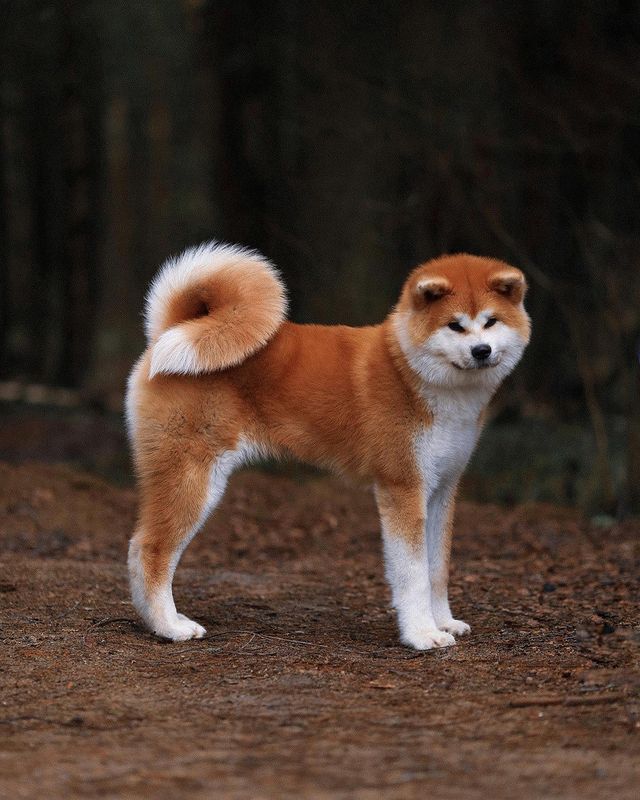
Akita temperament in a nutshell
The Akita temperament is easy to sum up and harder to live with: devoted and calm with its own family, reserved with strangers, and often intolerant of other dogs. Akitas were bred in the mountains of northern Japan to hold bears and boar at bay, and later to guard. That history explains most of what owners deal with today.
- An Akita bonds closely with its household and tends to ignore everyone else.
- It is a natural guardian that watches quietly and steps in when it decides something is wrong, usually without much warning.
- Many Akitas, males in particular, will not share a home with another dog of the same sex.
- Akitas bark little. They do grumble, groan and "talk" to their people, which surprises first-time owners.
- They learn quickly and then decide whether a command is worth obeying.
Akita breed history: from Matagi hunters to Hachiko
The Akita's ancestor is the Matagi Inu, a medium-sized hunting dog kept by the Matagi, traditional hunters of the snowy Tohoku region of northern Honshu. Their dogs tracked and held bears, wild boar and serow until the hunters arrived.
During the Edo period, the lords of Odate Castle in what is now Akita Prefecture encouraged dog fighting among their samurai, and the local dogs grew larger. A fighting craze in the late Meiji era (around 1900) led breeders to cross them with the Tosa and with European mastiff-type dogs to get more size, and the original type nearly vanished.
Japanese fanciers pushed back. The mayor of Odate, Shigeie Izumi, founded the Akita Inu Hozonkai (Society for the Preservation of the Akita Dog) in 1927, and in 1931 the Akita became the first dog breed declared a Japanese natural monument. The name "Akita Inu" dates from that time; before that the dogs were usually called Odate dogs.
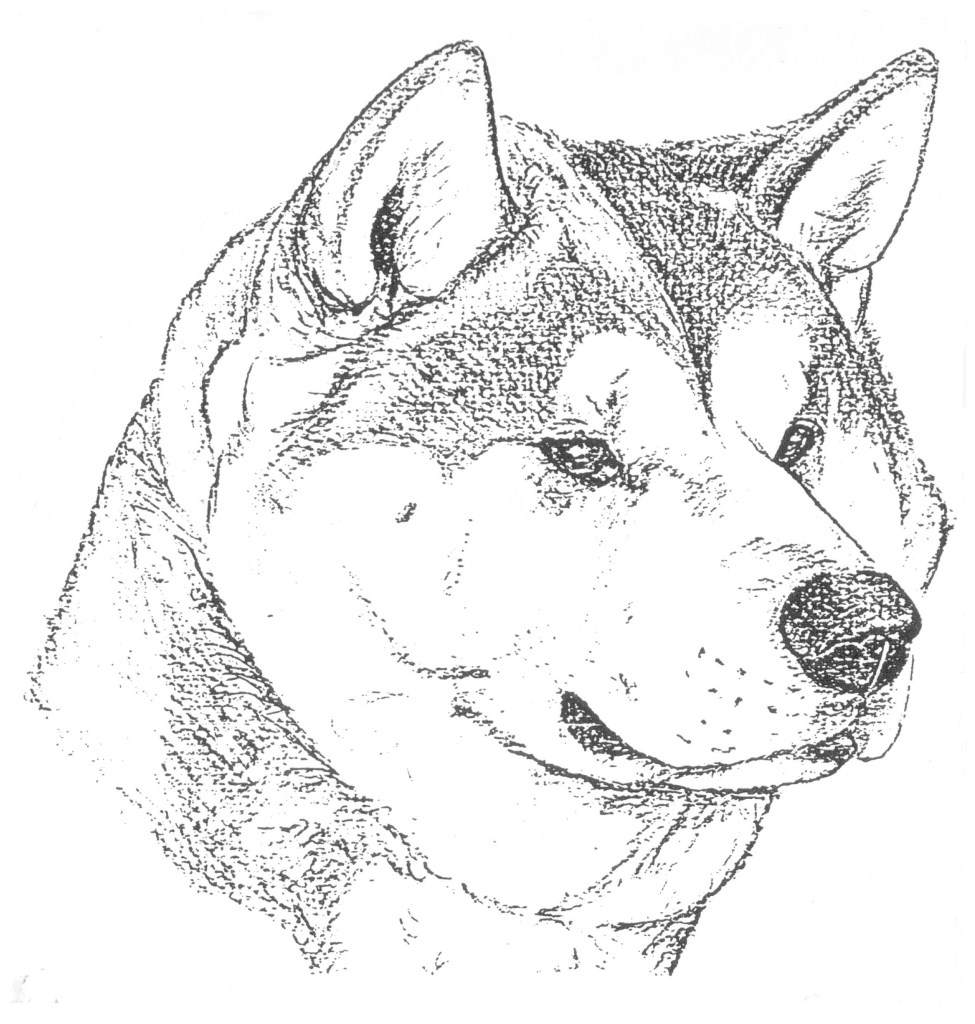
Hachiko, the dog who waited
The breed's most famous dog, Hachiko, was born in 1923 and lived with Professor Hidesaburo Ueno in Tokyo. Every evening he met the professor at Shibuya Station. Ueno died suddenly at work in May 1925, and Hachiko kept going to the station to wait for him for about nine more years, until his own death in 1935. A bronze statue went up at Shibuya in 1934, while he was still alive. It was melted down for metal during the war and replaced in 1948, and it is still a meeting point today. The 2009 film Hachi: A Dog's Tale, with Richard Gere, moved the story to the United States.
The war and the man who saved the breed
World War II almost finished the Akita. Food was scarce, dog pelts were taken for military clothing, and a wartime order called for non-military dogs to be killed. Some owners crossed their Akitas with German Shepherds, which were exempt, or hid them in remote mountain villages. After the war, a small group of breeders led by Morie Sawataishi gathered the surviving dogs and rebuilt the breed, a story told in Martha Sherrill's book Dog Man.
Helen Keller brings the Akita to America
Helen Keller visited Akita Prefecture in 1937, heard Hachiko's story, and was given a puppy named Kamikaze-go, the first Akita known to reach the United States. He died of distemper a few months later, and the Japanese government sent his litter brother, Kenzan-go, to replace him. Larger numbers followed after 1945, when American servicemen brought dogs home from occupied Japan.
American Akita vs Japanese Akita
The dogs American soldiers took home were mostly the big, heavy, mastiff-influenced type that was common in postwar Japan. Meanwhile Japanese breeders worked to bring back the lighter, fox-faced original. For decades the two lines developed apart: the American Kennel Club accepted the Akita into its Working Group in 1972 but did not accept Japanese pedigrees until 1992. Kennel clubs eventually stopped treating them as one breed.
- The FCI (most of Europe and Asia) split them in 1999. The heavier type was first called the "Great Japanese Dog" and renamed the American Akita in 2006, while the Akita standard covers the Japanese type.
- The Kennel Club in the UK also keeps two breeds, the Akita and the Japanese Akita Inu.
- The AKC still calls the American type simply the Akita, and has a separate listing for the Japanese Akitainu.
This page follows the AKC: "Akita" here means the larger American type, which is the one you are most likely to meet in the US. The visible differences:
- Head: the American Akita has a broad, bear-like head and often a black mask; the Japanese Akita has a narrower, fox-like face and no mask.
- Build: American Akitas are heavier-boned. AKC lists males at 100-130 lb and females at 70-100 lb. Japanese Akitas are lighter and slightly shorter (FCI ideal height: 67 cm for males, 61 cm for females).
- Colour: the AKC standard accepts any colour, including white, brindle and pinto. The Japanese standard allows only red fawn, sesame, brindle and white, always with urajiro, the pale shading on the cheeks, chest, belly and inner legs.
Temperament is similar in both: aloof, protective and strong-willed. Some owners find the Japanese type a little more reactive and the American type a little more stolid, but individual dogs vary more than the two types do.
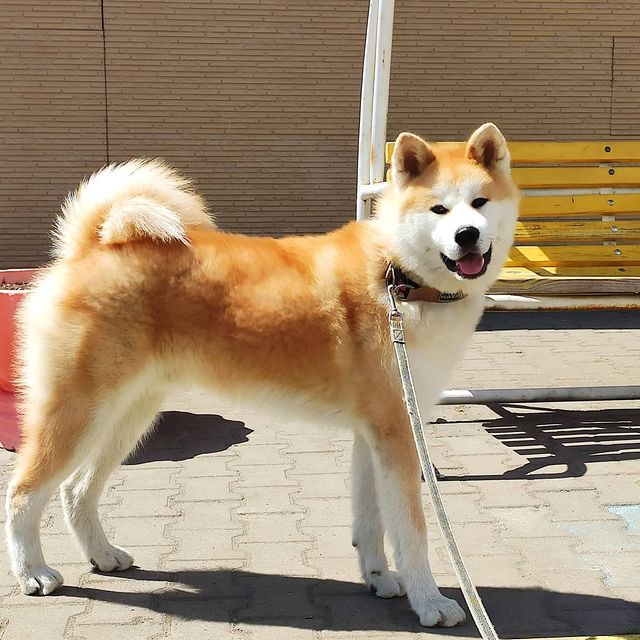
Are Akitas dangerous or aggressive?
An Akita is not aggressive with its own people, and a well-raised one is polite with visitors it has been introduced to. The trouble comes in four places:
- Other dogs. Dog aggression is the most common problem, and early socialisation reduces it but rarely removes it. Plan for a single-dog home or an opposite-sex pair, and skip the dog park.
- Small animals. The hunting drive is real. Cats raised with the dog are often fine; strange cats, rabbits and chickens are prey.
- Off leash. An Akita that decides to chase or confront something will not come back on command. Keep it leashed outside a secure fence, and make sure the fence is at least 6 feet high.
- Children. Akitas can be gentle with their own family's children, but they do not tolerate rough handling and may treat visiting kids' play-fighting as a threat. Supervise every interaction.
Because of its size and guarding instinct, the Akita appears on some insurers' and landlords' restricted-breed lists. Check your homeowner's or renter's policy first.
Training an Akita
Akitas are clever and easily bored. Repetitive drills make them stubborn, and harsh corrections make them resentful, so short sessions, food rewards and a calm, consistent handler work best. Start the day the puppy comes home, at around eight weeks. Puppy classes and meeting lots of people, sounds and places in the first months matter more for this breed than for most.
An Akita is a poor choice for a first-time owner who wants an easygoing companion. It suits someone who has handled a strong, independent dog before and enjoys the training.
Grooming and coat blowing
The Akita's double coat is fairly clean and has little doggy smell. A weekly brush keeps it tidy for most of the year. Twice a year, though, the dog "blows" its undercoat, and for two or three weeks the fur comes out in handfuls. An undercoat rake, a slicker brush and a high-velocity dryer after a bath help get it out faster. A bath every couple of months, or whenever the dog gets dirty, is plenty.
Akitas need a good daily walk and something to think about, but they are not a running breed. Most adults are happy with an hour or so of walking and play, and they cope with heat poorly, so exercise in the cool parts of summer days.
Akita health problems
Akitas usually live 10 to 14 years. A large UK study of insured dogs found an average of 11.4 years. The breed has some well-known inherited problems:
- Hip and elbow dysplasia. Ask for the parents' OFA or PennHIP hip scores. Puppy hips can't be certified before 24 months, so a 6-month vet check won't rule dysplasia out.
- Bloat (gastric dilatation-volvulus). A deep-chested dog's stomach can twist, which kills within hours without surgery. Feed two or three smaller meals, avoid hard exercise for an hour before and after eating, and learn the signs: a swollen belly, retching with nothing coming up, restlessness. Some owners ask their vet about a preventive gastropexy during spay or neuter surgery.
- Eye disease. Progressive retinal atrophy, glaucoma, cataracts and entropion (eyelids that roll inward) all occur. Breeding dogs should have a current eye exam by a veterinary ophthalmologist.
- Autoimmune disorders. These matter more in Akitas than in most breeds: hypothyroidism, sebaceous adenitis (patchy coat loss and scaly skin), pemphigus, and uveodermatologic (VKH-like) syndrome, which inflames the eyes and bleaches the nose and lips.
One quirk your vet should know about: Akita red blood cells carry unusually high potassium, so a delayed or roughly handled blood sample can show a falsely high potassium reading.
Choosing an Akita puppy
- Decide which type you want, American or Japanese, and find a breeder who works with that type. The Akita Club of America keeps a breeder directory.
- Ask to see health results for both parents: hips, elbows, eyes and thyroid at minimum. You can look up OFA results yourself at ofa.org.
- Meet the mother, and the father if possible. Calm, confident parents who accept a stranger after a short introduction are a good sign.
- Ask how the litter has been socialised: household noise, handling, car rides, new people.
- Pick a puppy that is curious and steady. The boldest puppy in the litter is not always the easiest one to live with.
Adult Akitas regularly end up in rescue, often because of problems with other dogs. Breed rescues usually know a dog's history and can match it to your home, so it's worth contacting one before you buy.
Sources
Video about Akita breed
Questions and answers about Akita
No, Akita's typical characteristics indicate that this breed of dog is not good for kids and doesn't make it a family pet. You mustn't leave the kid and dog alone!
The average life expectancy of a Akita is between 10 - 14 years.
If your Akita is pregnant, it is safe to assume that litter can have anywhere from 3 to 12 puppies.
If you purchase Akita from a breeder it can be much more expensive than a shelter. A purebred Akita costs between US$ 800 and US$ 1200 from a reputable breeder, but there are several advantages to doing so. First, a breeder will usually allow you to meet the parents to get a good idea about what the puppy will look like and behave. You will also see if the parents have any health problems. Breeders will also supply you with paperwork that documents your pet’s lineage.
Not very. The Akita is outside the top 50 dog breeds in the USA. It ranked 62nd of 202 breeds in 2025 in the American Kennel Club (AKC) registration statistics. Fell from 45th in 2013 to 62nd in 2025.
No, Akita are not considered hypoallergenic dogs. If you are thinking about getting a Akita and have allergies, it's important to spend time with the breed to see how you react before bringing one into your home. This can help you make an informed decision about whether a Akita is the right pet for you, and if so, what steps you may need to take to manage any allergy symptoms.
- https://www.akc.org
- FCI standard
- Kennel club standard
- Wikipedia https://en.wikipedia.org/wiki/Akita_(dog)
Next and previous breeds by Popularity

Staffordshire Bull Terrier
Popularity: №61

St. Bernard
Popularity: №63