Why Diet and Nutrition Matter for Arctic Breeds
Why should you care about what your Arctic breed eats? Diet is crucial for Arctic dog breeds because their unique physiological traits demand specific nutritional considerations. These breeds have a higher basal metabolic rate, requiring more calories to maintain body heat and energy levels in cold climates.
Arctic breeds, such as Huskies and Malamutes, are built for endurance and strength, often facing extreme cold and high energy expenditure. This environment influences their nutritional needs, making a well-balanced diet essential. Improper diets can lead to obesity and other health issues, with studies indicating a rising trend in weight-related problems among these breeds.
For example, sled dogs require a diet rich in protein and fat to support their active lifestyle. Essential nutrients like omega-3 fatty acids are vital for maintaining joint health and a robust immune system. Understanding their unique dietary needs sets the stage for exploring specific nutritional requirements.
Nutritional Requirements and Feeding Guidelines for Arctic Breeds
Are you feeding your Arctic breed the right way? Understanding the nutritional needs of Arctic breeds like Siberian Huskies and Alaskan Malamutes is crucial for their health. These active dogs often require up to 30% more calories than their sedentary counterparts, particularly during colder months when their energy expenditure increases.
For optimal health, a balanced diet with approximately 30% protein, 20% fat, and the remainder as carbohydrates is recommended. Puppies need more protein for growth, while adults and seniors require adjusted caloric intake based on activity levels. Feeding guidelines for Huskies and other Arctic breeds should consider these life stages to ensure they receive the necessary nutrients.
Next, we’ll delve deeper into the essential nutrients that Arctic breeds specifically need for optimal health.
Essential Nutrients for Arctic Breeds
What nutrients are non-negotiable for your Arctic breed’s health? Key nutrients such as omega-3 fatty acids, protein, and antioxidants are crucial for these breeds. Omega-3s, found in fish oil, support healthy coats and skin, especially important for Huskies prone to skin issues. Lean meats provide necessary protein, while antioxidants boost overall health.
Hydration plays a vital role in nutrient absorption, ensuring dietary fats and other nutrients are effectively utilized by sled dogs. With a clear understanding of essential nutrients, let’s explore effective feeding practices tailored for these breeds.
Recommended Feeding Practices
Establishing a regular feeding schedule is crucial for maintaining a healthy weight in Huskies and other sled dogs. Scheduled feeding, rather than free-feeding, can help reduce anxiety, a common issue in these breeds. Choose high-quality commercial dog food or carefully balanced homemade options to meet their nutritional needs.
Next, we will address common mistakes that dog owners make when feeding their Arctic breeds.
Common Feeding Mistakes to Avoid
Are you unknowingly harming your Arctic breed’s health with common feeding mistakes? Overfeeding, offering inappropriate foods, and neglecting hydration are frequent errors. These can lead to obesity and nutritional deficiencies. Many owners mistakenly believe all dog foods suit Arctic breeds, but some ingredients can worsen health issues. Ensure balanced meals and adequate water intake to avoid these pitfalls.
Now that we know what to avoid, let’s explore the benefits of crafting homemade diets for Arctic breeds.
Crafting Homemade Diets: Tried and Tested Recipes for Arctic Breeds
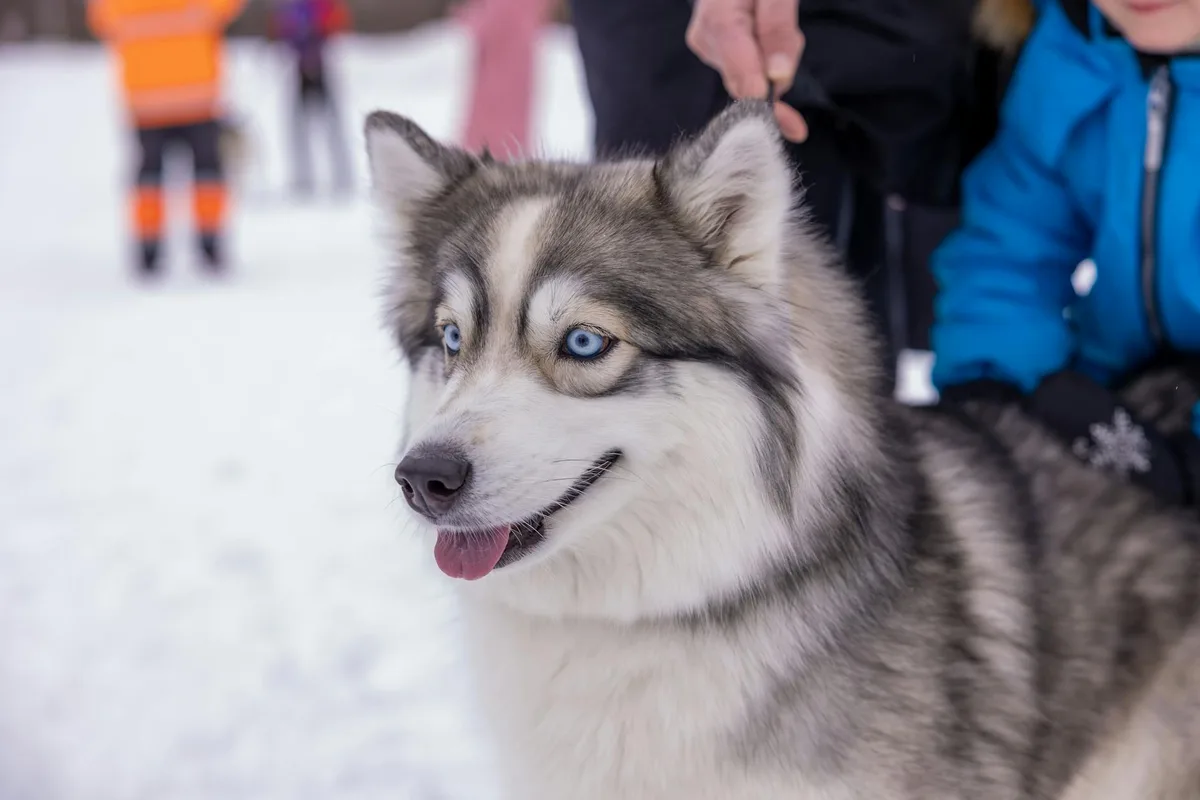
Could homemade meals be the key to your Arctic breed’s health? Homemade diets offer dog owners the advantage of controlling ingredients and nutrition, ensuring that their pets receive the best possible care. This is particularly beneficial for Arctic breeds, such as Huskies, who often suffer from food allergies and sensitivities due to their unique genetic makeup.
By preparing homemade dog food, you can tailor meals to meet the specific nutritional needs of sled dogs and other Arctic breeds. However, it’s crucial to consider safety guidelines, such as balancing nutrients and avoiding harmful ingredients. The benefits of homemade diets for Arctic breeds include improved health and reduced allergy risks.
Next, let’s dive into some popular recipes that are perfect for Arctic breeds.
Benefits of Homemade Diets
What if the secret to your Arctic breed’s vitality lies in your kitchen? Homemade diets offer better ingredient quality and tailored nutrition, enhancing coat health and energy levels. Owners report improved vitality in Huskies after transitioning to homemade meals. Including superfoods like blueberries and pumpkin boosts immune function and digestion, offering significant health benefits of homemade dog food.
For more insights on Arctic breed nutrition, visit American Kennel Club.
Now, let’s explore some popular recipes that are not only nutritious but also delicious for your Arctic breed.
Popular Recipes for Arctic Breeds
Ready to whip up some tail-wagging meals for your Arctic breed? Here are a few recipes tailored for Huskies and other Arctic breeds, focusing on nutritional balance and palatability.
- Fish and Sweet Potato Delight: Combine baked fish with mashed sweet potatoes. Preparation time: 30 minutes. Store in the fridge for up to three days. Substitute fish with chicken for dogs with fish allergies.
- Hearty Beef Stew: Slow-cook beef chunks with carrots and peas. Preparation time: 2 hours. Freeze in portions for easy access. For grain-free diets, omit rice.
- Chicken and Rice Medley: Boil chicken with brown rice and green beans. Preparation time: 45 minutes. Store in airtight containers for freshness. Use quinoa instead of rice for a gluten-free option.
Using ingredients like fish and sweet potatoes can provide a balanced diet that supports the high energy levels of Arctic breeds, particularly during colder months. After exploring these recipes, it’s crucial to understand how to balance nutrients in homemade meals.
Balancing Nutrients in Homemade Meals
Are your homemade meals truly meeting your Arctic breed’s nutritional needs? Balancing macronutrients and micronutrients is essential for Huskies and other Arctic breeds. Ensure meals are nutritionally complete by incorporating a variety of proteins, fats, and carbohydrates, and consider supplements for vitamins and minerals.
Adjust recipes based on your dog’s age, activity level, and health status. Many owners overlook the need for a balanced calcium-to-phosphorus ratio, crucial for bone health in active breeds. Next, we’ll examine how climate and seasonal changes can impact the dietary needs of Arctic breeds.
How Climate and Seasonal Changes Affect Arctic Breeds’ Diets
Is your Arctic breed’s diet keeping up with the changing seasons? Extreme cold significantly impacts the metabolism of Arctic breeds, such as Huskies, requiring a higher caloric intake to maintain body heat. During winter, these breeds may need up to 50% more calories due to increased energy expenditure from activities like sledding.
Seasonal changes also influence food availability and appetite. As temperatures drop, owners should adjust their pets’ diets to ensure sufficient nutrition. For example, incorporating more protein and fat can help sustain energy levels. Monitoring these seasonal diet changes is crucial for maintaining optimal Arctic breed nutrition in winter.
Now, let’s look at how temperature specifically influences appetite and nutrition for Arctic breeds.
Adapting Diets to Seasonal Variations
Are you ready to adapt your Arctic breed’s diet as the seasons change? Seasonal feeding for Huskies and other Arctic breeds requires careful consideration of activity levels and food preferences. During warmer months, many Arctic breeds experience a natural decrease in appetite. Adjust portion sizes and incorporate fresh vegetables to prevent weight gain.
In summer, focus on lighter meals and include seasonal foods like leafy greens and carrots. Monitoring your pet’s weight and health during these transitions is crucial. By making these diet adjustments for Arctic breeds, you can ensure they remain healthy and active year-round.
Next, we will explore how temperature impacts appetite and nutritional needs for these breeds.
Impact of Temperature on Appetite and Nutrition
Is your Arctic breed eating enough when the temperature rises? Extreme temperatures significantly affect appetite and food preferences in Arctic breeds. In warmer weather, these dogs, such as Huskies, may exhibit a decreased appetite, risking nutritional deficiencies. Physiological responses to heat and cold alter their dietary needs, requiring careful monitoring.
To ensure proper hydration and nutrition during temperature extremes, provide fresh water and adjust meal sizes. Consider nutrient-dense foods to compensate for reduced intake. Now, let’s discuss the health benefits of key nutrients and supplements specifically for Arctic breeds.
Health Benefits of Key Nutrients and Supplements for Arctic Breeds
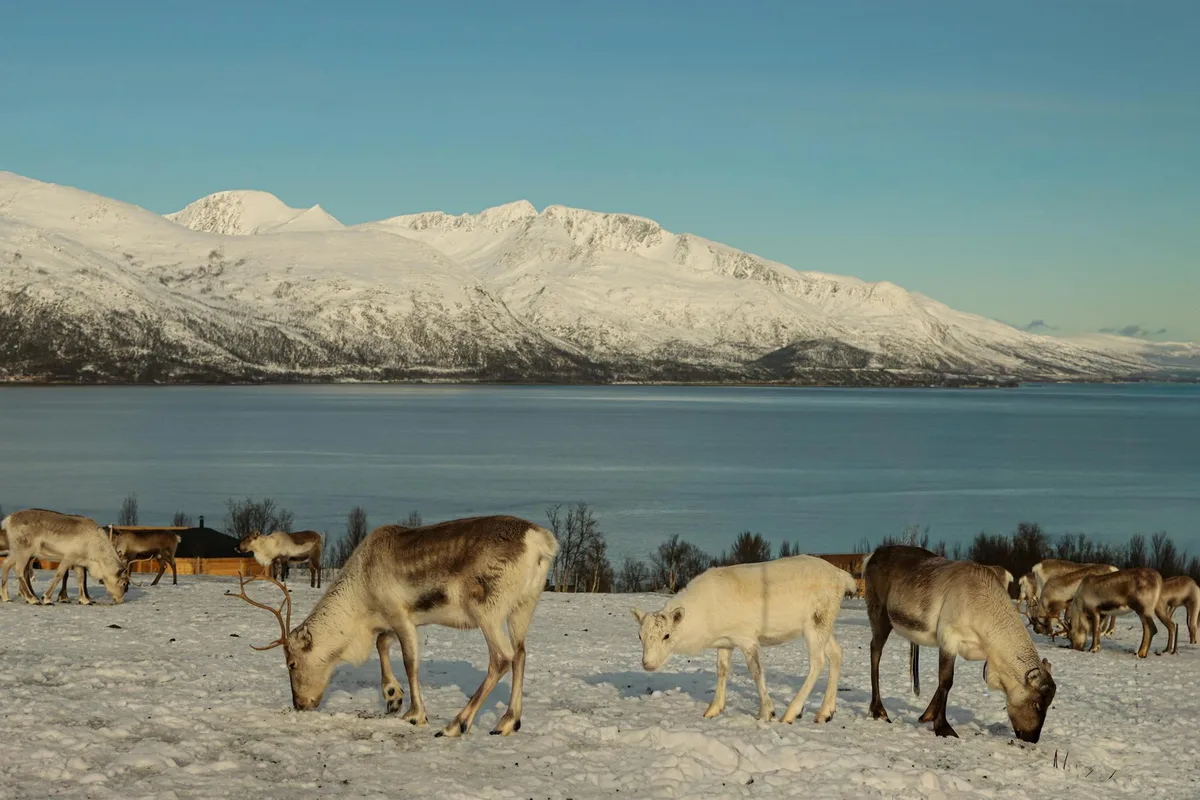
Are you giving your Arctic breed the nutrients they truly need for optimal health? Essential fatty acids, vitamins, and minerals play a vital role in maintaining the overall well-being of these breeds. Omega-3 fatty acids, for instance, are known to enhance coat quality and support joint health, which is crucial for their active lifestyles. Key vitamins for sled dogs, such as vitamin E and B-complex, bolster energy levels and immune function.
Consider nutritional supplements for Huskies that include glucosamine and chondroitin to further support joint health. Zinc and selenium are also important minerals that contribute to a robust immune system. Next, we’ll break down the role of essential fatty acids and when they should be included in the diet.
Essential Fatty Acids and Their Role
Could essential fatty acids be the key to your Arctic breed’s shiny coat? Omega-3 and omega-6 fatty acids play a vital role in maintaining skin and coat health, especially for breeds like Huskies. These nutrients help mitigate the effects of cold weather, a common environmental stressor for Arctic dogs.
Incorporate sources like fish oil and flaxseed into their diet to ensure they receive these essential nutrients. Aim for a balanced ratio of omega-3 to omega-6 to optimize health benefits. The importance of omega-6 for sled dogs cannot be overstated, as it supports overall well-being.
Now, let’s explore the vitamins and minerals that are essential for the health of Arctic breeds.
Vitamins and Minerals for Arctic Breeds
Are your Arctic breed’s meals packed with the vitamins they need? Key nutrients like Vitamin E, calcium, and zinc are crucial for their health. Vitamin E supports the immune system, while calcium and Vitamin D are vital for bone health, especially since many Arctic breeds, such as Huskies, are prone to joint issues.
To ensure adequate intake, include foods rich in these nutrients. For example, fish and eggs provide Vitamin D, while leafy greens and dairy offer calcium. Zinc can be found in meats and whole grains. Meeting the nutritional needs of sled dogs ensures their long-term mobility and health.
Next, we will discuss when it may be necessary to consider dietary supplements for Arctic breeds.
When to Consider Supplements
Is your Arctic breed missing out on essential nutrients due to dietary gaps? Supplements can be crucial during pregnancy, illness, or recovery from surgery. For example, omega-3 supplements for Huskies support joint health, while probiotics aid digestion. Seasonal changes also demand extra nutrients. Always consult a veterinarian before using dog supplements for Arctic breed dietary enhancements.
Now, let’s go over the steps to safely transition Arctic breeds to a new diet.
Steps to Transition Arctic Breeds to a New Diet Safely
Are you worried about changing your Arctic breed’s diet without causing issues? A sudden diet change can lead to gastrointestinal distress in Arctic breeds, which are particularly sensitive to abrupt dietary shifts due to their unique digestive systems. Follow these steps to ensure a safe diet change for Arctic breeds like Huskies:
- Assess Current Diet: Evaluate the nutritional content of your dog’s existing food to understand what nutrients may be lacking.
- Introduce New Food Gradually: Start by mixing 25% of the new food with 75% of the old diet. Gradually increase the new food over 7-10 days.
- Monitor for Signs: Watch for signs of digestive upset, such as diarrhea or vomiting, and adjust the transition speed if needed.
Next, we will discuss how to assess your dog’s current diet before making any changes.
Assessing Your Dog’s Current Diet
Is your Arctic breed’s diet as healthy as it should be? Evaluating your dog’s current diet involves a thorough analysis of ingredient quality and nutritional balance. Many owners overlook the importance of ingredient sourcing; understanding where food comes from can significantly impact the health of Arctic breeds.
- Review ingredient labels for quality and origin.
- Check for a balanced mix of proteins, fats, and carbohydrates.
- Identify any potential deficiencies in vitamins and minerals.
- Consult with a veterinarian for a personalized Husky nutrition assessment.
Now that you know how to assess the current diet, let’s look at techniques for a gradual transition.
Gradual Transition Techniques
Are you ready to make a smooth transition to a healthier diet for your Arctic breed? Gradual diet transition for Huskies and other Arctic breeds can significantly reduce the risk of food aversion. Follow these steps:
- Mix 25% new food with 75% old food on days 1-2.
- Increase to 50% new food on days 3-4.
- Use 75% new food by days 5-6.
- Complete the transition with 100% new food by day 7.
Monitor your dog’s reaction closely during this period. If any digestive issues arise, slow down the transition. Adjust the process based on your dog’s response to ensure a smooth Husky diet change. Finally, let’s discuss how to monitor and adjust the diet after the transition.
Monitoring and Adjusting the Diet
Is your Arctic breed thriving on their new diet, or do you need to make adjustments? Regular monitoring can reveal subtle changes in health that indicate the need for dietary adjustments, which is particularly crucial for active Arctic breeds. Here’s how to effectively monitor and adjust their diet:
- Observe your dog’s behavior and energy levels. Look for signs of improvement or distress after transitioning to a new diet.
- Adjust portion sizes and ingredients based on your Husky’s response. This may involve increasing or decreasing food quantities.
- Schedule regular check-ups with your veterinarian to ensure the new diet meets all nutritional needs.
Next, we will address some frequently asked questions about diet and nutrition for Arctic breeds.
FAQs About Diet and Nutrition for Arctic Breeds
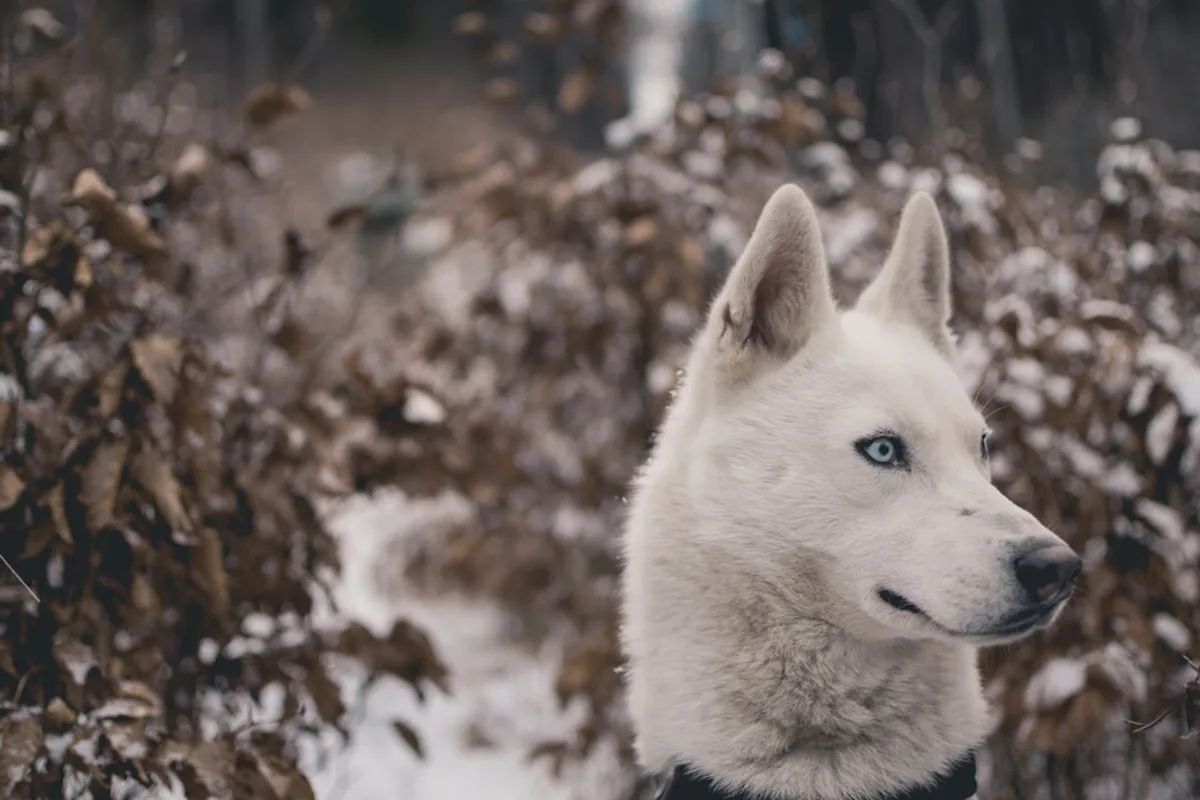
What burning questions do you have about your Arctic breed’s diet? Here are some FAQs about Arctic breed nutrition:
- Do Arctic breeds need a special diet? Yes, their nutritional needs can vary significantly from other breeds. Tailored guidance is essential to meet their energy and health requirements.
- What common diets work for Huskies? High-protein, high-fat diets are often recommended. Consult a veterinarian for personalized advice.
For reliable information on dog nutrition, consider consulting the American Kennel Club or other reputable sources. Let’s dive into some specific questions that many dog owners have about feeding their Arctic breeds.
What are the best protein sources for Arctic breeds?
Are you sure your Arctic breed is getting enough quality protein in their diet? For sled dogs and Huskies, the best protein sources include fish, chicken, and lamb. Fish-based proteins not only provide essential amino acids but also contribute to better skin and coat health, which is vital for Arctic breeds. High-protein diets for Arctic breeds should prioritize quality over quantity to maintain muscle and energy levels. Consider commercial dog foods like those from brands specializing in high-protein formulas. Next, we’ll answer the question of how often Arctic breeds should be fed.
How often should I feed my Arctic breed dog?
Are you feeding your Arctic breed the right number of meals each day? Puppies require three to four meals daily to support their rapid growth. Adult Arctic breeds, such as Huskies, typically thrive on two meals per day, while seniors might benefit from smaller, more frequent meals to aid digestion. Feeding frequency can significantly impact energy levels; active Arctic breeds may benefit from multiple smaller meals throughout the day rather than one or two large meals. Establishing a consistent feeding schedule for Huskies helps maintain their metabolism and energy. Now, let’s address whether Arctic breeds can eat raw diets.
Can Arctic breeds eat raw diets?
Could a raw diet be the secret to your Arctic breed’s health? While raw diets can offer benefits such as improved coat condition and increased energy levels, they require meticulous planning. The raw diet for Huskies and other Arctic breeds must be carefully balanced to meet their unique nutritional needs, which can vary widely.
Proper sourcing and preparation of raw ingredients are crucial to prevent health issues. If considering sled dog raw feeding, introduce changes gradually, ensuring all nutritional requirements are met. Next, we’ll discuss the signs that indicate nutritional deficiencies in Arctic breeds.
What signs indicate nutritional deficiencies?
Is your Arctic breed showing signs that something might be missing from their diet? Common indicators of nutritional deficiencies in Huskies and other Arctic breeds include dull or thinning coats, lethargy, and digestive problems. Behavioral changes, such as increased irritability, can also signal a poor diet. Regular veterinary check-ups are crucial to monitor Husky health indicators and overall nutrition.
- Coat issues: dullness, thinning, or excessive shedding
- Lethargy or decreased energy levels
- Digestive problems: diarrhea or constipation
- Behavioral changes: irritability or mood swings
Adjusting the diet to include more essential nutrients can help address these issues. Finally, let’s explore how to determine if your Arctic breed needs supplements.
How do I know if my Arctic breed needs supplements?
Is your Arctic breed getting everything they need, or could they benefit from a little extra support? Consider their age, health status, and activity level. Older Huskies or those with joint issues might need glucosamine supplements, especially during winter when activity increases. Omega-3 fatty acids can enhance coat health and reduce inflammation. Always consult a veterinarian before starting any supplements to ensure they meet your Husky’s dietary requirements. Many owners overlook the impact of seasonal changes on nutrient needs, making it crucial to assess supplement needs for Huskies regularly.
Now, let’s summarize the key takeaways about diet and nutrition for Arctic breeds.
Key Takeaways About Diet and Nutrition for Arctic Breeds
What have you learned about keeping your Arctic breed healthy through nutrition? Tailoring their diet to meet specific needs is essential for their health and longevity. Arctic breeds, such as Huskies, have unique dietary requirements that differ from other dogs. These breeds thrive on diets rich in protein and fat, essential for maintaining their energy levels and supporting their thick coats.
Key nutrients like omega-3 fatty acids, found in fish oil, and high-quality proteins are vital for their well-being. Seasonal adjustments, such as increased caloric intake during colder months, ensure they remain active and healthy. Feeding practices should be consistent, with portion sizes adjusted according to activity levels and age.
Consulting with a veterinarian is crucial for personalized dietary advice, ensuring your Arctic breed receives the best nutrition possible. Join us in making a difference—consider adopting a dog or volunteering with ADRTC today! By making informed dietary choices, you contribute to the overall health and happiness of these remarkable breeds.
Leave a Reply