
Why Supporting Animal Rescues Is Crucial for Community Well-being
Have you ever considered how animal rescues can transform your community? Supporting animal rescues is essential because it fosters emotional and social benefits, creating a more cohesive and compassionate environment. Communities with active animal rescue programs report a 20% decrease in stray animal populations, leading to safer neighborhoods.
Statistics reveal that increased pet adoption rates significantly alleviate the burden on local shelters, allowing them to focus resources on more animals in need. Towns with robust rescue initiatives often see improved community health and engagement. These animal welfare initiatives not only enhance public safety but also strengthen social bonds.
Understanding these benefits sets the stage for exploring effective support methods.
Effective Ways to Support Animal Shelters and Rescues
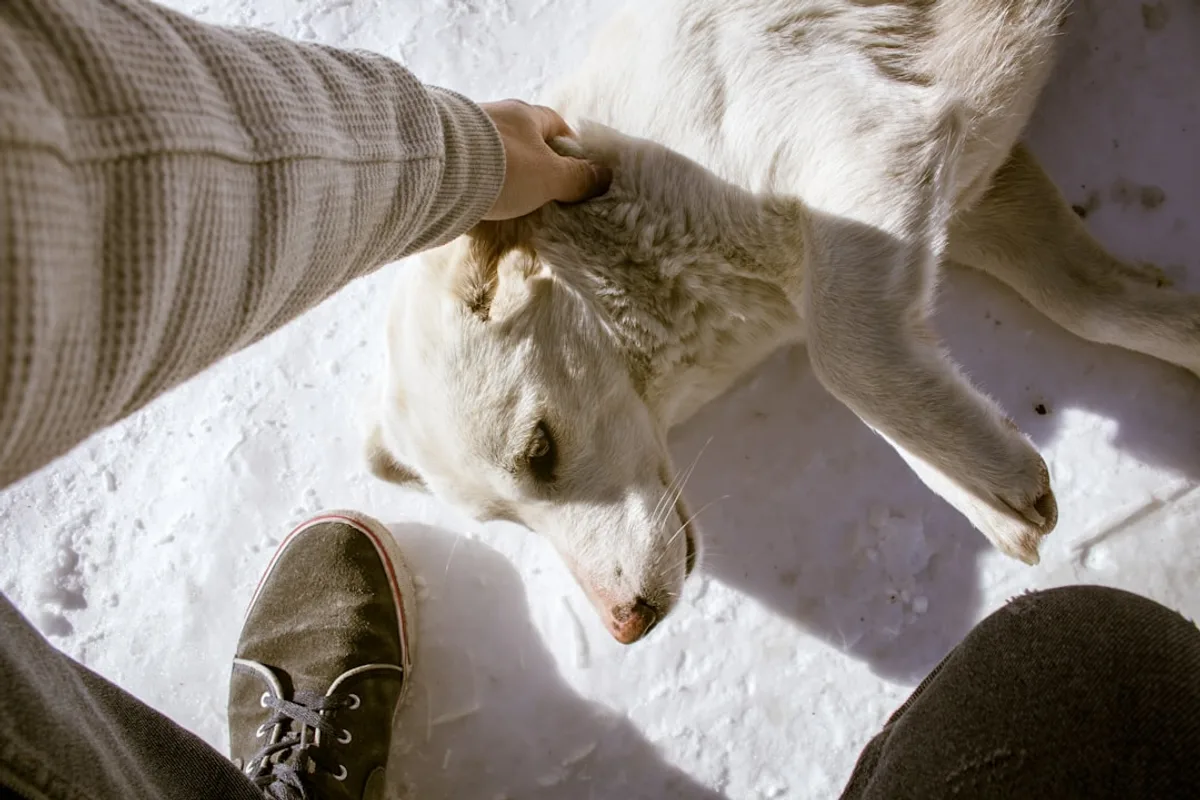
Ready to make a difference? Here are effective ways you can support animal shelters and rescues today! Volunteering your time is invaluable, offering hands-on help with daily operations. Many shelters report that in-kind donations, such as pet food or supplies, can be more impactful than cash, as they directly meet immediate needs.
- Volunteering: Assist with animal care, events, or administrative tasks.
- Donations: Consider one-time or recurring donations; recurring donations provide consistent support.
- Advocacy: Spread awareness through social media or community events.
Even small financial contributions can significantly aid shelter operations, covering essentials like food and medical care. Let’s dive deeper into specific donation methods that can make a significant impact.
Donating Goods and Supplies
Wondering what you can donate to help your local animal shelter? Here’s a list of the most needed items! Essential goods include pet food, bedding, and medical supplies. Shelters often prefer specific brands of pet food due to the dietary needs of the animals, which can enhance their health outcomes.
- Pet Food: Brands like Hill’s Science Diet and Royal Canin are often requested.
- Bedding: Blankets, towels, and pet beds.
- Medical Supplies: Flea treatments, dewormers, and first aid kits.
Donating supplies to animal shelters has made a tangible difference. For instance, a recent donation of specialized food helped a shelter nurse a malnourished puppy back to health. Now that you know what to donate, let’s explore how financial contributions can further support these efforts.
Financial Contributions and Sponsorships
Financial contributions can be a lifeline for animal rescues—here’s how you can help! Consider making one-time donations or setting up monthly sponsorships to provide consistent support. Legacy gifts are another impactful option. Many rescues operate with budgets under $100,000 annually, so every dollar counts.
Donating to animal shelters often comes with tax benefits, making it a win-win situation. Testimonials from shelters frequently highlight how financial support for animal rescues directly enhances their operations, from medical care to shelter improvements.
Adopting or rehoming animals is another powerful way to support rescues, and here’s how you can get involved.
Adopting and Rehoming Animals
Thinking about adding a furry friend to your family? Here’s how adopting from a rescue can change lives! The adoption process typically involves a small fee, an application, and sometimes a home visit. Adopting from animal shelters not only saves lives but also often includes post-adoption training support, reducing behavioral issues.
Families who have adopted rescue animals often share heartwarming stories of how these pets have enriched their lives. Choosing to adopt over purchasing from breeders or pet stores supports animal rescues and ensures a loving home for pets in need.
In addition to adoption, volunteering and fostering are vital ways to provide hands-on support.
Volunteering and Fostering: Hands-On Support for Animal Rescue
Curious about how you can get involved? Here’s what to expect when you become a volunteer at an animal rescue! Volunteers take on diverse roles, from administrative tasks to direct animal care. The time commitment varies, offering flexibility to fit different schedules. Many volunteers report that working with animals can significantly reduce stress and improve mental health, making it a mutually beneficial experience.
Consider the stories of current volunteers who find joy and fulfillment in their roles. Fostering animals is another impactful way to support rescues; let’s explore what that entails.
Becoming a Volunteer: What to Expect
Ready to lend a helping hand? Here’s how to navigate the volunteer application process! To apply to volunteer at animal shelters, you typically need to complete an application form, undergo a background check, and attend training sessions. Volunteers who receive training are 30% more likely to remain engaged and continue volunteering long-term.
Animal rescue volunteer roles vary, from walking dogs to assisting with administrative tasks, each crucial to the shelter’s mission. According to The Humane Society, volunteer retention rates are high, with many expressing satisfaction in making a difference.
Fostering is a vital part of rescue work; let’s discuss what it involves.
The Process of Fostering Animals
Have you ever thought about fostering a pet? Here’s how you can make a difference in their lives! To foster animals from rescue organizations, start by applying through a local shelter. Expect to provide a temporary home and care for the pet. While fostering can be emotionally and logistically challenging, it significantly increases adoption chances, with fostered pets often finding homes 50% faster than those in shelters.
Success stories abound, like Max, a timid dog who blossomed in foster care and quickly found his forever home. Understanding the impact of volunteering and fostering can inspire others to get involved.
Impact of Volunteering and Fostering on Animal Rescues
Ever wondered how your time can change lives? Here’s the profound impact of volunteering and fostering on animal rescues! Volunteers and foster families significantly enhance the capacity and welfare of shelters. Statistics reveal that volunteer efforts annually save thousands of animals. Shelters engaging volunteers report a 40% increase in operational efficiency, enabling them to rescue more animals.
Testimonials from rescues highlight the invaluable difference volunteers make. “Our volunteers are the backbone of our operation,” says one shelter director. The benefits of fostering pets extend beyond capacity, providing animals with loving environments and socialization opportunities. Now, let’s explore how to organize community events that can further support animal shelters.
How to Organize Community Events and Fundraisers for Animal Shelters
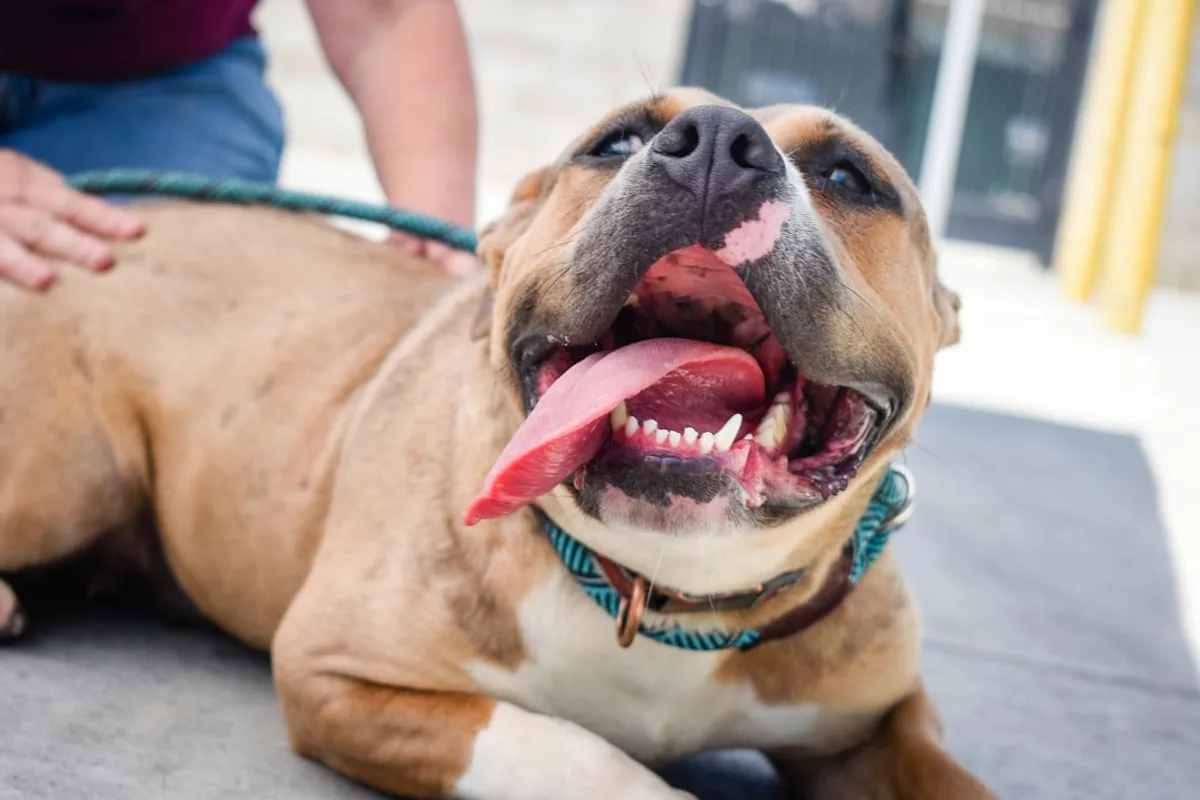
Want to rally your community for a good cause? Here’s how to organize impactful events for animal shelters!
- Set Clear Goals: Determine what you aim to achieve, whether it’s raising funds, increasing awareness, or recruiting volunteers.
- Identify Your Audience: Tailor your event to attract pet lovers and animal advocates.
- Promotional Strategies: Utilize social media outreach and partner with local businesses to spread the word.
- Plan Pet-Friendly Activities: Community events for animal rescues with pet-friendly activities see a 25% higher participation rate.
- Learn from Success: Look at successful fundraising activities like charity walks and adoption fairs organized by other shelters.
Executing these events successfully requires careful planning; let’s dive into the execution phase.
Planning and Promotion Strategies
Ready to make your event a success? Here are planning and promotion strategies that work!
- Set Clear Objectives: Define financial goals and community engagement targets to guide your fundraising efforts.
- Create Effective Promotional Materials: Utilize eye-catching social media posts and flyers to raise awareness.
- Partner with Local Businesses: Collaborate with sponsors to leverage their customer base, potentially boosting fundraising by up to 50%.
Once the event is executed, follow-up is crucial; let’s discuss how to effectively report on your event.
Executing Successful Fundraising Events
Executing a successful fundraising event requires careful planning—here’s how to do it right!
- Plan logistics early, including venue, permits, and equipment.
- Coordinate volunteers for setup, management, and cleanup.
- Engage attendees with interactive elements like pet contests, boosting donations by 30%.
- Choose engaging formats such as auctions, walks, or festivals.
After the event, it’s essential to follow up; let’s explore how to effectively report on your event’s success.
Post-Event Follow-Up and Reporting
The work doesn’t end when the event is over—here’s how to effectively follow up and keep the momentum going!
- Send personalized thank-you notes to participants and sponsors using provided templates. Effective follow-up can increase donor retention rates by 60%.
- Share detailed reports with stakeholders, highlighting the impact of their contributions.
- Post event outcomes on social media to maintain community engagement and support for future animal shelter events.
Now that we’ve covered event organization, let’s look at how social media can amplify rescue advocacy.
Leveraging Social Media for Animal Rescue Advocacy
Want to amplify your impact? Here’s how social media can transform your support for animal rescues! By using social media to promote shelters, you can raise awareness and mobilize community support effectively. Share engaging content like videos and heartwarming stories of rescued animals. Successful campaigns often feature adoptable pets, increasing adoption rates by up to 70% when combined with compelling storytelling. Highlighting these stories can lead to more adoptions and donations. Building an engaging online presence is key; let’s explore how to create that effectively.
Building an Engaging Online Presence
Ready to make your voice heard? Here’s how to build an engaging online presence for animal rescue advocacy! Start by selecting the right platforms—Facebook and Instagram are ideal for visual storytelling. Develop a content calendar to ensure regular posting. Nonprofits that post regularly on social media see a 50% increase in engagement, leading to higher visibility and support.
Consistency and authenticity in your messaging are key. Share heartwarming rescue stories, behind-the-scenes peeks, and success stories. Posts like “Before and After” transformations or “Happy Adoption” photos captivate audiences and boost engagement. Once you have a presence, using campaigns effectively is crucial; let’s discuss that next.
Using Social Media Campaigns to Raise Awareness
Want to make a bigger impact? Here’s how to design effective social media campaigns for animal rescue advocacy! Successful campaigns like #AdoptDontShop have raised awareness and funds by engaging users through compelling stories and visuals. Campaigns featuring user-generated content can boost engagement by 60%, as followers feel more connected to the cause.
Collaborating with influencers or local businesses can also broaden your campaign’s reach. Consider the Save a Paw initiative, which partnered with local pet stores, resulting in a 40% increase in donations. Finally, let’s look at inspiring success stories that illustrate the power of social media in animal rescue.
Success Stories: Social Media Impact on Rescues
Can social media change lives? Here are powerful success stories that prove it can! Through strategic social media campaigns, animal rescues have seen a 40% increase in adoptions for featured pets. Before-and-after photos of rescued animals highlight these transformations, while testimonials from adopters reveal the profound impact of finding pets online.
As we conclude, let’s summarize the key takeaways about supporting animal rescues.
FAQs About Supporting Animal Rescue Efforts

As we wrap up, let’s reflect on the key takeaways that can empower you to support animal rescues! Many people are unaware that 70% of rescue animals are mixed breeds, challenging the stereotype that rescues only have ‘problem’ pets. Get involved through volunteering, donating, or adopting to make a difference in animal welfare.
What Are the Most Needed Items for Animal Shelters?
Animal shelters often require essential items such as pet food, cleaning supplies, and bedding. Donating these can significantly aid their daily operations. Additionally, toys and grooming supplies are always appreciated to enhance the animals’ quality of life. For more detailed lists, you can visit ASPCA to see specific needs and ways to contribute effectively.
How Can I Volunteer If I Have Limited Time?
Even with a busy schedule, you can support animal rescue efforts. Consider micro-volunteering, where small tasks like social media sharing or organizing mini-fundraisers can make a big impact. Additionally, many shelters appreciate help with administrative tasks that can be done remotely. By dedicating just a few minutes a day, you can contribute significantly to helping animals in need.
What Are the Benefits of Fostering Animals?
Fostering animals provides temporary homes for pets in need, reducing overcrowding in shelters. It helps animals adjust to home life, increasing their chances of adoption. As a foster, you gain the joy of companionship and the satisfaction of aiding a creature in need. Additionally, fostering offers a flexible volunteering opportunity, allowing you to support animal rescue efforts without a long-term commitment.
How Do Fundraisers Directly Benefit Animal Rescues?
Fundraisers play a crucial role in supporting animal rescues by providing essential financial resources. These funds help cover veterinary care, food, and shelter maintenance. Additionally, successful fundraisers can raise awareness about the shelter’s mission, attracting more volunteers and potential adopters. By participating in or organizing a fundraiser, individuals can make a significant impact on the lives of animals in need.
- Cover veterinary expenses
- Provide food and supplies
- Enhance shelter facilities
- Increase community awareness
Can Social Media Really Make a Difference in Animal Rescue?
Social media can significantly impact animal rescue efforts by increasing awareness and engagement. By sharing posts about animals in need, users can help shelters reach a wider audience. This can lead to more adoptions and donations. Additionally, platforms like Facebook and Instagram offer volunteering opportunities and ways to support animal shelters through fundraising campaigns and community events.
Key Takeaways About Supporting Animal Rescues
Supporting animal rescues can be achieved through various meaningful actions. Whether it’s donating resources, fostering pets, or spreading awareness, each effort contributes significantly to the welfare of animals in need. Volunteering at local shelters provides hands-on help, while adopting a pet offers a loving home to those without one. Consider the impact of your actions and how they can transform lives.
Join us in making a difference—consider adopting a dog or volunteering with ADRTC today! Your involvement not only aids the animals but also enriches your own life with joy and companionship. Together, we can create a brighter future for countless animals seeking care and compassion.
Leave a Reply