Why Community Dog Events Are Essential for Dog Lovers
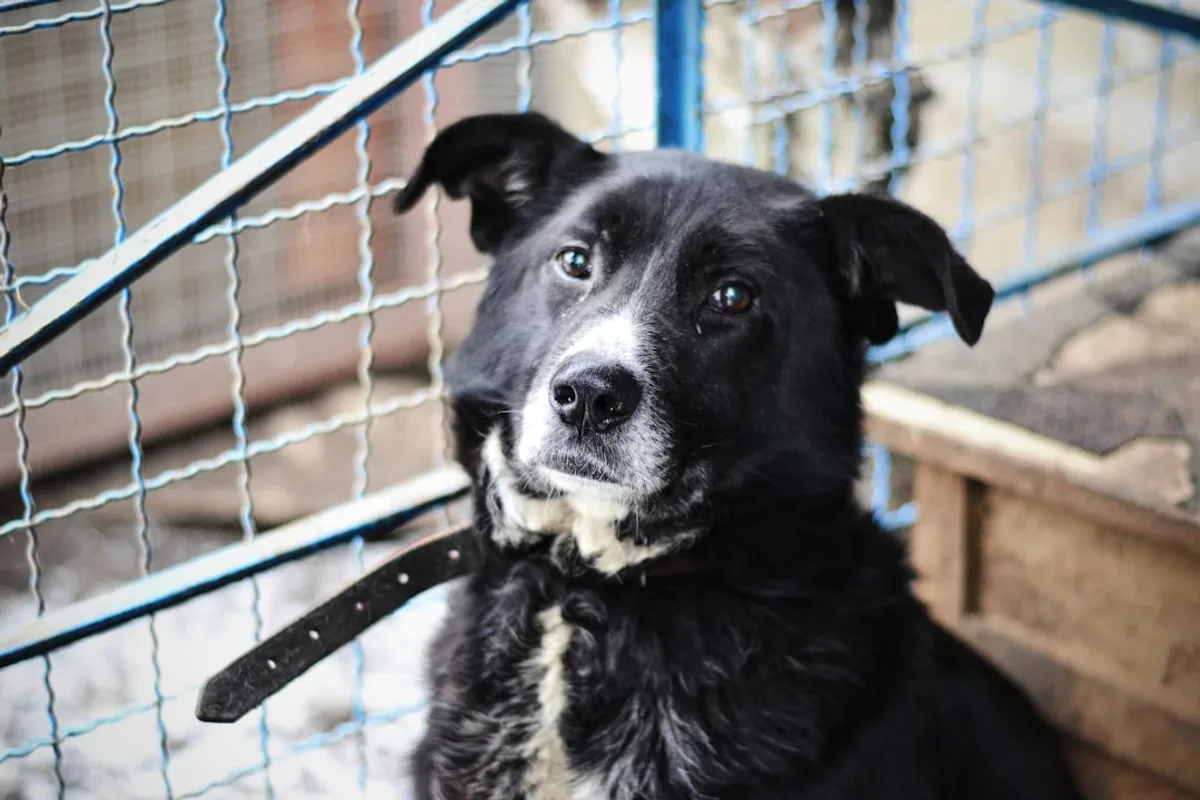
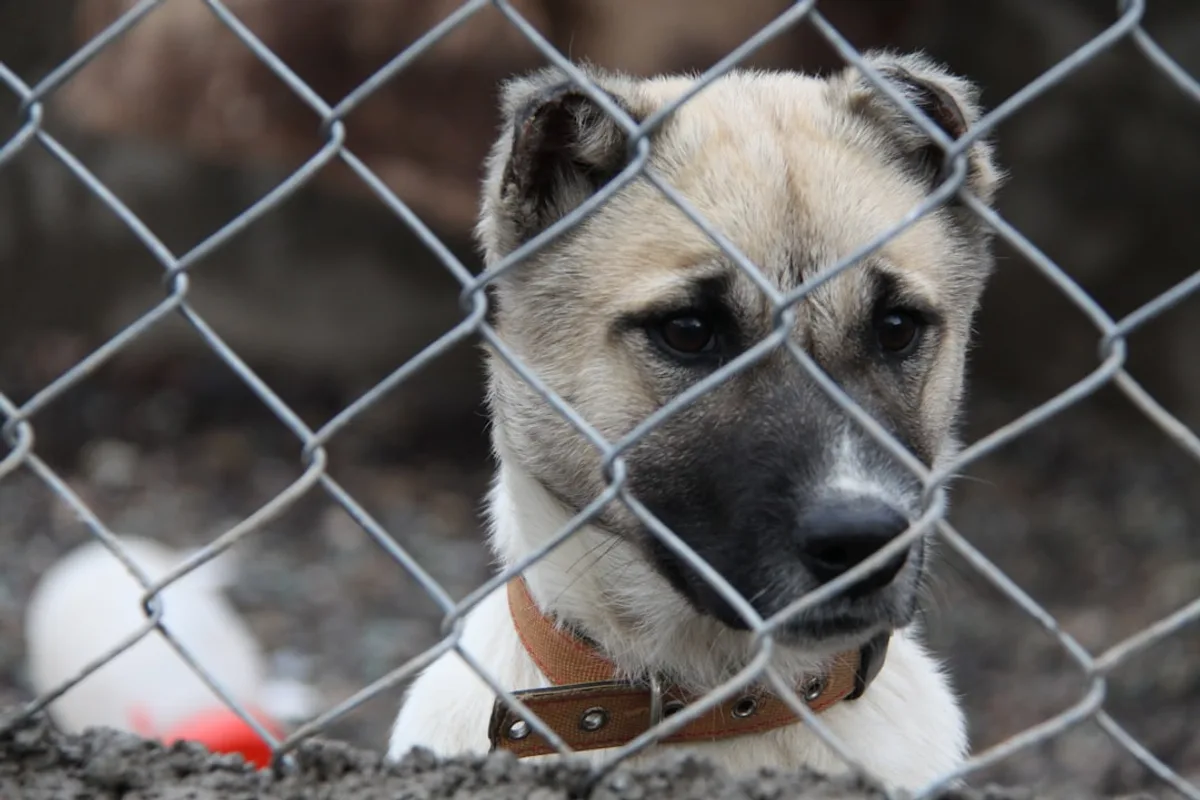
Have you ever wondered how community dog events can transform the lives of dogs and their owners? These events are crucial for fostering connections among dog lovers and enhancing the welfare of dogs. By providing a platform for direct adoptions, they significantly reduce shelter populations and create lasting relationships between potential adopters and dogs.
Community dog events offer emotional and social benefits for both dogs and their owners. With 67% of U.S. households owning a pet, these gatherings serve as vital social events, allowing dog lovers to meet, share experiences, and build friendships. Additionally, local shelters often report increased adoptions during such events, highlighting their importance in promoting dog adoption.
Next, we will explore the various types of community dog events and where they typically take place.
Popular Types and Locations for Community Dog Events
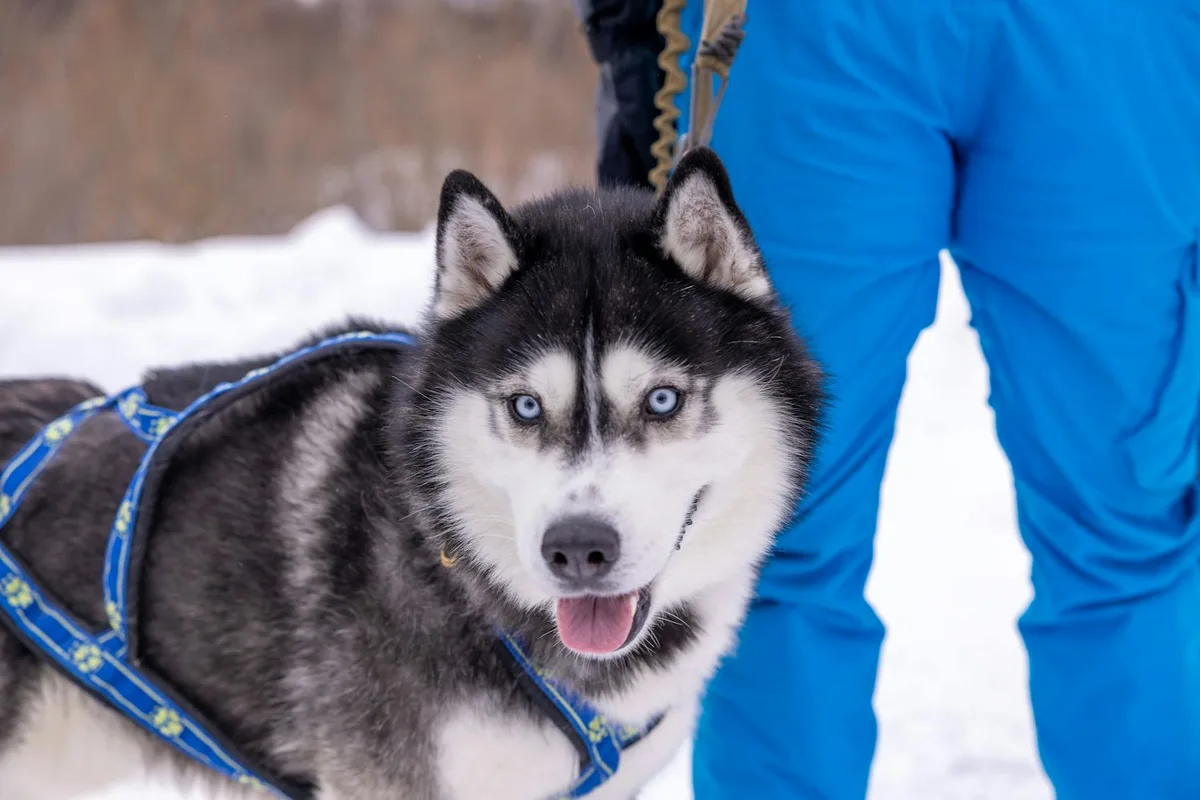
From adoption days to dog parades, community dog events come in many shapes and sizes—each offering unique experiences for dogs and their owners. Popular types of dog events include dog shows, adoption fairs, and breed meetups. These events often take place in local parks, community centers, and pet stores. Many cities host annual dog events that attract thousands, such as ‘Bark in the Park’ and Toronto’s ‘Woofstock’ festival, which showcases local dog-friendly businesses.
Dog-Friendly Parks and Spaces
Looking for the perfect spot to host your next community dog event? Here are some top dog-friendly parks that cater to both pets and their owners. Golden Gate Park in San Francisco and the ‘Bark Park’ in Austin are among the best dog parks for events. These venues offer fenced areas, water stations, and even agility courses, ensuring accessibility and safety for everyone.
Next, we will explore themed dog events and festivals that celebrate our furry friends.
Themed Dog Events and Festivals
Themed dog events are not just fun; they also bring communities together in unique and creative ways—here are some you won’t want to miss! Popular events include Halloween dog parades and dog costume contests, where creativity shines. Festivals like ‘Paws in the Park’ combine engaging activities with community spirit, often raising awareness for causes such as breed rescues and animal welfare.
Moreover, themed dog festivals can double as fundraisers. Events like ‘Bark for Life’ support cancer research through dog walks and engaging activities. These gatherings not only entertain but also foster a sense of community and purpose.
Following that, we will discuss the significance of adoption and charity events in the community.
Adoption and Charity Events
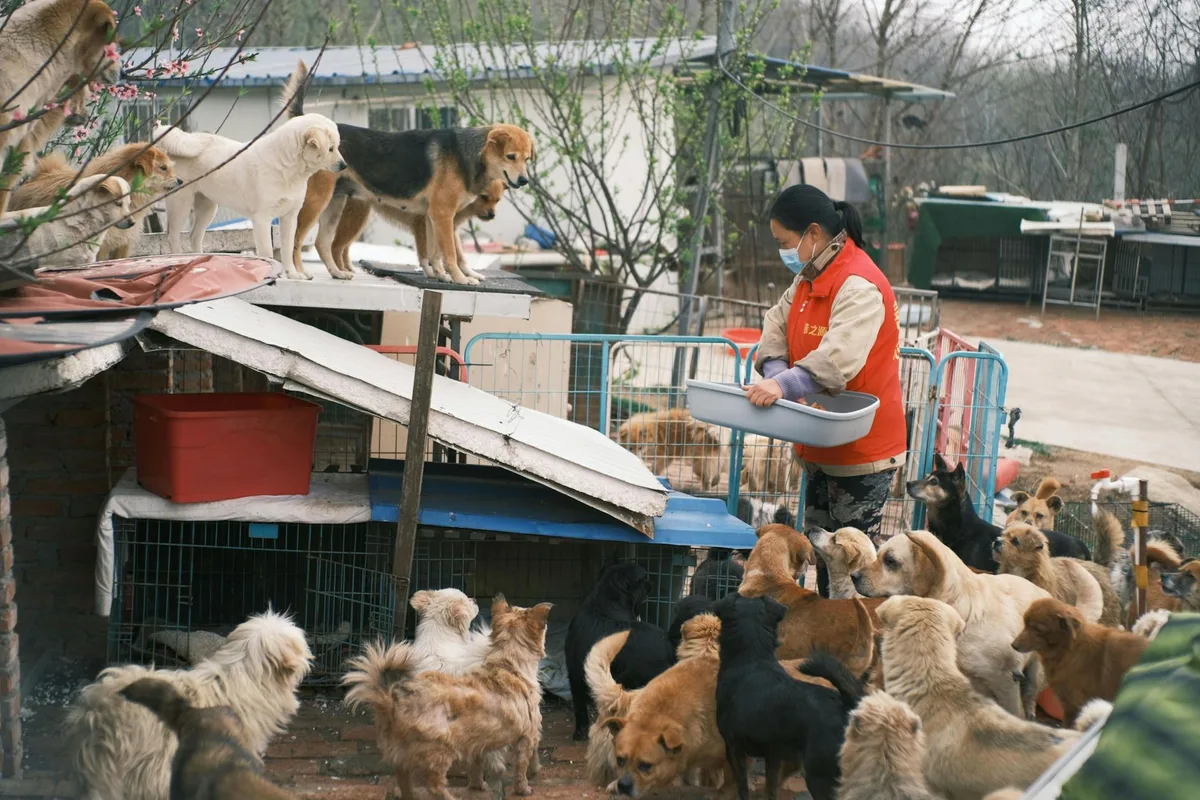
Adoption and charity events are vital lifelines for dogs in need—discover how they change lives and strengthen communities. Dog adoption events connect potential pet owners with dogs, often leading to a 50% increase in adoptions for participating shelters. Successful events have seen high adoption rates, transforming lives and reducing shelter populations.
Charity dog events provide crucial financial support to local shelters and rescue organizations, ensuring they can continue their vital work. These events not only benefit the animals but also foster a sense of community and shared purpose among participants.
Now that we’ve seen the significance of these events, let’s explore how to start and organize your own community dog event.
How to Start and Organize a Community Dog Event
Thinking about organizing a community dog event? Here’s how to turn your passion into a successful gathering for dogs and their owners.
- Set Clear Goals: Define the purpose of your event, whether it’s a dog parade, adoption day, or pet-friendly picnic.
- Identify Your Audience: Determine who you want to attract, such as local dog owners or pet enthusiasts.
- Gather Volunteers: Assemble a team to help with logistics, promotions, and event day activities.
- Start Small: Many successful events began as neighborhood gatherings before growing into annual festivals, highlighting grassroots power.
For inspiration, explore examples of grassroots events on AKC. Next, we will delve into essential planning and preparation tips to ensure your event runs smoothly.
Planning and Preparation Tips
Planning a community dog event requires careful attention to detail—here are essential tips to ensure your event is a success!
- Secure necessary permits and insurance to cover all aspects of the event.
- Establish a budget and explore potential funding sources, such as sponsorships or donations.
- Implement safety protocols, including designated water stations and accessible first aid kits.
Many community dog events fail due to lack of proper planning; having a detailed event organization checklist can significantly increase the chances of success. With planning in place, let’s look at a step-by-step guide to organizing your event.
Step-by-Step Guide to Event Organization
Ready to turn your planning into action? Here’s a step-by-step guide to help you organize a successful community dog event.
- Initial Planning (3-4 months out): Define the event type, set goals, and establish a budget. Recruit a team and assign roles such as logistics, marketing, and volunteer coordination.
- Mid-Planning (2 months out): Secure a venue, confirm vendors, and start promoting the event. Schedule regular team meetings to track progress and address challenges.
- Final Preparations (1 month out): Finalize all logistics, confirm attendance, and prepare contingency plans. Ensure each team member understands their responsibilities for the event day.
- Event Day Management: Arrive early to set up, manage volunteers, and oversee activities. Maintain communication with team members to handle any issues promptly.
A well-structured timeline can reduce stress and enhance collaboration among volunteers, leading to a more enjoyable event for everyone involved. After understanding the organization process, let’s explore how to engage the community and participants effectively.
Engaging the Community and Participants
Engaging your community is key to a successful dog event—here’s how to create an inviting atmosphere that attracts participants and sponsors alike.
- Involve Local Businesses: Partner with local businesses as sponsors. This not only provides financial support but also draws more attendees, enhancing community participation in dog gatherings.
- Create a Welcoming Atmosphere: Ensure the event is enjoyable for both dogs and their owners by offering shaded areas, water stations, and comfortable seating.
- Interactive Activities: Organize activities like dog parades or pet-friendly picnics to foster engagement and make the event memorable.
Next, we will discuss effective promotion and sponsorship strategies to boost your event’s visibility.
Effective Promotion and Sponsorship for Dog Events
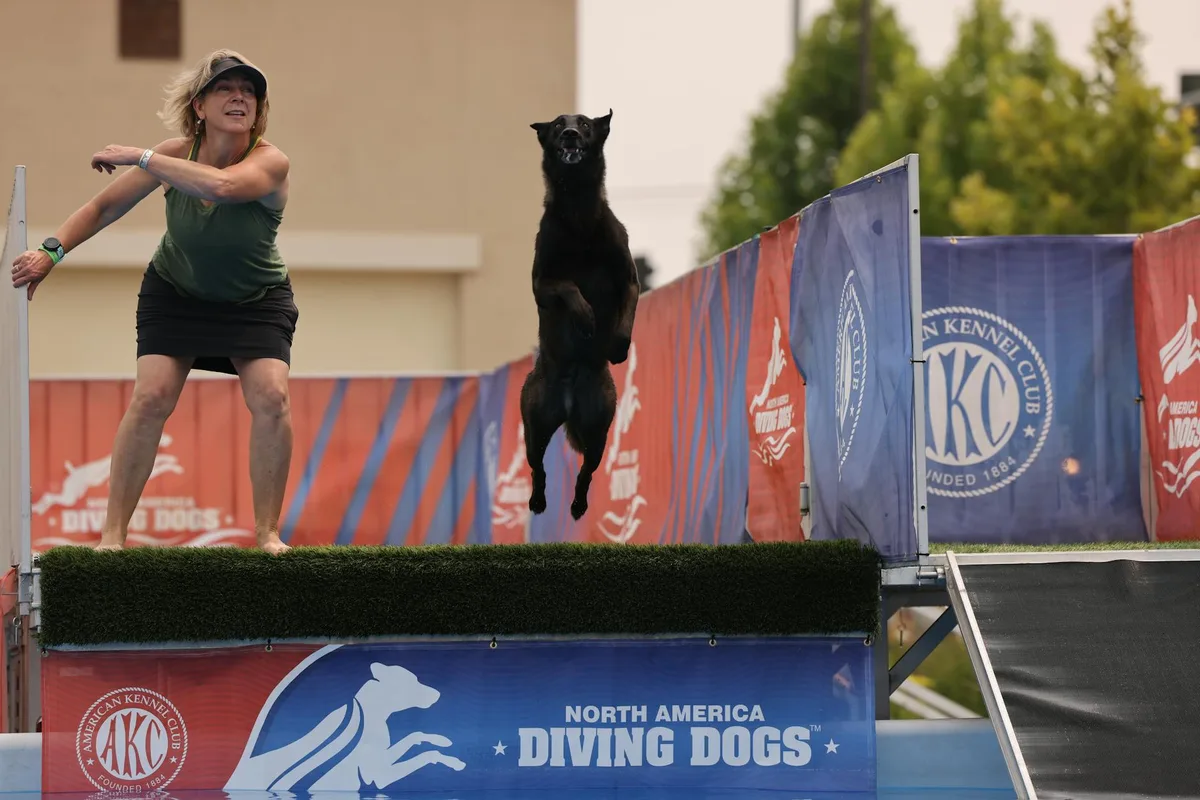
Want to ensure your community dog event is a hit? Here are the best promotional strategies to get the word out and attract a crowd! Promoting community dog events effectively involves leveraging various channels such as social media, local news outlets, and community boards. Creating eye-catching promotional materials and engaging online content is crucial for drawing attention.
Successful dog event marketing strategies often include utilizing Instagram, which can boost attendance by 30%, especially when local influencers are involved. For example, a recent dog parade saw significant turnout after partnering with a popular pet blogger. Once your event is promoted, let’s explore how to secure sponsors and partnerships to support your efforts.
Strategies for Promoting Your Dog Event
Effective promotion can make or break your dog event—discover the strategies that will ensure your gathering gets the attention it deserves! Start by launching a social media campaign with engaging content that resonates with dog lovers. Consider creating a countdown campaign to generate excitement and anticipation. Combine this with local advertising to reach a broader audience. Timing is crucial; begin promotion early to maximize reach and engagement.
With promotion strategies in place, let’s look at how to secure sponsors and partnerships to enhance your event.
Securing Sponsors and Partnerships
Looking to boost your community dog event? Here’s how to secure valuable sponsors that can enhance your gathering and provide essential support. Start by identifying potential sponsors such as pet stores, local businesses, and veterinary clinics. Many local businesses see sponsorship of community events as a way to increase brand loyalty and community goodwill, making them more likely to support your event.
Approach potential sponsors by presenting clear value propositions. Highlight benefits like increased visibility and positive community impact. Tailor your pitch to each sponsor, emphasizing how their involvement can enhance the event and their brand. After securing sponsorships, let’s explore how individuals can participate and volunteer at dog events.
Participating and Volunteering at Dog Events
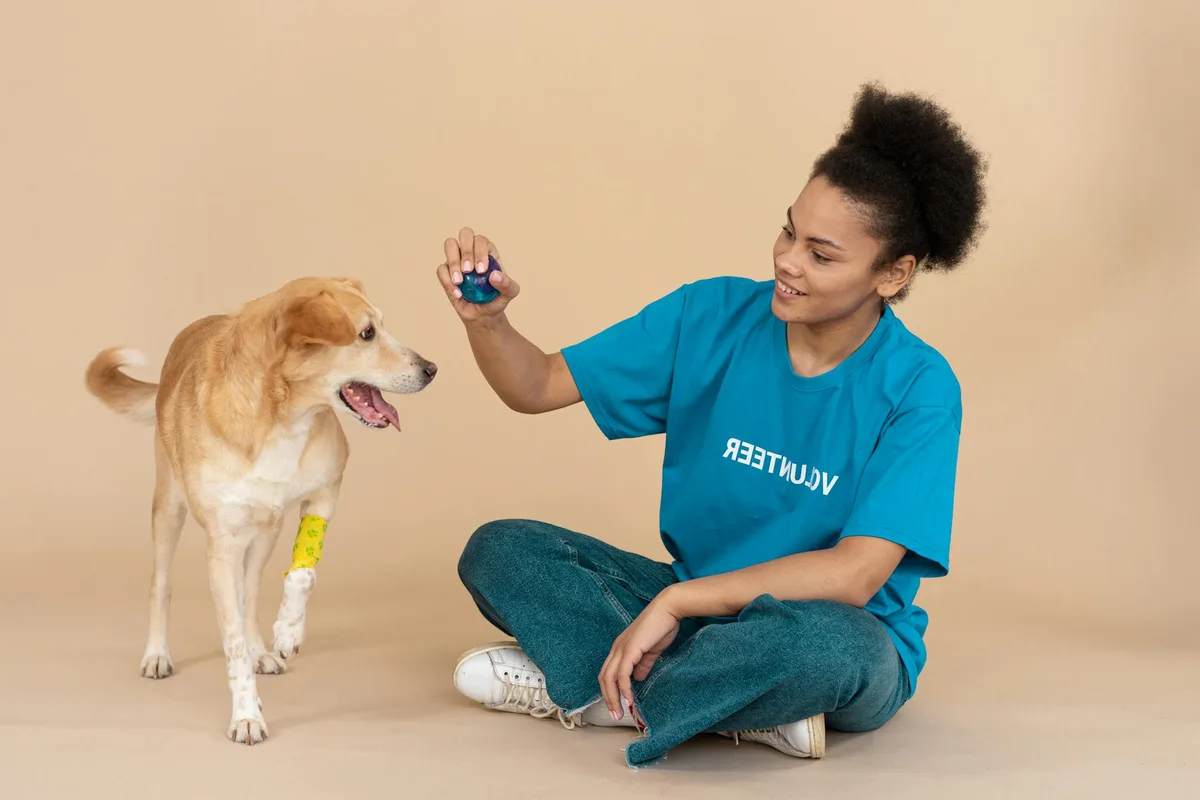
Want to make a difference in your community? Here’s how you can participate and volunteer at local dog events to support animal welfare. From attending adoption days and dog parades to volunteering at pet-friendly picnics, there are numerous ways to get involved. Volunteering at community dog events not only helps the dogs but also provides volunteers with networking opportunities within the animal welfare community.
Volunteers can take on roles such as event setup, managing information booths, or assisting with dog handling. These roles are crucial for the smooth running of events and offer a fulfilling way to contribute.
Next, we will discuss the impact of volunteering at dog events and how it benefits both dogs and volunteers.
Ways to Get Involved and Participate
Volunteering at dog events isn’t just good for the dogs; it can also be a transformative experience for you—here’s how! By volunteering, you develop valuable skills and forge strong community connections. Volunteers often report increased happiness and fulfillment from their experiences, with many stating it improves their mental health and sense of community.
For the dogs, these events offer increased socialization and adoption opportunities. One volunteer shared, “Seeing a dog find its forever home is incredibly rewarding.” Finally, let’s look at how to sign up as a volunteer and get involved in community dog events.
Impact of Volunteering at Dog Events
Ready to make a difference? Here’s how you can easily sign up to volunteer at community dog events and help our furry friends! Begin by visiting websites like VolunteerMatch or Petfinder to explore dog event volunteer opportunities. These platforms offer a simple volunteer registration for dog gatherings.
Commitment and reliability are crucial in these roles. Many organizations, such as the ASPCA, provide training sessions to enhance your skills, preparing you for various tasks during events. Now, let’s discuss crucial safety tips to ensure a successful and safe experience for everyone involved.
How to Sign Up as a Volunteer
Safety is paramount at community dog events—here are essential tips to keep our furry friends safe and happy during gatherings.
- Ensure all dogs have up-to-date vaccinations and adhere to leash policies to prevent incidents.
- Provide ample shade and water stations to ensure comfort for dogs at gatherings.
- Implement emergency protocols, including having a dedicated first aid team on-site to reduce response times.
Next, we will explore how to manage crowds and dog interactions effectively.
Safety Tips for a Successful Dog Event Experience
Managing crowds and dog interactions is crucial for a successful event—here’s how to create a harmonious environment for all. Designate specific areas for different activities, such as play zones and rest areas, with clear signage to guide attendees. This helps in effective crowd control at dog events and ensures smooth flow.
Facilitate positive dog interactions by implementing a ‘quiet zone’ for anxious dogs, reducing stress for both dogs and owners. Ensure trained staff or volunteers are present to monitor interactions and assist with dog behavior management during gatherings.
Finally, let’s discuss emergency preparedness and first aid protocols for dog events.
Ensuring Dog Safety and Comfort
Being prepared for emergencies at dog events can save lives—here’s what you need to know to ensure a safe experience for everyone involved. Essential first aid supplies, such as bandages and antiseptics, should always be on hand. Many dog events lack adequate first aid resources, but having a certified veterinary technician on-site can greatly enhance safety and response capabilities.
Trained personnel are crucial for handling emergencies efficiently. An emergency action plan should cover various scenarios, including injuries and health issues. This plan ensures that everyone knows their role in maintaining event safety protocols for dogs. As we wrap up, let’s summarize the key takeaways about community dog events.
Managing Crowds and Dog Interactions
Community dog events are more than just fun; they’re vital for fostering connections and supporting animal welfare—here’s a recap of what we’ve learned! These gatherings promote socialization for dogs and foster a sense of belonging among pet owners, strengthening community ties. Effective planning ensures safety and engagement, making these events beneficial for both dogs and their owners.
By participating in local dog events, you support animal welfare initiatives and contribute to a vibrant community. Whether it’s an adoption day, a dog parade, or a pet-friendly picnic, these events are key to building a connected community. Get involved and experience the joy and camaraderie that these gatherings offer!
Emergency Preparedness and First Aid
Ensuring safety at community dog events like adoption days or pet-friendly picnics is crucial. Organizers should have a first aid kit ready, including bandages, antiseptic wipes, and tick removers. Designate a team member to handle emergencies and know the nearest veterinary clinic’s location. Quick response can prevent minor injuries from escalating, ensuring a safe and enjoyable experience for all attendees.
Key Takeaways About Community Dog Events
Community dog events, such as adoption days, dog parades, and pet-friendly picnics, offer valuable opportunities for both dogs and their owners. These events foster socialization, provide exercise, and strengthen the bond between pets and their humans. Organizing such events involves collaboration with local shelters, securing a suitable venue, and promoting the event to attract participants.
Attending these events benefits dogs by enhancing their social skills and exposing them to diverse environments. For owners, it’s a chance to connect with other pet enthusiasts and learn more about responsible pet care. Join us in making a difference—consider adopting a dog or volunteering with ADRTC today! Together, we can create a supportive community for our furry friends.