
Why Volunteering for Dog Rescue is Essential
Have you ever wondered how dedicated individuals can change the fate of countless dogs in need? Volunteering for dog rescue is crucial as it directly addresses the increasing number of dogs in shelters. Volunteers play a pivotal role in reducing overcrowding and improving the overall welfare of these animals.
Statistics reveal that volunteering can lead to a 20% increase in life satisfaction for individuals while significantly reducing euthanasia rates in shelters. Organizations like the ASPCA and Best Friends Animal Society rely heavily on volunteers to save lives and provide care. These efforts not only benefit the dogs but also enhance the mental health of the volunteers.
Understanding the essential roles volunteers play can inspire more people to join these efforts.
Roles and Responsibilities in Dog Rescue Volunteering
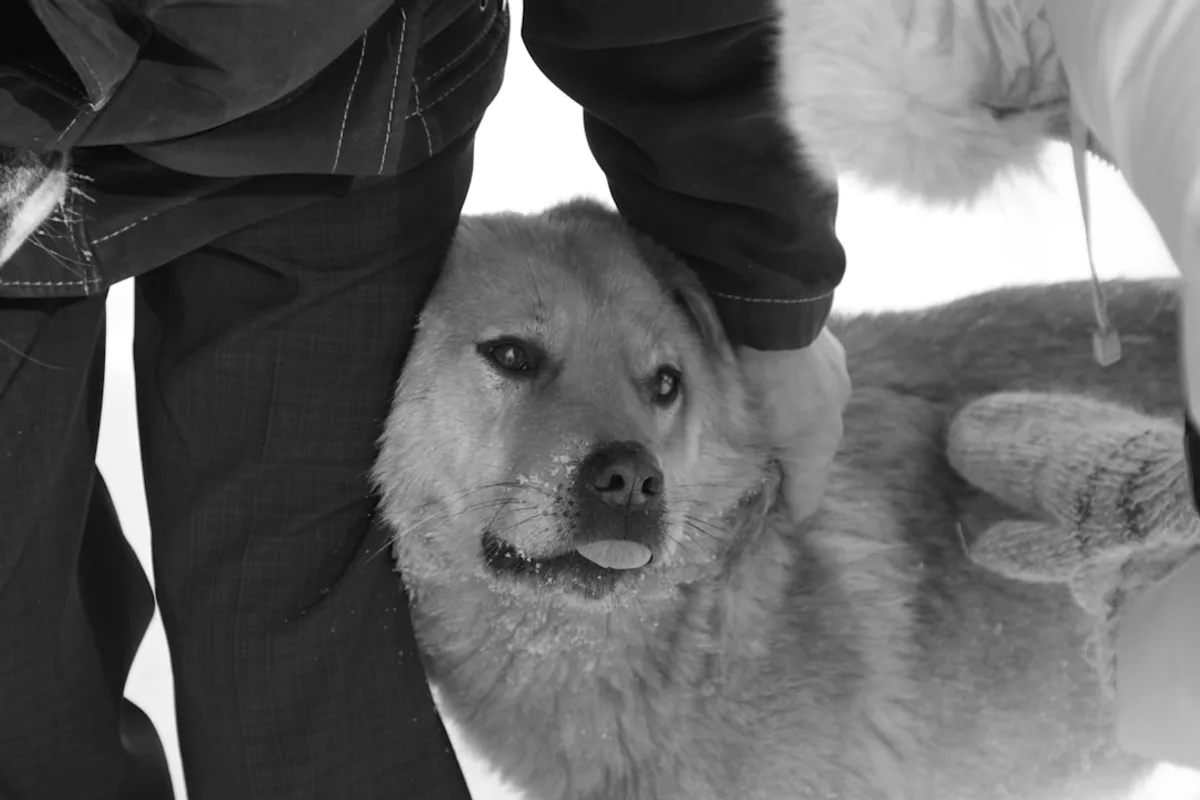
Every dog rescue organization relies on a variety of roles to function effectively—what role could you play? Dog rescue volunteer roles include fostering, dog walking, event planning, and administrative support. Fostering dogs for rescue organizations not only saves lives but also prepares them for adoption, increasing the chances of a successful match. For instance, Jane, a dedicated volunteer, found joy in organizing fundraising events, while Tom enjoyed the rewarding experience of walking dogs. Each role is crucial, contributing uniquely to the mission of rescuing and rehoming dogs.
Let’s delve deeper into the specific tasks that volunteers undertake on a daily basis.
Key Volunteer Roles in Dog Rescue
From fostering to fundraising, each volunteer role plays a vital part in the success of dog rescue efforts—are you ready to find your fit? Key roles in dog rescue volunteering include:
- Foster Caregiver: Provides temporary homes, helping dogs transition from shelter life to a home environment, enhancing their adoptability.
- Dog Walker: Ensures dogs receive regular exercise and socialization, crucial for their well-being.
- Event Coordinator: Organizes fundraising and adoption events, requiring strong organizational skills.
- Administrative Assistant: Supports rescue operations with tasks like data entry and communication.
Volunteers often share that fostering is the most impactful role, offering a unique chance to change a dog’s life. Now that we know the roles, let’s explore the daily tasks and duties that come with volunteering.
Daily Tasks and Duties of Volunteers
Curious about what a day in the life of a dog rescue volunteer looks like? Daily tasks for dog rescue volunteers include feeding, walking dogs, cleaning kennels, and conducting home visits for fosters. Time commitments vary by role and organization. Many volunteers report that walking a dog significantly improves its behavior and socialization.
Understanding the skills needed can help potential volunteers assess their fit for these rewarding roles.
Skills and Qualities Needed for Dog Rescue Volunteering
Do you have what it takes to make a difference in the lives of rescue dogs? Essential skills for dog rescue volunteering include compassion, patience, and basic dog handling knowledge. Effective animal shelter volunteers also demonstrate strong teamwork and communication abilities. Many successful volunteers come from diverse backgrounds, proving that passion and commitment often outweigh formal experience in animal care.
Training for dog rescue volunteers is often available, allowing individuals to develop necessary skills and enhance their effectiveness. Next, we’ll explore the broader impact that volunteers have on their communities and the animals they serve.
The Community Impact of Volunteering at Dog Shelters
What if we told you that a few dedicated individuals could transform an entire community’s approach to animal welfare? Volunteers play a crucial role in alleviating shelter overcrowding and boosting adoption rates. In fact, communities with active dog rescue volunteers report a 30% increase in adoption rates compared to those without volunteer involvement.
Volunteers also organize community events that raise awareness and support for dog rescue efforts. These events not only educate the public but also foster a sense of community involvement. According to ASPCA, volunteer contributions to animal welfare have led to significant positive outcomes, including increased adoptions and better care for shelter animals.
Let’s take a closer look at how volunteers specifically help reduce shelter overcrowding.
How Volunteers Help Reduce Shelter Overcrowding
Did you know that one foster home can make a difference for dozens of dogs in need? By fostering dogs, volunteers help reduce shelter overcrowding significantly. Each foster placement frees up space, allowing shelters to rescue more animals. Statistics show that overcrowding is a major issue, with shelters often operating at or above capacity.
Volunteers and dog adoption efforts have led to countless success stories. Many dogs have found loving homes thanks to dedicated individuals who open their homes to foster. Fostering a single dog can free up space for multiple rescues, as each foster home can accommodate one or more dogs in need.
In addition to saving lives, volunteers also play a crucial role in building a supportive community.
Building a Supportive Community for Dogs and Humans
What happens when passionate volunteers come together to support dogs and their new families? They create robust networks of community support in dog rescue. Through volunteer initiatives for dog owners, such as organizing community-building events, these dedicated individuals foster connections that benefit both dogs and their adoptive families.
Volunteer-led events often result in partnerships with local businesses, enhancing resources available for dog owners and rescues alike. Families frequently share testimonials about the invaluable support they received, highlighting how volunteers helped them integrate their new pets into their homes.
Let’s explore some heartwarming success stories that highlight the positive outcomes of volunteer efforts.
Success Stories: Positive Outcomes from Volunteer Efforts
Every dog has a story—let’s celebrate the incredible transformations made possible by dedicated volunteers! Dog rescue success stories abound, with many volunteers witnessing the heartwarming journey of dogs going from abandoned to beloved pets. These transformation stories from dog shelters showcase the profound impact of volunteering on dog adoption.
Volunteers often share before-and-after photos, illustrating the remarkable changes in these animals. The emotional rewards for those involved are immense, as many report that seeing a dog’s transformation is among the most fulfilling experiences of their lives.
Now that we’ve seen the impact of volunteering, let’s discuss how to find and apply for local dog rescue opportunities.
Finding and Applying for Local Dog Rescue Volunteer Opportunities
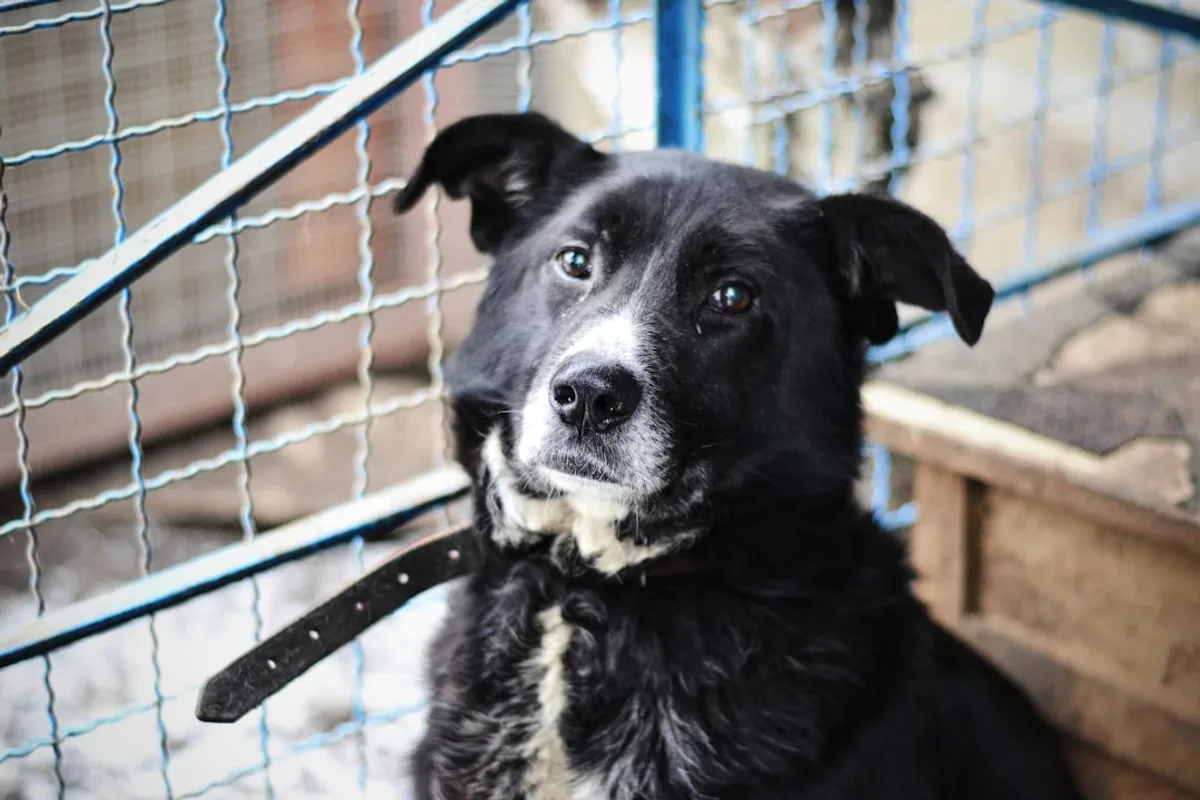
Ready to make a difference? Finding the right dog rescue organization is your first step! Here’s how you can locate volunteer opportunities for dog lovers in your area:
- Search Online: Use platforms like VolunteerMatch or Petfinder to find local dog rescue organizations.
- Check Social Media: Many local rescues operate on social media platforms, making them more accessible for volunteers looking to get involved quickly.
- Visit Community Boards: Libraries and community centers often have bulletin boards with postings from animal rescue groups.
- Research Organizations: Investigate their missions and activities to ensure they align with your skills and interests. For example, some focus on fostering while others emphasize adoption events.
Once you’ve identified a potential organization, understanding the application process is crucial.
Researching Dog Rescue Organizations Near You
With so many organizations out there, how do you find the right one to volunteer with? Start by researching dog rescue organizations using online platforms like Petfinder and local shelters. Many volunteers find their perfect match through word-of-mouth referrals from friends or local pet communities.
- Use online platforms such as Petfinder to locate volunteer opportunities near me.
- Visit local animal shelters and inquire about their volunteer programs.
- Check online reviews and volunteer experiences to evaluate animal shelters for volunteering.
- Network within local pet communities for recommendations.
Understanding the application process will help you prepare for your journey into dog rescue.
Application Process for Dog Rescue Volunteering
Nervous about applying to volunteer? Understanding the process can make it a breeze! Here’s a typical dog rescue volunteer application process:
- Submit an Application: Fill out forms detailing your experience and availability.
- Interview: Participate in an interview to discuss your passion and skills.
- Background Check: Complete necessary background checks to ensure safety.
Be honest about your experience and availability. Many organizations appreciate volunteers who can commit to a long-term role, benefiting both the dogs and the organization. Craft a compelling application by highlighting your dedication and love for animals.
Once accepted, preparing for your first day will set the tone for your volunteer experience.
Preparing for Your First Day as a Volunteer
Your first day volunteering can set the stage for an incredible journey—are you ready to make a great impression? Preparing for your first day as a volunteer involves more than just enthusiasm. Here are some first day tips for dog rescue volunteers:
- Wear comfortable, durable clothing suitable for outdoor activities.
- Bring necessary paperwork, such as identification and completed forms.
- Pack supplies like water, snacks, and a notepad for taking notes.
- Arrive early to familiarize yourself with the facility and meet the team.
- Be open to learning from experienced volunteers and staff.
- Engage positively with staff and other volunteers to build rapport.
New volunteers often underestimate the importance of first impressions; a positive attitude and willingness to learn can significantly enhance their experience. While volunteering is rewarding, it’s important to acknowledge the challenges that may arise.
Challenges and Emotional Aspects of Dog Rescue Volunteering
Volunteering can be incredibly rewarding, but it also comes with its share of challenges—are you prepared to face them? Common challenges of dog rescue volunteering include emotional stress, time management, and handling difficult situations. Many volunteers find that sharing their experiences with fellow volunteers helps alleviate stress and fosters a supportive environment. For instance, Jane, a seasoned volunteer, shares, “Talking to others who understand the emotional aspects of volunteering has been invaluable.” Understanding how to manage emotional attachment is crucial for long-term volunteer success.
Common Challenges Faced by Volunteers
Every volunteer faces challenges—what can you do to turn these obstacles into opportunities for growth? Dealing with euthanasia, managing time effectively, and encountering difficult dogs are common hurdles. Statistics reveal high turnover rates, highlighting the emotional toll of volunteering. Establishing boundaries with emotional attachments can lead to a more sustainable experience.
To navigate these challenges, consider the following solutions:
- Seek support groups for emotional resilience.
- Utilize time management tools to balance commitments.
- Engage in training sessions for handling challenging dogs.
Managing emotional attachment is vital for maintaining a healthy volunteer experience.
Managing Emotional Attachment and Compassion Fatigue
How do you protect your heart while giving so much of it to animals in need? Managing compassion fatigue in volunteering is crucial. Emotional management for dog rescue volunteers involves recognizing the signs of compassion fatigue, such as burnout and emotional exhaustion. Many volunteers find that engaging in regular self-care activities, like exercise or hobbies, can significantly reduce these feelings.
Peer support is another effective strategy. Sharing experiences with fellow volunteers can provide comfort and understanding. Additionally, resources for mental health support tailored to animal welfare workers are invaluable. These may include counseling services or support groups specifically for those in the field.
Now, let’s address some frequently asked questions about volunteering in dog rescue.
FAQs About Volunteering in Dog Rescue
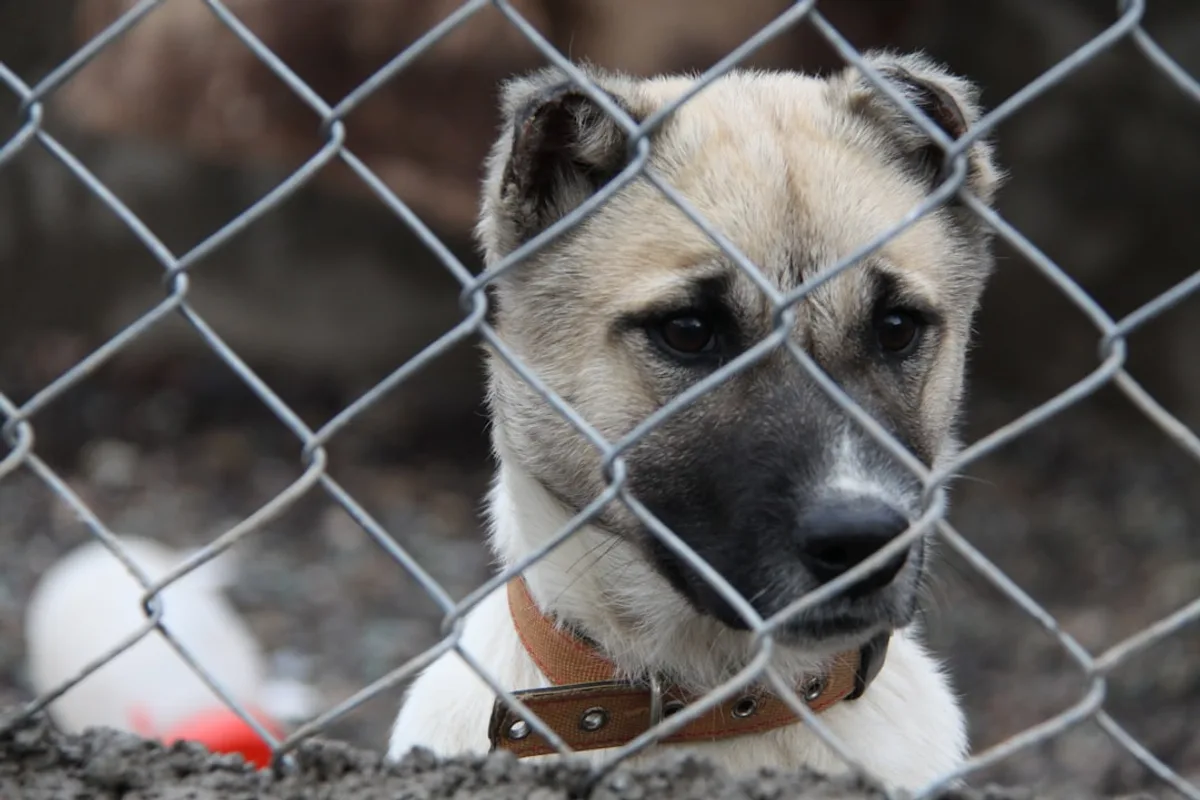
Got questions about volunteering for dog rescue? You’re not alone—let’s tackle the most common ones!
-
What are the time commitments?
Time commitments vary; some roles require just a few hours a week. Learn more.
-
Do I need prior experience?
No, many organizations provide extensive training, making it accessible for newcomers. Find out more.
Understanding the time commitment involved can help you plan your volunteering journey.
What is the Time Commitment for Dog Rescue Volunteering?
Wondering how much time you need to dedicate to volunteering? The answer might surprise you! The time commitment for dog rescue volunteers can vary widely, with many organizations offering flexible volunteering options. Some roles, such as dog walking or event support, require just a few hours a month, while others, like fostering, may demand more time. Balancing volunteering with personal responsibilities is possible by choosing roles that fit your schedule.
Next, let’s address whether prior experience is necessary to volunteer. For more information on volunteering opportunities, visit VolunteerMatch.
Do I Need Previous Experience to Volunteer?
Think you need a degree in animal care to volunteer? Think again! The experience required for dog rescue volunteering is often minimal, as many organizations provide training for new dog rescue volunteers. Volunteers from diverse backgrounds can contribute meaningfully, leveraging skills like communication or organization.
Testimonials from volunteers who started with no experience highlight their impactful contributions. Can I volunteer without prior experience? Absolutely! Let’s explore how you can maximize your impact as a volunteer.
How Can I Make the Most Impact as a Volunteer?
Ready to leave your mark in the dog rescue world? Here’s how you can make a real difference! Start by being proactive and sharing your unique skills, such as marketing or event planning, to create innovative initiatives. Engage with the community and build strong relationships with staff and fellow volunteers. Many have made significant contributions this way. Finally, let’s clarify any age restrictions that may apply to volunteering.
What Training is Provided for New Volunteers?
Curious about what training awaits you as a new volunteer? Let’s dive into the resources available! Training programs for dog rescue volunteers often include comprehensive orientation sessions and hands-on workshops. These training resources are crucial in building confidence and competence among volunteers. Many organizations offer specialized training tailored to the specific needs of their rescue, enhancing volunteer effectiveness. As one volunteer shared, “The orientation for animal shelter volunteers was invaluable in preparing me for my role.”
Lastly, it’s important to know whether there are age restrictions for volunteering.
Are There Age Restrictions for Volunteering?
Wondering if you’re too young to make a difference? Let’s explore the opportunities available for young animal lovers! Many dog rescue organizations have age requirements for dog rescue volunteering, often requiring volunteers to be at least 16 years old. However, younger volunteers can participate with parental consent. Youth volunteering in animal rescue is encouraged through community service hours and educational programs. Organizations like Best Friends Animal Society welcome volunteers of all ages.
Key Takeaways About Volunteering for Dog Rescue
Ready to change lives—both canine and your own? Let’s recap why volunteering for dog rescue is a rewarding journey! Volunteering for dog rescue not only saves lives but also enriches the volunteer’s life, creating a cycle of positivity and community support. By getting involved with local organizations, you contribute to a cause that benefits both animals and humans.
Engaging in dog rescue efforts offers personal fulfillment and strengthens community ties. The benefits of volunteering in animal welfare include developing compassion, gaining new skills, and forming lasting friendships. Take actionable steps by finding dog rescue volunteer opportunities near you.
Join us in making a difference—consider adopting a dog or volunteering with ADRTC today!
Leave a Reply