
Why Adopting Arctic Dogs is Vital for Their Survival
Did you know that adopting arctic dogs is crucial for their future and cultural heritage? The declining population of arctic dog breeds, such as the Siberian Husky and Alaskan Malamute, is alarming. According to the American Kennel Club (AKC), these breeds are integral to the cultural heritage of indigenous Arctic communities, making their preservation vital.
Rescue organizations play a pivotal role in preserving these breeds. They save these dogs from extinction and honor their historical significance in Arctic communities. Testimonials from adopters highlight the profound impact of dog adoption, emphasizing the importance of adopting arctic dogs for their survival.
Understanding the importance of adoption sets the stage for navigating the adoption process effectively.
Navigating the Arctic Dog Adoption Journey
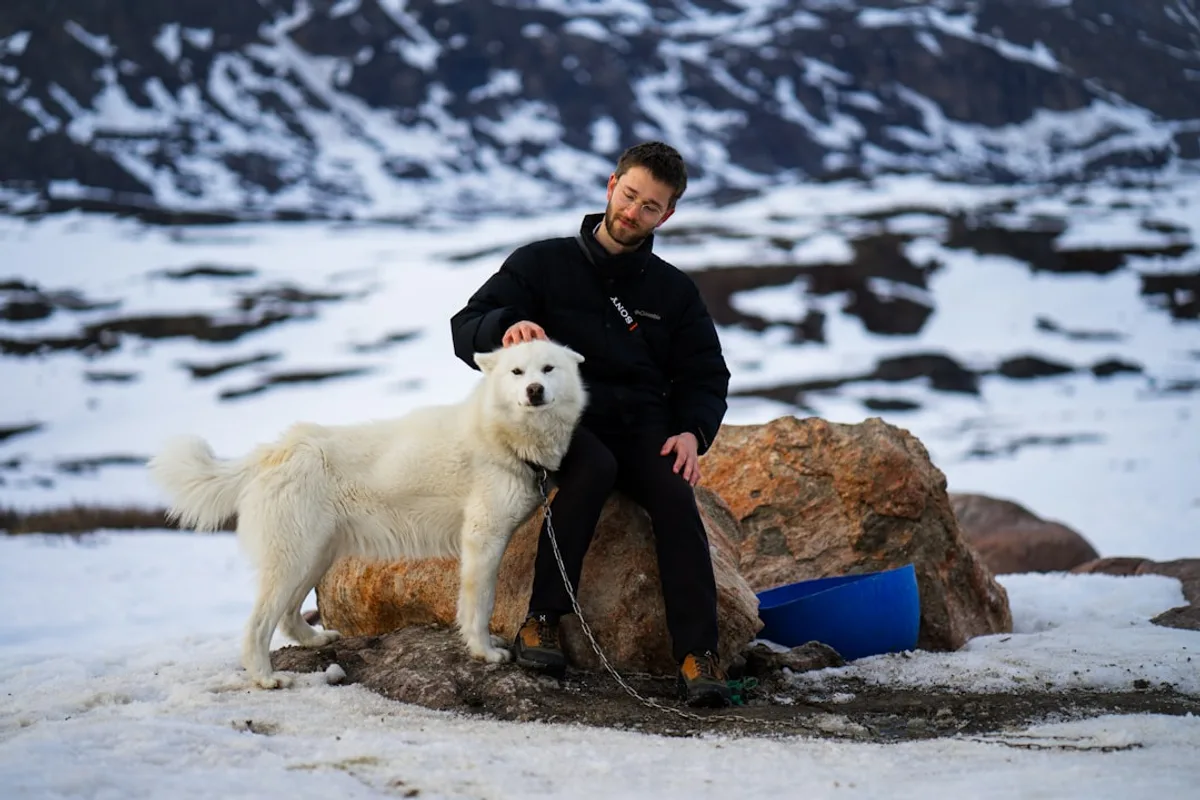
Are you ready to embark on the rewarding journey of adopting an arctic dog? The adoption process involves several key steps: completing an application, participating in interviews, and undergoing a home visit. Many potential adopters overlook the importance of a home assessment, which can significantly impact the adoption outcome.
Typically, the timeline from application to bringing a dog home spans several weeks. During this time, it’s crucial to prepare your home and family for the new addition. Ensure you have the necessary supplies and a safe environment for your arctic dog. With a clear understanding of the adoption process, it’s essential to prepare for the transition into dog ownership.
Preparing for the Adoption Process
Preparation is key to a successful adoption. Start by dog-proofing your home to ensure a safe environment. Gather essential supplies such as food, toys, and bedding. It’s crucial that all family members, especially children, are emotionally ready for the new arrival.
- Secure all hazardous items and wires.
- Purchase high-quality dog food and treats.
- Provide comfortable bedding and engaging toys.
- Discuss responsibilities with family members.
Many adopters underestimate the time needed for proper acclimatization, which is crucial for a smooth transition for both the dog and the family. Once you’ve prepared, the next step is finding the perfect arctic dog that fits your lifestyle.
Finding the Right Arctic Dog for Your Lifestyle
Finding the right arctic dog is essential—do you know which breed fits your lifestyle best? Each arctic breed has unique traits; for instance, Siberian Huskies are known for their high energy and need for companionship, making them less suited for solitary living situations.
| Breed | Activity Level | Size | Grooming Needs | Best For |
|---|---|---|---|---|
| Siberian Husky | High | Medium | Moderate | Active families |
| Alaskan Malamute | High | Large | High | Experienced owners |
| Samoyed | Moderate | Medium | High | Families with children |
Building a Strong Bond with Your New Pet
Are you ready to create a lifelong bond with your new arctic dog? Start with training exercises and regular playtime to build trust. Establishing routines helps your dog feel secure. Remember, patience is key during the adjustment period. The 3-3-3 rule for dog adoption—3 days to decompress, 3 weeks to adjust, and 3 months to feel at home—can guide you.
Pay attention to your dog’s body language; responding appropriately can strengthen your connection. Understanding the breeds and their challenges will further prepare you for the journey ahead.
Breeds and Challenges: What to Expect with Arctic Dogs
Are you curious about the unique traits and challenges of adopting an arctic dog breed? Common arctic breeds such as the Alaskan Malamute, Siberian Husky, and Greenland Dog are known for their strength and endurance. However, they often face longer wait times for adoption due to misconceptions about their care needs and temperament.
Adoption challenges for huskies and other sled dogs arise from their high energy levels and specific environmental needs. Statistics show that these arctic dog breeds are frequently overlooked in shelters, highlighting the importance of understanding their characteristics and care requirements.
Understanding these breeds leads us to explore the behavioral and health challenges they may present.
Popular Arctic Dog Breeds and Their Traits
What makes each arctic breed unique? Let’s dive into their distinct traits and personalities. The Siberian Husky is known for its striking appearance and high energy levels, requiring ample exercise. In contrast, the Samoyed, while energetic, can be quite laid-back when properly exercised and trained. Both breeds have thick coats, necessitating regular grooming.
According to breed experts, understanding the traits of arctic dog breeds is essential for potential adopters. While popular sled dog breeds like the Alaskan Malamute are robust and independent, they also thrive on companionship and mental stimulation.
With an understanding of breed traits, it’s crucial to address the behavioral and health challenges that may arise.
Behavioral and Health Challenges
Are you aware of the potential challenges that come with adopting an arctic dog? Common behavioral issues include separation anxiety, stubbornness, and high energy levels, particularly in breeds like huskies. Health issues in arctic dogs often involve hip dysplasia and skin conditions, with studies indicating a 20% prevalence of hip dysplasia in these breeds.
Many arctic breeds are prone to specific health issues like hip dysplasia, which can be exacerbated by improper diet and lack of exercise, making responsible ownership crucial. Training and socialization are vital components to overcoming these challenges.
Training and Socialization Needs
Are you ready to train your arctic dog? Effective training is key to a happy and well-adjusted pet. Training arctic dogs involves essential techniques like obedience training and early socialization. Many arctic breeds, such as huskies, respond well to positive reinforcement but can resist traditional methods. Understanding their unique temperament is crucial.
Early socialization for sled dogs prevents behavioral issues later on. Consider enrolling in training classes or online courses tailored for arctic breeds. These resources offer guidance on managing their specific needs.
As we explore the roles volunteers play, it’s important to recognize their impact on the success of rescues.
Impactful Roles: Volunteers and Foster Families in Arctic Dog Rescues
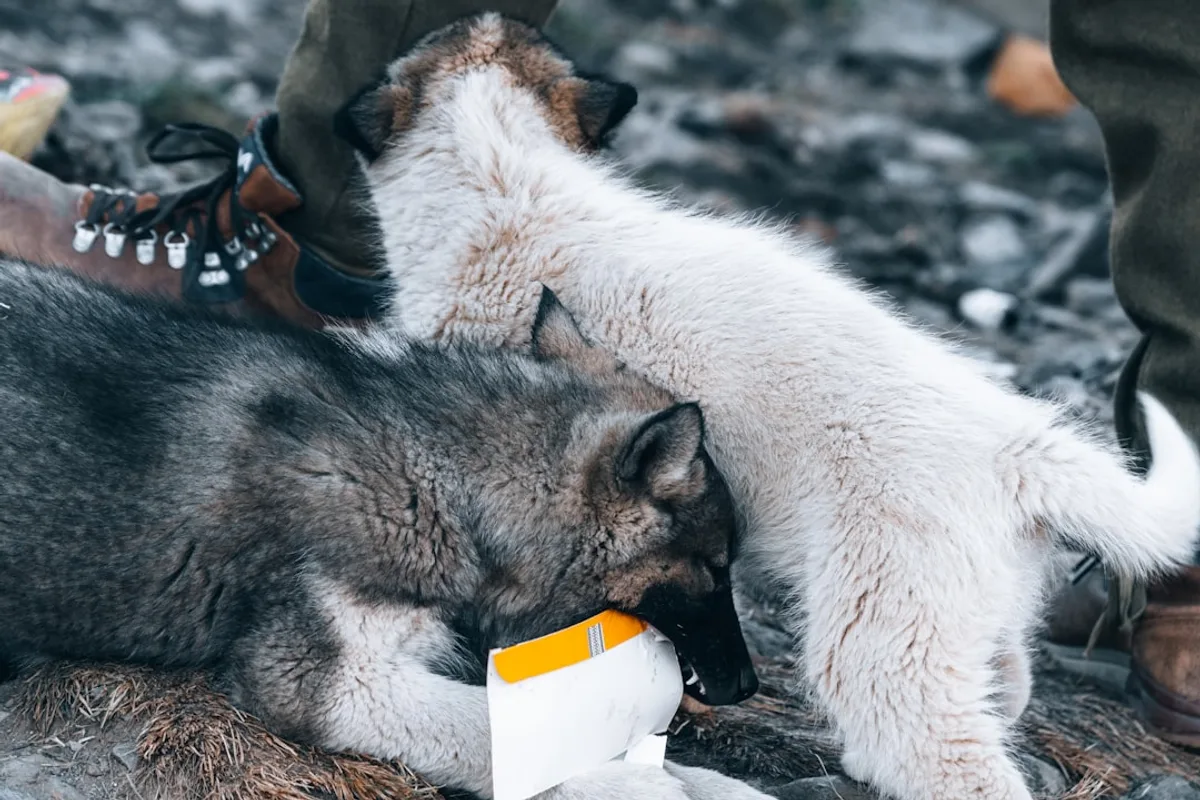
Have you ever wondered how volunteers change the lives of arctic dogs in need? From fostering to organizing events, volunteers play crucial roles in rescues. They provide essential training and socialization, significantly boosting adoption success. Personal stories reveal the profound impact of volunteering for dog rescues, benefiting both the dogs and the community.
Understanding how to get involved can inspire more people to support these important initiatives.
Ways to Volunteer with Arctic Dog Rescues
Are you looking for ways to make a difference in the lives of arctic dogs? Here’s how you can help! Discover various volunteer roles in animal rescue, including fostering, walking dogs, and organizing events. Many volunteers start by fostering dogs, which not only aids the rescue but also offers valuable experience for potential adopters.
- Fostering: Requires a flexible schedule and a loving home environment. Volunteers often share that fostering provides a rewarding experience, as they witness dogs transform and prepare for adoption.
- Dog Walking: Perfect for those with limited time but a passion for exercise and companionship. A current volunteer notes, “Walking these dogs is therapeutic for both of us!”
- Event Organization: Ideal for individuals with strong organizational skills and a knack for bringing people together. Volunteers here play a crucial role in raising awareness and funds.
The impact of foster families is profound; let’s explore how they contribute to the success of rescues.
The Impact of Foster Families on Rescue Operations
Have you ever considered becoming a foster family for an arctic dog? Your home could be a stepping stone to their forever family. Foster families provide temporary homes, offering crucial training and socialization that enhances a dog’s adoptability. This impact of fostering dogs is invaluable to rescue operations.
While fostering can be emotionally rewarding, it also presents logistical challenges. Yet, many arctic dog foster families share success stories of dogs thriving in their care, ultimately finding loving homes. If you’re inspired to get involved, here’s how you can become a volunteer or foster family.
How to Become a Volunteer or Foster Family
Are you ready to make a difference in the lives of arctic dogs? Here’s how to get started!
- Complete the volunteer application process on the ADRTC website.
- Participate in the arctic dog rescue training program to gain confidence and skills.
- Receive ongoing support and guidance from experienced volunteers.
Many rescues offer training programs for new volunteers, ensuring they feel confident and prepared to help arctic dogs in need. Testimonials from current volunteers highlight the rewarding experience of becoming a dog foster parent. With a clear path to volunteering, let’s explore the steps to successfully adopt a sled dog.
Steps to Successfully Adopt a Sled Dog
Are you ready to take the plunge into sled dog adoption? Here’s what you need to know to succeed!
- Research breed-specific needs and ensure you can meet sled dog care requirements.
- Contact reputable sled dog rescues or adoption agencies.
- Prepare your home for the unique lifestyle of a sled dog, including regular exercise and mental stimulation.
- Complete necessary paperwork and home checks.
- Utilize resources to learn more about sled dog care and training.
Understanding initial requirements is crucial for a smooth adoption experience.
Initial Requirements and Home Assessment
Are you prepared to meet the initial requirements for adopting a sled dog? Let’s ensure you’re ready!
- Complete a home assessment for sled dogs to verify a secure yard and appropriate living conditions.
- Evaluate family readiness to accommodate the high energy needs of sled dogs.
- Prepare an adopting a dog checklist with necessary documents and preparations.
Many adopters are surprised to learn that sled dogs often require more space and exercise than typical breeds, necessitating a secure outdoor area. Once initial requirements are met, understanding the step-by-step adoption process is essential.
The Adoption Process: Step-by-Step
Ready to adopt a sled dog? Here’s your complete guide to navigating the adoption process smoothly.
- Submit Application: Complete the adoption application process, which typically takes 1-2 weeks.
- Initial Interview: Participate in a phone or in-person interview within 1 week of application review.
- Home Visit: A home check is scheduled, usually within 2 weeks, to ensure a suitable environment.
- Final Approval: Receive approval, often within another week, confirming the match.
Transparency is crucial throughout this step-by-step dog adoption process to ensure the best fit for both the dog and adopter. Remember, the sled dog adoption timeline can vary between rescues. After the adoption is finalized, ongoing support is vital for a successful transition.
Post-Adoption Support and Resources
Are you aware of the resources available to support you after adopting a sled dog? Let’s explore the options!
- Training Resources: Utilize local trainers and online courses to help your sled dog adapt to its new environment.
- Community Support: Join community groups for dog adopters, offering invaluable advice and socialization opportunities.
- Health Maintenance: Regular vet visits and a balanced diet are crucial for maintaining a healthy relationship with your new pet.
As we wrap up, let’s address some frequently asked questions about adopting arctic dogs.
FAQ About Adopting Arctic Dogs
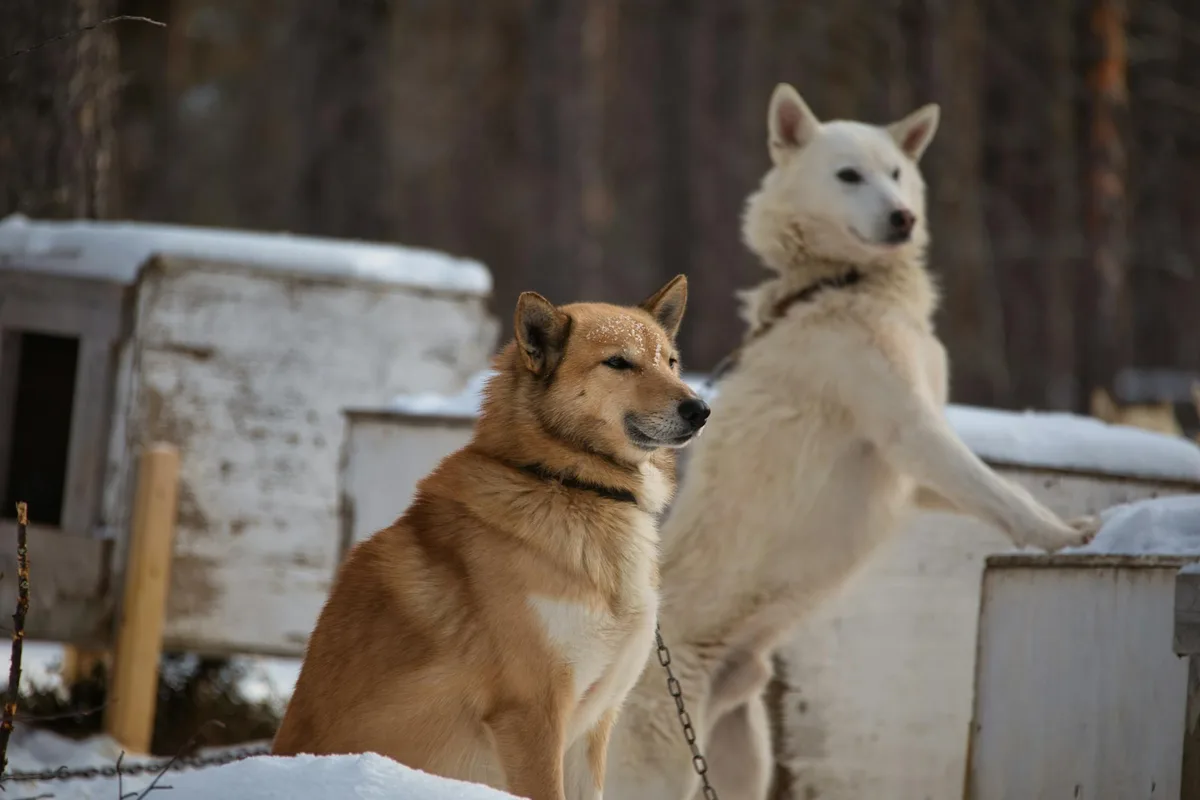
Do you have questions about adopting an arctic dog? You’re not alone—let’s tackle some of the most common inquiries!
- What breeds are commonly available for adoption?
Breeds like Siberian Huskies, Alaskan Malamutes, and Samoyeds are often found in shelters. - What should I know about the adoption process?
Each dog’s background and temperament can affect the process. Previous sections detail specific steps. - Are there unique concerns for adopting sled dogs?
Yes, they require ample exercise and mental stimulation, as discussed earlier.
Understanding these FAQs will help clarify the adoption process and expectations.
What Are the Costs Involved in Adopting an Arctic Dog?
Are you prepared for the financial commitment of adopting an arctic dog? Let’s break down the costs involved. Adoption fees for sled dogs typically include initial vaccinations and spaying/neutering, saving you upfront costs compared to breeders. However, supplies and ongoing care add to the financial commitment for dog ownership.
| Expense | Adoption from Rescue | Purchase from Breeder |
|---|---|---|
| Adoption/Purchase Fee | $100 – $300 | $1,000 – $3,000 |
| Initial Veterinary Care | Included | $200 – $500 |
| Supplies (Leash, Bed, etc.) | $100 – $200 | |
Potential hidden costs include emergency vet visits and specialized diet needs. Understanding costs will help you determine if an arctic dog is right for your budget.
How Do I Know If an Arctic Dog is Right for Me?
Are you unsure if an arctic dog is the right fit for you? Let’s explore how to make that determination! Assessing suitability for dog adoption involves considering your activity level and home environment. Many adopters overlook their lifestyle, leading to mismatches with high-energy breeds like Siberian Huskies.
- Evaluate your daily routine and energy levels.
- Research specific arctic breeds for compatibility.
- Seek advice from adopters who found their perfect match.
Clarifying your suitability will help set realistic expectations for the adoption timeline.
What is the Typical Adoption Timeline?
Wondering how long it will take to adopt an arctic dog? Let’s break down the typical timeline for you. The adoption timeline for arctic dogs usually spans 2-4 weeks, from application to final approval. Factors like breed popularity and rescue resources can influence how long dog adoption takes.
Some dogs may require longer evaluations due to behavioral assessments. To expedite the dog adoption process, ensure all documents are ready and respond promptly to inquiries. Understanding the timeline will help you plan for the transition to dog ownership.
Can I Adopt an Arctic Dog If I Live in a Warm Climate?
Are you worried about adopting an arctic dog in a warm climate? Let’s explore how it can be done successfully! Many arctic breeds can adapt to warmer climates with proper care, such as ensuring they have plenty of water and shade, and adjusting exercise routines. Addressing climate concerns will help set realistic expectations for potential adopters.
What Should I Consider Before Adopting a Sled Dog?
Are you ready to take the leap into dog ownership? Here are key considerations to think about before adopting a sled dog. First, understand the time commitment and high exercise needs, which, if unmet, can lead to behavioral issues. Researching arctic breeds is crucial, as experienced owners emphasize the importance of training and breed-specific traits.
As we conclude, let’s summarize the key takeaways for adopting arctic dogs.
Key Takeaways About Adopting Arctic Dogs
Are you ready to make a difference in the life of an arctic dog? Here are the key takeaways to inspire your journey! Adopting an arctic dog not only saves a life but also enriches yours with unique companionship and joy. The adoption process is straightforward, with support available post-adoption to ensure a smooth transition.
Join us in making a difference—consider adopting a dog or volunteering with ADRTC today!
Leave a Reply