
What Makes Arctic Dog Training Unique
What if the very traits that make arctic dogs so lovable also complicate their training? Arctic dog breeds like Siberian Huskies and Alaskan Malamutes possess thick fur and high energy levels, which require specialized training approaches. Their high prey drive can further complicate training if not addressed early. These unique characteristics necessitate tailored methods to meet their specific needs.
For example, the unique training needs for huskies often involve managing their energy and prey instincts, while training challenges for malamutes may focus on their independent nature. Understanding these characteristics sets the stage for exploring the specific challenges faced during winter training.
Common Challenges in Arctic Dog Training During Winter
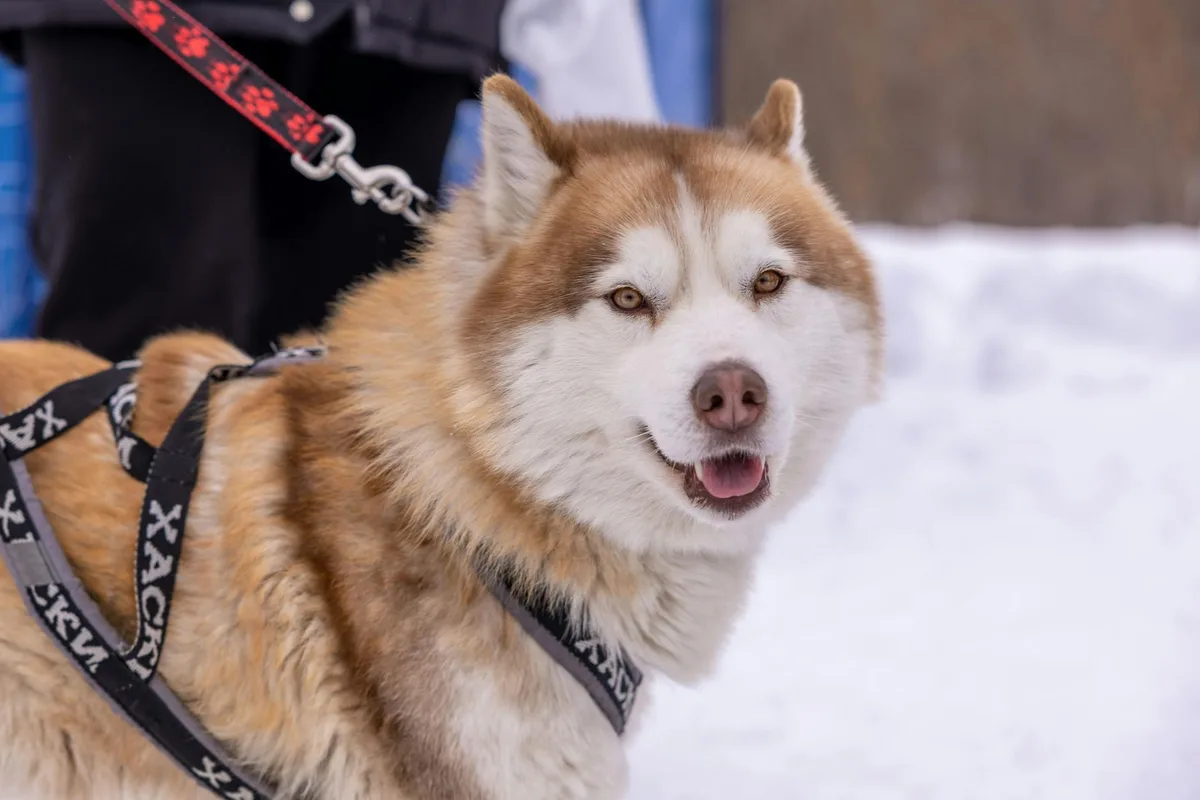
As the temperature drops, so do the challenges of training your arctic dog—what should you watch for? Icy surfaces and extreme temperatures can significantly hinder outdoor training sessions. Shorter daylight hours further complicate schedules, often leading to decreased activity levels. Statistics show that winter weather can reduce training effectiveness by up to 30%. Many trainers report that arctic breeds can become less responsive in extreme cold, leading to increased training difficulties.
Next, we will delve deeper into how extreme cold specifically affects dog behavior.
Impact of Extreme Cold on Dog Behavior
Have you ever noticed your arctic dog acting differently when the temperature plummets? Extreme cold can lead to lethargy, affecting their willingness to participate in training. Physical discomfort from cold weather impacts focus and engagement. Research indicates that arctic dogs may exhibit anxiety or stress, hindering training progress.
With these behavioral changes in mind, let’s explore the limited outdoor training opportunities that arise in winter.
Limited Outdoor Training Opportunities
When winter strikes, outdoor training can feel like an uphill battle—what are the alternatives? Snow and ice often limit safe outdoor dog training opportunities, especially in regions with average temperatures dropping below -20°C and snowfall exceeding 100 inches annually. These conditions can disrupt training schedules and lead to restlessness in arctic breeds.
Many trainers find that arctic breeds can become bored or restless when outdoor training is limited, leading to behavioral issues. To counteract this, consider winter training alternatives such as indoor agility courses or obedience training in community centers. These methods help maintain engagement and focus despite the harsh weather.
Now that we understand the limitations, let’s discuss how to maintain motivation and focus during these challenging months.
Maintaining Motivation and Focus
How do you keep your arctic dog excited about training when the weather is less than inviting? Common challenges include decreased energy levels and distractions. To maintain winter dog training focus, try varying routines and incorporating short, high-energy play sessions. Experienced trainers suggest these techniques to boost arctic dog training motivation effectively.
Having addressed motivation, we now turn our attention to the psychological effects of winter on arctic dogs.
Psychological Effects of Winter on Arctic Dogs
Could the winter blues be affecting your arctic dog more than you realize? Seasonal affective disorder in dogs is a real concern, especially for arctic breeds. Symptoms such as lethargy, decreased appetite, and mood changes can manifest during the colder months. Studies indicate that these breeds are particularly susceptible to mood changes due to their natural habitat and lifestyle preferences, highlighting the importance of winter mental health for dogs.
Changes in routine and environment can significantly impact a dog’s mental health. Understanding these psychological effects is crucial as we explore behavioral changes and coping mechanisms.
Seasonal Affective Disorder in Dogs
Is your dog acting withdrawn this winter? It could be more than just the cold—let’s explore seasonal affective disorder in dogs. Dog seasonal affective disorder symptoms include lethargy, changes in appetite, and a preference for solitude. These symptoms are often exacerbated by reduced sunlight, a common environmental factor in arctic regions.
According to AKC, arctic breeds may experience winter blues more intensely, leading to decreased interest in social interactions, sometimes mistaken for behavioral issues. Trainers have observed that dogs with SAD often show reluctance to engage in activities they once enjoyed.
With an understanding of SAD, we can now look at how behavioral changes manifest and what coping mechanisms can be employed.
Behavioral Changes and Coping Mechanisms
Have you noticed your arctic dog acting out this winter? Understanding their behavior can help you provide better support. Common winter behavioral changes in dogs include increased irritability or withdrawal. Some dogs may develop compulsive behaviors, such as excessive barking or digging, as coping mechanisms for winter stress.
To address these changes effectively, monitor your dog’s behavior closely and provide ample exercise and mental stimulation. Now that we have explored behavioral changes, let’s discuss how owners can support their dogs emotionally during this season.
How Owners Can Support Their Dogs Emotionally
Wondering how to keep your arctic dog happy and healthy during the long winter months? Here are some effective strategies. Engage in daily mental stimulation activities, such as training games, to reduce anxiety and improve well-being. Increase social interaction through indoor playdates, and maintain a consistent routine to provide security.
With emotional support strategies in place, let’s explore practical training solutions for the cold weather.
Indoor and Outdoor Training Solutions for Cold Weather
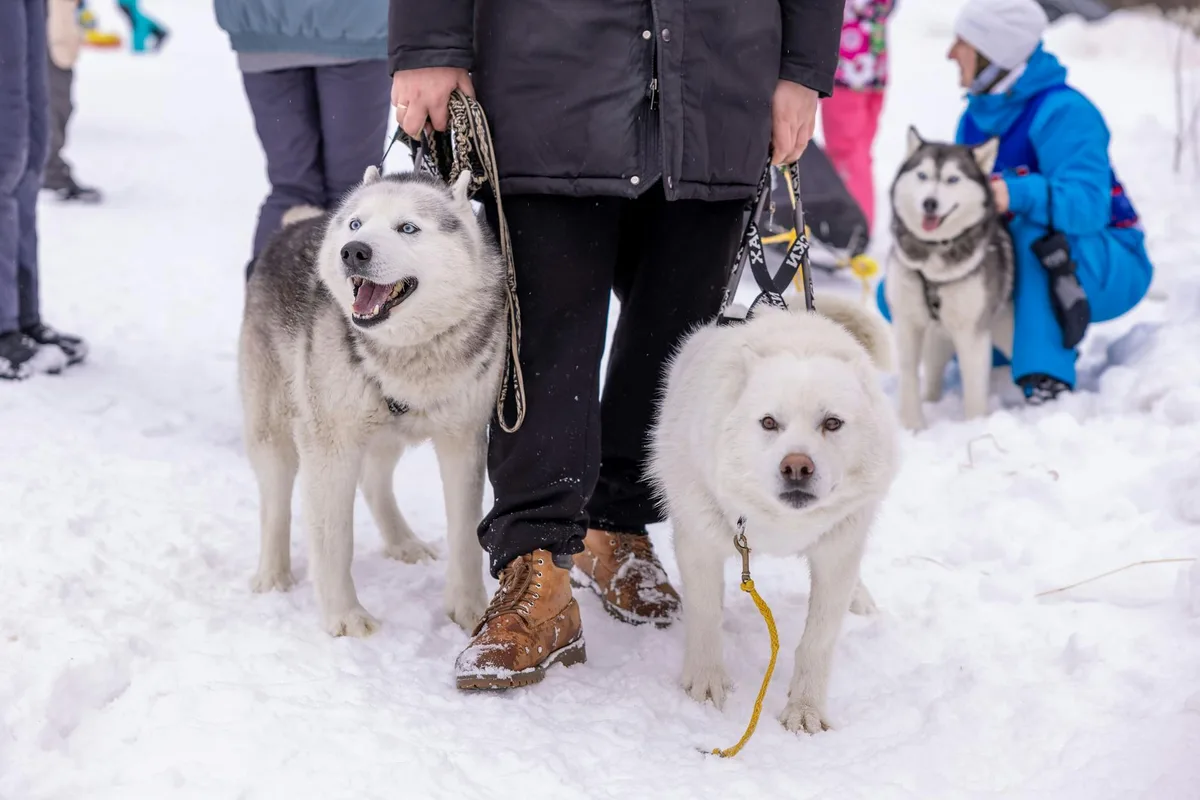
As the temperatures drop, how can you ensure your dog continues to learn and grow? Here’s how to adapt your training approach for winter.
- Create a designated indoor training area to improve focus and reduce distractions. Ensure the space is safe and comfortable, using heated mats if necessary.
- Adapt outdoor exercises by shortening sessions and incorporating warm-up routines. Use protective gear like dog coats and booties to maintain effectiveness.
- Utilize specific tools such as indoor agility equipment to keep your dog engaged and active during winter training for arctic breeds.
Next, we will discuss how to prepare your indoor space effectively for training.
Preparing Your Indoor Space for Training
Is your home ready for winter training? Let’s transform your indoor space into a dog training haven!
- Space: Choose a clutter-free area with enough room for movement.
- Lighting: Ensure the area is well-lit to keep your dog engaged.
- Temperature Control: Maintain a comfortable temperature to prevent distractions.
- Minimize Distractions: Remove noisy items and keep the area quiet.
- Utilize Household Items: Use interactive toys and puzzles to create an engaging indoor dog training setup.
With an effective indoor space prepared, let’s explore how to adapt outdoor exercises for winter conditions.
Tools and Equipment for Effective Cold Weather Training
Are you equipped for winter training? Here are the must-have tools to keep your arctic dog safe and engaged!
- Insulated Jackets: Brands like Ruffwear offer jackets that provide warmth without restricting movement.
- Booties: Protect paws from ice and snow with durable booties from brands like Muttluks.
- Training Aids: Use cold-resistant toys and treats to maintain focus and motivation.
Investing in high-quality winter dog training equipment can significantly reduce the risk of injury and improve training outcomes. With the right tools in hand, let’s explore mental stimulation techniques that can keep arctic dogs engaged during winter.
Mental Stimulation Techniques for Winter Training
How can you keep your arctic dog’s mind sharp when the weather turns frigid? Here are some engaging techniques to try! Mental stimulation for dogs in winter is crucial for maintaining their well-being. Incorporating mental challenges into training can prevent boredom and reduce behavioral issues commonly seen in arctic breeds.
Engage your dog with indoor dog puzzles and games, such as puzzle toys that challenge their problem-solving skills. Scent games are another excellent option, encouraging your dog to use their keen sense of smell. Additionally, social interaction plays a vital role in mental stimulation, enhancing training effectiveness.
Now, let’s take a look at interactive games and puzzles that can provide mental stimulation.
Interactive Games and Puzzles
Looking for ways to keep your dog entertained indoors? Interactive games and puzzles might be the perfect solution! Popular options include treat-dispensing toys and puzzle boards, which are among the best puzzles for dogs. These games enhance problem-solving skills and keep dogs mentally engaged, making them excellent indoor dog training games.
Many dogs find puzzle toys not only mentally stimulating but also rewarding, leading to increased engagement in training activities. To introduce these games, start with simple puzzles and gradually increase complexity as your dog becomes more adept. This approach maximizes their effectiveness and keeps your arctic dog mentally sharp during winter.
Next, we will explore how scent work and problem-solving activities can further enhance your dog’s training experience.
Scent Work and Problem-Solving Activities
Did you know your dog’s nose could be the key to keeping them engaged this winter? Let’s explore the world of scent work! Scent work for dogs taps into their natural instincts, offering a fulfilling challenge that enhances their overall well-being. Here’s how you can incorporate it into your arctic dog’s training routine:
- Step 1: Choose a variety of scents, such as essential oils or treats.
- Step 2: Hide these scents in different locations around your home.
- Step 3: Encourage your dog to find the scents, rewarding them with treats or praise upon discovery.
These dog problem-solving activities can alleviate boredom and anxiety, especially during the long winter months. Finally, we will discuss how to incorporate training into daily routines to maintain consistency.
Incorporating Training into Daily Routines
What if training your dog could be as simple as your daily routine? Here’s how to make it work! Integrating training into life can transform everyday tasks into valuable learning experiences. During walks, practice commands like “sit” or “stay” at intervals. Use feeding times to reinforce obedience by asking for a command before giving food.
Consistency is key in daily dog training routines. Regularly incorporating these exercises helps reinforce training principles, making them second nature. Get creative by using playtime to teach fetching or agility exercises. Integrating training into daily routines enhances adaptability and responsiveness, crucial for arctic dog training tips.
With these techniques in mind, let’s compare training methods across different climates.
FAQ: Addressing Common Dog Training Questions
Got questions about training your dog in winter? You’re not alone—let’s tackle some of the most common queries!
-
Is winter dog training effective?
Yes, with the right strategies, winter training can be just as effective as in milder weather.
-
How does cold weather affect dog behavior?
Cold weather can make some dogs less active, but consistent training helps maintain their focus.
-
What are common dog training concerns in winter?
Many worry about safety and motivation, but proper gear and positive reinforcement can address these issues.
Let’s dive into specific questions that dog owners frequently ask.
How Can I Keep My Dog Engaged Indoors?
Feeling stuck indoors with your dog? Here are some creative ways to keep them engaged and happy! Utilize interactive toys and training games to stimulate their minds. Establish a routine and maintain consistency to keep engagement levels high. Short, frequent training sessions can often be more effective than longer ones, especially in indoor settings.
Next, we’ll explore the best ways to train dogs effectively in extreme cold.
What Are the Best Ways to Train in Extreme Cold?
Wondering how to train your dog when the temperatures drop? Here are the best techniques for extreme cold! Shorter training sessions paired with increased rewards are highly effective. Monitoring your dog’s comfort and safety is crucial. Trainers often find that dogs are more responsive when sessions are brief and positive. Let’s also address how to recognize if your dog is affected by winter blues.
How Do I Know if My Dog is Affected by Winter Blues?
Is your dog feeling the winter blues? Here’s how to spot the signs and help them through it. Look for signs of depression in dogs such as lethargy, changes in appetite, and decreased interest in play. Monitor your dog’s mental health in winter by noting any unusual behaviors. Many owners overlook these subtle signs, leading to prolonged discomfort. Next, we’ll explore whether certain breeds are better suited for arctic training.
Are Certain Breeds Better Suited for Arctic Training?
Could your choice of dog breed impact their training success in the arctic? Let’s find out! Breeds like Siberian Huskies and Alaskan Malamutes, known for their thick coats and high energy levels, are among the best breeds for arctic training. These arctic dog breed characteristics make them naturally adaptable to cold weather training.
Breeds with a history of working in cold climates often have innate skills that make them more adaptable to winter training challenges. It’s crucial to adopt breed-specific training approaches to maximize their potential. As we wrap up, let’s summarize the key takeaways about overcoming arctic dog training challenges.
Key Takeaways About Overcoming Arctic Dog Training Challenges
Ready to tackle the challenges of training your arctic dog this winter? Here are the key takeaways to keep in mind! During the harsh winter months, arctic dog training can be complicated by both behavioral and environmental factors. It’s crucial to provide mental stimulation and remain adaptable in your training methods. Effective training in arctic conditions often requires a blend of creativity, patience, and understanding of each dog’s unique needs.
Implement the strategies discussed to achieve successful training outcomes. Join us in making a difference—consider adopting a dog or volunteering with ADRTC today!
Leave a Reply