
Discover the Unique World of Arctic Breeds
Have you ever wondered what makes Arctic breeds so special and beloved around the world? Arctic dog breeds, such as Siberian Huskies and Alaskan Malamutes, possess unique features that enable them to thrive in harsh, cold environments. These breeds are distinguished by their thick double-layered fur and substantial body fat, which provide essential insulation against freezing temperatures.
Beyond their physical traits, Arctic breeds hold significant cultural importance, particularly among indigenous communities like the Inuit. These dogs have historically been vital for transportation and companionship in the Arctic regions. In the United States, Arctic breeds enjoy considerable popularity, with Siberian Huskies frequently ranking among the top 20 most popular dog breeds.
Arctic breeds have evolved specific traits that not only help them survive in extreme cold but also make them exceptionally social and loyal companions. Their ability to form strong bonds with humans is one of the reasons they are cherished worldwide. Next, we will delve deeper into how Arctic breeds compare to other dog breeds in terms of physical and behavioral traits.
Comparing Arctic Breeds to Other Dogs: What Sets Them Apart
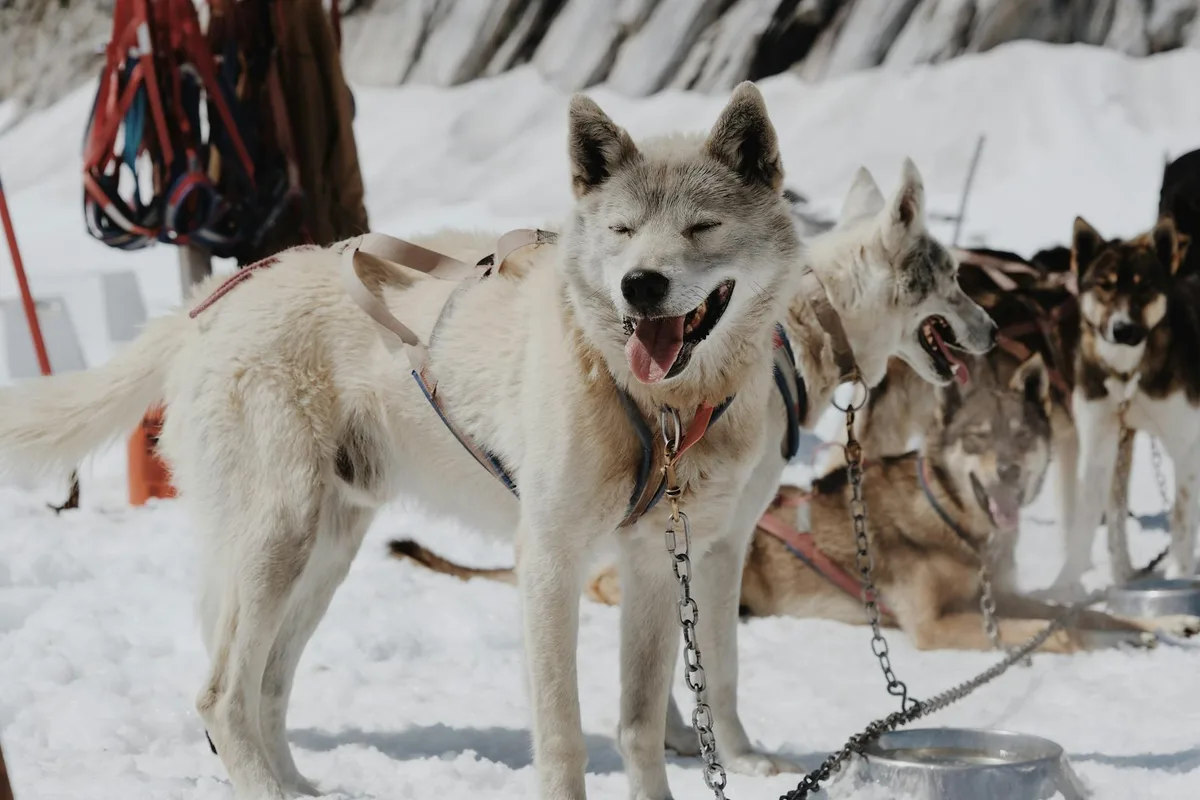
What truly sets Arctic breeds apart from the rest of the canine world? While many breeds are bred for companionship, Arctic breeds often retain strong instincts for work and survival, making them more independent than many other breeds. This dog breed characteristics comparison highlights key differences:
| Trait | Arctic Breeds | Other Breeds |
|---|---|---|
| Size | Medium to large | Varies widely |
| Coat Type | Thick, double-layered | Short to long, single or double-layered |
| Ear Shape | Pointed | Varies |
| Energy Levels | High | Low to high |
Physical Characteristics of Arctic Breeds
Ever wondered why Arctic breeds look so different from your average dog? These breeds, like the Siberian Husky and Alaskan Malamute, boast a robust build and a thick double coat. The Siberian Husky typically weighs between 35-60 pounds and stands 20-23.5 inches tall, while the Alaskan Malamute can weigh up to 85 pounds with a height of 25 inches.
Their double coat provides insulation and features a unique structure that allows moisture to escape, keeping them dry and warm. This adaptation is essential for surviving harsh, cold climates, setting them apart from non-Arctic breeds, which generally have thinner fur and lighter builds.
Next, we will examine the behavioral traits that make Arctic breeds unique companions.
Behavioral Traits Unique to Arctic Breeds
What makes Arctic breeds not just pets, but true family members? These dogs, such as the Siberian Husky and Alaskan Malamute, are renowned for their high energy levels and strong prey drive. Their intelligence and independence can pose training challenges, yet these traits contribute to their unique charm.
Arctic breeds often display a strong pack mentality, making them more social and interactive than many other breeds. This social nature allows them to bond deeply with families and coexist harmoniously with other pets. Owners frequently share anecdotes of their dogs’ playful yet independent personalities, highlighting their suitability as family companions.
Now, let’s explore the historical roles and origins of these remarkable breeds.
Historical Roles and Origins
Have you ever considered how the history of Arctic breeds shapes their identity today? The history of Arctic dog breeds is deeply intertwined with the survival of indigenous peoples. These dogs, such as the Samoyed and Siberian Husky, were indispensable for sledding, hunting, and companionship. They were not just pets but vital partners, reflecting a profound human-canine bond.
In indigenous cultures, Arctic breeds were essential for traversing harsh terrains and hunting. The Samoyed, for instance, was revered for its ability to herd reindeer and provide warmth during frigid nights. Over time, these breeds have evolved, adapting to modern roles while retaining their historical significance.
Next, we will discuss the specific care needs of Arctic breeds, focusing on their temperament and requirements.
Caring for Arctic Breeds: Temperament and Needs
Are you ready to meet the unique care needs of Arctic breeds? Known for their unwavering loyalty, Arctic breeds like the Siberian Husky and Alaskan Malamute form strong bonds with their families. These dogs require not only physical exercise but also mental stimulation to prevent boredom and destructive behaviors.
Compared to other breeds, Arctic breeds demand more time and effort in grooming and exercise. For instance, Siberian Husky grooming involves regular brushing to manage their dense coats. Meanwhile, Alaskan Malamute exercise requirements are high, needing daily walks and playtime.
Experts recommend prospective owners be prepared for this commitment. For more on breed characteristics, visit AKC’s dog breed pages.
Let’s dive deeper into the daily exercise and activity requirements essential for these energetic dogs.
Daily Exercise and Activity Requirements
Are you prepared to keep up with the high energy demands of Arctic breeds? These dogs, including the Siberian Husky and Alaskan Malamute, require at least 1-2 hours of vigorous exercise daily. Activities like sledding and agility training not only meet their physical needs but also provide essential mental stimulation.
In contrast, many other breeds are content with simpler walks. Experts recommend incorporating varied activities to keep Arctic breeds engaged and happy. Next, we will explore the dietary needs essential for maintaining the health of Arctic breeds.
Dietary Needs for Optimal Health
What should you feed your Arctic breed to keep them healthy and thriving? Due to their unique metabolism, Arctic breeds like the Siberian Husky and Alaskan Malamute require a diet richer in protein and fat compared to other breeds. This specialized nutrition supports their high energy levels and overall health.
While other breeds may thrive on a more balanced diet, Arctic breeds need careful management to avoid health issues. Consider quality dog food brands such as Orijen and Acana, which offer formulas specifically designed for high-energy dogs.
Proper nutrition is crucial for maintaining the vitality and performance of these cold-weather companions. Now, let’s examine effective training and socialization tips tailored for Arctic breeds.
Training and Socialization Tips
Are you ready to unlock the secrets to successfully training your Arctic breed? These intelligent and independent dogs, like the Siberian Husky and Alaskan Malamute, often require a different approach. Traditional methods may fall short, so focus on positive reinforcement techniques. Reward-based training encourages cooperation and helps manage stubbornness.
Early socialization is crucial. Expose your Arctic breed to various environments, people, and other animals. This builds confidence and reduces anxiety. Owners often share success stories of their dogs thriving with consistent, patient training. Remember, each dog is unique, so adapt techniques to suit your pet’s personality.
Next, we will discuss the challenges and solutions for adapting Arctic breeds to warmer climates.
Adapting Arctic Breeds to Warmer Climates: Challenges and Solutions
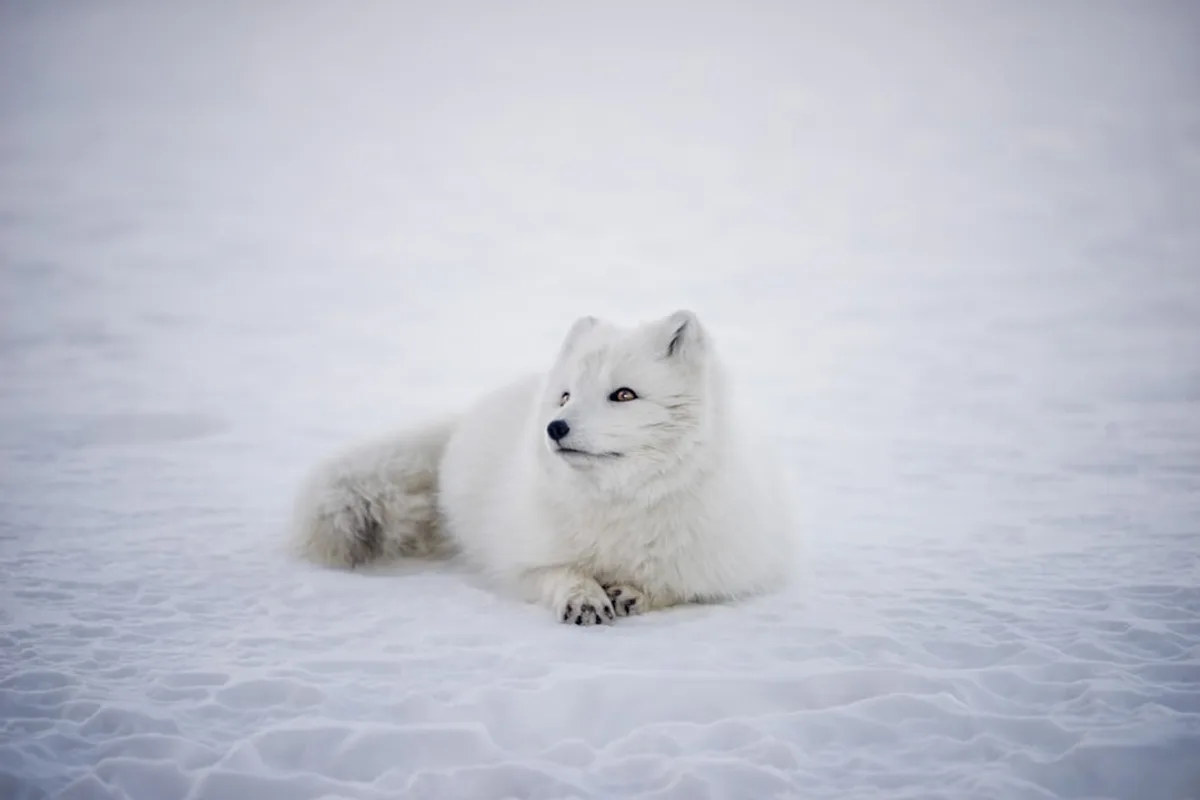
Can Arctic breeds really thrive in the heat, or are they destined for the cold? Despite their cold-weather adaptations, breeds like the Siberian Husky and Alaskan Malamute can indeed adapt to warmer climates with the right care. However, they face challenges such as overheating and dehydration. Owners must employ strategies like keeping their pets indoors during peak heat and ensuring constant access to fresh water.
Testimonials from owners highlight the effectiveness of air conditioning and controlled outdoor time in managing these issues. Regular health monitoring is crucial during temperature changes to prevent heat-related problems. Now, let’s look at the signs of overheating in Arctic breeds and how to recognize them.
Recognizing Signs of Overheating
Are you aware of the subtle signs that your Arctic breed may be overheating? Despite their adaptations to cold climates, breeds like the Siberian Husky can suffer from heat stress. Common signs of overheating in dogs include excessive panting, drooling, and lethargy. Interestingly, Arctic breeds may not show typical distress signs until they are severely overheated, making vigilance essential.
Physiologically, these breeds have thick double coats that insulate against cold but can trap heat in warmer weather. Experts recommend monitoring your dog’s behavior closely and ensuring they have access to shade and water. Cooling mats and frequent breaks during outdoor activities can also help prevent overheating.
Next, we will explore how to create a comfortable environment for Arctic breeds in warmer climates.
Creating a Comfortable Environment
Is your home ready to keep your Arctic breed comfortable during the heat? Simple changes like using cooling mats or providing shaded outdoor areas can significantly improve the quality of life for breeds like the Siberian Husky and Alaskan Malamute. Ensuring proper indoor climate control and managing outdoor access are crucial for effective heat management.
Consider dog houses with adequate ventilation to prevent overheating. Many owners have successfully adapted their homes by incorporating these elements, ensuring their Arctic breed’s comfort in warmer climates.
Now, let’s discuss the seasonal care adjustments needed for Arctic breeds throughout the year.
Seasonal Care Adjustments
Are you prepared to adjust your care routine for your Arctic breed as the seasons change? Seasonal care for Arctic breeds like the Siberian Husky and Alaskan Malamute involves specific grooming, exercise, and diet adjustments. During winter, focus on Siberian Husky winter grooming to maintain their thick coat, while in summer, ensure Alaskan Malamute summer care to prevent overheating.
Veterinarians recommend modifying exercise routines based on temperature fluctuations. In colder months, increase outdoor activities to keep them fit, but during warmer seasons, opt for early morning or late evening walks. Seasonal transitions can significantly impact an Arctic breed’s health, requiring proactive care adjustments to prevent issues like overheating or winter injuries.
Next, we will compare the cost and health considerations specific to Arctic breeds.
Cost and Health Considerations for Arctic Breeds
Are you ready to dive into the financial realities of owning an Arctic breed? The cost of owning Arctic breeds like the Siberian Husky or Alaskan Malamute can be substantial. While the initial purchase price may be higher, ongoing expenses such as health insurance and preventative care can vary significantly. Let’s compare these costs to those of other popular breeds.
| Expense Type | Arctic Breeds | Other Breeds |
|---|---|---|
| Initial Purchase | $1,000 – $2,500 | $500 – $1,500 |
| Annual Health Insurance | $500 – $700 | $300 – $500 |
| Preventative Care | $200 – $400 | $150 – $300 |
Owners often share that while the initial cost is high, the joy of owning these breeds outweighs the financial considerations.
Common Health Issues in Arctic Breeds
Are you aware of the unique health challenges that Arctic breeds may face throughout their lives? Many Arctic breeds, such as the Siberian Husky and Alaskan Malamute, are predisposed to specific genetic conditions. Regular veterinary check-ups and preventative care are essential to manage these issues effectively.
| Health Issue | Arctic Breeds | Other Breeds |
|---|---|---|
| Hip Dysplasia | Common | Varies |
| Eye Conditions | Frequent | Occasional |
Veterinarians emphasize the importance of responsible breeding practices to mitigate these health issues. Owners often share experiences of managing these challenges, highlighting the necessity of informed care. Next, we will discuss the financial aspects of owning an Arctic breed, including preventative care.
Financial Aspects of Owning an Arctic Breed
Are you financially prepared for the commitment of owning an Arctic breed? The financial costs of Arctic breeds, such as Siberian Huskies and Alaskan Malamutes, can be significantly higher due to their specialized care needs. Budgeting for health care, training, and grooming is crucial. Here’s a comparison to illustrate the differences:
| Expense Type | Arctic Breeds | Other Breeds |
|---|---|---|
| Initial Costs | $1,500 – $3,000 | $500 – $1,500 |
| Annual Care | $1,200 – $2,500 | $800 – $1,500 |
| Grooming | $300 – $600 | $100 – $300 |
Owners often share that the Siberian Husky ownership budget and Alaskan Malamute care expenses require careful planning. Now, let’s explore the preventative care and veterinary needs of Arctic breeds.
Preventative Care and Veterinary Needs
Are you aware of the critical preventative care requirements for your Arctic breed? Regular preventative care can significantly reduce the risk of developing common health issues in Arctic breeds, emphasizing the need for specialized veterinary knowledge. Essential care includes vaccinations, eye exams, and hip evaluations, particularly for breeds like the Siberian Husky and Alaskan Malamute.
| Preventative Care | Arctic Breeds | Other Breeds |
|---|---|---|
| Vaccinations | Essential | Essential |
| Eye Exams | Highly Recommended | Occasional |
| Hip Evaluations | Critical | Varies |
Choosing a veterinarian experienced with Arctic breeds is crucial. Owners often share positive testimonials about vets who understand the unique needs of these dogs. Next, we’ll address frequently asked questions about Arctic breeds and their unique traits.
FAQs About Arctic Breeds and Their Unique Traits
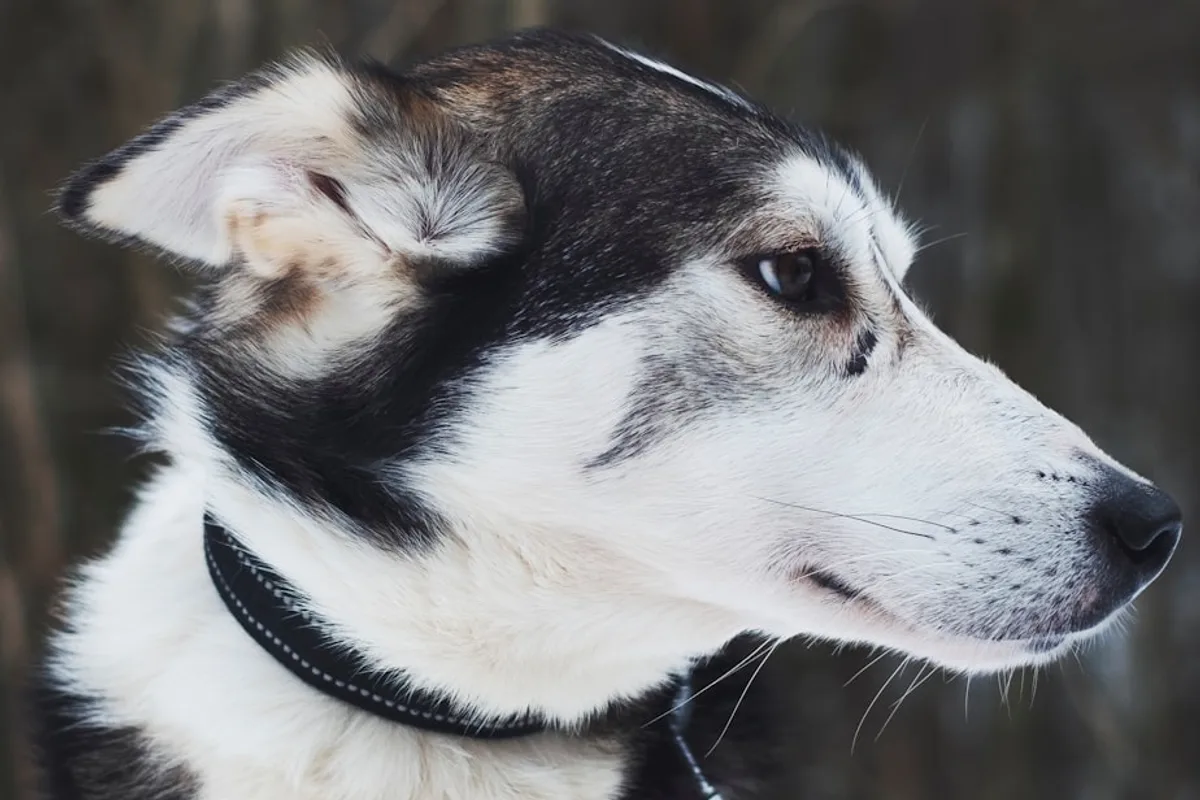
What burning questions do you have about Arctic breeds that need answering?
- Are Arctic breeds suitable for families?
Yes, breeds like the Siberian Husky and Alaskan Malamute can be great family pets, but they require proper training and socialization.
- Do Arctic breeds get along with other pets?
They can coexist with other pets if introduced properly, though their prey drive can be a concern.
- What grooming needs do Arctic breeds have?
These breeds have thick coats that require regular grooming to manage shedding and maintain coat health. Learn more about grooming Arctic breeds.
Many misconceptions about Arctic breeds stem from their appearance and origins, leading potential owners to overlook their unique needs and characteristics. Research is crucial for understanding these dogs.
Now, let’s explore specific questions about the suitability of Arctic breeds for families with children.
Are Arctic Breeds Suitable for Families with Children?
Can Arctic breeds be the perfect companions for your children? These dogs, known for their friendly and playful nature, can indeed thrive in family environments. However, their high energy and strong prey drive require careful management. Families with Siberian Huskies or Alaskan Malamutes often praise their affectionate temperament but emphasize the need for consistent training.
- Ensure supervised playtime to foster safe interactions.
- Teach children how to approach and handle dogs gently.
- Address concerns by consulting with a professional trainer.
Next, we will explore how Arctic breeds handle hot weather and what owners should know.
How Do Arctic Breeds Handle Hot Weather?
Can Arctic breeds truly thrive in the heat, or are they destined for the cold? Despite their cold-weather adaptations, Arctic breeds like the Siberian Husky and Alaskan Malamute can acclimate to warmer temperatures with proper care, showcasing their resilience and adaptability. However, these breeds face challenges due to their thick coats and need special attention during summer.
- Hydration: Ensure constant access to fresh water to prevent dehydration.
- Shade and Ventilation: Provide cool, shaded areas and avoid peak sun hours.
- Exercise Timing: Walks should be scheduled during cooler parts of the day.
Experts recommend monitoring for signs of heat stress and consulting veterinarians for tailored advice. Next, we’ll address the grooming requirements for Arctic breeds to keep them healthy year-round.
What Are the Grooming Requirements for Arctic Breeds?
Are you ready to tackle the unique grooming challenges of Arctic breeds? With their thick double coats, breeds like the Siberian Husky and Alaskan Malamute require regular grooming to prevent matting and manage shedding. These dogs experience intense shedding cycles, often leading to ‘blowouts’ where large amounts of fur are lost.
- Brush their coats at least twice a week.
- Use a slicker brush or undercoat rake for best results.
- Consider professional grooming during peak shedding seasons.
Owners often share that while the grooming process is demanding, the right tools and techniques make it manageable. Now, let’s explore how Arctic breeds interact with other pets and their compatibility.
Do Arctic Breeds Get Along with Other Pets?
Can Arctic breeds be the perfect addition to a multi-pet family? While breeds like the Siberian Husky and Alaskan Malamute can coexist with other pets, their strong prey drive may complicate interactions with smaller animals. Early socialization and consistent training are crucial for fostering compatibility.
- Introduce Arctic breeds to other pets gradually and in a controlled environment.
- Owners report success in multi-pet households with patience and proper guidance.
Now, let’s summarize the key takeaways about Arctic breeds and their unique traits.
Key Takeaways About Arctic Breeds
What essential insights should every potential owner of an Arctic breed know? Arctic breeds like the Siberian Husky and Alaskan Malamute are renowned for their resilience and unique characteristics. These dogs thrive in cold climates and have a strong work ethic, making them ideal companions for active individuals. Understanding their needs is crucial for ensuring their health and happiness.
Potential adopters must recognize that these breeds require significant exercise, mental stimulation, and a commitment to ongoing education. Unlike other dog breeds, Arctic breeds have a strong prey drive and independent nature, which can be challenging for inexperienced owners. Responsible ownership involves understanding these traits and providing an environment that meets their physical and psychological needs.
Join us in making a difference—consider adopting a dog or volunteering with ADRTC today! By supporting Arctic breed rescues, you contribute to the well-being of these magnificent dogs and help ensure they find loving, informed homes. Embrace the journey of learning and caring for these exceptional breeds, and enjoy the rewarding companionship they offer.
Leave a Reply