
Why Adopting a Rescue Dog Is a Life-Changing Decision
Have you ever considered how adopting a rescue dog could change your life and theirs forever? Rescue dog adoption benefits both the animal and the owner, offering a unique opportunity to save a life and reduce shelter overpopulation, a significant issue in the U.S.
Rescue dog adoption has gained popularity as more people recognize its profound impact. With over 3.3 million dogs entering U.S. shelters annually, adopting a rescue dog helps reduce these numbers significantly. Each adoption not only saves a life but also makes room for another dog in need.
Families who have adopted rescue dogs often share heartwarming stories of transformation. For instance, the Johnson family adopted Max, a timid Labrador mix, who blossomed into a loving companion, bringing joy and companionship into their home. Such testimonials highlight the emotional and psychological benefits of pet adoption.
Understanding the broader benefits of rescue dog adoption sets the stage for exploring specific health, emotional, and psychological advantages.
Health, Emotional, and Psychological Benefits of Adopting a Rescue Dog

Did you know that adopting a rescue dog can significantly improve your mental and physical health? Owning a dog has been linked to lower blood pressure and reduced anxiety levels, offering both physical and psychological benefits. Research indicates that dog owners are 60% more likely to engage in physical activity, enhancing overall health.
Moreover, the emotional support from dogs is profound. Studies have shown that the companionship of a dog can alleviate feelings of loneliness and depression. Rescue dogs, in particular, often form strong bonds with their new owners, providing unwavering loyalty and affection.
Socially, having a rescue dog increases opportunities for interaction, whether through walks in the park or community events. Next, we will delve deeper into the specific physical health improvements that come with having a rescue dog.
Physical Health Improvements for Owners
Could the simple act of adopting a rescue dog be the key to a healthier lifestyle? Rescue dogs encourage regular exercise through daily walks and playtime, significantly boosting physical health benefits for owners. Studies show that dog owners are 33% more likely to meet their daily exercise requirements compared to non-dog owners. Additionally, dog ownership is linked to lower rates of depression, promoting a healthier routine and lifestyle.
Now that we’ve explored the physical benefits, let’s look at the emotional support and companionship that rescue dogs provide.
Emotional Support and Companionship
Imagine coming home to a wagging tail and unconditional love—what could be more comforting? Rescue dogs offer profound emotional benefits, providing companionship that alleviates loneliness and boosts happiness. Studies show that pet owners experience higher happiness levels and reduced stress compared to those without pets. The unique bond formed with a rescue dog enhances mental health, offering solace and joy. Following the emotional benefits, we will examine the psychological advantages of adopting a rescue dog for individuals and families.
Psychological Benefits for Individuals and Families
Could a rescue dog be the missing piece to your family’s happiness and mental well-being? The psychological benefits of rescue dogs are profound. They can help alleviate anxiety and depression by providing companionship and unconditional love. Families often find that the responsibility and routine of caring for a dog foster a sense of purpose.
Research shows that families with dogs report lower levels of conflict and higher levels of cohesion and bonding. Testimonials from families reveal how adopting a rescue dog has positively impacted their mental health, enhancing overall family dynamics.
With a clear understanding of the benefits, it’s essential to address the common misconceptions surrounding rescue dogs.
Dispelling Myths: Common Misconceptions About Rescue Dogs
What if everything you thought you knew about rescue dogs was wrong? Many potential adopters believe that rescue dogs come with behavioral issues or are difficult to train. However, ASPCA experts highlight that numerous rescue dogs are already well-trained and socialized, debunking these myths of adopting a rescue dog.
Contrary to popular belief, the truth about rescue dogs is that they often adapt quickly to new environments and can be just as loving and loyal as any other pet. Education plays a crucial role in changing these perceptions, helping potential adopters see the benefits of adopting a rescue dog.
Let’s dive deeper into specific myths, starting with the belief that rescue dogs have behavioral issues.
Myth: Rescue Dogs Have Behavioral Issues
Are rescue dogs really more likely to have behavioral problems, or is that just a myth? Contrary to popular belief, many rescue dogs are well-adjusted and come from loving environments. In fact, studies show that a significant percentage of rescue dogs are socialized and thrive in new homes. Often, these dogs are surrendered due to owner circumstances, not behavioral issues.
Success stories abound, with countless rescue dogs finding happiness and stability in nurturing homes. These examples challenge the rescue dog behavior myths, proving that adjusted rescue dogs can bring immense joy and companionship. Next, we will address the misconception that rescue dogs are difficult to train.
Myth: Rescue Dogs Are Difficult to Train
Is it true that rescue dogs are more challenging to train, or can they be just as eager to learn? Contrary to popular belief, the trainability of rescue dogs is often underestimated. Many rescue dogs excel in training due to their eagerness to please and bond with their new owners. Success stories abound, with owners using patience and understanding to achieve remarkable results.
Effective training methods, such as positive reinforcement and consistency, play a crucial role in dispelling myths about dog training. These approaches have helped countless rescue dogs adapt and thrive in their new homes. Now, let’s tackle the myth that rescue dogs are unsuitable for families.
Myth: Rescue Dogs Are Not Suitable for Families
Could a rescue dog be the perfect addition to your family, despite common misconceptions? Many believe rescue dogs are unsuitable for families with children, yet countless examples prove otherwise. Numerous rescue dogs thrive in family environments, becoming great companions for kids. Experts suggest selecting the right breed and temperament, as many rescue dogs are fostered in family settings, demonstrating their compatibility. With these myths dispelled, let’s explore how to successfully integrate a rescue dog into your home.
Integrating a Rescue Dog into Your Home: Strategies and Tips
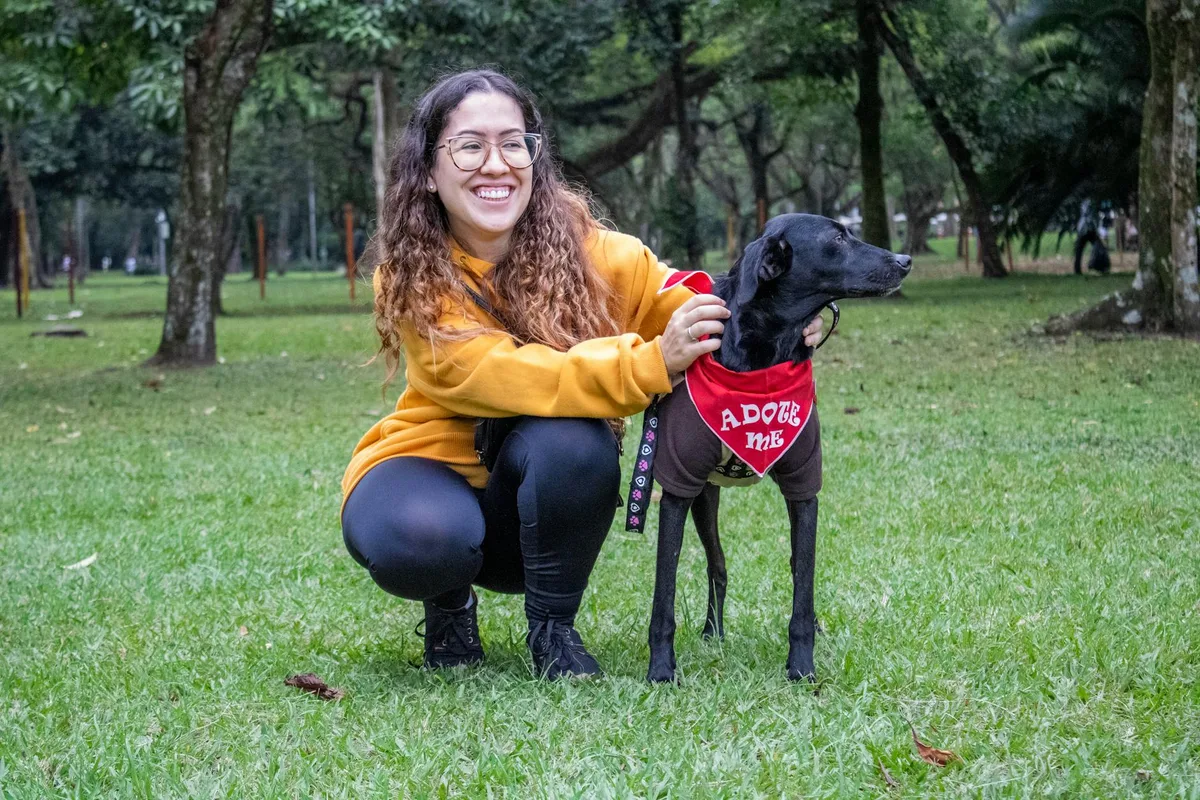
What steps can you take to ensure your new rescue dog feels at home from day one? Successful rescue dog integration requires thoughtful planning and patience. Here are some strategies to help your new furry friend adjust smoothly:
- Create a Safe Space: Designate a quiet area with a comfortable bed and toys to help your dog feel secure.
- Establish a Routine: Consistent feeding, walking, and playtimes can ease the transition and provide comfort.
- Gradual Introductions: Slowly introduce your dog to family members and other pets to avoid overwhelming them.
- Positive Reinforcement: Reward good behavior with treats and praise to build trust and encourage positive habits.
Once the initial integration is established, let’s discuss the critical first few days with your new rescue dog.
Preparing Your Home for a Rescue Dog
Is your home ready to welcome a new furry friend? Here’s how to prepare for your rescue dog’s arrival.
- Set Boundaries: Establish a safe space for your dog to relax and feel secure.
- Gather Supplies: Ensure you have food, toys, and bedding to meet the basic needs of your new pet.
- Prepare the Environment: Remove hazards and secure areas to prevent accidents.
Preparing your home with the right supplies and environment can significantly reduce stress for both you and your new rescue dog. After preparing your home, it’s essential to focus on the first few days and how to build trust with your new rescue dog.
The First Few Days: Building Trust and Routine
What can you do in the first few days to ensure your rescue dog feels safe and loved? Establishing a routine is crucial in these early days. The ‘3-3-3 rule’ for rescue dogs suggests it takes three days to settle, three weeks to adjust, and three months to feel fully comfortable.
- Establish a Routine: Set regular feeding, walking, and sleeping times to provide structure.
- Build Trust: Use positive reinforcement and patience to create a bond with your new dog.
- Address Challenges: Be prepared for common issues like anxiety or reluctance, and address them calmly.
Once the initial adjustment is made, let’s explore long-term strategies for bonding and integration.
Long-term Integration and Bonding
What steps can you take to ensure your bond with your rescue dog grows stronger every day? Here are some effective strategies:
- Ongoing Training: Engage in regular dog training for bonding, such as agility training or obedience classes, to enhance the bond and improve behavior.
- Socialization: Introduce your dog to new environments and people to ensure successful integration into the family.
- Play and Exercise: Participate in activities like fetch or daily walks to strengthen your connection and maintain a healthy lifestyle for both you and your dog.
With a solid understanding of integration, let’s look at training tips for rescue dogs that may have behavioral challenges.
Training Tips for Rescue Dogs with Behavioral Issues
Are you struggling with your rescue dog’s behavior? Here are some targeted training tips to help! Many behavioral challenges in rescue dogs stem from past trauma, making it crucial to approach training with understanding and empathy. Common issues include anxiety, aggression, and fearfulness, often linked to their previous experiences.
To address these issues, consider using desensitization techniques. Gradually expose your dog to the source of their anxiety in a controlled manner, rewarding calm behavior. For instance, if your dog is fearful of strangers, start by having them observe people from a distance, slowly decreasing the space over time.
Consistency and patience are key in training rescue dogs with issues. Establish a routine and stick to it, reinforcing positive behavior with treats and praise. This helps build trust and confidence in your dog.
Once you understand common challenges, it’s essential to know when to seek professional help.
Understanding Common Behavioral Challenges
How can you tell if your rescue dog needs professional help, and what steps should you take? Recognizing behavioral issues in rescue dogs, such as anxiety or aggression, is crucial. Signs like excessive barking, destructive behavior, or fearfulness may indicate a need for professional help for dog training. Many rescue dogs benefit from trainers who specialize in positive reinforcement methods, which can lead to better outcomes.
When should you seek dog training assistance? If your dog displays persistent issues that affect their quality of life, it’s time to consult a qualified trainer. Resources like the Association of Professional Dog Trainers can help you find experts in rescue dog behavior. Finally, let’s answer some frequently asked questions about adopting a rescue dog.
Effective Training Techniques for Rescue Dogs
What questions do potential adopters have about bringing a rescue dog into their lives? Many wonder about the FAQs regarding rescue dog adoption, such as the adoption process, costs involved, and support available. Common questions about adopting dogs often include concerns about behavior and training. Fortunately, adopting a rescue dog answers these with extensive support networks, including training classes and community groups. Read more about adoption support here.
To summarize, let’s review the key takeaways about the benefits and responsibilities of adopting a rescue dog.
When to Seek Professional Help
Ready to change a life? Here’s why adopting a rescue dog is one of the best decisions you can make! The key benefits of adopting rescue dogs include emotional bonds that uplift spirits, psychological comfort that eases stress, and physical activities that boost health. By choosing adoption, you not only transform the lives of these dogs but also enrich your own. Consider supporting rescue organizations and embrace the joy of rescue dog adoption.
FAQs About Adopting a Rescue Dog

What questions do potential adopters have about bringing a rescue dog into their lives? Here are some common questions about adopting dogs, along with clear answers to help guide you:
- What is the adoption process like?
It typically involves an application, interview, and home visit. Shelters provide guidance throughout.
- Are there support networks for new owners?
Yes, many offer training classes and community groups. Learn more from the ASPCA.
To summarize, let’s review the key takeaways about the benefits and responsibilities of adopting a rescue dog.
What Should I Expect When Adopting a Rescue Dog?
Ready to change a life? Here’s why adopting a rescue dog is one of the best decisions you can make! By welcoming a rescue dog into your home, you gain a loyal companion who brings immense emotional and psychological benefits. Rescue dogs often show deep gratitude, fostering a unique bond that enriches both your life and theirs. Additionally, the physical activity involved in caring for a dog can improve your health.
Supporting rescue organizations not only saves lives but also strengthens communities. Remember, adopting a rescue dog not only transforms the lives of the dogs but also enriches the lives of the families who choose to adopt them. Consider adoption and experience these profound benefits firsthand.
How Do I Choose the Right Rescue Dog for My Family?
Choosing the right rescue dog involves considering your family’s lifestyle and needs. Evaluate factors like energy levels, size, and temperament to find a compatible match. Visiting shelters and spending time with potential pets can help gauge their behavior and compatibility. Consult shelter staff for insights on each dog’s background and health requirements. Adopting a rescue dog not only saves a life but also brings emotional and psychological benefits, such as reducing stress and increasing happiness. Additionally, having a pet can improve physical health by encouraging regular exercise and outdoor activities. Prioritize compatibility to ensure a harmonious and fulfilling relationship.
Are Rescue Dogs More Prone to Health Issues?
Rescue dogs may sometimes face health challenges due to their past environments, but many shelters provide thorough medical evaluations and necessary treatments before adoption. This proactive care helps ensure that adopters are aware of any existing conditions. Additionally, adopting a rescue dog can offer emotional and psychological benefits, as caring for a pet can reduce stress and increase happiness. The act of adopting also supports animal welfare by giving a deserving dog a second chance at life. Ultimately, while some health issues may exist, the rewards of adopting a rescue dog often outweigh these concerns.
How Can I Help My Rescue Dog Adjust to a New Home?
Helping your rescue dog adjust to a new home involves patience and understanding. Start by creating a safe, quiet space where your dog can retreat to feel secure. Establish a consistent routine for feeding, walks, and playtime to provide stability. Use positive reinforcement to encourage good behavior and build trust. Socialize your dog gradually, introducing them to new environments and people at a comfortable pace. Additionally, regular vet check-ups ensure their health is monitored, contributing to their overall well-being. By fostering a supportive environment, you not only ease their transition but also strengthen the emotional bond, enhancing the psychological benefits of pet adoption.
Key Takeaways About Rescue Dog Adoption
Adopting a rescue dog offers numerous benefits that extend beyond simply gaining a new pet. These dogs often bring immense joy and companionship, enhancing the emotional well-being of their owners. Studies have shown that having a dog can reduce stress and anxiety levels, leading to improved mental health. Moreover, the routine of caring for a pet encourages physical activity, which can contribute to better overall health.
Rescue dogs are often incredibly grateful and form strong bonds with their new families. This emotional connection can provide a deep sense of fulfillment and purpose. Additionally, by choosing to adopt, you are giving a deserving animal a second chance at life, which is a rewarding experience in itself.
Join us in making a difference—consider adopting a dog or volunteering with ADRTC today! Your involvement not only changes the life of a rescue dog but also enriches your own. Together, we can create a community that values compassion and care for all animals.
Leave a Reply