
Common Challenges Faced When Adopting a Rescue Dog
Adopting a rescue dog can be a rewarding journey, but it often comes with unexpected hurdles. Common challenges include emotional and logistical issues, such as behavioral problems and the underestimation of the time commitment required for training and adjustment. Many adopters face frustration, leading to potential returns.
Statistics reveal that a significant number of rescue dog adoptions are returned due to these challenges. Behavioral issues and lack of preparation are primary reasons. Anecdotes from adopters highlight initial struggles, emphasizing the need for patience and understanding. Understanding these challenges is crucial as we explore effective strategies like the 3-3-3 and 7-7-7 rules.
How the 3-3-3 and 7-7-7 Rules Help Overcome Adoption Challenges
Have you heard of the 3-3-3 and 7-7-7 rules? These guidelines can transform your adoption experience. Understanding these rules is crucial for easing the transition of rescue dogs into their new homes.
- 3-3-3 Rule: This framework helps owners anticipate the initial adjustment period, focusing on the first 3 days, 3 weeks, and 3 months of a rescue dog’s new life.
- 7-7-7 Rule: Extending the timeline, it emphasizes ongoing socialization and training, crucial for addressing behavioral issues often overlooked during initial preparations.
Next, we will delve deeper into what these rules entail and how to apply them effectively.
What Are the 3-3-3 and 7-7-7 Rules?
Understanding the 3-3-3 rule can help you navigate your new dog’s adjustment period with confidence. This rule breaks down the first three days, three weeks, and three months of a rescue dog’s settling in process:
- First 3 Days: Expect stress and confusion; patience is key as your dog acclimates.
- First 3 Weeks: Your dog begins to learn routines and may test boundaries.
- First 3 Months: The dog starts feeling at home, showing true personality.
Now that we understand the 3-3-3 rule, let’s explore the 7-7-7 rule and its implications.
Applying These Rules to Ease Your Dog’s Transition
Wondering how to implement the 3-3-3 and 7-7-7 rules? Here are some practical steps to ensure your dog’s smooth transition. Start by creating a safe space with familiar items and establish a consistent routine to reduce anxiety. Many adopters share success stories of calmer dogs when these strategies are applied effectively.
In addition to these rules, avoiding common missteps is crucial for a successful adoption.
Common Missteps and How to Avoid Them
While adopting a rescue dog can be fulfilling, many new owners unknowingly make mistakes that complicate the process. Here are some common mistakes in rescue dog adoption and how to avoid them:
- Rushing Introductions: Allow your dog time to acclimate. Avoid overwhelming them with too many new faces at once.
- Neglecting Training: Consistent training is crucial. Start with basic commands to build trust and understanding.
- Unrealistic Expectations: Understand that a rescue dog may need more time to adjust than a puppy. Patience is key.
Next, we will address the behavioral challenges that often arise with rescue dogs.
Addressing Behavioral Challenges in Rescue Dogs

Behavioral challenges can be daunting for new adopters; understanding these issues is the first step toward resolution. Rescue dog behavioral issues often include anxiety and aggression, with studies showing that nearly 50% of adopted dogs exhibit such problems. These common problems in rescue dogs can often be traced back to their past experiences. Trainers frequently share stories of successful interventions, highlighting how understanding a dog’s history is crucial for effective training.
Now that we’ve identified common behavioral issues, let’s explore long-term strategies for managing them.
Identifying Common Behavioral Issues
Recognizing the signs of behavioral issues in rescue dogs can be the key to a successful adoption experience. Common behaviors in adopted dogs include separation anxiety, resource guarding, and fear of strangers. Separation anxiety, often stemming from previous abandonment experiences, manifests as excessive barking or destructive behavior when left alone.
Past trauma significantly impacts behavior, leading to anxiety or aggression. For example, a dog with a history of neglect may exhibit fear aggression towards strangers. Understanding these issues is crucial for identifying behavioral issues in rescue dogs. For more insights, visit ASPCA.
With these issues identified, let’s discuss long-term strategies for effective behavior management.
Long-Term Strategies for Behavior Management
Managing behavioral challenges in rescue dogs requires a proactive approach; here are strategies that can lead to lasting improvements. Consistent training strategies for rescue dogs, such as positive reinforcement, are crucial. Creating a structured environment promotes good behavior, while regular mental stimulation and training can significantly reduce behavioral issues, as many rescue dogs thrive on structure and engagement.
Ongoing socialization is equally important to ensure your adopted dog adapts well to various situations and environments. In some cases, however, seeking professional help may be necessary.
When to Seek Professional Help
Knowing when to seek professional help can make all the difference in your rescue dog’s adjustment and behavior management. If your dog shows escalated aggression or persistent anxiety, it may be time to seek a dog trainer or behaviorist. Many owners wait too long, worsening issues and increasing stress.
- Signs to Watch: Escalated aggression, persistent anxiety.
- Resources: Find qualified trainers through local shelters or online directories.
- Testimonials: Adopters report success with professional intervention, noting improved behavior and reduced stress.
With behavioral challenges addressed, let’s explore the essential aspects of training and socialization.
Training, Socializing, and Bonding with Your Rescue Dog
Training and socialization are not just tasks; they are the keys to unlocking a fulfilling relationship with your rescue dog. Early socialization can prevent many behavioral issues, making it a critical step in the adoption process that is often overlooked. Here’s how you can effectively train and socialize your rescue dog:
- Start Early: Begin training and socialization as soon as possible to establish trust and communication.
- Use Positive Reinforcement: Reward good behavior with treats and praise to encourage learning.
- Expose Gradually: Introduce your dog to new environments and people slowly to build confidence.
Statistics show that dogs who receive early training and socialization are less likely to develop behavioral issues, contributing to a successful adoption experience. Let’s dive into specific training techniques that can set your rescue dog up for success.
Essential Training Techniques for Rescue Dogs
Ready to train your rescue dog? Here are essential techniques that can make the process enjoyable and effective. Positive reinforcement not only improves behavior but also strengthens the bond between the dog and owner, making training a rewarding experience for both.
- Positive Reinforcement: Reward your dog with treats or praise for good behavior to encourage repetition.
- Clicker Training: Use a clicker to mark desired behaviors, followed by a reward, to enhance communication.
- Basic Commands: Teach commands like “sit,” “stay,” and “come” to establish control and safety.
With training techniques in place, let’s focus on socialization tips that are crucial for a well-adjusted dog.
Socialization Tips for a Well-Adjusted Dog
Socialization is a critical aspect of your rescue dog’s development; here are tips to ensure they become a well-adjusted companion. Early experiences can shape their future behavior, making socialization techniques for rescue dogs essential.
- Begin socialization once your dog is comfortable at home to prevent behavioral issues.
- Introduce new environments and people gradually to avoid overwhelming them.
- Avoid common mistakes like forcing interactions; let your dog set the pace.
Finally, let’s explore how to build a strong bond with your new pet.
Building a Strong Bond with Your New Pet
Building a strong bond with your rescue dog is essential; here’s how to create a lasting connection that benefits both of you. Bonding activities that involve play and training can significantly enhance the dog’s trust and willingness to learn, leading to a more harmonious relationship.
- Engage in regular playtime to foster trust and joy.
- Incorporate training sessions to build communication and understanding.
- Share experiences like walks or hikes to strengthen your connection.
Many adopters have successfully bonded with their rescue dogs through these activities, resulting in well-adjusted, happy companions. As we move forward, it’s important to set realistic expectations for your adoption journey.
Setting Realistic Expectations for Adopting a Rescue Dog

Setting realistic expectations is crucial for a successful adoption; let’s explore what you should anticipate during this journey. Many adopters are surprised by the emotional toll of the adjustment period, which can lead to feelings of guilt or frustration if expectations are not aligned. Adoption success rates show that understanding the emotional impact is vital, as mismatched expectations often lead to returns.
Consider stories from adopters who embraced the challenges and joys of their new companions. Understanding the emotional impact on both the dog and owner is key to navigating this process.
Understanding the Emotional Impact on Both Dog and Owner
The emotional journey of adopting a rescue dog can be as challenging as it is rewarding; understanding this can prepare you for what lies ahead. The emotional impact of rescue dog adoption is profound, affecting both the dog and the owner. Past trauma can influence a dog’s behavior, leading to anxiety or fear.
Owners often experience a mix of joy and frustration as they navigate these behaviors, forming a deep emotional bond during the adjustment period. To manage these challenges, patience and empathy are key. Recognizing and addressing trauma effects on rescue dogs can foster a deeper understanding of their needs.
Next, let’s discuss how to adjust your expectations for a successful adoption.
Adjusting Your Expectations for a Successful Adoption
Adjusting your expectations can be the key to a successful adoption; here’s how to navigate this crucial step. Start by observing your rescue dog’s unique behaviors and needs. Successful adoption strategies involve flexibility and patience, allowing both you and your dog to grow and adapt. For instance, one adopter found success by embracing their dog’s gradual socialization pace.
Flexibility in expectations can lead to a more positive experience, as it fosters a nurturing environment for both owner and pet. Inspiring stories can provide motivation and insight into the adoption process.
Inspiring Stories of Successful Arctic Dog Adoptions
Inspiring stories of successful adoptions remind us of the incredible transformations that can occur when love and patience are applied. One adopter shared, “Our Arctic dog, initially shy and withdrawn, blossomed with training and affection.” These successful rescue dog stories highlight the transformative power of dedication. Many adopters note that the journey, though challenging, is rewarding. Let’s take a closer look at some of the challenges overcome in these inspiring stories.
Overcoming Initial Adoption Challenges
The initial days after adoption can be challenging; let’s explore the common hurdles and how others have successfully navigated them. Adopters often face initial challenges in rescue dog adoption, such as behavioral issues and adjustment struggles. Many find that community support, like training classes or local meetups, significantly eases these hurdles.
For instance, one adopter found success by joining a local dog training class, which helped address their dog’s anxiety. Another relied on advice from fellow adopters at meetups to manage their pet’s nervousness. Overcoming adoption hurdles becomes manageable with such support for new dog owners.
Next, we will highlight the transformations that occur through love and training.
Transformations Through Love and Training
The power of love and training can lead to astonishing transformations in rescue dogs; here are some heartwarming examples. Max, once fearful and withdrawn, blossomed into a playful companion through consistent training and socialization. His adopter shares, “Max surprised us with his potential.” Many dogs exhibit remarkable transformations when given the right environment.
As we conclude, let’s summarize the key takeaways for overcoming adoption challenges.
FAQs About Adopting a Rescue Dog
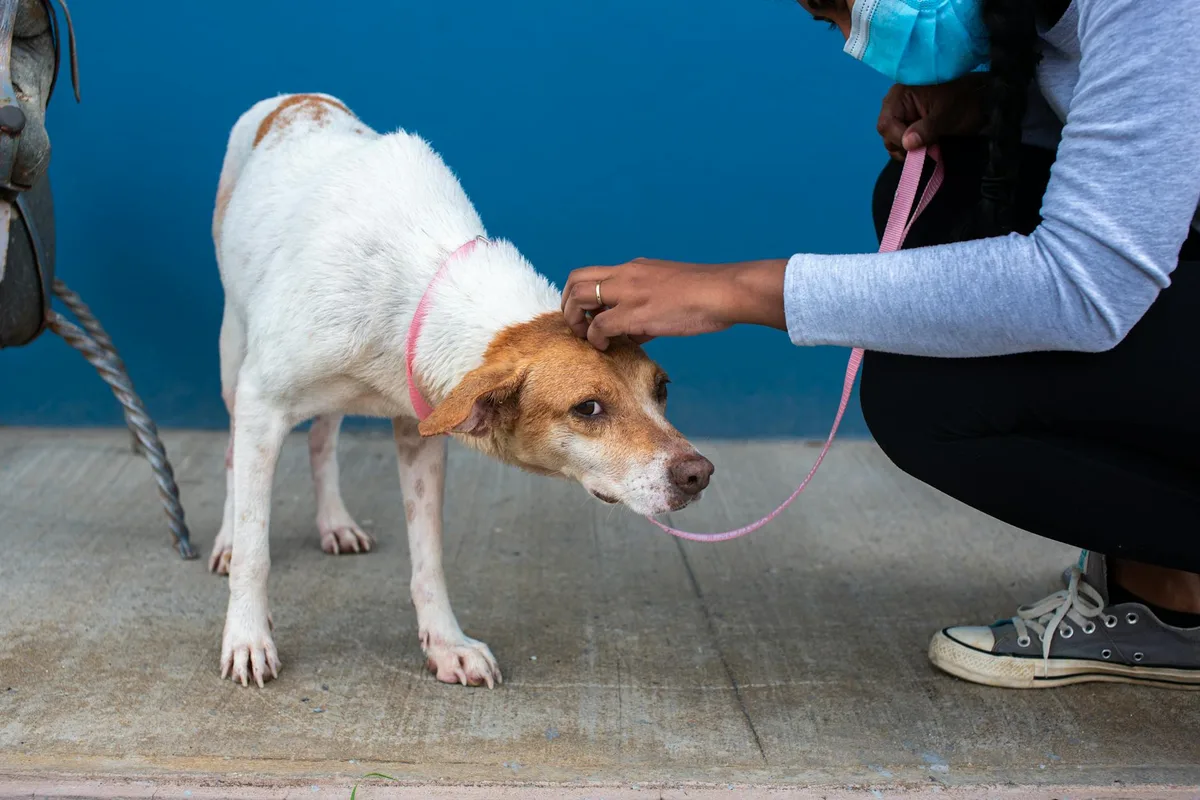
As we wrap up, let’s reflect on the essential takeaways that can empower you in your rescue dog adoption journey. Key takeaways for overcoming challenges in dog adoption include preparation, patience, and support. A successful adoption often hinges on the owner’s willingness to learn and adapt. For more tips, visit ASPCA Adoption Tips.
What Are the Initial Challenges After Adoption?
Adopting a rescue dog often involves navigating the 3-3-3 rule: three days of feeling overwhelmed, three weeks of settling in, and three months of building trust. During this adjustment period, common challenges include managing behavioral issues such as anxiety or aggression. Patience and understanding are key in helping your new pet feel secure and loved.
How Long Does It Take for a Rescue Dog to Adjust?
Adopting a rescue dog involves understanding the 3-3-3 rule: three days to decompress, three weeks to learn routines, and three months to feel at home. During this period, behavioral issues may arise as the dog adjusts to its new environment. Patience and consistency are key in helping your new companion settle in smoothly.
What If My Rescue Dog Shows Aggression?
Rescue dogs may exhibit aggression due to past trauma or fear. It’s crucial to remain patient and provide a stable environment. Consider consulting a professional trainer who specializes in behavioral issues. Implementing the 3-3-3 rule can help: allow three days for initial adjustment, three weeks to settle in, and three months to fully adapt.
Can All Behavioral Issues Be Trained Out?
Not all behavioral issues in rescue dogs can be completely trained out, but many can be managed with patience and consistency. Understanding the 3-3-3 rule helps set realistic expectations: three days for initial adjustment, three weeks for settling in, and three months to feel at home. Professional training may be necessary for persistent challenges.
What Resources Are Available for New Adopters?
New adopters can access a variety of resources to ease the transition. Local shelters often provide guidance on the 3-3-3 rule, helping pets adjust. Online forums and support groups offer advice on managing behavioral issues. Additionally, many communities have training classes specifically designed for rescue dogs, ensuring a smoother integration into the family.
Key Takeaways for Overcoming Adoption Challenges
As we wrap up, let’s reflect on the essential takeaways that can empower you in your rescue dog adoption journey. Overcoming challenges in dog adoption requires understanding common issues like the adjustment period and potential behavioral concerns. Preparation, patience, and support are crucial in navigating these hurdles. A successful adoption often hinges on the owner’s willingness to learn and adapt, making education a critical component of the process.
Embrace the journey with confidence and remember, your dedication can transform a dog’s life. Join us in making a difference—consider adopting a dog or volunteering with ADRTC today!
Leave a Reply