
What Makes Lesser-Known Arctic Breeds Essential
Did you know that some lesser-known Arctic breeds are key to preserving ancient traditions? These breeds, such as the Canadian Eskimo Dog, are crucial for maintaining the ecological balance and cultural heritage of the Arctic. They play a vital role in biodiversity and the preservation of fragile Arctic ecosystems.
Lesser-known Arctic breeds are not only companions but also integral to the survival of traditional hunting practices among indigenous peoples. Alarmingly, several of these breeds are at risk of extinction, with statistics indicating that over 50% of Arctic dog breeds face threats to their survival. Their importance extends beyond companionship, serving as a living link to the cultural practices of Arctic communities.
Understanding their unique characteristics and origins will further highlight their importance.
The Unique Characteristics and Origins of Arctic Breeds
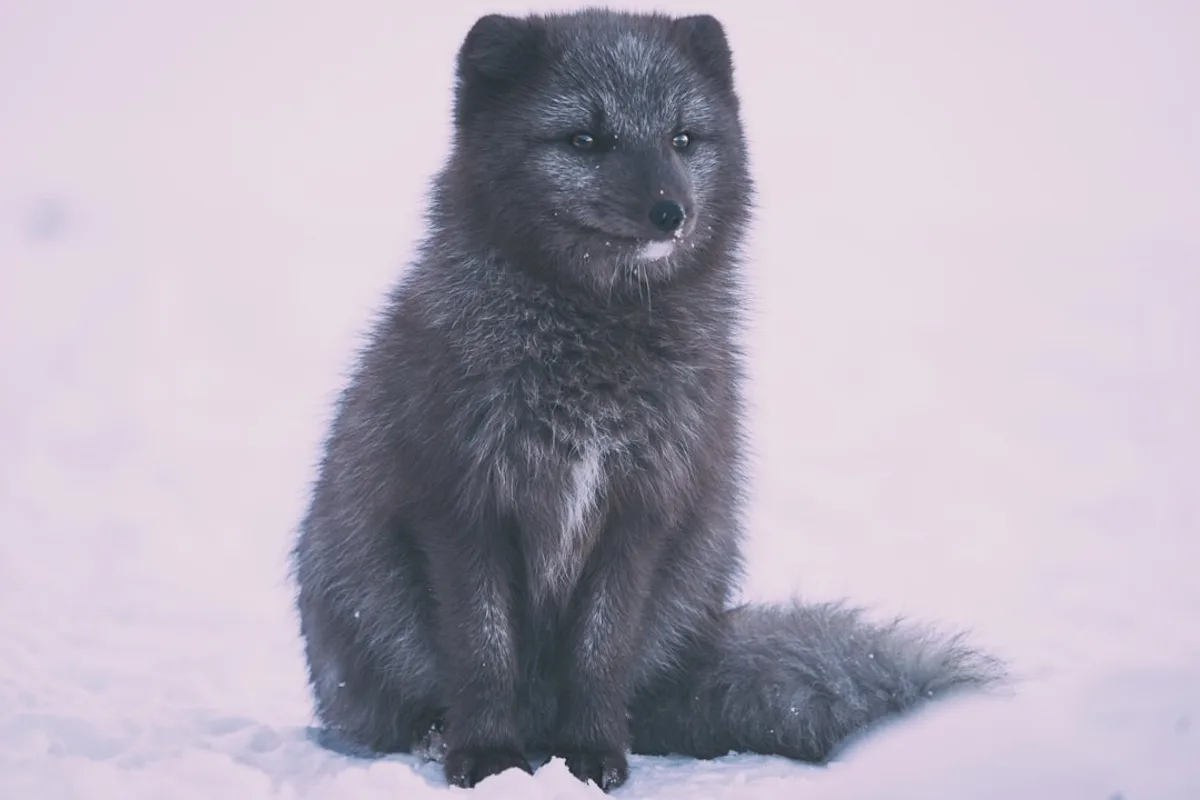
Some Arctic breeds possess traits uniquely adapted to survive in the harshest climates on Earth. Lesser-known Arctic dog breeds, such as the Greenland Dog and the Alaskan Klee Kai, have evolved specific traits like a double-layered coat that insulates against freezing temperatures. Unlike the more popular Siberian Husky, these breeds often display a smaller size and a more reserved temperament. Originating from regions like Greenland and Alaska, these breeds have a rich history intertwined with the survival of indigenous communities. Next, we’ll delve deeper into the distinctive traits and adaptations of these remarkable breeds.
Distinctive Traits and Adaptations
Ever wondered how some dogs can thrive in temperatures that would freeze most others? The adaptations of Arctic dog breeds are key to their survival. Thick fur, webbed feet, and a layer of body fat are common physical traits of Arctic breeds like the Samoyed and Norwegian Elkhound, enabling them to withstand harsh climates.
Behavioral adaptations in Arctic dogs, such as the ability to regulate body temperature, are equally impressive. For instance, the Siberian Husky can remain active in temperatures as low as -60°F. These adaptations not only affect their survival but also influence their energetic and resilient lifestyle.
Now that we understand their adaptations, let’s explore the historical background and development of these breeds.
Historical Background and Development
The story of Arctic breeds is not just about dogs; it’s a tale of survival, exploration, and adaptation to one of the harshest environments on Earth. The history of Arctic dog breeds traces back to their origins as indispensable companions for early explorers and settlers, particularly during the Gold Rush and Klondike expeditions.
As colonization and modernization swept through the Arctic, these breeds evolved, adapting to new roles and gaining recognition. Many lesser-known Arctic breeds, originally vital for sledding and companionship, faced challenges but continued to thrive. Next, we will examine the integral roles these breeds have played in indigenous cultures.
Roles in Indigenous Cultures
Did you know that some Arctic breeds are revered as cultural icons, playing pivotal roles in the survival of indigenous communities? Breeds like the Greenland Dog have been indispensable in traditional hunting and transportation. They are often seen as sacred, featuring prominently in folklore and rituals that highlight their contributions to survival.
In indigenous cultures, these breeds are not just working animals but are deeply respected and integrated into community life. Stories and cultural practices often celebrate their strength and endurance, underscoring their importance beyond mere utility. With a solid understanding of their characteristics and cultural importance, let’s move on to detailed profiles of these breeds.
Detailed Profiles and Visuals of Lesser-Known Arctic Breeds
Curious about which lesser-known Arctic breeds might be the perfect fit for your family? The Canadian Eskimo Dog, one of the oldest breeds in North America, is not only a working dog but also a loyal companion known for its intelligence and versatility. These dogs are robust, with thick coats suited for cold climates, and they thrive in active households. However, potential adopters should be aware of breed-specific health concerns like hip dysplasia. For more on Arctic breeds, visit American Kennel Club. Next, we’ll provide a visual guide to help you recognize these unique breeds.
Breed Profiles: Physical and Temperamental Traits
What if the next dog you adopt could be a stunning and unique Arctic breed? Many lesser-known Arctic breeds display a range of coat colors and patterns that reflect their unique heritage and geographical origins, making them visually distinct. These breeds often have thick, double-layered coats and striking markings.
Temperamentally, these breeds are known for their high energy levels and sociability. Owners often describe them as loyal and intelligent companions. For instance, the Karelian Bear Dog is noted for its boldness and independence, while the Norwegian Lundehund is praised for its playful nature and adaptability.
Following the breed profiles, let’s take a look at a visual guide to help you identify these breeds.
Visual Guide: Recognizing Lesser-Known Breeds
Can you tell the difference between a Canadian Eskimo Dog and a Greenland Dog at first glance? Visual recognition of lesser-known Arctic breeds can be challenging. High-quality images and infographics serve as an invaluable visual guide to Arctic breeds, helping potential adopters in identifying lesser-known Arctic breeds.
Look for specific visual cues: the Canadian Eskimo Dog often has a thicker coat and more pronounced facial markings, while the Greenland Dog typically exhibits a stockier build. Recognizing Arctic dog breeds is crucial for adopters seeking a unique companion.
Next, we’ll compare these lesser-known breeds with their more popular counterparts.
Comparative Analysis: Lesser-Known vs. Popular Breeds
Are you torn between adopting a popular breed like a Husky and a lesser-known Arctic breed? This comparative analysis of Arctic breeds will help you decide.
| Characteristic | Lesser-Known Arctic Breeds | Popular Arctic Breeds |
|---|---|---|
| Temperament | Varied, often calmer | High energy, social |
| Exercise Needs | Moderate | High |
| Trainability | Generally adaptable | Requires consistency |
While popular breeds like the Siberian Husky are known for their high energy, lesser-known breeds often have different exercise needs and temperaments that make them suitable for varied lifestyles. Now that we’ve explored these breeds, let’s discuss how to care for them properly.
Caring for Arctic Breeds: Maintenance Tips and Common Misconceptions
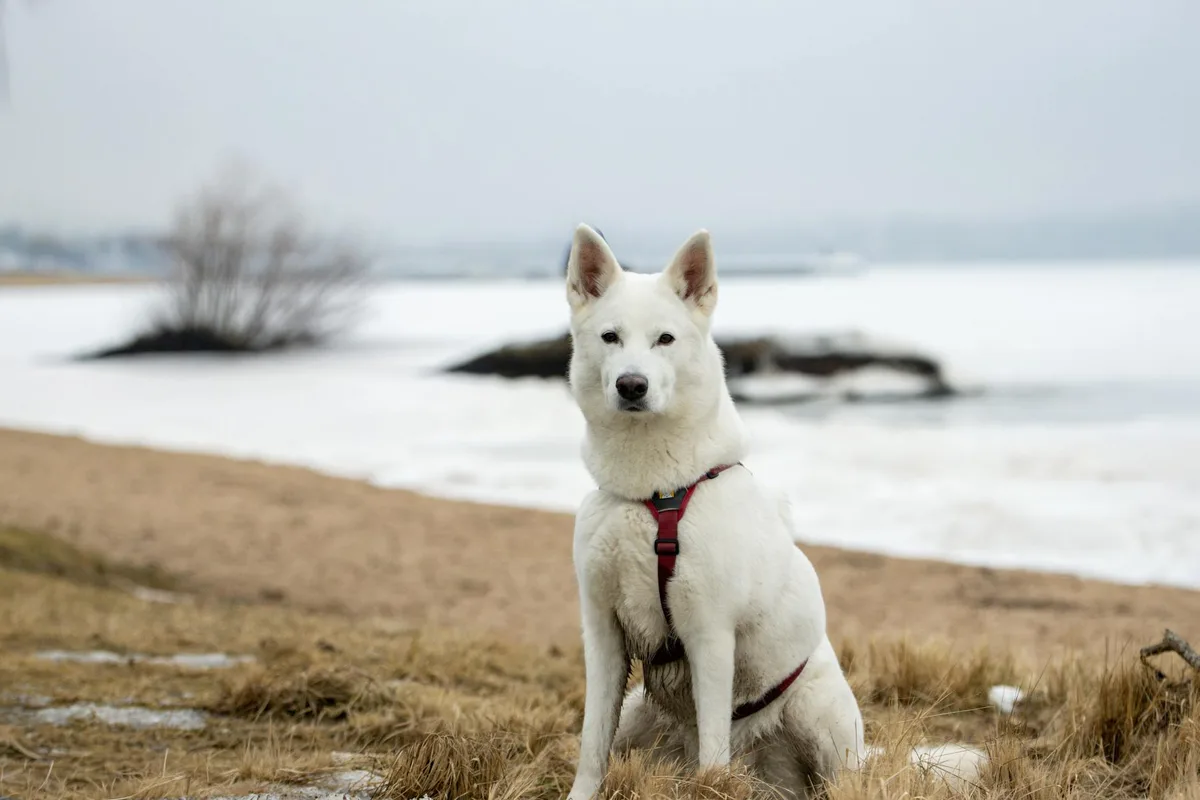
Are you ready to welcome a lesser-known Arctic breed into your home? Here’s what you need to know about their care!
- Grooming: The grooming needs of Arctic dogs are significant. Their thick double coats require frequent brushing to prevent matting and control shedding.
- Exercise: Regular exercise is essential. These breeds thrive on physical activity and need daily walks or playtime to stay healthy.
- Training: Training Arctic dog breeds should start early. Consistent, positive reinforcement helps them learn quickly.
- Socialization: Early socialization is crucial to ensure they are well-adjusted and friendly.
- Mental Stimulation: Provide toys and activities that challenge their intelligence to prevent boredom.
Many new owners underestimate the grooming needs of Arctic breeds, which often require more frequent brushing due to their thick double coats.
Next, we will delve into specific grooming practices and tips for maintaining their health.
Essential Care and Grooming Practices
Did you know that grooming is not just about aesthetics for Arctic breeds, but crucial for their health? Here are some essential Arctic dog grooming practices:
- Brushing Frequency: Brush twice weekly to manage their dense coats, increasing to daily during shedding season when they can lose up to 30% of their coat.
- Bathing: Bathe every 6-8 weeks to maintain coat health without stripping natural oils.
- Nail Trimming: Trim nails monthly to prevent discomfort and joint issues.
- Seasonal Grooming: Use a de-shedding tool during seasonal changes to prevent matting and skin issues.
Now that we understand grooming, let’s explore the dietary needs and exercise requirements of these breeds.
Dietary Needs and Exercise Requirements
Are you aware that what you feed your Arctic breed can significantly impact their energy levels and overall health? Understanding the dietary needs of Arctic breeds and their exercise requirements is crucial for their well-being.
- Provide a high-protein diet to support their energy, especially during colder months.
- Feed Arctic dog breeds two to three times daily to maintain consistent energy levels.
- Ensure regular exercise to keep them physically and mentally stimulated.
With care and feeding covered, let’s address some common misconceptions about Arctic breeds.
Addressing Common Misconceptions About Arctic Breeds
Think you know everything about Arctic breeds? You might be surprised by some of the myths surrounding them!
- Myth: Arctic breeds cannot live in warmer climates. Truth: Many can adapt with proper care and gradual acclimatization.
- Myth: All Arctic breeds are aggressive. Truth: Expert opinions and owner testimonials reveal they are often gentle and friendly.
Next, we will examine how regional variations affect these breeds and the impact of climate change.
Regional Variations and Climate Change Impact on Arctic Breeds
Have you ever wondered how geography shapes the unique traits of Arctic dog breeds? Regional variations in Arctic breeds are profound, with geography playing a crucial role in their development. For instance, breeds from Alaska often exhibit different physical traits and temperaments compared to those from Greenland. These differences arise as each region’s climate and terrain influence the dogs’ adaptability and behavior.
Preserving these regional breeds is vital, especially as climate change threatens their natural habitats. Now, let’s explore the impact of climate change on these remarkable breeds.
How Different Regions Influence Breed Traits
What if the very environment a breed hails from could dictate its survival traits? The regional influence on Arctic dog breeds is profound. For instance, the Alaskan Malamute has developed a thicker coat and stronger build to withstand Alaska’s harsh climates, unlike its Greenland counterparts. Experts emphasize these environmental adaptations in Arctic breeds are crucial for their survival.
Next, we will analyze how climate change is affecting the habitats and populations of these breeds.
Impact of Climate Change on Arctic Breed Habitats
Are Arctic breeds at risk due to climate change? The answer might surprise you as we explore the looming threats they face. As temperatures rise, many Arctic breeds face habitat loss, which threatens their traditional roles and could lead to a decline in their populations. Changing ecosystems disrupt their natural environments, impacting their survival.
Future scenarios suggest that if climate change continues unchecked, these breeds may struggle to adapt, leading to further population declines. Habitat loss for Arctic dog breeds is a pressing concern, highlighting the urgent need for conservation efforts. With these insights in mind, let’s address some frequently asked questions about Arctic breeds.
Frequently Asked Questions About Arctic Breeds
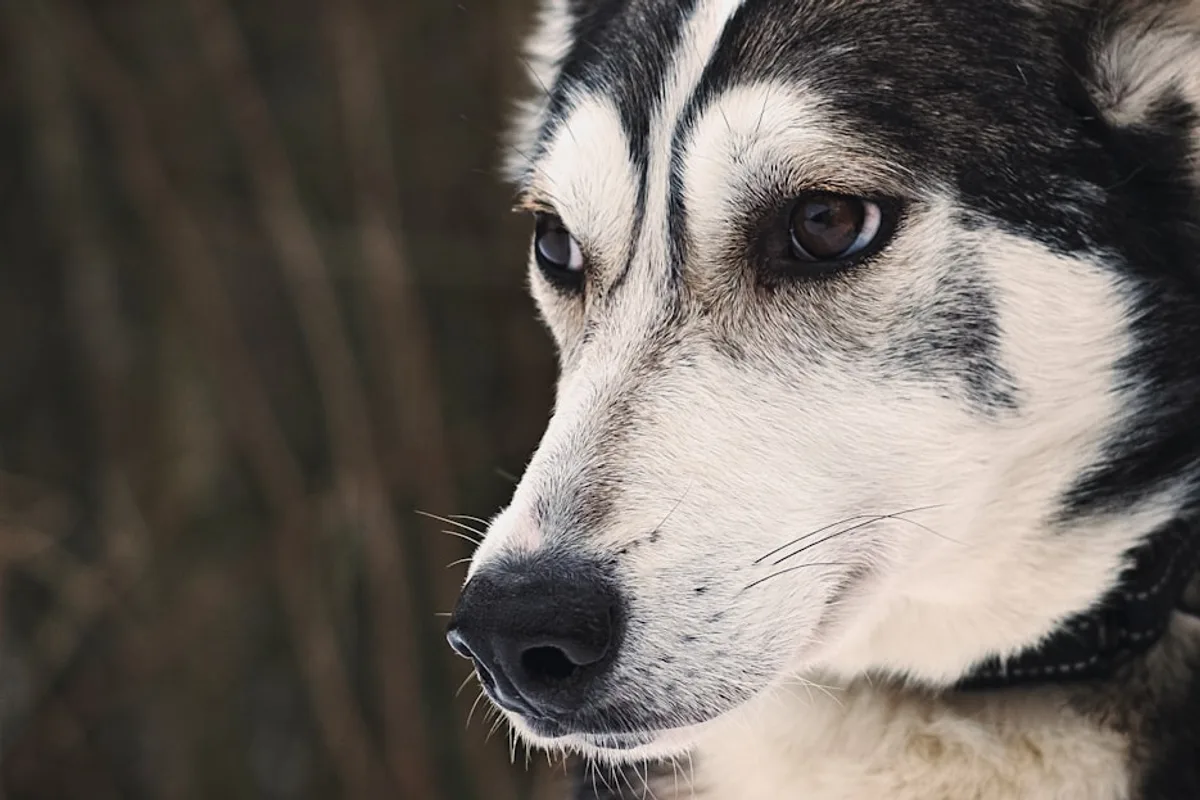
Curious about Arctic breeds? Here are the most frequently asked questions that potential owners have!
- Are lesser-known Arctic breeds suitable for families?
Yes, many are surprised to learn that these breeds can be just as adaptable and loving as their more popular counterparts. They often thrive in family environments.
- How do Arctic breeds adapt to warmer climates?
While they are naturally suited for cold weather, with proper care and gradual acclimatization, they can adapt to warmer climates.
- What are the grooming needs of Arctic breeds?
These breeds typically have thick coats requiring regular brushing to manage shedding and maintain coat health.
- Where can I find more information on Arctic breeds?
For further details, visit Arctic Breeds Info.
Let’s dive deeper into some specific questions about lesser-known Arctic breeds.
What are some lesser-known Arctic breeds?
Think you know all the Arctic breeds? Here are some lesser-known gems that deserve your attention!
- Canadian Eskimo Dog: Known for its strength and endurance, this breed is one of the few officially recognized as a cultural heritage breed, highlighting its importance to indigenous cultures. Originating from Canada, they are resilient and hardworking.
- Alaskan Klee Kai: A miniature version of the Alaskan Husky, this unique Arctic breed is known for its playful nature and intelligence. Developed in the United States, it’s perfect for those seeking a smaller companion.
- Greenland Dog: Originating from Greenland, this breed is robust and energetic, excelling in sledding and endurance. Its loyalty and strength make it a standout among Arctic breeds you haven’t heard of.
For more information on Arctic breeds, visit American Kennel Club.
Next, we’ll explore how Arctic breeds adapt to warmer climates.
How do Arctic breeds cope with warmer climates?
Can Arctic breeds really thrive in warmer climates? The answer might surprise you! Many Arctic breeds can adapt to warmer climates if introduced gradually and provided with ample shade and water. Breeds like the Samoyed and Alaskan Malamute have successfully transitioned to non-Arctic environments. Owners in warmer regions should ensure their dogs have access to cool areas and stay hydrated. Next, we’ll discuss whether Arctic breeds are suitable for families.
Are arctic breeds suitable for families?
Wondering if an Arctic breed could be the perfect addition to your family? Let’s find out! Many lesser-known Arctic breeds are known for their loyalty and protective nature, making them excellent family companions when properly trained and socialized. Families have shared success stories of integrating these dogs into their homes, highlighting their adaptability and gentle demeanor with children.
- Ensure consistent training and socialization.
- Provide ample exercise and mental stimulation.
- Introduce them gradually to family routines.
Next, we’ll address the grooming needs of these breeds.
What are the grooming needs of arctic breeds?
Are you ready to take on the grooming challenges of an Arctic breed? Here’s what you need to know! The grooming needs of Arctic breeds vary, but regular brushing is essential to prevent matting and skin issues. Techniques like undercoat raking and trimming are vital for breeds like the Keeshond and Norwegian Elkhound. Grooming also strengthens the bond between owner and pet. For professional help, seek groomers experienced in Arctic dog grooming requirements.
Next, we’ll explore whether Arctic breeds can adapt to urban living.
Can arctic breeds adapt to urban living?
Can you really raise an Arctic breed in the city? The answer might surprise you! Many Arctic breeds can thrive in urban environments if provided with sufficient exercise and mental stimulation, contrary to the belief that they need vast spaces. Challenges include managing their high energy levels and ensuring proper socialization.
- Schedule regular, vigorous exercise sessions.
- Engage them in mental stimulation activities.
- Join local dog groups for socialization opportunities.
Case studies of urban Arctic dog owners reveal successful adaptation of Arctic breeds to urban life, proving that with the right care, these dogs can flourish in cities.
Key Takeaways About Lesser-Known Arctic Breeds
As we wrap up, let’s reflect on why lesser-known Arctic breeds deserve our attention and support! These unique dogs, often overshadowed by their more famous counterparts, play a crucial role in the rich tapestry of canine history. Despite their lesser-known status, many Arctic breeds are facing extinction, making awareness and adoption efforts crucial for their survival.
Adopting or supporting these breeds through rescue organizations not only helps preserve their lineage but also enriches your life with a loyal companion. Join us in making a difference—consider adopting a dog or volunteering with ADRTC today! Your involvement could be the lifeline these incredible breeds need to thrive.
Leave a Reply