Why Arctic Dog Adoption Fees Matter
Have you ever wondered why adoption fees are critical for arctic dog rescues? These fees play a vital role in covering the initial costs of adoption and providing ongoing financial support for dog rescues. They ensure that arctic dogs receive the necessary care and resources for a healthy transition into their new homes.
Adopting an arctic dog involves more than just the initial fee. Many potential adopters underestimate the long-term costs associated with owning an arctic dog, which can exceed the initial adoption fees. These costs include food, grooming, and veterinary care, which are essential for maintaining the dog’s well-being.
On average, adoption fees for arctic breeds range from $200 to $500, often higher than other breeds due to the specialized care these dogs require. These fees are crucial in supporting rescue operations and ensuring the welfare of the dogs. Understanding the adoption process is essential for potential adopters.
Navigating the Arctic Dog Adoption Process
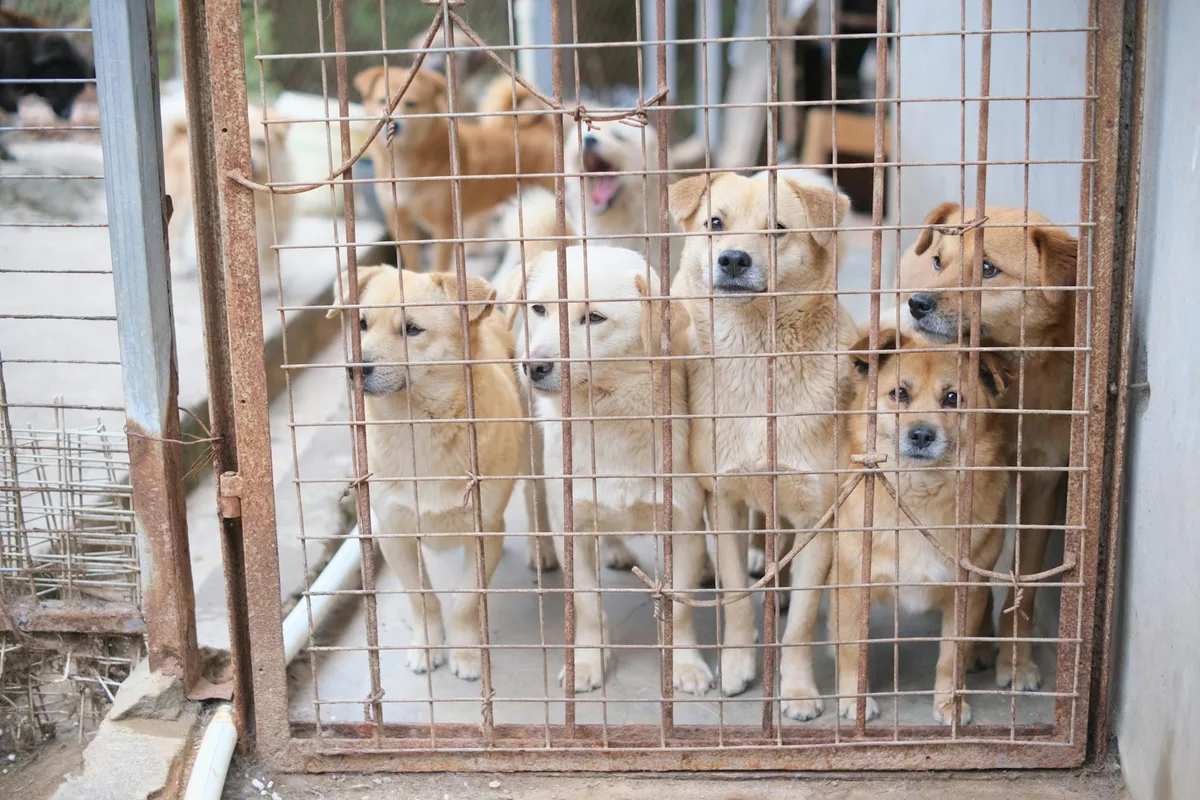
Navigating the adoption process can seem daunting, but it doesn’t have to be! The arctic dog adoption process typically starts with an application, followed by a home check. These steps ensure the right match between the dog and the family. It’s crucial to consider lifestyle and needs, as some rescues require prior dog ownership experience.
Potential adopters should prepare by researching and understanding home visit requirements for dog adoption. Expect a thorough evaluation of your living space and readiness to care for an arctic breed. Preparation is key to a successful adoption, and knowing what to expect can make all the difference.
Preparing for Adoption: What You Need to Know
Are you ready to welcome an arctic dog into your life? Preparation is key! Start by gathering essential items such as high-quality food, comfortable bedding, and training supplies. Research the specific needs of arctic breeds, focusing on exercise and grooming requirements. Many first-time dog owners overlook the importance of breed-specific training and socialization needs, which are crucial for arctic breeds.
- High-quality dog food
- Comfortable bedding
- Training supplies
- Grooming tools
- Exercise equipment
With preparation in place, let’s delve into the step-by-step guide for a successful adoption.
Step-by-Step Guide to Adopting an Arctic Dog
Ready to adopt an arctic dog? Follow this comprehensive guide to ensure a smooth process!
- Research and Choose a Rescue: Find a reputable rescue specializing in arctic breeds.
- Submit an Application: Complete the application thoroughly to avoid delays. Expect a response within 1-2 weeks.
- Interview and Home Check: Participate in an interview and home visit. This can take an additional week.
- Meet the Dog: Schedule a meet-and-greet to ensure compatibility.
- Finalize Adoption: Once approved, complete the paperwork and pay the adoption fee.
Many adopters do not realize that the adoption process can take several weeks, especially if multiple applications are submitted for the same dog. Once you’ve adopted, it’s essential to know what support is available to help you and your new dog adjust.
Post-Adoption Support and Resources
Did you know that support continues even after you adopt? Here’s how ADRTC can help you and your new arctic dog! ADRTC offers extensive post-adoption support for dogs, including arctic dog training resources and behavioral guidance. Many adopters are unaware that such support can significantly reduce behavioral issues and improve the bond with their new pet.
Community support and networking among adopters provide invaluable shared experiences and advice. Testimonials from previous adopters highlight the positive impact of ADRTC adoption support, emphasizing successful transitions and strengthened relationships with their pets.
Understanding the breeds available for adoption is crucial to finding the right match.
Breeds Available for Adoption and Their Unique Needs
Are you curious about the unique characteristics of arctic dog breeds? Let’s explore your options! Among the arctic dog breeds available for adoption, the Siberian Husky, Alaskan Malamute, and Samoyed are the most common. Each breed has its own unique traits. For instance, Siberian Huskies are known for their endurance and friendly nature, while Alaskan Malamutes, often overlooked in rescues, are strong and loyal but require experienced handlers.
Challenges include high energy levels and grooming needs, but the rewards of adopting an arctic breed are immense. Currently, there are approximately 150 Siberian Huskies, 80 Alaskan Malamutes, and 60 Samoyeds available for adoption in the region. Understanding each breed’s temperament is key to a successful adoption. For more information on these breeds, visit AKC’s official site.
Popular Arctic Breeds and Their Characteristics
From the spirited Siberian Husky to the loyal Alaskan Malamute, each arctic breed has its own unique charm! Siberian Huskies are medium-sized, energetic dogs originally bred for sledding. They have a thick double coat requiring regular grooming. Alaskan Malamutes, larger and stronger, were also bred for sledding but have a calmer demeanor.
Many popular arctic dog breeds, including these, possess a high prey drive, impacting their compatibility with smaller pets. While Huskies are known for their playful nature, Malamutes are more independent. Understanding these characteristics helps potential adopters choose the right fit for their lifestyle. Temperament is just as important as breed characteristics when considering adoption.
Understanding the Temperament of Arctic Breeds
Are you ready to embrace the unique temperament of arctic dogs? Here’s what you need to know! Arctic dog temperament is marked by independence and stubbornness, traits that can be challenging yet rewarding. Trainers emphasize the importance of understanding dog behavior to manage these characteristics effectively, ensuring a harmonious home life.
Many adopters are surprised to learn that arctic breeds often exhibit pack behavior, influencing their interactions with family members and other pets. This personality trait can affect the adoption experience, requiring patience and consistency. Special care requirements are crucial for the well-being of arctic dogs.
Special Care Requirements for Arctic Dogs
Are you ready to meet the unique care needs of your future arctic dog? Let’s dive into the details! Arctic dog care requirements include adapting to cold climates and ensuring ample exercise. These breeds thrive in cooler temperatures and need regular physical activity to prevent restlessness.
Grooming tips for arctic breeds focus on managing their thick coats, requiring frequent brushing to avoid matting. Health care for arctic dogs often involves monitoring for conditions like hip dysplasia. Additionally, mental stimulation is crucial to prevent behavioral issues, as many adopters overlook this need.
Next, we’ll break down the adoption fees associated with different breeds and ages.
Breaking Down Adoption Fees by Breed and Age
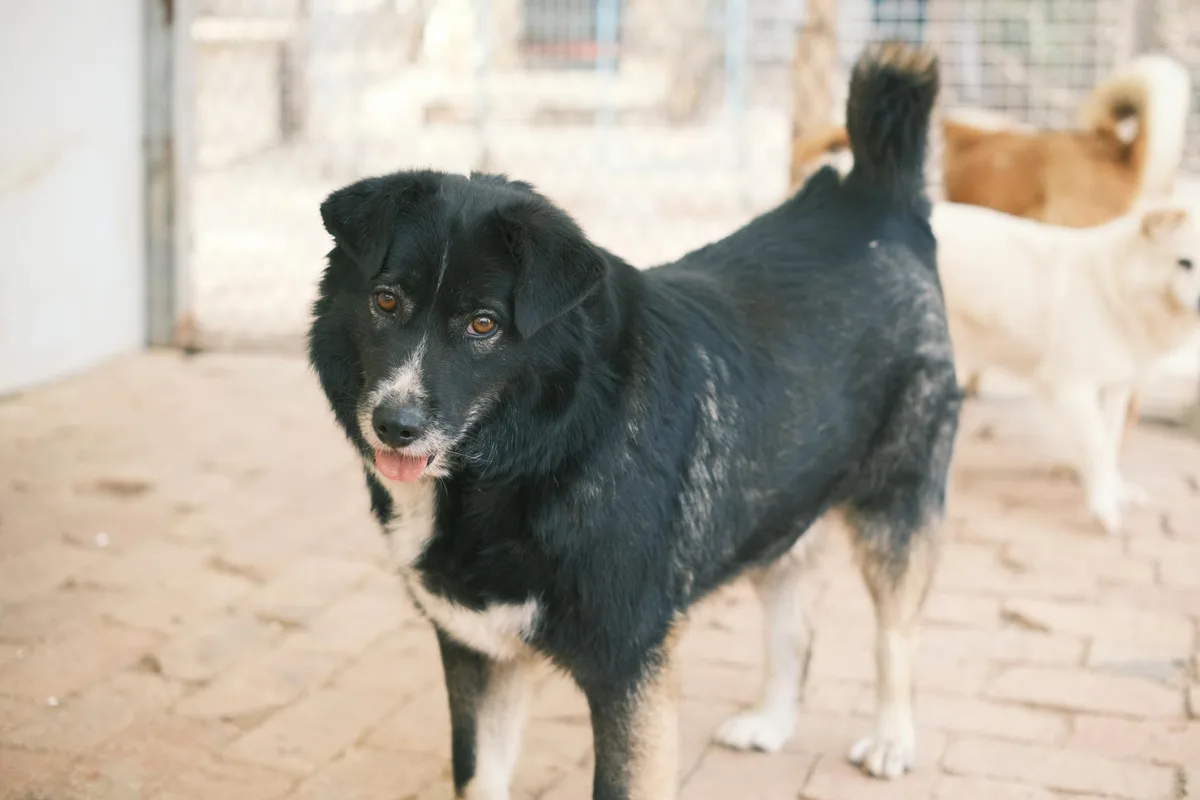
Wondering how much it will cost to adopt an arctic dog? Let’s break down the fees by breed and age! Adoption fees for arctic dogs can vary significantly based on the breed, age, and rescue organization. For instance, adopting a Siberian Husky puppy might cost between $300 and $600, while adult Huskies are often available for $150 to $400. Similarly, Alaskan Malamute puppies may range from $400 to $700, with adults typically costing less.
These adoption fees generally cover essential services such as vaccinations, spaying/neutering, and microchipping. Understanding how breed affects adoption fees can help potential adopters budget effectively.
How Breed Affects Adoption Fees
Did you know that the breed of an arctic dog can significantly influence its adoption fee? Popular breeds like the Siberian Husky often have higher fees due to demand and specific care needs. For instance, the average fee for a Siberian Husky is around $300, while less common breeds might be available for $150.
Some less popular breeds may have lower adoption fees, but they often require just as much care and attention as more sought-after breeds. Understanding breed-specific adoption costs helps potential adopters plan their budgets effectively. Age is another critical factor in determining adoption fees, and it can vary widely.
Age-Based Fee Variations in Arctic Dog Adoption
Are you considering adopting a puppy or an adult arctic dog? The age you choose can impact your wallet! Age-based adoption fees often mean puppies cost more due to their high demand and care needs. For instance, puppies can average around $500, while adult dogs might be closer to $300.
Adopting older dogs offers benefits like lower energy levels and established temperaments. Many adopters overlook these advantages, including lower adoption fees and the fact that senior dogs are often already trained. Understanding puppy vs adult dog costs can help in financial planning.
Next, we’ll compare adoption fees across different rescue organizations to give you a broader perspective.
Comparing Adoption Fees Across Different Rescues
Are you aware that not all rescues charge the same adoption fees? Let’s explore the differences! Comparing dog adoption fees involves examining the services provided, care levels, and geographical influences. Some rescues include training or health guarantees, which can justify higher fees. Additionally, location impacts both the availability of arctic breeds and the costs associated with their care.
| Rescue Organization | Adoption Fee | Included Services |
|---|---|---|
| Arctic Paws Rescue | $300 | Basic training, health check |
| Northern Lights Sanctuary | $450 | Health guarantee, microchipping |
| Snowy Tails Haven | $250 | Vaccinations, spay/neuter |
A side-by-side analysis of rescue fees will provide even more clarity for potential adopters.
Criteria for Comparing Adoption Fees
Wondering how to evaluate adoption fees? Here are the key criteria you should consider!
| Criteria | Influence on Cost |
|---|---|
| Veterinary Care | Covers vaccinations and health checks, impacting initial fees. |
| Initial Training | Includes basic obedience training, affecting upfront costs. |
| Post-Adoption Support | Long-term value in saving on future training and behavioral issues. |
Rescue organizations often structure fees to reflect these factors. Many adopters fail to consider the long-term value of post-adoption support, which can save money on training and behavioral issues later. Next, we’ll provide a side-by-side analysis of adoption fees from various rescues.
Side-by-Side Analysis of Rescue Fees
Curious about how different rescues stack up in terms of adoption fees? Let’s take a closer look!
| Rescue Name | Adoption Fee | Services Included | Additional Costs |
|---|---|---|---|
| Arctic Paws Rescue | $250 | Vaccinations, Microchip | Training: $100 |
| Snowy Tails Haven | $300 | Spay/Neuter, Health Check | Supplies: $50 |
| Polar Friends Shelter | Sliding Scale | Basic Training, Starter Kit | None |
Many adopters are unaware that some rescues offer sliding scale fees based on income, making adoption more accessible. Testimonials from adopters highlight satisfaction with transparent fee structures and included services.
Choosing the Right Rescue Based on Fees and Services
Choosing the right rescue can be as important as choosing the right dog—here’s how to make the best decision! Evaluating rescue organizations involves considering adoption fees, services, and personal preferences. Research rescues thoroughly, read reviews, and assess their community involvement, which many adopters overlook. Here’s a comparison to guide your arctic dog adoption choices:
| Criteria | What to Look For |
|---|---|
| Adoption Fees | Compare costs and what they include, such as vaccinations or spaying/neutering. |
| Services Offered | Check for post-adoption support, training, and community events. |
| Quality of Care | Read reviews and visit facilities to evaluate the care provided. |
Now, let’s address some frequently asked questions about arctic dog adoption.
Frequently Asked Questions About Arctic Dog Adoption

Got questions about adopting an arctic dog? You’re not alone—let’s tackle some of the most frequently asked questions!
- What are the typical adoption fees? Adoption fees can vary widely between organizations. It’s best to check with specific shelters for exact costs.
- How does the adoption process work? The process often includes an application, interview, and home visit. Each organization may have unique requirements.
- What breeds are available for adoption? Common arctic breeds include Siberian Huskies and Alaskan Malamutes. Availability can differ by location.
For more detailed information, visit the ASPCA’s adoption tips page. Understanding the costs involved in adoption is crucial for potential adopters.
What Are the Typical Costs Involved in Arctic Dog Adoption?
Are you prepared for the financial commitment of adopting an arctic dog? Let’s break down the costs! The typical costs of dog adoption include an adoption fee, supplies, and initial veterinary care. These arctic dog adoption expenses can vary based on the dog’s age and breed. Many adopters underestimate the initial costs, which can range from $500 to over $1,000. It’s also important to be aware of any hidden fees that may arise during the adoption process.
Are There Any Hidden Fees in the Adoption Process?
Are you aware of the hidden fees that can come with adopting an arctic dog? Let’s uncover them! While the initial adoption fee might seem straightforward, many adopters are surprised to find that some rescues charge additional fees for specific services, such as behavioral assessments or training classes. It’s essential to ask about potential hidden fees in dog adoption, including costs for special medical needs or unexpected costs of adopting a dog. Financial preparation is crucial, so let’s explore how to prepare financially for adopting an arctic dog.
How Can I Prepare Financially for Adopting an Arctic Dog?
Are you ready to take the leap into dog ownership? Financial preparation is key to a successful adoption! Start by budgeting for adopting a dog, considering both initial and ongoing expenses like food and grooming, which many adopters overlook. Establish an emergency fund for unexpected veterinary costs. Explore resources for financial assistance or low-cost veterinary care options to ease arctic dog ownership costs. Post-adoption support is vital for new pet owners, so let’s discuss what ADRTC offers.
What Support Does ADRTC Offer Post-Adoption?
Did you know that the support doesn’t end once you adopt? Here’s how ADRTC can help you and your new arctic dog thrive! ADRTC post-adoption support includes comprehensive training programs, behavioral resources, and engaging community events. These resources for new dog owners are designed to help your arctic dog acclimate smoothly to their new home environment.
Many adopters find that the ongoing support from ADRTC significantly improves their relationship with their new dog and reduces behavioral issues. Testimonials from satisfied adopters highlight the positive impact of ADRTC’s assistance.
Key Takeaways About Arctic Dog Adoption Fees
Ready to take the plunge into arctic dog adoption? Here are the key takeaways you need to remember! Adoption fees can vary significantly depending on the breed and specific needs of the dog. It’s crucial to understand these costs as well as the adoption process, which often includes home checks and interviews to ensure a good match. Consideration of the unique characteristics of arctic breeds is essential for a successful adoption.
Thorough preparation and understanding of the financial and emotional commitments are vital. Many potential adopters feel overwhelmed, but a clear summary can boost confidence in making the right decision. For further questions or to start the adoption journey, reach out to ADRTC. Join us in making a difference—consider adopting a dog or volunteering with ADRTC today!
Leave a Reply