
Why Arctic Dog Breeds Are Essential for Cold Climates
Have you ever wondered why some dog breeds thrive in freezing temperatures? Arctic dog breeds are crucial for cold climates due to their unique adaptations, such as thick fur and a layer of body fat that insulate them against harsh weather. These breeds can withstand temperatures as low as -60°F, unlike non-Arctic breeds, which struggle below 32°F.
Arctic dog breeds have evolved specific physiological traits, including a unique blood flow system, enabling them to maintain warmth without overheating during intense activities like sled pulling and hunting. Historically, these dogs have been indispensable in cold regions, serving as reliable sled dogs and hunting companions.
- Siberian Husky – Known for their endurance and speed in sled racing.
- Alaskan Malamute – Renowned for their strength and ability to haul heavy loads.
- Samoyed – Famous for their herding skills and friendly demeanor.
Next, we will explore the distinctive traits and popular breeds that define the Arctic dog category.
Characteristics and Popular Breeds of Arctic Dogs
Arctic dog breeds are not just beautiful; they are built for survival in the harshest conditions. These breeds are distinguished by their thick double coats, which provide insulation against extreme cold, and their large, snowshoe-like paws that help them traverse snowy terrains with ease. Popular Arctic dog breeds include the Siberian Husky, known for its endurance and friendly nature, the Alaskan Malamute, prized for its strength and loyalty, and the Samoyed, with its gentle disposition and striking white coat. These breeds are well-suited for families and active lifestyles due to their energetic and sociable temperaments. We will now delve deeper into the distinctive traits that make these breeds so remarkable.
Distinctive Traits of Arctic Dog Breeds
What makes Arctic dog breeds stand out in a crowd of canines? These breeds possess unique physical traits such as thick double coats, curled tails, and erect ears. Their dense fur provides insulation against extreme cold, while snowshoe-like paws offer traction on icy surfaces. Compared to non-Arctic breeds, these features are crucial for survival in harsh climates.
Behaviorally, Arctic dogs are known for their loyalty, intelligence, and high energy levels. They often exhibit a natural instinct for teamwork, essential for their historical roles in sledding and hunting. These characteristics distinguish them from other breeds, underscoring their adaptability and resilience.
Next, we will highlight some of the most popular Arctic dog breeds and their unique characteristics.
Top Popular Arctic Dog Breeds
From sledding companions to family pets, Arctic dog breeds have captured the hearts of many. Here are some of the top Arctic dog breeds:
- Siberian Husky: Originally bred by the Chukchi people for endurance and companionship, this versatile breed excels in sled racing.
- Alaskan Malamute: Known for their strength, they were historically used for hauling heavy freight.
- Samoyed: With their iconic white coats, these dogs were used for herding reindeer.
- Greenland Dog: A powerful sled dog, known for its resilience in harsh climates.
- Canadian Eskimo Dog: Renowned for their stamina, they are adept at pulling sleds over long distances.
These popular breeds in cold climates continue to thrive in modern society, participating in activities like sled racing and serving as loyal companions. Next, we will explore how these breeds are specifically adapted to thrive in extreme cold.
Adaptations for Cold Environments
How do Arctic dogs manage to thrive in some of the harshest climates on Earth? These breeds possess remarkable cold environment adaptations. Thick double coats and dense fur layers provide insulation, while a compact body shape minimizes heat loss. Additionally, they have a unique ability to regulate body temperature, staying active in sub-zero temperatures without overheating.
Behaviorally, Arctic dogs conserve energy by reducing activity during extreme weather. Historically, these Arctic dog survival traits have been invaluable for sledding, enabling them to transport goods across icy terrains efficiently. Next, we will investigate the cultural significance and historical roles of these breeds.
Cultural Significance and History of Arctic Breeds
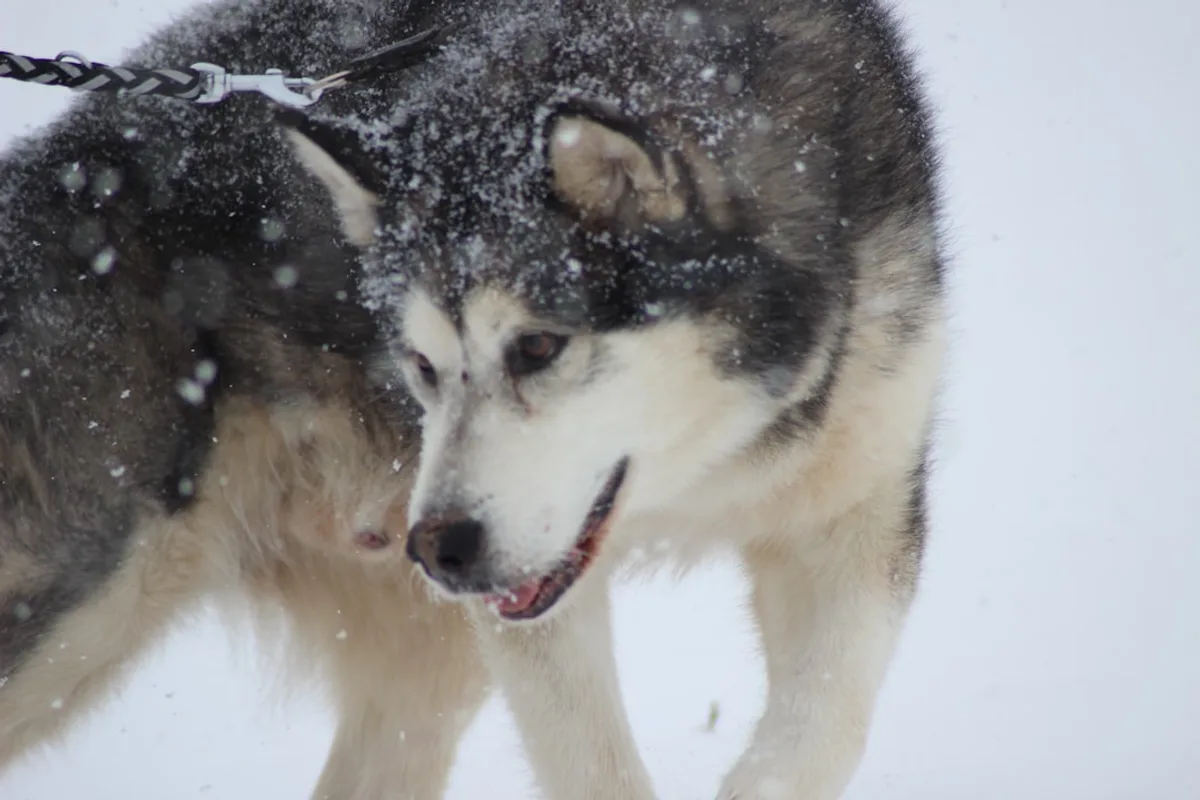
Did you know that Arctic dogs have been vital to the survival of indigenous cultures for centuries? These remarkable breeds have historically played crucial roles in sled pulling and hunting, serving as indispensable partners in the harsh Arctic environment. Many indigenous cultures view Arctic dogs not just as pets but as essential partners in survival, often integrating them into their spiritual beliefs and practices.
For example, the Inuit have long relied on the Canadian Eskimo Dog for transportation and hunting, valuing their strength and endurance. As one Inuit elder noted, “Without our dogs, we would not have thrived in this land.” We will now examine how these breeds have evolved over time.
Historical Roles in Indigenous Cultures
The bond between Arctic dogs and indigenous peoples goes far beyond companionship—it’s a matter of survival. In indigenous cultures, Arctic dog breeds have been essential for hunting and herding. These traditional roles have shaped their development, resulting in breeds like the Canadian Eskimo Dog remaining largely unchanged, showcasing their adaptability and resilience.
Next, we will explore how Arctic dog breeds have evolved over time.
Evolution of Arctic Dog Breeds
The evolution of Arctic dog breeds is a fascinating tale of survival against the odds. These breeds developed unique traits, such as thick double coats and snowshoe-like paws, due to environmental pressures. Over time, human intervention has preserved certain genetic traits while altering others. Recent studies suggest that climate change is influencing their breeding patterns, challenging their traditional roles. Next, we will discuss the modern-day importance and uses of these breeds.
Modern-Day Importance and Uses
Arctic dog breeds are not just relics of the past; they are evolving to meet the needs of modern society. Today, these breeds participate in activities such as sledding, therapy, and companionship. Despite their historical roles, many Arctic breeds are now finding new purposes as therapy and service dogs, showcasing their versatility and adaptability.
Urbanization and climate change have impacted their lifestyles, yet organizations continue to promote their welfare and adoption. Initiatives focus on preserving their unique characteristics while integrating them into contemporary uses of Arctic dog breeds. Next, we will provide detailed profiles of some lesser-known Arctic breeds.
Detailed Profiles of Lesser-Known Arctic Breeds
While many know the Siberian Husky, there are several lesser-known Arctic breeds that are equally remarkable. These unique Arctic dog profiles reveal breeds like the Karelian Bear Dog, known for its hunting prowess and family-friendly nature. Owners often praise its loyalty and adaptability, making it a cherished companion when properly trained.
Another fascinating breed is the Norwegian Lundehund, with its six-toed feet and flexible joints, perfectly suited for navigating rugged terrains. Testimonials from owners highlight its playful temperament and moderate care needs, making it ideal for active families.
Let’s take a closer look at the Greenland Dog, a hardy worker with a rich history.
Greenland Dog: A Hardy Worker
The Greenland Dog is more than just a breed; it’s a testament to the resilience of Arctic life. Originating from Greenland, this robust breed has historically excelled in hunting and transportation. Its thick double coat and powerful build enable it to withstand harsh climates, making it a unique Arctic breed.
Renowned for its versatility, the Greenland Dog has been used both as a sled dog and for hunting, showcasing its strength and adaptability. Despite its working origins, this breed is known for its loyal and friendly temperament, making it a suitable family pet for those who appreciate its energetic nature.
Next, we will explore the Canadian Eskimo Dog, a rare gem with a storied past.
Canadian Eskimo Dog: A Rare Gem
The Canadian Eskimo Dog is not just rare; it’s a breed steeped in history and cultural significance. As one of the oldest dog breeds in North America, with a lineage dating back over 4,000 years, it serves as a living piece of history. This rare Arctic dog breed boasts a thick double coat and robust build, ideal for enduring harsh Arctic conditions.
Historically, these dogs were indispensable to Arctic communities, used for sledding and hunting. Today, conservation efforts focus on preserving the Canadian Eskimo Dog’s unique characteristics and cultural heritage. Finally, we will delve into the Karelian Bear Dog, known for its hunting prowess.
Karelian Bear Dog: A Skilled Hunter
The Karelian Bear Dog is not just a breed; it’s a fearless guardian of the Arctic wilderness. Originating from Finland, this hunting dog has a storied history of confronting large game like bears and moose. Known for its loyalty and protective nature, the Karelian Bear Dog exhibits a strong instinct to face predators.
Physically, it boasts a thick double coat and muscular build, traits common among Arctic dog breeds. Its temperament is both courageous and devoted, making it an ideal companion for experienced owners. Training should focus on socialization and obedience, emphasizing positive reinforcement.
Next, we will outline the steps to adopt or rescue an Arctic dog.
Steps to Adopt or Rescue an Arctic Dog
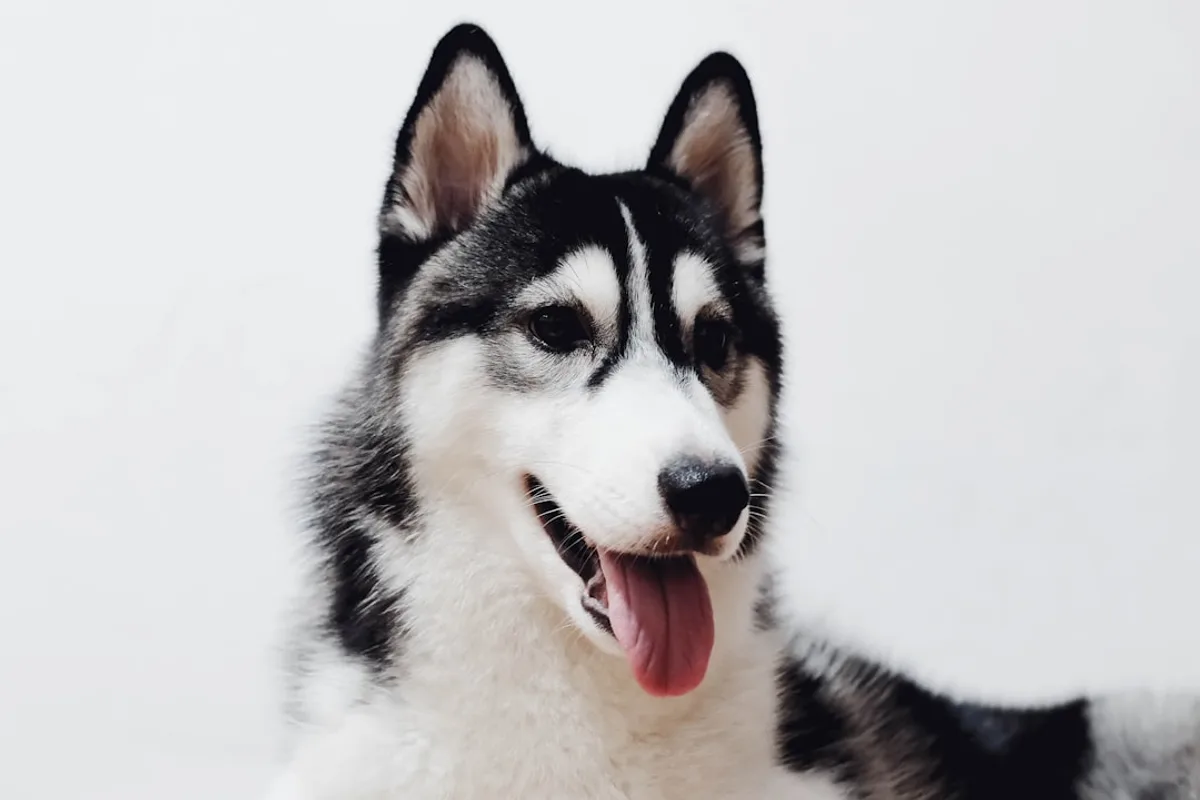
Thinking about adopting an Arctic dog? Here’s what you need to know before you take the plunge. Many potential adopters underestimate the importance of environmental factors, such as climate and space, in the successful adoption of Arctic breeds. Follow these steps to ensure a smooth adoption process:
- Prepare Your Home: Ensure you have enough space and a suitable climate for an Arctic dog. These breeds thrive in cooler environments and require ample room to roam.
- Research Breeds: Match the right breed with your lifestyle. Consider characteristics like energy levels and grooming needs.
- Application Process: Fill out adoption forms and provide necessary documentation.
- Home Visit: Expect a home visit to assess your living conditions and readiness for an Arctic dog.
- Finalize Adoption: Once approved, complete the paperwork and welcome your new furry friend home.
Next, we will explain the adoption process in detail.
Preparing for an Arctic Dog Adoption
Preparation is key to a successful adoption—are you ready for an Arctic dog? Understanding Arctic dog needs is crucial. Here’s how to prepare:
- Research specific Arctic breeds and their temperaments to ensure a good family fit.
- Secure a suitable living environment, considering space and climate.
- Gather necessary supplies, such as grooming tools and exercise equipment.
- Prepare your home for the new arrival, ensuring safety and comfort.
Now, let’s clarify the adoption process step-by-step.
The Adoption Process Explained
Navigating the adoption process can be daunting—let’s break it down step by step. Understanding how to adopt an Arctic dog involves several key stages:
- Application Submission: Fill out an application detailing your lifestyle and preferences.
- Interviews: Participate in interviews to discuss your suitability as a pet owner.
- Home Visits: Expect home visits to assess the environment and ensure a good match.
- Waiting Period: Be prepared for a waiting period, during which compatibility is evaluated.
- Trial Period: Many processes include a trial period to assess compatibility before finalizing the adoption.
Finally, we will discuss post-adoption care and adjustment tips to ensure a smooth transition.
Post-Adoption Care and Adjustment Tips
Adopting an Arctic dog is just the beginning—how can you ensure a smooth transition?
- Establish Routines: Consistent daily schedules help Arctic dogs adjust to a new home, providing security and stability.
- Set Boundaries: Clearly defined boundaries prevent confusion and encourage good behavior.
- Prioritize Socialization and Training: Early intervention is crucial as many Arctic dogs may exhibit behavioral changes post-adoption.
- Monitor Health: Regular vet check-ups are essential to ensure your Arctic dog’s wellness as they acclimate.
Next, we will discuss environmental and care considerations for Arctic breeds.
Environmental and Care Considerations for Arctic Breeds
Before bringing an Arctic dog home, it’s crucial to understand their unique care needs—are you prepared? These breeds thrive in cold climates, ideally between -20°F to 60°F. They require ample space to roam, as their natural instincts drive them to explore and be active. The living conditions for Arctic breeds should mimic their native environments as closely as possible.
| Aspect | Considerations |
|---|---|
| Dietary Needs | High-quality, protein-rich diets are essential to meet their high energy levels and fast metabolism. |
| Health Concerns | Many Arctic breeds are prone to hip dysplasia and skin issues. Regular veterinary check-ups are crucial for early detection. |
Next, we will explore the dietary and exercise requirements specific to these breeds.
Climate Suitability and Living Conditions
What kind of environment do Arctic dogs thrive in? Let’s explore their ideal living conditions. Arctic dog breeds are best suited to cold climates with low humidity. They need ample space for exercise, especially in urban settings, to mimic their natural habitat. Despite their adaptations, they can suffer from heat stress without proper cooling options in warmer months.
| Climate Condition | Ideal for Arctic Dogs |
|---|---|
| Temperature | Cold, below 50°F (10°C) |
| Humidity | Low |
| Space | Large areas for exercise and play |
Now, we will examine the dietary needs and exercise requirements of Arctic breeds.
Dietary Needs and Exercise Requirements
Feeding and exercising an Arctic dog is not just routine; it’s essential for their well-being—are you ready to meet their needs? Many Arctic breeds have a unique metabolism that requires a diet higher in fat compared to typical dog food, reflecting their energy needs in cold climates.
| Dietary Needs | Exercise Requirements |
|---|---|
|
|
Next, we will discuss health concerns that are specific to Arctic breeds.
Health Concerns Specific to Arctic Breeds
Understanding the health concerns of Arctic breeds is crucial for any potential owner—what should you be aware of?
| Health Issue | Description | Preventive Care |
|---|---|---|
| Hip Dysplasia | Common in larger breeds, causing joint pain and mobility issues. | Regular vet check-ups and maintaining a healthy weight. |
| Skin Conditions | Thick coats make Arctic breeds prone to skin issues. | Frequent grooming and skin checks are essential. |
| Eye Problems | Conditions like cataracts can affect vision. | Early detection through routine eye exams. |
Recognizing early signs of health issues in Arctic dogs, such as limping or excessive scratching, is vital. Next, we will answer some frequently asked questions about Arctic dog breeds.
FAQs About Arctic Dog Breeds
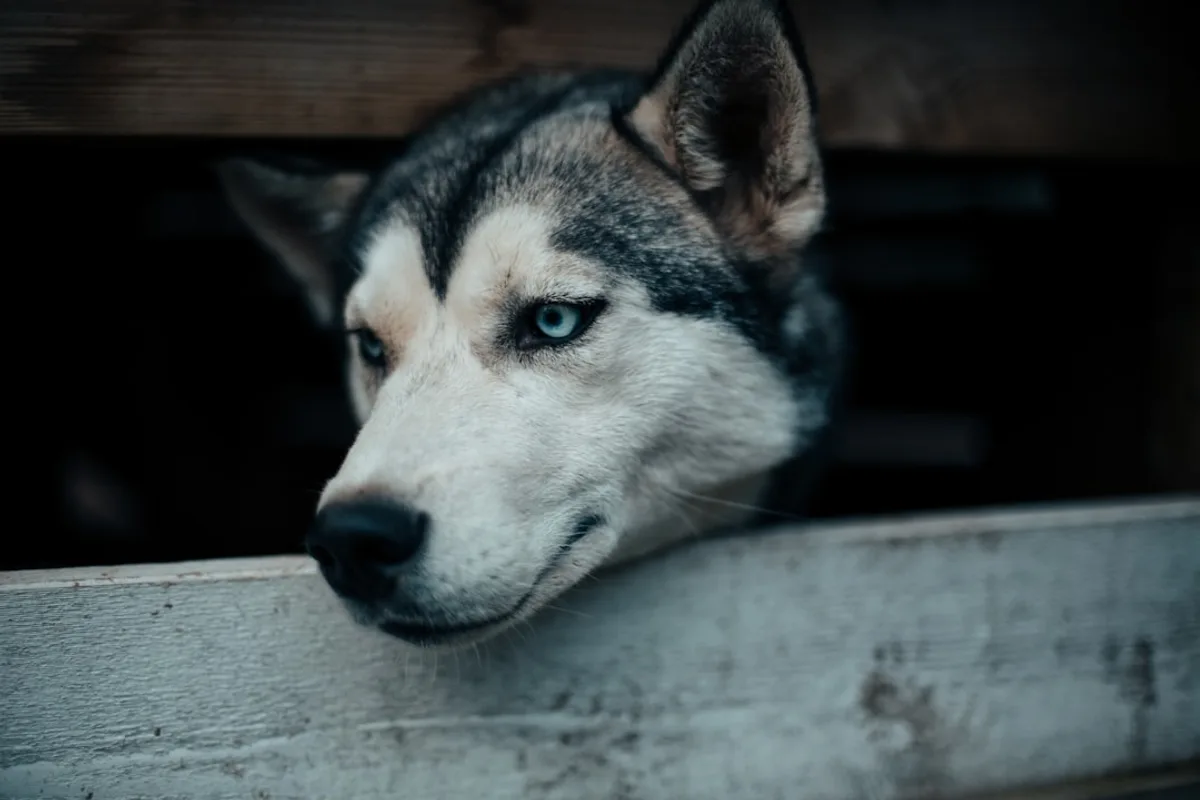
Curious about Arctic dog breeds? Here are some frequently asked questions that might help you decide.
-
Can Arctic dog breeds adapt to family life?
Yes, many potential adopters are unaware that Arctic breeds can adapt to family life, provided they receive proper training and socialization. Learn more about breed characteristics.
-
What are the common characteristics of Arctic dog breeds?
They typically have thick double coats and snowshoe-like paws, which help them thrive in cold climates.
-
Which Arctic dog breeds are most popular?
Popular breeds include the Siberian Husky, Alaskan Malamute, and Samoyed. Each has unique traits and care needs.
Let’s dive into specific questions regarding the most common Arctic breeds.
What are the most common Arctic dog breeds?
Wondering which Arctic dog breeds are the most common? Let’s take a closer look at the favorites. Among the popular Arctic breeds, the Siberian Husky stands out, consistently ranking among the top 15 most popular dog breeds in the United States due to its friendly nature and striking appearance. Other common Arctic dog breeds include the Alaskan Malamute, known for its strength, and the Samoyed, famous for its friendly demeanor and fluffy white coat. These breeds are ideal for families and active lifestyles, thanks to their endurance and playful nature.
Next, we will explore how Arctic dogs manage to stay warm in cold climates.
How do Arctic dogs stay warm in cold climates?
Have you ever wondered how Arctic dogs manage to stay warm in freezing temperatures? These remarkable canines possess unique physiological adaptations, such as thick layers of body fat and dense, double-layered fur, which provide excellent insulation. Unlike other breeds, Arctic dogs have a unique circulatory system that minimizes heat loss, allowing them to regulate their body temperature efficiently. Additionally, their behavioral adaptations, including increased activity levels and strategic resting habits, help them conserve warmth. Next, we will discuss whether Arctic dog breeds are suitable for families.
Are Arctic dog breeds suitable for families?
Are you considering an Arctic dog for your family? Here’s what you need to know about their suitability. Many Arctic breeds, despite their high energy, can thrive in family settings when provided with adequate exercise and training, debunking the myth that they are solely working dogs. Their friendly and loyal temperaments make them excellent companions.
Successful integration of Arctic dogs and families often depends on early training and socialization. Families who have adopted these breeds report positive experiences, noting their playful nature and adaptability as key factors in creating a harmonious household. Next, we will explore the grooming needs of Arctic dogs.
What are the grooming needs of Arctic dogs?
Grooming an Arctic dog is more than just a chore—it’s essential for their health and happiness. Are you prepared for their grooming needs? The grooming needs of Arctic breeds are unique due to their thick double coats, which require regular maintenance. Shedding in Arctic dogs is significant, especially during seasonal changes, demanding frequent brushing to manage loose fur and prevent matting.
Regular grooming ensures comfort, particularly in warmer climates. Use a slicker brush and an undercoat rake for effective Arctic dog coat care. Finally, we will address whether Arctic dogs can live in warmer climates.
Can Arctic dogs live in warmer climates?
Can Arctic dogs thrive in warmer climates? The answer might surprise you! While Arctic breeds, such as the Siberian Husky and Alaskan Malamute, can adapt to warmer climates, they require careful management to prevent overheating. Their thick double coats, designed for frigid temperatures, can pose challenges in heat.
To keep Arctic breeds cool, ensure they have access to ample hydration and shaded areas. Many owners in warmer regions have successfully managed this by adjusting exercise times and providing cooling mats. With proper care, Arctic dogs in warm climates can indeed lead healthy lives.
Key Takeaways About Arctic Dog Breeds
As we wrap up our exploration of Arctic dog breeds, what are the key insights you should take away? These remarkable dogs are renowned for their thick double coats and snowshoe-like paws, which equip them to thrive in frigid environments. Popular breeds such as the Siberian Husky, Alaskan Malamute, and Samoyed are not only beautiful but also embody a rich historical and cultural significance.
Understanding the complexities of Arctic dog breeds enhances the adoption experience and fosters a deeper appreciation for their unique traits and care needs. Potential adopters and enthusiasts must recognize the importance of these characteristics to ensure a harmonious relationship with these dogs.
Join us in making a difference—consider adopting a dog or volunteering with ADRTC today! By supporting rescue efforts, you contribute to the preservation and well-being of these extraordinary breeds.
Leave a Reply