
Why Grooming is Vital for Arctic Dogs
Did you know that grooming is not just about aesthetics for Arctic dogs, but a crucial aspect of their health? Regular grooming can significantly reduce the risk of skin-related diseases in Arctic breeds, which are prone to specific skin conditions due to their dense coats.
The health benefits of grooming Arctic dogs extend beyond a shiny coat. Consistent grooming helps maintain skin health, preventing issues like matting and skin infections. According to recent studies, neglected grooming can lead to a 30% increase in skin infections among Arctic breeds. These infections often result from trapped moisture and debris within their thick fur.
Dog owners frequently report improvements in their pets’ behavior and overall well-being following regular grooming sessions. One owner noted, “After we started a consistent grooming routine, our Husky seemed happier and more energetic.” Such testimonials highlight the importance of Arctic dog grooming, emphasizing how it contributes to their mental and physical health.
Understanding the unique coat types of Arctic breeds is essential for effective grooming. This knowledge helps in selecting the right grooming techniques and tools, ensuring that your Arctic dog remains healthy and comfortable throughout the year. As we delve deeper, we’ll explore the specific grooming needs tailored to these resilient breeds.
Navigating Unique Coat Types and Grooming Techniques for Arctic Breeds
The stunning coats of Arctic dogs are not just for show; they require specific grooming techniques to keep them healthy and beautiful. Arctic dog coat types vary significantly, with breeds like the Siberian Husky and Alaskan Malamute showcasing unique grooming needs. The Siberian Husky, for instance, has a medium-length double coat that benefits from weekly brushing to prevent matting and reduce shedding.
In contrast, the Alaskan Malamute boasts a denser undercoat, necessitating more frequent grooming sessions, especially during shedding seasons. Using a slicker brush and an undercoat rake can effectively manage their thick fur. Understanding these differences is crucial for maintaining their coat health.
| Breed | Coat Type | Grooming Tools | Brushing Frequency |
|---|---|---|---|
| Siberian Husky | Medium-length double coat | Slicker brush | Weekly |
| Alaskan Malamute | Dense undercoat | Undercoat rake, slicker | More frequent during shedding |
Understanding the Double Coat of Arctic Breeds
Understanding the double coat of Arctic breeds is key to mastering their grooming needs. A double coat consists of a dense undercoat for insulation and a protective outer coat. This structure helps Arctic dogs regulate temperature but requires specific grooming techniques to prevent matting and skin issues.
During the Arctic dog shedding cycle, these breeds shed their undercoat seasonally, which can lead to increased grooming needs. Regular brushing helps manage this shedding and keeps the coat healthy. Use a slicker brush for the outer coat and an undercoat rake to remove loose fur effectively.
Now that we understand the double coat, let’s look at effective grooming techniques tailored for Arctic dogs.
Grooming Techniques for Arctic Dogs
Ready to transform your grooming routine? Here are the best techniques and tools to keep your Arctic dog looking its best! Essential tools include deshedding brushes and undercoat rakes, perfect for managing their dense fur. Here’s how to groom double-coated dogs effectively:
- Brushing: Use an undercoat rake to gently remove loose fur without harming the coat.
- Bathing: Bathe sparingly to maintain natural oils; use a mild shampoo suitable for Arctic breeds.
- Trimming: Trim only when necessary, focusing on hygiene areas to prevent matting.
Compare products like the Furminator for thick coats and the Hertzko for sensitive skin to find the best tools for Arctic dog grooming. However, even experienced groomers can make mistakes; let’s discuss common pitfalls to avoid.
Common Mistakes to Avoid When Grooming Arctic Breeds
Even the most dedicated dog owners can make grooming mistakes—let’s uncover what to avoid for your Arctic breed! One frequent error is over-bathing, which can strip essential oils from the coat, leading to dryness and irritation. Instead, bathe sparingly and use a gentle, breed-specific shampoo.
Improper brushing techniques are another common issue. Many owners fail to address the undercoat, resulting in matting and discomfort. Invest in a high-quality undercoat rake and brush in the direction of hair growth to prevent these problems. Professional groomers advise regular brushing to maintain a healthy, tangle-free coat.
With these common mistakes in mind, it’s also important to consider seasonal grooming needs.
Seasonal Grooming Tips and Tools for Arctic Dogs
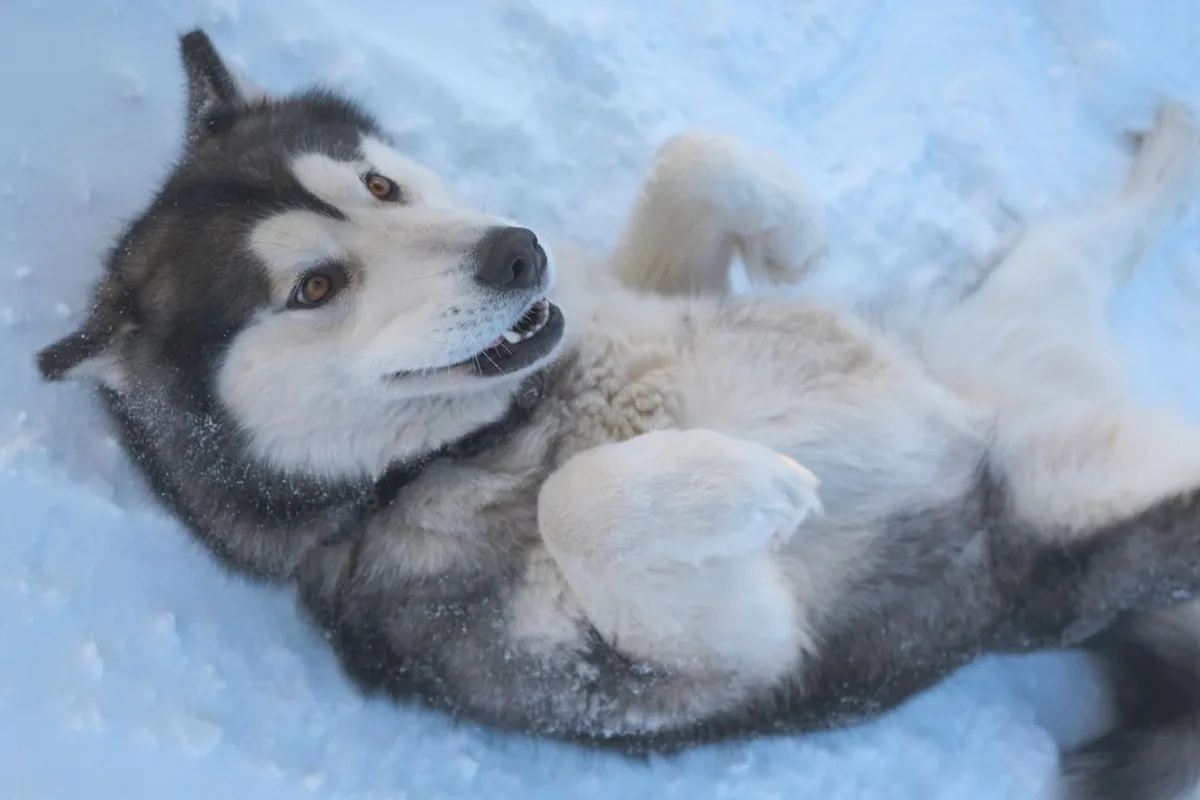
As the seasons change, so do the grooming needs of your Arctic dog—are you prepared for the shifts? Arctic dogs face unique grooming challenges due to extreme weather conditions. In winter, their double coats require special attention to prevent matting and frostbite. Regular brushing is essential to maintain their coat’s insulating properties.
Here’s a seasonal grooming checklist for Arctic dogs:
- Winter: Increase brushing frequency to manage shedding and prevent ice build-up. Consider paw balm to protect against frostbite.
- Summer: Regularly check for ticks and fleas. Trim excess fur to avoid overheating, but never shave their coat completely.
Adjusting grooming routines based on temperature and activity levels is crucial. For instance, more frequent baths may be needed in summer to remove dirt and allergens. Seasonal grooming not only keeps Arctic dogs comfortable but also helps prevent heat-related issues in summer and frostbite in winter.
Let’s dive deeper into how to prepare your Arctic dog for the winter months.
Preparing for Winter: Grooming Essentials
Winter is coming! Is your Arctic dog ready for the chilly temperatures ahead? Essential grooming tasks include trimming the fur between paw pads to prevent ice buildup and checking for skin issues. Maintaining a healthy coat is crucial for insulation. Regularly brush your dog’s fur to avoid tangles and protect sensitive areas.
For more tips on grooming Arctic dogs for cold weather, visit AKC’s grooming guide. As temperatures rise, let’s explore how to keep your Arctic dog cool during the summer months.
Summer Grooming: Keeping Your Arctic Dog Cool
Summer heat can be tough on Arctic dogs—are you equipped with the right grooming strategies to keep them cool? Regular grooming in summer not only helps manage shedding but also allows for better airflow to the skin, reducing the risk of overheating. Brush your dog frequently to remove loose fur and keep their coat healthy.
Ensure your Arctic dog stays hydrated and consider cooling techniques like damp towels or cooling mats. These methods complement grooming efforts, offering relief in warmer weather. To make grooming easier, let’s look at the must-have tools for Arctic dog owners.
Must-Have Grooming Tools for Arctic Dog Owners
Equipping yourself with the right tools can make all the difference—what should every Arctic dog owner have in their grooming kit? Start with a slicker brush and a wide-tooth comb to tackle their dense double coats. The FURminator de-shedding tool is a top-rated choice, praised for reducing grooming time by up to 50%.
Investing in high-quality grooming tools simplifies the process, making it more efficient. Brands like Oster and Hertzko offer essential grooming supplies for Arctic breeds, ensuring you have the best grooming tools for Arctic dogs at your disposal.
Despite being beautiful, larger Arctic breeds pose unique grooming challenges that need addressing.
Overcoming Common Grooming Challenges for Larger Arctic Breeds
Owning a larger Arctic breed can be rewarding, but it comes with its own set of grooming challenges—are you ready to tackle them? One of the primary grooming challenges for large Arctic breeds is managing shedding in big dogs. These breeds often have dense, double coats that require frequent attention to prevent matting and excessive shedding.
To effectively manage these Arctic dog grooming difficulties, establish a regular grooming schedule. Aim for brushing sessions at least twice a week, using tools like an undercoat rake or slicker brush specifically designed for double-coated breeds. This helps remove loose fur and prevents tangles from forming.
Regular grooming is crucial not only for maintaining coat health but also for preventing skin issues and infections. Neglecting these grooming needs can lead to painful mats and skin irritations. Additionally, consider seasonal grooming adjustments, as shedding can increase during certain times of the year.
By staying proactive with grooming, you can ensure your Arctic dog remains comfortable and healthy. Let’s take a closer look at how to handle shedding and matting in these magnificent dogs.
Handling Shedding and Matting in Large Arctic Dogs
Shedding and matting can be a nightmare for large Arctic breeds—what’s the best way to keep their coat in check? These dogs often have double coats, leading to significant shedding, especially during seasonal changes. Regularly scheduled grooming sessions can reduce shedding by up to 80%, making it easier to maintain a clean home and a healthy coat.
To manage dog shedding, brush your Arctic dog at least twice a week using a slicker brush and an undercoat rake. This routine helps prevent matting in Arctic breeds by removing loose fur before it tangles. Consistent grooming is key to shedding solutions for large dogs.
Grooming anxiety can also be a challenge; let’s explore how to manage it effectively.
Dealing with Grooming Anxiety in Arctic Breeds
Is your Arctic dog fearful of grooming? Let’s explore effective strategies to ease their anxiety and make grooming a positive experience. Many Arctic breeds are sensitive to grooming due to their strong instincts. Recognizing signs of grooming anxiety in dogs, such as trembling or restlessness, is crucial for managing dog stress during grooming sessions.
To help alleviate anxiety, consider desensitization techniques like introducing grooming tools gradually. Creating a calm environment with soothing sounds can also help. Patience and consistency are key; building trust with your dog during grooming takes time. These tips for anxious Arctic breeds can transform grooming into a stress-free routine.
Now that we’ve covered the challenges, let’s discuss affordable grooming solutions for Arctic dog owners.
Affordable Grooming Solutions for Arctic Dog Owners
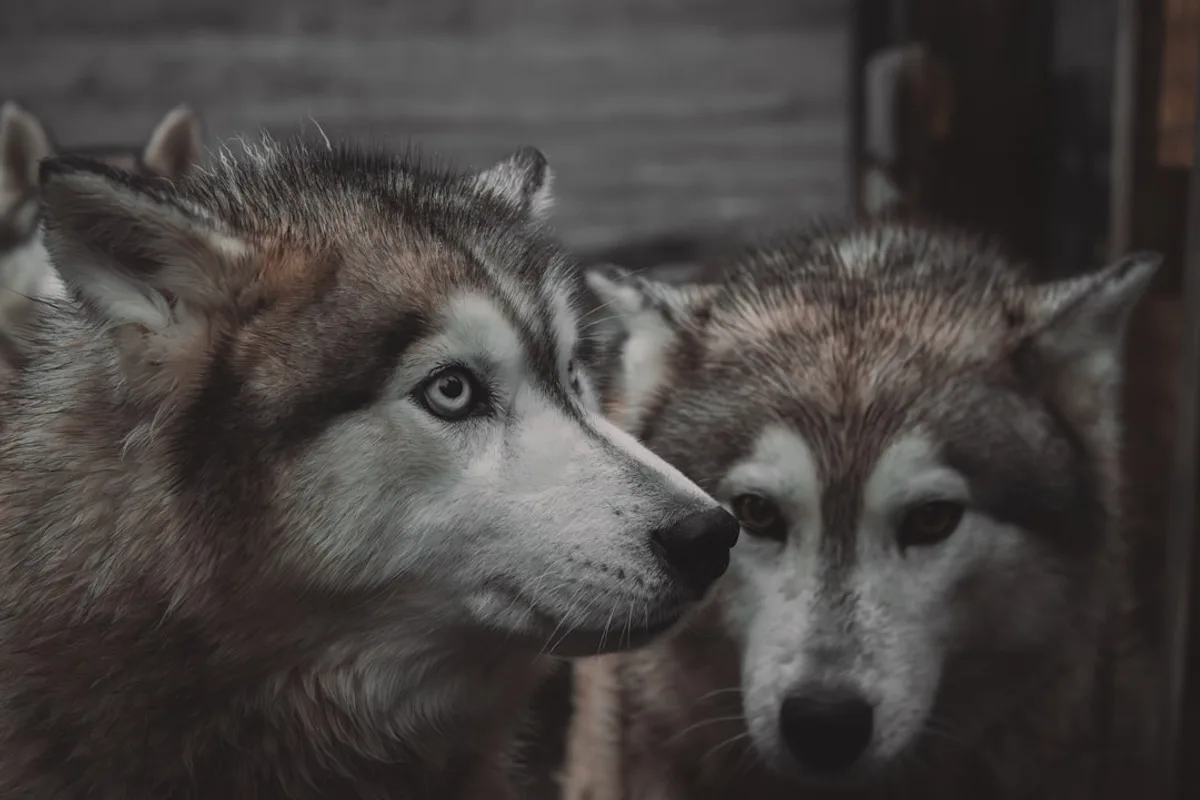
Grooming your Arctic dog doesn’t have to break the bank—what are some affordable solutions that work? Many dog owners can save up to 70% on grooming costs by learning basic DIY techniques and utilizing local community resources. Here are some budget-friendly dog grooming options:
- DIY Grooming Tips: Invest in a quality brush and comb suitable for double-coated breeds. Regular brushing helps manage shedding and maintain a healthy coat.
- Essential Tools: Purchase a slicker brush, undercoat rake, and nail clippers. These tools are effective and affordable, ensuring your Arctic dog stays well-groomed.
- Community Resources: Check local shelters or pet organizations for volunteer groomers or discounted grooming days. These services often provide affordable grooming solutions for dogs.
By incorporating these budget-friendly grooming strategies, you can keep your Arctic dog looking great without overspending. Let’s explore how to effectively groom your dog without spending a fortune on professional services.
DIY Grooming: Budget-Friendly Tips
Why pay for professional grooming when you can do it yourself? Here’s how to groom your Arctic dog at home without spending a fortune!
- Brush Regularly: Use a repurposed comb to manage the thick double coat, reducing shedding and matting.
- Trim with Care: Kitchen scissors can be used for trimming excess fur, especially around the paws and ears.
- Bath Time: Use mild dish soap as a shampoo alternative, ensuring it’s safe for your dog’s skin.
- Schedule Smart: Plan grooming sessions every 4-6 weeks to maintain coat health without overspending.
If DIY isn’t your style, let’s look at how to find cost-effective grooming services.
Finding Cost-Effective Grooming Services
Searching for budget-friendly grooming services for your Arctic dog? Here’s how to find quality care without breaking the bank!
- Use local directories and community boards to discover affordable dog grooming services nearby.
- Look for groomers with positive reviews and reasonable rates, ensuring quality without high costs.
- Explore volunteer-based grooming services from local shelters, as many offer discounted grooming as part of their community outreach programs.
Finally, let’s discuss how to save on grooming supplies without sacrificing quality.
Saving on Grooming Supplies for Arctic Dogs
Grooming supplies can add up quickly—what are some savvy ways to save money while keeping your Arctic dog well-groomed?
- Buy grooming supplies in bulk to save up to 30%, especially on shampoos and brushes.
- Look for sales and discounts on pet grooming items at local stores or online platforms.
- Choose quality over quantity to avoid frequent replacements, ensuring budget grooming products last longer.
With these tips in mind, let’s compare the grooming needs of Arctic breeds to those of non-Arctic breeds.
Comparing Grooming Needs of Arctic vs. Non-Arctic Breeds
Are you curious about how the grooming needs of Arctic breeds stack up against their non-Arctic counterparts? Let’s find out!
| Aspect | Arctic Breeds | Non-Arctic Breeds |
|---|---|---|
| Coat Type | Double coat, thick underlayer | Varies widely, can be single or double |
| Maintenance | Regular brushing to prevent matting | Depends on breed; some require less frequent grooming |
| Environmental Influence | Seasonal shedding, requires specific tools | Less affected by seasonal changes |
While many non-Arctic breeds may require regular grooming, the unique double coat of Arctic breeds necessitates a different approach to maintenance and care. Breeds like the Siberian Husky and Alaskan Malamute need frequent brushing, especially during shedding seasons, to manage their dense undercoat.
Coat Maintenance: Arctic vs. Non-Arctic Breeds
When it comes to coat maintenance, Arctic breeds have unique needs—how do they compare to non-Arctic breeds? Double-coated breeds like Siberian Huskies require a unique grooming routine that can involve up to 3 times more frequent brushing compared to single-coated breeds like Golden Retrievers.
| Breed Type | Coat Type | Grooming Frequency |
|---|---|---|
| Arctic Breeds (e.g., Siberian Husky) | Double Coat | 3 times per week |
| Non-Arctic Breeds (e.g., Golden Retriever) | Single Coat | Once per week |
Let’s examine the grooming frequency and techniques that differ between these two categories.
Grooming Frequency and Techniques Compared
How often should you groom your Arctic dog compared to a non-Arctic breed? The answer might surprise you! Many owners of non-Arctic breeds may underestimate the grooming frequency needed for double-coated dogs, leading to potential health issues.
| Breed Type | Grooming Frequency | Techniques |
|---|---|---|
| Arctic Breeds | Weekly | Double-coat brushing, seasonal shedding management |
| Non-Arctic Breeds | Bi-weekly | Basic brushing, occasional trimming |
Finally, let’s identify which breeds require more grooming attention overall.
Which Breeds Require More Grooming Attention?
When it comes to grooming, not all breeds are created equal—so which ones require the most attention? Arctic breeds often demand more grooming due to their thick double coats and seasonal shedding patterns. In contrast, some non-Arctic breeds, like Poodles, require extensive grooming but for different reasons, such as maintaining curly coats.
| Breed Type | Grooming Needs | Challenges |
|---|---|---|
| Arctic Breeds (e.g., Siberian Husky) | High | Double coat, seasonal shedding |
| Non-Arctic Breeds (e.g., Poodle) | High | Curly coat maintenance |
Professional groomers highlight that while both Arctic and non-Arctic breeds can be demanding, the techniques and tools required differ. Let’s wrap up with key takeaways about grooming needs for Arctic dogs.
FAQ: Grooming Questions for Arctic Dog Owners
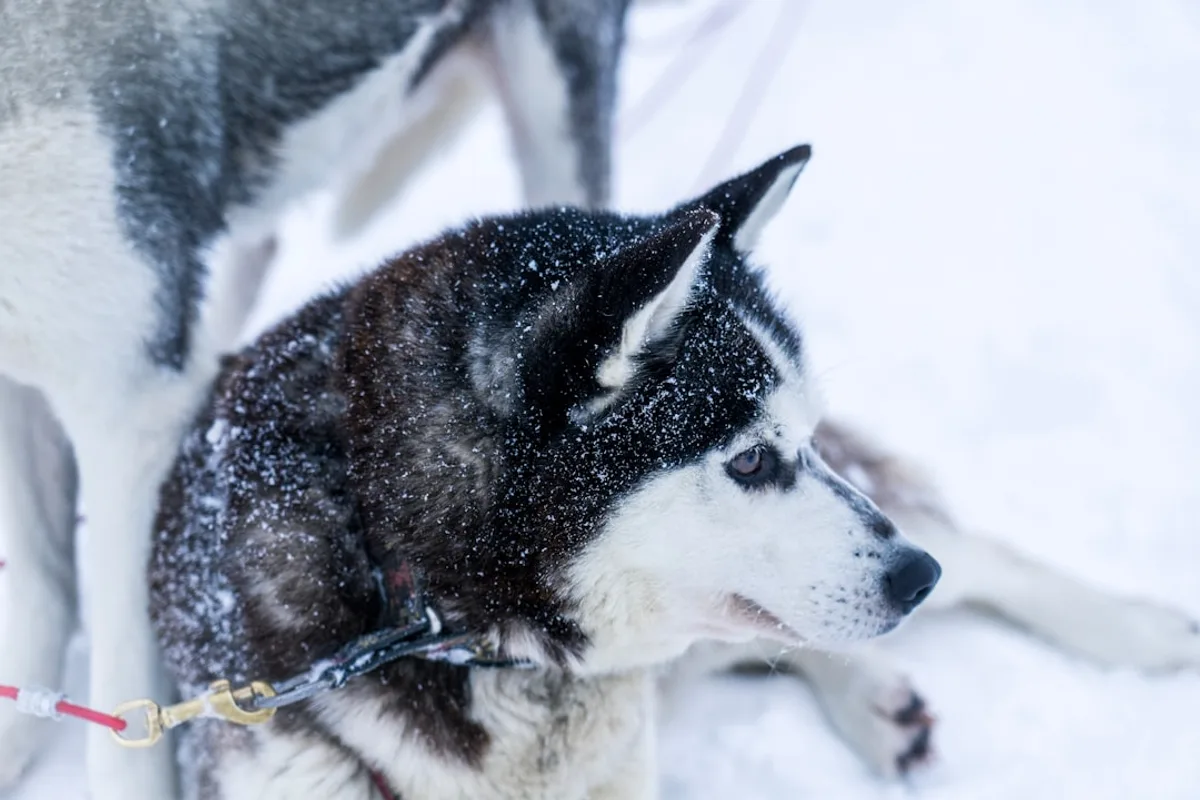
Got questions about grooming your Arctic dog? Here are the answers to the most common inquiries from fellow owners!
- How often should I groom my Arctic dog? Regular grooming is essential, typically once a week, to manage their thick double coat.
- What tools are best for grooming? Use a slicker brush and undercoat rake to effectively manage shedding.
- Are there seasonal grooming needs? Yes, increase grooming during shedding seasons in spring and fall.
Many new Arctic dog owners are unaware of the unique grooming needs specific to their breed, leading to confusion and potential neglect of care. For more detailed Arctic dog grooming tips, visit AKC’s Expert Advice.
Let’s summarize the key takeaways about grooming needs for Arctic dogs.
How Often Should I Groom My Arctic Dog?
Understanding the unique grooming needs of Arctic dogs is essential for maintaining their health and happiness. These breeds often have double coats, requiring specific grooming techniques to manage shedding and matting effectively.
Seasonal care is crucial, as Arctic dogs need more frequent grooming during shedding seasons to keep their coats healthy and comfortable. Regular grooming not only enhances their appearance but also supports their overall well-being. Key takeaways include staying informed about your dog’s coat type, using the right grooming tools, and being proactive with your grooming routine.
By following these important grooming tips for Arctic breeds, you ensure your dog remains healthy, happy, and looking their best year-round.
What Are the Best Products for Arctic Dog Grooming?
Arctic dogs, with their dense double coats, require specialized grooming products to maintain their health and appearance. During shedding seasons, a deshedding tool is essential to manage loose fur and prevent matting. For regular maintenance, a slicker brush helps distribute natural oils and keeps the coat shiny.
Additionally, a high-quality dog shampoo formulated for double-coated breeds ensures that the skin remains healthy without stripping essential oils. In winter, consider a moisturizing conditioner to combat dry skin caused by cold weather. A specialized grooming kit designed for Arctic breeds can be a worthwhile investment, offering all the necessary tools in one package.
- Deshedding tool
- Slicker brush
- Double-coated breed shampoo
- Moisturizing conditioner
Can I Trim My Arctic Dog’s Fur in the Summer?
Trimming the fur of Arctic dogs, such as Huskies and Malamutes, during summer is generally not recommended. These breeds have a double coat that acts as natural insulation, keeping them cool in the heat and warm in the cold. Instead of trimming, focus on regular grooming to manage shedding and maintain coat health.
Use a slicker brush or an undercoat rake to remove loose fur and prevent matting. This helps in promoting air circulation through the coat. Seasonal grooming is crucial, especially during shedding periods in spring and fall. Avoid shaving, as it can damage the coat and hinder its natural temperature-regulating abilities.
For optimal results, consider consulting a professional groomer familiar with Arctic breeds to ensure your dog’s coat remains healthy and functional year-round.
How Do I Manage My Arctic Dog’s Shedding?
Arctic dogs, known for their thick double coats, require specific grooming techniques to manage shedding effectively. During shedding season, which typically occurs twice a year, it’s crucial to increase grooming frequency. A slicker brush and an undercoat rake are essential tools for removing loose fur and preventing matting.
Regular grooming not only helps in controlling shedding but also promotes healthy skin and coat. Pay special attention to areas prone to tangles, such as behind the ears and under the legs. Additionally, a high-velocity dryer can be used to blow out loose fur, especially after baths.
Seasonal changes can affect shedding patterns, so adjust your grooming routine accordingly. By maintaining a consistent grooming schedule, you can keep your Arctic dog’s coat in top condition year-round.
Are There Specific Grooming Needs for Arctic Puppies?
Arctic puppies, known for their thick double coats, require specialized grooming techniques to maintain their health and comfort. Regular brushing is essential to prevent matting and to manage shedding, especially during seasonal changes when they shed their undercoat. A slicker brush and an undercoat rake are recommended tools for effectively managing their dense fur.
Seasonal grooming is crucial for Arctic breeds. During spring and fall, these puppies undergo a significant coat change, necessitating more frequent grooming sessions. This helps in removing loose fur and keeping their skin healthy. Additionally, regular checks for ice or snow buildup between their paw pads are important during winter months to prevent discomfort and potential injury.
- Use a slicker brush for regular grooming.
- Employ an undercoat rake during shedding seasons.
- Check paw pads for ice accumulation in winter.
Key Takeaways About Grooming Needs for Arctic Dogs
Understanding the unique grooming needs of Arctic breeds is essential for maintaining their health and happiness. These dogs often have double coats that require specific grooming techniques to manage shedding and ensure proper insulation.
One of the key takeaways about grooming Arctic dogs is the importance of recognizing their coat types. Double-coated breeds like Siberian Huskies and Alaskan Malamutes need regular brushing to prevent matting and to control shedding. Seasonal grooming is another critical aspect, as Arctic dogs shed heavily during spring and fall. During these periods, more frequent grooming sessions are necessary to keep their coats healthy and comfortable.
Using the right tools, such as slicker brushes and undercoat rakes, can make a significant difference in maintaining the coat’s condition. Regular grooming not only enhances the appearance of Arctic dogs but also plays a crucial role in their overall health and happiness. By staying informed and proactive about grooming routines, owners can ensure their pets are comfortable and well-cared for throughout the year.
Join us in making a difference—consider adopting a dog or volunteering with ADRTC today! By doing so, you can contribute to the well-being of these incredible animals and share in the joy of caring for an Arctic breed.
Leave a Reply