
Why Adopting a Dog Near You Is a Great Choice
Have you ever considered how adopting a dog can transform not just your life, but your community as well? Adopting a dog from a local shelter provides emotional fulfillment and strengthens community ties, making it a rewarding choice for both you and your neighborhood.
Local shelters are often overwhelmed, with thousands of dogs waiting for a loving home. By adopting locally, you help reduce the number of animals in shelters, directly impacting euthanasia rates. According to recent statistics, over 3 million dogs enter U.S. shelters annually, and adoption plays a crucial role in giving these animals a second chance at life.
Successful adoption stories abound, such as Max, a Labrador mix who found a forever home through a nearby shelter. His adoption not only brought joy to his new family but also inspired others in the community to consider adopting. Such stories highlight the positive ripple effect of local adoptions.
Adopting a dog locally not only helps reduce shelter populations but also fosters a sense of community and belonging among pet owners. Now that we understand the importance of local adoption, let’s explore how to find the right shelters and rescue organizations.
Finding the Right Local Shelters and Rescue Organizations
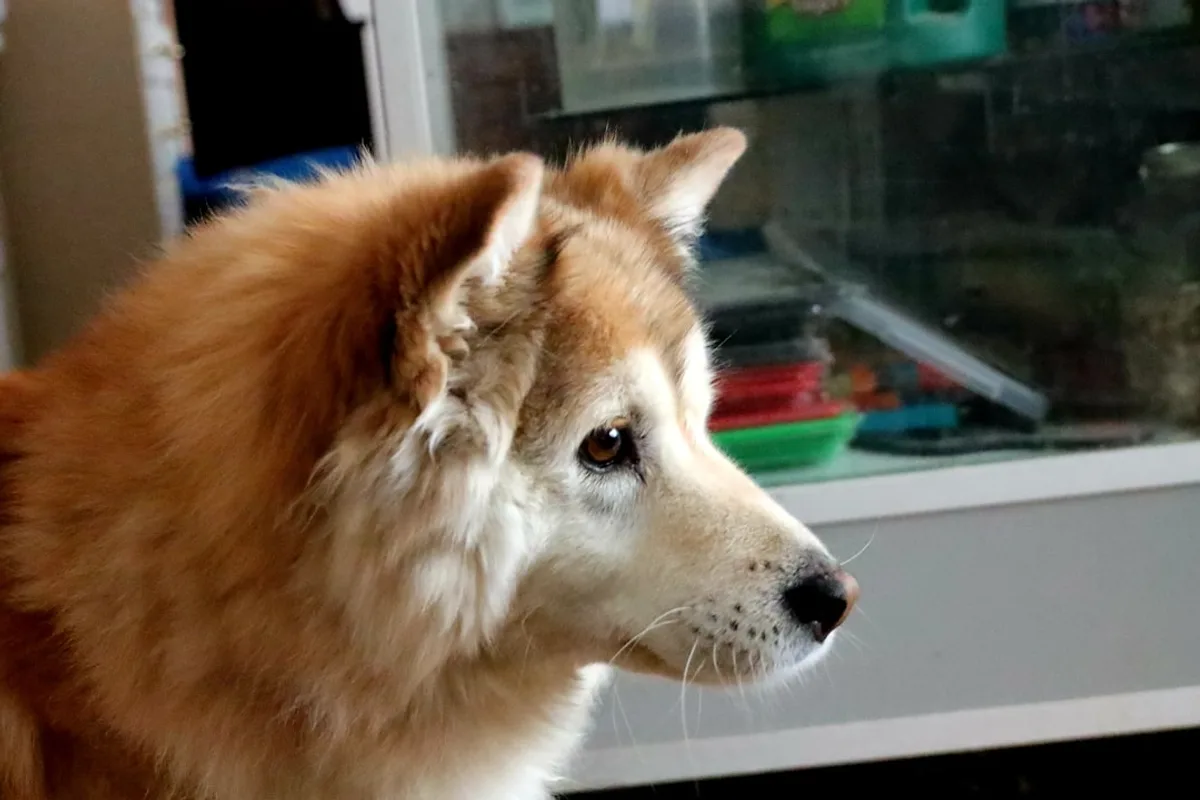
Finding the right local shelter can be the first step towards welcoming a furry friend into your home. Start by exploring popular local dog shelters and rescue organizations near you. Many provide unique programs like ‘foster-to-adopt’, allowing families to trial a dog before making a commitment.
Consider using online resources such as Petfinder and Adopt-a-Pet to locate nearby dogs. These platforms offer comprehensive listings of available pets and detailed information on adoption processes.
- Humane Society: Offers a wide range of breeds and adoption support.
- Local SPCA: Known for its community outreach and adoption events.
- ADRTC: Specializes in arctic breeds, providing specific care and adoption guidance.
Breed-specific rescues like ADRTC focus on particular needs, ensuring a good match between the dog and its new family. Next, we will delve deeper into how to research these shelters and assess their reputations.
Researching Local Shelters and Their Reputation
Not all shelters are created equal; knowing how to research their reputations can lead to a better adoption experience. Begin by checking online reviews and ratings for local shelters on platforms like Google and Yelp. These reviews provide insights into shelter reputation and help identify shelters with high adoption rates.
Visiting shelters in person is equally important. Observe the conditions and staff interactions to ensure transparency in adoption practices and shelter policies. Shelters with detailed profiles of their animals often have higher success in matching dogs with families, showcasing their commitment to finding the right homes.
Once you’ve narrowed down your options, it’s crucial to ask the right questions before making a decision.
Questions to Ask Before Choosing a Shelter
Before you commit to adopting a dog, asking the right questions can make all the difference in ensuring a successful match. Start by inquiring about the dog’s history, behavior, and health. For example, ask how the dog behaves in various situations, as this can reveal insights not always documented in their profiles.
Next, evaluate the shelter’s adoption process by asking about their policies and support services post-adoption. It’s crucial to understand their return policies and what support they offer if the adoption doesn’t work out. These questions can help you make an informed decision.
Now, let’s explore how ADRTC specifically supports local dog adoption efforts.
How ADRTC Supports Local Dog Adoption
The Arctic Dog Rescue and Training Center is more than just a shelter; it’s a community hub for dog lovers and adopters alike. Focused on arctic breeds, ADRTC offers specialized programs like training classes and community events. Success stories abound, with families receiving ongoing support to ensure smooth transitions. ADRTC dog adoption programs provide local dog training resources, fostering lasting bonds.
With a better understanding of local organizations, we can now navigate the dog adoption process itself.
Navigating the Dog Adoption Process and Meeting Requirements
Understanding the steps of the dog adoption process can empower you to make a confident decision about welcoming a new pet into your home. The journey typically begins with an adoption application process, where you provide details about your living situation and preferences. Following this, many shelters conduct home visits and background checks to ensure a suitable match.
Interestingly, many shelters have streamlined their processes to allow for same-day adoptions, significantly reducing the time a dog spends in the shelter. Statistics show that such efficiencies can improve adoption success rates, with follow-ups playing a crucial role in long-term success.
Next, we will discuss the necessary requirements you need to meet before adopting a dog.
Understanding the Adoption Process Steps
Navigating the dog adoption process can seem daunting, but understanding each step can make it much easier. Here are the steps to adopt a dog:
- Application: Complete an adoption application, providing details about your home and lifestyle.
- Interview: Participate in an interview to discuss your suitability as a pet owner.
- Home Visit: Expect a home visit to ensure your environment is safe for a dog.
- Adoption Fees: Pay the adoption fees, which typically cover vaccinations, spaying/neutering, and microchipping.
Some shelters offer expedited adoption processes for returning adopters, fostering a quicker transition. Remember, patience is key as the dog adoption timeline can vary by organization. For more detailed guidance, visit the ASPCA’s adoption tips.
Now that you know the steps, let’s look at the requirements you must meet to adopt a dog.
Meeting the Necessary Requirements for Adoption
Before you can bring a furry friend home, you need to meet specific requirements that ensure a safe and loving environment. Common dog adoption requirements include being at least 18 years old, having a stable residence, and demonstrating financial stability. A pet-friendly living situation, such as a home with a secure yard, is also essential.
Certain breeds, particularly arctic breeds, may have additional adoption criteria, like climate considerations. Some shelters may offer waivers on specific requirements for experienced adopters or those adopting senior dogs, promoting inclusivity in the adoption process.
As you prepare to adopt, knowing how to get ready for your first visit to the shelter is crucial.
Preparing for Your First Visit to the Shelter
Your first visit to a shelter can be exciting yet overwhelming; being prepared can help you make the best choice for your family. Here’s what to bring to adopt a dog:
- Valid ID
- Proof of residence
- Family members to ensure everyone agrees on the adoption
Many shelters encourage spending time with dogs in a designated area to gauge compatibility. Being mentally prepared to meet various dogs and assess their fit with your family is crucial. Now that you understand the adoption process, let’s explore the costs and benefits associated with adopting a dog.
Costs and Benefits: What to Expect When Adopting a Dog

Understanding the financial implications of dog adoption can help you prepare for the commitment ahead. The cost of adopting a dog typically includes adoption fees, vaccinations, and spaying/neutering. These initial expenses are often covered by shelters, providing a financial advantage over purchasing from a breeder.
| Expense | Adoption | Breeder |
|---|---|---|
| Adoption Fees | $50 – $300 | N/A |
| Vaccinations | Included | $75 – $100 |
| Spaying/Neutering | Included | $200 – $500 |
Ongoing costs of dog ownership include food, grooming, and veterinary care, which require careful financial planning. Adopting a dog can often lead to long-term savings, as many shelters cover initial medical expenses that would otherwise be an out-of-pocket cost.
Financial Costs of Dog Adoption
While the initial adoption fee may seem daunting, understanding the full financial picture can help you plan effectively. The financial costs of dog adoption include not only the adoption fees but also initial setup costs like food, bedding, and vaccinations. Many shelters offer sliding scale fees based on income, making adoption accessible to a broader audience.
| Region | Adoption Fees | Initial Setup Costs | Hidden Costs |
|---|---|---|---|
| Urban Areas | $100 – $300 | $200 – $500 | Emergency vet visits, pet insurance |
| Suburban Areas | $50 – $150 | $150 – $400 | Emergency vet visits, pet insurance |
| Rural Areas | $25 – $100 | $100 – $300 | Emergency vet visits, pet insurance |
Emotional and Lifestyle Benefits of Adoption
The joy of adopting a dog extends far beyond companionship; it can profoundly impact your overall well-being and lifestyle. Research shows that pet owners often report lower levels of depression and anxiety, underscoring the mental health benefits of dog adoption.
| Emotional Benefits | Lifestyle Changes |
|---|---|
| Companionship | Increased physical activity |
| Reduced stress levels | Enhanced social interaction |
To make an informed decision, it’s crucial to compare adopting a dog to buying from a breeder.
Comparing Adoption vs. Buying from a Breeder
When considering a new furry family member, the choice between adoption and purchasing from a breeder can significantly impact your experience. Adoption often provides access to a wider variety of breeds and mixed breeds, which can lead to healthier dogs due to genetic diversity.
| Aspect | Adoption | Buying from a Breeder |
|---|---|---|
| Cost | Lower fees, often includes vaccinations and microchipping | Higher initial cost, additional expenses for health checks |
| Ethics | Supports shelters and reduces overpopulation | Varies by breeder, potential ethical concerns |
| Breed Variety | Wide range of breeds and temperaments, including mixed breeds | Specific purebred options |
After adoption, new pet owners need to be aware of the care and resources available to support their journey.
Post-Adoption Care and Resources for New Pet Owners
Preparing for your new dog involves more than just love; having the right supplies can set you both up for success. Essential supplies for new dog owners include high-quality dog food, a variety of toys, and grooming tools. Don’t forget mental stimulation tools like puzzle toys, which many new dog owners overlook but are vital for preventing behavioral issues.
Establishing a routine and training schedule is crucial for your pet’s well-being. Consistent feeding times, regular walks, and dedicated training sessions help your dog adjust to their new home. Additionally, local pet stores and online communities offer valuable resources and support for new pet owners.
Training and socialization are crucial for a well-adjusted dog, so let’s explore some tips to help you get started.
Essential Supplies for Your New Dog
Equipping your home with the right supplies is a crucial step in ensuring your new dog feels welcome and secure. A comprehensive dog supplies checklist includes essentials like quality food tailored to your dog’s breed and age, sturdy bowls, a durable leash, and a comfortable bed. Don’t forget identification tags and microchipping for added safety.
Investing in quality dog care products ensures your pet’s comfort and well-being. As a new pet owner, these essentials will help you provide a nurturing environment. Training is an essential part of dog ownership, so let’s discuss some effective tips for training and socialization.
Training and Socialization Tips
Training your new dog is not just about commands; it’s about building a strong bond and ensuring a well-behaved companion. Start with essential commands like sit, stay, and come. Socialization for new dogs is crucial; introduce them to other pets and people to prevent behavioral issues.
Consider enrolling in local training classes or exploring online programs. Positive reinforcement techniques, such as clicker training, are more effective than traditional punishment methods, leading to better behavior outcomes. In addition to training, new pet owners should also seek out local support groups and resources.
Local Support Groups and Resources
Finding a supportive community can make all the difference in your journey as a new dog owner; here’s how to connect with others like you. Local dog owner support groups and community resources for pet owners offer invaluable assistance. Consider joining training classes or attending community events to enhance your dog’s socialization and training.
Online forums and social media groups also provide platforms where pet owners can share experiences and advice. These connections help integrate your dog into family life smoothly. As we wrap up, let’s address some frequently asked questions about adopting a dog near you.
FAQs About Adopting a Dog Near You

Adopting a dog can raise many questions; let’s tackle some of the most common concerns prospective adopters have.
- What are the most frequently asked questions about adopting a dog?
To ensure you leave with the most important points, let’s summarize the key takeaways about adopting a dog near you.
How Do I Find Dogs Available for Adoption Near Me?
Searching for your new furry friend can be exciting; here’s how to streamline the process and find the perfect match. Start by exploring dog adoption websites and social media pages of local shelters. These platforms often list available dogs and provide essential details. Visiting shelters in person is crucial to meet dogs face-to-face and assess compatibility. Additionally, many shelters host ‘meet and greet’ events, allowing potential adopters to interact with multiple dogs at once. Community events also showcase adoptable dogs, making them valuable local dog adoption resources. Next, we will address the typical adoption fees you might encounter.
What Are the Typical Adoption Fees?
Understanding the financial commitment of dog adoption can help you budget effectively and make an informed decision. Adoption fees for dogs typically range from $50 to $300, depending on the shelter and the dog’s age, breed, and health status. These fees often cover essential services such as vaccinations, spaying or neutering, and microchipping. Some shelters offer discounts for adopting senior dogs or multiple pets, making adoption more accessible for families.
While the upfront costs might seem significant, the long-term value of adopting a dog is immeasurable. Let’s explore whether families with young children can adopt a dog and what considerations to keep in mind.
Can I Adopt a Dog if I Have Young Children?
Adopting a dog can be a wonderful experience for families, but it’s essential to consider how a new pet will fit into your household with young children. Certain breeds, such as Labrador Retrievers and Golden Retrievers, are often recommended for families due to their friendly and tolerant nature with kids. When adopting a dog with children, it’s crucial to assess breed temperament and energy levels.
Introduce your new dog to children safely by supervising interactions and teaching kids to respect the dog’s space. Consistent training and supervision are key to ensuring a harmonious household. Next, we will discuss what to expect during a home visit from the shelter.
What Should I Expect During a Home Visit?
Understanding what to expect during a home visit can help you feel more confident and prepared as you move forward in the adoption process. A home visit for dog adoption is primarily to ensure a safe and suitable environment for the new pet. Shelter staff typically look for secure fencing, safe spaces, and potential hazards to the dog.
Preparing for a shelter home visit involves pet-proofing your home and ensuring all areas are safe. Remember, this visit is not about judging you but ensuring a good match. It’s also an opportunity for staff to offer personalized advice on integrating your new dog into your family.
Finally, let’s summarize the key takeaways about adopting a dog near you.
How Long Does the Adoption Process Take?
As we conclude, let’s reflect on the transformative journey of adopting a dog and how it can positively impact both your life and the community. Adopting from local shelters not only provides a loving home for a dog in need but also strengthens community bonds. The process typically involves visiting shelters, meeting potential pets, and completing necessary paperwork.
Key takeaways include the benefits of local dog adoption, such as fostering empathy and responsibility. By choosing community-based adoption, you’re supporting local shelters and encouraging a culture of care. Consider taking the step to adopt a dog near you and make a lasting difference.
Key Takeaways About Adopting a Dog Near You
As we conclude, let’s reflect on the transformative journey of adopting a dog and how it can positively impact both your life and the community. Adopting from local shelters not only provides a loving home to a dog in need but also strengthens community bonds. This growing trend of community-based dog adoption fosters a culture of empathy and responsibility among pet owners.
Throughout this article, we discussed the essential steps and requirements for adopting a dog. These include researching local shelters, understanding the adoption process, and preparing your home for a new furry friend. By choosing to adopt, you help reduce overcrowding in shelters and give a second chance to a deserving animal.
Join us in making a difference—consider adopting a dog or volunteering with ADRTC today! Your actions can lead to a more compassionate society, where every dog has a chance at a happy life. Remember, adopting a dog near you not only changes the life of the animal but enriches your own with unconditional love and companionship.
Leave a Reply